
Product Description
Gearbox Reducers Speed Increasing Gearbox Planetary Hollow Shaft Right Angle Type Gearbox Agricultural Planetary Manufactural Industrial
Application of Gearbox
Gearboxes are used in a wide variety of applications, including:
- Machine tools
- Conveyors
- Cranes
- Wind turbines
- Electric vehicles
- Robotics
- Aircraft
- Ships
- Automobiles
Gearboxes are used to transmit power from 1 rotating shaft to another. They can be used to increase or decrease speed, torque, or both. Gearboxes are also used to change the direction of rotation.
The type of gearbox used in a particular application depends on the specific requirements of that application. Some of the factors that are considered when selecting a gearbox include the amount of power to be transmitted, the speed and torque requirements, and the environmental conditions in which the gearbox will be used.
Here are some specific examples of how gearboxes are used in different applications:
- In machine tools, gearboxes are used to transmit power from the motor to the cutting tool. This allows the cutting tool to operate at high speeds and with precise control.
- In conveyors, gearboxes are used to transmit power from the motor to the conveyor belt. This allows the conveyor belt to move materials at a controlled speed.
- In cranes, gearboxes are used to transmit power from the motor to the hoist. This allows the hoist to lift and move heavy objects at a controlled speed.
- In wind turbines, gearboxes are used to transmit power from the rotor to the generator. This allows the generator to generate electricity at a controlled speed.
- In electric vehicles, gearboxes are used to transmit power from the motor to the wheels. This allows the electric vehicle to accelerate, decelerate, and maintain a constant speed.
- In robotics, gearboxes are used to transmit power from the motor to the actuator. This allows the actuator to move the robot arm at a controlled speed and with precise control.
- In aircraft, gearboxes are used to transmit power from the engine to the propeller. This allows the propeller to rotate at a controlled speed, which creates thrust that propels the aircraft forward.
- In ships, gearboxes are used to transmit power from the engine to the propeller. This allows the propeller to rotate at a controlled speed, which creates thrust that propels the ship forward.
- In automobiles, gearboxes are used to transmit power from the engine to the wheels. This allows the automobile to accelerate, decelerate, and maintain a constant speed.
Gearboxes are a vital component in many different types of machines and vehicles. They are used to transmit power from 1 rotating shaft to another, and they can be used to increase or decrease speed, torque, or both. Gearboxes are an essential part of many modern technologies, and they are used in a wide variety of applications.
| Application: | Motor, Electric Cars, Motorcycle, Machinery, Marine, Agricultural Machinery, Car |
|---|---|
| Function: | Distribution Power, Clutch, Change Drive Torque, Change Drive Direction, Speed Changing, Speed Reduction, Speed Increase |
| Layout: | Coaxial |
| Hardness: | Hardened Tooth Surface |
| Installation: | Horizontal Type |
| Step: | Three-Step |
| Samples: |
US$ 9999/Piece
1 Piece(Min.Order) | |
|---|
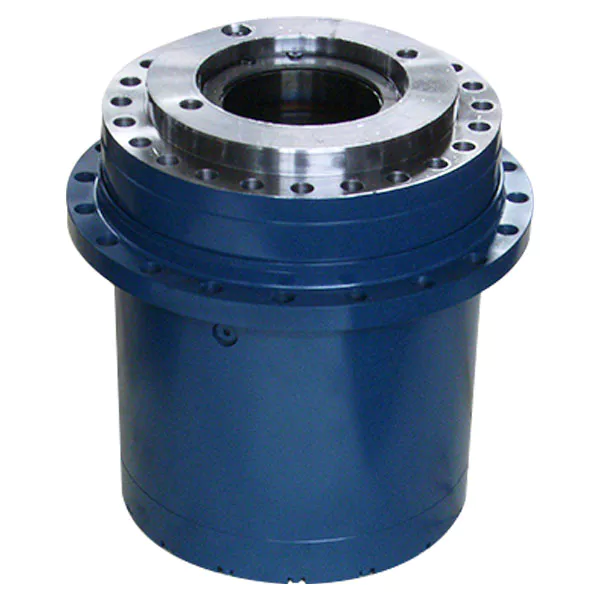
Challenges in Achieving High Gear Ratios with Compactness in Planetary Gearboxes
Designing planetary gearboxes with high gear ratios while maintaining compactness presents several challenges:
- Space Constraints: As the gear ratio increases, the number of gear stages required also increases. This can lead to larger gearbox sizes, which may be challenging to accommodate in applications with limited space.
- Bearing Loads: Higher gear ratios often result in increased loads on the bearings and other components due to the redistribution of forces. This can impact the durability and lifespan of the gearbox.
- Efficiency: Each gear stage introduces losses due to friction and other factors. With multiple stages, the overall efficiency of the gearbox can decrease, affecting its energy efficiency.
- Complexity: Achieving high gear ratios can require complex gear arrangements and additional components, which can lead to increased manufacturing complexity and costs.
- Thermal Effects: Higher gear ratios can lead to greater heat generation due to increased friction and loads. Managing thermal effects becomes crucial to prevent overheating and component failure.
To address these challenges, gearbox designers use advanced materials, precise machining techniques, and innovative bearing arrangements to optimize the design for both compactness and performance. Computer simulations and modeling play a critical role in predicting the behavior of the gearbox under different operating conditions, helping to ensure reliability and efficiency.
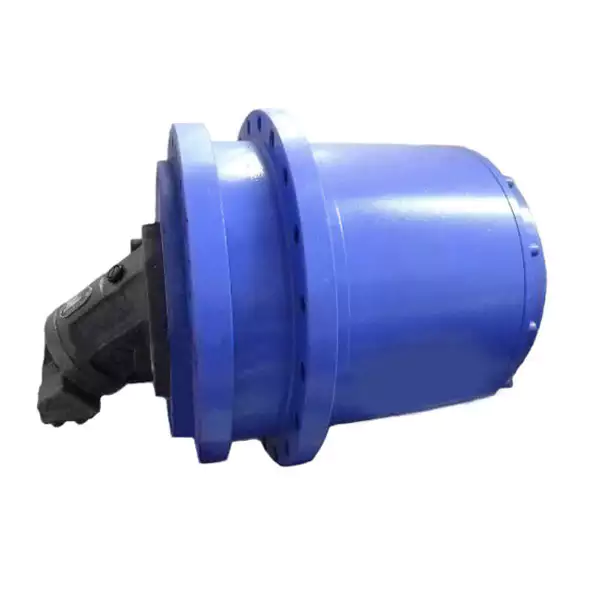
Contribution of Planetary Gearboxes to Construction Machinery and Heavy Equipment
Planetary gearboxes play a crucial role in enhancing the proper functioning of construction machinery and heavy equipment. Here’s how they contribute:
High Torque Transmission: Construction machinery often requires high torque to handle heavy loads and perform tasks like digging, lifting, and material handling. Planetary gearboxes excel in transmitting high torque efficiently, allowing these machines to operate effectively even under demanding conditions.
Compact Design: Many construction and heavy equipment applications have limited space for gear mechanisms. Planetary gearboxes offer a compact design with a high power-to-weight ratio. This compactness allows manufacturers to integrate gearboxes into tight spaces without compromising performance.
Customizable Ratios: Different construction tasks require varying speeds and torque levels. Planetary gearboxes offer the advantage of customizable gear ratios, allowing equipment designers to tailor the gearbox to the specific needs of the application. This flexibility enhances the versatility of construction machinery.
Durability and Reliability: Construction sites are challenging environments with dust, debris, and extreme weather conditions. Planetary gearboxes are known for their durability and robustness, making them well-suited for heavy-duty applications. Their enclosed design protects internal components from contaminants and ensures reliable operation.
Efficient Power Distribution: Many construction machines are equipped with multiple functions that require power distribution among different components. Planetary gearboxes can be designed with multiple output shafts, enabling efficient distribution of power to various tasks while maintaining precise control.
Reduced Maintenance: The rugged construction and efficient power transmission of planetary gearboxes result in reduced wear and lower maintenance requirements. This is particularly beneficial in construction settings where downtime for maintenance can be costly.
Overall, planetary gearboxes contribute significantly to the proper functioning of construction machinery and heavy equipment by providing high torque, compactness, customization, durability, efficient power distribution, and reduced maintenance needs. Their capabilities enhance the performance and reliability of these machines in the demanding construction industry.
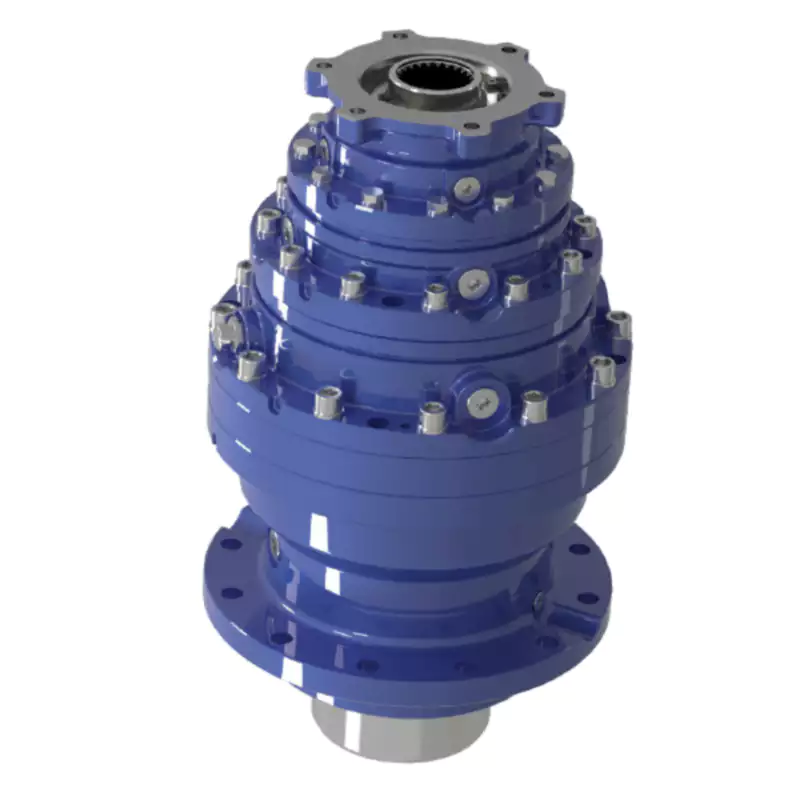
Advantages of Planetary Gearboxes Compared to Other Gearbox Configurations
Planetary gearboxes, also known as epicyclic gearboxes, offer several advantages compared to other gearbox configurations. These advantages make them well-suited for a wide range of applications. Here’s a closer look at why planetary gearboxes are favored:
- Compact Size: Planetary gearboxes are known for their compact and space-efficient design. The arrangement of multiple gears within a single housing allows for high gear reduction ratios without significantly increasing the size of the gearbox.
- High Torque Density: Due to their compact design, planetary gearboxes offer high torque density, meaning they can transmit a significant amount of torque relative to their size. This makes them ideal for applications where space is limited, but high torque is required.
- Efficiency: Planetary gearboxes can achieve high efficiency levels, especially when properly lubricated and well-designed. The arrangement of multiple meshing gears allows for load distribution, reducing individual gear tooth stresses and minimizing losses due to friction.
- Multiple Gear Stages: Planetary gearboxes can be designed with multiple stages, allowing for higher gear reduction ratios. This is particularly advantageous when precise control of output speed and torque is required.
- High Gear Ratios: Planetary gearboxes can achieve high gear reduction ratios in a single stage, eliminating the need for multiple external gears. This simplifies the overall design and reduces the number of components.
- Load Sharing: The multiple gear meshing arrangements in planetary gearboxes distribute loads evenly across multiple gears, reducing the stress on individual components and enhancing overall durability.
- High Precision: Planetary gearboxes offer high precision and accuracy in gear meshing, making them suitable for applications that demand precise motion control.
- Quiet Operation: The design of planetary gearboxes often leads to smoother and quieter operation compared to some other gearbox configurations, contributing to improved user experience.
Overall, the advantages of planetary gearboxes in terms of size, torque density, efficiency, versatility, and precision make them an attractive choice for a wide range of applications across industries, including robotics, automotive, aerospace, and industrial machinery.


editor by CX 2023-11-15