
Product Description
Planetary reducer is a widely used industrial product that can reduce the speed of the motor while increasing the output torque.Planetary reducer can be used as supporting parts for lifting, mining, transportation, construction and other industries.
The planetary gear reducer has the following features: light weight, small size, large transmission ratio range, high efficiency, smooth operation, low noise, and strong adaptability. It is widely used in industrial departments such as metallurgy, mining, hoisting and transportation, power generation, energy, construction and building materials, light industry, and transportation.
Product description:
1. The planetary gear reducer adopts modular design and can be changed and combined according to customer requirements.
2. The reducer uses an epicyclic planetary gear transmission and rationally utilizes internal and external meshing and power distribution.
3. The housing is made of ductile iron, which greatly improves the rigidity and shock resistance of the housing.
4. All gears are carburized and quenched, with a high hardness and wear-resistant surface. After heat treatment, all gears are ground, reducing noise and improving the efficiency and service life of the entire machine.
5. The planetary gear reducer products have 9-34 types, and the planetary transmission gear ratio has 2 and 3 levels.
Speed reduction ratio: 25~4000r/min (combined with RX, R, and K series to achieve a larger speed reduction ratio)
Output torque: up to 2,600,000 Nm
Motor power: 0.4-129,340 kW
Our Advantages
1. High Precision: back gap is less than 5 arc minutes, accurate positioning.
2. The precision of the gear can be controlled below ISO4 level by using the top ultra-precision machine tool and the world’s leading tooth grinding.
3. The gear material is made of advanced low carbon alloy forged steel. After deed heat treatment, it can reach HRC60.
4. It can be adapted to any servo motor in the world.
5. Using synthetic grease, and adopt IP65 sealing design, no leakage and no maintenance.
6. The cage planetary support structure and the output shaft are integrated to achieve high stiffness and precision.
Product Parameters
Description:
(1).The output shaft is made of large size,large span double bearing design,output shaft and planetary arm bracket as a whole.The input shaft is placed directly on the planet arm bracket to ensure that the reducer has high operating accuracy and maximum torsional rigidity.
(2).Shell and the inner ring gear used integrated design,quenching and tempering after the processing of the teeth so that it can achieve high torque,high precision,high wear resistance.Moreover surface nickel-plated anti-rust treatment,so that its corrosion resistance greatly enhanced.
(3).The planetary gear transmission employs full needle roller without retainer to increase the contact surface,which greatly upgrades structural rigidity and service life.
(4).The gear is made of Japanese imported material.After the metal cutting process,the vacuum carburizing heat treatment to 58-62HRC. And then by the hobbing,Get the best tooth shape,tooth direction,to ensure that the gear of high precision and good impact toughness.
(5).Input shaft and sun gear integrated structure,in order to improve the operation accuracy of the reducer.
| Product type | Stage | Ratio | FLE42 | FLF57 | HPR28 | HPR35 | HPR42 | HPS42 | HPS42 MA,MB ,MC |
HPS/R60 | HPR60 MA,MB ,MC |
HPS60 MA,MB ,MC |
HPS90 MA,MB |
HPS115 MA,MB ,MC |
HPS130 MA.MB ,MC |
HPZS60 MA,MB ,MC |
HPZS90 MA,MB |
HXF060 | HXF90 |
| Nominal Output Torque | L1 | 3 | / | / | / | 6 | 8 | / | / | 16 | / | / | / | / | / | / | / | 35 | 104 |
| 4 | 9 | 25 | 2 | 7 | 9 | 9 | 9 | 25 | 25 | 25 | 80 | 220 | 220 | 25 | 80 | 45 | 112 | ||
| 5 | 9 | 25 | 3 | 6.5 | 9 | 9 | 9 | 28 | 28 | 28 | 90 | 230 | 230 | 28 | 90 | 44 | 112 | ||
| 7 | / | / | 2 | 5 | 5 | 5 | 5 | 20 | 20 | 20 | 60 | 150 | 150 | 20 | 60 | 40 | 100 | ||
| 10 | 5 | 10 | 1 | / | 5 | 5 | 10 | 10 | 10 | 39 | 90 | 90 | 10 | 39 | 22 | 76 | |||
| L2 | 15 | / | / | / | / | 10 | / | / | / | / | / | / | / | / | / | / | / | 112 | |
| 16 | / | / | 4 | / | 12 | 12 | 12 | 30 | 30 | 30 | 90 | 250 | 250 | 30 | 90 | 40 | / | ||
| 20 | 10 | 25 | 4 | 8.5 | 12 | 12 | 12 | 30 | 30 | 30 | 90 | 250 | 250 | 30 | 90 | 45 | 112 | ||
| 25 | 10 | 25 | 4 | 8.5 | 10 | 10 | 10 | 32 | 32 | 32 | 100 | 260 | 260 | 32 | 100 | 45 | 112 | ||
| 28 | / | / | 4 | / | 10 | 10 | 10 | 30 | 30 | 30 | 90 | 250 | 250 | 30 | 90 | 45 | / | ||
| 30 | / | / | / | 7 | 10 | / | / | 30 | / | / | / | / | / | / | / | 35 | 104 | ||
| 35 | / | / | 4 | / | 10 | 10 | 10 | 30 | 30 | 30 | 100 | 260 | 260 | 30 | 100 | 45 | / | ||
| 40 | / | / | 3 | / | 10 | 10 | 10 | 25 | 25 | 25 | 90 | 250 | 250 | 25 | 90 | 45 | 112 | ||
| 50 | 10 | 20 | 3 | / | 10 | 10 | 10 | 25 | 25 | 25 | 100 | 260 | 260 | 25 | 100 | 45 | 112 | ||
| 70 | / | / | 3 | / | 10 | 10 | 10 | 20 | 20 | 20 | 70 | 160 | 160 | 20 | 70 | 40 | 100 | ||
| 100 | 5 | / | 6 | 9 | 5 | 5 | 5 | 10 | 10 | 10 | / | / | / | 10 | / | 22 | 76 | ||
| Sudden Stop Torque | N.m | L1/L2/L3 | 2Times of Nominal Output Torque | ||||||||||||||||
Company Profile
/* October 22, 2571 15:47:17 */(()=>{function d(e,r){var a,o={};try{e&&e.split(“,”).forEach(function(e,t){e&&(a=e.match(/(.*?):(.*)$/))&&1
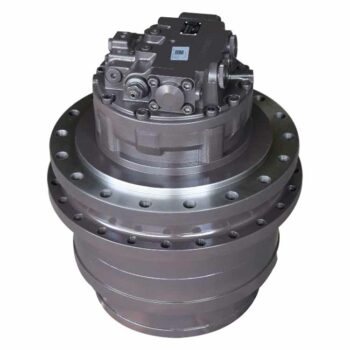
Considerations for Selecting Planetary Gearboxes for Aerospace and Satellite Applications
Selecting planetary gearboxes for aerospace and satellite applications requires careful consideration due to the unique demands of these industries:
- Weight and Size: Aerospace and satellite systems demand lightweight and compact components. Planetary gearboxes with high power density and lightweight materials are preferred to minimize the overall weight and size of the equipment.
- Reliability: Aerospace missions involve critical operations where component failure is not an option. Planetary gearboxes with a proven track record of reliability and durability are essential to ensure mission success.
- High Efficiency: Efficiency is crucial in aerospace applications to optimize power usage and extend the operational life of satellites. Planetary gearboxes with high efficiency ratings contribute to energy conservation.
- Extreme Environments: Aerospace and satellite systems are exposed to harsh conditions such as vacuum, extreme temperatures, and radiation. Planetary gearboxes need to be designed and tested to withstand these conditions without compromising performance.
- Precision and Accuracy: Many aerospace operations require precise positioning and accurate control. Planetary gearboxes with minimal backlash and high precision gear meshing contribute to accurate movements.
- Lubrication: Lubrication plays a vital role in aerospace gearboxes to ensure smooth operation and prevent wear. Gearboxes with efficient lubrication systems or self-lubricating materials are favored.
- Redundancy and Fail-Safe: Some aerospace systems incorporate redundancy to ensure mission success even in case of component failure. Planetary gearboxes with built-in redundancy or fail-safe mechanisms enhance system reliability.
- Integration: Planetary gearboxes need to be seamlessly integrated into the overall design of aerospace and satellite systems. Customization options and compatibility with other components are important factors.
Overall, selecting planetary gearboxes for aerospace and satellite applications involves a comprehensive evaluation of factors related to weight, reliability, efficiency, durability, environmental resistance, precision, and integration to meet the unique demands of these industries.
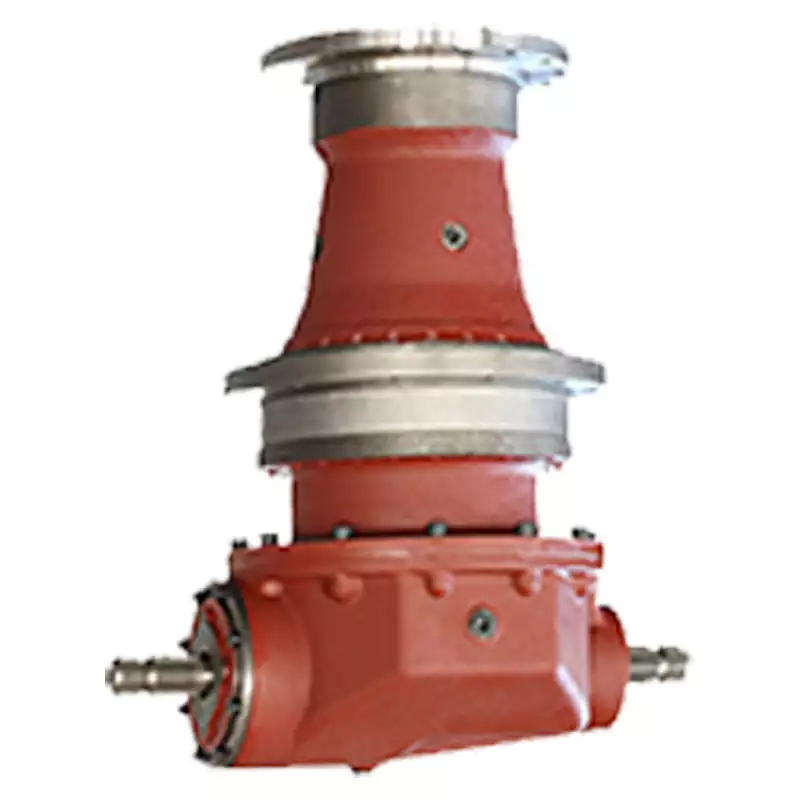
Considerations for Selecting Size and Gear Materials in Planetary Gearboxes
Choosing the appropriate size and gear materials for a planetary gearbox is crucial for optimal performance and reliability. Here are the key considerations:
1. Load and Torque Requirements: Evaluate the anticipated load and torque that the gearbox will experience in the application. Select a gearbox size that can handle the maximum load without exceeding its capacity, ensuring reliable and durable operation.
2. Gear Ratio: Determine the required gear ratio to achieve the desired output speed and torque. Different gear ratios are achieved by varying the number of teeth on the gears. Select a gearbox with a suitable gear ratio for your application’s requirements.
3. Efficiency: Consider the efficiency of the gearbox, which is influenced by factors such as gear meshing, bearing losses, and lubrication. A higher efficiency gearbox minimizes energy losses and improves overall system performance.
4. Space Constraints: Evaluate the available space for installing the gearbox. Planetary gearboxes offer compact designs, but it’s essential to ensure that the selected size fits within the available area, especially in applications with limited space.
5. Material Selection: Choose suitable gear materials based on factors like load, speed, and operating conditions. High-quality materials, such as hardened steel or specialized alloys, enhance gear strength, durability, and resistance to wear and fatigue.
6. Lubrication: Proper lubrication is critical for reducing friction and wear in the gearbox. Consider the lubrication requirements of the selected gear materials and ensure the gearbox is designed for efficient lubricant distribution and maintenance.
7. Environmental Conditions: Assess the environmental conditions in which the gearbox will operate. Factors such as temperature, humidity, and exposure to contaminants can impact gear material performance. Choose materials that can withstand the operating environment.
8. Noise and Vibration: Gear material selection can influence noise and vibration levels. Some materials are more adept at dampening vibrations and reducing noise, which is essential for applications where quiet operation is crucial.
9. Cost: Consider the budget for the gearbox and balance the cost of materials, manufacturing, and performance requirements. While high-quality materials may increase initial costs, they can lead to longer gearbox lifespan and reduced maintenance expenses.
10. Manufacturer’s Recommendations: Consult with gearbox manufacturers or experts for guidance on selecting the appropriate size and gear materials. They can provide insights based on their experience and knowledge of various applications.
Ultimately, the proper selection of size and gear materials is vital for achieving reliable, efficient, and long-lasting performance in planetary gearboxes. Taking into account load, gear ratio, materials, lubrication, and other factors ensures the gearbox meets the specific needs of the application.
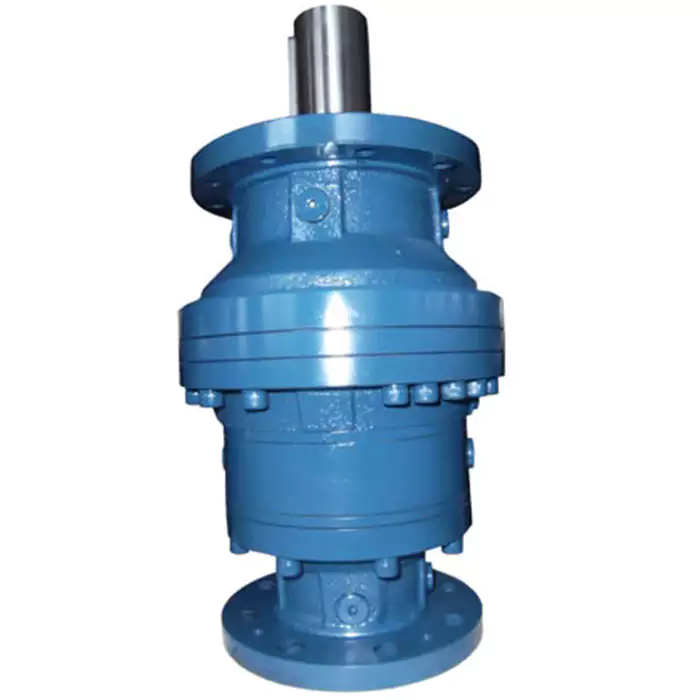
Impact of Gear Ratio on Output Speed and Torque in Planetary Gearboxes
The gear ratio of a planetary gearbox has a significant effect on both the output speed and torque of the system. The gear ratio is defined as the ratio of the number of teeth on the driven gear (output) to the number of teeth on the driving gear (input).
1. Output Speed: The gear ratio determines the relationship between the input and output speeds of the gearbox. A higher gear ratio (more teeth on the output gear) results in a lower output speed compared to the input speed. Conversely, a lower gear ratio (fewer teeth on the output gear) leads to a higher output speed relative to the input speed.
2. Output Torque: The gear ratio also affects the output torque of the gearbox. An increase in gear ratio amplifies the torque delivered at the output, making it higher than the input torque. Conversely, a decrease in gear ratio reduces the output torque relative to the input torque.
The relationship between gear ratio, output speed, and output torque is inversely proportional. This means that as the gear ratio increases and output speed decreases, the output torque proportionally increases. Conversely, as the gear ratio decreases and output speed increases, the output torque proportionally decreases.
It’s important to note that the gear ratio selection in a planetary gearbox involves trade-offs between output speed and torque. Engineers choose a gear ratio that aligns with the specific application’s requirements, considering factors such as desired speed, torque, and efficiency.


editor by lmc 2024-11-29