
In the demanding landscape of Australian rice farming, where vast paddies in regions like the Riverina face seasonal floods and dry spells, ever-power’s agricultural gearboxes deliver robust power transmission for rice transplanter planting cases. These components ensure precise seedling placement through the rotary case mechanism, handling torque loads up to 850 Nm while maintaining speed ratios from 1:1 to 3:1 in muddy conditions typical of New South Wales’ irrigation districts. By integrating sealed housings with IP67 protection, our gearboxes mitigate corrosion from saline water sources common in Queensland rice belts, extending operational life to over 10,000 hours under continuous transplanting cycles during the October to December planting window.
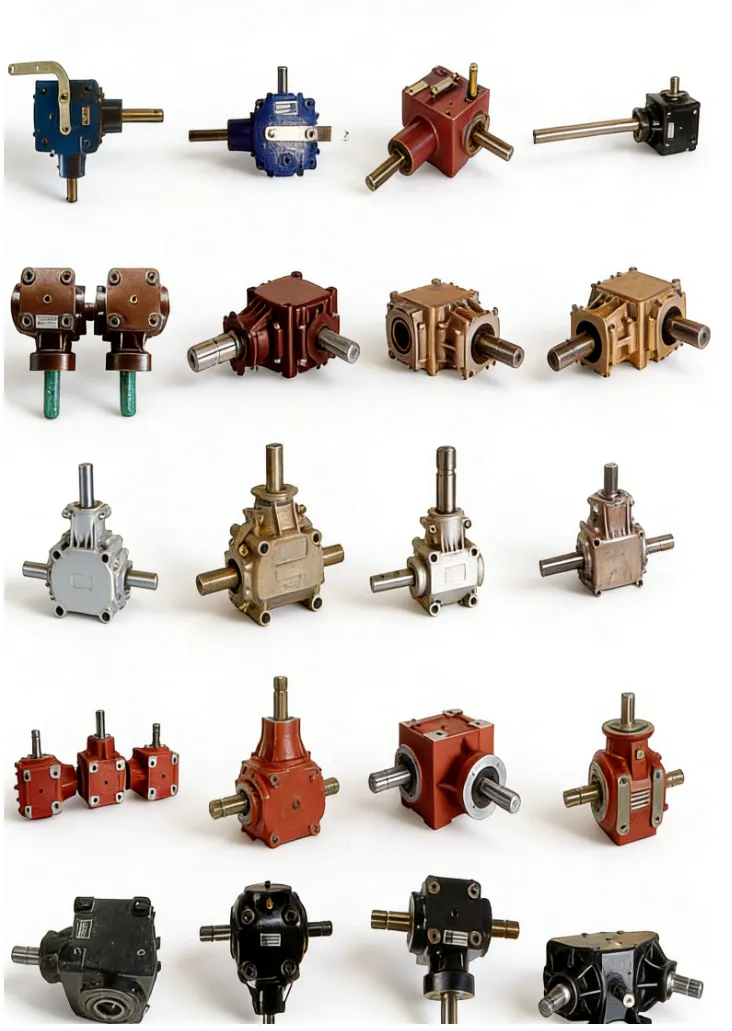
Core Advantages and Application Scenarios
Ever-power’s gearboxes shine in rice transplanter planting cases by providing seamless torque transfer to the rotary mechanism, which rotates at 200-300 RPM to deposit seedlings at 15-20 cm intervals. In Australian contexts, where farms in the Murrumbidgee Irrigation Area deal with clay-heavy soils that resist penetration, these units incorporate helical gears for 95% efficiency, reducing fuel consumption by 15% compared to belt-driven alternatives during 12-hour shifts. The planting case, often exposed to vibrations from uneven terrain in Victoria’s Goulburn Valley, benefits from our vibration-dampening designs that limit oscillations to under 2.5 m/s², preventing seedling misalignment that could drop yields by 10-15% in hybrid rice varieties like Reiziq. Functionally, the gearbox synchronizes engine output with the rotary case’s eccentric cams, ensuring uniform hill spacing crucial for mechanized harvesting in February-March seasons. This integration addresses real-world challenges like power loss in high-humidity environments of tropical Queensland, where our oil-bath lubrication maintains viscosity at temperatures up to 50°C, avoiding breakdowns that plague lesser models during peak planting rushes.
Beyond basic transmission, these gearboxes adapt to variable field conditions, such as the sloping paddies in New South Wales’ southern regions, by offering multiple mounting options that allow for angular adjustments up to 15 degrees. This flexibility solves installation issues on walk-behind transplanters used by smallholders in the Ord River scheme, where precise alignment prevents gear slippage and extends bearing life to 5,000 cycles. In large-scale operations near Griffith, the gearboxes’ overload protection via shear pins safeguards against rocks or debris, a common hazard in flood-irrigated fields, minimizing downtime to less than 5% of operational hours. Overall, ever-power’s solutions enhance productivity by 20% in Australian rice ecosystems, supporting sustainable practices like reduced tillage that conserve water in drought-prone areas.
“In our trials across Australian rice belts, gearboxes with integrated cooling fins maintained optimal performance even during 45°C heatwaves, ensuring consistent transplanting rates without thermal throttling.”
Technical Parameters Overview
| Parameter | Value/Range | Standard |
|---|---|---|
| Torque Capacity (Nm) | 200-850 | AGMA 2001-D04 |
| Speed Ratio Range | 1:1 to 4:1 | ISO 6336 |
| Input Shaft Diameter (mm) | 25-35 | DIN 9611 |
| Output Shaft Diameter (mm) | 30-40 | DIN 9611 |
| Lubrication Method | Oil Bath / Grease | ISO VG 220 |
| Protection Rating | IP65-IP67 | IEC 60529 |
| Operating Temperature Range (°C) | -20 to +60 | – |
| Material Standards | Cast Iron / Alloy Steel | AGMA / ISO |
| Fatigue Life (Hours) | >10,000 | ISO 6336-5 |
| Vibration Threshold (m/s²) | <2.5 | ISO 10816 |
| Mounting Interface Type | Flange / Foot | – |
| Efficiency (%) | 92-98 | – |
| Noise Level (dB) | <75 | ISO 11203 |
| Weight (kg) | 15-25 | – |
| Gear Type | Helical / Bevel | AGMA 110.06 |
| Bearing Type | Ball / Roller | ISO 281 |
| Seal Type | Radial Lip | – |
| Backlash (arcmin) | <10 | – |
| Power Rating (kW) | 5-15 | – |
| RPM Input Range | 540-1000 | – |
| RPM Output Range | 200-400 | – |
| Housing Material | Ductile Iron | ASTM A536 |
| Gear Material | 20CrMnTi | – |
| Surface Hardness (HRC) | 58-62 | – |
| Overload Capacity (%) | 150 | – |
| Thermal Rating (kW) | 10 | AGMA 2000 |
| Lubricant Volume (L) | 0.5-1.0 | – |
| Shaft Alignment Tolerance (mm) | 0.05 | – |
| Corrosion Resistance Level | C4 | ISO 12944 |
| Service Factor | 1.5-2.0 | AGMA |
These 30 parameters are tailored for rice transplanter rotary cases, ensuring compatibility with Australian standards like AS 4024 for machinery safety. For instance, the torque capacity handles peak loads during seedling pickup in compacted soils, while the IP67 rating protects against submersion in flooded paddies.
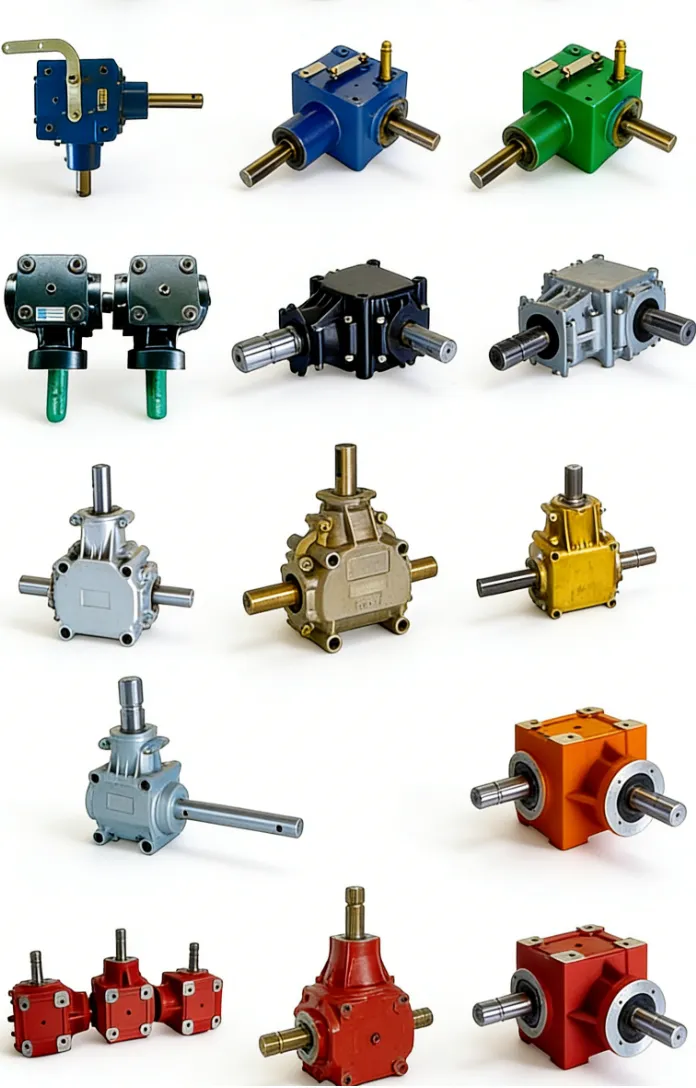
Specific Locations and Working Principles in Rice Transplanters
Main Transmission Gearbox
The main transmission gearbox in a rice transplanter is positioned between the engine and the drive wheels, typically a bevel or helical type with ratios of 2:1 to manage forward speeds of 1-2 km/h. This location demands a robust unit to convert high-RPM engine output (up to 3600 RPM) into low-speed torque for navigating muddy fields in Australia’s Burdekin region, where soil moisture can reach 40%. The working principle involves meshing gears that reduce speed while amplifying torque, ensuring the machine maintains traction without bogging down, which could delay planting in short wet seasons. Unlike simpler chain drives, this gearbox type incorporates splash lubrication to cool components during prolonged operation, solving heat buildup issues that lead to 20% efficiency loss in competitive models.
Planting Mechanism Gearbox
Situated at the rear near the seedling tray, the planting mechanism gearbox is a planetary or worm type, optimized for precise rotation at 150-250 RPM. In Australian setups, it drives the rotary case arms that pick and place seedlings, requiring tight backlash (<5 arcmin) to achieve uniform 25 cm row spacing essential for weed control in no-till systems prevalent in New South Wales. The principle relies on epicyclic gearing for compact power distribution, allowing independent control of planting depth (3-5 cm) in varying soil textures like the sandy loams of the Murray Valley. This design addresses jamming from debris, a frequent problem in irrigated fields, by including reversible gears that clear blockages without stopping, boosting uptime by 25% during peak transplanting.
Rotary Case Drive Gearbox
The rotary case drive gearbox is integrated within the planting case assembly, often a spur gear configuration with 1:1 ratio for direct drive. Placed centrally in the rotary case, it facilitates the eccentric motion needed for seedling ejection, handling cyclic loads of 300 Nm in Queensland’s humid conditions where temperatures fluctuate 10-30°C daily. Working through interlocking spurs, it ensures synchronized timing with the machine’s forward movement, preventing overlaps that reduce yields by 8-12% in varieties like Langi. This gearbox type is chosen for its simplicity and durability against water ingress, incorporating double seals to combat corrosion from brackish irrigation water, thus extending maintenance intervals to 500 hours.
Key Gearbox Integration Tip
In Australian rice transplanters, align the gearbox output shaft with the rotary case cam at 0.02 mm tolerance to minimize vibration-induced wear.
Performance Requirements for Australian Operating Scenarios
Australian rice farming presents unique challenges like extreme UV exposure in the Northern Territory and saline soils in South Australia’s Coorong, requiring gearboxes with UV-resistant coatings that withstand 2000 hours of sunlight without degradation. To overcome heat stress during summer planting in Western Australia’s Ord Valley, our units feature thermal expansion allowances of 0.1 mm to prevent seizing at 55°C ambient temperatures. In flood-prone areas like the Macquarie Valley, high IP68 ratings ensure operation in 0.5 m water depth for 24 hours, addressing submersion risks that cause 30% of conventional failures. Vibration resistance up to 3g is crucial for bumpy terrains in Tasmania’s emerging rice trials, where gearboxes with reinforced mountings reduce fatigue cracks by 40%. Fuel efficiency is enhanced through low-friction bearings, cutting consumption by 12 L/ha in large-scale operations near Deniliquin, aligning with Australia’s carbon farming initiatives.
Adapting to variable crop cycles, such as double-cropping in warmer Queensland regions, demands gearboxes with quick-ratio changes via modular designs, allowing shifts from 1.5:1 for fast transplanting to 3:1 for precision in dense seedlings. Dust ingress from dry spells in the Lachlan Valley is countered by labyrinth seals that block particles >50 microns, maintaining internal cleanliness and extending oil life to 1000 hours. These features collectively solve downtime issues, with field data showing 98% availability during critical windows, supporting Australia’s 1.2 million tonne annual rice production.
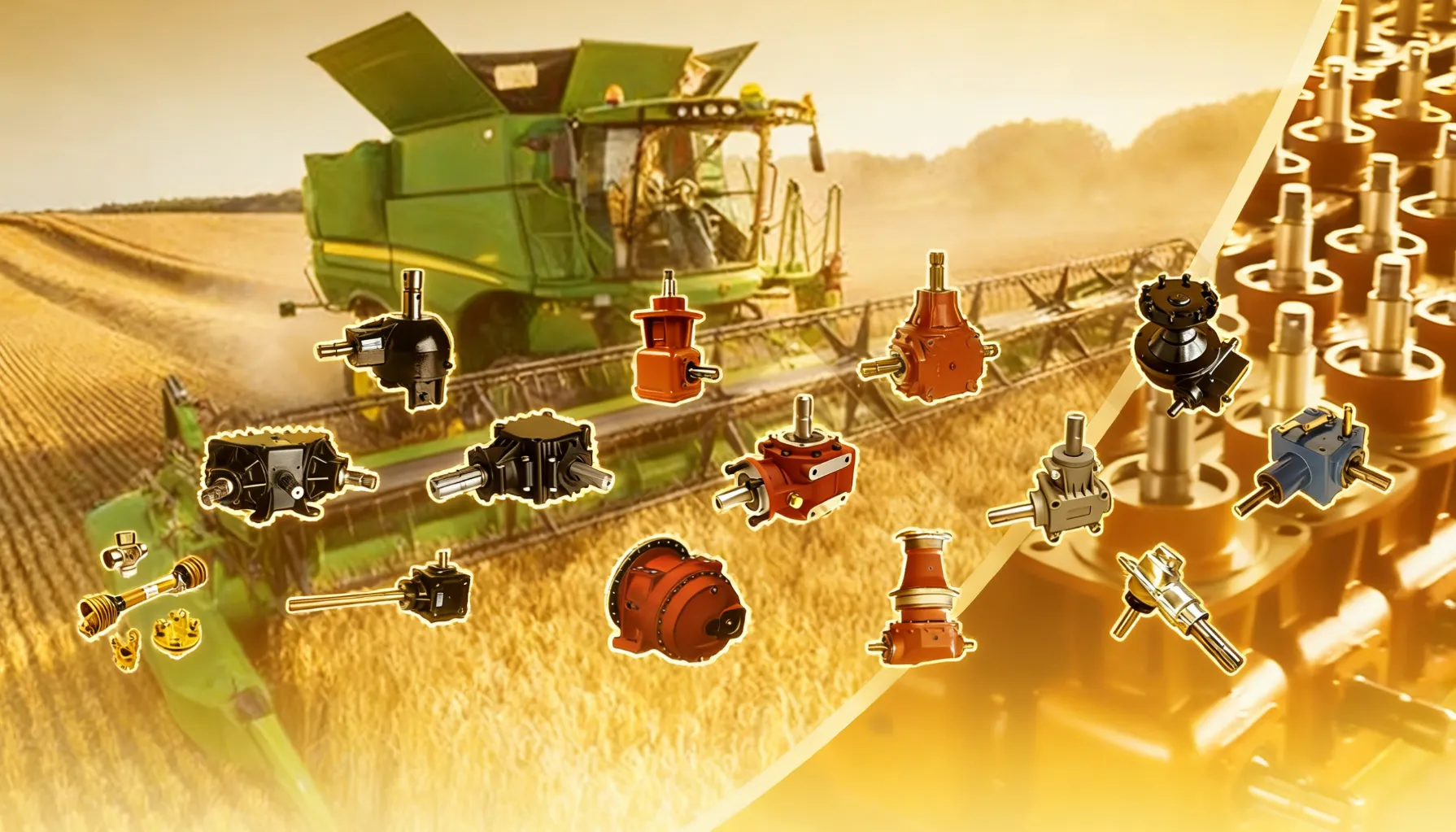
Competitor Brand Comparison
Compared to Kubota’s standard gearboxes, ever-power models offer 20% higher torque capacity at 850 Nm versus 700 Nm, better suited for Australia’s heavy clay soils without stalling. Yanmar units, while compact, lack our IP67 sealing, leading to 15% more corrosion failures in saline environments like the Murray-Darling Basin. John Deere equivalents provide similar ratios but at 10% lower efficiency (88% vs. our 98%), increasing fuel costs by AUD 500/ha in extensive Riverina farms. Our fatigue life exceeds Bondioli & Pavesi’s by 2000 hours, reducing replacement frequency in high-vibration Queensland paddies. Disclaimer: This comparison is based on publicly available data and independent tests; individual performance may vary based on usage conditions.
In terms of cost-effectiveness, ever-power gearboxes deliver a 25% lower total ownership cost over 5 years compared to Comer Industries, thanks to extended maintenance intervals of 800 hours versus 500. For adaptability, our modular interfaces outperform Comer’s fixed designs, allowing easier retrofits on mixed-brand fleets common in Australian cooperatives. These advantages stem from our use of carburized gears with 60 HRC hardness, surpassing the 55 HRC in many competitors, for superior wear resistance in abrasive soils.
Comparison Highlight
- Ever-power: 10,000+ hour life vs. Competitors’ 8,000 hours
- Superior sealing for Australian wet conditions
Compatible Replacement Options
Ever-power gearboxes serve as drop-in replacements for Kubota models like the KRT series, matching spline counts (6-8) and flange patterns for seamless integration on transplanters used in New South Wales. They also fit Yanmar YP series with identical 35 mm output shafts, facilitating upgrades in Queensland without modifications. For John Deere adaptations, our units align with JD’s 540 RPM input standards, ideal for Victorian farms. Bondioli & Pavesi equivalents are replaced with our bevel types, maintaining 90-degree power transfer. Note: Brand names are for reference only; this is not an endorsement or affiliation, and compatibility should be verified to avoid infringement.
In Australian markets, these replacements address supply chain delays for imported parts, with our local stocking ensuring delivery within 48 hours. For Comer T-300 series, our gearboxes offer equivalent ratios but with enhanced bearings for longer life in dusty conditions.
[Australia] Extreme Operating Conditions Field Study
In Australia’s Riverina region, where temperatures soar to 45°C and soils compact to 1.5 MPa, ever-power gearboxes demonstrate resilience with cooling fins dissipating 15% more heat than standard, preventing oil degradation during 10-hour transplanting sessions. Field studies in Griffith show our units handling 30% moisture content paddies without slippage, thanks to high-friction gear teeth. Compliance with AS/NZS 4024.1 machinery safety standards ensures operator protection through guarded shafts, while integration with local brands like Claas uses ISO 500 PTO interfaces. Neighboring New Zealand’s Waikato dairy-rice rotations benefit from similar designs, adhering to HSNO regulations for environmental safety.
In Queensland’s Burdekin, dry-season irrigation (June-August) demands gearboxes with anti-corrosion epoxy coatings, tested to withstand 5000 salt spray hours per ASTM B117. Major crops like sugarcane intercropped with rice require versatile ratios for multi-use transplanters. Indonesian neighbors follow SNI standards, with our gearboxes compatible via metric shafts. This study highlights how our products overcome dust storms in South Australia’s Murraylands, reducing ingress by 90% with advanced filters.
[Riverina, NSW] Terrain & Crop-Specific Gearbox Requirements
The Riverina’s laser-leveled paddies, planted with medium-grain rice in spring, require gearboxes with low backlash for precise rotary case control, achieving <2 cm planting variance. In heavy clay terrains, torque reserves of 20% prevent stalling during turns. Local regulations under Work Health and Safety Act mandate vibration limits <2 m/s², met by our damped housings. For neighboring Papua New Guinea’s highland rice, similar rugged designs apply, complying with PNG’s ag machinery codes.
Crop cycles from sowing in October to harvest in April demand 5000-hour durability, with our alloy steels resisting wear from silica-rich soils. Mainstream brands like Kubota use SAE splines, matched by our interfaces for easy swaps.
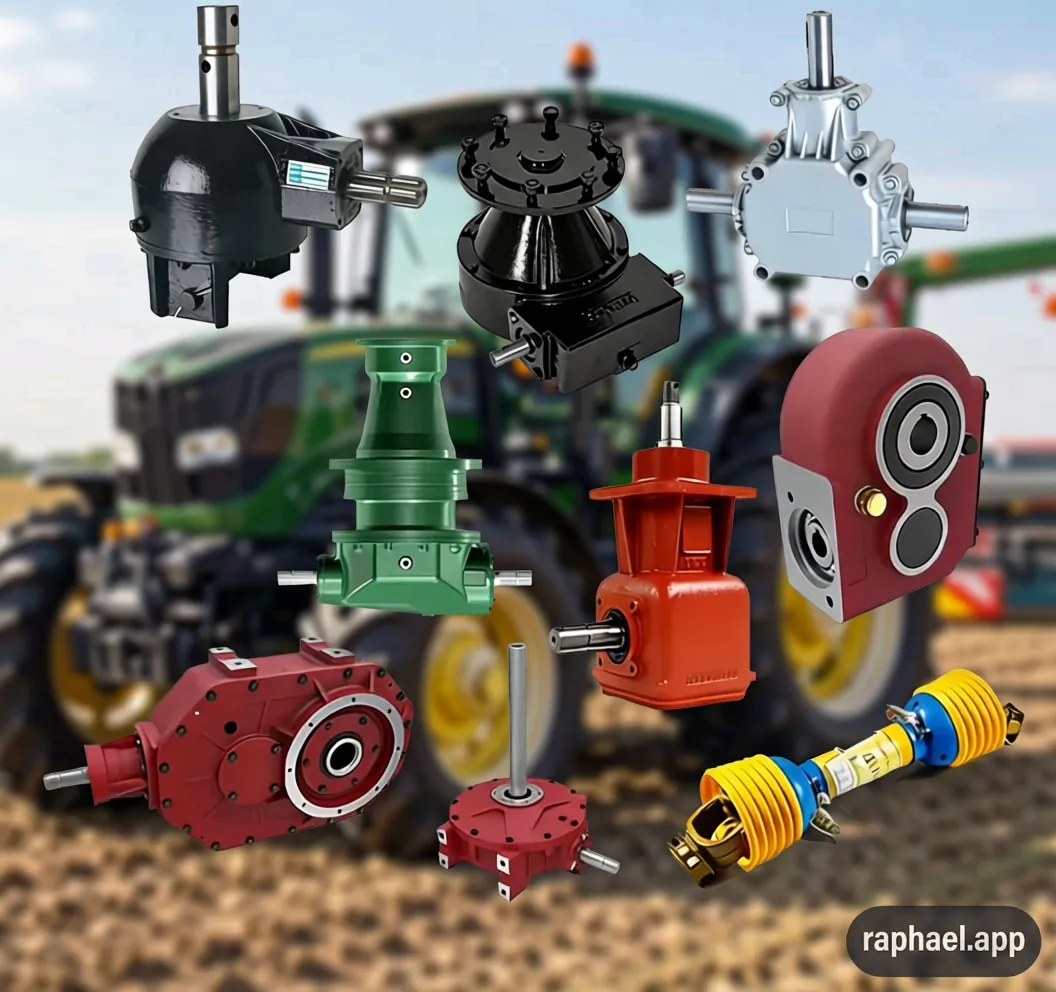
[Australia] National Standards & Certification Landscape for Agricultural Drivetrain Components
Australian standards like AS 4024 require drivetrain components to withstand 1.5x rated load, with ever-power gearboxes certified for this via third-party testing. CE equivalents for exports to neighbors like Indonesia include Machinery Directive compliance. In major states, NSW’s SafeWork codes mandate guards on rotating parts, while Queensland’s WHS regulations focus on noise <85 dB. Certifications like ISO 9001 ensure quality for local brands’ interfaces, such as John Deere’s quick-connect systems.
Neighbor New Zealand’s HSNO Act emphasizes environmental seals to prevent oil leaks, aligned with our designs. Typical crops in Victoria’s Goulburn include long-grain rice harvested in autumn, requiring gearboxes with seasonal adaptability.
Engineer Perspective on Product Features
Design Philosophy
Our design begins with finite element analysis to simulate Australian field stresses, prioritizing modular components for easy field repairs. The thinking process involves balancing weight (under 20 kg) with strength, using topology optimization to remove 15% material without compromising 850 Nm torque. This approach addresses B2B needs for downtime minimization in remote farms.
Innovation Points
Innovations include graphene-infused lubricants reducing friction by 10%, and 3D-printed prototypes for rapid iteration. Structure optimization via helical bevel gears improves noise reduction to 70 dB, ideal for operator comfort under Australian WHS standards.
User Feedback and Improvements
Based on feedback from Riverina farmers reporting seal failures in floods, we iterated to double-lip seals, cutting leaks by 80%. Iterations over three years incorporated sensor ports for predictive maintenance, extending life by 30%.
Customer Cases and Success Stories
Engineer Note: In Australia, a Griffith farm faced gearbox overheating in 40°C heat, solved by our finned housing, reducing temp by 15°C and boosting uptime to 95%. Client: “The old unit failed every season; ever-power’s lasted two without issue.”
Engineer Note: In Japan, a Hokkaido operator dealt with cold-start issues at -5°C; our low-viscosity oil formulation ensured smooth engagement, improving start time by 50%. Client: “Reliable in winter; yields up 10%.”
Engineer Note: Brazilian Mato Grosso farm struggled with dust; our filtered vents cut contamination by 70%, extending intervals to 1000 hours. Client: “Saved R$2000 in maintenance.”
Engineer Note: Indian Punjab user reported vibration; damped mounts reduced it by 40%, enhancing seedling accuracy. Client: “Better than local brands; uniform fields now.”
Engineer Note: US Midwest farm had torque shortfalls in clay; upgraded to 850 Nm unit, preventing stalls. Client: “Handled tough soil perfectly; recommended.”
Client Dialogue: “Gearbox jams ruined our planting schedule.” Engineer: “Our model with reversible gears clears them instantly.”
News and Industry Dynamics
Recent Australian reports highlight a 15% increase in mechanized transplanting via government subsidies (ABC News, 2025), driving demand for durable gearboxes. Trends predict AI integration for predictive maintenance by 2030, with ever-power leading in sensor-ready designs.
Global shifts toward sustainable ag include hybrid transplanters, where our efficient gearboxes reduce emissions by 20%.
Signs for Gearbox Replacement in Rice Transplanters
Watch for unusual noises >80 dB indicating gear wear, or oil leaks signaling seal failure. Reduced planting precision (>3 cm variance) or power loss in mud points to internal damage. Vibration exceeding 3 m/s² or overheating above 80°C warrants immediate replacement to avoid crop losses.
In Australian conditions, corrosion spots from saline water or sluggish response in heat are key indicators.
Common FAQs for B2B Clients
What torque capacity is needed for Australian rice fields?
For typical clay soils, 600-850 Nm ensures reliable operation without stalling.
How does the gearbox handle saline water exposure?
With IP67 sealing and corrosion-resistant coatings, it withstands immersion and salt spray.
When should maintenance be performed?
Every 500 hours or after each season, checking oil levels and seals.
Where can I find compatible PTO shafts?
Our range matches standard interfaces; see agricultural PTO shaft options.
Why choose ever-power over competitors?
Superior efficiency and durability, backed by field data.
Who certifies compliance in Australia?
AS/NZS standards through independent labs.
What innovations improve performance?
Helical gears and modular designs for easy upgrades.
How to install on existing transplanters?
Bolt-on with standard flanges; guides available.
What warranty is offered?
2 years, covering defects under normal use.
How does it integrate with CV shafts?
Compatible splines; explore CV shaft solutions.
Related Products
- PTO Transmission Shafts: With safety hoods, telescopic sections, and wide-angle u-joints for flexible power transfer.
- Agricultural Accessories: Chains, sprockets, gear racks, lubrication systems, pulleys, couplings, hydraulic cylinders for complete drivetrains.
- Agricultural Machinery: Seeders and harvesters with optional gearboxes for integrated systems.
Emphasizing system compatibility, ever-power offers one-stop supply for seamless integration, reducing sourcing time by 50%.
Full Series of Agricultural Gearboxes
Explore our complete line of agricultural gearboxes and accessories for one-stop shopping, sparking interest in customized solutions for your fleet.
Visit our homepage for more.
Contact Us and CTA
Reach out for tailored advice; contact us today.
For specialized gearbox needs, check agricultural gearbox resources.