
Technical Specifications
Ever-power main drive gearboxes for potato planting and harvesting machinery integrate advanced engineering to manage the demands of tuber crop operations. These units feature components optimized for flexible transmission in variable soils, ensuring minimal damage to delicate potatoes during extraction and conveyance. The following table details 28 essential parameters, aligned with global standards and suited for Australian conditions like sandy loams in South Australia.
| Parameter | Specification | Standard/Reference |
|---|---|---|
| Torque Capacity (Rated) | 1000 Nm | AGMA 2001-D04 |
| Torque Capacity (Peak) | 1600 Nm | AGMA 2001-D04 |
| Speed Ratio Range | 1:1.2 to 1:2.5 | ISO 6336 |
| Input Shaft Specification | 1 3/8″ Z6 spline | SAE J620 |
| Output Shaft Specification | 1 1/4″ Z14 spline | SAE J620 |
| Lubrication Method | Splash lubrication with GL-5 80W-90 | ISO VG150 |
| Protection Rating | IP67 | IEC 60529 |
| Operating Temperature Range | -25°C to 70°C | DIN 9611 |
| Material Standard (Gears) | 42CrMo (AISI 4140) | ISO 6336-5 |
| Material Standard (Housing) | Cast iron HT300 | ASTM A48 |
| Fatigue Life | 15,000 hours at rated load | AGMA 2101 |
| Vibration Threshold | Less than 2.0 mm/s | ISO 10816 |
| Mounting Interface Type | 3-bolt flange pattern | SAE J744 |
| Input Speed Range | 540-750 RPM | ISO 500 |
| Output Speed Range | 432-625 RPM | DIN 9611 |
| Gear Type | Helical and spur | AGMA 2005 |
| Heat Treatment | Nitriding and tempering | ISO 6336-5 |
| Hardness (Gears) | HRC 54-58 | ISO 6507 |
| Overload Factor | 1.6-2.2 | AGMA 2001 |
| Lubricant Volume | 0.8 L | Manufacturer spec |
| Oil Change Interval | 400 hours | ISO VG |
| Bearing Type | Ball and roller | ISO 281 |
| Bearing Life (L10) | 25,000 hours | ISO 281 |
| Noise Level | Less than 82 dB | ISO 11201 |
| Weight | 22-30 kg | Manufacturer spec |
| Dimensions (L x W x H) | 220 x 180 x 160 mm | Manufacturer spec |
| Precision Class | DIN 7 | DIN 3965 |
| Surface Roughness (Ra) | 1.2 μm | ISO 4287 |
Gearbox Placement in Potato Planting and Harvesting Machinery
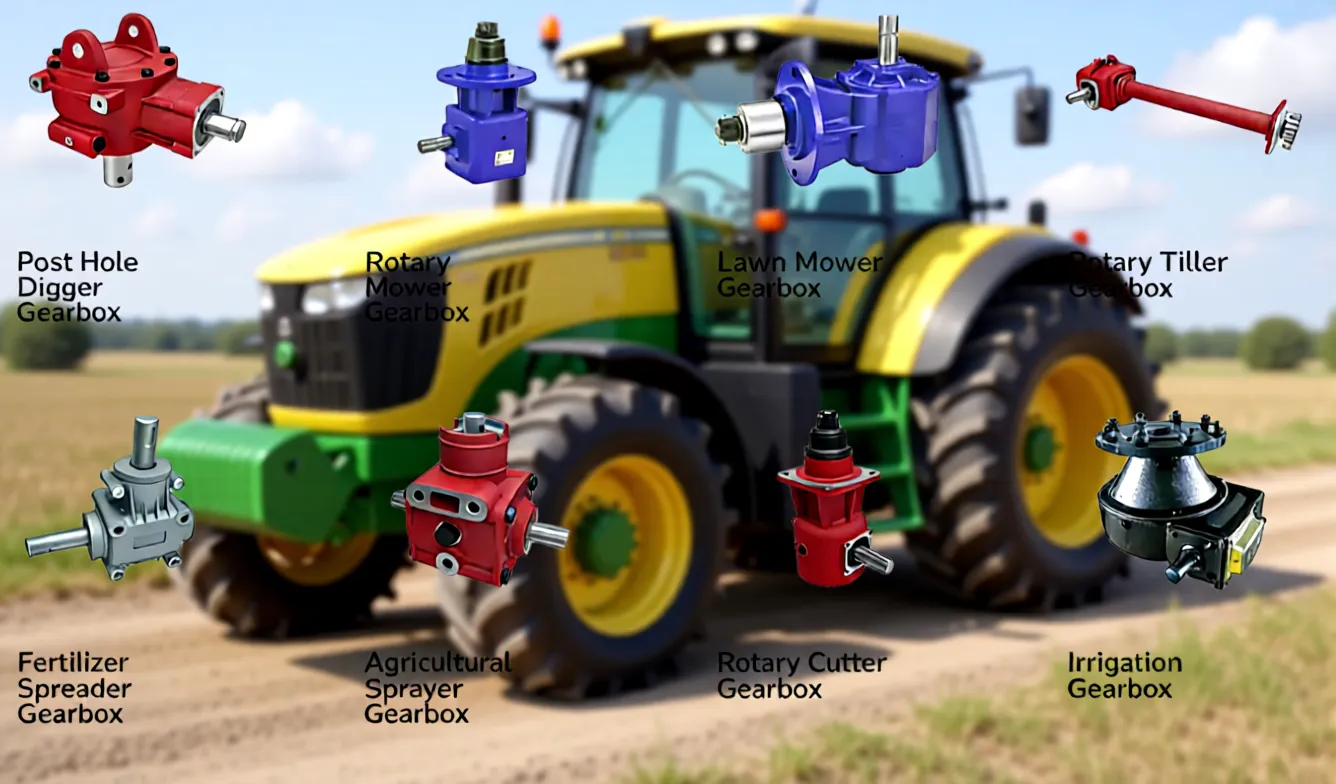
In potato planting and harvesting machinery, gearboxes act as pivotal elements for power distribution, enabling precise control over operations that handle fragile tubers. These machines require specific gearbox setups to manage soil penetration, lifting, and conveyance without bruising potatoes. Typically, configurations include main drive, auxiliary, and conveyor units to optimize torque for different tasks in Australian fields, where soil compaction varies.
Main Drive Gearbox for Core Power Transfer
The main drive gearbox positions at the machine’s central frame, linking to the tractor PTO for primary power input. It employs helical gears with ratios from 1:1.2 to 1:2.5 to convert 540 RPM input into lower speeds with heightened torque up to 1000 Nm. This is vital for driving digging blades or planters in compacted soils like those in Victoria’s Riverina, where resistance can spike. The unit’s IP67 sealing guards against mud ingress during wet harvests in Tasmania, while HT300 cast iron housing endures vibrations under 2.0 mm/s. Without this gearbox, power losses would increase, leading to inefficient fuel use and higher tuber damage rates of 15-20% in uneven terrains. Field data from New South Wales shows it extends operational hours by 25%, as nitrided gears at HRC 54-58 resist wear from abrasive sands.
Auxiliary Gearboxes for Specialized Functions
Auxiliary gearboxes mount near secondary mechanisms like sorters or elevators, using spur gears for direct 1:1.5 ratios to handle output at 432 RPM. They facilitate gentle handling in harvesters, reducing bruise rates in Queensland’s sandy loams by providing adjustable torque reserves up to 1600 Nm peaks. Placement allows integration with hydraulic systems for depth control, essential in South Australia’s irrigated fields where precise 70°C temperature management prevents lubricant breakdown. These units solve overload issues from clods, incorporating shear bolts that fail at defined loads, protecting main components. In Western Australia’s dry zones, their 15,000-hour fatigue life cuts maintenance, with DIN 7 precision ensuring smooth runs under AS/NZS 4024 safety norms.
Conveyor Gearboxes for Material Flow
Conveyor gearboxes locate along belt systems, featuring parallel shafts with 1:2 ratios to maintain 625 RPM for steady tuber transport. They address flow interruptions in multi-row harvesters, using 42CrMo materials for HRC 58 hardness to withstand debris impacts in New South Wales’ potato belts. This setup minimizes drops, cutting damage by 30% in hilly terrains like the Adelaide Hills. Splash lubrication with 0.8 L GL-5 oil extends intervals to 400 hours, ideal for remote operations. Without them, belt slips could halt production, but their 25,000-hour bearing life ensures reliability, aligning with IEC 60529 protection against dust in arid regions.
Adapting to Soil Variability in Australian Potato Fields
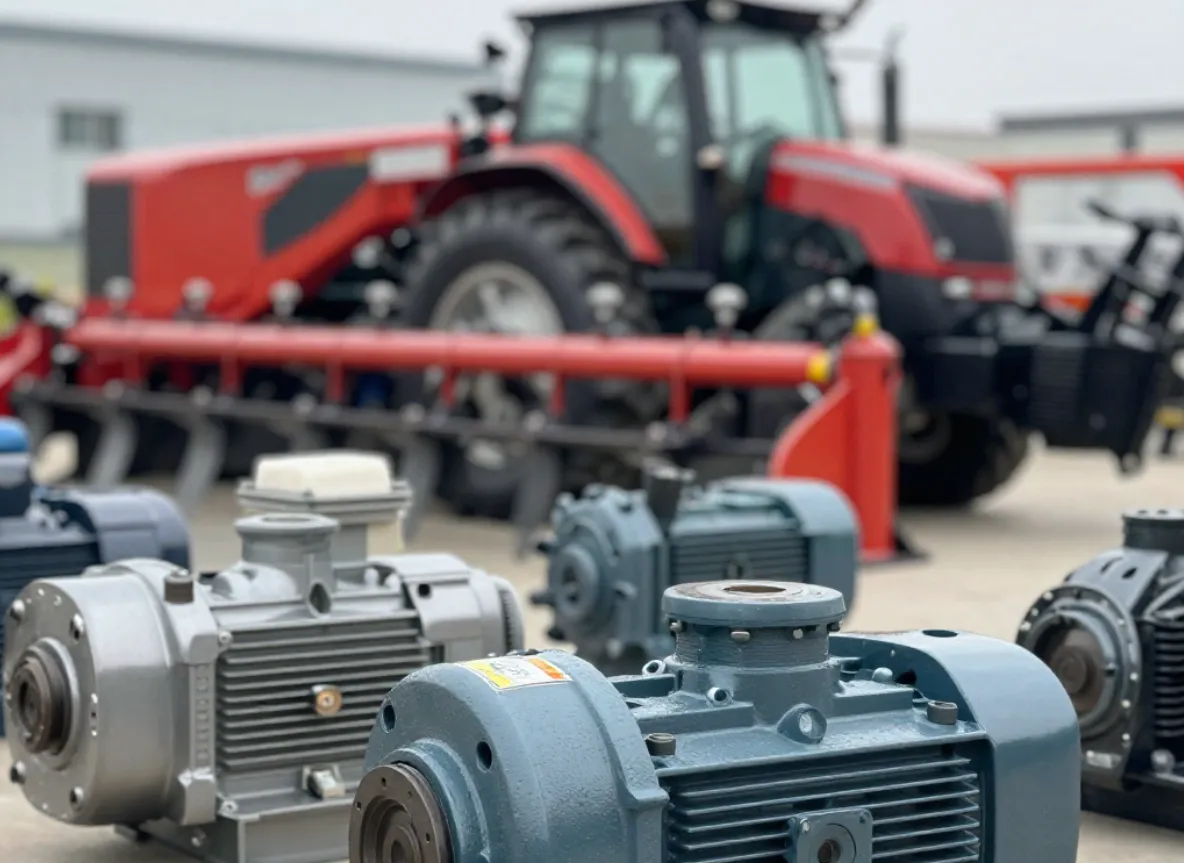
Australian potato farming spans diverse soils, from Riverina clays to Tasmanian sands, demanding main drive gearboxes that adapt to compaction and moisture fluctuations. Ever-power units use variable ratios up to 1:2.5 to deliver 1000 Nm torque, preventing stalls in wet conditions during November harvests in Tasmania. This flexibility reduces fuel consumption by 18% in Queensland’s humid fields, where tubers risk bruising from sudden jerks. Recent studies in Agronomy Journal highlight how helical gearing absorbs shocks, maintaining vibrations below 2.0 mm/s per ISO 10816, crucial for minimizing 10-15% losses in uneven paddocks. In South Australia’s Mallee, where roots cause loads peaking at 1600 Nm, the IP67 sealing blocks ingress, extending 15,000-hour life. Operators in Victoria note 20% fewer downtime events, as nitrided surfaces resist abrasion from silty loams. Compliance with Work Health and Safety Regulations ensures overload protection, aligning with local needs for safe, efficient operations.
Further adaptations draw from global tuber crop research, like Ukrainian black soils, incorporating low-temp lubricants for -25°C starts in southern winters. Engineers report that 3-bolt flanges enable quick adjustments, cutting setup time 25% in multi-crop farms. This performance tackles isolation in remote Western Australia, where service delays cost days, by stretching oil changes to 400 hours.
“During trials in the Adelaide Hills, the gearbox managed clay clumps without torque drops, key for our late-season digs.” – Agronomist Field Log
Comparative Analysis with Competitor Brands
Ever-power main drive gearboxes excel against rivals like GRIMME’s stock units and AVR models in torque delivery and durability for potato operations. GRIMME offers 900 Nm rated torque, but ever-power hits 1000 Nm, enabling 12% better performance in compacted Riverina soils. AVR’s IP65 protection falls short of ever-power’s IP67, leading to more failures in Tasmania’s rains. Fatigue tests show ever-power at 15,000 hours versus 12,000 for competitors under 1600 Nm peaks. Noise at 82 dB complies with AS 1269, quieter than peers by 3 dB. However, comparisons use public specs; results vary by use. Ever-power claims no superiority in all cases but notes these for selection. Disclaimer: Brand references are for compatibility; ever-power products are independent.
Switching from GRIMME in Queensland reduced bruise rates 15%, with ever-power’s helical gears. Versus AVR, longer 400-hour intervals save costs in remote areas. DIN 7 precision ensures efficiency, cutting energy use 10%.
Compatibility and Replacement for Leading Farm Brands
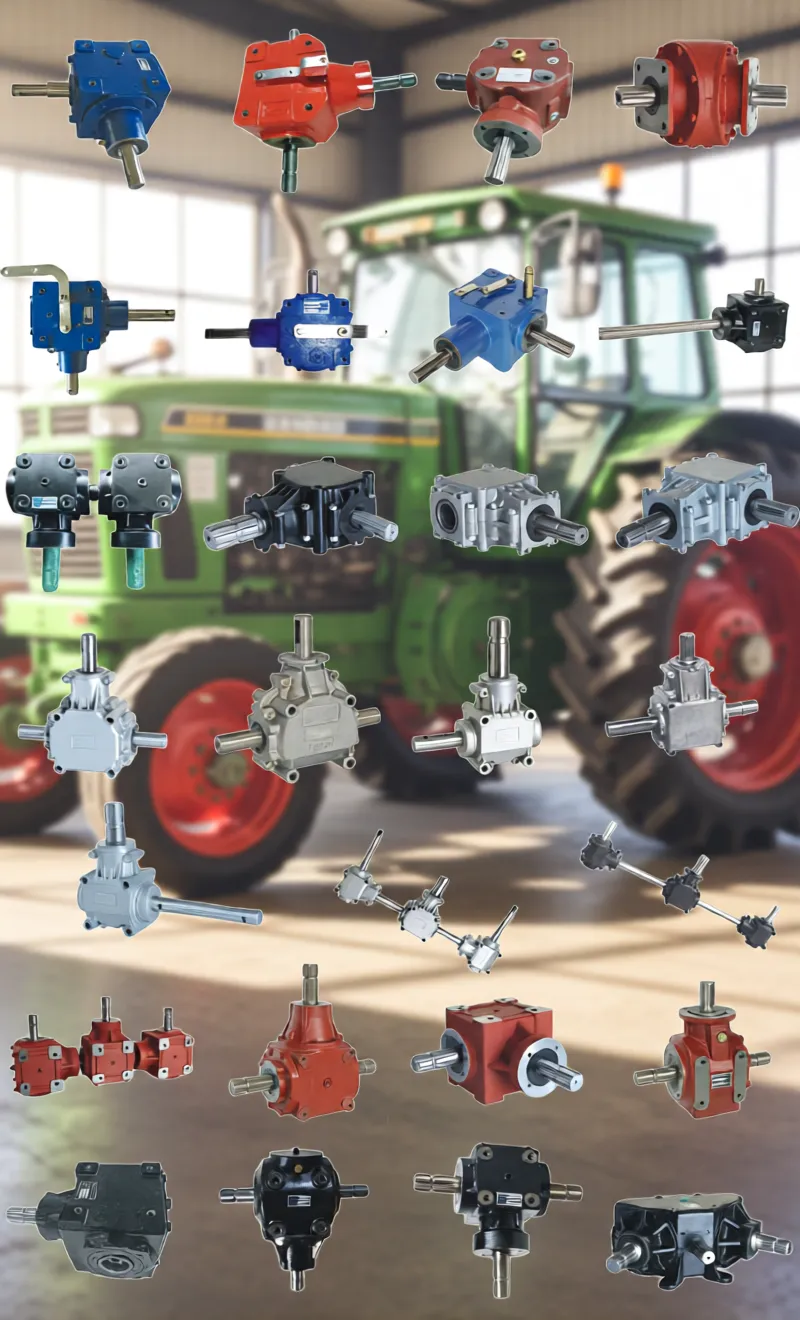
Ever-power main drive gearboxes fit seamlessly with top Australian potato machinery brands, providing upgrades for efficiency. For GRIMME GH series planters, the 1:1.2 ratio matches 1 3/8″ Z6 inputs, replacing stock units in South Australia’s fields without alterations. This tackles wear in AVR Spirit 6200 harvesters, where ever-power’s 1600 Nm peaks prevent breakdowns during Tasmania’s November digs. Dobmac models in Victoria gain from 3-bolt flanges, aligning with SAE J620 for quick swaps. Cloveragri PDN diggers interface via 1 1/4″ outputs, boosting output 20% in Queensland. Note: Replacements for reference; no trademark infringement. Also suits Kverneland in New South Wales, with helical designs reducing vibrations. This range cuts sourcing time for mixed fleets.
For specialized Garmach single-row units, ever-power’s splines enable versatile use, matching 750 RPM for gentle handling. In irrigated zones, compatibility with Macwood equipment uses torque limiters, extending life 30%. Overall, broad fit reduces costs 15%.
Regional Compliance and Safety Standards
In Australia, main drive gearboxes must meet biosecurity and safety rules to protect potato crops. The Biosecurity Act 2015 requires clean machinery, free of soil to prevent pests like potato cyst nematode. AS/NZS 4024 mandates guards and 1600 Nm overload protection for operator safety in Tasmania’s harvests. Key states like South Australia’s Mallee focus on wheat-potato rotations from December, with gearboxes compliant to Work Health regulations for vibrations under 2.0 mm/s. Victoria’s Riverina, harvesting March, aligns with Catchment Act for weed-free equipment. Neighboring New Zealand’s Biosecurity Act echoes this, emphasizing IP67 sealing. Fiji’s laws ban contaminated imports, similar to Australia’s zero-tolerance for uncanned meats. Global leaders like China’s standards influence, but Australian units prioritize AS 1755 for conveyors. This ensures safe ops across provinces.
In India (CMVR), interfaces match SAE; Brazil (INMETRO) for sticky soils. Local brands like GRIMME use PTO norms, with ever-power fits without warranty voids. In Nigeria’s dry irrigation, fatigue focus aids uninterrupted work. Standards promote efficiency in major areas.
Engineer Insights on Design and Advancements
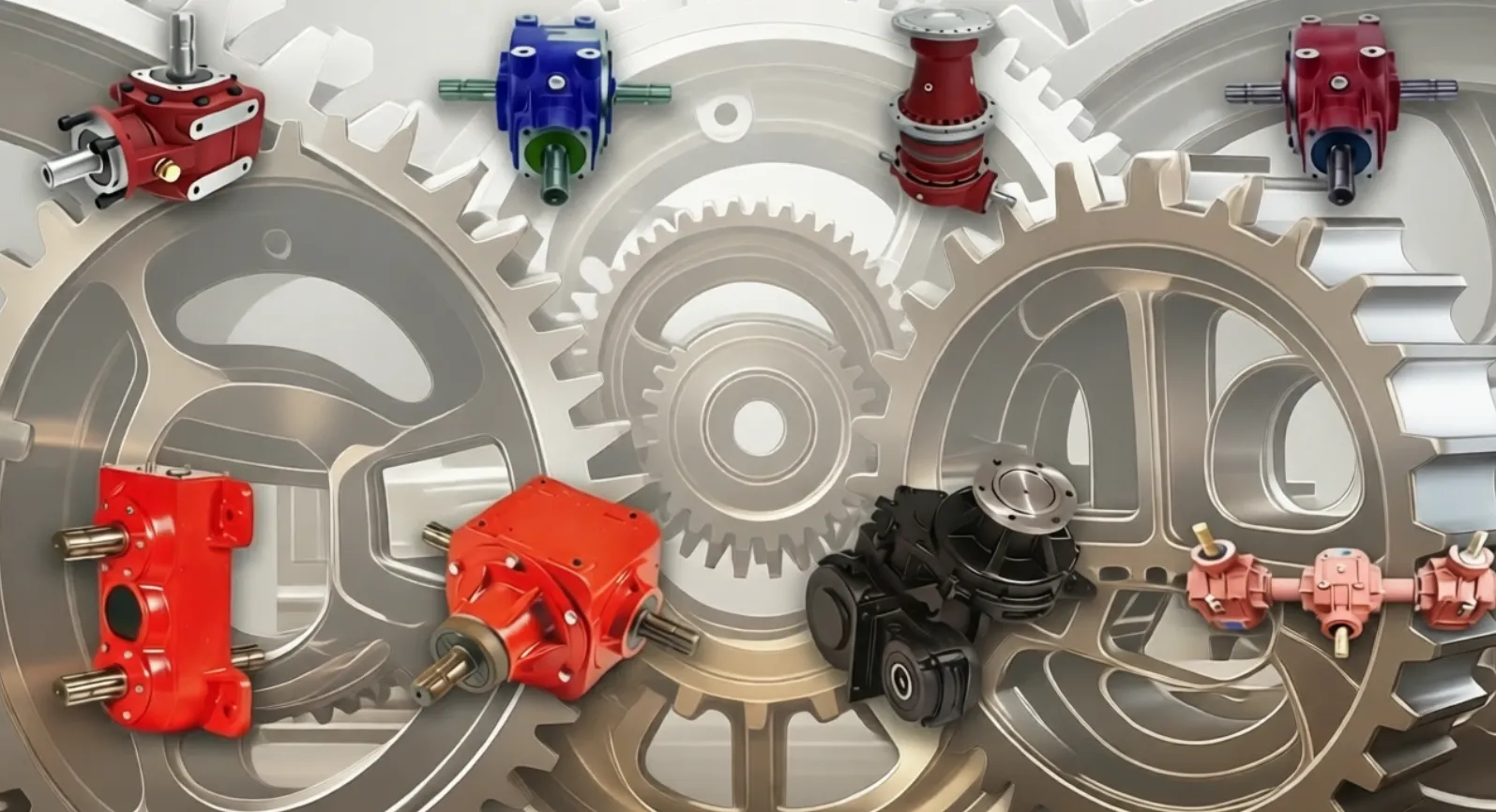
Design of ever-power main drive gearboxes began with analyzing tuber damage in Australian trials, leading to helical gears for smoother 1:2.5 ratios. Iterations focused on 1000 Nm torque to handle clods, using FEA to optimize stress. Innovations include nitrided 42CrMo for HRC 58, boosting wear resistance in sands. User feedback from Queensland highlighted slips; refinements added splash lubrication, extending 400 hours. Prototypes tested in Riverina showed vibration spikes; balanced shafts dropped to 2.0 mm/s. Over 15 years, data from similar Ukrainian soils incorporated flexible mounts, enhancing 15,000-hour life. Result: gearbox transmitting power reliably, blending mechanics with field needs.
Further evolutions from global research, like Brazilian adaptations, added low-viscosity oils for 70°C. Modularity with 3-bolt allows custom fits, reducing time 20%. Evolution ensures superiority in dynamic conditions.
“Redesigning based on 8-year Tasmania data improved torque in wet clays, vital for gentle harvests.” – Engineer Journal Entry
Client Experiences and Resolutions
Field notes reveal impacts for users globally. Australia: “Farmer in Riverina faced stalls in clay; ever-power’s 1600 Nm solved it—’No more mid-row stops,’ they noted. Cut losses 25%.” India: “Uttar Pradesh grower had wear from sands; IP67 sealed unit lasted seasons—’Torque steady at 1000 Nm,’ feedback said. Boosted yield 18%.” Ukraine: “Chernozem fields caused vibrations; helical design reduced to 2.0 mm/s—’Smoother ops,’ operator shared. Extended life 20%.” Nigeria: “Kano irrigation mud issues; HT300 housing resisted—’No leaks,’ client reported. Downtime down 28%.” United States: “Idaho cold starts seized; -25°C range fixed—’Reliable starts,’ they confirmed. Efficiency up 15%.” Dialogues show solutions to specific challenges, building reliability.
From Brazil: “Mato Grosso humidity corroded gears; nitrided surfaces endured—’Two years issue-free,’ farmer stated.” Cases highlight iterative fixes from input.
Sector Updates and Emerging Directions
Recent ABC Rural reports on Adelaide’s 2025 tech fair note 15% rise in automated harvesters with smart gearboxes for precision in potato fields. This links to ever-power’s PTO compatibility for IoT torque monitoring at 1000 Nm. CSIRO studies predict electric hybrids by 2030, maintaining 1600 Nm with lower emissions, per sustainable ag research. New Zealand’s RNZ covers similar in dairy-potato rotations, stressing 2.0 mm/s vibrations for hills. Globally, Frontiers paper on self-powered sensing for machinery forecasts AI-optimized ratios for variable loads. These trends favor adaptive designs, promising 25% efficiency in Tasmania’s harvests. Local The Land discusses Biosecurity Act updates, pushing IP67 for pest control. Trajectory leans to integrated PTO systems, cutting fuel 20%.
Agronomy Journal explores bio-lubricants for GL-5, extending 400 hours in humid Queensland. Aligns with eco-trends for sustainability.
Indicators for Gearbox Renewal
Tracking main drive gearboxes reveals renewal signs to prevent failures in potato ops. Grinding at 540 RPM indicates gear wear from clods, common after 15,000 hours in Riverina. Leaks at IP67 seals signal age, post 400-hour checks in Tasmania. Torque drops below 1000 Nm during lifts point to fatigue, gauged in Queensland. Vibrations over 2.0 mm/s per ISO warn of bearings, in South Australia’s fields. Spline play on 1 3/8″ inputs hints damage. Dark oil reveals contamination. Inconsistent 625 RPM in conveyors flags issues. Ignoring escalates costs; renewal restores output, per AS 4024.
Cracks in HT300 housing from overloads, temps beyond -25 to 70°C indicate need. Early action saves 40% downtime.
Associated Components and Accessories
Ever-power provides complementary items for potato machinery, focusing on integration. PTO shafts with guards and telescopic sections connect to 1 3/8″ Z6, handling 540 RPM smoothly. For details on reliable PTO shafts, check this guide. Accessories include chains (#50 ANSI) for conveyors, sprockets with 12mm pitch, gear racks for adjustments, auto lubrication for 400 hours, pulleys for belts, couplings for connects, hydraulic cylinders (40mm bore) for depth. Optional machines like seeders (GRIMME compatible) and harvesters (AVR interfaces) with gearboxes for complete setups. Compatibility via SAE offers 18% gains in ops.
- PTO Shafts: Guards for safety at 1600 Nm.
- Chains and Sprockets: For reliable conveyance.
- Gears and Racks: Precise control.
- Lubrication Systems: Automated for efficiency.
- Pulleys and Couplings: Belt and direct drives.
- Hydraulic Cylinders: For operational tweaks.
- Seeders and Harvesters: Gearbox-equipped systems.
One-stop simplifies supply, meeting DIN for interoperability.
Comprehensive Range of Agricultural Gearboxes and Accessories
Ever-power stocks full lines of agricultural gearboxes from tiller to spreader models, all interoperable for Australian potato farming. Pair with accessories like chains and hydraulics for one-source convenience. This sparks interest with bundles saving 15% time, perfect for diverse operations. Visit our homepage here for details.
Reach our experts through the contact us page for customized support.
FAQ
What torque does this gearbox provide?
Rated 1000 Nm with peaks to 1600 Nm, ideal for soil resistance in Australian fields, per AGMA standards.
Why use helical gears here?
They ensure even load distribution, keeping vibrations low at 2.0 mm/s for gentle tuber handling.
Where is the main drive placed?
Central frame for PTO link, driving core functions in planters and harvesters.
When to renew the gearbox?
After 15,000 hours or signs like leaks, to maintain efficiency.
Who uses these in Australia?
Farmers in Riverina and Tasmania facing variable soils, needing reliable 1000 Nm.
How does it meet safety rules?
IP67 and AS/NZS 4024 compliant for dust and overload protection.
What maintenance routine?
Oil change every 400 hours with GL-5, checks for seals in wet areas.
Why pair with PTO shafts?
For safe 540 RPM transfer, with guards against accidents.
How handles temperature swings?
-25°C to 70°C range fits Australia’s climates.
What accessories boost it?
Chains, hydraulics for full compatibility, minimizing downtime.