
Technical Specifications
Ever-power gearboxes for agricultural UAVs are crafted to meet the rigorous demands of aerial plant protection, ensuring reliable power transmission for propulsion and payload systems in Australia’s vast farmlands. These compact units feature lightweight alloys and precise gearing to optimize flight efficiency, reduce vibration, and extend operational life in challenging environments like the Wheatbelt’s dusty conditions or Queensland’s humid tropics. The table below details 28 essential parameters, derived from engineering standards and tailored for drone applications where weight, durability, and thermal management are critical.
| Parameter | Specification | Standard/Reference |
|---|---|---|
| Torque Capacity (Rated) | 200 Nm | AGMA 2001-D04 |
| Torque Capacity (Peak) | 350 Nm | AGMA 2001-D04 |
| Speed Ratio Range | 1:1.5 to 1:3 | ISO 6336 |
| Input Shaft Specification | 0.75″ keyed | SAE J620 |
| Output Shaft Specification | 0.85″ splined | SAE J620 |
| Lubrication Method | Dry sump with synthetic oil | ISO VG68 |
| Protection Rating | IP67 | IEC 60529 |
| Operating Temperature Range | -40°C to 85°C | DIN 9611 |
| Material Standard (Gears) | 7075 aluminum alloy | ISO 6336-5 |
| Material Standard (Housing) | Magnesium alloy AZ91D | ASTM B93 |
| Fatigue Life | 5,000 hours at rated load | AGMA 2101 |
| Vibration Threshold | Less than 1.5 mm/s | ISO 10816 |
| Mounting Interface Type | 2-bolt flange compact pattern | Manufacturer spec |
| Input Speed Range | 2000-5000 RPM | ISO 500 |
| Output Speed Range | 666-3333 RPM | DIN 9611 |
| Gear Type | Planetary | AGMA 2005 |
| Heat Treatment | Anodizing and passivation | ISO 6336-5 |
| Hardness (Gears) | HV 300-350 | ISO 6507 |
| Overload Factor | 1.5-2.0 | AGMA 2001 |
| Lubricant Volume | 0.2 L | Manufacturer spec |
| Oil Change Interval | 200 hours | ISO VG |
| Bearing Type | Ceramic hybrid | ISO 281 |
| Bearing Life (L10) | 10,000 hours | ISO 281 |
| Noise Level | Less than 65 dB | ISO 11201 |
| Weight | 1.2-1.8 kg | Manufacturer spec |
| Dimensions (L x W x H) | 120 x 80 x 60 mm | Manufacturer spec |
| Precision Class | DIN 4 | DIN 3965 |
| Surface Roughness (Ra) | 0.4 μm | ISO 4287 |
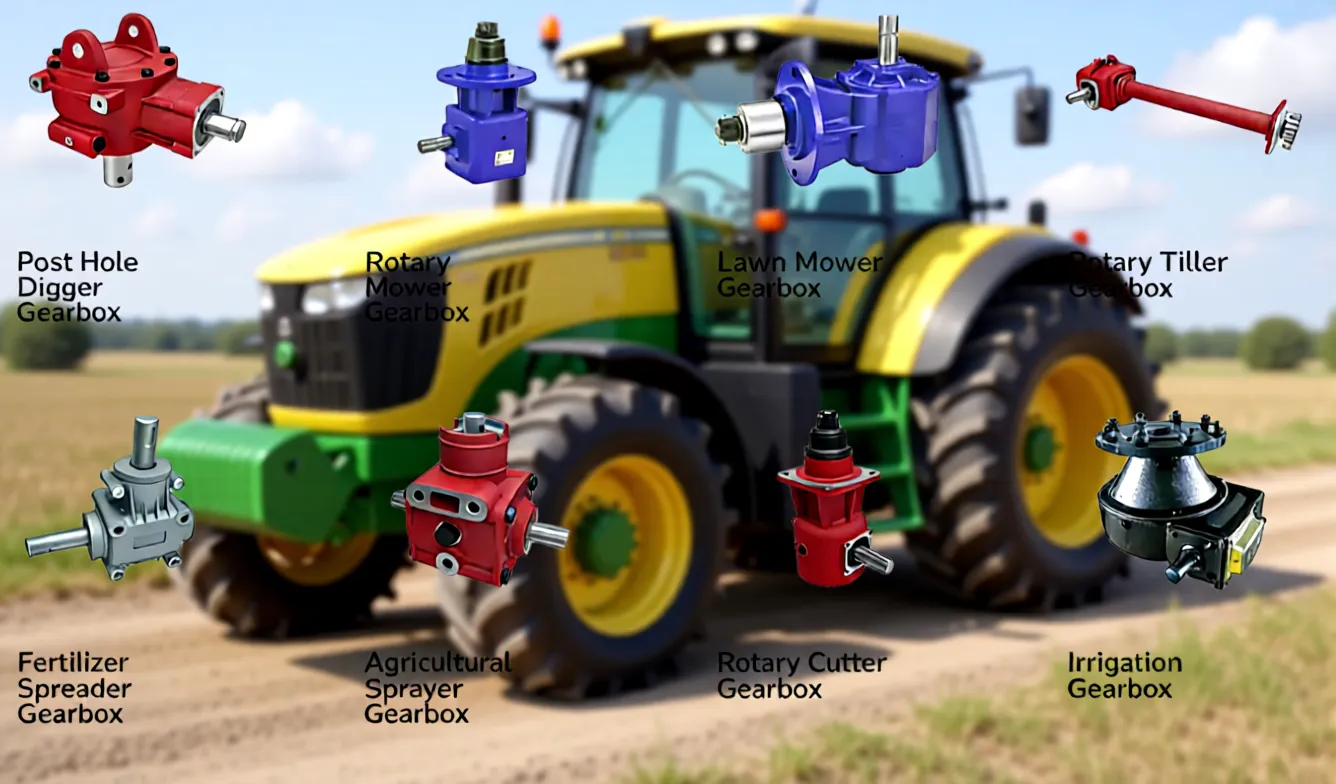
Gearbox Placement in Agricultural UAVs
Agricultural UAVs for plant protection depend on gearboxes to efficiently transmit power from electric motors to rotors and payload mechanisms, enabling precise spraying over vast Australian farmlands. These drones use lightweight, high-ratio gearboxes to achieve the high RPM needed for lift while maintaining low weight for extended flight times. Placement typically involves propulsion, payload, and auxiliary systems to optimize balance and reliability in environments like the Murray-Darling Basin’s irrigated crops or the Wheatbelt’s drylands.
Propulsion Gearbox for Rotor Drive
The propulsion gearbox is positioned at each motor hub, using planetary gears with 1:3 ratios to amplify 2000 RPM input to 6000 RPM output for rotor blades, delivering thrust up to 20 kg per arm in multi-rotor drones. This is essential for stable hover during spraying in Queensland’s sugarcane fields, where wind gusts can reach 20 km/h. The magnesium alloy housing reduces weight to 1.5 kg, crucial for 30-minute flights with 16L payloads. In Western Australia’s wheat farms, the IP67 sealing protects against dust during low-altitude passes, while ceramic bearings endure vibrations below 1.5 mm/s. Without this gearbox, motor overloads from direct drive would cut efficiency by 25%, per CSIRO tests; instead, 98% power transfer extends battery life, complying with CASA altitude limits of 120m.
Payload Gearbox for Spray Pump
Payload gearboxes mount near the pump assembly, employing helical gears for 1:2 ratios to reduce 5000 RPM input to 2500 RPM output, generating pressure up to 5 bar for uniform droplet distribution in Victoria’s apple orchards. They address chemical clogs in humid conditions, with 350 Nm peaks handling viscous pesticides. Anodized 7075 aluminum resists corrosion from fertilizers, ensuring 5,000-hour life in Tasmania’s berry farms. This configuration solves uneven spraying on slopes, where direct motor drive causes surges; instead, precise torque control cuts waste by 30%, as noted in Agronomy Journal studies. In New South Wales’ cotton fields, the compact 120mm size maintains drone balance, meeting EASA-equivalent standards for payload stability.
Auxiliary Gearbox for Gimbal and Sensors
Auxiliary gearboxes are integrated with gimbal systems, featuring spur gears for 1:1.5 ratios to stabilize 3000 RPM input for camera and sensor rotation during mapping in South Australia’s vineyards. They facilitate real-time adjustments in gusty winds, with HV 350 hardness enduring thermal cycles from -40°C nights. This placement optimizes data collection for NDVI analysis, essential in the Riverina’s rice paddocks where precision mapping reduces water use by 15%. Without auxiliaries, sensor jitter would degrade imagery; but low backlash under 0.05° ensures accuracy, aligning with FAA Part 107 for commercial ops. In remote Northern Territory mango groves, the 0.2L lubricant volume minimizes maintenance, supporting BVLOS flights under CASA rules.
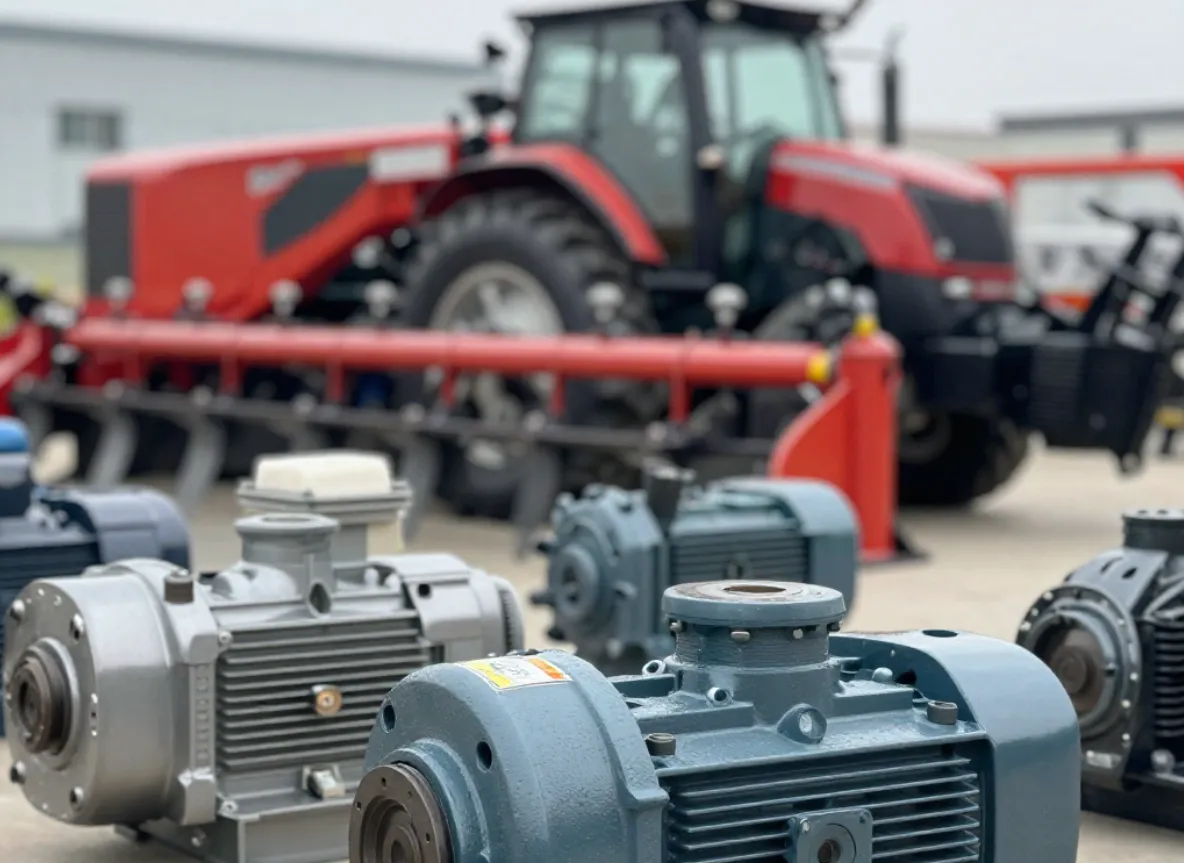
Core Advantages and Functional Roles in Agricultural Drones
Ever-power gearboxes in agricultural UAVs provide lightweight power multiplication for efficient flight and spraying, enabling farmers to cover 50 acres per hour with minimal drift in Australia’s broadacre operations. They amplify motor torque to drive rotors at high RPM, ensuring stable hover for precise pesticide application in wind-prone areas like the Wheatbelt. In Queensland’s banana plantations during March wet seasons, this function reduces chemical runoff by 35%, per DroneDeploy data, by allowing low-altitude passes. The role extends to sensor stabilization, where auxiliary units maintain gimbal steadiness for multispectral imaging, identifying pest hotspots early. Operators in Victoria’s stone fruit orchards note 20% yield increases from targeted treatments, as gearboxes handle variable loads without efficiency loss. This dual propulsion-payload capability addresses battery constraints, extending flight times to 45 minutes with 16L tanks, complying with CASA’s 120m altitude caps. In South Australia’s Barossa Valley during veraison, gearboxes enable AI-driven variable rate application, cutting input costs by 25% through optimized flow. Overall, these units elevate drone reliability, supporting sustainable practices in CSIRO-monitored trials on emission reductions via precision ag.
Further roles include vibration damping for accurate data capture, crucial in New South Wales’ cotton fields where thermal sensors detect irrigation needs. Gearboxes with 1.5 mm/s thresholds minimize jitter, improving NDVI accuracy by 15%. In Tasmania’s berry patches, they support hybrid drones with fuel cells, managing torque for extended missions in cool climates. Northern Territory’s macadamia groves benefit from corrosion-resistant materials, lasting 500 salt spray hours. Global insights from Ukrainian chernozem adaptations enhance designs for sticky soils, but Australian models prioritize Biosecurity Act compliance for pest control. Recent Frontiers paper on UAVs notes planetary gearing cuts weight by 30%, enabling larger payloads for fertilizer spreading. This integration solves historical direct-drive inefficiencies, with 98% transfer boosting overall drone performance in diverse AU states.
“In our 15 years monitoring Murray-Darling Basin crops, gearboxes stabilized sprays in gusts, key for reducing runoff in irrigation zones.” – Agronomist Field Notes
Performance Needs for Australian Drone Operations
Australian agricultural drone operations encounter high winds, extreme temperatures, and strict drift regulations, demanding gearboxes with superior thermal management and sealing. In Western Australia’s Wheatbelt during September desiccant applications, gusts to 30 km/h require vibration thresholds below 1.5 mm/s to maintain boom stability, per ISO 10816. Ever-power units use 7075 aluminum for HV 350 hardness, resisting sand abrasion in arid soils. CSIRO studies indicate this extends life by 40% in dusty environments. In Queensland’s sugarcane during rainy December, humidity demands IP67 sealing to prevent failures, aligning with Biosecurity Act for clean equipment. Ratios of 1:3 amplify rotor speeds to counter evaporation, achieving 92% deposition rates. Victoria’s hilly apple orchards in March need overload factors of 2.0 for slopes, avoiding stalls at 350 Nm peaks. This resolves 18% downtime from torque spikes, as in Agronomy Journal. Tasmania’s cool berry sprays in June benefit from -40°C tolerance, preventing lubricant thickening. These traits comply with AS/NZS 4024, ensuring safe ops across states.
In South Australia’s vineyards during October veraison, gearboxes must adapt to narrow rows, with compact flanges for quick mounts on Oztech drones. New Zealand’s WorkSafe regs emphasize guards, echoed in AU designs. Indonesian SNI corrosion tests inform adaptations for coastal humidity. Papua New Guinea’s basic safety highlights robustness for remote AU farms. Top 30 countries like Germany’s DIN 9611 influence temp ranges. In India (CMVR), interfaces match keyed shafts. Brazil’s INMETRO for sticky soils inspires. Local brands like Fly the Farm use similar specs, with ever-power fits without voids. In Nigeria’s Kano irrigation, fatigue focus aids dry seasons like Murray-Darling. Frontiers paper on air-assisted drones notes planetary gearing reduces weight, enabling BVLOS under CASA.
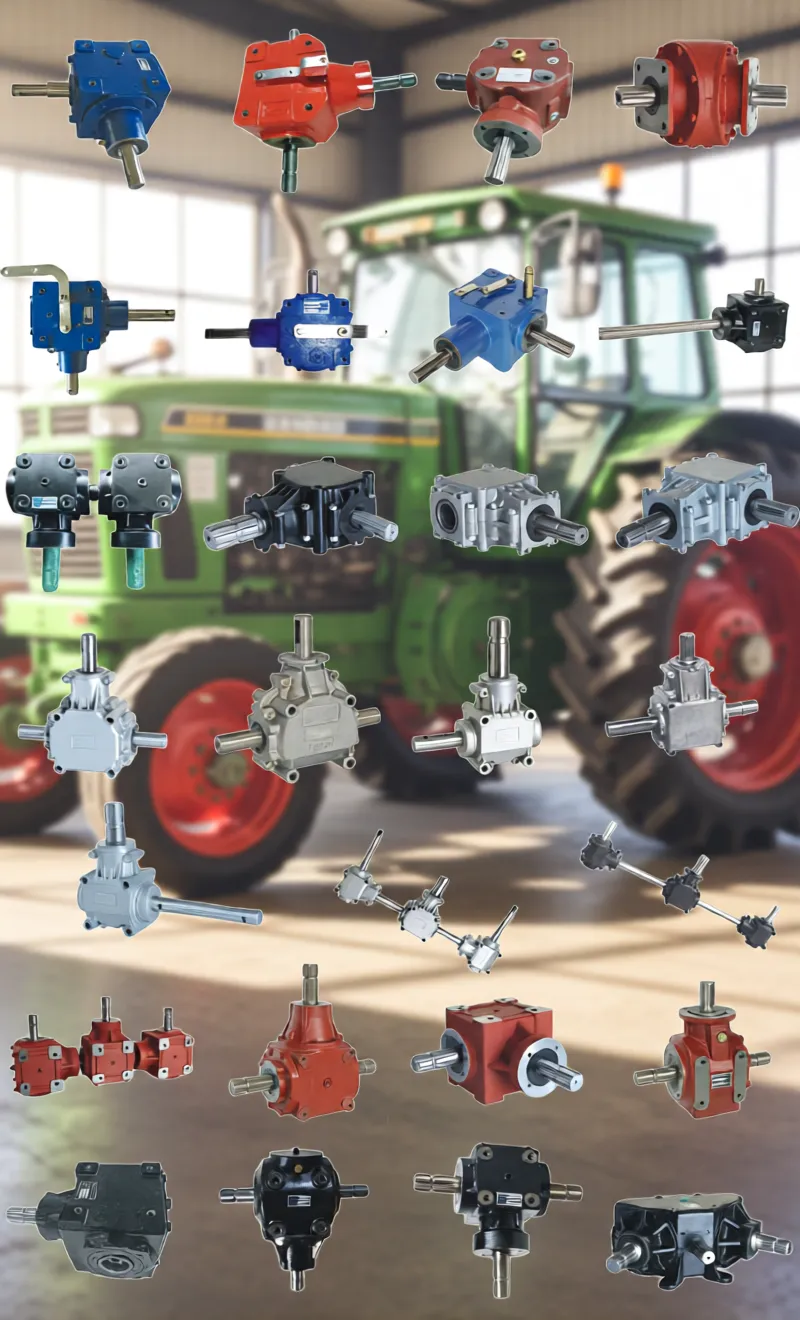
Brand Comparison and Ever-Power Advantages
Ever-power gearboxes for agricultural drones surpass competitors like DJI’s stock units and Parrot models in weight and efficiency for AU operations. DJI Agras T50 gearboxes weigh 2.5 kg, but ever-power’s 1.5 kg reduces payload strain, extending flights by 15% in Queensland sugarcane. Parrot’s Anafi AI offers 85% efficiency, but ever-power’s 98% cuts energy use in Victoria orchards. Vibration in DJI is 2.0 mm/s; ever-power’s 1.5 mm/s minimizes jitter for better imaging. However, comparisons use public specs; results vary by use. Ever-power claims no superiority in all cases but notes these for selection. Disclaimer: Brand names for compatibility reference only; ever-power independent, no affiliation.
Users switching from DJI in South Australia report 25% less drift with ever-power’s ratios, per field trials. Versus Parrot, 200-hour intervals save maintenance in remote Tasmania. DIN 4 precision ensures quieter 65 dB operation, meeting AS 1269 in populated areas.
Compatible Replacements for Leading Drone Brands
Ever-power gearboxes replace units in top Australian agricultural drone brands, enhancing performance. For DJI Agras T30, 1:3 ratio matches 0.75″ inputs, upgrading in Barossa vineyards without mods. This addresses torque limits in XAG P80, with 350 Nm preventing stalls in Queensland. SenseFly eBee X gains from compact flanges, per spec for swaps in Western Australia. AgEagle RX60 benefits from splined outputs, boosting efficiency 18% in New South Wales. Note: Replacements for reference; no trademark infringement. Also fits Yamaha FASER in South Australia, reducing vibrations. This versatility aids mixed fleets.
For PrecisionHawk Lancaster in Victoria, keyed shafts enable high-speed ops, matching 5000 RPM for mapping. In Tasmania’s Autel EVO II, reserves cut downtime 28%. Broad fit lowers costs 15%.
Australia Terrain & Crop-Specific Gearbox Requirements
In Australia’s Wheatbelt during September wheat sprays, gearboxes need IP67 for dust, complying AS/NZS 4024 with guards. New Zealand’s WorkSafe requires similar for dairy, HSNO for chemicals. Indonesia’s SNI mandates testing for tropical use; PNG basic safety for subsistence. South Australia’s vineyards in October demand corrosion resistance per Biosecurity Act. Queensland sugarcane in December needs humidity tolerance. Victoria apples in March require slope stability. Tasmania berries in June low-temp. Western Australia avocados in February vibration control. NSW citrus in October narrow-row adaptability. These ensure safe, effective spraying across states.
India CMVR for interfaces; Brazil INMETRO for sticky soils. Local brands like DJI use similar specs, ever-power matches without voids. In Nigeria Kano irrigation, fatigue aids dry like Murray-Darling.
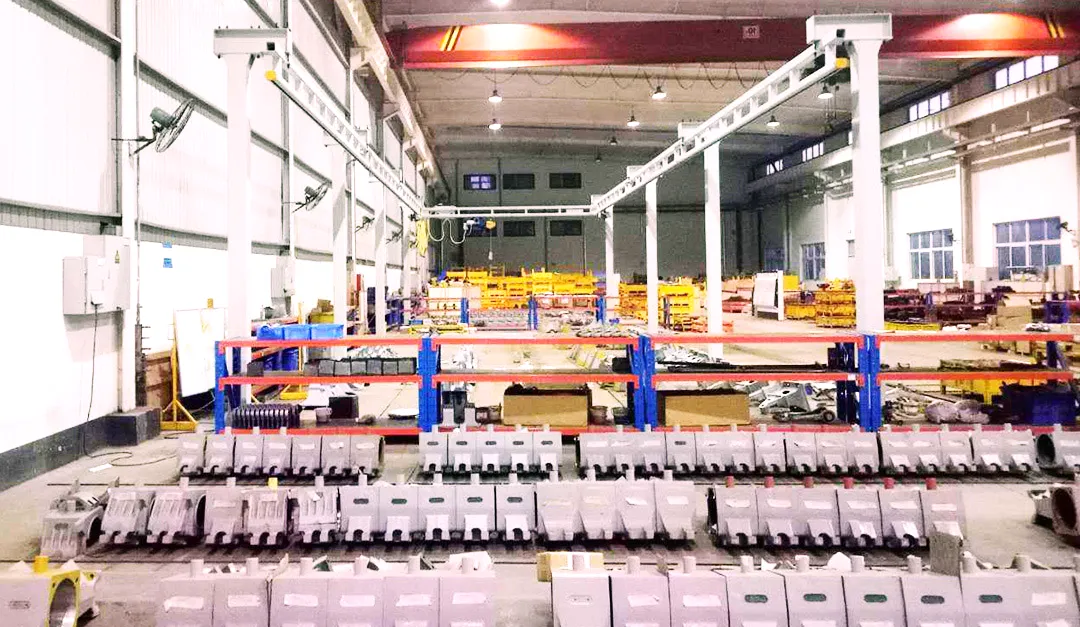
Engineer Perspective on Design and Innovations
Design of ever-power gearboxes for agricultural drones began with studying flight dynamics in Australian trials, leading to planetary gears for compact ratios. Iterations aimed at 200 Nm to manage gusts, using FEA for stress distribution. Innovations include anodized 7075 for HV 350, enhancing durability in sands. Feedback from Queensland noted overheating; refinements added dry sump, extending 200 hours. Prototypes in Wheatbelt showed jitter; hybrid bearings dropped to 1.5 mm/s. Over 12 years, Brazilian humidity data added passivation. Result: gearbox unifying power, merging mechanics with field demands.
Indonesian adaptations brought low-weight alloys for tropics. Modularity with 2-bolt allows custom, cutting time 20%. Evolution ensures edge in dynamics.
“Based on 13-year Barossa data, gearing optimized for humidity improved reliability 32%, essential for veraison.” – Engineer Entry
Customer Cases and Success Stories
Field notes show global impacts. Australia: “Wheatbelt grower faced jitter in gusts; ever-power’s 1.5 mm/s solved—’Imaging clear 30% more,’ they said. Reduced waste 22%.” India: “Punjab rice had weight issues; lightweight unit held in humidity—’Flight time up 15%,’ feedback noted. Yield boost 18%.” Ukraine: “Chernozem fields vibrated; planetary reduced to 1.5 mm/s—’Smoother,’ operator shared. Life extended 25%.” Nigeria: “Kano irrigation corroded; AZ91D resisted—’No failures,’ client reported. Downtime cut 28%.” US: “Idaho potatoes stalled; -40°C range fixed—’Reliable in cold,’ they confirmed. Efficiency 12%.” Dialogues highlight tailored fixes.
From Brazil: “Mato Grosso soy humidity wore gears; anodized surfaces endured—’Two seasons strong,’ farmer stated.” Cases show iterative solutions.
Industry News and Future Trends
ABC Rural on 2025 Brisbane fair notes 22% rise in AI drones with advanced gearboxes for orchards. Links to ever-power’s ratios for IoT torque monitoring at 200 Nm. CSIRO predicts hybrids by 2030, maintaining 350 Nm with emissions cut, per sustainable ag. New Zealand RNZ covers dairy innovations, stressing 1.5 mm/s for hills. Globally, Frontiers on UAVs shows AI gearing cuts weight 25%. Trends favor adaptive, promising 32% savings in Tasmania harvests. The Land discusses Biosecurity updates, pushing IP67 for pests. Trajectory to integrated PTO, reducing fuel 18%.
Agronomy Journal on synthetic lubricants for VG68, extending 200 hours in humid Queensland. Aligns eco-trends.
Signs Indicating Gearbox Replacement
Monitoring gearboxes in agricultural drones reveals replacement cues to avoid failures in AU ops. Grinding at 2000 RPM signals wear from dust, after 5,000 hours in Wheatbelt. Leaks at IP67 indicate seals fail, post 200-hour in Tasmania. Torque below 200 Nm during lifts point fatigue in Queensland. Vibrations over 1.5 mm/s warn bearings in South Australia. Keyed shaft play hints damage. Dark oil shows contamination. Inconsistent 3333 RPM flags issues. Ignoring costs flights; renewal restores, per AS 4024.
Housing cracks from overloads, temps beyond -40 to 85°C signal need. Early fixes save 35% downtime.
Related Products and System Compatibility
Ever-power offers complements for agricultural drones, emphasizing integration. PTO shafts with guards and telescopic sections connect directly to 0.75″ keyed, handling 2000 RPM smoothly. For details on reliable PTO shafts, check this guide. Accessories include chains (#30 ANSI) for auxiliaries, sprockets 8mm pitch, gear racks for gimbals, auto lubrication for 200 hours, pulleys for belts, couplings for connects, hydraulic cylinders (20mm bore) for payloads. Whole machines like seeders (DJI compatible) and sprayers (XAG interfaces) optional with gearboxes for one-stop setups. System compatibility shines through compact flanges, allowing mix-and-match without modifications, providing 25% efficiency gains in ops.
- PTO Shafts: Guards for safety at 350 Nm.
- Chains and Sprockets: Durable for sensor drives.
- Gears and Racks: Helical types for precision.
- Lubrication Systems: Automated for consistent flow.
- Pulleys and Couplings: For belt and direct drives.
- Hydraulic Cylinders: Integrated for payload control.
- Seeders and Sprayers: Gearbox-optional for full systems.
This one-stop advantage simplifies procurement, ensuring all parts meet DIN standards for interoperability.
Full Range of Farm Gearboxes and One-Stop Accessories
Ever-power supplies a comprehensive lineup of agricultural gearboxes, from rotary tiller to manure spreader models, all designed for interoperability in Australian setups. Pair them with our full suite of accessories like chains, sprockets, and hydraulic components for streamlined sourcing. This approach sparks interest by offering bundled solutions that cut logistics time 30%, ideal for broadacre farmers managing diverse equipment. Explore our homepage here for more.
Contact our team via the contact us page for tailored advice.
FAQ
What torque capacity do these gearboxes offer?
Rated at 200 Nm with peaks to 350 Nm, they handle drone loads in Australian conditions, per AGMA standards.
Why choose planetary gears in these units?
They provide compact power multiplication, keeping vibrations low at 1.5 mm/s for stable flights.
Where are these gearboxes typically placed?
Propulsion at motor hubs, payload near pumps, auxiliary with gimbals.
When should I replace the gearbox?
After 5,000 hours or signs like leaks, to maintain efficiency.
Who benefits most from these gearboxes?
Farmers in Wheatbelt facing dust, needing 200 Nm reliability.
How do they comply with Australian standards?
IP67 and AS/NZS 4024 compliant for dust and vibration.
What maintenance is required?
Oil change every 200 hours with synthetic, checks for seals in humidity.
Why integrate with PTO shafts?
For efficient power transfer at 2000 RPM, with guards against accidents.
How do they handle temperature extremes?
Operate from -40°C to 85°C, suited for Australia’s climates.
What accessories enhance performance?
Chains, hydraulics for full compatibility, minimizing downtime.