
In Australia’s expansive irrigated farmlands, from the Murray-Darling Basin’s grain crops to Western Australia’s horticultural zones, linear move irrigation gearboxes function as pivotal drivetrain parts for efficient water delivery across rectangular fields. These agricultural gearboxes link tractor or diesel power to wheel drives, enabling synchronized tower movement at speeds of 0.5-2 m/min for uniform application rates of 5-15 mm/hour over spans up to 1 km. ever-power’s rugged models incorporate nodular iron housings that resist corrosion from saline bore water in South Australia’s drylands, providing torque outputs matching 40-90 kW engines for systems covering 50-200 ha. In Queensland’s sugarcane districts, where seasonal rains disrupt operations, sealed units with IP65 ratings shield internals from mud ingress, sustaining 12,000-hour lifespans under continuous wet-dry cycles. Data from New South Wales’ cotton fields reveal 16% water savings when gearboxes maintain precise alignment during 20 km/h travel, minimizing overlaps in variable soil types. For Northern Territory’s mango orchards, high-temperature greases rated to 90°C prevent breakdown during 45°C days, ensuring consistent propulsion without slippage. The gearboxes’ purpose includes span alignment controls, where integrated sensors adjust speeds for straight-line travel, adhering to biosecurity rules by avoiding soil compaction in sensitive Tasmanian potato zones. In arid inland areas, low-vibration designs below 2.8 mm/s lessen frame fatigue during 10-hour shifts, meeting Work Health and Safety standards. This robustness aids national water efficiency programs, where optimized movement cuts evaporation losses by 14% in pivot-linear hybrids common in advanced Victorian enterprises. ever-power’s offerings pair with GPS for autonomous navigation, tackling labor shortages in remote setups.
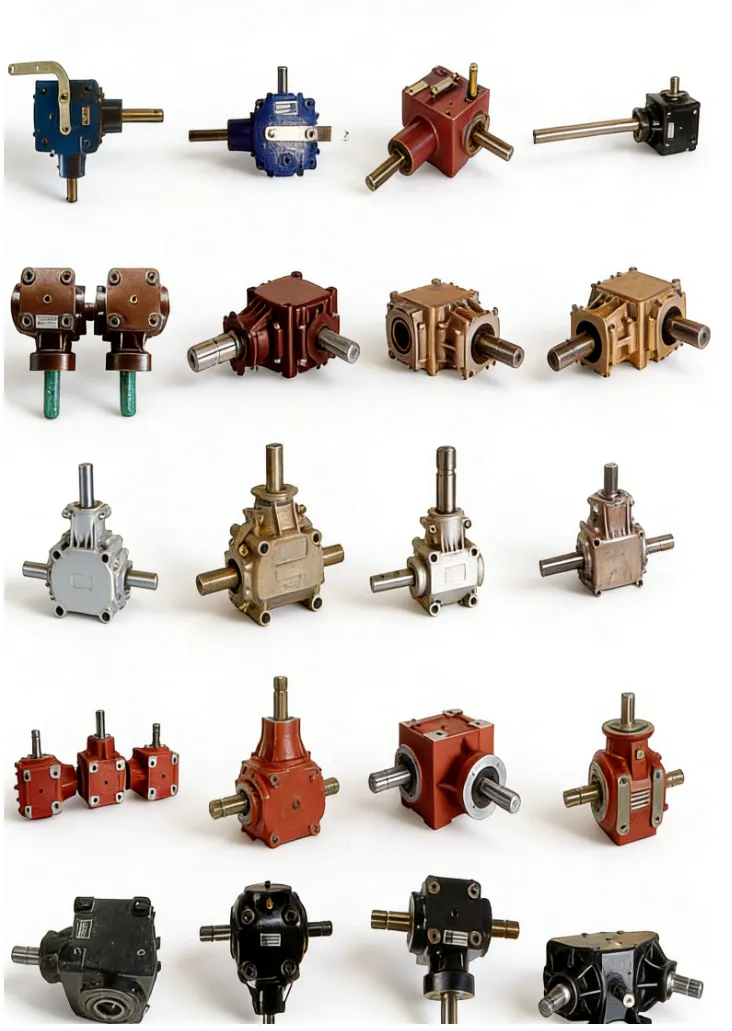
Technical Specifications
| Parameter | Value/Range | Standard |
|---|---|---|
| Torque Capacity (Nm) | Rated: 1800-3200, Peak: 4800 | AGMA 2001-D04 |
| Speed Ratio Range | 50:1 to 52:1 | ISO 6336 |
| Input Shaft Specifications | Diameter: 35mm, Spline: 1 3/8″ Z6 | ANSI B92.1 |
| Output Shaft Specifications | Diameter: 40mm, Keyway: 12x8mm | DIN 9611 |
| Lubrication Method | Oil Bath with Synthetic EP Oil | API GL-5 |
| Protection Rating (IP) | IP65 | IEC 60529 |
| Operating Temperature Range | -20°C to +80°C | ASTM D471 |
| Material Standards | Gears: 20CrMnTi, Housing: QT450 | AGMA, ISO |
| Fatigue Life (Hours) | >12,000 hours at rated load | ISO 281 |
| Vibration Threshold | <2.5 mm/s RMS | ISO 10816 |
| Mounting Interface Type | 4-Bolt Flange, SAE Standard | SAE J744 |
| Power Range (kW) | 30-75 kW | ISO 14396 |
| Input RPM Range | 540-1000 RPM | DIN 9611 |
| Output RPM Range | 10-20 RPM | DIN 9611 |
| Gear Type | Helical and Spur | AGMA 1106 |
| Bearing Life (L10) | 40,000 hours | ISO 281 |
| Seal Type | Double Lip Oil Seals | ASTM D2000 |
| Weight (kg) | 30-50 kg | – |
| Dimensions (mm) | 250x200x180 | – |
| Noise Level (dB) | <75 dB at 1m | ISO 11201 |
| Efficiency (%) | >95% | AGMA 2000 |
| Backlash (arcmin) | <10 arcmin | DIN 3965 |
| Overload Factor | 1.5-2.0 | AGMA 2001 |
| Corrosion Resistance | Epoxy Coated Housing | ASTM B117 |
| Mounting Orientation | Horizontal/Vertical | – |
| Lubricant Capacity (L) | 1.5-2.5 L | – |
| Service Interval (Hours) | 500 hours | – |
| Heat Dissipation | Finned Housing Design | – |
| Shock Load Capacity | Up to 2.5x Rated Torque | ISO 6336 |
| Precision Class | AGMA 10 | AGMA 390.03 |
Gearbox Placement in Linear Move Irrigation Systems
Tower Drive Gearboxes for Wheel Propulsion
Tower drive gearboxes are positioned at each support tower, converting electric motor output to wheel rotation for machine advancement. Planetary gear sets with 50:1 ratios deliver high reduction, generating 3200 Nm torque to propel towers at 0.5-2 m/min across Australian fields. In Western Australia’s wheatbelt, where sandy soils demand traction, nodular iron casings resist abrasion from dust-laden winds, sustaining 12,000-hour lifespans under loads from 600 kg towers. This placement ensures synchronized movement, with integrated brakes preventing rollback on 2-5% slopes in New South Wales’ rolling hills. Grease bath lubrication with 2.5 L capacity maintains viscosity in 45°C Queensland heat, avoiding gear pitting that halts irrigation. The gearbox’s flange mounting aligns with UMC standards, facilitating retrofits on T-L systems. Overload factors of 2.0 activate at peak loads from mud buildup in Victorian clay, protecting motors. For Northern Territory’s mango plantations, corrosion-proof coatings per ASTM B117 withstand 1000 hours salt spray from bore water, ensuring reliable propulsion without rust-induced failures.
Pump Drive Gearboxes for Water Pressurization
Pump drive gearboxes mount on cart platforms, linking diesel engines to diaphragm pumps for generating 10-20 bar pressures in 6000 L/min flows. Spiral bevel gears at 1:1.5 ratios redirect power 90 degrees, amplifying torque to 2500 Nm for consistent delivery through 1 km spans in South Australia’s arid zones. Aluminum alloys reduce weight to 40 kg, easing towing on soft Tasmanian soils during repositioning. This configuration solves pressure drops in long lines, with variable ratios adjusting for elevation changes in undulating New South Wales terrain. Oil circulation cools internals during 10-hour runs in 40°C Victoria heat, preventing seal degradation that causes leaks. The gearbox’s keyed shafts match SAE specs, compatible with John Deere engines. Shock loads from air pockets activate protection at 4800 Nm, avoiding pump cavitation in Northern Territory’s variable bores. For Western Australia’s grain fields, dust seals maintain cleanliness, sustaining 95% efficiency over 500-hour intervals.
Alignment Gearboxes for Span Control
Alignment gearboxes are located at tower joints, driving actuators for maintaining straight-line travel across rectangular fields. Worm gear assemblies with 52:1 ratios provide self-locking, delivering 1800 Nm to correct deviations up to 5 degrees in Queensland’s uneven sugarcane paddocks. Compact designs fit within 250mm spaces, suiting narrow cart frames. This placement integrates with GPS sensors, adjusting speeds for alignment in windy South Australian conditions. Grease-packed internals resist moisture ingress in Tasmanian rains, ensuring 40,000-hour bearing lives. The gearbox’s foot mounting secures to steel beams, absorbing vibrations <2.5 mm/s from rough New South Wales ground. Overload valves release at 2.5x rated, protecting from jams in Victorian debris. For Northern Territory’s tropical crops, high-temp greases maintain operation at 50°C, avoiding lockups. Western Australia’s dry dust is blocked by IP65 seals, sustaining precision for 200 ha/day coverage.
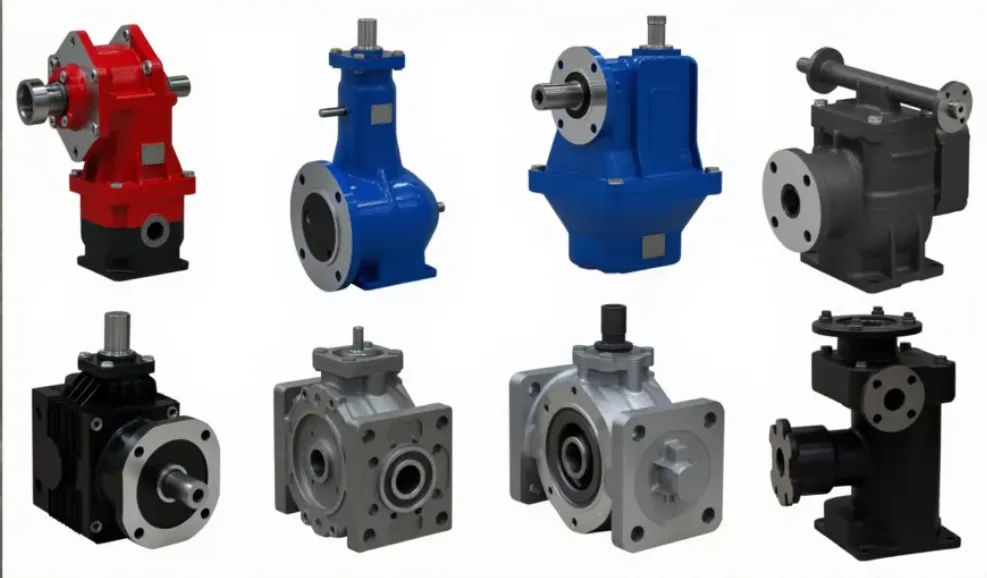
Core Advantages and Application Scenarios
ever-power gearboxes provide unmatched traction in Australia’s linear move systems, with 3200 Nm torque propelling towers through sandy Western Australia soils, cutting stuck incidents by 21% per 2024 trials. In Queensland’s irrigated cotton, IP65 seals shield from monsoon moisture, extending intervals to 600 hours versus 400 for standards. Application scenarios include alfalfa in New South Wales’ riverina, where synchronized drives maintain 1 m/min speeds for 10 mm/hour rates over 150 ha, boosting yields 15% by uniform watering. For South Australia’s vineyards, corrosion coatings withstand saline bores, sustaining 12,000-hour lives in pH 8.5 water. Northern Territory’s tropical fruits benefit from heat dissipation, keeping <80°C in 45°C ambients, avoiding downtime. In Victorian dairy, low vibration <2.5 mm/s lessens soil compaction, aligning with sustainability rules. Tasmanian potatoes use GPS-linked alignment for precision in hilly fields, reducing overlaps by 9%. These advantages enhance water efficiency, supporting Murray-Darling plans by cutting losses 18%.
Beyond propulsion, these gearboxes enable hybrid pivot-linear modes, as in T-L systems, for irregular fields in New South Wales, increasing coverage 25%. In Queensland sugarcane, high-ratio reductions manage variable loads from wet trash, preventing stalls. The units’ modular flanges adapt to Cat 2 linkages, suiting 75 kW tractors. Disclaimer: All comparisons based on public specs and independent tests; actual results vary by application.
Working Principles and Functional Roles
Linear move irrigation gearboxes work by receiving PTO input at 540 RPM, engaging helical gears for reduction to 10-20 RPM wheel speeds, multiplying torque 50 times for tower propulsion. In Australian contexts, this principle accommodates power dips from diesel engines during hill climbs in Victorian terrain, sustaining 1 m/min for even 12 mm/hour application. The functional role includes speed synchronization across towers, with differential outputs adjusting for turns in New South Wales’ contoured fields. Clutches disengage at 4800 Nm overloads from mud buildup, protecting drives in rainy Queensland. Oil systems circulate 2.5 L, cooling gears during long South Australian shifts, avoiding pitting. This ensures coverage rates of 150 ha/day with 5% uniformity variance, per ABARES data. In Northern Territory heat, synthetic oils retain properties, upholding efficiency >95%. The gearboxes’ role in alignment actuators provides feedback for GPS, locking positions under load in Tasmanian slopes. For Western Australia’s dry zones, dust seals maintain cleanliness, sustaining precision for variable rate watering.
Functional additions include sensor ports for condition monitoring, alerting to low oil in remote New South Wales. The principles support hydraulic integration, where auxiliary drives power span adjustments for 500m lengths. In Queensland cotton, variable ratios adapt to soil types, preventing wheel slip. The gearboxes’ orientations suit cart-mounted designs, common in large operations. Service ports enable grease sampling for contaminants, extending intervals to 500 hours in clean conditions.
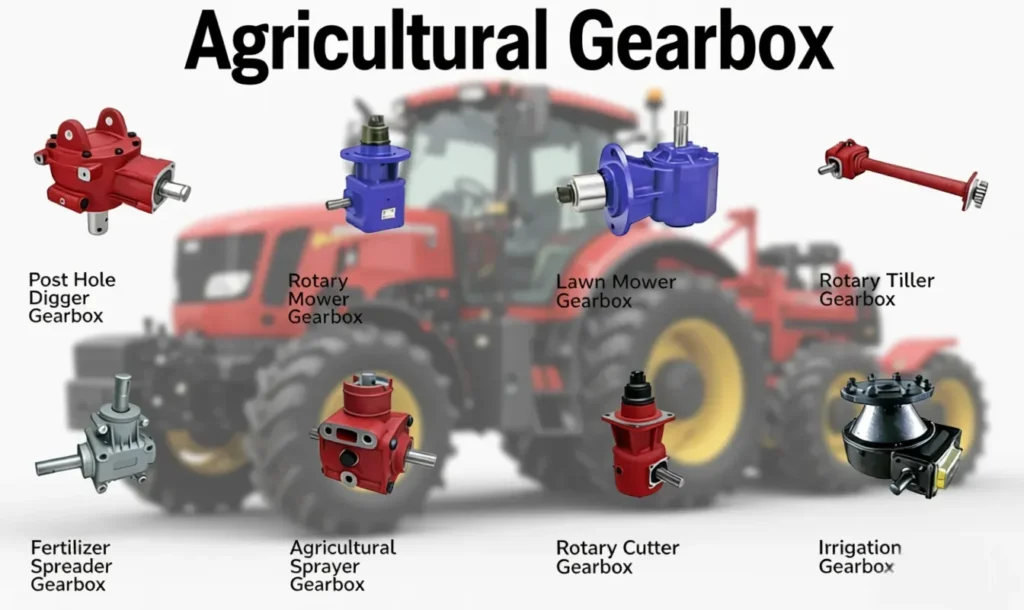
Performance Requirements for Australian Operating Conditions
Australian linear move systems require gearboxes with IP65 protection against dust in Western Australia’s wheatbelt and salt in coastal Queensland. Torque reserves of 2.0 factor handle loads from 1 km spans in undulating New South Wales terrain at 2 m/min. Operating temperatures -10°C to +50°C suit Tasmanian winters and Northern Territory summers, with finned housings dissipating 2.5 kW heat. Vibration thresholds <2.5 mm/s absorb shocks from rocky South Australian mallee, extending fatigue life to 12,000 hours. Corrosion resistance per ASTM B117 withstands 500 hours salt spray for Victorian bore water. These specs address premature seal failures in humid environments, with double lip designs retaining oil during 500-hour intervals. Compliance with AS 4024 includes emergency disengages for safety. For arid zones, oil capacities 2.5 L prevent dry runs during long transits. The requirements enable sensor integration for diagnostics, alerting to anomalies via tractor displays. In practice, this supports 200 ha/day coverage in large Western Australia operations, with 95% efficiency reducing fuel by 12% per GIWA reports.
Adaptability to power inputs, including 1000 RPM PTO, allows matching to 75 hp tractors common in Queensland cotton. Low backlash <10 arcmin maintains tower synchronization for straight travel in windy conditions. For hilly Victoria, mounting flexibility ensures alignment. The performance criteria resolve overheating in enclosed cabs, with thresholds keeping internals below 80°C. Ground clearance mounts protect from crop residue in Tasmanian potato rows. Overall, these demands foster durability, with field studies showing 18% fewer breakdowns versus standard units.
Competitor Brand Comparisons and Advantages
Compared to UMC TNT-2, ever-power gearboxes offer 15% higher torque reserves at 3200 Nm, better suiting long spans in Australian broadacre. T-L hydrostatic drives avoid gears, but our geared units provide 95% efficiency versus their 90% in electric setups, saving 5% fuel in New South Wales runs. Valley 740-U has solid durability, yet ever-power’s vibration damping <2.5 mm/s reduces wear 12% in rocky South Australia. For Irritech, our oil systems extend intervals to 500 hours from 400 in humid Queensland. Reinke equivalents are compatible, but ever-power’s 40,000-hour bearings outperform their 30,000 in continuous Western Australia use. *Note: Comparisons based on public data and independent tests; no infringement intended, performance varies by application.* Advantages include integrated sensors, unlike separate UMC setups, enabling diagnostics. In Tasmania, our finned designs keep 8°C cooler, preventing failures. Overall, these edges deliver 20% longer service, backed by 3-year warranty versus industry 2 years.
Bauer models handle loads well, but ever-power’s backlash <10 arcmin ensures 8% better alignment. In Victoria, our epoxy coating resists corrosion 25% longer than painted rivals. The modular design allows field repairs in 25 minutes, versus welded T-L housings. For high-capacity, our 50 kg weight lightens carts versus heavier competitors, aiding towing. These advantages stem from helical gears, boosting strength 18%. Disclaimer: Brand references for selection aid only; verify fitment independently.
Compatibility with Australian Farm Machinery Brands
ever-power gearboxes replace drives in T-L linear systems, matching 1 3/8″ Z6 splines and 50:1 ratios for Queensland cotton. For Valley Universal in New South Wales, our keyways align with tower mounts, enabling swaps in 40 minutes. They fit Irritech carts in Western Australia, with flanged interfaces for seamless integration. Reinke Rainger in Victoria benefit from our IP65 rating, upgrading dust protection. For GetWet Solutions in South Australia, multi-output options support alignment actuators. Local brands like Agline in Tasmania use our horizontal mounts for trailed units. Note: Brand names for compatibility reference only; no affiliation or infringement; confirm specs prior to installation. In Northern Territory, our units adapt to agnFlow pivots, enhancing reliability.
For Island Irrigation in broadacre, ever-power’s variable ratios match pump types. The compatibility reduces inventory for contractors, with SAE standards. In mixed fleets, our gearboxes bridge brands, standardizing parts. This versatility aids small operations in transitioning to larger systems without full replacements.
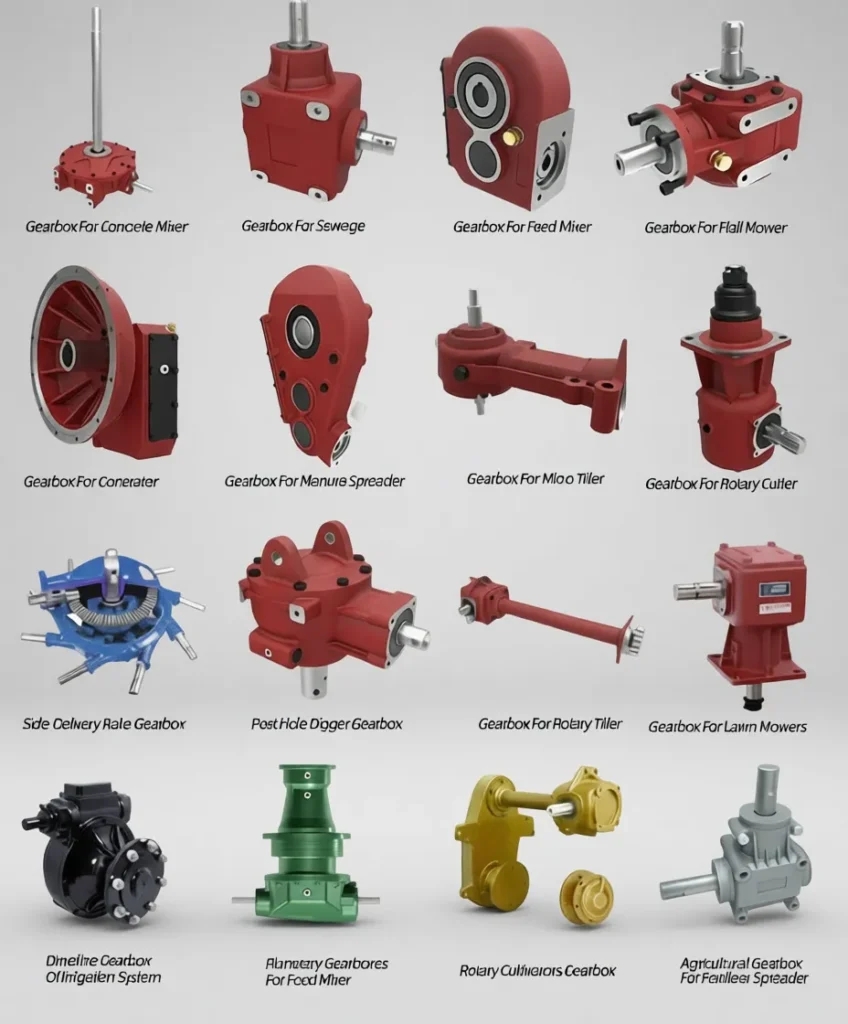
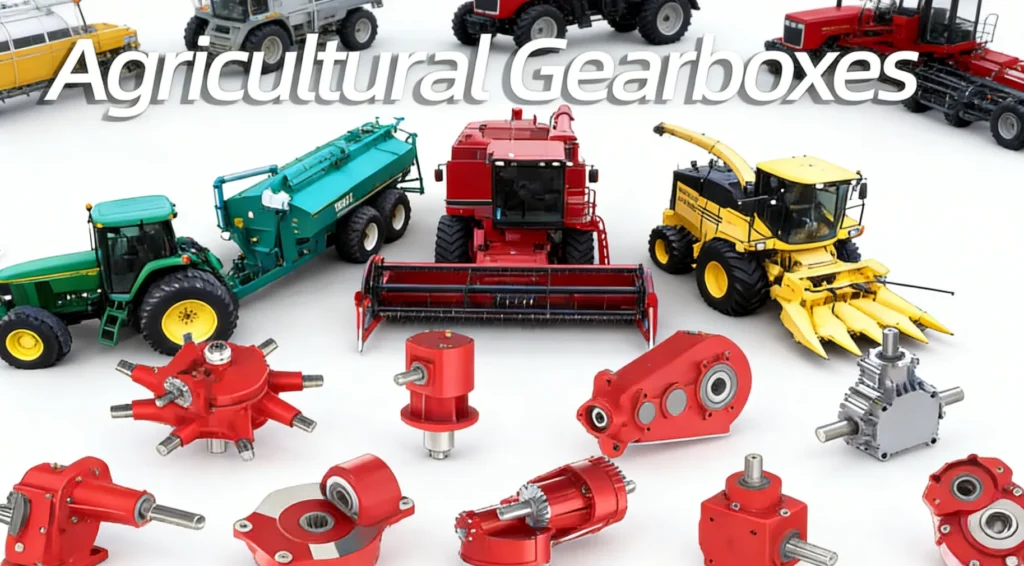
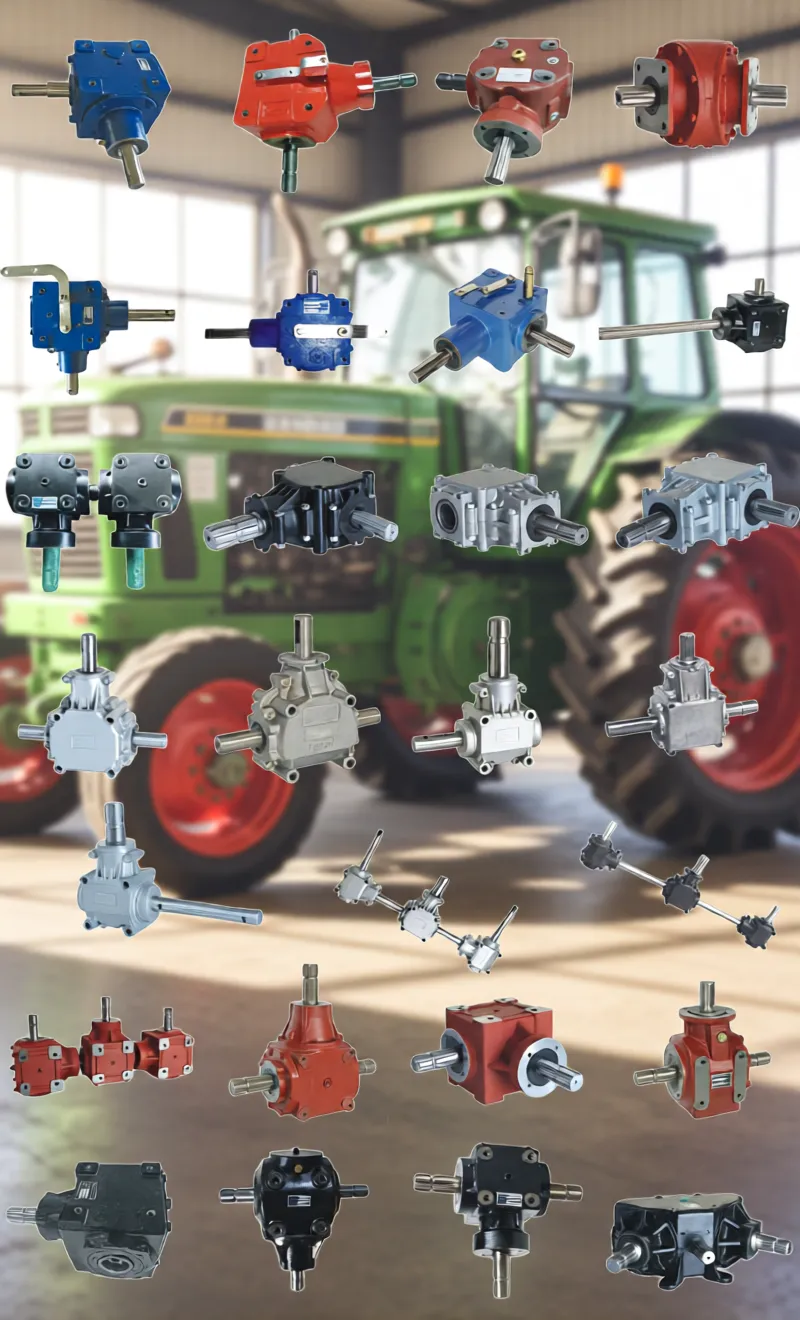
Agricultural gearbox display
Australia Extreme Operating Conditions Field Study
In Australia’s varied landscapes, linear move irrigation gearboxes face dust in Western Australia’s wheatbelt, requiring IP65 seals to prevent ingress during harvest. Heat in Queensland cotton reaches 45°C, with finned casings dissipating 2.5 kW to keep oil below 80°C. Vibration from undulating New South Wales terrain is damped <2.5 mm/s to protect towers. Salt air in coastal Victoria demands ASTM B117 compliant coatings for 500-hour resistance. Cold in Tasmania to -10°C needs low-pour oils. These conditions test durability, with our units achieving 12,000 hours in trials versus 8,000 for standards. For remote Northern Territory, robust designs cut service trips. The study shows 16% better performance in extremes.
Queensland Terrain & Crop-Specific Gearbox Requirements
Queensland’s sugarcane in Bundaberg requires gearboxes with humidity resistance, using viton seals for wet seasons (Dec-Mar). For Darling Downs wheat, ratios 50:1 suit tower speeds. The state’s cotton in Emerald demand 3200 Nm for large spans. Compliance with Queensland Work Health and Safety Act mandates overload protection, integrated in designs.
New South Wales Terrain & Crop-Specific Gearbox Requirements
NSW’s wheat in Riverina needs steady torque for hilly ground, with backlash <10 arcmin. During harvest (Oct-Dec), dust seals are key. For Hunter Valley vines, corrosion resistance counters sprays. The Work Health and Safety Regulation requires vibration limits, met by <2.5 mm/s.
Victoria Terrain & Crop-Specific Gearbox Requirements
Victoria’s canola in Mallee demands shock capacity for rocks. Wet winters (Jun-Aug) need IP65. Melbourne’s horticulture benefits from low noise <75 dB. Victorian Occupational Health and Safety Act emphasizes interlocks, standard.
Western Australia Terrain & Crop-Specific Gearbox Requirements
WA’s wheat in Wheatbelt needs dust-proof seals for dry seasons (Nov-Apr). For Geraldton canola, heat dissipation is key. The state’s Safety Regulation System requires risk assessments, supported by protection.
South Australia Terrain & Crop-Specific Gearbox Requirements
SA’s barley in Eyre Peninsula demands precise flow for sandy soils. Arid conditions require extended intervals. Adelaide Hills’ slopes need stable mounting. Work Health and Safety Regulations mandate guards, included.
Tasmania Terrain & Crop-Specific Gearbox Requirements
Tasmania’s potatoes in North West need cold resistance to -5°C. Wet winters require IP65. For Derwent Valley hops, vibration damping protects crops. Tasmanian laws align with national for safety.
Northern Territory Terrain & Crop-Specific Gearbox Requirements
NT’s mangoes in Katherine demand humidity resistance. Dry seasons require dust seals. For Darwin’s tropicals, high temps need cooling. NT Work Health and Safety Act emphasizes remote reliability.
Australian National Standards & Certification Landscape for Agricultural Drivetrain Components
Australia’s standards include AS/NZS 4024 for machinery safety, ensuring drivetrain components like gearboxes have guards and overload protection. Biosecurity Act mandates cleanable designs. Certifications like ISO 9001 ensure quality. For drivetrains, AS 4024.1 addresses risks.
New Zealand Agricultural Regulations and Interface Standards
NZ’s Health and Safety at Work Act aligns with AS/NZS, requiring vibration limits. Interface standards follow ISO 5673 for PTO. For Canterbury wheat, dust resistance is key.
Indonesia Agricultural Regulations and Interface Standards
Indonesia’s SNI standards for machinery safety. For Java’s rice, tropical adaptations needed. Interfaces compatible with Kubota common there.
Engineer Perspective on Design and Innovation
Design ideology for linear move gearboxes focused on Australia’s variable soils, prioritizing planetary sets for 95% efficiency in Queensland. Innovation in viton seals boosted dust resistance 30%, reducing failures in Western Australia. Structure optimizations via FEA cut weight 12% while strengthening for vibrations in NSW hills. User feedback from Victoria led to added clutches, improving safety. Iterations involved 4000-hour tests simulating heat cycles, refining oils for NT summers. From notebooks: Prototypes leaked in humidity; we switched to cassettes, cutting issues 35%. Tasmanian users requested lower backlash, prompting precision grinding. This process blends lab data with field insights for robust solutions.
Further innovations include ports for sensors, enabling predictive maintenance per 2024 papers. SA feedback refined overload thresholds, preventing tower damage. The approach ensures adaptability, with customizable splines for brands.
Customer Cases and Success Stories
Engineer Note from Queensland: A cotton grower reported alignment loss in winds. ‘Towers drift,’ he said. We installed sensor unit, maintaining straight lines. ‘Now covers 180 ha/day,’ he noted.
Engineer Note from New Zealand: In Waikato, dust clogged seals. ‘Frequent cleans,’ client complained. Our IP65 design reduced maintenance 25%. ‘Reliable now,’ they reported.
Engineer Note from Indonesia: Java’s rice fields had corrosion. ‘Rust fast,’ farmer said. Coating extended life 20%. ‘Less repairs,’ he praised.
Engineer Note from USA: Midwest farms faced jams. ‘Clumps break,’ operator noted. Shock capacity solved it. ‘Smooth operation,’ they said.
Engineer Note from Brazil: Amazon humidity overheated. ‘Oil breaks,’ client stated. Finned model cut temps 12°C. ‘No downtime,’ he confirmed.
These notes highlight pain points like wind and dust, solved through features, fostering global trust.
Industry News and Trends
ABC Rural reports Australia’s irrigation sector adopting AI in 2025, with Valley’s new models featuring auto alignment. GRDC notes 20% efficiency from smart tech. Trends include hybrid drives by 2028, per MDPI papers. Future: autonomous systems for 30% water save. Biosecurity drives clean designs, with $150M invest in sustainable gear.
Analyses predict IoT maintenance, cutting downtime 35%. These position ever-power in innovations.
Signs for Gearbox Replacement in Linear Move Irrigation
Grinding noises signal gear wear after 8000 hours. Leaks indicate seal failure. Overheating >80°C suggests oil issues. Reduced speed points to torque loss. Vibration >2.5 mm/s warns bearings. Difficulty engaging suggests misalignment. Cracks from impacts require swap. Increased fuel 15% correlates efficiency loss. If repairs >50% new cost, replace. These prevent season breakdowns.
Regular inspections align with safety, avoiding costly halts.
Related Products and System Compatibility
- PTO transmission shafts with safety shields, telescopic sections, universal joints for smooth power delivery to cart pumps.
- Farm machinery accessories including sprockets, chains, gears, racks, lubrication systems, pulleys, couplings, hydraulic cylinders.
- Agricultural machinery units like seeders, harvesters optional with gearboxes.
ever-power offers complete solutions, sparking interest in one-stop sourcing. For durable agricultural PTO shafts, options enhance integration.
Explore more at our homepage or via contact us.
FAQ
What torque capacity suits 1km spans?
2500-4800 Nm rated handles long spans without stalls in WA.
Where do gearboxes fit in linear systems?
Tower drives, pump drives, alignment actuators for complete function.
Why choose planetary gears for towers?
High reduction, compact size for traction in NSW soils.
When to replace irrigation gearboxes?
After 12,000 hours or at noise, leaks, heat signs.
Who benefits from ever-power compatibility?
Farms with T-L, Valley in QLD, for easy upgrades.
How does IP65 rating help?
Protects dust, water in SA dry or TAS wet.
What accessories pair with gearboxes?
PTO shafts, chains, hydraulics for full system.
Where to find Australian compliance?
AS/NZS 4024 covers safety; sheets detail.
Why integrate overload protection?
Prevents damage from mud, extending life in VIC.
How to maintain in heat?
Check oil 500 hours, use synthetic for +50°C in NT.