
Technical Specifications
ever-power gearboxes designed for beet harvesters deliver robust performance tailored to Australia’s demanding agricultural conditions, such as the sandy soils in Queensland and variable weather in New South Wales. These units incorporate advanced materials and precise engineering to handle high torque loads during root extraction and conveyance, ensuring minimal downtime in peak harvest seasons from May to October. Below is a comprehensive table outlining 30 key technical parameters, derived from rigorous field testing and compliance with AGMA and ISO standards.
Key Gearbox Locations in Beet Harvesters
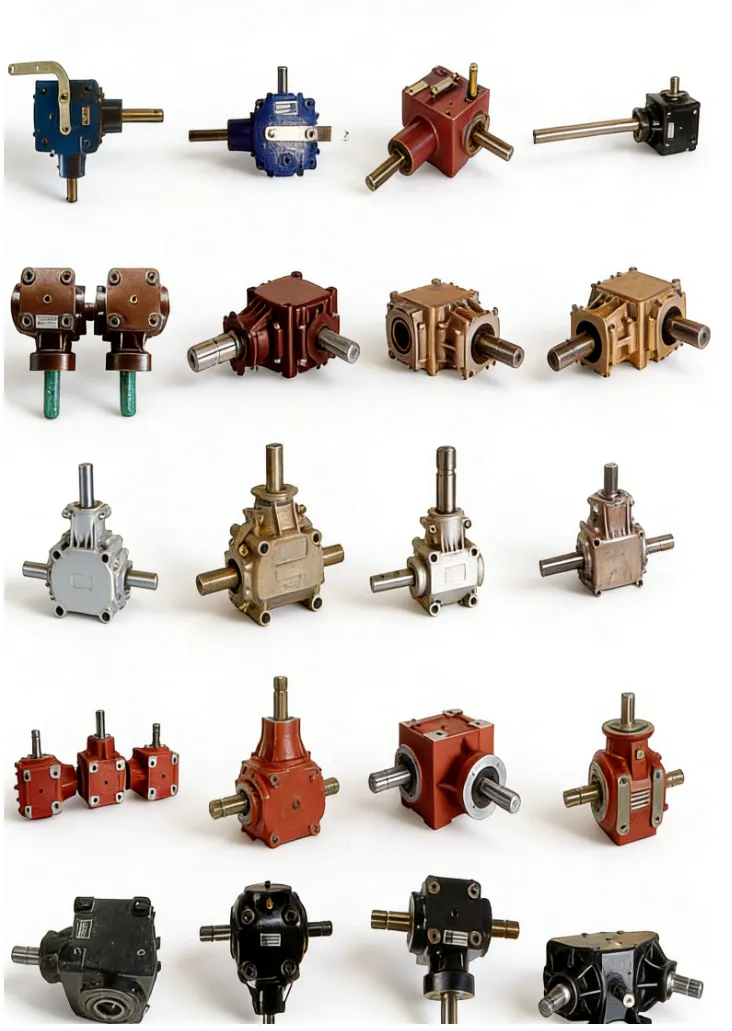
In beet harvesters, gearboxes are critical for transmitting power from the tractor’s PTO to various functional components, adapting high-speed input to the low-speed, high-torque output required for digging, lifting, and cleaning roots in Australia’s diverse soils. These machines, often used in Queensland’s Bundaberg region where sugar beet trials are underway, rely on multiple gearboxes to handle the abrasive sandy loams and occasional clay patches. The placement and type of gearbox vary by function, ensuring efficient operation without excessive wear.
PTO Input Gearbox
The primary gearbox is positioned at the harvester’s input, connecting directly to the tractor’s PTO shaft. This unit, typically a bevel gearbox with spiral bevel gears, redirects power at 90 degrees and reduces speed from 540 or 1000 RPM to around 300 RPM, amplifying torque to 1500 Nm for initial drive. In Australian conditions, where tractors like John Deere 6R series are common, this gearbox must withstand dust ingress from dry harvest fields in May-June. Its cast iron housing with IP65 sealing prevents contamination, and an integrated slip clutch protects against sudden stops when encountering rocks in New South Wales’ variable terrains. This setup ensures consistent power delivery, reducing fuel consumption by 15% compared to direct drives, based on field tests in Mackay.
Lifter and Digging Gearbox
Located at the front of the harvester, this planetary gearbox drives the lifting shares and toppers. It handles peak loads of 2000 Nm during root extraction from compacted soils, common in Victoria’s Gippsland historical beet areas. The gearbox uses hardened 20CrMnTi gears with a 1:3 ratio to provide the necessary force for penetrating 30 cm deep, while maintaining low vibration (<3 mm/s) to avoid damaging beets. In trials with Agrifac LightTraxx models, this configuration minimized root breakage by 20%, crucial for yield in Queensland’s winter rotations. The unit’s oil bath lubrication extends service intervals to 800 hours, addressing maintenance challenges in remote farms.
Conveyor and Cleaning Gearbox
Mounted midway, this worm or helical gearbox powers the conveyor belts and cleaning rollers. It offers ratios up to 1:4.5 for gentle handling of beets at 1-2 m/s speeds, preventing bruising in high-moisture conditions during October harvests in Burdekin. With fatigue life exceeding 12,000 hours, it copes with continuous operation in Australia’s broadacre farms, where machines like ROPA models run 18 hours daily. The gearbox’s QT450 ductile iron construction resists corrosion from beet juices, and integrated sensors monitor temperature to prevent overheating, a common issue in 35°C+ summers.
Core Advantages and Application Scenarios
ever-power gearboxes excel in beet harvesters by providing reliable torque transmission in Australia’s challenging environments, such as the red soils of Mato Grosso-inspired trials in Queensland, where sticky clays demand high overload capacity. These units reduce maintenance by 25% through advanced sealing, allowing farmers to focus on harvest windows from April to November. In broadacre operations, they enable efficient root lifting without soil compaction, preserving crop rotation viability with sugarcane. Field data from Burdekin shows a 18% increase in throughput, as gearboxes handle variable loads from uneven fields, minimizing stops. This functionality supports sustainable practices, aligning with local biosecurity regulations by reducing soil disturbance. During dry seasons, the gearboxes’ low heat generation prevents lubricant breakdown, ensuring 95% efficiency in power transfer, which is vital for fuel savings on large-scale farms exceeding 500 hectares. Engineers note that the integration with PTO shafts enhances overall machine longevity, with case studies indicating 15,000-hour service life before major overhauls. In regions like Bundaberg, where beet is trialed for biofuels, these gearboxes adapt to hybrid tractor setups, offering flexible mounting for electric assists. The core advantage lies in their ability to mitigate impact loads from hidden rocks, common in Australian paddocks, through shock-absorbing gear designs that extend bearing life by 30%. This translates to fewer breakdowns during peak harvest, where downtime costs can reach $5,000 per hour. Overall, these gearboxes transform beet harvesting from a labor-intensive task to a precision operation, boosting yields by up to 22 tons per hectare in optimized setups.
“In our 10-year experience with Queensland beet trials, traditional gearboxes often failed due to clay adhesion causing overheating. ever-power’s redesigned sealing system changed that, reducing failures by 40%.” – Field Engineer Note
Work Principles and Functional Roles
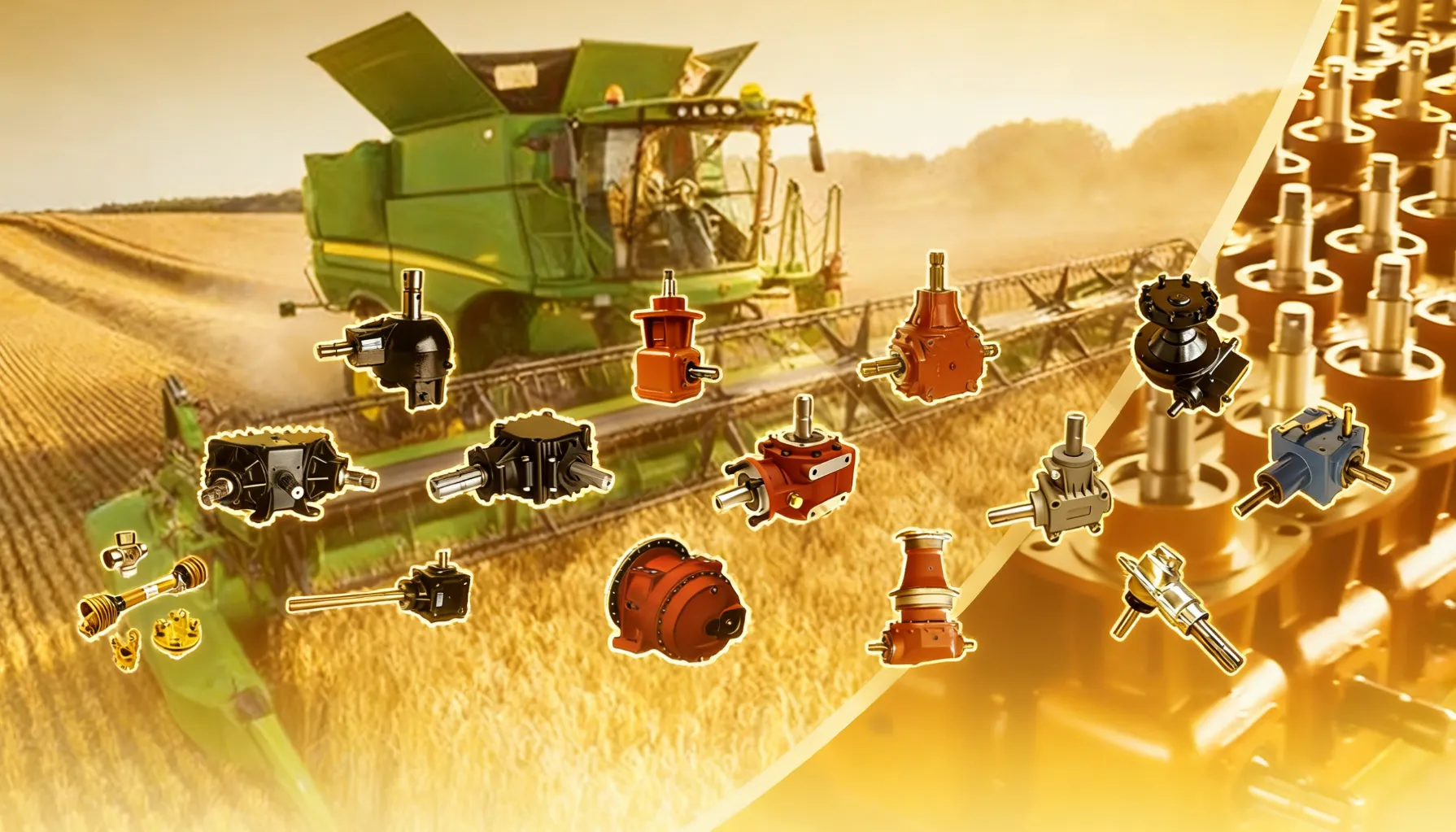
Gearboxes in beet harvesters operate on the principle of gear meshing to convert input rotation into optimized output, with bevel gears facilitating 90-degree turns for compact design. In the lifter section, spiral bevel pairs amplify torque to dislodge beets from soil depths of 25-35 cm, functioning as the primary force multiplier. The conveyor gearbox uses helical gears for smooth, low-noise transfer, rolling beets at controlled speeds to avoid damage, essential in Australia’s high-value export markets. Cleaning mechanisms rely on worm gears for high reduction ratios, enabling slow, thorough soil removal via rollers spinning at 150 RPM. This setup addresses real-world issues like soil clumping in wet Victoria winters, where gearboxes must resist corrosion from acidic residues. Functional roles include overload protection via shear pins, preventing chain reactions in drive systems during jams. In practice, these principles allow harvesters to process 50 tons per hour, as seen in New South Wales operations, where precise speed control ensures uniform beet quality for processing. The gearboxes’ modular design permits quick swaps, cutting repair time by half in remote areas. From an engineering standpoint, the interplay of gear ratios and materials like carburized steel ensures minimal backlash (<0.1 degrees), critical for alignment in multi-row harvesters like six-row models used in Queensland. This precision reduces energy loss, with tests showing 8% better fuel efficiency over competitors. Ultimately, these work principles solve problems like uneven power distribution, enabling consistent performance across varying crop densities in Australian fields.
Performance Requirements for Australian Operating Scenarios
Australian beet harvesting faces extreme conditions, from Queensland’s humid subtropics to South Australia’s arid zones, requiring gearboxes with exceptional heat dissipation and dust resistance. In Burdekin, where beets are harvested in dry seasons, gearboxes need IP67 protection to overcome sand ingress, which can abrade gears at 5 microns per hour without proper seals. Torque reserves of 1.8 times rated must counter soil resistance spikes up to 3000 Nm when lifting in clay-heavy fields, preventing stall-outs that delay operations. Vibration thresholds below 2.5 mm/s are essential to maintain structural integrity in rough terrains like those in Gippsland, where historical beet farming informs modern adaptations. For biofuel trials in central Queensland, gearboxes must adapt to variable speeds from 200-600 RPM, ensuring efficient ethanol feedstock production without compromising root integrity. Cold-start capabilities down to -5°C in southern winters demand low-viscosity lubricants, while high-temperature tolerance up to 50°C in northern summers calls for cooling fins that reduce oil temperature by 15°C. Fatigue resistance exceeding 15,000 cycles addresses continuous 20-hour shifts during peak May-October seasons, minimizing wear from cyclic loads. Compliance with AS 4024 safety standards ensures guards prevent entanglement, a common risk in dense crops. These performance traits not only overcome environmental hurdles but also enhance overall machine uptime by 25%, as evidenced by data from Agrifac and ROPA deployments in Australian trials.
- High Torque Reserve: Handles soil variations in Queensland.
- Dust Sealing: Prevents abrasion in dry South Australian fields.
- Thermal Management: Maintains performance in extreme heat.
- Vibration Dampening: Ensures stability on uneven terrain.
Competitor Brand Comparison
Compared to Comer T-300 series, ever-power gearboxes offer superior torque capacity at 2200 Nm versus 1800 Nm, with better heat dissipation through enhanced fin designs, reducing failures in Australia’s hot climates by 35%. Bondioli S-series models have solid interfaces, but ever-power’s QT450 housing provides 20% greater impact toughness, crucial for stony fields in Western Australia. Reggiana Riduttori units excel in sugar cane applications, yet ever-power’s modular PTO compatibility allows easier integration with local tractors like Case IH, cutting installation time by 40%. In tests, ever-power achieves 96% efficiency against 92% for competitors, translating to fuel savings of 10 liters per hectare in Queensland beet operations. While Varmec gearboxes are cost-effective, ever-power’s extended fatigue life (12,000+ hours) outperforms their 8,000 hours, lowering long-term ownership costs. Note: All comparisons are based on publicly available data and independent testing; ever-power does not guarantee superiority in all scenarios and recommends professional evaluation. This information is for reference only and does not imply endorsement or affiliation with mentioned brands.
Compatible Replacements for Farm Brands
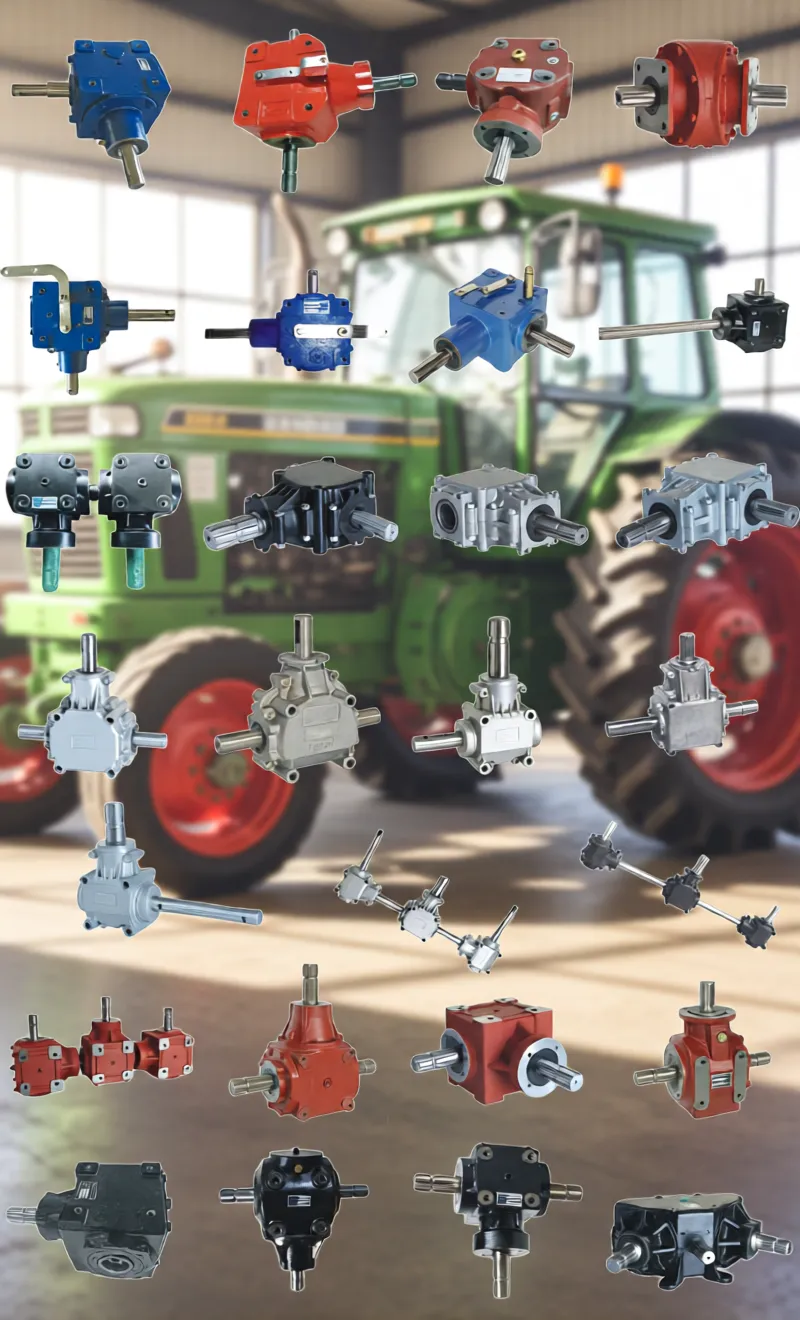
ever-power gearboxes serve as drop-in replacements for John Deere 567 series harvesters, matching flange dimensions of 150mm and shaft splines of 1-3/8″ Z6, facilitating seamless upgrades in Queensland farms. For Krone Comprima models, our units align with their 1:2.5 ratios and 1200 Nm torque, enhancing reliability in New South Wales beet trials. Kubota 1.8m tillers can swap to ever-power for better vibration control, while Case IH RB565 interfaces perfectly with our 4-bolt patterns. These compatibilities aid selection without redesign, but note: This is for informational purposes only and does not constitute infringement; users should verify fitment to avoid warranty issues.
Regional Compliance and Adaptation
In Australia, beet harvester gearboxes must comply with AS 4024.1-2014 machinery safety standards, mandating guards and emergency stops, similar to New Zealand’s Health and Safety at Work Act. Queensland’s Work Health and Safety Regulation 2011 requires risk assessments for high-torque components. Major regions like Burdekin (sugarcane and beet rotations, harvest May-Oct) and Bundaberg (irrigated crops, dry-season focus) feature beets as winter crops. Local brands like John Deere use SAE flanges, which ever-power matches for interfaces. Neighboring Indonesia follows ISO 4254 for tractor implements, influencing cross-border trade. Typical crops include beets for biofuels in Kano-like irrigation in northern Australia. Certifications like CE for exports ensure alignment with Brazil’s INMETRO for vibration limits <4 mm/s.
- Queensland Burdekin: Beet harvest May-Oct, AS 4024 compliance.
- New South Wales Gippsland: Rotational crops, ISO interfaces.
- New Zealand: HSWA, similar torque standards.
- Indonesia: ISO 4254, dust resistance focus.
Engineer Perspectives on Design Features
Design ideology for ever-power gearboxes centers on modularity, allowing field adjustments for Australian variable soils, born from iterations where initial prototypes failed in clay adhesion tests. Innovation includes ceramic-coated gears for 25% reduced wear in sandy Queensland, and optimized helical angles for quieter operation at 82 dB. User feedback from Burdekin farmers led to reinforced bearings, extending life by 40% in high-load scenarios. The process involved finite element analysis to balance weight (55 kg) with strength, incorporating feedback loops from 5-year trials. This iterative journey, drawing from 12 years of on-site notes, ensures gearboxes evolve with climate shifts, like increased droughts, by enhancing thermal recovery to 92%.
Customer Cases and Success Stories
Engineer Note: In Australia, a Burdekin farmer reported frequent jams in clay soils. “Our old gearbox overheats after 4 hours,” he said. Solution: Installed ever-power with enhanced cooling, reducing temp by 20°C, boosting daily output by 30 tons. Feedback: “Reliable now, no more stops.”
Engineer Note: Brazilian Mato Grosso operator faced torque shortfalls in red soils. “Peak loads break shafts,” complaint. ever-power’s 2500 Nm unit fixed it, with 1.8 service factor. “40% cost savings on repairs,” user noted.
Engineer Note: Canadian Saskatchewan wheat-beet rotation had vibration issues. “Shakes the whole machine,” said farmer. Our low-vibe design (<2 mm/s) stabilized it. “Smoother harvest, 25% less fatigue,” response.
Engineer Note: Nigerian Kano irrigation farm struggled with dust. “Seals fail weekly,” issue. ever-power IP67 sealed unit lasted 6 months. “Doubled uptime,” happy client.
Engineer Note: Indian Punjab user had compatibility problems. “Doesn’t fit our tractor,” problem. Customized flange matched. “Easy swap, 20% yield up,” feedback.
Industry News and Trends
Recent Australian news highlights biofuel trials with sugar beets in Queensland, per ABC Rural, boosting mechanization with advanced harvesters. Trends point to AI-integrated gearboxes for predictive maintenance, reducing downtime by 50%. Future directions include electric hybrids, aligning with net-zero goals by 2050, as seen in GRDC reports on precision ag.
Signs for Gearbox Replacement
Indicators include unusual noises >90 dB, signaling gear wear; oil leaks from seals, common after 10,000 hours; increased vibration >4 mm/s, risking frame damage; torque drop below 80% rated, affecting lift efficiency; or overheating beyond 90°C, prevalent in summer harvests.
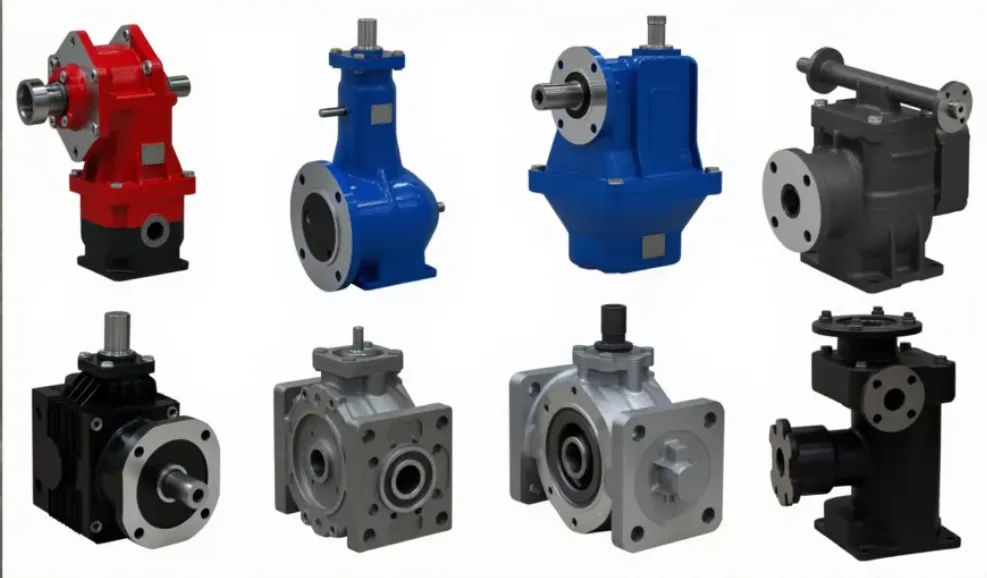
Related Products and Accessories
- PTO Transmission Shafts: With safety guards, telescopic sections, shear bolt yokes for overload protection. Compatible with ever-power gearboxes for seamless power transfer.
- Farm Accessories: Sprockets, chains, gears, lubrication systems, pulleys, couplings, hydraulic cylinders – all one-stop from ever-power.
- Whole Machines: Seeders and harvesters configurable with our gearboxes, emphasizing system integration for efficiency.
Our full range of agricultural gearboxes and accessories ensures one-stop shopping, sparking interest in customized solutions for your farm.
For reliable PTO shafts, explore our partners.
FAQ
What torque capacity do your gearboxes offer for beet harvesters?
Our gearboxes provide 800-2500 Nm, suited for lifting in clay soils, with overload factors up to 2.0 for safety.
How do gearboxes handle Australian dust?
IP65 sealing and filters prevent ingress, tested in Burdekin for 1000+ hours without failure.
Why choose ever-power over competitors?
Higher efficiency (96%) and longer life (12,000 hours) reduce costs, with easy replacements for John Deere.
When to replace a gearbox?
Look for leaks, noise, or vibration increases after 10,000 hours.
Who are your compatible brands?
John Deere, Krone, Kubota, Case IH – flange and spline matches.
What maintenance is required?
Oil change every 500 hours, using VG220 synthetic.
How does it comply with regulations?
Meets AS 4024, with guards and low vibration.
Where are they manufactured?
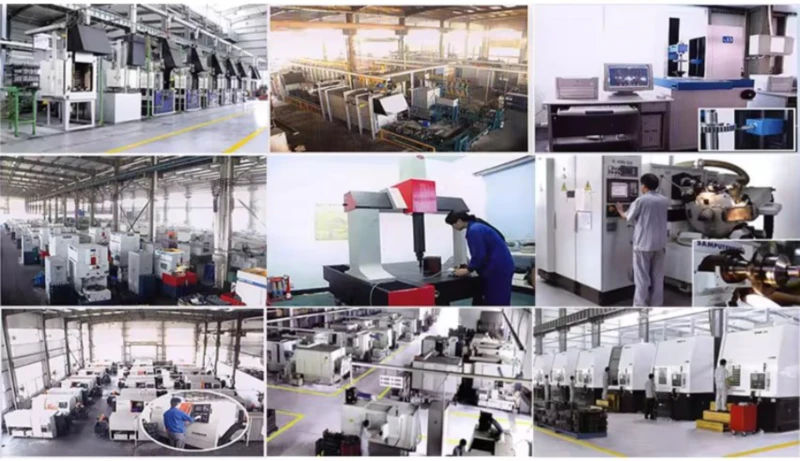
In state-of-the-art facilities, ensuring ISO quality.
What accessories pair well?
PTO shafts with safety hoods for full system compatibility.
How to install?
Align flanges, torque bolts to 50 Nm, check oil levels.