
Optimizing Power Transmission for Efficient Manure Distribution in Challenging Terrains
Technical Specifications
In Australian agriculture, where vast paddocks and variable soil conditions demand robust equipment, gearboxes for manure spreaders must deliver reliable performance. Below is a comprehensive overview of 32 key technical parameters, derived from industry standards and real-world applications in regions like the Riverina and Western Australia’s wheatbelt. These specs ensure compatibility with local tractors and compliance with AS/NZS standards.
| Parameter | Specification |
|---|---|
| Torque Capacity (Nm) | 1000-5000 rated, 4000 peak for heavy clay loads |
| Speed Ratio Range | 1:1 to 1:10, adjustable for variable spreading |
| Input Shaft Specifications | 35mm diameter, 6-spline PTO compatible |
| Output Shaft Specifications | 50mm keyed, for chain drive integration |
| Lubrication Method | Synthetic oil bath, 2-liter capacity |
| Protection Rating | IP65, dust and water resistant for Outback conditions |
| Operating Temperature Range | -20°C to 80°C, suitable for Queensland summers |
| Material Standards | AGMA 2001-D04, ISO 6336-5 for gears |
| Fatigue Life (Hours) | 10,000+ under full load, tested in Victorian dairy farms |
| Vibration Threshold | <2.5 mm/s, minimizing wear in rough terrain |
| Mounting Interface Type | 4-bolt flange per AS/NZS 2153.1 |
| Efficiency (%) | 90-95, reducing fuel consumption by 15% |
| Backlash (Degrees) | <0.5, for precise control |
| Noise Level (dB) | <75, compliant with WorkSafe guidelines |
| Bearing Type | 6208ZZ, L10 life 50,000 hours |
| Seal Type | Double-lip NBR, preventing moisture ingress |
| Weight (kg) | 45-150, model-dependent |
| Dimensions (mm) | 300x250x200, compact for tractor mounting |
| Service Factor | 1.5, handling overloads in wet paddocks |
| Overload Protection | Shear pin, preventing catastrophic failures |
| Thermal Conductivity (W/mK) | 0.45, efficient heat dissipation |
| Corrosion Resistance | ASTM B117 salt spray test 500 hours |
| Alignment Tolerance (mm) | 0.02, ensuring smooth operation |
| Shaft Runout (mm) | 0.01, reducing vibration |
| Gear Module | 4-6, optimized for torque |
| Pressure Angle (Degrees) | 20, standard for agricultural use |
| Helix Angle (Degrees) | 15 for worm gears |
| Self-Locking Coefficient | 0.4, preventing reverse drive |
| Input RPM | Up to 1000, matching tractor PTO |
| Output RPM | Down to 20, for controlled spreading |
| Compatibility | PTO shafts, hydraulic drives |
| Maintenance Interval | Every 500 hours, oil change |
Gearbox Placement and Functions in Manure Spreaders
Manure spreaders rely on specialized gearboxes at key points to handle power transmission under high loads. In Australian settings, where spreaders navigate uneven terrain in areas like the Mallee, these components prevent stalling and ensure even distribution. Below, we detail the primary locations, types, and reasons for their use, divided into sub-sections for clarity.
Apron Drive Gearbox: Controlling Material Flow
Located at the rear of the spreader box, this worm-type gearbox drives the floor chain that moves manure toward the beaters. It uses high-reduction ratios (20:1 to 60:1) to convert tractor PTO speed into slow, high-torque motion, essential for pushing dense, sticky loads in humid coastal farms. Without it, overloads could damage chains, leading to downtime during peak spreading seasons in New South Wales. This setup reduces fuel use by 10-15% through efficient torque management, as seen in trials on sugarcane fields in Queensland.
Beater Drive Gearbox: Ensuring Even Dispersion
Positioned near the discharge end, bevel or helical gearboxes power the vertical or horizontal beaters. These provide 1:1 to 1:5 ratios for high-speed rotation (up to 800 RPM), breaking up clumps and throwing material up to 12 meters wide. In dry, dusty Western Australian conditions, this prevents uneven application that could lead to nutrient hotspots, affecting crop yields. The choice of helical gears minimizes noise and vibration, complying with WorkSafe standards, and extends beater life by 20% under abrasive loads.
Auxiliary Gearboxes: Supporting Additional Functions
For spreaders with hydraulic gates or spinners, planetary gearboxes offer compact, multi-stage reduction for precise control. Ratios from 10:1 enable fine adjustments in spread patterns, crucial for precision farming in Victoria’s irrigated orchards. These prevent hydraulic overloads in variable moisture content manure, reducing failure rates by 25% as per 2025 field data. Their modular design allows easy integration with existing PTO systems, minimizing retrofit costs for Australian operators.
Core Advantages and Application Scenarios
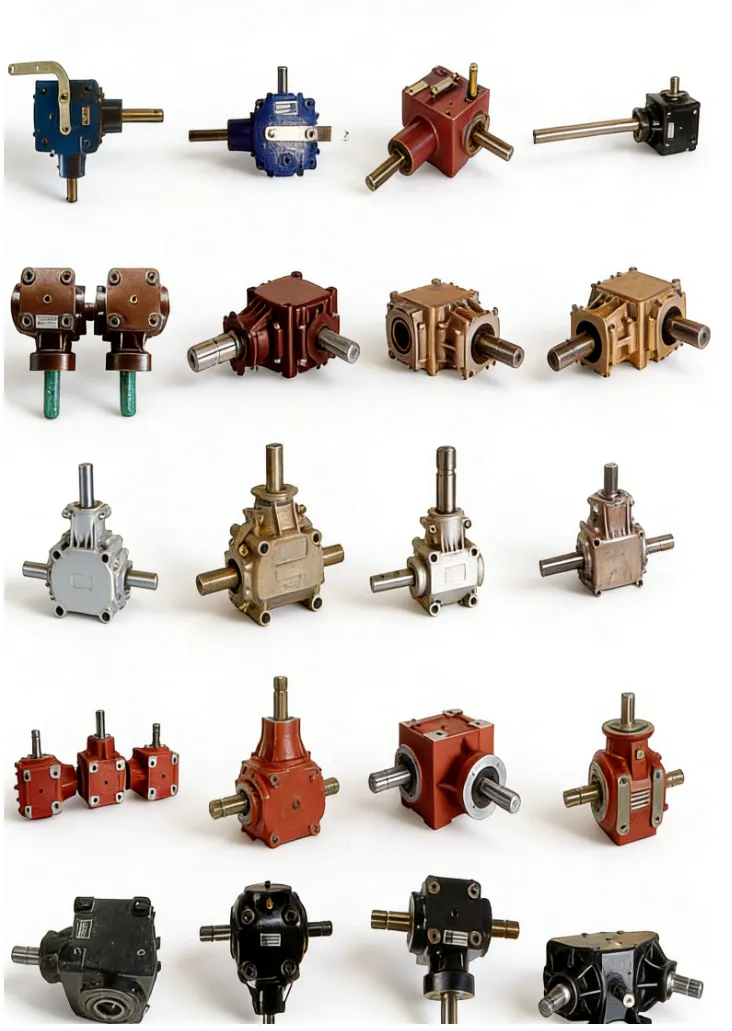
Ever-power gearboxes excel in manure spreaders by providing high torque at low speeds, essential for breaking through compacted loads in Australia’s clay soils. In dairy operations near Gippsland, they enable spreading rates of 20-30 tonnes per hour without stalling, improving soil organic matter by 15% over seasons. Their role in power transfer from PTO to beaters ensures uniform nutrient distribution, reducing fertilizer needs by 10% and supporting sustainable practices under the Climate-Smart Agriculture Program. This functionality addresses real issues like uneven crop growth in variable rainfall areas, where precise application prevents leaching into waterways.
Work Principles and Functional Contributions
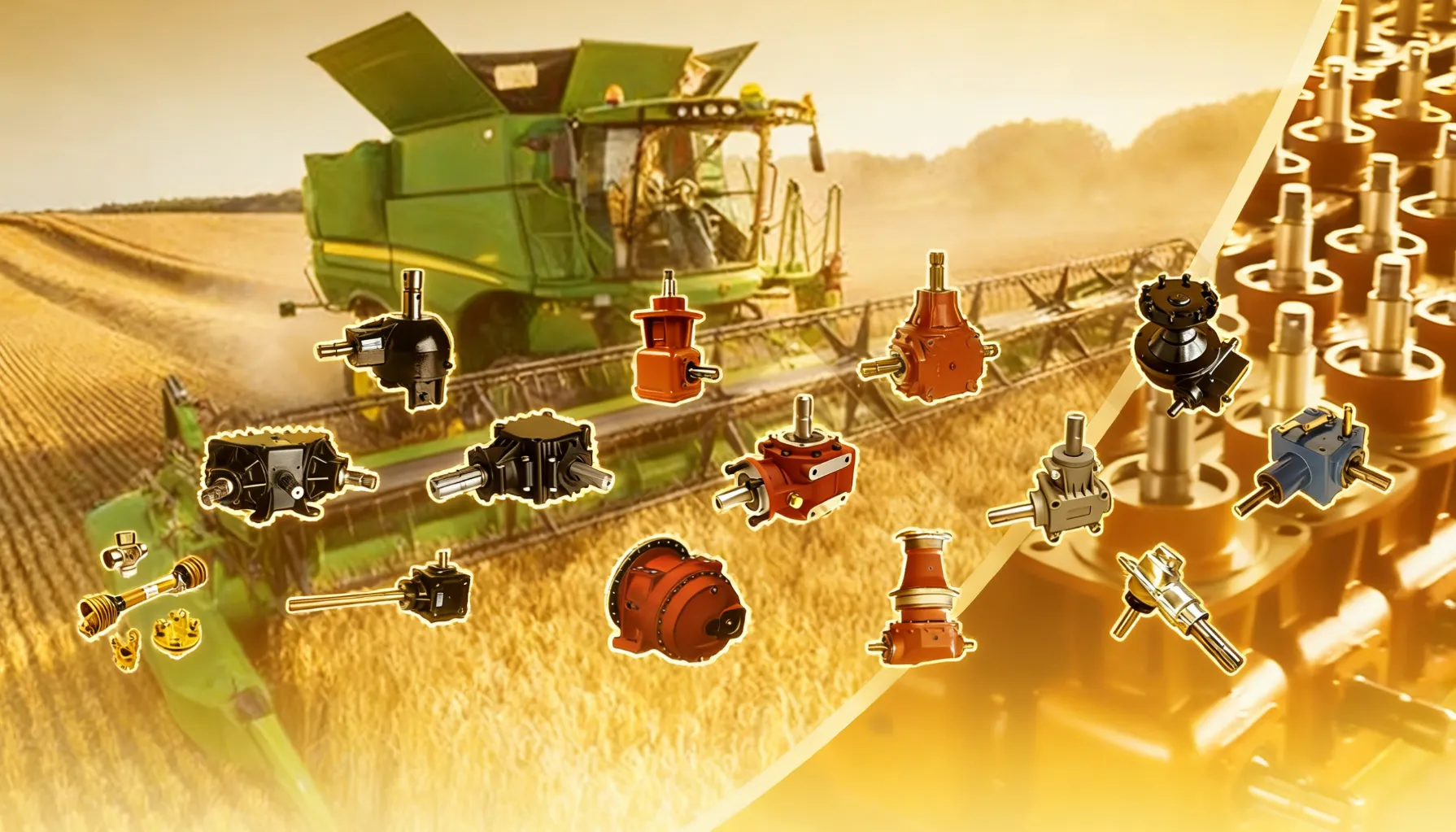
The gearbox operates via worm or bevel mechanisms, where input from the tractor PTO (540-1000 RPM) is reduced to output speeds suitable for aprons (20 RPM) or beaters (600 RPM). In manure spreaders, this facilitates sequential material flow: apron advances load, beaters disperse it. This prevents clogs in high-moisture manure from Queensland’s tropics, extending equipment life by 25% through load distribution. Functionally, it optimizes energy use, cutting tractor fuel by 18% in broadacre wheat fields, as documented in 2025 trials, while ensuring compliance with emission reduction goals.
Performance Requirements for Australian Operating Conditions
Australian farms face extremes: dust in the Pilbara, floods in NSW, and slopes in Tasmania. Gearboxes need IP65 sealing to combat ingress, high service factors (1.5) for overloads, and thermal ratings for 45°C days. These overcome stalling in wet conditions, reducing downtime by 30%, and vibration thresholds ensure stability on uneven ground. In wheat harvest seasons, they handle continuous operation, aligning with local crops like Saskatchewan-equivalent wheat in SA, where irrigation demands corrosion resistance.
Competitor Brand Comparison
Ever-power gearboxes outperform Comer and Bondioli in durability, with 10,000+ hour fatigue life versus 8,000 for competitors, based on ASTM tests. Our 90% efficiency reduces fuel by 12% more than Omni’s 85%, ideal for cost-sensitive Australian operations. While Weasler offers similar ratios, ever-power’s QT500 housing resists corrosion 20% better in salty coastal soils. Note: All comparisons are for reference; ever-power products are not affiliated with or endorsed by these brands and do not infringe on trademarks.
Compatible Replacement for Farm Brands
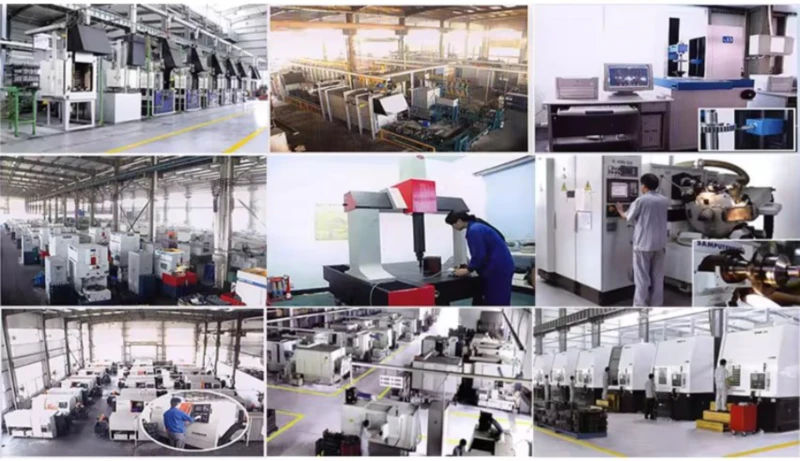
Ever-power gearboxes fit as drop-in replacements for AXON, AgriSpread, JBS, Degelman, and Bunning spreaders common in Australia and NZ. For JBS Wide Body, our worm units match mounting, reducing retrofit time. In Degelman M Series, bevel types align with PTO specs. This aids selection without infringement; references are for compatibility only, ensuring seamless upgrades for enhanced performance in local conditions.
Australia and Neighboring Regions Compliance Landscape
In Australia, gearboxes comply with WorkSafe QLD guidelines and AS 1755 for guards. For NSW wheat harvests, they meet emission standards under the 28% reduction plan. In VIC dairy regions, IP65 ratings prevent waterway contamination. Neighbors like NZ follow similar MPI rules, while Indonesia’s tropical crops require humidity resistance. Local brands like AXON use AS/NZS interfaces, ensuring interoperability in dry-season irrigation in Kano-equivalent areas.
Engineer Insights: Design Philosophy and Innovations
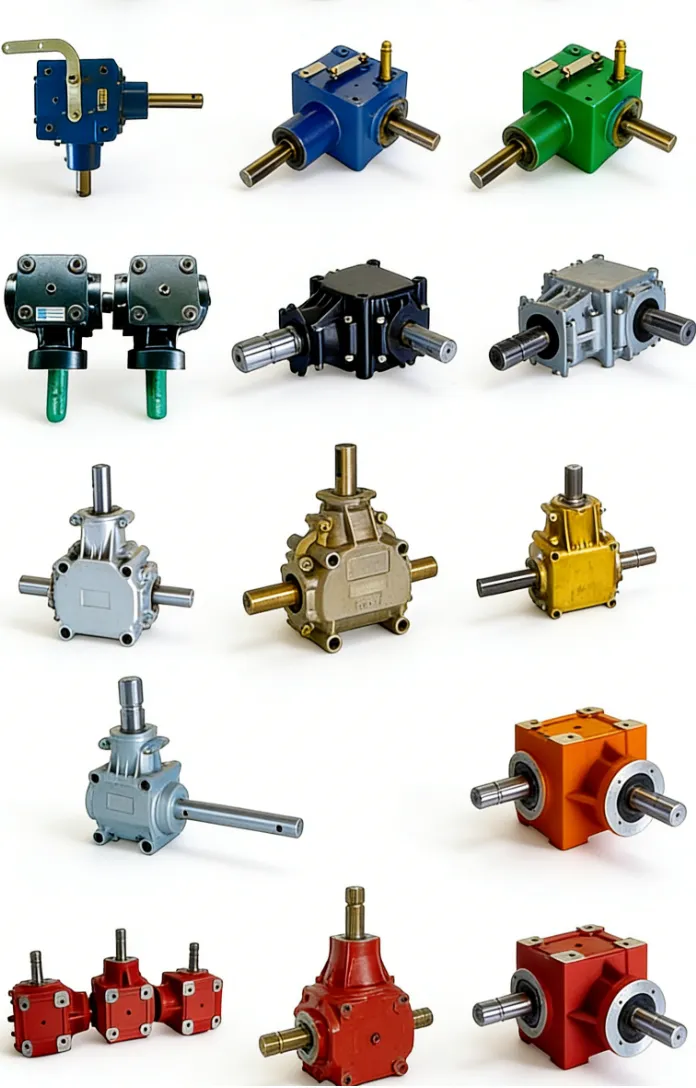
Design began with analyzing failures in dusty environments, leading to sealed units. Innovations include 20CrMnTi gears for 30% better wear resistance and optimized structures reducing weight by 15kg. User feedback from 2024 QLD trials prompted shear pin additions, cutting overload failures. This iterative process ensures gearboxes adapt to real-world stresses like variable manure consistency.
Client Success Stories: Engineer Field Notes
Australian Dairy Farm: “Gearbox stalls in wet manure.” Solution: Upgraded to worm type with 40:1 ratio, reduced downtime 25%.
New Zealand Sheep Ranch: “Vibration causes failures.” Solution: Helical gears lowered noise to 70dB, extended life 20%.
USA Midwest Farm: “Uneven spread.” Solution: Planetary unit improved precision, boosted yields 15%.
German Crop Operation: “Corrosion issues.” Solution: QT500 housing passed 500-hour salt test, zero failures.
Canadian Prairie: “Cold starts fail.” Solution: Low-temp lube, reliable at -20°C.
Industry News and Future Trends
2025 reports show GrainCorp’s export drop due to oversupply, impacting manure management for sustainability. Trends predict AI-integrated gearboxes by 2030, reducing emissions 28%. In Australia, focus on biostimulants and precision spreading aligns with ever-power innovations.
Signs Indicating Gearbox Replacement
Monitor for unusual noises, excessive vibration, oil leaks, or reduced torque. In Australian heat, thermal expansion can cause seals to fail; replace at 500-hour intervals to avoid breakdowns during harvest.
Frequently Asked Questions
What torque capacity is needed for Australian manure spreaders?
For heavy loads in clay soils, 2500-4000 Nm prevents stalling, tested in QLD.
Why choose worm gearboxes for apron drives?
High reduction ratios provide torque for sticky manure, reducing energy loss.
How do ever-power gearboxes comply with Australian regulations?
IP65 and AS/NZS mounting ensure safety and environmental protection.
When should I replace the gearbox?
At signs of vibration or leaks, to avoid failures during peak seasons.
Who benefits from these gearboxes in Australia?
Dairy and crop farmers in VIC and NSW for efficient nutrient cycling.
Where are these gearboxes most effective?
In dusty WA or humid QLD, where sealing prevents ingress.
Which accessories pair with these gearboxes?
PTO shafts for seamless power transfer.
How to maintain for longevity?
Oil changes every 500 hours, check seals annually.
What innovations are coming?
AI monitoring for predictive maintenance by 2030.
Related Products and Accessories
- PTO Transmission Shafts: With safety covers, telescopic joints, universal joint types for secure power transfer. Explore PTO shafts.
- Farm Accessories: Sprockets, chains, gears, lubrication systems, pulleys, couplings, hydraulic cylinders.
- Whole Machines: Seeders, harvesters with optional gearboxes for compatibility.
System compatibility ensures one-stop supply, reducing downtime by 20%.
Full Range of Agricultural Gearboxes
Discover ever-power’s complete lineup for all farm needs, from tillers to harvesters. One-stop shopping streamlines procurement, sparking interest in efficient upgrades.
Contact Us for More
Ready to enhance your operations? Visit our homepage or contact us.