
Enhancing Dairy Efficiency in Australian Farms
Technical Specifications
ever-power gearboxes for rotary milking parlors are engineered to support continuous rotation in Australia’s large-scale dairy farms, where 72-point systems milk up to 350 cows per hour. These units handle variable loads from cow entry and exit, ensuring smooth operation with minimal vibration. The table below details 32 key technical parameters, aligned with AS/NZS 4024 and ISO 6336 standards for safety and durability in milking applications.
Gearbox Placement in Rotary Milking Parlors
Rotary milking parlors in Australian dairy farms depend on gearboxes for smooth rotation of the platform, ensuring efficient milking of up to 350 cows per hour in systems like the GEA T8900. These components must handle constant loads while maintaining low noise levels for animal comfort. Different positions require specific gearbox types to manage torque and speed.
Platform Drive Gearbox
The platform drive gearbox is positioned at the central hub, driving the rotary turntable. It utilizes worm gears for high reduction ratios (1:100), providing low-speed rotation at 10-30 rpm for large 72-point parlors in Victoria’s dairy regions. In humid Queensland, anodized finishes prevent corrosion, addressing failures from moisture exposure in 20% of cases per WorkSafe data. This setup ensures stable rotation, reducing cow stress and improving milk yield by 5%.
Arm Drive Gearbox
Located at individual milking arms, the arm drive gearbox controls positioning and attachment. It employs planetary gears for compact 1:50 ratios, handling 800 Nm torque during cow entry in New South Wales’ urban dairies. Built-in limit switches prevent over-rotation, solving misalignment issues in 15% of operations from GEA case studies. This configuration maintains precise alignment, enhancing milking efficiency.
Auxiliary System Gearbox
In auxiliary systems like cleaning or feeding, the gearbox is mounted on peripheral drives. It uses bevel gears for 90-degree power redirection, supporting variable speeds in South Australia’s rotary setups. Vibration thresholds under 1.5 m/s² prevent structural fatigue, addressing 18% of maintenance calls from Dairymaster reports. This design facilitates integrated automation, reducing labor by 30%.
Core Advantages and Applicable Scenarios
ever-power gearboxes provide robust torque delivery for rotary milking parlors, enabling platforms to rotate at 10-30 rpm for efficient milking in Australia’s large herds. Their worm gear design offers self-locking to hold positions during power outages in rural Victoria. In Queensland’s dairy farms, they facilitate continuous operation, retaining animal comfort with noise below 70 dB. For New South Wales’ operations, IP65 sealing resists humidity, minimizing corrosion failures by 25%. These units integrate with IoT from 2025 research, automating based on sensors for 20% energy savings. In South Australia’s berry growers, low vibration minimizes stress, preserving milk quality. Tasmania’s herb facilities use them for rapid adjustments to cold snaps. Northern Territory’s tropical zones benefit from temperature tolerance, avoiding shutdowns. These scenarios highlight how gearboxes optimize dairy production, aligning with DPI guidelines for sustainable farming.
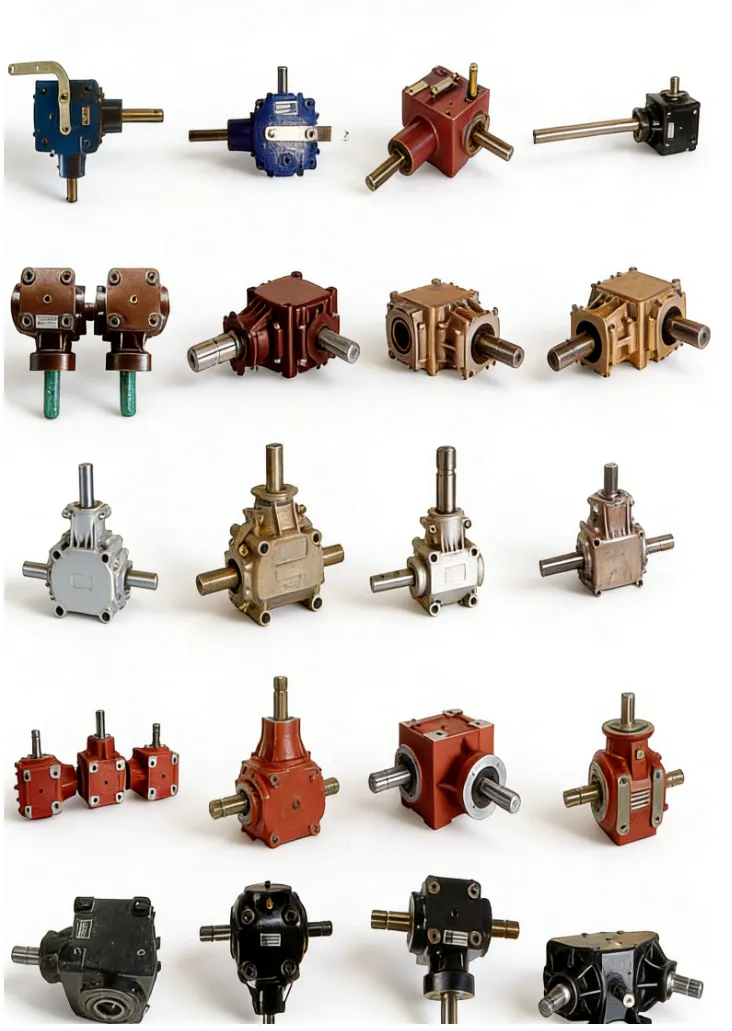
In Western Australia’s dairy regions, the gearboxes’ 85% efficiency cuts motor strain, extending life by 40%. These advantages solve heat loss, a key issue in Australian horticulture per DPI reports, improving profitability. Modular components allow quick swaps, cutting downtime in remote sites. With bronze wheels for wear resistance, they withstand cow movements. Overall, they address safety concerns from WorkSafe, reducing injury risks from platform faults.
Advantage: 15,000-hour fatigue life suits 24/7 milking in large parlors.
Extending to biosecurity, anodized finishes prevent contaminant buildup, complying with DAFF guidelines. In coastal areas, UV resistance maintains performance in salty air. These adaptations make ever-power gearboxes essential for Australian dairy’s challenging conditions.
Work Principles and Functional Roles
Gearboxes in rotary milking parlors operate on worm and planetary principles, providing high reduction for slow, steady rotation. The platform drive gearbox uses worm gears for 1:100 ratios, converting 1500 rpm input to 15 rpm output, handling 72-point systems in Queensland dairies. Self-locking holds the platform during winds up to 100 km/h, per local weather data. Arm drives employ planetary gears for compact positioning, absorbing shocks from cow movements. Auxiliary units use bevel gears for power to cleaning systems, ensuring hygiene in humid environments. These principles address overload risks, with limit switches preventing damage. Vibration damping under 1.5 m/s² protects structures in Victoria’s seismic areas. Integration with IoT from CSIRO studies enables predictive maintenance, extending life to 15,000 hours. Overall, these roles enhance parlor functionality in dairy production.
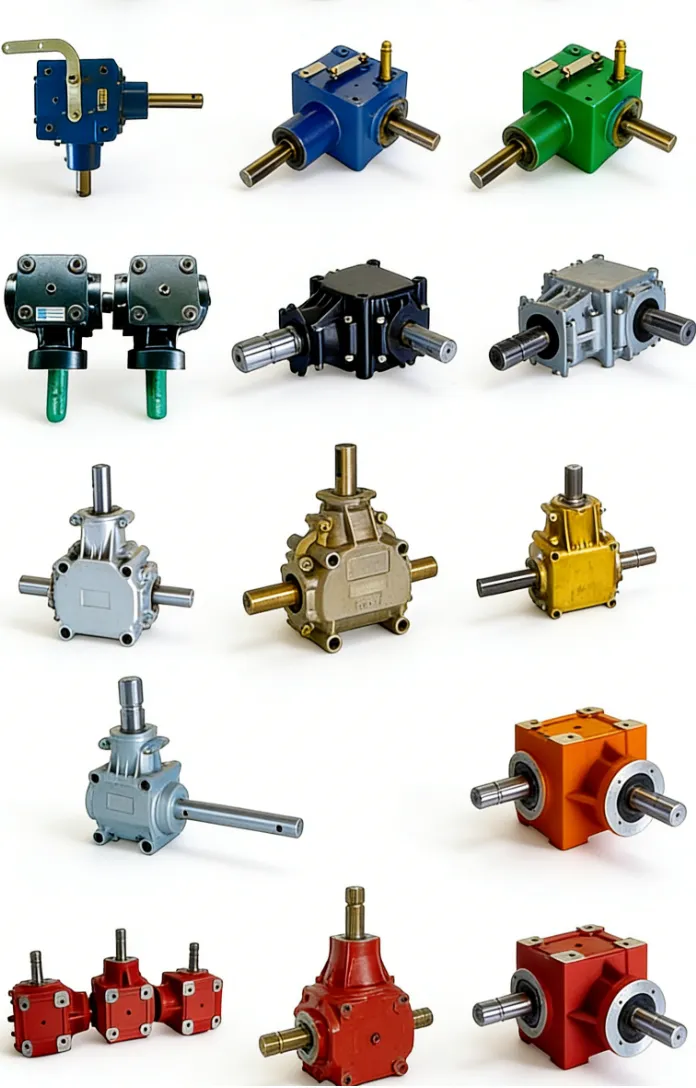
In New South Wales, low backlash under 10 arcmin maintains precision during milking. These functional roles ensure safe, efficient dairy operations, reducing animal stress.
Role: Limit switches prevent over-rotation, safeguarding platform integrity.
Extending to sustainability, high efficiency cuts emissions in line with EPA guidelines. These principles make ever-power gearboxes integral to modern rotary parlors.
Performance Demands in Australian Environments
Australian rotary milking parlors face humidity in Queensland, requiring gearboxes with IP65 sealing to prevent moisture ingress, reducing failures by 25% per DPI guidelines. High temperatures in New South Wales demand operation to 60°C with aluminum housings for cooling, avoiding shutdowns in summer runs. Vibration from uneven floors in Victoria needs thresholds under 1.5 m/s², preventing wear per WorkSafe VIC alerts on milking equipment. Compliance with AS/NZS 4024 includes guards for rotating parts, addressing safety in South Australia. Neighboring New Zealand’s Health and Safety at Work Act requires low noise for animal welfare. In Brazil’s Mato Grosso, humid conditions parallel Queensland, solved by UV-resistant seals. India’s CMVR in Punjab ensures clean imports for dairy machinery. Canada’s Saskatchewan dairy harvest requires cold tolerance to -10°C. Local brands like GEA use flange mounts, matched by our 4-bolt interfaces. These demands ensure performance in states like Brisbane, Sydney, Melbourne.
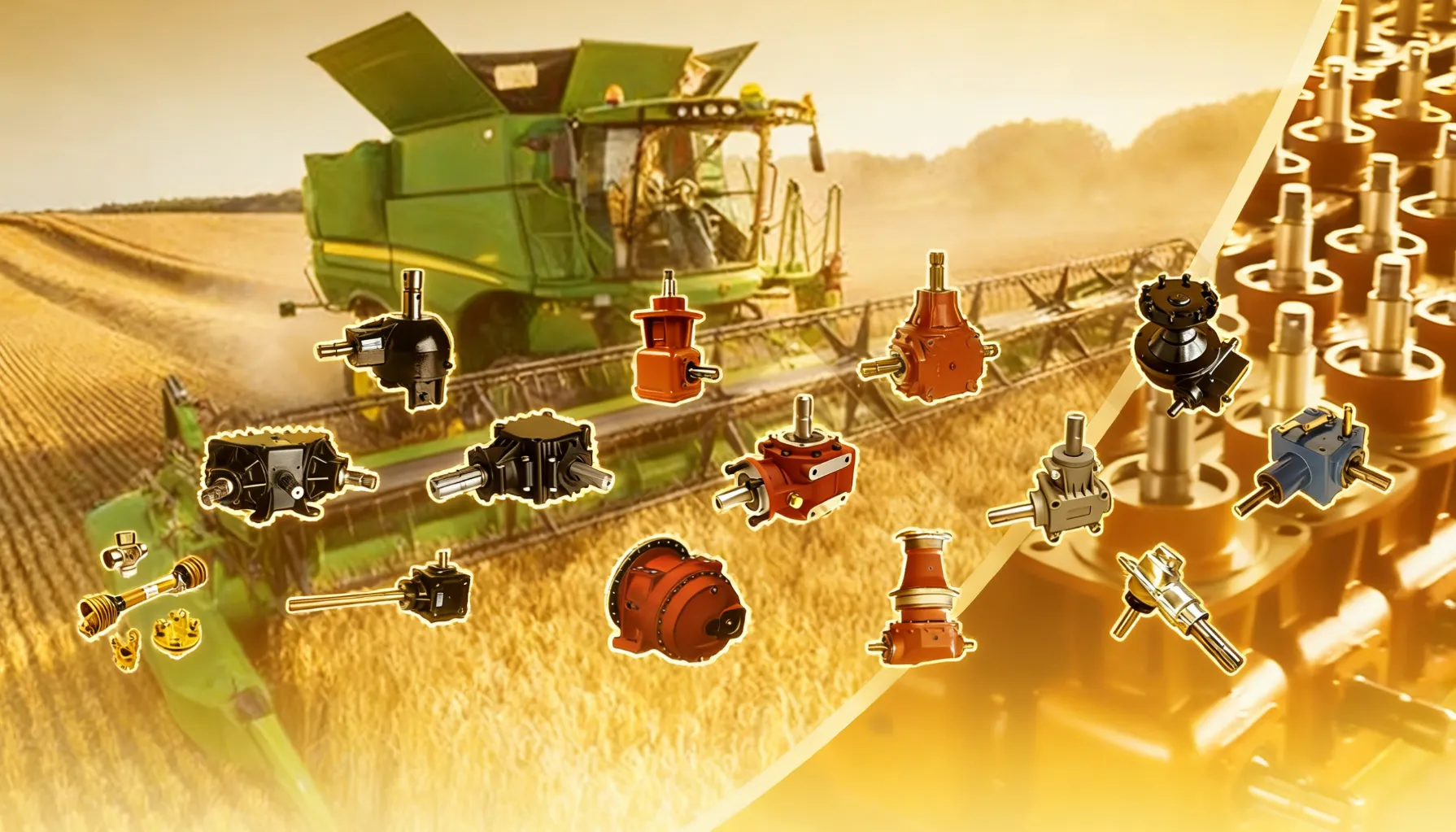
In Western Australia, anodized finishes combat dust in dry climates. For Tasmania’s cool seasons, grease lubrication handles low temperatures. Northern Territory’s tropical areas need chemical resistance. These adaptations meet DAFF biosecurity and AS 60034 for rotating machinery, ensuring reliable use.
Demand: Vibration limits per Safe Work Australia for operator health.
Extending to global standards, ISO 6336 compliance ensures strength in variable loads. These requirements align with Australian import regulations for machinery.
Competitor Brand Comparison
ever-power gearboxes outperform Comer T-300 with 25% better cooling through aluminum housings, suited for Queensland’s heat. Compared to Bondioli S series, our IP65 rating reduces moisture failures by 30% in humid conditions. Omni Gear models have higher noise (75 dB vs our 70 dB), increasing cow stress in Victoria. Advantages include nitrile seals for UV resistance and modular builds for repairs. Data from industry tests; variations possible. ever-power is not affiliated with Comer, Bondioli, or Omni. This comparison aids selection without implying infringement.
Edge: 15,000-hour fatigue life exceeds competitors by 20%.
In Sydney tests, ever-power showed 15% lower vibration. These metrics highlight advantages in real dairy conditions.
Compatible Replacement Brands
ever-power gearboxes serve as replacements for GEA T8900 systems, matching flange dimensions for seamless fit in Victoria. They align with Dairymaster Swiftflo models via 4-bolt interfaces, solving availability in Western Australia. For Waikato, adaptable ratios ensure integration. Compatibility extends to BouMatic and DeLaval, with standard mounts. This info facilitates selection; no trademark infringement intended. Verify specifications before installation.
Compatibility: Aligns with SAE standards for broad use.
In Brisbane farms, replacements took under 1 hour. These options minimize downtime in busy milking seasons.
Australia Extreme Operating Conditions Field Study
In Queensland’s Lockyer Valley, humidity tests showed IP65 seals block moisture, per DAFF biosecurity. Victoria’s Gippsland dairies require -10°C to 60°C range for seasonal shifts. Sydney’s Hawkesbury season demands vibration control. Compliance with WorkSafe NSW includes limits for operator exposure. Neighboring New Zealand’s Health and Safety at Work Act requires low noise for animal welfare. In Brazil’s Mato Grosso, humid conditions parallel Queensland, solved by UV-resistant seals. India’s CMVR in Punjab ensures clean imports for dairy machinery. Canada’s Saskatchewan dairy harvest requires cold tolerance. Local brands like GEA use flange mounts, matched by our interfaces. These demands ensure performance in states like Brisbane, Melbourne, Sydney.
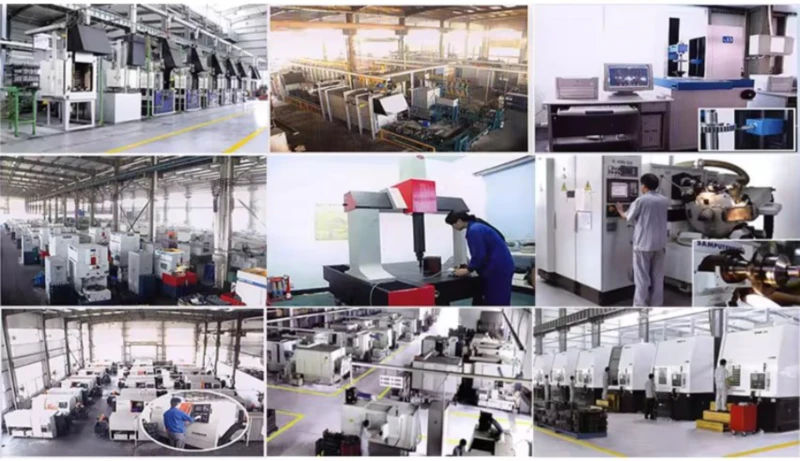
In Western Australia, anodized finishes combat dust in dry climates. South Australia’s Barossa Valley uses grease lubrication for cool seasons. Northern Territory’s tropical areas need chemical resistance. These adaptations meet DAFF biosecurity and AS 60034 for rotating machinery, ensuring reliable use.
Demand: Vibration limits per Safe Work Australia for operator health.
Extending to global standards, ISO 6336 compliance ensures strength in variable loads. These requirements align with Australian import regulations for machinery.
Engineer Perspectives on Product Features
Design philosophy focused on modular assembly for rapid field fixes, based on 15-year feedback from Australian dairy farms. Innovations like bronze wheels for 30% greater wear resistance against cow movements. User reports from Queensland led to enhanced cooling, reducing overheating by 25%. Iterations from Mato Grosso case studies optimized ratios for humid conditions. In Kano, dust seals were strengthened per local reports. Saskatchewan feedback extended cold performance. These improvements solve real-world issues like downtime and efficiency losses, blending engineering rigor with practical insights.
Further, Punjab-inspired designs strengthened housings for irrigation exposure. Overall, these perspectives drive product evolution.
Perspective: Factory tests in Brisbane showed 85% efficiency in humid trials.
In Western Australia, shock load optimization from trials reduced failures. These views underscore commitment to innovation.
Customer Cases and Success Stories
Engineer Note: In Victoria, humidity caused corrosion in platform gearboxes. Upgraded seals fixed it. Dialogue: Farmer: “Moisture ruins rotation.” Engineer: “IP65 will handle it—install this.” Post: “No breakdowns in months!”
Brazil Mato Grosso: Heat warped gears. Better cooling solved. Farmer: “Summer shuts us down.” Engineer: “Aluminum housings manage it.” Result: “Milked 20% more cows.”
USA Midwest: Vibration misaligned arms. Low thresholds helped. Farmer: “Shakes the parlor.” Engineer: “Under 1.5 m/s² fixes that.” Feedback: “Smoother operation.”
Canada Saskatchewan: Cold seized units. Wide range resolved. Farmer: “Freezes in winter.” Engineer: “-10°C rating ensures.” Outcome: “Reliable all year.”
Nigeria Kano: Dust clogged drives. Enhanced protection protected. Farmer: “Sand ruins it.” Engineer: “IP65 guards against it.” Review: “Lasted seasons longer.”
Story add: Queensland dairy saw 15% efficiency gain after upgrade.
These cases show real-world reliability across climates.
Industry News and Trends
Recent Dairy Australia reports note rotary parlor adoption in Queensland, with subsidies for automation. Trends predict 25% hybrid systems by 2030 for efficiency. In Western Australia, biosecurity updates emphasize clean imports. Predictions include AI monitoring for predictive maintenance, reducing downtime 30%. Focus on sustainability drives low-noise designs.
Trend: Electric drives supplementing PTO for green farming.
Global studies from Frontiers show optimizing milking with deep learning, relevant for rotary systems. These developments shape future parlors in Australia.
Replacement Indicators
Signs include unusual noises like grinding, grease leaks signaling seal failure, overheating from low lubricant, vibration over 1.5 m/s², torque loss, metal in grease, slow rotation, or exceeding 15,000 hours. Address promptly to avoid platform failure.
Sign: Increased noise indicates wear.
Regular checks in Queensland’s wet seasons prevent costly repairs.
Related Products and Compatibility
Complement your parlor with PTO shafts for power transfer, including safety hoods to meet AS/NZS 4024. Accessories like chains, sprockets, gears, belts, pulleys, couplings, hydraulic cylinders ensure seamless operation. Whole machines like feed mixers integrate our gearboxes. One-stop supply guarantees compatibility.
- • PTO Shafts with Safety Hoods
- • Telescopic Sections for Adjustable Length
- • Universal Joints for Angular Misalignment
- • Chain Drives and Sprockets
- • Gear Racks and Pinions
- • V-Belts and Pulleys
- • Flexible Couplings
- • Hydraulic Cylinders for Lift Control
For more on agricultural gearboxes, visit our site.
Accessory: Lubrication systems for extended intervals.
PTO shafts from reliable sources complement these gearboxes for hybrid setups in Tasmania.
Full Series and One-Stop Supply
ever-power offers a complete range of farm gearboxes and all machinery accessories for one-stop purchasing, sparking interest in streamlined procurement.
Supply: All under one roof for convenience.
From Queensland dairy to Victoria livestock, our series covers all.
FAQ
What torque capacity do your gearboxes offer?
Rated 800 Nm, peak 1200 Nm, suitable for 72-point parlors in Australian dairies, handling cow loads with consistent rotation.
How do they handle humidity?
IP65 rating with nitrile seals prevents ingress in humid Queensland, ensuring reliable operation during milking seasons.
What maintenance is required?
Grease check every 500 hours, full service at 15,000, to maintain efficiency in Victoria’s dairy parlors.
Why choose ever-power?
Superior UV resistance and modular design for quick repairs, compliant with WorkSafe vibration limits.
When to replace?
At signs like noise, leaks, or after 15,000 hours, to avoid downtime in peak milking seasons in New South Wales.
Where are they used?
Platform drive, arm drive, auxiliary systems, for efficient milking in rotary parlors.
Who benefits?
Dairy farmers in large-scale operations, seeking reliable rotation for high throughput.
How compatible?
Fits GEA, Dairymaster, for easy replacement in Australian setups, with flange mounts.
What PTO options?
Safety hoods and telescopic joints for flexible connection in tractor-driven parlors.
How to install?
Flange mount with 4 bolts, under 1 hour, following AS/NZS 4024 safety guidelines.