
Optimizing Feed Mixing Efficiency and Durability on Australian Livestock Farms
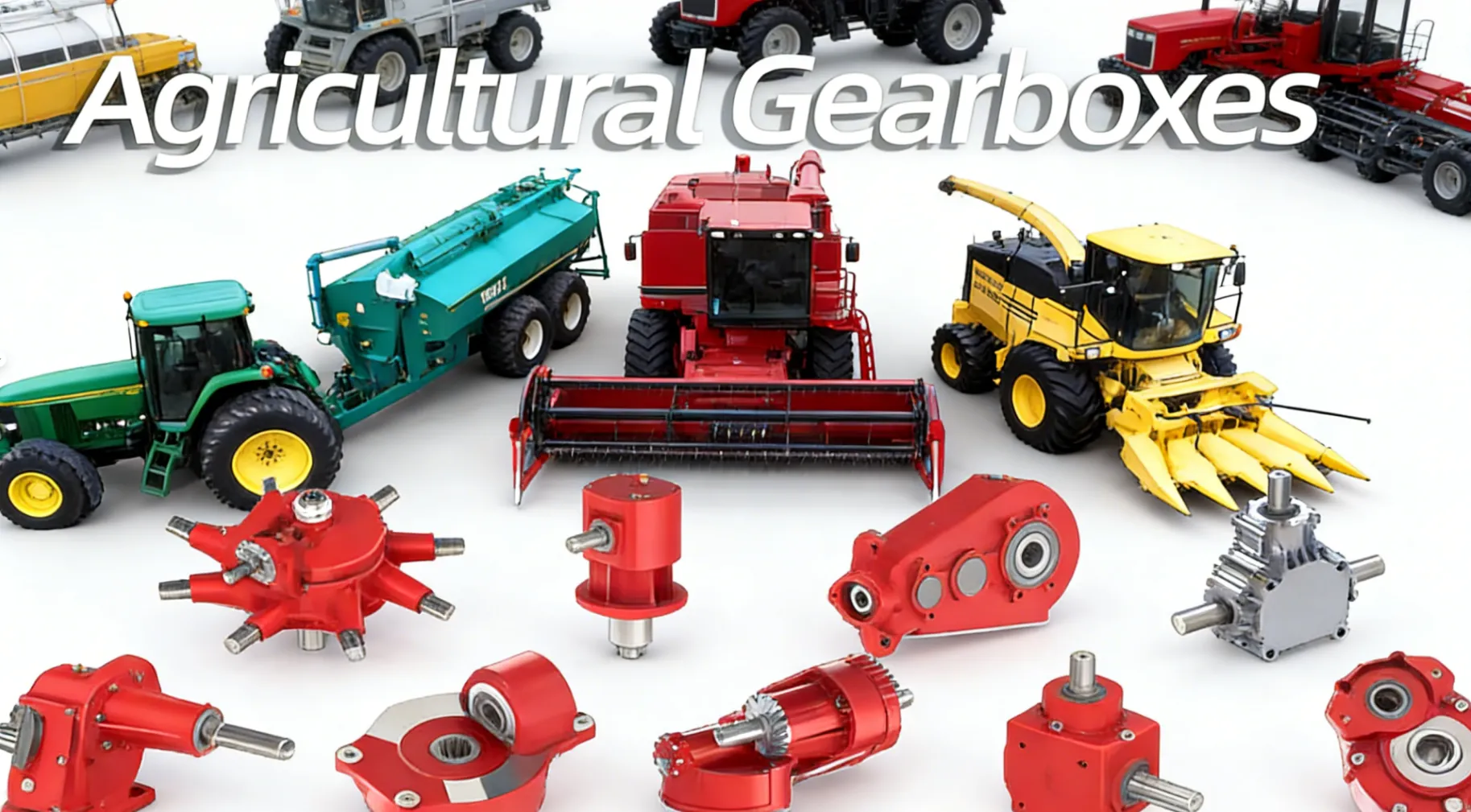
Technical Specifications
The gearboxes deployed in Horizontal TMR Mixer systems must deliver precise torque multiplication and speed reduction to handle heavy loads from dense feed mixtures common in Australian operations.
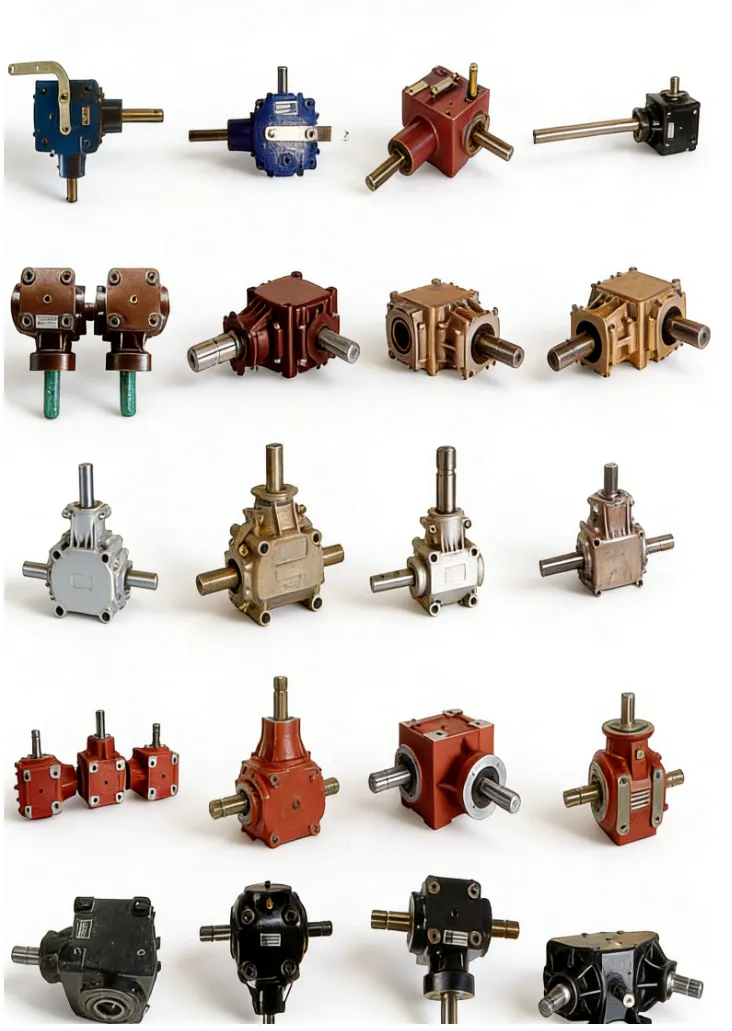
Gearbox Locations in the Horizontal TMR Mixer
Multiple agricultural gearbox units are integrated at strategic points to ensure reliable power transmission from the tractor PTO to the mixing augers. Each location demands specific designs to address torque demands, speed control, and protection against shock loads or contamination prevalent in Australian feed operations.
Primary PTO Input Gearbox
The PTO input gearbox, often featuring bevel gear stages for 90-degree redirection, receives direct power from the tractor. It employs a reduction ratio suited to match standard PTO speeds of 540 or 1000 RPM to an intermediate level. This setup multiplies torque early while minimizing initial shock loads on the driveline. In practice, it prevents misalignment damage during hookup on uneven paddocks and safeguards against overload when starting with dense, wet silage mixes typical in Victorian dairy farms. The robust ductile iron housing and high-quality seals maintain integrity against dust ingress, extending operational uptime in remote Australian locations where repairs are costly.
Auger Drive Planetary Gearboxes
Planetary agricultural gearbox units drive the horizontal augers directly or via chains, delivering high reduction ratios (typically 13:1 to 24:1) for low-speed, high-torque rotation at 20–40 RPM. This configuration distributes load evenly across multiple planet gears, handling variable resistance from fibrous materials like alfalfa or corn silage without stalling. It solves problems of uneven mixing and feed balling by ensuring consistent auger speed, which is critical for achieving uniform Total Mixed Ration (TMR) in large-capacity wagons used on Queensland feedlots. The design also reduces vibration, protecting the mixer frame and lowering noise levels below 85 dB for operator comfort during extended sessions.
Auxiliary Transmission Gearboxes
Auxiliary units manage secondary drives or speed adjustments for discharge mechanisms or multiple auger synchronization. These often incorporate helical gears for smooth power flow and overload protection via slip clutches. They address issues of torque spikes during bale breakup or when processing high-viscosity supplements, common in Australian summer conditions where feed moisture varies widely. Proper sizing here prevents premature wear on bearings and ensures the entire system operates within safe thermal limits, directly contributing to reduced downtime on large-scale beef operations.
Benefits of Agricultural Gearboxes in TMR Operations
High-quality agricultural gearbox units significantly enhance overall efficiency in Horizontal TMR Mixer applications by delivering precise speed reduction and torque multiplication. This results in faster, more uniform blending cycles—typically 3–5 minutes per batch—reducing feed waste and improving nutrient distribution for better livestock performance. On Australian farms facing labor shortages and high fuel costs, these gearboxes lower energy consumption and minimize vibration-induced frame stress, extending the service life of the entire mixer wagon. Operators report up to 15% gains in mixing speed and stabilized throughput even with heavy 25-ton loads, directly supporting higher milk yields in dairy herds or weight gains in beef cattle.
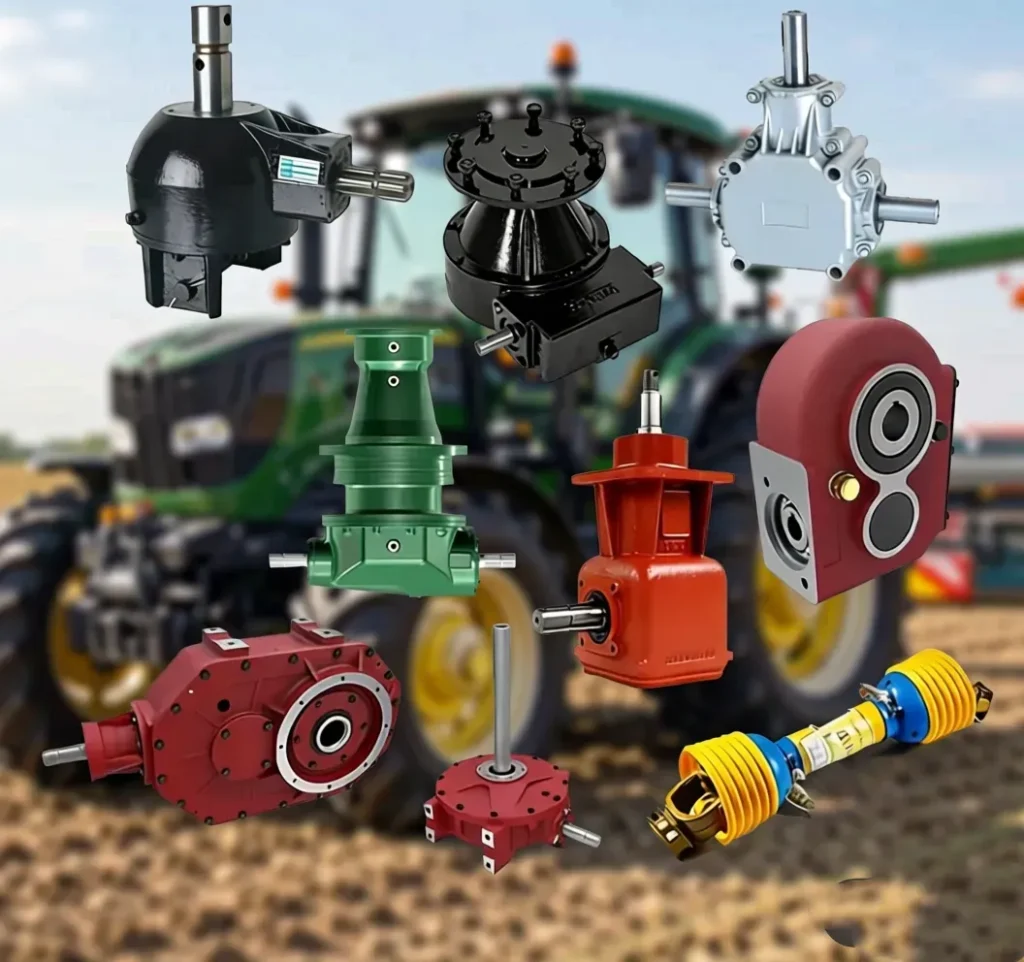
PTO Shaft Integration
The PTO shaft forms the critical link transferring rotational power from the tractor to the primary gearbox input. It must accommodate telescoping movement and angular misalignment common during field operation on uneven terrain. Integration typically uses splined connections (1-3/8″ Z6 or 1-3/4″ Z20) with overload protection to prevent driveline damage.
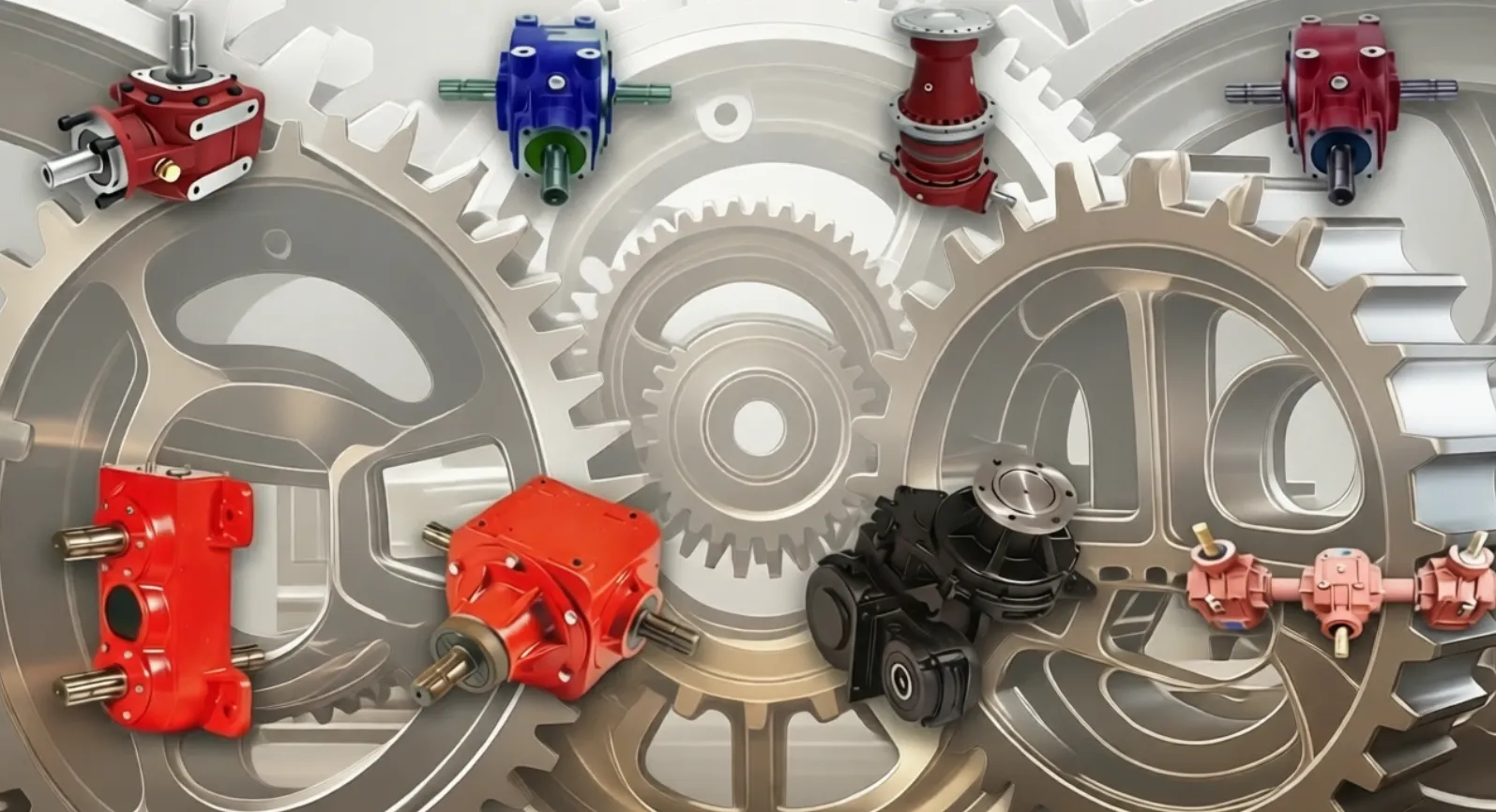
Maintenance Strategies to Prevent Failures
Regular maintenance directly addresses common failure modes such as overheating, seal degradation, and bearing wear exacerbated by Australian dust, heat, and variable feed moisture. Schedule oil changes every 500–1,000 operating hours using specified 80W-90 GL-5 synthetic lubricants, and inspect seals for leaks after every major mixing campaign. Monitor operating temperatures to stay below 80°C; excessive heat in summer operations signals inadequate lubrication or overload. Align the PTO shaft precisely during hookup to avoid vibration-induced fatigue. In dusty environments, clean breathers and ensure IP55-rated protection is intact. These steps routinely extend gearbox life beyond 15,000 hours, minimizing costly downtime on remote farms.
Selecting the Right Agricultural Gearbox
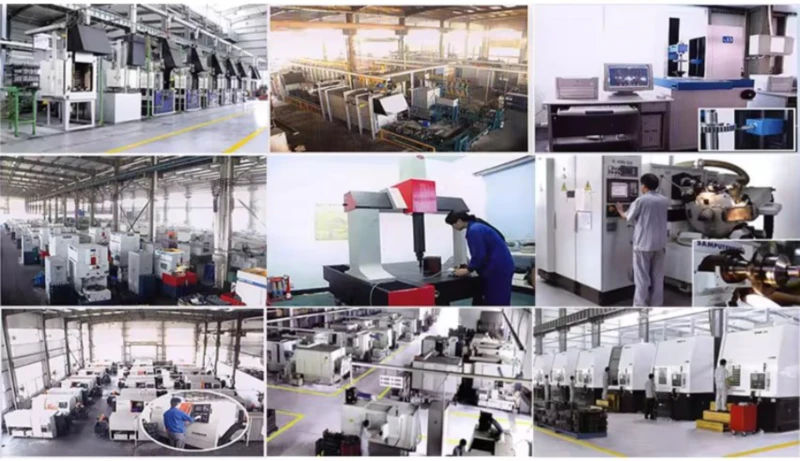
Selection criteria include matching torque capacity to mixer volume (10–50 m³ typical in Australia), PTO speed, required output RPM, and service factor of at least 1.5–2.0 for shock loads. Prioritize ductile iron housings with reinforced ribs and carburized 20CrMnTi gears (58–62 HRC) for durability against impacts from foreign objects in feed. For large dairy operations in southern states, opt for models with enhanced cooling fins to combat ambient temperatures exceeding 35°C. Verify compatibility with existing mixer frames via SAE flange patterns. Proper choice prevents premature failures and optimizes fuel efficiency across diverse conditions from coastal humidity to inland arid zones.
Performance Optimization Techniques
Optimization involves correct installation with laser alignment tools to eliminate vibration below 4.5 mm/s RMS, load testing under full batch conditions, and periodic torque verification. Matching gearbox ratio precisely to feed type—higher reduction for fibrous rations—ensures efficient mixing without overworking the tractor. In Australian contexts, incorporating optional cooling or larger oil capacities mitigates thermal buildup during peak seasonal workloads. These measures collectively reduce fuel consumption, achieve consistent TMR quality, and lower overall maintenance costs while supporting higher daily throughput on busy farms.
Related Components and Accessories
Explore our full range on the homepage. For custom solutions or quotes, contact us.
FAQ
What are the main functions of gearboxes in horizontal TMR mixers?
They reduce PTO input speed while multiplying torque to drive augers at optimal low speeds for thorough, gentle mixing. This ensures uniform nutrient distribution, handles shock loads from dense feeds, and protects the driveline from overload in variable Australian farm conditions.
Which type of agricultural gearbox suits horizontal auger drives best?
Planetary designs excel due to compact size, excellent load sharing, and high reduction ratios in a single stage. They provide superior torque density and durability against the heavy, uneven loads encountered when processing silage and grains on large-scale operations.
How does the PTO shaft integrate with the gearbox?
It connects via splined input shafts, transmitting power while allowing for length and angle changes. Proper guarding and overload protection prevent damage during field maneuvers, critical for safe operation across Australia’s varied terrain.
What maintenance prevents gearbox failure in dusty conditions?
Change oil per manufacturer intervals, inspect seals and breathers regularly, and clean external surfaces. Use high-quality lubricants and monitor temperature to avoid contamination and thermal degradation common in dry inland regions.
Why prefer planetary gearboxes for TMR applications?
They offer high torque capacity in a compact footprint, even load distribution across planets, and excellent resistance to shock and vibration. This translates to longer service intervals and fewer breakdowns under continuous heavy-duty use.
What are common gearbox issues in TMR mixers and solutions?
Overheating, seal leaks, and bearing wear from dust or misalignment. Solutions include upgraded seals, regular alignment checks, synthetic oils with better thermal stability, and optional cooling features for hot climates.
How to select the correct gear ratio for different mixer sizes?
Match ratio to achieve 20–40 RPM auger speed based on batch volume and feed type. Larger mixers handling fibrous rations require higher reductions; consult manufacturer charts and test under load for optimal performance.
Can gearboxes handle high-torque loads from heavy feed mixes?
Yes, quality units with peak torque ratings up to 52,000 Nm and service factors above 1.5 are engineered for this. They incorporate reinforced gears and housings to manage startup surges and dense material resistance reliably.
What is the expected service life under Australian operations?
Well-maintained units routinely exceed 10,000–15,000 hours, depending on load cycles, environment, and lubrication adherence. Harsh conditions may require more frequent inspections but do not preclude long service with proper care.
Where can replacement parts or custom gearboxes be sourced?
Reputable manufacturers offer drop-in replacements for popular models, custom ratios, and full support. Consult specialists for Australian-specific adaptations addressing local climate and usage patterns.