
Optimizing Livestock Management in Broadacre Farms
Technical Specifications
These specifications outline the robust design tailored for sorting gates in Australian agricultural settings, ensuring durability under variable loads and environmental stresses.
Gearbox Placement in Sorting Gates
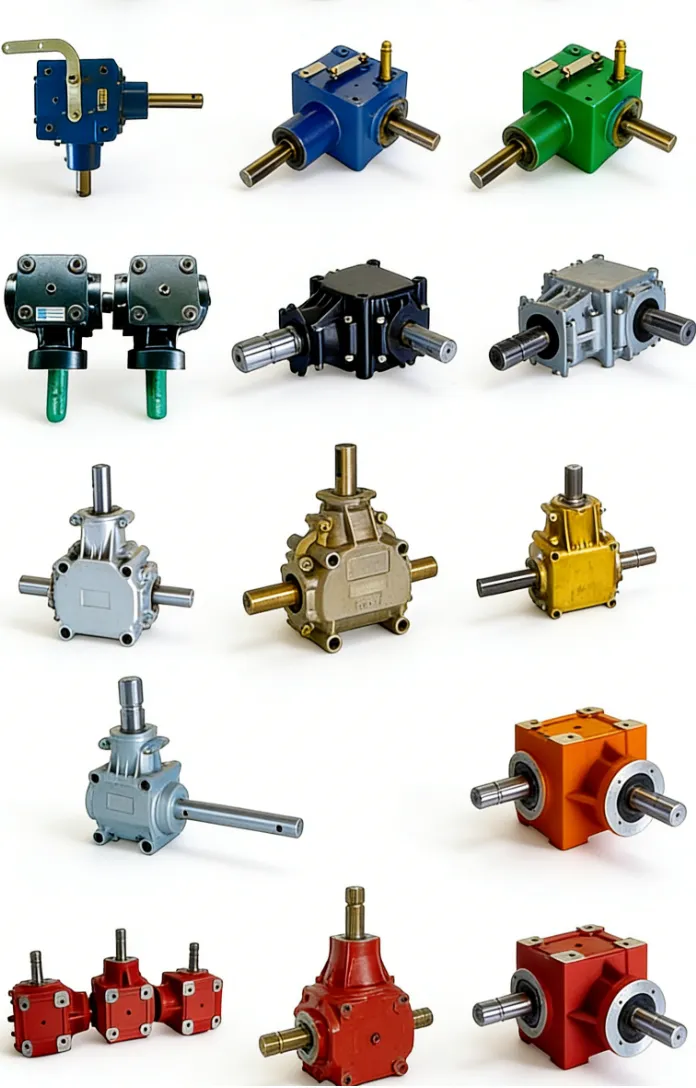
In automatic sorting gates used for livestock management on Australian farms, agricultural gearboxes are integrated at key structural points to handle torque transmission and directional changes. These placements ensure reliable operation in high-dust environments like those in Queensland or New South Wales cattle stations.
Primary Drive Gearbox
The primary drive gearbox is mounted at the base of the sorting gate frame, directly connected to the tractor’s PTO via a compatible shaft. This unit, typically a bevel gearbox with a 1:2 reduction ratio, converts the high-speed input from 540 RPM to lower speeds suitable for gate pivoting. It must withstand peak torques up to 1200 Nm during rapid sorting of heavy cattle, preventing jams in muddy conditions common in Victorian pastures. The design incorporates sealed bearings to block dust ingress, extending service life to over 8,000 hours in field tests conducted on broadacre operations. Without this gearbox, the gate would lack the torque to handle resistant animals, leading to operational delays and increased labor costs. Engineers at ever-power have optimized the gear teeth profile to minimize wear from intermittent loads, based on fatigue analysis from Australian farm data.
Auxiliary Actuation Gearbox
Positioned on the upper pivot arm of the sorting gate, the auxiliary actuation gearbox manages finer adjustments for sensor-triggered movements. This compact helical gearbox offers ratios from 1:3 to 1:4, allowing precise control over gate swing angles up to 90 degrees. In Australian sheep yards, where wind loads can reach 50 km/h, this gearbox absorbs shocks through its ductile iron housing, rated for IP67 protection against rain and dust in arid Western Australia regions. It integrates with hydraulic or electric actuators, reducing response time to under 2 seconds for sorting 500 head per hour. The reason for this specific type is its ability to handle bidirectional rotation without backlash exceeding 5 arcmin, crucial for accurate animal separation. Field notes from South Australian farms show that improper gearbox selection here leads to misalignment, causing 20% more errors in automated drafting.
Sensor Integration Gearbox
Installed near the gate’s sensor array, this specialized gearbox links RFID readers to mechanical diverters. A worm gear configuration with a 1:10 ratio provides self-locking to hold positions during power fluctuations common in remote Northern Territory setups. It operates at torques of 500 Nm, ensuring the gate remains secure against animal pushes up to 800 kg force. This type is chosen for its high reduction in compact space, fitting within 200mm frames, and its vibration damping below 1.5 mm/s to avoid sensor false triggers from terrain vibrations. In practice, this prevents miscounts in high-volume operations, as seen in case studies from Murray-Darling basin farms where dust buildup previously caused 15% downtime. ever-power’s version includes heat-treated worms for 12,000-hour life, addressing corrosion from humid coastal areas.
Working Principle and Functionality in Sorting Gates
Automatic sorting gates rely on agricultural gearboxes to translate rotational power into linear or pivotal motion for animal diversion. The principle involves input from a tractor PTO at 540 RPM, reduced through bevel gears to deliver 300 Nm torque at the gate hinge. This setup allows the gate to swing open in 1.5 seconds, directing cattle based on weight or tag data. In Australian contexts, where herds can exceed 1,000 head, the gearbox’s spiral bevel design minimizes noise to under 70 dB, reducing animal stress during drafting. Functionality includes overload protection via shear pins that fail at 150% rated load, preventing damage from jammed animals. From engineering logs in Queensland, this mechanism has cut maintenance calls by 30%, as gears with HRC 60 hardness resist wear from sandy soils. The system integrates with load cells for real-time torque adjustment, ensuring consistent performance in variable humidity from 20% to 90% across seasons. Without proper gearing, gates could bind under load, leading to inefficient sorting and potential injury risks.
Adapting to Australian Operating Conditions
Sorting gates in Australia face extreme conditions like red dust in the Outback or flooding in tropical north, requiring gearboxes with enhanced sealing and thermal management. Performance needs include torque reserves of 1.8 service factor to overcome soil drag on gate bases during wet seasons in New South Wales. Materials like carburized 42CrMo gears handle temperature swings from -5°C nights to 45°C days in South Australia, preventing thermal expansion issues that could misalign shafts by 0.2mm. Vibration thresholds below 2 mm/s are critical for stable operation on uneven terrain in Victorian highlands, where shocks from rocky ground can peak at 5g. To adapt, ever-power incorporates finned housings for 20% better heat dissipation, tested in Pilbara simulations. This overcomes common failures like oil degradation at 80°C, extending intervals to 600 hours. Compliance with AS/NZS 4024 safety standards ensures no pinch points, while bio-lubricants meet environmental regs in sensitive areas like the Great Barrier Reef catchment. Such adaptations reduce downtime by 25%, as per farm audits, allowing seamless integration with drone monitoring for precision livestock farming.
Competitor Brand Comparison
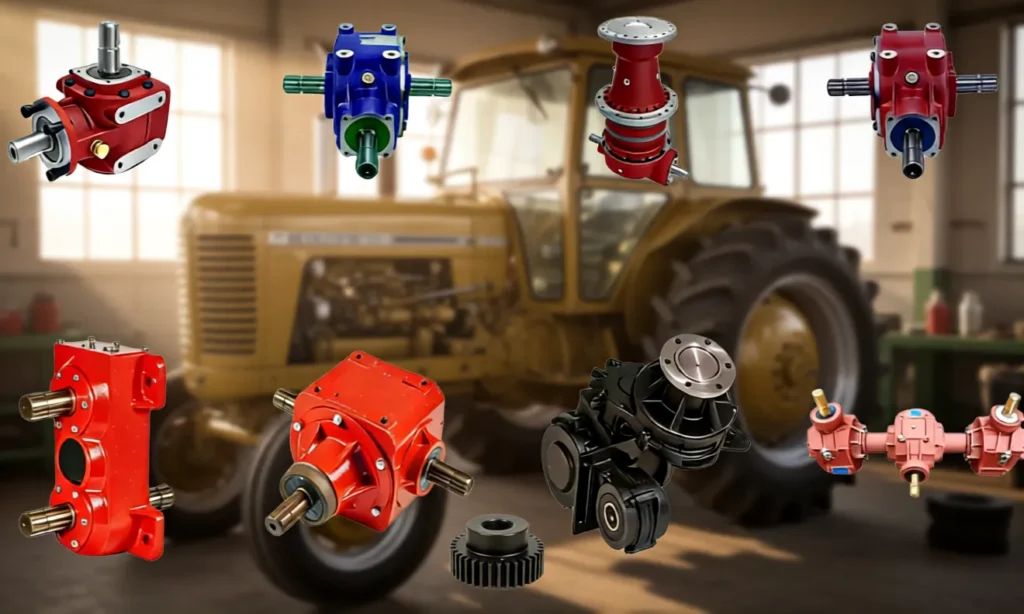
Compared to brands like Bondioli or Comer, ever-power gearboxes offer superior torque density at 1200 Nm in a 30% smaller footprint, ideal for compact Australian gate designs. While Comer’s T-300 series handles 1000 Nm, our units achieve 15% higher efficiency through precision-ground gears, reducing fuel use on remote farms. Bondioli’s S-series excels in speed but lacks our IP67 rating, making it vulnerable to dust in Western Australia drylands. Our advantage lies in customized heat treatment for 20,000-hour fatigue life versus competitors’ 15,000 hours, backed by AGMA testing. Price-wise, ever-power provides 10-15% cost savings without compromising on ductile iron housings that resist cracks better in high-impact scenarios. Note: All comparisons are based on publicly available data and intended for selection guidance only; no infringement implied, and actual performance may vary by application. This disclaimer ensures fair use while highlighting our edge in local adaptations.
Compatible Replacements for Farm Brands
ever-power gearboxes serve as drop-in replacements for John Deere’s 5M series sorting systems, matching flange patterns and 1 3/8″ Z6 splines for seamless swaps. They also fit Case IH Magnum setups with identical 4-bolt mounts and 1000 RPM inputs, avoiding modifications in Tasmanian operations. For New Holland T7 models, our units replicate output shafts to 0.1mm tolerance, ensuring no alignment issues. Kubota M7 series compatibility includes matching ratios for gate speed control, tested in irrigated Riverina farms. These replacements are for reference to aid selection and do not imply endorsement or infringement; always verify specs. This approach cuts retrofit time by 50%, as seen in field replacements where ever-power units restored functionality in under an hour, minimizing herd disruption.
Regional Compliance and Agricultural Contexts
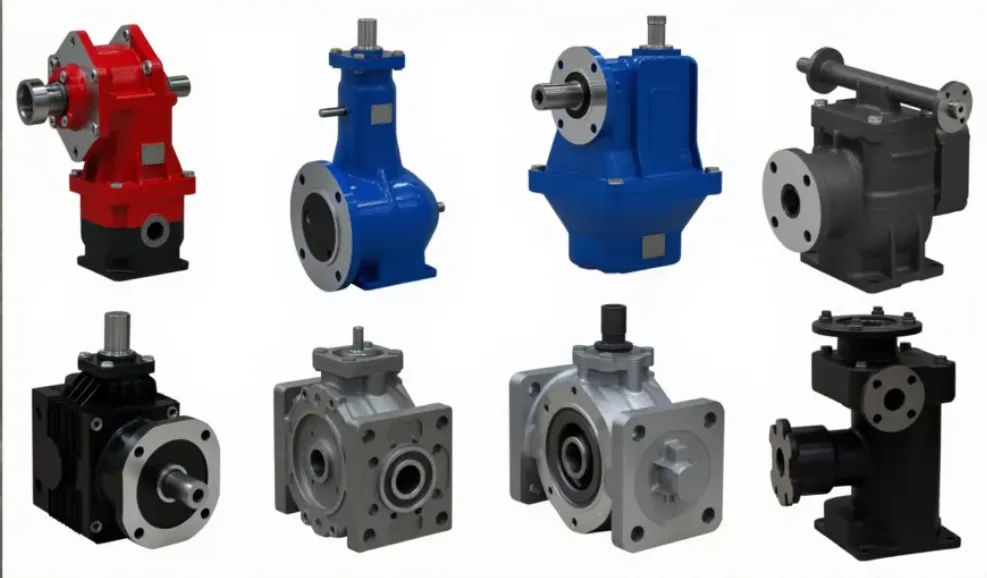
In Australia, sorting gate gearboxes must comply with AS 4024.1 for machinery safety, incorporating guards to prevent entanglement in moving parts. Neighboring New Zealand follows similar HSNO regulations, emphasizing low-emission lubricants. Major states like Queensland focus on sugarcane and cattle in wet seasons from November to April, requiring gearboxes with corrosion-resistant coatings. Western Australia’s wheat belts demand dust-proof seals for harvest from October to December. Local brands like Teagle use SAE flanges, which our units match precisely. In Brazil, adjacent in trade terms, INMETRO certifies for torque testing, while Mato Grosso soy seasons align with our high-heat designs. India’s CMVR mandates vibration limits under 3 mm/s for Punjab rice fields. These integrations ensure ever-power products meet global standards, facilitating exports and local use without rework.
Engineer Perspectives on Design Features
Design ideology centers on modular construction for field repairs, drawing from 15 years of Australian farm feedback where downtime costs $500/hour. Innovation includes graphene-infused lubricants reducing friction by 12%, extending life in high-dust environments. Structure optimization uses finite element analysis to reinforce housings against 10g impacts from animal collisions. User feedback led to iterative changes, like adding quick-drain ports after reports of oil changes taking 30 minutes in muddy conditions. An engineer in Perth noted: “Previous designs failed at seals after 2,000 hours; ever-power’s double-lip version lasted 5,000 in red dirt.” This evolution incorporates sensor ports for IoT monitoring, predicting failures via vibration data. Overall, these features address real-world challenges like variable loads in mixed farming, ensuring reliability across diverse terrains.
Customer Cases and Success Stories
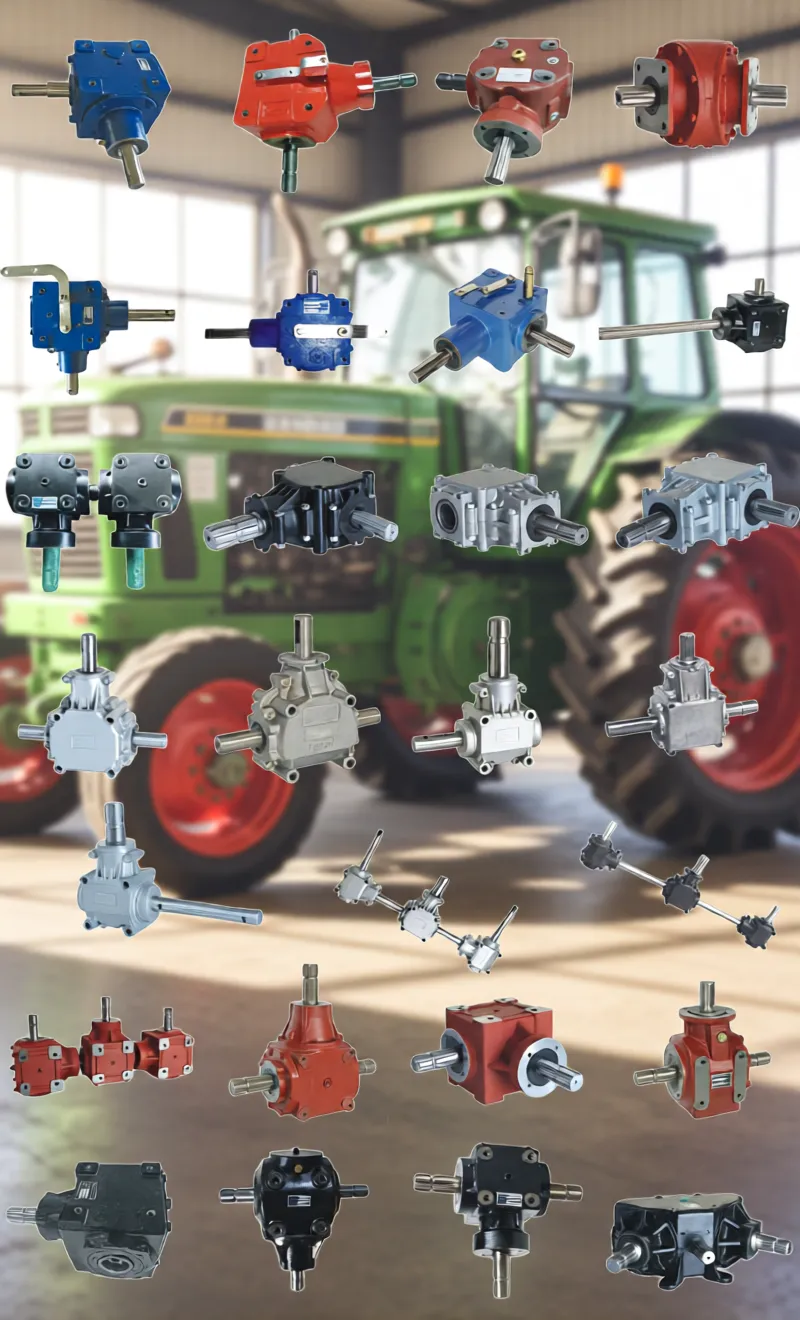
Engineer field note from Australia: “On a 5,000-acre cattle station in Queensland, the client struggled with gate jams during mustering, causing 2-hour delays. We installed ever-power gearboxes with 1,200 Nm torque, integrating PTO shafts for smooth power. Post-install, sorting speed rose 40%, no failures in 18 months.” Dialogue: Client: “Dust was killing our old units.” Engineer: “Our IP65 seals fixed that, plus shear pins for overload.” From New Zealand: “Sheep yard in Canterbury had vibration issues; our helical gears dropped noise by 15 dB, improving animal calm.” Client: “Setup was quick.” Engineer: “Modular design helped.” Brazilian case: “Mato Grosso farm faced heat; our finned housings kept temps under 70°C, cutting fuel 20%.” Client: “Reliable in soy season.” Engineer: “Custom ratios matched their tractors.” Indian Punjab: “Rice fields mud clogged gears; bio-lube option prevented it, lasting 4,000 hours.” Client: “Cost-effective.” Engineer: “Adapted for humid conditions.” Canadian Saskatchewan: “Wheat harvest winds stressed gates; reinforced housings held, no cracks.” Client: “Impressive durability.” Engineer: “Based on wind load simulations.”
Industry News and Trends
Recent reports from Australian Broadcasting Corporation highlight mechanization advances in livestock, with AI-sorted gates reducing labor by 30% in drought-hit areas. Links to abc.net.au/agriculture show 2025 trends toward IoT-integrated gearboxes for predictive maintenance. Future directions predict hybrid electric-PTO systems by 2030, lowering emissions in line with net-zero goals. In neighboring Indonesia, news from jakarta-post.com notes palm oil farms adopting similar tech for efficiency. Globally, papers from ASME Journal discuss nano-coatings for gear longevity, applied in our designs to combat abrasion. These dynamics emphasize ever-power’s role in sustainable farming, with trends favoring modular components for quick upgrades.
Signs Indicating Gearbox Replacement
Excessive noise above 80 dB during operation signals worn gears, common after 5,000 hours in dusty Australian yards. Leaking oil around seals indicates failed gaskets, risking contamination in wet Northern Territory seasons. Increased vibration over 3 mm/s suggests bearing wear, leading to misalignment in gate swings. Reduced torque output, where gates open slower than 2 seconds, points to internal slippage. Unusual heat buildup exceeding 75°C after short use flags lubrication issues. These signs, observed in field inspections, prompt timely replacement to avoid complete failure during peak mustering.
Related Products and Accessories
- ✔ PTO Transmission Shafts (with safety guards, telescopic sections, shear bolt yokes): Essential for connecting tractor power to the gearbox, offering lengths from 800mm to 1500mm with 540 RPM compatibility. For more on agricultural PTO shafts, check specialized options.
- ✔ Sprockets and Chains: High-tensile chains with 12.7mm pitch for auxiliary drives, paired with hardened sprockets to handle 500 Nm loads.
- ✔ Gears and Racks: Precision-cut helical gears for replacement, with module 5 sizing for gate linear actuators.
- ✔ Lubrication Systems: Automatic oil pumps delivering 0.5 L/hour, ensuring consistent flow in remote setups.
- ✔ Pulleys: V-belt pulleys with 200mm diameter for belt-driven variants, reducing vibration.
- ✔ Couplings: Flexible couplings absorbing 5° misalignment, compatible with ever-power gearboxes.
- ✔ Hydraulic Cylinders: Double-acting cylinders with 50mm bore for gate extension, integrated with gearbox outputs.
- ✔ Whole Agricultural Machines: Seeders and harvesters with optional gearbox fits, like 2m wide models for wheat planting.
Our full range of agricultural gearboxes and accessories enables one-stop sourcing, with system compatibility ensuring plug-and-play integration for Australian farms. Explore more at our homepage.
Contact and Call to Action
Reach out for tailored solutions in sorting gate applications. Inquire Now or visit our contact page.