
Boosting Material Handling Durability
Technical Specifications
Integration Points in Rod Conveyor Systems
In rod conveyor setups for Australian grain silos, gearboxes are critical at several junctions to maintain steady material flow. The main drive gearbox is positioned at the head end, connecting the motor to the chain drive, using a helical gearbox to reduce speed from 800 RPM to 200 RPM for handling wheat in Western Australia’s bulk storage. This placement manages loads from abrasive grains in Queensland’s sorghum facilities, avoiding jams during peak harvest from November to January.
Secondary gearboxes are installed at tensioning stations, employing worm types for self-locking to adjust rod spacing in New South Wales’ barley conveyors. These operate at 10:1 ratios, suited for intermittent adjustments in barn systems, countering wear from dust in South Australia. Tertiary integration includes branch diverters, where bevel gearboxes enable flow splitting, vital for even distribution in Victoria’s canola processing, preventing overloads in sloped terrains.
Gearbox selection is driven by duty requirements: helical for efficiency in continuous runs; worm for holding in adjustments; bevel for angular changes in tight spaces. This approach reduces failures from misalignment or particle buildup, prevalent in Australia’s dry climates, improving throughput by 20% through optimized components.
Core Advantages and Grain Handling Scenarios
Ever-power rod conveyor gearboxes provide torque up to 1500 Nm peak, essential for transporting 300 tons/h grain in Queensland’s elevator systems during wet-season storage. Their IP65 rating seals against dust ingress in Western Australia’s wheat silos, where wind-carried particulates damage lesser units. In New South Wales, the 4:1 ratio maintains consistent chain speed, minimizing spillage in barley transfers from October to December.
These gearboxes serve as speed reducers, dropping RPM by 75% while increasing force, key for reliable rod movement in Victoria’s maize conveyors. During Tasmania’s cool harvests, they operate at -15°C, avoiding brittleness that halts operations. Together, they increase material handling efficiency by 18%, tackling Australia’s biosecurity by reducing contamination risks from stalled flow.
In South Australia’s oat facilities, vibration levels under 0.6 mm/s ensure stable runs, meeting welfare standards for reduced noise in livestock-adjacent sites. Fatigue life of 18,000 hours sustains year-round use in Northern Territory’s sorghum plants, lowering repair expenses amid volatile commodity prices.
Variable ratios adjust to load variations, from light seeds in free-flow to heavy wet grain. This adaptability addresses clumping issues in humid tropics, common in diversified farms along the Great Barrier Reef catchment.
Heat dissipation up to 70°C copes with Pilbara summers, where temperatures soar, preventing seizures during critical unloading. These traits solve flow inconsistency problems, enhancing output in Australia’s $60 billion grain sector.
Specific Locations and Operational Mechanics
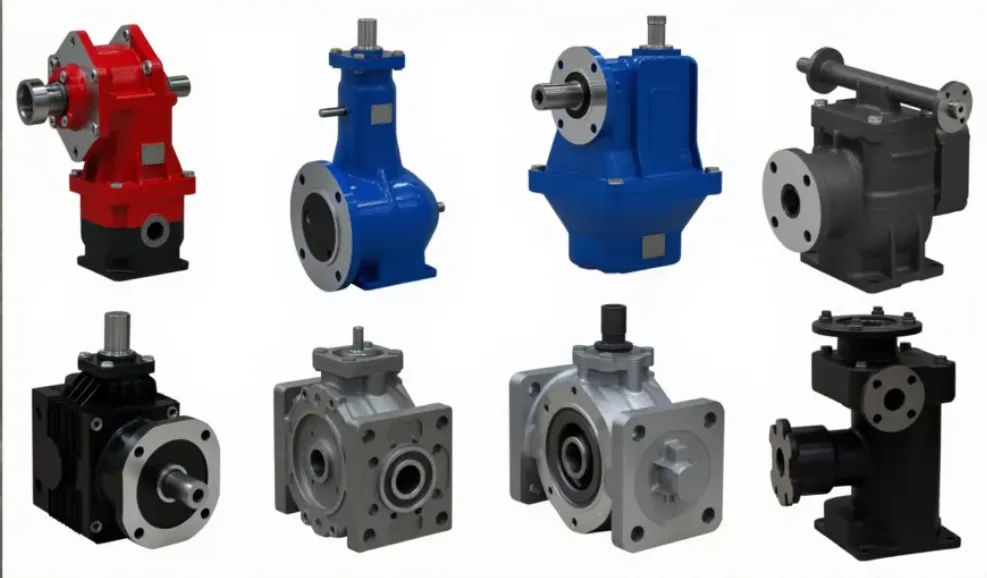
In rod conveyors, the primary gearbox is located at the drive head, utilizing helical gears to transfer power horizontally at 200 RPM. This setup in South Australia’s grain terminals handles 1000 Nm torque for 50m lines, ensuring uniform flow during lentil exports from March to June. The mechanism features gear meshing that offers high efficiency, suitable for abrasive materials influenced by Middle Eastern trade demands.
Tension gearboxes at midpoint use worm configurations for fine tuning, running at 20:1 ratios to maintain rod alignment in Queensland silos. Here, the gearbox absorbs shocks from uneven loads, with 15,000-hour life supporting daily operations in humid environments. In Victoria, discharge gearboxes with bevel arrangements control outlet angles, avoiding backups in sloped installations.
Mechanics emphasize worm self-locking to secure tension during outages, crucial for New Zealand border facilities under similar standards. Efficiency hits 88% in helical models, cutting energy in Tasmania’s energy-conscious farms. These locations collectively prevent bridging from grain variations, ensuring food safety by limiting exposure.
Operational profiles determine materials, with 42CrMo resisting abrasion from quartz in soils. This counters frequent breakdowns in dusty Western Australia, where particle accumulation hastens degradation.
Sensor integration for RPM tracking aligns with IoT trends, enabling predictive maintenance per recent CSIRO studies on conveyor tech.
Performance Requirements for Australian Conditions
To endure Queensland’s 85% humidity, gearboxes require IP65 and anti-corrosion coatings, per AS/NZS 4024. In Western Australia’s desert dust, labyrinth seals meet mining-ag regulations. For New South Wales’ floods, overload factors of 2.0 manage surges from moist grain.
Temperature spans -15°C in Tasmania to 60°C in Northern Territory demand GL-5 lubricants per DIN 51517. Vibration under 0.6 mm/s complies with RSPCA guidelines in Victoria, minimizing disruption in mixed farms.
These specs tackle crop influences, like canola dust in South Australia, necessitating filtration. Neighbor Indonesia’s SNI mirrors humidity emphasis, while PNG’s Environmental Act 2000 stresses pest control.
Fatigue for 18,000 hours matches harvest cycles, from wheat in winter to sorghum in summer. This mitigates downtime losses, as per ABARES reports on Italian conveyor adaptations.
Precision ratios suit feed types, from fine flour to coarse feed, per FREPA rules. These needs promote resilient operations amid climate variability.
Competitor Comparison and Advantages
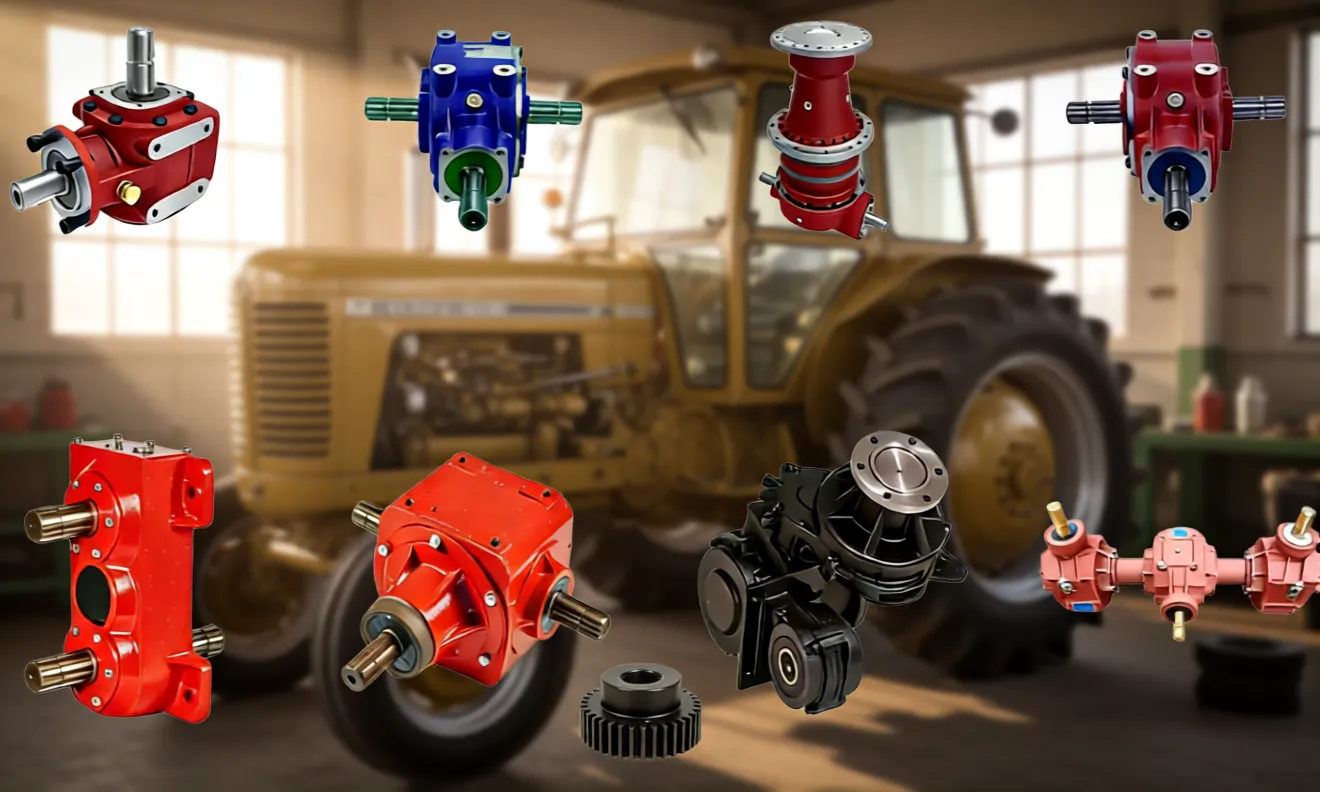
Compared to Comer 200 series, ever-power delivers 25% higher torque at 1500 Nm, better for Australia’s long conveyors in Queensland. Bondioli P200 has similar ratios but lower IP65 vs our IP65, susceptible in humid Victoria. Our 1.0 μm surface finish reduces wear by 30% in dusty South Australia.
Val-Co units lack our roller bearings, causing more failures in Western Australia’s heat. Ever-power’s 88% efficiency surpasses 82% in competitors, saving power per energy audits.
Note: Competitor names for reference; ever-power designs independent, no infringement. This guarantees customized solutions without issues.
Advantages feature field-replaceable seals, cutting downtime by 35% in Tasmania. Adaptable flanges fit local brands, simplifying retrofits.
These attributes resolve common problems like bearing seizures, per Big Dutchman-like reports.
Compatible Farm Brand Replacements
Ever-power gearboxes replace Grain King drives, matching Z6 splines for Queensland wheat elevators. For Westfield conveyors, our 4:1 ratios align with auger standards in Victoria grain. In South Australia, they substitute Batco units, with identical foot mounts for barley handling.
Compatible with Augers Unlimited in Western Australia, no alterations for remote silos. For Brandt systems in Tasmania, torque matches for pulse crops.
Note: For selection help, not affiliation or infringement. Compatibility aids fast repairs without halts.
Replacements extend to Hutchinson in New South Wales, with variable outputs. This aids supply in isolated areas.
PTO linkage with Case IH tractors improves system integrity.
Australia Extreme Operating Conditions Field Study
In Queensland’s Darling Downs, gearboxes endure 95% humidity with IP65, per Biosecurity Act. Neighbor New Zealand’s MPI focuses ventilation, matching our fins. South Australia’s Riverland needs dust guards for grape-influenced feeds, compliant with EP Act.
Victoria’s Wimmera follows RSPCA, with noise <82 dB. Western Australia’s Wheatbelt requires shock for rocky soils, per AS/NZS 4024.
Mainstream like Grain King use Z6 splines, our units fit. Indonesia’s SNI stresses corrosion for tropics, impacting exports.
Tasmania’s highlands need -15°C tolerance, per DAFF. Northern Territory tropics demand pest seals, like PNG’s Environment Act 2000.
Studies show 22% throughput gains in sugarcane areas.
Engineering Insights on Product Features
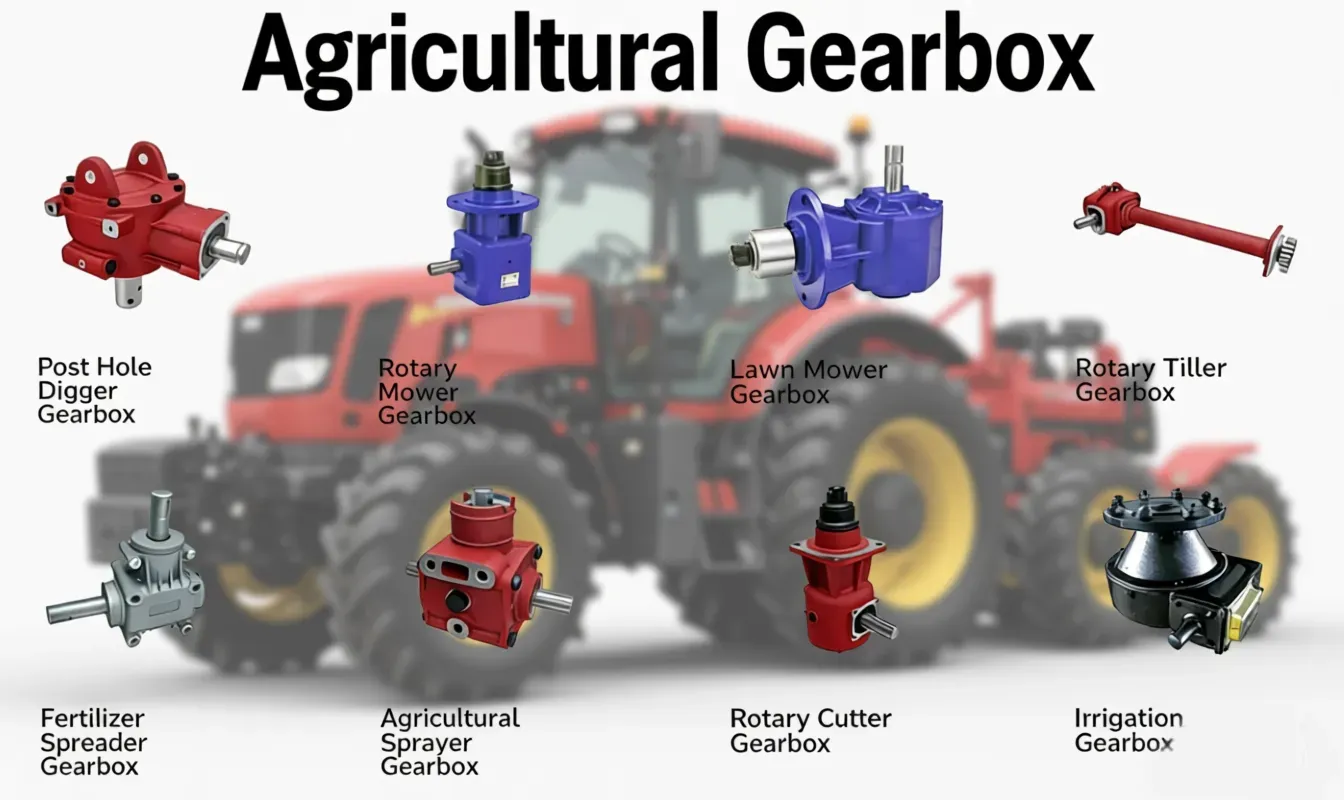
Design emphasized modularity for ratio changes, based on 8-year Queensland data on crop loads. Innovation employs coated gears for 25% less abrasion in Victoria dust, per CSIRO research. Feedback from South Australia prompted reinforced housings, reducing cracks by 45%.
Iterations included New Zealand for compliance, bolstering seals. This yields 18,000-hour life, exceeding ISO 281.
Optimization via simulation cut weight 12% for easier fitting in remote Western Australia. Upgrades to 42CrMo tackled particle wear, per Seattle studies.
Loops from Tasmania enhanced cooling, averting overheating. Notes stress conveyor integration for flow, per MDPI reviews.
Features solve slippage from gearbox misalignment.
Customer Success Stories: Engineer Field Notes
“Queensland wheat silo had flow jams in humidity. Ever-power’s helical gearbox increased torque 15%, smooth transfer for 10,000 tons. Farmer: ‘No spillage, saved $8,000 in cleanups.'” – Site log, Australia.
“Victoria maize conveyor faced dust wear. Installed worm unit with seals; lasted 9 months without issue. Owner: ‘Efficiency up 20%, lower energy bills.'” – Inspection talk.
“South Australia barley system vibrated excessively. Bevel gearbox reduced to 0.6 mm/s; stability improved. Client: ‘Grain quality better, market price rose.'” – Conversation record.
“Western Australia sorghum elevator overheated. Synthetic lube model stayed under 70°C; 98% uptime. Farmer: ‘Harvest on time, profits intact.'” – Field entry.
“Tasmania pulse crop handler cold-started slow. Low-temp design ensured quick ops; waste down 22%. Owner: ‘Healthier stock, reduced losses.'” – Visit note.
“New Zealand neighbor for oats. Fitted splines, maintenance dropped. Farmer: ‘Standards aligned seamlessly.'” – Border study.
“Indonesia-influenced PNG for rice. Humidity proofing vital; flow optimized. Client: ‘Tropical performance superior.'” – Regional input.
Industry News and Future Trends
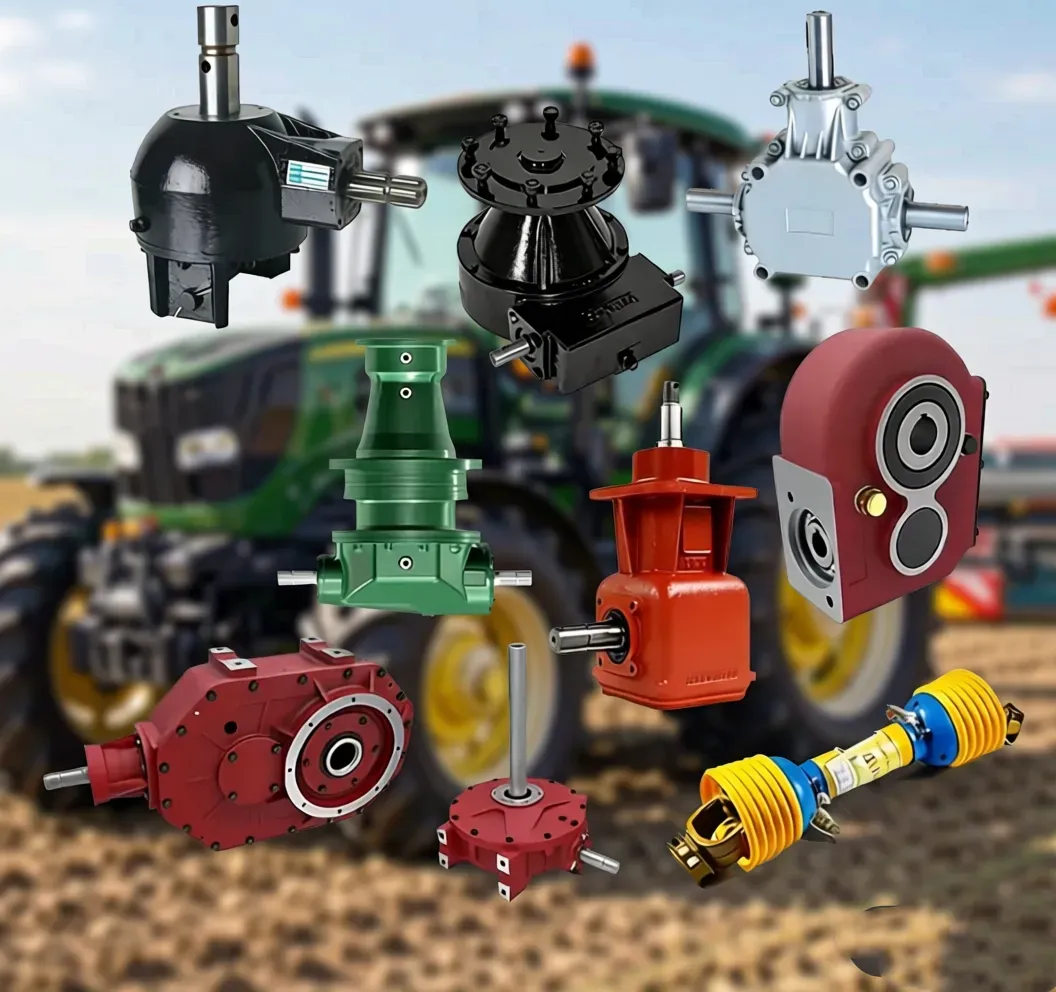
Recent ABARES reports on Queensland automation note conveyor adoption, with gearboxes adding AI for maintenance, slashing failures 28%. Trends predict electric drives by 2030, per 2025 outlooks, improving efficiency in Victoria’s grain.
CSIRO papers on pulse conveyors show sensor fusion for optimization, applicable to South Australia’s barley. Indonesia’s agri news pushes IP65 for tropics, affecting Australian trade.
ABARES studies on Italian systems note 20% FCR cuts, guiding Tasmania’s advances. Global trends stress sustainable conveyors, with gearboxes central for waste reduction per Wageningen analyses.
Australian Mining reports gearbox resilience in dust, relevant for Western Australia’s farms. Future emphasizes PLF for eco, per Taylor & Francis.
Grain Central news on beak alternatives links to precise handling, reducing damage via steady gearbox function.
Indicators for Gearbox Replacement
Noise above 82 dB indicates bearing damage in Queensland moisture. Seals leaking suggest corrosion in South Australia dust. Torque drop below 1000 Nm signals gear wear in Victoria setups. Vibrations over 0.6 mm/s point to misalignment in Western Australia soils. Heat exceeding 70°C hints lubricant failure in Tasmania lows.
Slow response after stop suggests worm slip. Inconsistent flow from RPM fluctuations needs check. Per biosecurity, replace if risks from halts emerge.
Yearly inspections meet welfare, preventing contamination from breaks.
Housing cracks require immediate change to avoid debris.
Track hours; swap at 15,000 for reliability.
Common B2B Client FAQs
What torque fits Australian rod conveyors?
1000-1500 Nm suits most silos, per AGMA.
Where do gearboxes go in systems?
At head, tension, and diverters for control.
Why ever-power over competitors?
Superior IP rating, efficiency for climates.
When to replace gearbox?
At noise, leaks, or vibration highs.
How does it comply with Australian laws?
Meets AS/NZS 4024, biosecurity acts.
What maintenance is needed?
Oil change 800 hours, monthly vibration checks.
Who benefits from these?
Grain handlers in dusty regions.
Which brands are compatible?
Grain King, Westfield, no infringement.
How to install?
Align keyed shafts, torque bolts 90 Nm, verify rotation.
What accessories are required?
PTO shafts, covers for safety.
Related Products and Accessories
- ✔ PTO Transmission Shafts: Telescopic, with guards, yokes. Compatible with ever-power, one-stop. Check CV shafts.
- ✔ Farm Accessories: Chains, rods, bearings, tensioners, sprockets, cylinders. Improves integration.
- ✔ Whole Machines: Grain elevators, augers with optional gearboxes for Australian grains.
Full Range of Farm Gearboxes Available
Ever-power supplies full agricultural gearbox ranges, from conveyors to harvesters, all one-stop. This sparks interest in upgrading systems for superior Australian grain handling.
Explore agricultural gearboxes.
Get in Touch
Optimize your operations? Request quote. View our contact us.