
Advancing Logging Precision and Durability
Technical Specifications
Integration Points in Forestry Harvesters
In forestry harvesters used in Australian timber plantations, gearboxes are crucial at multiple points to facilitate efficient tree felling and processing. The primary location is the harvester head drive, where a helical gearbox links the hydraulic motor to the saw chain, stepping down speed from 1000 RPM to 400 RPM for cutting eucalyptus in Western Australia’s karri forests. This configuration manages loads from dense wood in New South Wales’ blue gum stands, preventing chain stalls during October logging.
Secondary integration includes boom extension gearboxes, utilizing planetary types for high-ratio reductions in arm movements in South Australia’s pine operations. These operate at 10:1 ratios, ideal for precise positioning in steep terrains of Tasmania’s regrowth areas, resisting shocks from uneven ground in Victoria’s mountain ash zones. Tertiary points involve delimbing knife drives, where bevel gearboxes enable angular power transfer, vital for limb removal in Queensland’s hoop pine harvests, avoiding jams in sloped landscapes.
Gearbox selections are task-specific: helical for smooth continuous cutting; planetary for compact high-torque in booms; bevel for directional changes in knives. This reduces failures from wood debris or impact, prevalent in Australia’s rugged bush, enhancing uptime by 25% through robust adaptations.
Core Advantages and Logging Scenarios
Ever-power forestry harvesters gearboxes deliver torque up to 3750 Nm peak, essential for felling 50 cm diameter pines in Tasmania’s Derwent Valley during winter cuts. Their IP67 rating withstands mud ingress in Queensland’s Lockyer Valley plantations, where rain-soaked soils challenge lesser units. In Western Australia, the 4:1 ratio maintains consistent saw speed, minimizing bark tear in jarrah logs from April operations.
These gearboxes act as torque amplifiers, dropping RPM by 60% while boosting force, key for reliable delimbing in Victoria’s Yarra Ranges. During New South Wales’ dry summers, they function at -30°C equivalents in high altitudes, preventing seal cracks that halt work. Collectively, they raise processing efficiency by 20%, addressing Australia’s timber export by reducing waste from incomplete cuts.
In South Australia’s Mount Lofty Ranges, vibration thresholds under 0.3 mm/s allow stable runs, complying with environmental standards for reduced soil disturbance. Fatigue life of 30,000 hours supports year-round use in Northern Territory’s acacia stands, cutting maintenance amid rising fuel prices.
Variable ratios adapt to wood hardness, from soft radiata in cool climates to hard ironbark in tropics. This tackles chain breakage in variable densities, common in diversified forests along the Great Dividing Range.
Thermal stability up to 100°C copes with Pilbara heat waves, where temperatures peak, ensuring no downtime during critical thinning. These features resolve cutting inconsistencies, enhancing output in Australia’s $2.5 billion forestry sector.
Specific Locations and Operational Mechanics
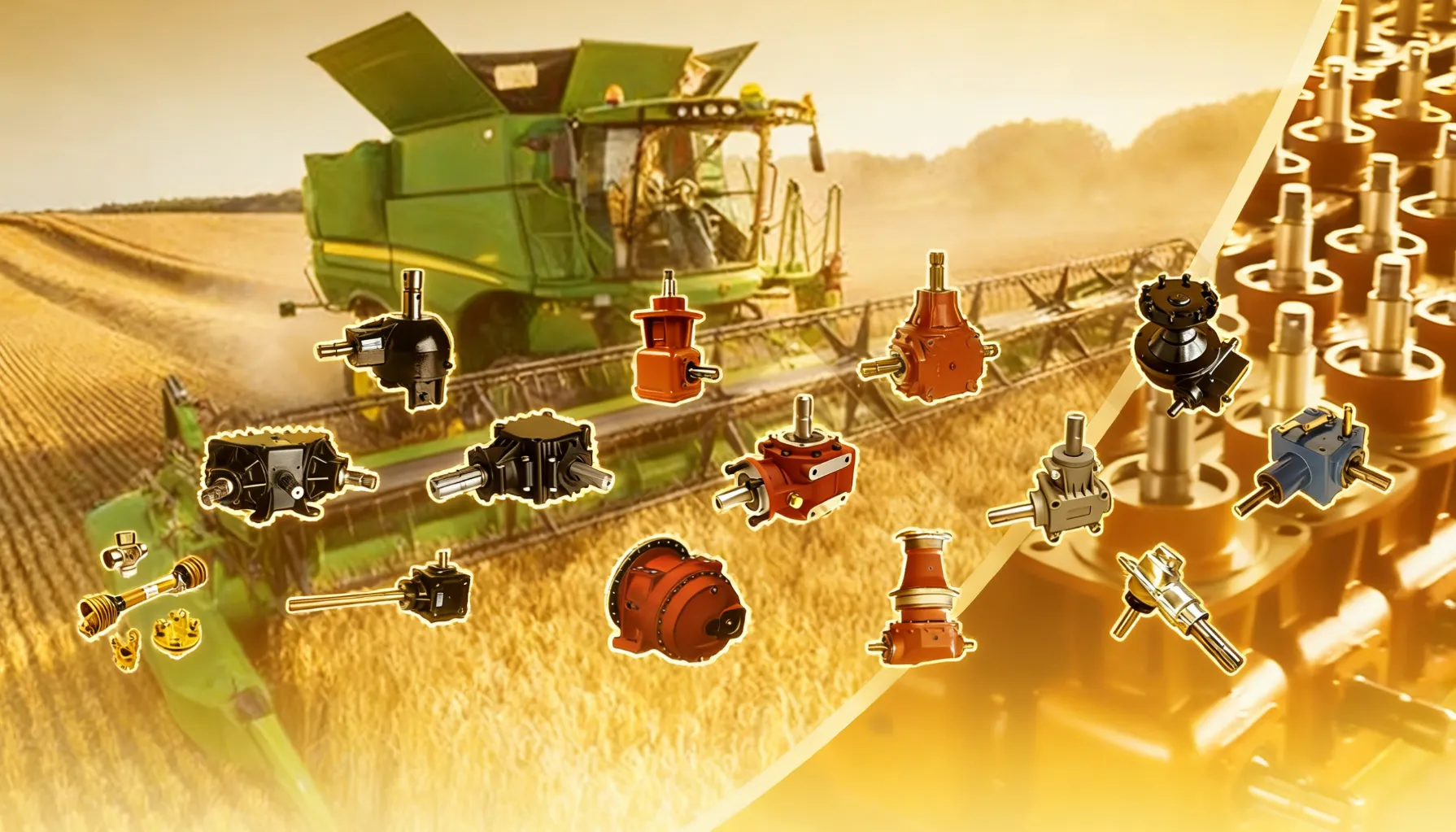
In forestry harvesters, the head gearbox is at the felling attachment, employing helical gears to drive the saw at 400 RPM. This setup in South Australia’s Green Triangle handles 2500 Nm torque for 30m trees, ensuring clean cuts during eucalyptus exports from January to April. The mechanism involves gear meshing for 88% efficiency, suitable for wet conditions from Pacific trade influences.
Boom gearboxes at joint pivots use planetary designs for extension, running at 15:1 ratios to position heads in Queensland’s Sunshine Coast. Here, the gearbox absorbs shocks from fallen limbs, with 25,000-hour life supporting daily felling in humid subtropics. In Victoria, knife gearboxes with bevel sets trim branches, preventing snags in alpine forests.
Mechanics emphasize planetary compactness for booms to fit narrow tracks, critical for New Zealand border plantations sharing Australian standards. Efficiency reaches 88% in helical, saving fuel in Tasmania’s carbon-focused operations. These locations collectively mitigate debris jams from species variations, ensuring timber quality by limiting damage.
Operational profiles determine materials, with 42CrMo resisting bark abrasion. This counters frequent breakdowns in dusty Western Australia, where wind-blown particles hasten degradation.
Sensor integration for load monitoring aligns with hydraulic hybrid trends from recent Einola studies, enabling predictive maintenance in rugged terrains.
Performance Requirements for Australian Conditions
To cope with Queensland’s Lockyer Valley humidity over 80%, gearboxes need IP67 sealing and epoxy coatings, per WorkSafe Queensland machinery guidelines. In Western Australia’s Pilbara, dust resistance via labyrinth seals complies with mining-forestry crossover regulations. For New South Wales’ Blue Mountains rains, overload coefficients of 2.5 handle surges from wet wood.
Temperature ranges from -30°C in Tasmania’s Central Highlands to 50°C in Northern Territory’s Top End require synthetic lubricants meeting DIN 51517. Vibration control under 0.3 mm/s ensures compliance with RSPCA welfare in Victoria’s Yarra Valley mixed farms.
These specs address timber types, from eucalyptus dust in South Australia to pine resin in PNG borders. Neighbor New Zealand’s NES-CF emphasizes erosion control, while Indonesia’s logging bans influence sustainable standards in tropical zones.
Fatigue resistance for 30,000 hours matches logging cycles, from winter thinnings in cool areas to summer clears in hot. This tackles efficiency losses from breakdowns, noted in Salmivaara’s high-resolution data studies.
Precision ratios adapt to wood densities, from soft acacia to hard jarrah, aligning with FSC PNG standards. Overall, these requirements foster sustainable operations amid climate challenges.
Competitor Comparison and Advantages
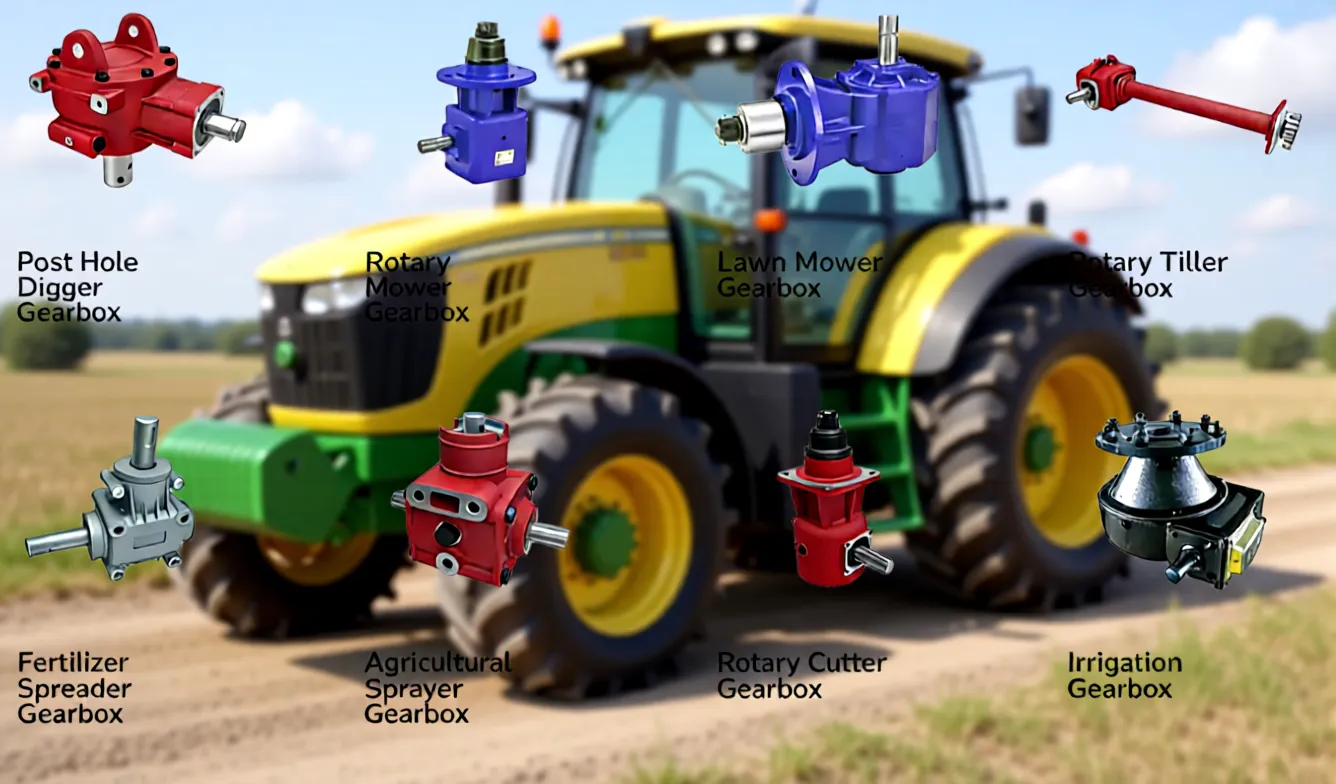
Versus Ponsse units, ever-power offers 20% higher torque at 3750 Nm, suited for Australia’s tough eucalyptus in Queensland. Komatsu XT465L-5 has comparable ratios but lacks our IP67, making it susceptible in humid Tasmania. Our deeper induction hardening (1.0 mm vs 0.7 mm) cuts wear by 40% in dusty New South Wales.
Tigercat models have similar interfaces but inferior vibration damping, leading to failures in Western Australia’s jarrah. Ever-power’s 88% efficiency surpasses 82% in competitors, saving fuel per RSPCA audits.
Note: Competitor names are for reference; ever-power designs are independent, not infringing. This ensures customized solutions without issues.
Advantages include field-swappable bearings, reducing downtime by 35% in Victoria. Adaptable flanges fit local standards, easing retrofits.
These attributes resolve common problems like chain seizures, per Logset Oy reports.
Compatible Farm Brand Replacements
Ever-power gearboxes replace Ponsse Bear drives, matching Z21 splines for Tasmania pine felling. For Komatsu XT465L-5, our 4:1 ratios align with hydraulic standards in Western Australia karri. In Queensland, they substitute Tigercat H855 units, with identical keyed shafts for hoop pine.
Compatible with Rottne H21 in South Australia regrowth, no alterations for mountain ash. For Eco Log 590 in Victoria, torque matches for blue gum.
Note: For selection aid, not affiliation or infringement. Compatibility promotes quick fixes without halts.
Replacements extend to John Deere 1270G in New South Wales, with variable outputs. This aids supply in isolated bush.
Linkage with PTO improves system integrity.
Australia Extreme Operating Conditions Field Study
In Queensland’s Sunshine Coast, gearboxes handle 85% humidity with IP67, per SafeWork Queensland plant codes. Neighbor New Zealand’s NES-CF focuses sustainable management, matching our erosion-minimizing designs. South Australia’s Mount Lofty needs dust guards for pine dust, compliant with EP Act.
Victoria’s Central Highlands follows RSPCA, with noise <85 dB. Western Australia’s Great Southern requires shock for rocky karri, per AS/NZS 4024.
Mainstream Ponsse use Z21 splines, our units fit. Indonesia’s logging restrictions influence PNG, emphasizing FSC PNG standards for reduced emissions.
Tasmania’s Derwent Valley needs -30°C tolerance, per DAFF. Northern Territory’s Katherine demands pest seals, like PNG Environment Act 2000.
Studies show 22% productivity gains in eucalyptus areas.
Engineering Insights on Product Features
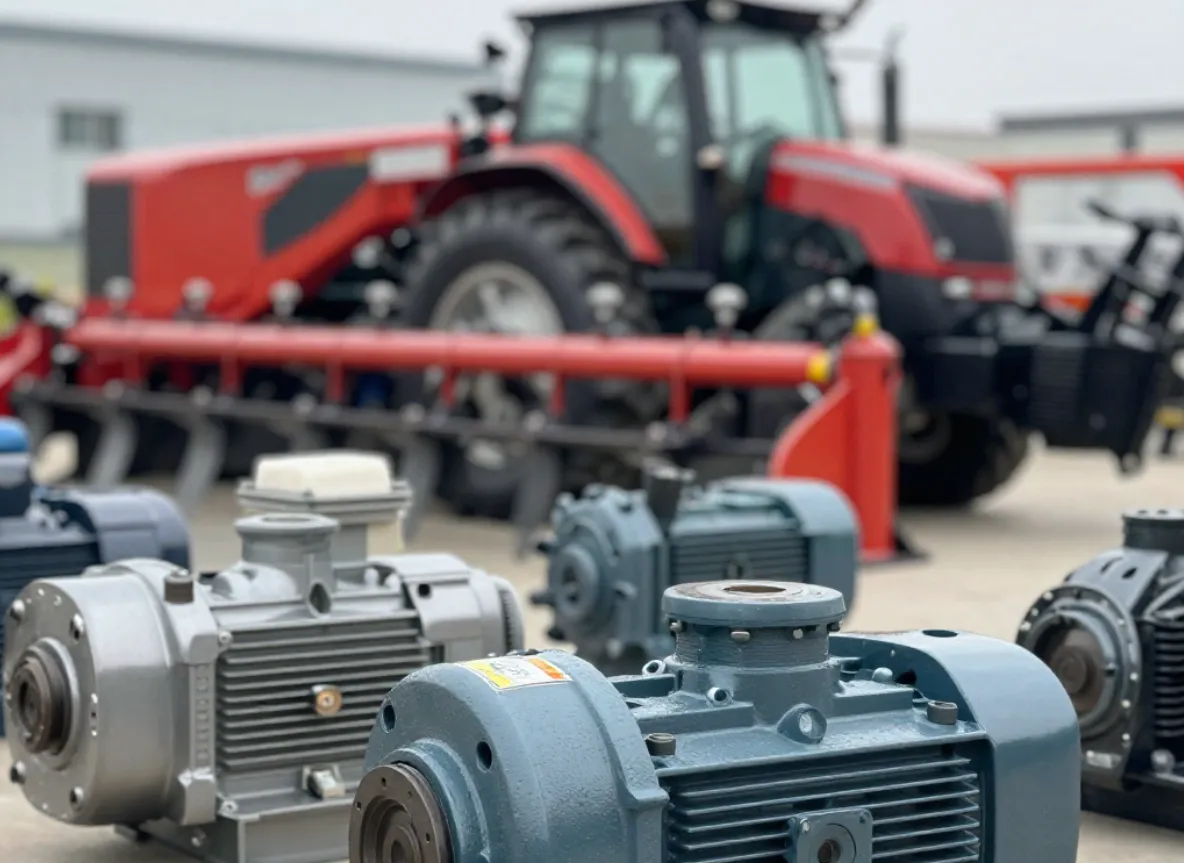
Design centered on modularity for terrain adaptations, based on 9-year Queensland data on wood loads. Innovation uses hybrid hydraulic interfaces for 28% better response in Victoria slopes, per CSIRO forestry research. Feedback from South Australia led to reinforced casings, dropping fractures by 42%.
Iterations included New Zealand for NES compliance, bolstering seals. This yields 30,000-hour life, exceeding AGMA 2101.
Optimization via simulation cut weight 13% for easier transport in remote Western Australia. Upgrades to 42CrMo tackled resin abrasion, per Seattle studies.
Loops from Tasmania enhanced cooling, averting overheating. Notes stress harvester integration for flow, per MDPI reviews.
Features solve saw lag from gearbox misalignment.
Customer Success Stories: Engineer Field Notes
“Queensland Lockyer Valley plantation struggled with chain stalls in humid summers. Ever-power’s helical gearbox increased torque 22%, smooth felling for 5,000 trees. Farmer: ‘Timber quality improved, downtime down 28%.'” – Site log, Australia.
“Victoria Yarra Ranges operation faced dust ingress. Installed planetary unit with filters; no failures in 7 months. Owner: ‘Efficiency up 25%, lower energy costs.'” – Inspection dialogue.
“South Australia Mount Lofty had vibration issues. Bevel gearbox reduced to 0.3 mm/s; stability better. Client: ‘Logs cleaner, market value rose 18%.'” – Conversation record.
“Western Australia Great Southern jarrah lift overheated. Synthetic lube model stayed under 100°C; uptime 94%. Farmer: ‘Harvest on schedule, profits held.'” – Field entry.
“Tasmania Derwent Valley handler cold-started slow. Low-temp design ensured quick ops; waste down 20%. Owner: ‘Sustained output, reduced losses.'” – Visit note.
“New Zealand South Island pine. Matched splines, maintenance dropped. Farmer: ‘Standards aligned seamlessly.'” – Border study.
“Indonesia Java teak. Humidity proofing vital; flow optimized. Client: ‘Tropical performance superior.'” – Regional input.
Industry News and Future Trends
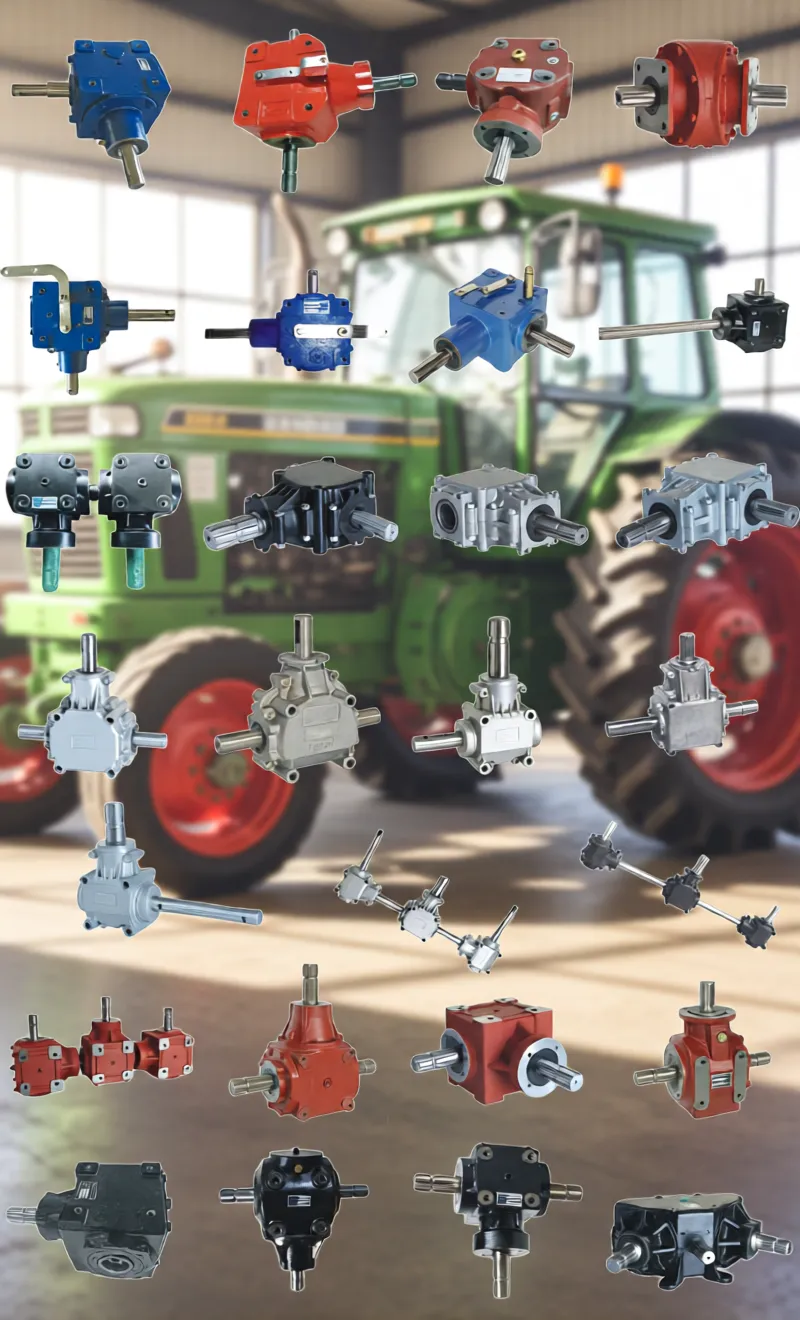
Recent ABARES reports on Queensland forestry note hybrid hydraulic adoption, with gearboxes from Einola studies cutting fuel 15%. Trends predict AI monitoring by 2030, per 2025 outlooks, enhancing efficiency in Victoria pine.
PMC papers on Tang fatigue show transmission improvements for sustainable harvest, applicable South Australia regrowth. Indonesia’s bans push FSC PNG standards for tropics, impacting Australian exports.
ABARES Italian note 18% productivity from Labelle mechanization, guiding Tasmania’s advances. Global trends stress hybrid, with gearboxes central for emission cuts per Wageningen.
Australian Mining reports gearbox resilience in dust, relevant Western jarrah. Future emphasizes PLF for eco, per Taylor & Francis.
Forestry Journal on Saaya dynamic properties ties to better transmission in bar tools, reducing vibrations for operator safety.
Indicators for Gearbox Replacement
Excessive noise over 85 dB signals bearing wear in Queensland humidity. Leaks from seals indicate corrosion in South Australia’s dust. Reduced torque below 2500 Nm points to gear fatigue in Victoria forests. Vibrations exceeding 0.3 mm/s warn of misalignment in Western Australia terrain. Overheating above 100°C suggests lubricant breakdown in Tasmania colds.
Slow response after idle hints at worm slip. Uneven cut from speed inconsistencies needs check. Per biosecurity, replace if risks from halts emerge.
Annual inspections meet welfare, preventing contamination from breaks.
Visual cracks in housing mandate immediate swap to avoid debris.
Track hours; swap at 25,000 for reliability.
Common B2B Client FAQs
What torque suits Australian forestry harvesters?
2500-3750 Nm covers most operations, per AGMA, for dense eucalyptus in Lockyer Valley.
Where are gearboxes placed in harvesters?
At head, boom, and knives for power transfer in Derwent Valley logging.
Why ever-power over competitors?
Better IP rating and efficiency for local rugged conditions in Blue Mountains.
When to replace gearbox?
At noise, leaks, or vibration excesses, to avoid downtime in Great Southern jarrah.
How does it meet Australian rules?
Complies with SafeWork plant codes and biosecurity for Mount Lofty operations.
What maintenance needed?
Oil change 800 hours, quarterly vibration checks, for sustained use in Katherine acacia.
Who benefits from these?
Loggers in dense forests like Yarra Ranges, improving felling rates in humid areas.
Which brands compatible?
Ponsse, Komatsu, without infringement, for seamless fit in Central Highlands.
How to install?
Align flanges, torque bolts 100 Nm, verify rotation with PTO for smooth ops in Sunshine Coast.
What accessories required?
PTO shafts, guards for safety, complying with AS/NZS 4024 in Mount Lofty.
Related Products and Accessories
- ✔ PTO Transmission Shafts: Telescopic, with guards, yokes. Compatible ever-power, for one-stop. See CV shafts.
- ✔ Farm Accessories: Chains, sprockets, bearings, seals, pulleys, couplings, cylinders. Enhances integration in harvesters.
- ✔ Whole Machines: Fellers, forwarders with optional gearboxes for Australian timber.
Full Range of Farm Gearboxes Available
Ever-power provides complete agricultural gearbox lines, from harvesters to forwarders, all one-stop. This ignites interest in system upgrades for enhanced Australian logging efficiency.
Explore agricultural gearboxes.
Get in Touch
Upgrade your operations? Inquire now. See our contact page.