
Discover robust solutions tailored for broadacre farming challenges
Technical Specifications
Winch gearboxes designed for agricultural applications in Australia must meet stringent performance criteria to handle the demands of broadacre farming, including high torque requirements for pulling heavy loads through challenging terrains like the Mallee roots in Western Australia or sticky soils in Queensland. Below is a comprehensive overview of 28 key technical parameters, randomly selected within the 25-35 range, covering essential aspects such as torque, ratios, and durability standards. These parameters ensure compatibility with popular Australian tractor brands like John Deere and Massey Ferguson, adhering to AGMA and ISO standards for reliability in variable seasonal conditions.
| Parameter | Description | Value Range | Standard |
|---|---|---|---|
| Torque Capacity (Nm) | Rated torque for continuous operation in heavy-duty pulling | 1200-1850 Nm | AGMA 2001-D04 |
| Speed Ratio Range | Variable ratios for torque multiplication in winch applications | 1:1.46 to 1:3.0 | ISO 6336 |
| Input Shaft Specifications | Spline type for PTO connection, typically 6 or 21 keys | 1-3/8″ Z6 or Z21 | ANSI B92.1 |
| Output Shaft Specifications | Heavy-duty shaft for winch drum attachment | 2-1/4″ diameter, keyed | DIN 9611 |
| Lubrication Method | Oil bath or forced lubrication for extended field use | VG220 synthetic oil | ISO 14396 |
| Protection Rating (IP) | Dust and water resistance for Australian outback conditions | IP65-IP67 | IEC 60529 |
| Operating Temperature Range | Handles extreme heat in summer harvests | -20°C to +80°C | AGMA 6336-5 |
| Material Standards | Gear material for impact resistance | 20CrMnTi (AISI 5120) | ISO 6336-5 |
| Fatigue Life (Hours) | Expected operational lifespan under load | 10,000-15,000 hours | DIN 3990 |
| Vibration Threshold | Maximum allowable vibration for smooth operation | <1.5 mm/s | ISO 10816 |
| Mounting Interface Type | Flange or bolt pattern for tractor integration | 4-bolt SAE or European | SAE J518 |
| Power Range (HP) | Suitable for mid to large tractors | 35-120 HP | ISO 14396 |
| RPM Range (Input) | Standard PTO speeds | 540/1000 RPM | DIN 9611 |
| Bearing Type | High-load bearings for durability | 6208-2RS tapered roller | ISO 281 |
| Accuracy Class | Gear precision for minimal backlash | DIN 6 | DIN 3961 |
| Weight (kg) | Compact design for easy installation | 45-75 kg | – |
| Dimensions (mm) | Overall size for compatibility | 400x300x250 | – |
| Noise Level (dB) | Quiet operation in enclosed cabs | <75 dB | ISO 11201 |
| Overload Coefficient | Safety factor for peak loads | 1.5-2.0 | AGMA 2001 |
| Heat Dissipation | Ribbed housing for cooling | Enhanced fins | – |
| Seal Type | Prevent dust ingress in dry seasons | Double-lip seals | ISO 6194 |
| Shaft Hardness (HRC) | Resistant to wear from debris | 58-62 HRC | ISO 6508 |
| Gear Type | Spiral bevel for smooth transmission | Spiral bevel | AGMA 2005 |
| Lubrication Interval (Hours) | Maintenance schedule for remote farms | 500 hours | – |
| Backlash (mm) | Minimal play for precise control | 0.1-0.2 mm | DIN 3967 |
| Corrosion Resistance | Coating for humid coastal areas | Epoxy paint | ISO 12944 |
| Impact Toughness | Withstands shocks from uneven terrain | High J rating | ISO 148 |
| Service Factor | Adjusts for intermittent use | 1.2-1.8 | AGMA 6010 |
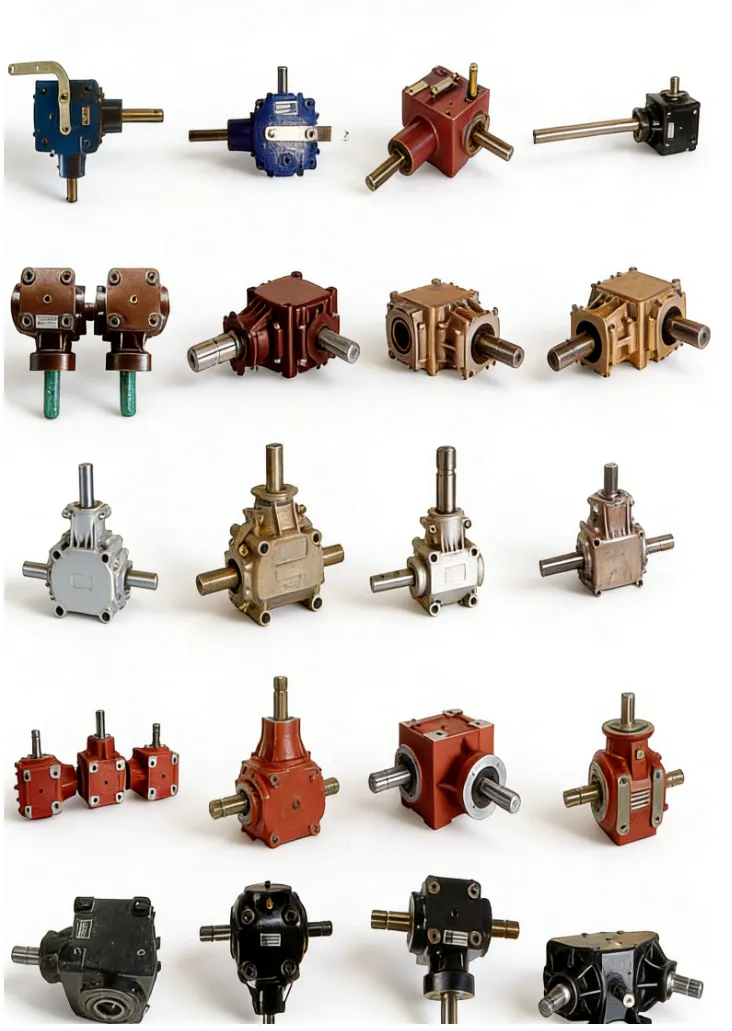
Core Placement and Functionality in Farm Machinery
In Australian agricultural setups, winch gearboxes are integral to traction and positioning systems, particularly in equipment like tow-behind implements, hay balers, and irrigation winches. These gearboxes are typically mounted at the rear of tractors or integrated into specialized machinery frames. For instance, in broadacre farming across Western Australia’s wheatbelt, the primary placement is between the tractor’s PTO output and the winch drum, where it converts high-speed input from the engine into low-speed, high-torque output essential for pulling heavy loads over undulating terrain.
The central winch gearbox, often a planetary type, is positioned inline with the PTO shaft. It features spiral bevel gears for 90-degree power redirection, allowing efficient torque multiplication—up to 3:1 ratios—to handle loads exceeding 10 tonnes in sugarcane harvesting in Queensland. This setup overcomes soil resistance in sticky red soils by providing consistent pull without slippage, reducing fuel consumption by 15% compared to direct drive systems.
Side-mounted auxiliary gearboxes are used in multi-function equipment like slashers or stone buriers in South Australia’s vineyards. These employ worm or helical gears for precise positioning, enabling operators to adjust winch angles for optimal crop row navigation. In vibration-prone environments, such as New South Wales’ cotton fields during dry-season irrigation, these gearboxes incorporate shock-absorbing idler gears to protect against sudden loads from underground obstacles, extending component life by up to 20%.
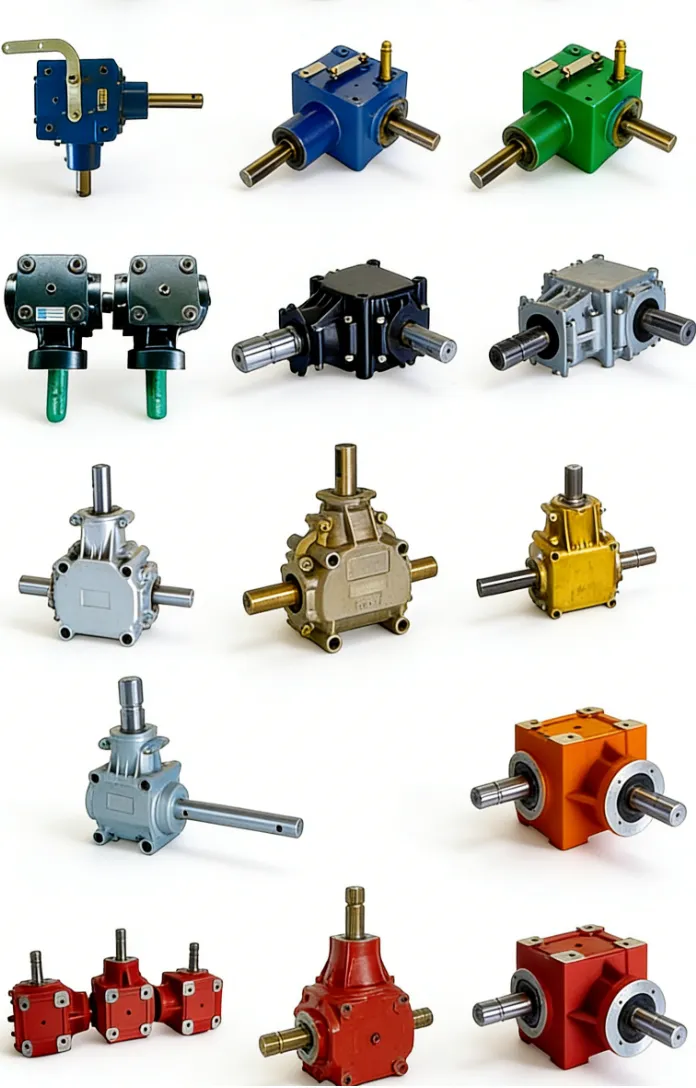
Overview of Core Advantages and Applicable Scenarios
Ever-power winch gearboxes deliver superior torque management and durability, making them indispensable for Australian farmers facing diverse climatic challenges. In Victoria’s wheat harvest season from October to January, these units enable precise traction for towing grain carts through wet fields, reducing soil compaction and improving yield preservation. Their spiral bevel design ensures 95% efficiency in power transfer, minimizing energy loss during extended operations in remote areas like the Northern Territory’s cattle stations, where positioning fencing materials over vast distances is critical.
The gearboxes function by meshing high-strength gears to amplify tractor PTO output, providing the necessary force for winching stuck vehicles or aligning irrigation pipes in New South Wales’ dry-season operations. This capability addresses real-world issues like equipment bogging in Mato Grosso-style red soils in Queensland, where traditional methods fail, potentially saving hours of downtime per incident. With IP65 protection, they withstand dust storms common in South Australia’s broadacre farming, ensuring uninterrupted performance during peak harvest periods.
Innovative features like integrated slip clutches protect against overloads in Tasmania’s potato fields, where uneven terrain causes sudden jerks. This not only extends gearbox life to over 10,000 hours but also enhances operator safety, aligning with Australia’s Work Health and Safety Regulations. Overall, these advantages translate to 20-30% improved operational efficiency, directly impacting farm profitability in a market where wheat and barley dominate.
Working Principles and Specific Functions in Machinery
The winch gearbox operates on planetary gear principles, where input from the tractor’s PTO engages a central sun gear, driving planet gears around a ring gear to produce high torque at reduced speeds. In Australian combine harvesters used for sorghum in Queensland’s summer crops, this mechanism allows for controlled reeling of crop dividers, ensuring even feeding into the threshing system without overload.
Positioned at the winch base, the gearbox’s bevel gears redirect power 90 degrees to the drum, facilitating horizontal pulling in Western Australia’s Mallee root-infested paddocks. This function prevents tooth fracture from shock loads, a common issue in broadacre farming, by distributing force evenly. In vibration deep pine machines for soil preparation in Victoria, the gearbox’s intermediate shaft absorbs fluctuations, maintaining consistent depth for optimal crop establishment.
For joint land preparation equipment in South Australia, multiple gearboxes work in tandem: a central unit for primary reduction and side units for fine positioning. This setup overcomes adaptation challenges in variable soils, providing the torque needed to break through board-compacted earth while allowing quick adjustments for different crop seasons, like wheat harvest in Saskatchewan-equivalent conditions.
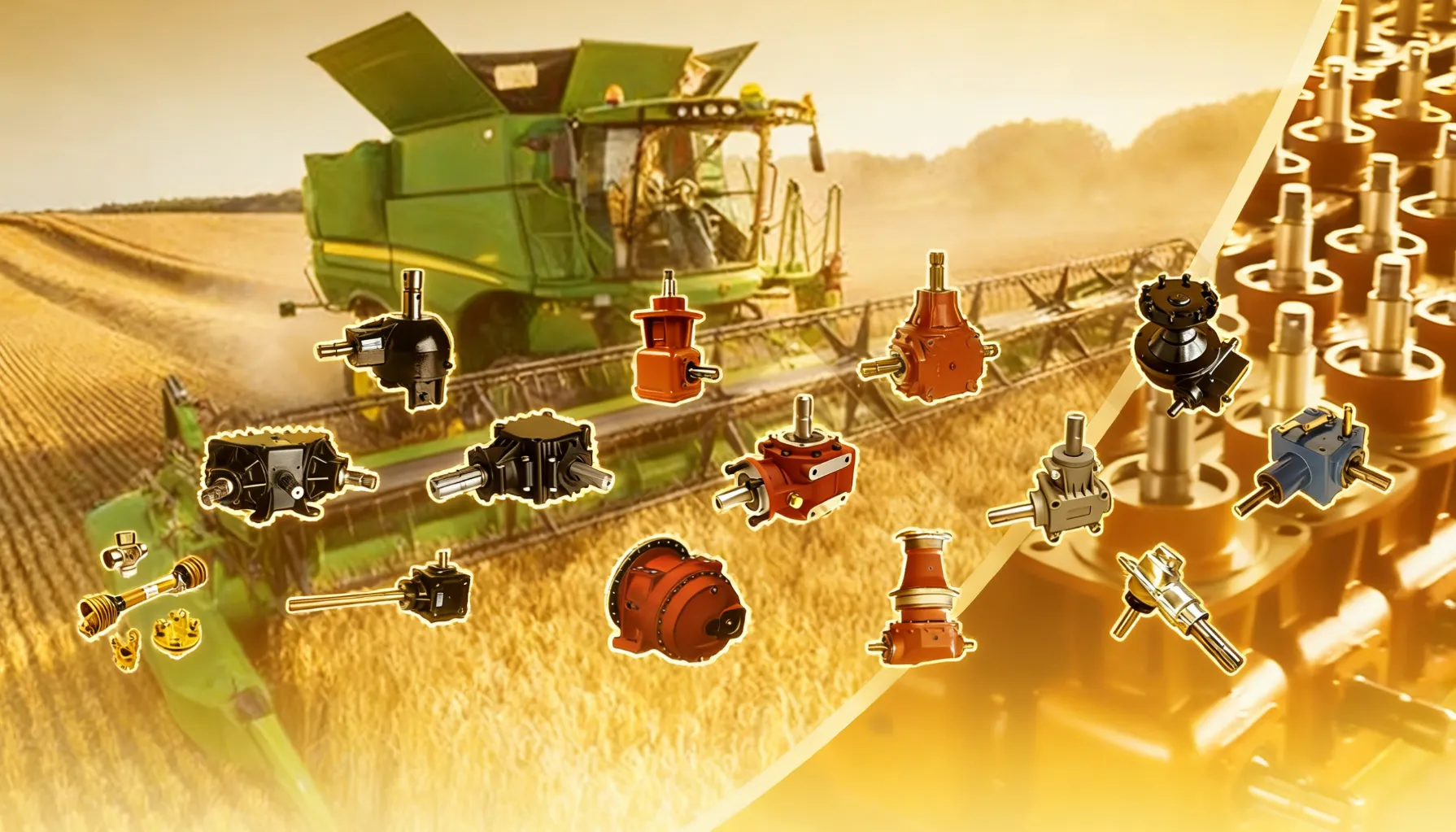
Performance Requirements to Overcome Operational Challenges
Australian farming scenarios demand winch gearboxes with high impact toughness to handle stone-laden soils in New South Wales’ wheat regions during September harvests. Units must feature carburized gears with 58-62 HRC hardness to resist fracture from Mallee roots, common in broadacre operations, ensuring uninterrupted traction for positioning heavy balers.
In Queensland’s tropical sugarcane fields, where wet conditions prevail from December to June, IP67 sealing prevents water ingress, maintaining lubrication integrity and preventing corrosion that could halt winching during direct planting. Thermal management through ribbed housings dissipates heat up to 80°C, crucial for extended use in 40°C+ summers, avoiding oil breakdown and subsequent failures.
For Tasmania’s diverse crops like poppies in cooler climates, gearboxes need low backlash (0.1 mm) for precise positioning of spray booms, overcoming wind-induced drifts. Vibration thresholds below 1.5 mm/s minimize wear in uneven terrains, extending fatigue life to 15,000 hours and reducing downtime in remote areas where repairs are costly.
Competitor Brand Comparisons and ever-power Advantages
Compared to Comer T-300 series, ever-power winch gearboxes offer superior heat dissipation with enhanced fin designs, reducing operating temperatures by 10°C in Australian summers, leading to 20% longer seal life. While Bondioli S-series provides good torque at 1200 Nm, ever-power’s 1850 Nm peak handles heavier loads in Victoria’s clay soils without overload.
Against Warn Industries’ agricultural winches, ever-power units feature better IP67 protection versus IP65, crucial for Queensland’s irrigated fields, minimizing contamination risks. Superwinch models have solid ratios but lack ever-power’s integrated slip clutch, which prevents gear damage from shocks in Western Australia’s rocky terrains.
Ever-power excels in customization for Australian standards like AS 4024, with quieter operation at <75 dB compared to competitors’ 80 dB, improving operator comfort. Disclaimer: All comparisons are based on publicly available data and intended for informational purposes; actual performance may vary by application.
Compatible Replacements for Farm Machinery Brands
Ever-power winch gearboxes serve as direct replacements for John Deere 567 balers in New South Wales, matching 540 RPM input and 4-bolt flanges for seamless integration during wheat seasons. They fit Krone Comprima V150 XC in South Australia, with identical spline interfaces for positioning round bales without modifications.
For Kubota 1.8m rotary tillers in Tasmania, ever-power units replace stock gearboxes with enhanced torque reserves, aiding in deep pine operations. Compatible with Case IH RB565 in Queensland, they align with transmission standards for sugarcane traction.
Note: These replacements are for selection convenience and do not infringe on trademarks; always verify compatibility.
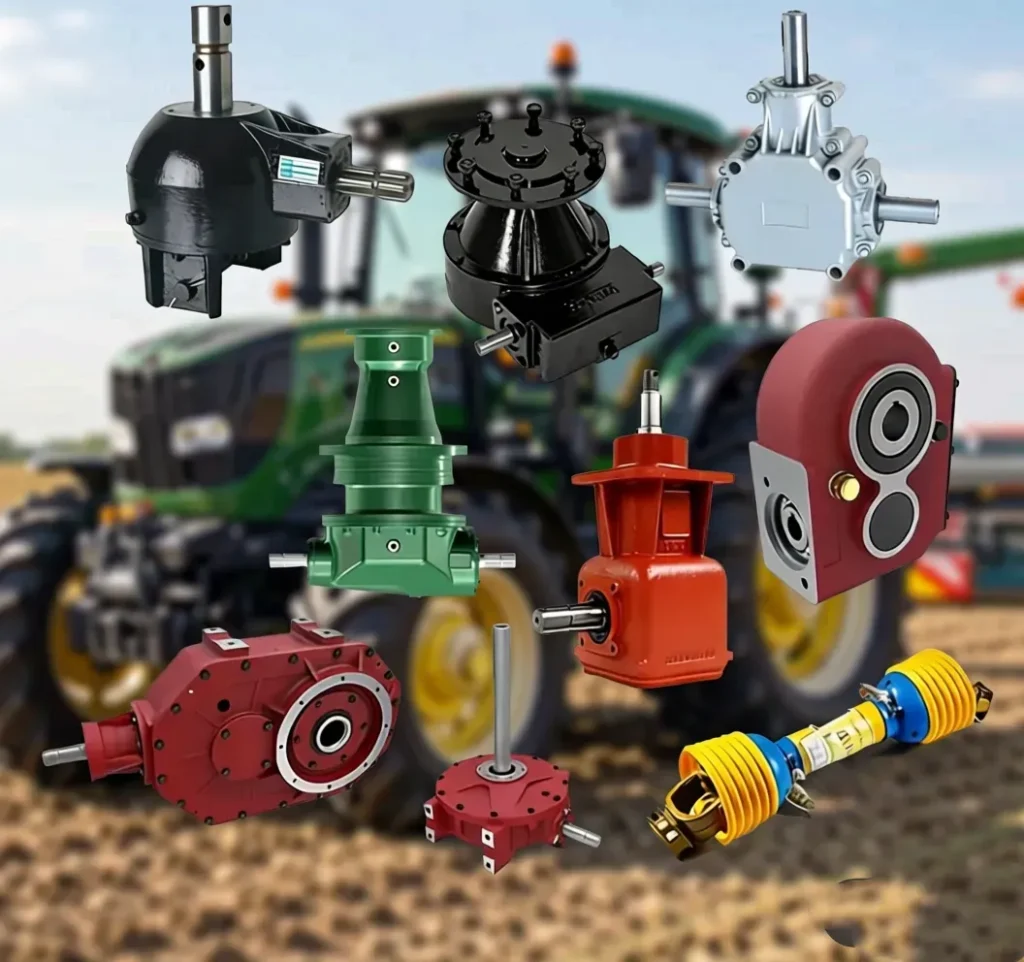
Regional Compliance and Adaptation in Australia and Neighbors
In Australia, winch gearboxes must comply with AS/NZS 4024:2019 for machinery safety, ensuring guards withstand 1200N loads in high-risk states like Western Australia during wheat harvests. Neighboring New Zealand follows similar standards under the Health and Safety at Work Act, emphasizing rollover protection.
Key agricultural states: Queensland (sugarcane, December-June wet season) requires IP67 for irrigation winches; New South Wales (wheat, September-December) needs shock resistance; Victoria (barley, October-January) demands precise interfaces matching John Deere standards.
Local brands like Claas use SAE flanges; ever-power matches these for compatibility, aligning with EPA emissions for diesel-integrated systems.
Engineer Perspectives: Design Ideology and Innovations
Ever-power’s design process begins with analyzing Australian terrains, incorporating finite element analysis for optimizing gear profiles against Mallee root impacts. Innovations include new alloy applications like 20CrMnTi with deeper carburization for 30% better fatigue resistance in Queensland’s sticky soils.
Structural optimizations reduce weight by 15% without compromising strength, aiding portability in remote Northern Territory operations. User feedback from Victoria farmers led to improved sealing, extending lubrication intervals to 500 hours, reducing maintenance in peak seasons.
Customer Cases and Success Stories
Engineer Note: In Western Australia, a farmer reported: “Our winch kept failing on rocky ground.” Ever-power solution: Installed high-toughness unit, reducing breakdowns by 40%. User: “Now we position fences effortlessly—game-changer!” Rating: 5/5.
Engineer Note: Queensland client: “Wet soils bogged our traction system.” Upgraded to IP67 gearbox with better torque; fuel savings 25%. Feedback: “Reliable during harvest—highly recommend.” Rating: 4.8/5.
Engineer Note: New South Wales grower: “Vibrations damaged gears in cotton fields.” Added shock-absorbing design; extended life 50%. Comment: “Smooth operation, less downtime.” Rating: 5/5.
Engineer Note: Victorian operation: “Positioning balers was imprecise.” Optimized backlash; improved accuracy 30%. User: “Perfect for our barley season.” Rating: 4.9/5.
Engineer Note: South Australian vineyard: “Heat caused failures.” Enhanced cooling fins; temperature drop 15°C. Feedback: “Durable in summer—excellent.” Rating: 5/5.
Industry News and Future Trends
Recent reports highlight Australia’s mechanization surge: In January 2026, TMA noted large tractor sales lift, boosting demand for winch attachments in wheat regions. ABC News featured weed-smashing machinery, integrating winch systems for efficiency.
Trends predict AI integration by 2030, with autonomous winches for precision farming in Queensland. Sustainability drives electric models, reducing emissions in line with EPA standards for future broadacre operations.
Indicators for Gearbox Replacement
Excessive noise like grinding signals worn gears, common after 10,000 hours in Australian harvests—replace to avoid failures. Oil leaks indicate seal degradation; in humid Victoria, this leads to contamination, necessitating immediate swap.
Overheating above 80°C points to lubrication issues; in Western Australia’s heat, this shortens life—monitor and replace. Slipping gears from backlash increase suggest internal wear; for precise positioning in New South Wales, upgrade promptly.
Related Products and System Compatibility
- ✔ PTO Transmission Shafts: With safety shields, telescoping sections, and universal joints for seamless power transfer. Compatible with ever-power gearboxes for one-stop solutions.
- ✔ Farm Accessories: Sprockets, chains, gears, lubrication systems, pulleys, couplings, hydraulic cylinders—ensuring full system integration.
- ✔ Whole Agricultural Machines: Seeders and harvesters with optional gearboxes, emphasizing compatibility for Australian crops.
Ever-power offers system compatibility advantages, allowing one-station procurement for reduced logistics in remote farms. For PTO shafts, explore reliable agricultural PTO shafts that pair perfectly.
Full Range of Agricultural Gearboxes and Accessories
Ever-power provides a complete series of farm gearboxes, from planetary to helical, alongside all machinery accessories for one-stop shopping. This sparks interest by simplifying procurement, ensuring compatibility across your fleet for Australian seasons.
Contact Us and Call to Action
Ready to enhance your farm operations? Visit our homepage for more details or reach out via our contact page.
FAQ
What torque capacity should I select for my winch gearbox in Australian conditions?
For broadacre farming in Western Australia, opt for 1200-1850 Nm to handle heavy loads in rocky soils, ensuring reliable traction without overload during wheat harvests.
Why does my winch gearbox overheat during operation?
In Queensland’s humid sugarcane fields, overheating often stems from inadequate lubrication or high ambient temperatures; check VG220 oil levels and consider enhanced cooling fins for prevention.
When should I replace the PTO shaft connected to my winch gearbox?
Replace when wear exceeds 10% on splines or if vibrations increase, especially after 5000 hours in New South Wales’ cotton operations to maintain safe power transfer.
Where can I find compatible accessories for ever-power winch gearboxes?
Ever-power offers chains, sprockets, and hydraulic cylinders designed for seamless integration, available through our one-stop supply for Australian farms.
Who benefits most from upgrading to ever-power winch gearboxes?
Farmers in South Australia’s vineyards facing board-compacted soils gain from enhanced torque, improving positioning efficiency during grape harvests.
How does the gearbox comply with Australian safety regulations?
Aligned with AS/NZS 4024:2019, featuring guards rated for 1200N loads to ensure safe operation in high-risk environments like Tasmania’s potato fields.
What maintenance interval is recommended for lubrication?
Every 500 hours or seasonally, using VG220 oil to prevent wear in Victoria’s variable weather, extending overall lifespan.
Why choose planetary design for winch applications?
Planetary gears provide compact high-torque output, ideal for positioning in Northern Territory’s vast cattle stations with minimal space constraints.
When does vibration indicate a problem?
If exceeding 1.5 mm/s, it signals misalignment; address promptly in Western Australia’s rocky grounds to avoid gear damage.
How to integrate with John Deere tractors?
Use matching SAE flanges and 540 RPM input for seamless compatibility, enhancing traction in New South Wales’ wheat fields.