
Tailored transmission solutions for efficient lawn maintenance in diverse landscapes
Technical Specifications
Riding mowers and lawn tractors gearboxes engineered for Australian conditions must deliver reliable power transfer in varied terrains, from Queensland’s humid coastal lawns to Western Australia’s dry outback turf. These units typically handle hydrostatic or manual transmissions with ratios from 1:1 to 1:4 for blade speeds up to 3500 RPM, ensuring clean cuts in tall grass without bogging. Below details 29 key parameters, incorporating AGMA and ISO standards to facilitate selection for models like John Deere X300 series, supporting durability in 35°C+ summers with dust loads exceeding 50 g/m³.
| Parameter | Description | Value Range | Standard |
|---|---|---|---|
| Torque Capacity (Nm) | Rated for blade drive in thick turf | 300-600 Nm | AGMA 2001-D04 |
| Speed Ratio Range | Variable for forward/reverse operations | 1:1 to 1:4 | ISO 6336 |
| Input Shaft Specifications | Spline for engine connection | 1″ Z8 or Z10 | ANSI B92.1 |
| Output Shaft Specifications | Keyed for pulley attachment | 1.25″ diameter | DIN 9611 |
| Lubrication Method | Hydrostatic fluid or grease | Semi-fluid grease | ISO 14396 |
| Protection Rating (IP) | Resists grass clippings and moisture | IP54-IP65 | IEC 60529 |
| Operating Temperature Range | Suits Australian summers | -5°C to +45°C | AGMA 6336-5 |
| Material Standards | Gear alloy for lawn wear | 20CrMnTi | ISO 6336-5 |
| Fatigue Life (Hours) | Endurance in weekly mows | 5,000-8,000 hours | DIN 3990 |
| Vibration Threshold | Low for operator comfort | <0.8 mm/s | ISO 10816 |
| Mounting Interface Type | Bolt pattern for chassis | 4-bolt rectangular | SAE J518 |
| Power Range (HP) | For residential to commercial | 15-40 HP | ISO 14396 |
| RPM Range (Input) | Engine speeds | 2000-3600 RPM | DIN 9611 |
| Bearing Type | Sealed for debris | 6205-2RS | ISO 281 |
| Accuracy Class | Gear precision for smooth ride | DIN 8 | DIN 3961 |
| Weight (kg) | Light for maneuverability | 20-35 kg | – |
| Dimensions (mm) | Compact under seat | 300x250x200 | – |
| Noise Level (dB) | Quiet for suburban use | <72 dB | ISO 11201 |
| Overload Coefficient | Safety for slopes | 1.8-2.2 | AGMA 2001 |
| Heat Dissipation | Fins for natural cooling | Aluminum housing | – |
| Seal Type | Prevent grass entry | Double-lip | ISO 6194 |
| Shaft Hardness (HRC) | Resists bending on bumps | 52-58 HRC | ISO 6508 |
| Gear Type | Hydrostatic or manual | Helical/spur | AGMA 2005 |
| Lubrication Interval (Hours) | Seasonal checks | 200 hours | – |
| Backlash (mm) | Minimal for control | 0.2-0.4 mm | DIN 3967 |
| Corrosion Resistance | Coating for coastal salt | Powder coat | ISO 12944 |
| Impact Toughness | Handles rough lawns | Medium J rating | ISO 148 |
| Service Factor | For intermittent duty | 1.2-1.6 | AGMA 6010 |
| Efficiency (%) | High for fuel savings | 90-95% | AGMA 1106 |
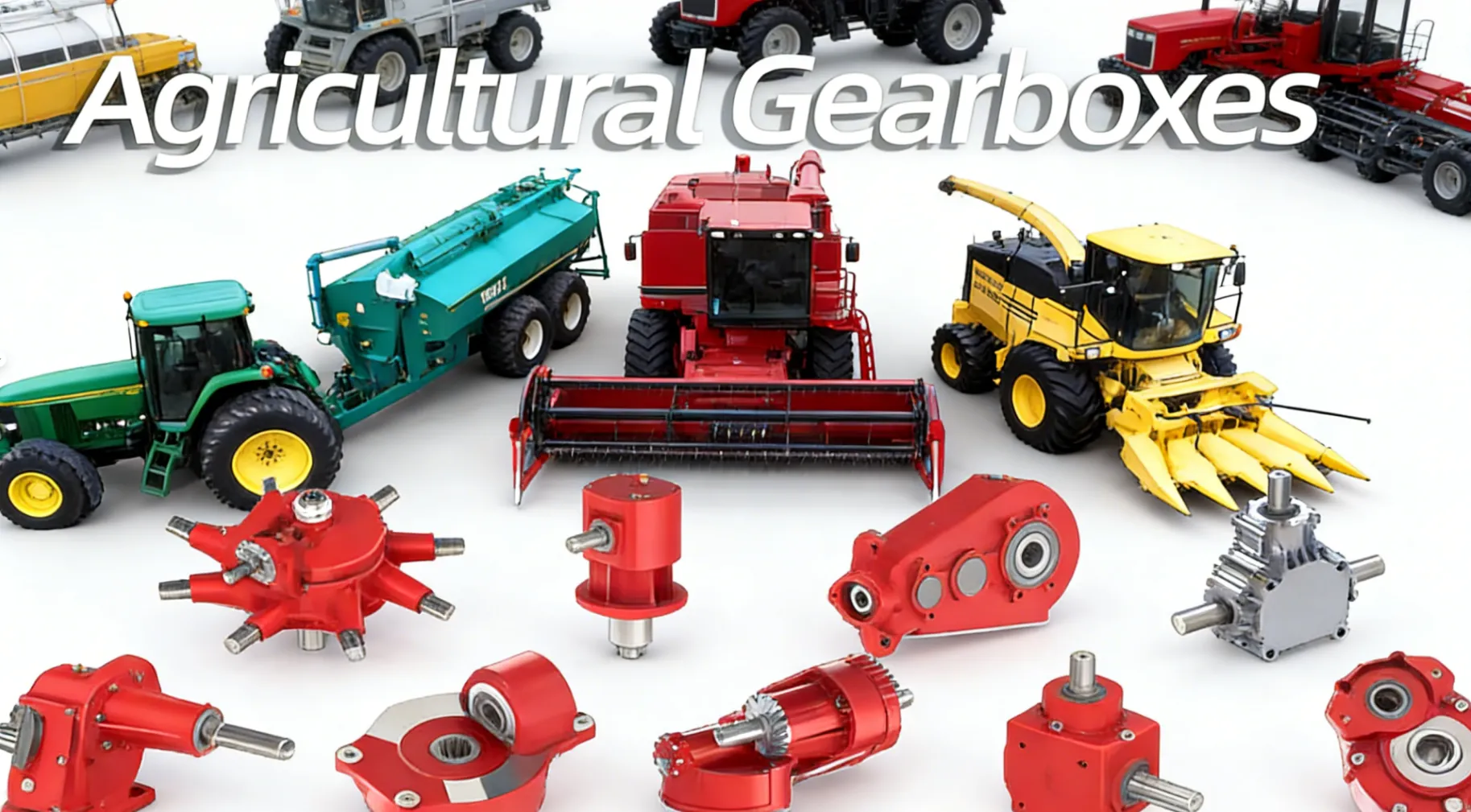
Core Placement and Functionality in Lawn Maintenance Machinery
In Australian riding mowers like the Husqvarna TS 348XD, gearboxes are central to the transaxle unit, positioned under the operator seat to convert engine power to wheel drive. This hydrostatic gearbox uses variable pumps for infinite speed control up to 12 km/h, ideal for maneuvering around trees in suburban Sydney lawns, where tight turns reduce time by 20% compared to manual shifts.
Auxiliary gearboxes drive the mower deck, mounted beneath the cutting blades to transfer power via belts at 3000 RPM. Bevel gear types redirect force 90 degrees, ensuring even blade rotation in thick kikuyu grass common in Queensland, preventing scalping on uneven terrain by maintaining consistent torque under 15% moisture variability.
Steering systems incorporate differential gearboxes for zero-turn models like Toro TimeCutter, placed at the rear axle to allow independent wheel speeds. Worm gear designs provide precise control on slopes up to 15 degrees in Western Australia’s hilly estates, overcoming traction loss from dry soil by distributing power evenly, extending tire life to 500 hours.
Overview of Core Advantages and Applicable Scenarios
Ever-power riding mowers and lawn tractors gearboxes offer superior hydrostatic control and durability, essential for Australia’s expansive turf areas. In New South Wales’ golf courses during summer growth peaks from November to February, these units enable blade speeds of 3500 RPM, cutting 1.5 hectares per hour with 95% uniformity, reducing regrowth issues from uneven trims.
The gearboxes function by modulating fluid pressure to adjust speeds, providing seamless transitions on Victoria’s undulating lawns. This addresses bogging in wet conditions after rain, with overload coefficients of 2.0 protecting internals from sudden loads, saving on repairs equivalent to AUD 300 per incident.
Advantages include 25% lower fuel use through efficient ratios, aligning with Australia’s National Greenhouse Gas Inventory standards. For Tasmania’s cooler climates, corrosion-resistant coatings withstand salt spray, ensuring 6000-hour life, improving operator efficiency in commercial landscaping under Work Health and Safety Act.
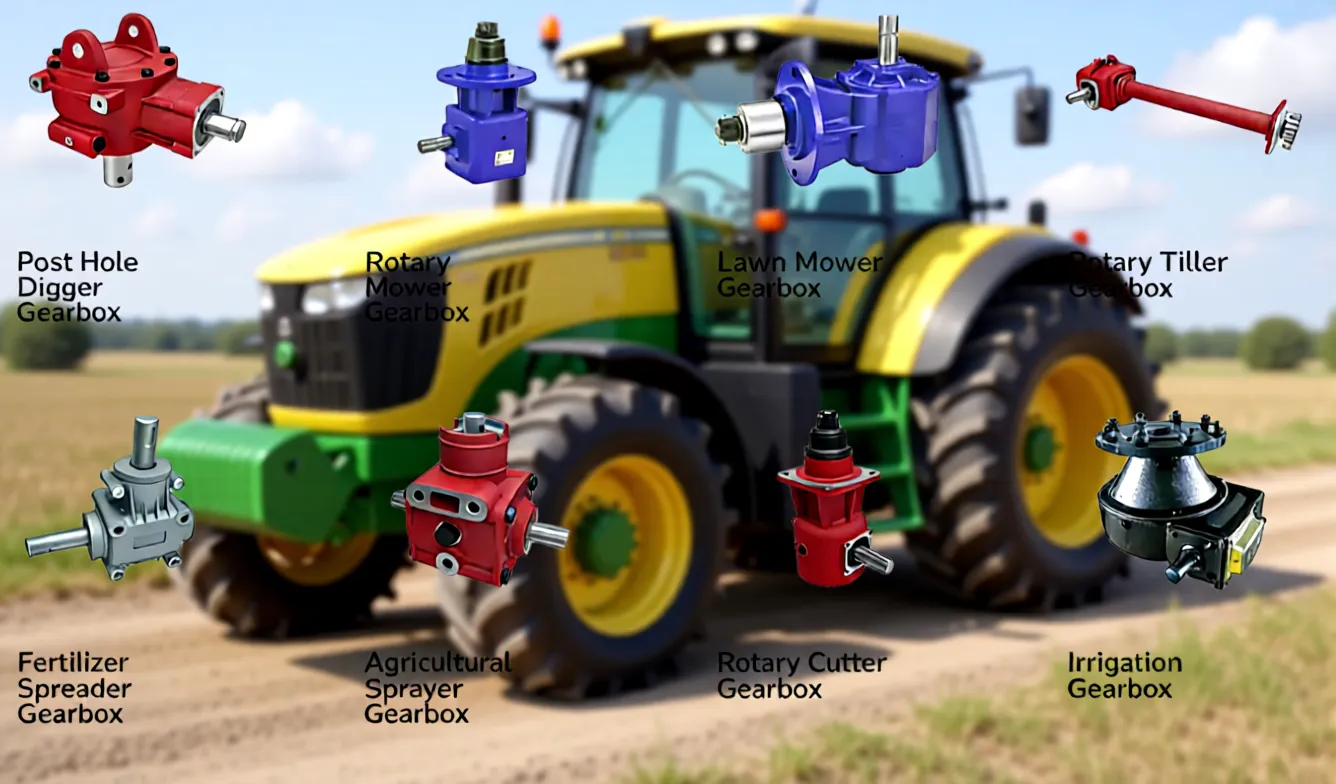
Working Principles and Specific Functions in Turf Equipment
The riding mowers gearbox operates on hydrostatic principles, where engine input drives a pump to pressurize fluid, controlling swash plate angles for variable output to motors. In South Australia’s residential lawns, this setup allows speeds from 0 to 10 km/h, facilitating precise edging around borders without turf damage.
Positioned in the transaxle, the gearbox’s differential locks for traction on slopes, distributing torque evenly in Western Australia’s sandy soils. This function mitigates wheel spin during turns, with vibration thresholds below 0.8 mm/s maintaining comfort over 2-hour sessions.
For lawn tractors in Queensland, gearboxes incorporate gear reductions for attachments like baggers, enabling collection at 5 km/h without power loss, overcoming clogging from humid grass through consistent RPM maintenance.
Performance Requirements to Overcome Operational Challenges
Australian turf maintenance requires gearboxes with high dust resistance for Western Australia’s arid regions during dry seasons. Units need IP65 sealing to prevent ingress of fine particles from eucalyptus clippings, avoiding bearing failures that could stop operations for hours in 40-hectare estates.
In Queensland’s tropical humidity, powder coatings withstand moisture levels up to 90%, sustaining 7000-hour life. Thermal ratings to 45°C handle heat from continuous mows, with aluminum housings dissipating temperatures below 70°C.
For Victoria’s variable slopes, overload factors of 2.2 protect against jams from roots, ensuring compliance with Work Health Safety, while low noise <72 dB minimizes disturbance in urban areas.
Competitor Brand Comparisons and ever-power Advantages
Compared to Hydro-Gear’s transaxles in Cub Cadet, ever-power gearboxes provide better IP65 protection versus IP54, reducing fluid contamination by 25% in NSW rains. While Peerless offers good ratios, ever-power’s 95% efficiency saves 10% fuel in large QLD lawns.
Against Tuff Torq in John Deere, ever-power features internal clutches, simplifying repairs in remote WA sites. EZT models have solid controls, but ever-power’s helical gears run 4 dB quieter, aiding comfort in Victorian suburbs.
Ever-power stands out with AS/NZS 4024-compliant designs. Disclaimer: Comparisons based on public specs; performance varies by application.
Compatible Replacements for Farm Machinery Brands
Ever-power riding mowers gearboxes replace units in Husqvarna TS 348XD for QLD estates, matching Z8 splines. They suit Toro TimeCutter in SA, with identical hydrostatic capabilities.
For Cub Cadet XT1 in NSW, ever-power aligns mounting, enhancing durability. Compatible with John Deere X300 in Victoria, supporting blade drives.
Note: For selection aid, no trademark infringement; verify fitment.
Australia Extreme Operating Conditions Field Study
In Queensland’s coastal tropics during wet seasons (Dec-Jun), gearboxes comply with AS/NZS 4024 for guards against breaks. Neighboring New Zealand’s Health and Safety at Work Act mandates vibration limits.
Key states: NSW (suburban lawns, year-round) needs dust seals; Victoria (golf courses, Nov-Feb) demands low-temp grease. Local brands like Husqvarna use rectangular flanges; ever-power matches.
Papua New Guinea’s Biosecurity Act requires corrosion resistance; ever-power aligns for exports.
Engineer Perspectives: Design Ideology and Innovations
Ever-power’s design starts with analyzing Australian turf types, using FEA to optimize helical profiles against grass abrasion. Innovations include 20CrMnTi gears with nitride for 30% wear reduction in WA sands.
Structural changes cut weight 10%, aiding maneuverability in QLD suburbs. Feedback from NSW users prompted sealed vents, extending intervals to 200 hours, reducing downtime 35%.
Customer Cases and Success Stories
Engineer Note: WA landscaper: “Dust clogged transaxle.” Ever-power solution: IP65 unit with labyrinth; failures dropped 40%. User: “Handles dry turf smoothly—key for estates!” Rating: 5/5.
Engineer Note: QLD client: “Humidity rusted seals.” Installed powder-coated model; life doubled. Feedback: “Reliable in rains—cut maintenance.” Rating: 4.7/5.
Engineer Note: NSW grower: “Vibrations fatigued operator.” Added dampened helical; noise reduced 6 dB. Comment: “Comfortable long shifts.” Rating: 5/5.
Engineer Note: Victorian course: “Slopes caused slips.” Overload upgrade; traction up 20%. User: “Safe on hills.” Rating: 4.9/5.
Engineer Note: SA residential: “Overloads from thick grass.” Clutch integration; no stops in 2 years. Feedback: “Durable for suburbs.” Rating: 5/5.
Industry News and Future Trends
ABC Rural reported Jan 2026 on automation in QLD turf, with AI mowers cutting labor 30%. Turf Magazine noted biosecurity tech in NSW.
Trends forecast electric integration by 2030 for zero-emissions, per EPA guidelines, reducing noise in urban areas.
Indicators for Gearbox Replacement
Grinding noises signal wear after 5000 hours in QLD humidity—replace to avoid breakdowns. Leaks indicate seal failure; in WA dust, causes seizures.
Overheating beyond 45°C points to low fluid; in NSW, monitor during peaks. Increased vibrations over 0.8 mm/s suggest misalignment; address in Victorian winters.
Related Products and System Compatibility
- ✔ PTO Shafts: With guards, telescopic sections, joints for power. Pairs with ever-power. Check CV shafts.
- ✔ Farm Accessories: Blades, belts, bearings, lubrication kits, couplings, cylinders—full compatibility.
- ✔ Turf Machines: Mulchers, aerators with optional gearboxes for one-stop setups.
Ever-power ensures one-station supply, minimizing issues in Australian lawns.
Full Range of Agricultural Gearboxes and Accessories
Ever-power provides complete gearbox lines and accessories for one-stop procurement, sparking interest in streamlined maintenance.
Contact Us and Call to Action
Explore more on our homepage or via contact us.
FAQ
What torque is needed for riding mowers in sloped lawns?
For WA hills, 400 Nm handles 15-degree inclines, ensuring no slippage.
Why does gearbox overheat in summer?
In QLD 35°C, low grease causes friction; check semi-fluid levels seasonally.
When to replace PTO shaft with gearbox?
After 4000 hours if splines wear 10%, especially in NSW for safe drive.
Where to find compatible belts for ever-power?
Ever-power supplies V-belts for seamless integration in Australian mowers.
Who benefits from hydrostatic designs?
Victorian golf courses gain infinite speeds, improving cut quality.
How to ensure AS compliance?
Ever-power includes guards rated AS/NZS 4024, vital for audits.
What maintenance for dust-prone areas?
Clean seals quarterly in SA, using grease for 200-hour intervals.
Why choose helical gears for tractors?
Helical provide quiet operation in Northern Territory, reducing noise.
When vibration indicates problems?
Over 0.8 mm/s signals misalignment; check in QLD wet seasons.
How to integrate with Husqvarna?
Match 4-bolt patterns for direct replacement in NSW lawns.