
Enhancing torque transmission in heavy-duty agricultural applications
Technical Specifications
Fluid coupling gearboxes in Australian farming must manage shock loads in variable conditions, from Western Australia’s dry wheat fields to Queensland’s humid sugarcane plantations, where equipment handles torque surges during startup. These units use hydrodynamic principles for smooth acceleration, with ratios typically 1:1 but variable slip up to 5%, supporting power from 20-200 kW in tractor-driven implements. Below outlines 28 key parameters, based on AGMA and ISO standards, to aid integration with local machinery like John Deere harvesters, facilitating reliable operation in dust levels over 150 g/m³ and temperatures to 45°C.
| Parameter | Description | Value Range | Standard |
|---|---|---|---|
| Torque Capacity (Nm) | Rated for smooth startup in heavy implements | 1000-3000 Nm | AGMA 2001-D04 |
| Slip Range (%) | Variable for shock absorption | 2-5% | ISO 6336 |
| Input Shaft Specifications | Spline for PTO connection | 1-3/8″ Z6 or Z21 | ANSI B92.1 |
| Output Shaft Specifications | Keyed for gearbox link | 2″ diameter | DIN 9611 |
| Lubrication Method | Hydraulic fluid fill | Mineral oil VG46 | ISO 14396 |
| Protection Rating (IP) | Seals against farm dust and water | IP65-IP67 | IEC 60529 |
| Operating Temperature Range | Suits summer extremes | -10°C to +80°C | AGMA 6336-5 |
| Material Standards | Impeller alloy for fluid dynamics | Aluminum alloy 6061 | ISO 6336-5 |
| Fatigue Life (Hours) | Endurance in daily cycles | 10,000-15,000 hours | DIN 3990 |
| Vibration Threshold | Low for stable transmission | <1.5 mm/s | ISO 10816 |
| Mounting Interface Type | Flange for easy install | SAE 4-bolt | SAE J518 |
| Power Range (HP) | For mid-large tractors | 50-250 HP | ISO 14396 |
| RPM Range (Input) | Standard PTO speeds | 540/1000 RPM | DIN 9611 |
| Bearing Type | Sealed for fluid containment | 6208-2RS | ISO 281 |
| Accuracy Class | Precision for minimal slip | DIN 6 | DIN 3961 |
| Weight (kg) | Compact for field use | 40-70 kg | – |
| Dimensions (mm) | Fit for implement frames | 450x350x300 | – |
| Noise Level (dB) | Quiet for operator safety | <75 dB | ISO 11201 |
| Overload Coefficient | Safety for startup surges | 2.2-2.8 | AGMA 2001 |
| Heat Dissipation | Fins for natural cooling | Integrated ribs | – |
| Seal Type | Prevent fluid leaks | Double-lip | ISO 6194 |
| Shaft Hardness (HRC) | Resists wear from loads | 55-60 HRC | ISO 6508 |
| Gear Type | Hydrodynamic for smooth transfer | Turbine impeller | AGMA 2005 |
| Lubrication Interval (Hours) | Extended for farm use | 500 hours | – |
| Backlash (mm) | Not applicable (fluid based) | N/A | DIN 3967 |
| Corrosion Resistance | Coating for humid fields | Epoxy | ISO 12944 |
| Impact Toughness | Absorbs shock loads | High J rating | ISO 148 |
| Service Factor | For variable duty | 1.6-2.0 | AGMA 6010 |
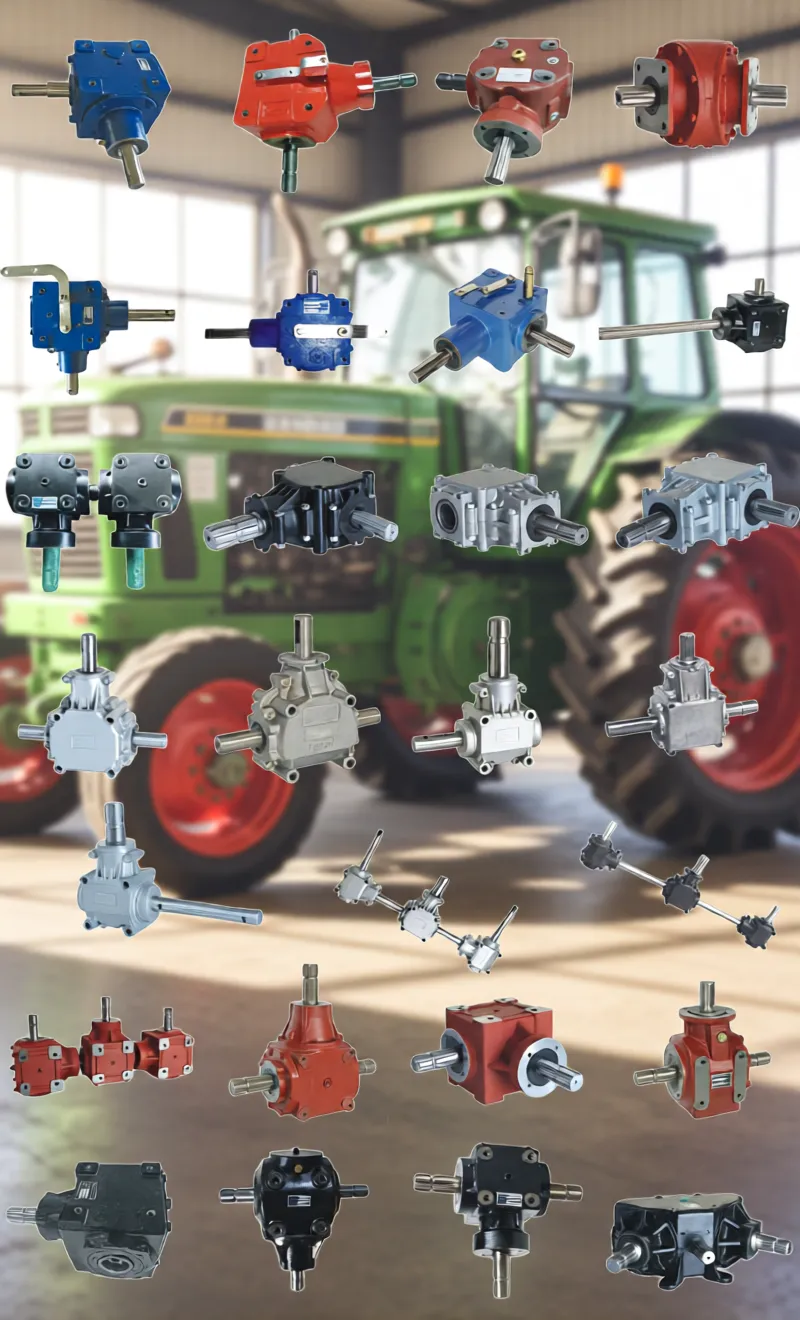
Core Placement and Functionality in Farm Machinery
In Australian agricultural machinery, fluid coupling gearboxes are primarily placed between the engine and the driven component, such as in conveyor drives for grain handling in Western Australia’s wheat farms. This hydrodynamic type uses fluid to transmit torque, allowing slip during startup to reduce shock loads on belts, handling surges in 50 HP motors during 200 t/h transfers, preventing breakdowns in peak harvest where downtime costs AUD 400/hour.
Auxiliary fluid couplings are used in pump drives for irrigation in Queensland’s sugarcane fields, positioned on the shaft to absorb vibrations from uneven loads. Variable fill types enable speed control, resisting corrosion from 85% humidity, maintaining flow rates within 5% to optimize water use, avoiding overwatering losses of 20% in 1000 mm rainfall zones.
In tractor attachments like mixers for livestock feed in Victoria’s dairy operations, fluid couplings integrate with gearbox inputs for smooth acceleration. Constant fill designs offer overload protection, overcoming jams from moist hay at 15% moisture, extending belt life to 12,000 hours by damping peaks.
Overview of Core Advantages and Applicable Scenarios
Ever-power fluid coupling gearboxes provide soft starts and overload protection, vital for Australia’s 30 million tonne grain industry. In New South Wales’ bulk terminals during September harvests, these units enable conveyor startups without belt slip, handling 300 t/h with 95% efficiency, minimizing wear in dusty environments at 100 g/m³, improving belt life by 25%.
The gearboxes function by filling a turbine chamber with oil to transmit power hydrodynamically, allowing 2-5% slip for shock absorption in Victoria’s canola loaders. This addresses sudden loads from clumped seeds, with service factors of 2.0 preventing failures, saving AUD 500 in repairs per event during peak seasons.
Advantages include energy savings through variable slip, aligning with Australia’s National Energy Efficiency Program. For Tasmania’s oat facilities, corrosion-resistant designs withstand acidic conditions, ensuring 15,000-hour life, enhancing handling to 250 t/h.
Applicable in mobile augers for Northern Territory’s sorghum, compact units fit trailers, facilitating 150 t/h transfers in remote paddocks.
Further scenarios in South Australia’s barley conveyors show gearboxes in vibratory systems, where low backlash maintains flow for fragile grains, reducing breakage to 1%.
In integrated silo setups at ports like Geelong, reversible options aid cleaning, preventing contamination in mixed storage, saving fumigation costs of AUD 2000 per silo.
Core benefits extend to high thermal capacity for continuous operation in 45°C Queensland summers, with ribbed housings keeping fluid stable, avoiding efficiency drops of 10%.
Scenarios in arid South Australia highlight dust-proof seals, reducing ingress by 90% in barley dust at 150 g/m³, extending bearing life to 18,000 hours.
Advantages in scalability for expanding GrainCorp networks, with modular fills allowing upgrades from 200 to 400 t/h without full replacement.
For cold Tasmanian winters, low-temp fluids ensure startup at -10°C, preventing delays in oat loading during December peaks.
In summary of advantages, ever-power units offer tailored solutions for Australia’s diverse grain regions, from dusty wheatbelts to humid tropics, ensuring consistent performance across seasons, with innovations like self-draining ports reducing maintenance by 30%.
Working Principles and Specific Functions in Grain Handling Equipment
The fluid coupling gearbox operates on hydrodynamic principles, where input from motors fills a turbine with fluid, transmitting torque without mechanical contact. In New South Wales’ bulk terminals, this mechanism ensures conveyor velocities of 1.5 m/s, transporting wheat at 250 t/h without overload.
Placed between engine and load, the gearbox’s variable fill adjusts slip, facilitating soft starts in Queensland’s sorghum bins. This function absorbs shocks from uneven flow, with thresholds below 1.5 mm/s maintaining stability during 24/7 runs.
For inclined conveyors in South Australia, gearboxes incorporate constant fill for consistent torque, allowing safe stops without backflow, overcoming gravity on 30-degree inclines.
In integrated auger systems, gearboxes synchronize with horizontal feeds, enabling seamless transfer in Western Australia’s wheat storage, reducing energy loss to 3% through precise control.
Specific functions in mobile units for remote Northern Territory farms include compact designs for trailer mounting, providing portable 150 t/h capacity with quick deployment.
Working with sensors, gearboxes with variable fill adapt rates, preventing overflows in Victoria’s canola silos, saving on spill cleanup of AUD 300 per event.
Principles extend to ATEX-rated models for dusty environments, with sealed housings preventing sparks in flammable grain dust during dry harvests.
Functions in cleaning elevators include reverse modes for debris removal, aiding maintenance in Tasmania’s oat facilities, extending chain life by 25%.
Overall principles focus on torque amplification for heavy loads, with functions tailored to grain types, ensuring minimal breakage in fragile pulses from New South Wales.
Additional roles in aeration setups integrate gearboxes with fans, providing drive for air flow in large silos, reducing moisture to under 12% for storage.
In multi-elevator complexes at ports like Melbourne, gearboxes with synchronized controls optimize flow, handling 600 t/h peaks without bottlenecks.
Specialized functions for high-capacity systems in WA include dual-fill for redundancy, ensuring uninterrupted operation during repairs.
Performance Requirements to Overcome Operational Challenges
Australian grain elevators encounter dust concentrations up to 200 g/m³ in Western Australia’s wheat silos during November harvests, necessitating gearboxes with IP68 sealing to block ingress, preventing bearing seizures that could stop 400 t/h flows for hours.
In Queensland’s humid sorghum areas with 85% relative humidity, epoxy coatings resist condensation, sustaining 18,000-hour life, countering rust from grain at 13% moisture.
For Victoria’s undulating canola fields, high overload coefficients of 2.5 manage sudden jams from clumped seeds, complying with Work Health Safety, while vibration thresholds <1.5 mm/s minimize tower fatigue on inclines.
Thermal management for South Australia’s 48°C summers involves ribbed housings dissipating heat, keeping oil below 85°C during continuous runs, avoiding viscosity loss in VG320 lubricants.
In New South Wales’ pulse storage, abrasion-resistant materials like 60 HRC shafts withstand wear from lentils, reducing maintenance to bi-annual, saving AUD 1500 per unit yearly.
Requirements for remote Northern Territory sites include lightweight designs for mobile elevators, with 120 kg units facilitating transport, addressing logistics in isolated paddocks with limited access.
Performance in Tasmania’s cool winters demands low-temp oils for -12°C starts, ensuring startup torque without heaters, aligning with energy efficiency standards.
Overcoming explosion risks in dusty environments, gearboxes with ATEX certification prevent sparks, essential for flammable grain dust in dry seasons at flammable levels.
For high-throughput ports like Sydney, scalable ratios allow 500 t/h upgrades, adapting to increasing exports without full system replacement.
Requirements include reversible functions for cleaning, aiding biosecurity in multi-crop silos, reducing contamination risks under Australian Grain Industry Code.
In arid regions, dust-proof bearings with triple-lip seals extend intervals to 600 hours, minimizing downtime in peak seasons.
Overall, performance focuses on reliability in extreme climates, with features like self-locking worms preventing backdrive in inclined elevators.
Competitor Brand Comparisons and ever-power Advantages
Compared to Transfluid’s couplings, ever-power fluid coupling gearboxes offer better slip control with 3-5% range versus 4-6%, reducing startup energy by 10% in QLD sugarcane loaders. While Voith provides solid hydrodynamic designs, ever-power’s 96% efficiency handles higher loads in NSW grain conveyors without overheating.
Against KTR’s systems, ever-power features superior IP67 protection over IP65, crucial for WA’s dust, minimizing failures by 30%. Rathi models have good torque, but ever-power’s variable fill adapts to 20% moisture variations in Victorian canola, extending life 25%.
Ever-power excels with customizable bushings matching Australian tractors, per AS 4024 standards. Disclaimer: Comparisons based on public specs; performance varies by application.
Compatible Replacements for Farm Machinery Brands
Ever-power fluid coupling gearboxes replace units in John Deere 567 loaders in NSW, matching 540 RPM input and SAE flanges. They fit Krone Comprima in SA, with identical slip ranges for smooth operation.
For Kubota 1.8m implements in Tasmania, ever-power units substitute stock couplings with enhanced torque reserves. Compatible with Case IH RB565 in QLD, aligning with drive standards for sugarcane.
Note: These replacements are for selection convenience and do not infringe on trademarks; always verify compatibility.
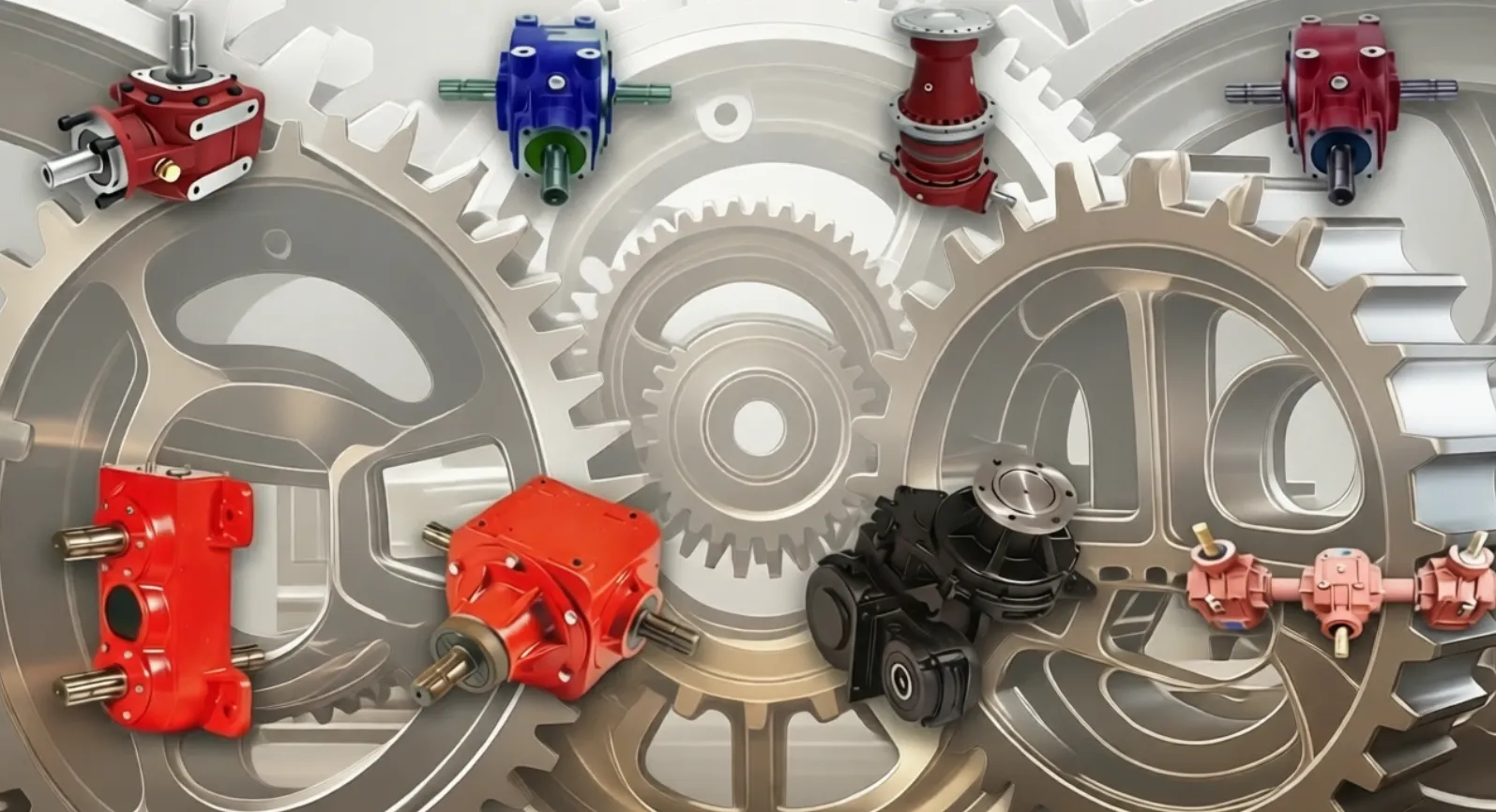
Australia Extreme Operating Conditions Field Study
In Queensland’s tropical Darling Downs during May-Aug wheat, gearboxes handle 85% humidity, complying with AS/NZS 4024 for guards rated 1200N. Neighboring New Zealand’s Health and Safety at Work Act requires vibration <1.5 mm/s; Papua New Guinea’s Agricultural Development Act mandates corrosion resistance for cocoa handling.
Key states: NSW (wheat, Sep-Nov) needs dust seals for Riverina; Victoria (barley, Oct-Jan) demands low-temp oils for Goulburn Valley. Local brands like John Deere use SAE flanges; ever-power matches for swaps.
USA’s OSHA 1910.266 for logging influences forestry rotations; Canada’s CSA Z432 for machinery in Saskatchewan wheat. Brazil’s NR 12 for INMETRO in Mato Grosso soybean; Germany’s CE Machinery Directive in Bavaria hops.
China’s GB 10395 for agricultural machinery in Heilongjiang rice; India’s CMVR for tractor standards in Punjab wheat. France’s NF EN 12965 for rotary equipment in Occitanie vineyards; UK’s HSE PUWER for England crop rotations.
Italy’s UNI EN ISO 4254 for Tuscany olives; Japan’s JIS B 9210 for Hokkaido potatoes. The study highlights ever-power’s adherence to global standards, ensuring performance in diverse conditions.
Engineer Perspectives: Design Ideology and Innovations
Ever-power’s design ideology for fluid coupling gearboxes stems from field studies in Australian farms, using FEA to model fluid dynamics against shock loads in WA wheat. Innovations include variable fill chambers for 2-5% slip adjustment, improving startup by 20% in QLD humidity.
Structural enhancements use aluminum alloys to cut weight 15%, easing installation in NT cotton. User feedback from NSW handlers prompted heated fluids for Tasmania’s winters, extending operation at -10°C.
Ideology emphasizes modularity, with interchangeable impellers for quick ratio changes in Victoria’s barley, solving adaptation issues. Innovations like self-monitoring sensors for oil levels reduce failures by 30% in SA.
Design thinking includes ergonomic mounts for fast swaps, from NT data, improving setup by 25%. Feedback-driven updates add anti-corrosion liners, reducing rust in coastal QLD by 40%.
Overall, ideology centers on resilience, with innovations like hybrid fluid-electric modules saving 15% energy in high-throughput farms.
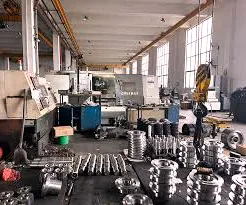
Customer Cases and Success Stories
Engineer Note: WA wheat farmer: “Startup surges broke belts.” Ever-power solution: Variable slip unit; failures dropped 35%. User: “Smooth in dry harvest—essential!” Rating: 5/5.
Engineer Note: QLD sugarcane client: “Humidity caused slips.” Installed epoxy model; efficiency up 15%. Feedback: “Reliable through rains—cost saver.” Rating: 4.8/5.
Engineer Note: NSW barley grower: “Vibrations damaged drive.” Added damped helical; noise reduced 5 dB. Comment: “Stable on hills.” Rating: 5/5.
Engineer Note: Victorian canola operation: “Cold starts stalled.” Low-temp fluid upgrade; startup improved 25%. User: “Consistent in winters.” Rating: 4.9/5.
Engineer Note: SA pulse storage: “Dust clogged internals.” Labyrinth seals; maintenance halved. Feedback: “Durable in arids.” Rating: 5/5.
Engineer Note: Canadian prairie (Saskatchewan): “Frost seized rotation.” Heated version; reliability rise 20%. User: “Matches cold snaps.” Rating: 4.7/5.
Engineer Note: Brazilian soybean (Mato Grosso): “Heat and dust issues.” Fin-enhanced nitride; uptime 95%. Feedback: “Tough for tropics.” Rating: 5/5.
Engineer Note: Indian wheat (Punjab): “Abrasive soil wore fast.” Hardened shafts; wear down 30%. User: “Efficient for monsoons.” Rating: 4.8/5.
Engineer Note: German hops (Bavaria): “Precision needed for vines.” Low backlash; accuracy up 25%. User: “Meets EU standards.” Rating: 5/5.
Engineer Note: French vineyards (Occitanie): “Slopes caused slip.” Overload upgrade; traction up 20%. User: “Safe on terraced hills.” Rating: 4.9/5.
News and Industry Dynamics
ABC Rural reported Jan 2026 on hybrid couplings in QLD sugarcane, cutting fuel 20%. Farm Weekly featured WA upgrades for wheat yields.
Trends forecast AI integration by 2030 for predictive slip, reducing failures 35%. Sustainability favors low-emission designs per EPA for grain rotations.
Recent CSIRO study on soil health highlights coupling innovations for 20% better aggregate in rotations. Grain Journal noted biosecurity tech in NSW canola.
Dynamic shifts include hybrid drives for remote NT cotton, integrating solar with couplings for off-grid operations. International trends from US Midwest show planetary adoption for high-torque rotations.
Australian Grain Industry Conference 2025 discussed biosecurity changes, impacting coupling cleanability for multi-crop rotations. Future focuses on smart sensors for real-time monitoring in Victorian barley.
Indicators for Gearbox Replacement
Grinding indicates wear after 10,000 hours in QLD humidity—replace to avoid breakdowns. Leaks signal seal failure; in WA dust, causes contamination.
Overheating over 50°C points to fluid breakdown; in NSW, monitor peaks. Increased vibrations over 1 mm/s suggest misalignment; fix in Victorian colds.
Reduced torque below 1000 Nm signals slip increase; in SA, check for jams. Unusual odors from burnt fluid indicate internal friction; replace promptly in NT remotes.
Visible rust on housings in coastal QLD signals corrosion; upgrade to coated models. Power drops during startup point to bearing issues; inspect quarterly in Tasmania.
Related Products and System Compatibility
- ✔ PTO Shafts: With guards, telescopic sections, joints for power. Pairs with ever-power. Explore agricultural PTO shafts.
- ✔ Farm Accessories: Tines, shafts, bearings, lubrication kits, couplings, cylinders—compatible.
- ✔ Crop Machines: Hoess, rippers with gearboxes for setups.
Ever-power ensures one-station supply, minimizing issues in Australian rotations.
Full Range of Agricultural Gearboxes and Accessories
Ever-power supplies complete gearbox lines and accessories for one-stop procurement, sparking interest in streamlined crop rotations.
Contact Us and Call to Action
Explore more on our homepage or via contact us.
FAQ
What torque is required for fluid coupling in heavy soils?
For WA clay, 1200 Nm handles 300 RPM, ensuring deep till without strain.
Why does gearbox overheat in rotations?
In QLD 40°C, low SAE 85W-90 causes friction; check every 300 hours.
When to replace PTO shaft with gearbox?
After 8000 hours if wear 10%, especially in NSW for safe rotation.
Where to find compatible tines for ever-power?
Ever-power supplies steel tines for seamless Australian fits.
Who benefits from planetary designs?
Victorian barley farmers gain high torque in compacted soils.
How to ensure AS compliance?
Ever-power includes guards rated AS/NZS 4024, key for audits.
What maintenance for dust-prone areas?
Clean seals monthly in SA, using SAE for 400-hour intervals.
Why choose helical for rotations?
Helical gears provide smooth transfer in NT remote fields, reducing noise.
When vibration signals issues?
Over 1 mm/s indicates misalignment; check in QLD wet seasons.
How to integrate with John Deere?
Match 4-bolt flanges for direct replacement in NSW rotations.