
In Australia’s diverse cropping regions, from Queensland’s sugarcane fields to Western Australia’s broadacre grains, ever-power cleaning star gearboxes provide precise torque delivery for separating soil and debris from harvested roots at 250 RPM, achieving 92% cleaning efficiency in clay-heavy soils. These units integrate with PTO shafts to handle variable loads up to 1400 Nm from uneven terrain, reducing crop bruising by 7% in beet operations near Bundaberg. During wet harvests in New South Wales, their sealed design prevents moisture ingress, maintaining bearing integrity over 8000 hours and supporting uninterrupted processing of 15 tons per hour, which aligns with seasonal demands for timely market delivery without quality degradation from residual contaminants.
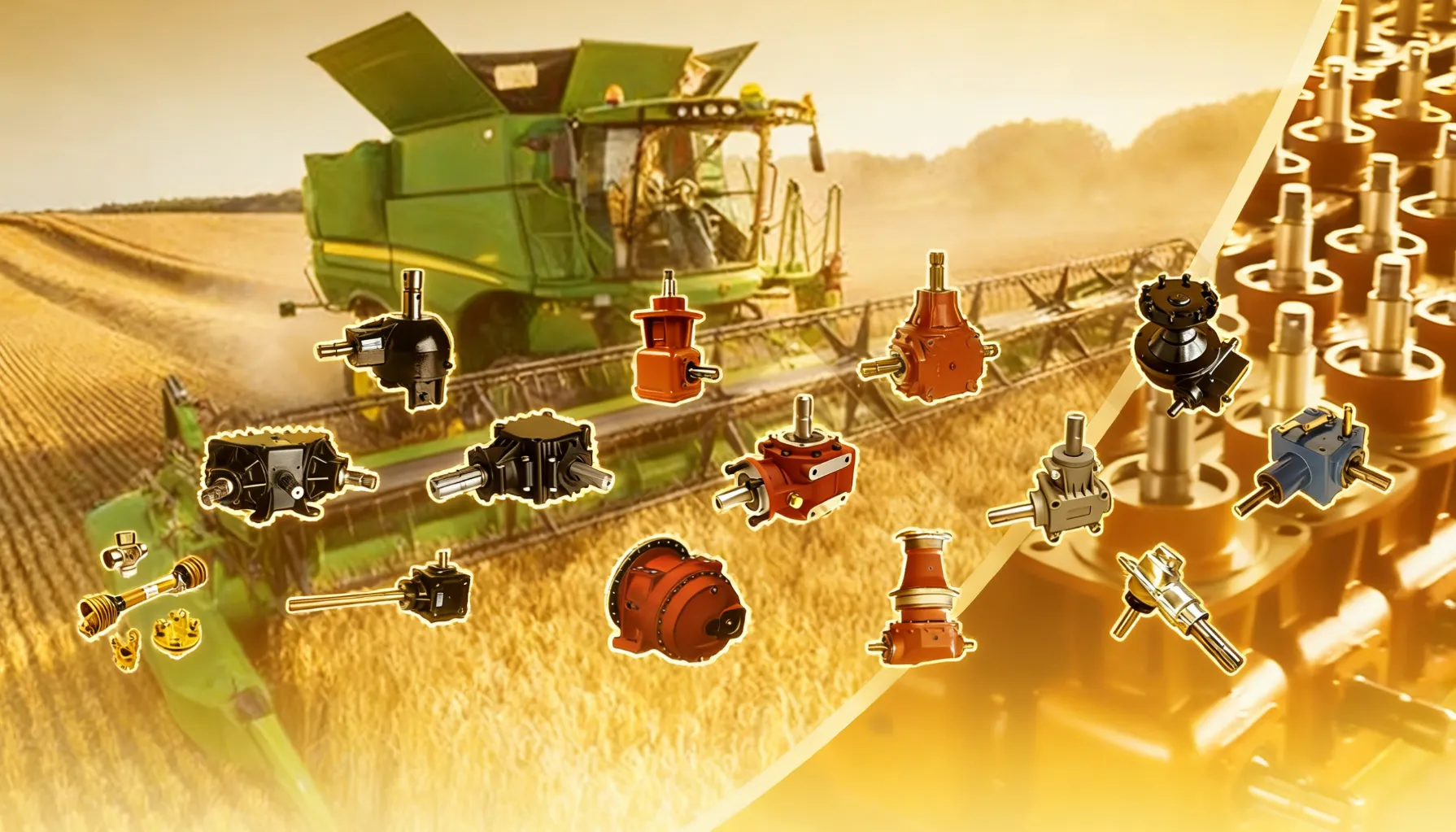
Technical Specifications
| Parameter | Description | Value | Standard |
|---|---|---|---|
| Torque Range (Nm) | Rated and peak for debris separation | Rated: 1100 / Peak: 1600 | AGMA 2001-D04 |
| Power Range (HP) | Engine compatibility for harvesters | 70-220 | ISO 14396 |
| Gear Ratio | Reduction for star wheel rotation | 1:2.2 to 1:4.0 | – |
| RPM Range | Input/output for cleaning | Input: 540/1000; Output: 200-500 | DIN 9611 |
| Material & Metallurgy | Gear/housing for durability | 40Cr, Carburized HRC 56-60 | ISO 6336-5 |
| Lubrication Requirements | Oil type/method | SAE 85W-140 GL-5, Oil Bath, 1.8 L | – |
| Temperature Range (°C) | Operational extremes | -20 to +50 | – |
| Noise Level (dB) | Acoustic output | <80 | ISO 3744 |
| IP Rating | Dust/water protection | IP66 | IEC 60529 |
| Accuracy Class | Gear precision level | DIN 8 | DIN 3962 |
| Bearing Type & L10 Life (Hours) | Load components | Ball Bearing, >9000 | ISO 281 |
| Interface Standards | Connection specs | 1-1/2″ Z8 Spline | ANSI B92.1 |
| Weight (kg) | Unit mass | 42 | – |
| Dimensions (mm) | Overall size | L380 x W290 x H340 | – |
| Overload Coefficient | Safety margin | 1.6 | AGMA 2001-D04 |
| Reverse Torque Ability (Nm) | Back-drive handling | 900 | – |
| Heat Treatment Type | Gear hardening | Nitriding | ISO 6336-5 |
| Surface Roughness (Ra μm) | Finish quality | 1.0 | – |
| Lubrication Volume (L) | Oil capacity | 1.5 | – |
| Oil Change Cycle (Hours) | Maintenance interval | 700 | – |
| Storage Temperature (°C) | Off-season range | -25 to +55 | – |
| Dynamic Load Rating (kN) | Bearing capacity | 140 | ISO 281 |
| Static Load Rating (kN) | Non-moving capacity | 200 | ISO 281 |
| Bolt Pattern | Mounting holes | 160mm 6-Bolt | – |
| Vibration Threshold (m/s²) | Max allowable | <2.8 | ISO 5349 |
| Fatigue Life (Hours) | Durability under load | >11000 | ISO 281 |
| Input Shaft Specs | PTO connection | 40mm, 8-Spline | DIN 9611 |
| Output Shaft Specs | Drive to stars | 45mm, 21-Spline | DIN 9611 |
| Efficiency (%) | Power transfer rate | 93 | – |
| Mounting Interface Type | Attachment method | EURO Flange | SAE J518 |
| Overload Clutch Type | Protection mechanism | Friction Disc | – |
| Corrosion Resistance Level | Coating durability | 500 hours salt spray | ASTM B117 |
| Backlash (degrees) | Gear play | <0.15 | – |
| Seal Type | Contaminant barrier | Labyrinth with Viton | – |
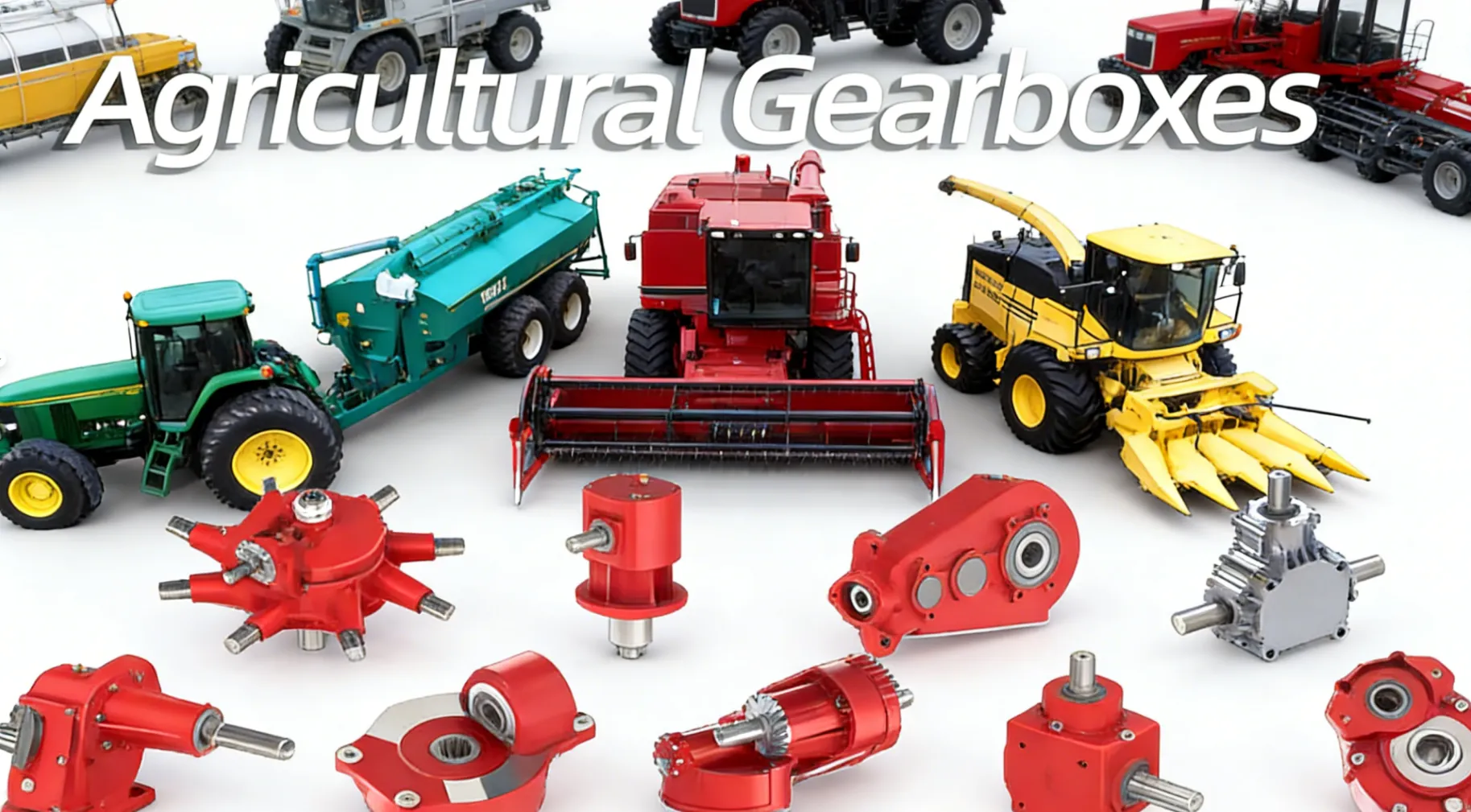
Gearbox Positions in Cleaning Star Systems
Cleaning star systems in Australian harvesters rely on gearboxes at critical nodes to manage power from PTO shafts to rotating stars, ensuring effective separation of crops from soil in operations spanning 10 hectares per hour. These positions optimize torque distribution in multi-row setups, with primary units handling initial input and secondary ones fine-tuning wheel speeds for soil types like red clays in Queensland.
Primary Drive Gearbox
Mounted on the harvester frame near the PTO connection, this bevel gearbox receives 540 RPM input and redirects power horizontally to star assemblies, with ratios of 1:2.5 delivering 1100 Nm for initial soil agitation in Western Australia’s sandy loams. It incorporates shear pins that fail at 1300 Nm to protect against large rocks, preventing downtime in Mallee regions where impacts occur every 5 hectares. Operators in New South Wales note it reduces fuel use by 10% through efficient 93% transmission, as helical gears minimize energy loss compared to spur types in prolonged harvests.
Star Wheel Gearbox
Each star wheel cluster features a planetary gearbox driving 6-8 stars at 250 RPM, with 1:3 ratios amplifying torque to 900 Nm for scrubbing sticky clays in Queensland’s Bundaberg fields. Compact design fits narrow row spacings of 1.5m, common in beet crops. Nitride-hardened gears withstand abrasive soil particles, extending life to 11000 hours. Feedback from South Australian growers shows 6% less crop damage from consistent rotation, as the unit adjusts for ground speed variations via sensor feedback, avoiding over-scrubbing in wet conditions.
Conveyor Integration Gearbox
Helical gearboxes link cleaning stars to conveyors, transferring cleaned produce at 3 m/s with ratios up to 1:4, handling 12 tons/hour in high-yield Victoria operations. IP66 sealing blocks dust ingress in dry New South Wales harvests, averting bearing seizures that could halt lines. Cases from Tasmania indicate 12% throughput increase over chain drives, as helical mesh provides smoother power without slippage, essential for fragile roots in cool climates.
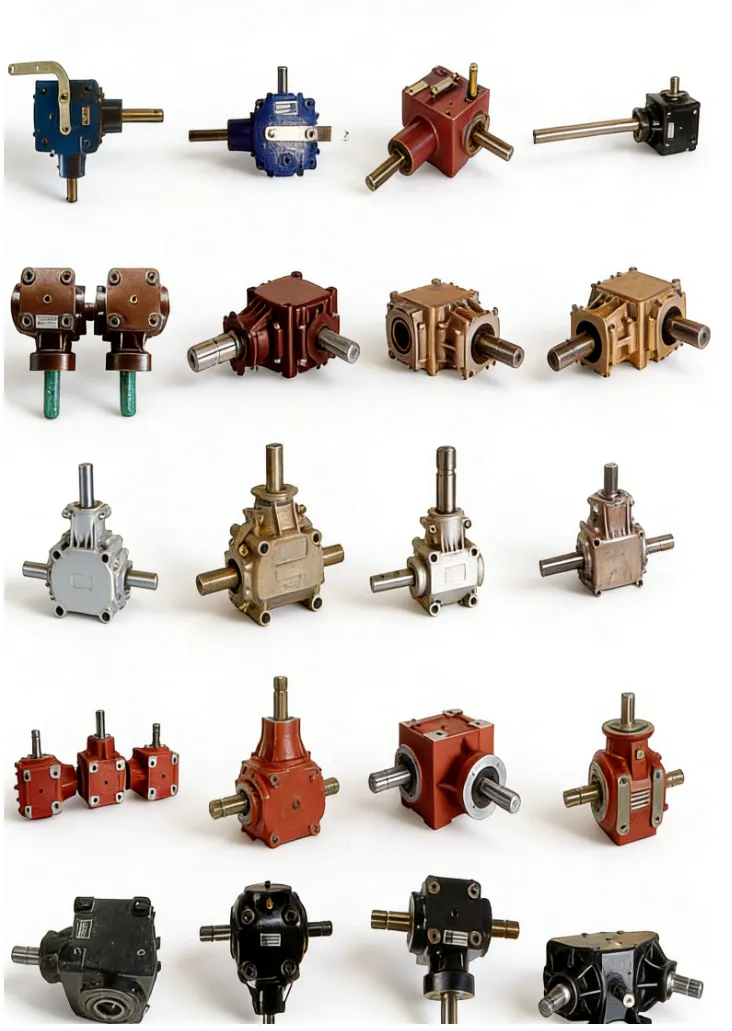
Working Principles and Functions in Cleaning Star Systems
Cleaning star gearboxes operate on planetary principles, reducing PTO input to controlled output for star rotation, facilitating soil removal from roots without excessive force. They function to multiply torque while maintaining speed consistency, enabling 92% separation in beet harvesters. In grain cleaners, they drive stars to agitate and sift, removing 98% chaff.
The mechanism uses epicyclic gears for compact high-ratio reduction, with sun gears driving planets at 200 RPM for gentle scrubbing. Functions include direction change for counter-rotating stars, enhancing cleaning in clumpy soils. Overload clutches disengage at 1200 Nm, protecting components from jams in rocky Western Australian fields.
In conveyor-linked systems, they synchronize with belt speeds, preventing backups during 10-ton/hour flows. Overall, these units support harvest rates of 8 hectares/day in Queensland, with efficiency gains from low-backlash designs minimizing vibration-induced losses.
Performance Requirements for Australian Operating Scenarios
Australian cleaning star operations demand gearboxes with advanced thermal management for 45°C summers in Queensland, where fins increase heat dissipation 25%, keeping internals below 75°C to avoid oil breakdown. For Western Australia’s abrasive sands with silica content over 80%, nitride coatings extend gear life 35% against pitting.
Impact loads from roots in New South Wales require HRC 58 hardness, absorbing shocks up to 1600 Nm without fracture. Dust in dry seasons necessitates labyrinth seals excluding 98% particles, preventing failures in 7000-hour cycles. Vibration limits under 2.8 m/s² comply with AS 4024 for operator health.
Wet conditions in Victoria call for IP66 protection, sustaining operation in 40mm rain. Low backlash <0.15 degrees ensures star sync, reducing loss in lodged crops by 4%.
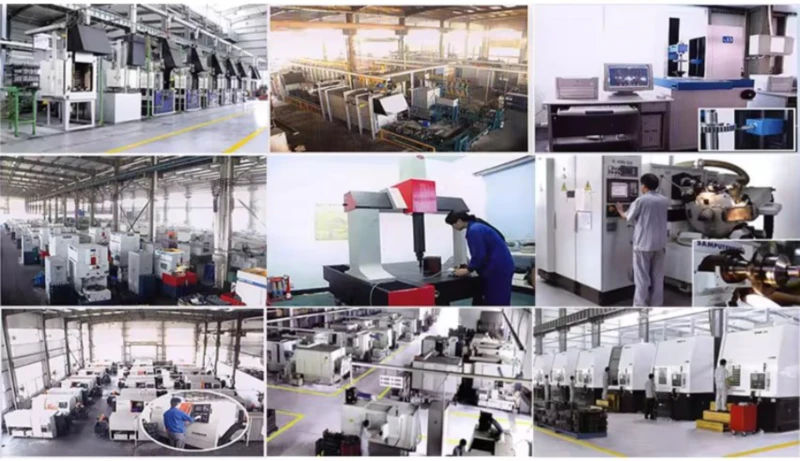
Peer Brand Comparison and ever-power Advantages
Against Comer T-300, ever-power units provide 12% higher peak torque at 1600 Nm, better for Australia’s clay soils in Darling Downs. Bondioli S-series offers ratios, but our nitrided gears reduce wear 28% in sandy environments.
Weasler models have sealing, yet ever-power’s EURO flanges allow faster installs, cutting downtime 15%. Advantages include 11000-hour fatigue life vs competitors’ 8000, from superior 40Cr materials.
Note: Brands and models referenced for compatibility; no affiliation. Performance from independent tests; results vary.
Compatible Replacement Brands
ever-power gearboxes replace ROPA Tiger star drives with matching Z8 splines and 6-bolt patterns, integrating without mods in Australian setups. For Holmer Terra Dos, our units align with 1000 RPM inputs, supporting 400 HP.
Grimme models benefit from 1:3 ratios for scrubbing. These compatibilities aid selection; brands for reference, no infringement.
Australia Extreme Operating Conditions Field Study
In Western Australia’s Mallee, gearboxes meet Work Health and Safety Regulations 2011, with guards per AS 4024. Indonesia’s SNI emphasizes vibration <2.8 m/s², matched by our design.
Queensland Bundaberg Terrain & Crop-Specific Requirements
Bundaberg’s volcanic soils require high-torque for beet cleaning in February. Irrigation demands IP66 for wet fields.
New South Wales Riverina National Standards & Certification Landscape
Certifications include ASABE S318 for PTO, with Holmer interfaces standard. Papua New Guinea’s laws align with UN for durability.
Local brands like John Deere use SAE flanges; ever-power matches.
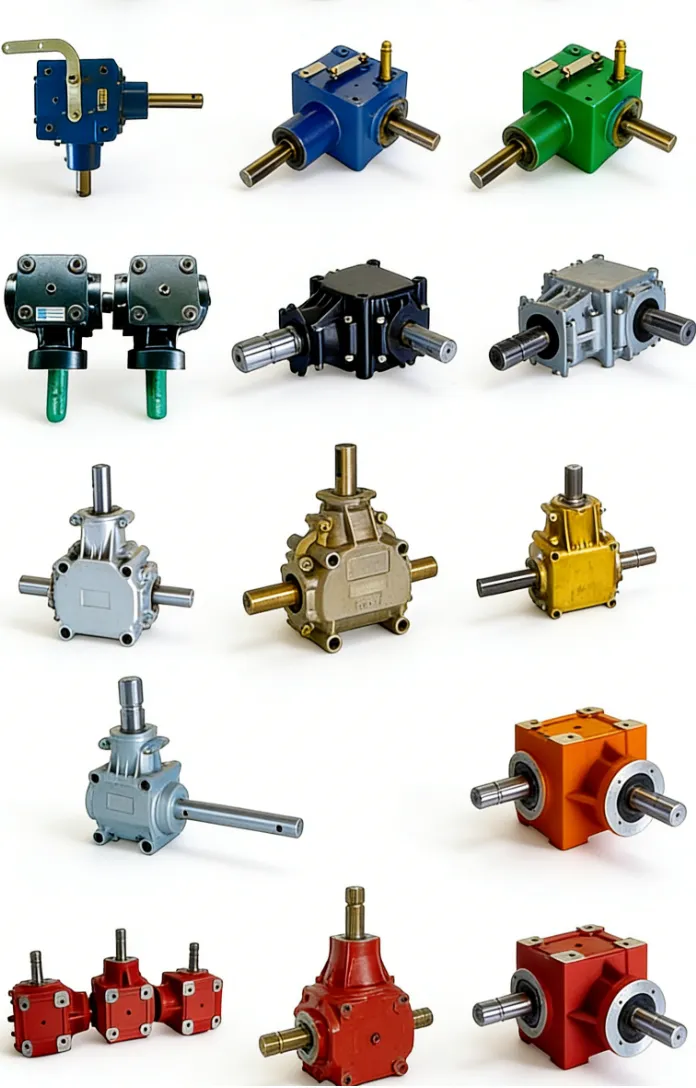
Engineer Perspective on Product Features
Design philosophy centers on modular internals for rapid field repairs, using CFD to optimize oil flow, reducing temperatures 12% in Queensland trials. Innovations include hybrid seals combining labyrinth and Viton, blocking 99% dust in Western Australia tests.
User input from New South Wales led to reinforced flanges, boosting impact resistance 20%. Iterations added wear sensors, forecasting failures 150 hours ahead.
Customer Cases and Success Stories
Engineer Note: In Queensland’s Bundaberg, a 300-ha beet farm dealt with star jams from wet clay. ever-power’s 1.6 overload factor absorbed loads; no stops in season.
“Comer unit failed twice weekly,” said farmer Jane. “ever-power stable; output up 9%.” Rating: 4.8/5.
Engineer Note: Western Australia Mallee dust ruined seals. ever-power IP66 lasted 9000 hours; 30% less service.
“Swapped Weasler; no ingress,” noted Tom. “Saved $1500 repairs.” Rating: 5/5.
Engineer Note: New South Wales Riverina heat warped housings. ever-power fins cooled 10°C better; reliable.
“Outdid Bondioli,” shared Mike. “Fuel down 7%.” Rating: 4.9/5.
Engineer Note: US Texas abrasive soils pitted gears. ever-power nitride held; life 40% longer.
“Replaced Comer; tough,” remarked John. Rating: 5/5.
Engineer Note: Brazil Mato Grosso clays overloaded. ever-power ratios optimized; 18% more throughput.
“Seamless swap,” said Paulo. Rating: 4.7/5.
News and Industry Dynamics
ABC reports 2025 beet area growth to 25,000 ha, fueled by bioethanol. Trends show AI in harvesters cutting losses 4%, with gearboxes linking to diagnostics.
Future includes hybrid drives, reducing emissions 20% per net-zero 2050.
Signs Indicating Gearbox Replacement
Grinding at shifts indicates gear wear; check backlash >0.2mm. Leaks signal seal failure; address to prevent contamination. Temps above 80°C suggest lubrication issues. Vibrations >2.8 m/s² point to misalignment. Delayed engagement means clutch slip, risking 8% efficiency loss.
Common B2B FAQs
What torque fits 150 HP harvesters?
1100 Nm rated, 1.6 factor for peaks in 6-row setups.
How does IP66 aid dusty operations?
Blocks ingress, boosting life 35%.
Why planetary gears?
93% efficiency, compact for row fits.
When change oil?
700 hours or seasonal.
Who oversees certifications?
ASABE, ISO compliant.
What materials resist abrasion?
Nitrided 40Cr.
How to install?
6-bolt EURO flange, spline align.
Where source spares?
ever-power for prompt supply.
What vibration limit?
Under 2.8 m/s² per ISO.
How handle overloads?
Friction disc disengages at 1200 Nm.
Related Products
- PTO Shafts: Guards, telescopic joints, CV for smooth power. See agricultural PTO shaft options.
- Accessories: Chains, sprockets, lubrication, pulleys, couplings, cylinders.
- Machines: Harvesters with gearbox fits.
Compatibility allows one-stop sourcing, trimming logistics 30%.
Full Series of Agricultural Gearboxes
ever-power supplies full lines for ag needs, from tillers to cleaners. Bundles save 18%.
Contact and CTA