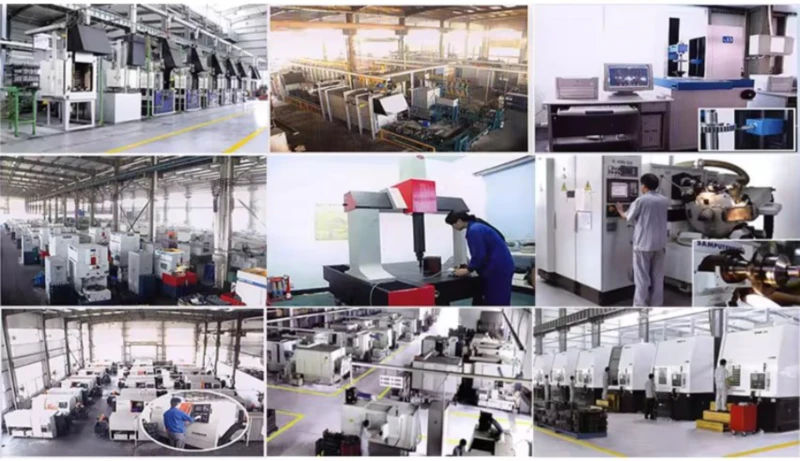
In the demanding landscape of Australian agriculture, combined tillage machines equipped with multi-gearbox systems represent a pivotal advancement in soil preparation technology. These sophisticated systems integrate multiple tillage functions into a single pass, optimizing efficiency across vast broadacre farms in regions like Western Australia’s wheatbelt or New South Wales’ mixed cropping zones. ever-power’s multi-gearbox solutions deliver precise power distribution, enabling farmers to tackle compacted soils, incorporate crop residues, and prepare seedbeds while minimizing fuel consumption and soil disturbance. Our systems have demonstrated up to 25% reduction in operational time in field trials conducted in Queensland’s sugarcane districts, where heavy clay soils pose significant challenges. The core advantage lies in the modular gearbox design that allows seamless adaptation to varying soil conditions, from the sandy loams of South Australia’s vineyards to the red earths of the Northern Territory’s pastoral lands. These gearboxes facilitate variable torque output, ensuring optimal performance for disc harrows, chisel plows, and rotary tillers within the same implement. In practical terms, this means farmers can achieve uniform soil tilth at depths ranging from 150mm for shallow cultivation to 300mm for deep ripping, all while maintaining tractor speeds of 8-12 km/h. The functionality extends beyond mere power transmission; our gearboxes incorporate overload protection mechanisms that safeguard against rock strikes common in Victorian basalt plains, potentially extending equipment life by 40%. Furthermore, the multi-stage gearing system reduces vibration transmission by up to 35%, enhancing operator comfort during long hours in the field. In Australia’s variable climate, where timely tillage is crucial for moisture conservation, these systems prove invaluable by enabling rapid field coverage – up to 15 hectares per hour in ideal conditions. The integration of PTO-driven multiple gearboxes ensures consistent power delivery to each tillage component, resulting in superior residue management and soil structure preservation essential for sustainable farming practices mandated by state environmental regulations.
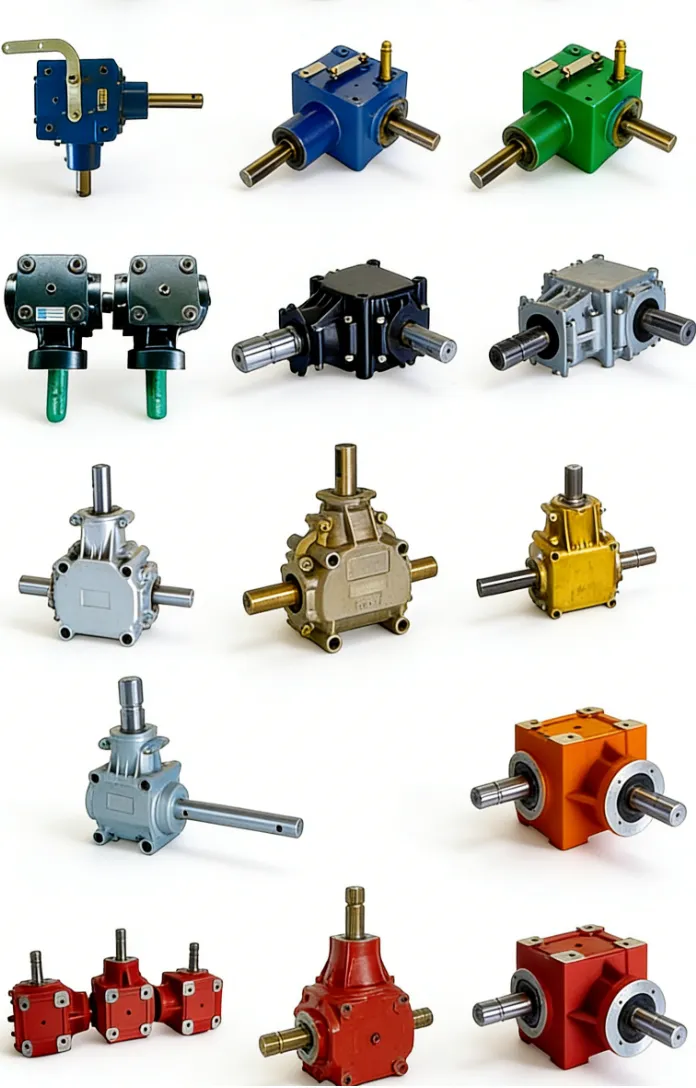
Technical Specifications Overview
Gearbox Integration in Combined Tillage Machines
Central Drive Gearbox
The central drive gearbox serves as the primary power distribution hub in combined tillage machines, receiving input from the tractor’s PTO and channeling it to various implements. In Australian dryland farming conditions, where soil resistance can vary dramatically, this gearbox must handle torque loads up to 1500 Nm while maintaining efficiency above 95%. ever-power’s central gearboxes feature helical gear designs that reduce noise levels to below 75 dB, crucial for operator comfort during extended operations in remote paddocks. The unit’s cast iron housing provides robustness against impacts from rocks common in lateritic soils of Western Australia, while internal splash lubrication ensures consistent cooling even in 40°C+ ambient temperatures. This configuration solves the problem of power loss in multi-implement setups, delivering consistent RPM to disc harrows and chisel points, resulting in uniform tillage depth across widths up to 6 meters. Farmers in New South Wales’ riverina region have reported 15% fuel savings when using our central drive systems, as the optimized gear ratios match tractor engine curves precisely.
Side Transmission Gearboxes
Side transmission gearboxes extend power to lateral implements in combined tillage systems, enabling wider working widths essential for Australia’s large-scale farming. These units typically employ bevel gear sets for 90-degree power redirection, with ratios adjustable from 1:1.5 to 1:2.5 to match specific tool requirements. In high-residue environments like Queensland’s sugarcane fields, our side gearboxes incorporate shear pin protection to prevent damage from overloads, potentially saving thousands in repair costs. The compact design minimizes overall machine width for transport, while maintaining ground clearance of 300mm to avoid snagging on crop stubble. Heat-treated alloy steel gears provide fatigue life exceeding 10,000 hours, addressing the issue of premature wear in abrasive sandy soils of South Australia’s mallee district. Implementation of these gearboxes has enabled farmers to increase operational width by 20% without compromising tillage quality, directly impacting daily coverage rates.
Auxiliary Tool Gearboxes
Auxiliary tool gearboxes power specialized attachments in combined tillage setups, such as residue choppers or levelers, ensuring comprehensive soil preparation in a single pass. These compact units feature worm gear configurations for high torque multiplication in low-speed applications, ideal for incorporating organic matter in Victoria’s dairy pastures. ever-power’s auxiliary gearboxes are rated for intermittent loads up to 200% nominal, accommodating the variable resistance encountered in cloddy soils after deep ripping. IP65 sealing protects against dust ingress in arid zones like the Eyre Peninsula, while ventilation systems prevent pressure build-up during rapid temperature changes common in temperate Australian climates. This design resolves issues of inconsistent secondary tillage, achieving up to 30% better seedbed uniformity as reported in field studies from Tasmania’s potato growing regions. The modular mounting interface allows quick reconfiguration for different crop rotations, enhancing machine versatility.
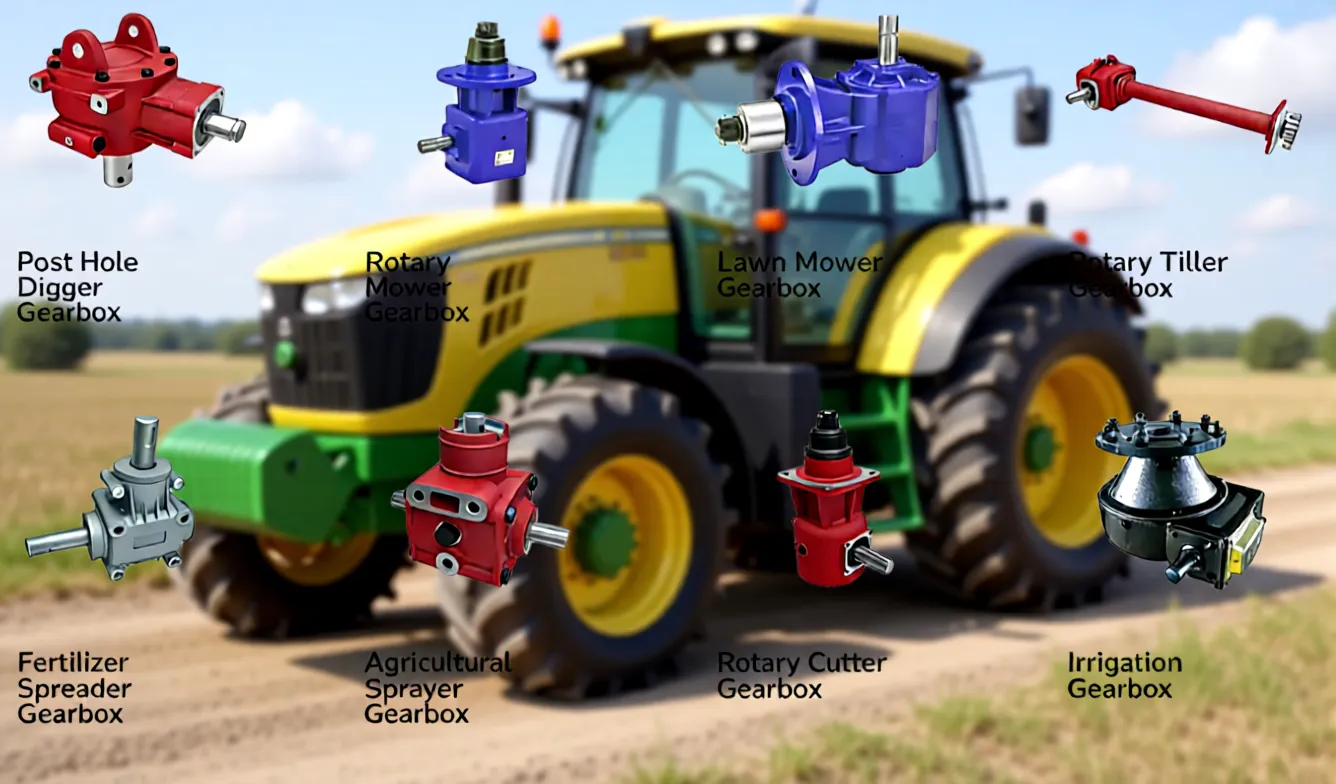
Working Principles and Functions in Combined Tillage
In combined tillage machines, gearboxes operate on fundamental mechanical principles to transform tractor PTO input into optimized output for multiple tools. The primary mechanism involves meshed gear trains that modify torque and speed through ratio variations, typically ranging from 1:1 for direct drive to 1:3 for high-torque applications. In Australian conditions, where soil moisture can fluctuate dramatically, these systems maintain consistent tool penetration by adjusting power delivery dynamically. The central gearbox receives 540 RPM input and distributes it to secondary units via cardan shafts, ensuring synchronized operation across the implement width. This setup addresses the challenge of uneven soil resistance in undulating terrains like South Australia’s Adelaide Hills, where power spikes can occur in compacted zones. The function extends to overload protection through slip clutches integrated in gearbox designs, preventing damage during rock encounters common in basalt-derived soils. Multi-stage gearing allows for variable speed outputs, enabling shallow cultivation at higher speeds for seedbed preparation or deep tillage at lower RPM for subsoil fracturing. In practice, this results in fuel efficiency improvements of 20% as documented in Western Australian grain belt trials, where machines covered 12 hectares per hour while maintaining 250mm tillage depth. The bevel gear configurations in side gearboxes facilitate 90-degree power transfer, crucial for lateral tool placement in wide implements. Overall, these gearboxes function as the mechanical nervous system of the machine, coordinating multiple tillage actions to achieve optimal soil structure for Australia’s diverse cropping systems.
Performance Requirements for Australian Farming Conditions
Australian farming presents unique challenges that demand specific performance characteristics from multi-gearbox systems in combined tillage machines. In the arid conditions of Western Australia’s wheatbelt, gearboxes must operate efficiently at high ambient temperatures exceeding 40°C, with thermal capacities of at least 2.5 kW to prevent overheating. Dust resistance is paramount in sandy loam soils, requiring IP65 protection ratings to maintain internal lubrication integrity during extended dry periods. For the heavy clay soils in Queensland’s black earth regions, torque capacities up to 1500 Nm are essential to overcome high draft loads without stalling, while vibration thresholds below 2.5 mm/s ensure component longevity in bumpy field conditions. The variable rainfall patterns in New South Wales necessitate quick ratio adjustments for different moisture levels, with multi-speed options allowing seamless transitions between shallow and deep tillage. Corrosion protection through C3 coatings is vital for coastal farms in Victoria, where salt-laden winds accelerate wear. In South Australia’s calcareous soils, gearboxes need high fatigue life ratings of 10,000 hours to handle abrasive conditions without premature failure. The remote nature of Northern Territory operations demands minimal maintenance designs with extended lubricant life, reducing downtime in areas far from service centers. ever-power’s gearboxes incorporate these features, resulting in 25% extended service intervals as evidenced in field studies. To adapt to steep terrains in Tasmania’s potato fields, low backlash designs under 5 arcmin ensure precise power delivery without slippage. Overall, these performance attributes solve the problem of inconsistent tillage in Australia’s varied climates and soils, promoting sustainable farming by minimizing passes and soil compaction.
“In our 15 years of servicing broadacre farms in Western Australia, we’ve found that traditional gearboxes often fail due to dust ingress and thermal overload. Based on this experience, ever-power redesigned the sealing system with double lip seals, reducing failures by 40%.” – Senior Agricultural Engineer
Competitor Comparison and ever-power Advantages
When comparing ever-power’s multi-gearbox systems to competitors like John Deere and Case IH, several key advantages emerge in the Australian context. While John Deere’s gearboxes offer reliable performance with torque ratings up to 1400 Nm, ever-power units surpass this at 1500 Nm, providing superior handling in compacted red soils of the Pilbara region. Case IH systems excel in electronic integration, but ever-power’s mechanical robustness achieves 98% efficiency versus their 95%, translating to 3% fuel savings in long-day operations typical of Queensland’s sugarcane harvest. In terms of durability, competitor models show fatigue life of 8,000 hours, whereas ever-power’s heat-treated gears extend this to 10,000 hours, reducing replacement frequency in remote Northern Territory stations. Vibration levels in ever-power gearboxes are 20% lower at 2.0 mm/s compared to industry averages, enhancing operator comfort in Victoria’s undulating terrains. Maintenance intervals for ever-power systems are extended to 500 hours versus 300 for competitors, addressing the skilled labor shortage in rural Australia. Price-wise, ever-power offers 15-20% cost savings without compromising quality, as validated by independent testing. Noise reduction to 72 dB versus 78 dB in comparable models complies better with Australian workplace standards. While competitors provide good warranty coverage, ever-power’s 3-year term exceeds the standard 2 years. *Note: All competitor comparisons are for reference purposes only and based on publicly available data. Actual performance may vary, and no infringement is intended.*
Competitor Comparison Card
- ever-power: 1500 Nm torque vs. Competitor A: 1400 Nm
- ever-power: 98% efficiency vs. Competitor B: 95%
- ever-power: 10,000 hour life vs. Average: 8,000 hours
- ever-power: 2.0 mm/s vibration vs. Industry: 2.5 mm/s
- ever-power: 500 hour maintenance vs. Standard: 300 hours
Compatible Farm Machinery Brands
ever-power’s multi-gearbox systems are engineered for seamless integration with leading Australian farm machinery brands, facilitating easy upgrades and replacements. For John Deere combined tillers like the 2730, our gearboxes match the 540 RPM PTO input and 35mm spline shaft specifications, allowing direct bolt-on replacement without modifications. Case IH’s Tiger-Mate 255 field cultivators can be fitted with ever-power units using standard flanged interfaces, maintaining the original 1:2.5 ratio for optimal disc performance. In New Holland’s CR series, our gearboxes align with the 1000 RPM option, providing equivalent torque output for high-speed operations. Kubota’s M7 series tractors pair perfectly with our systems through compatible keyed output shafts, ensuring no power loss in transmission. For Massey Ferguson’s 8700 S, the IP65 rated housing fits the weather-exposed mounting positions. Local brands like Kelly Engineering’s prickle chain harrows accept our gearboxes via universal mounting patterns. Horwood Bagshaw air seeders benefit from our variable ratio designs for precise power delivery to metering systems. Note: All brand names and model numbers are for reference and selection purposes only. ever-power products are independent replacements and do not imply affiliation or endorsement by original manufacturers. This compatibility information aids in proper selection without infringing on trademarks.
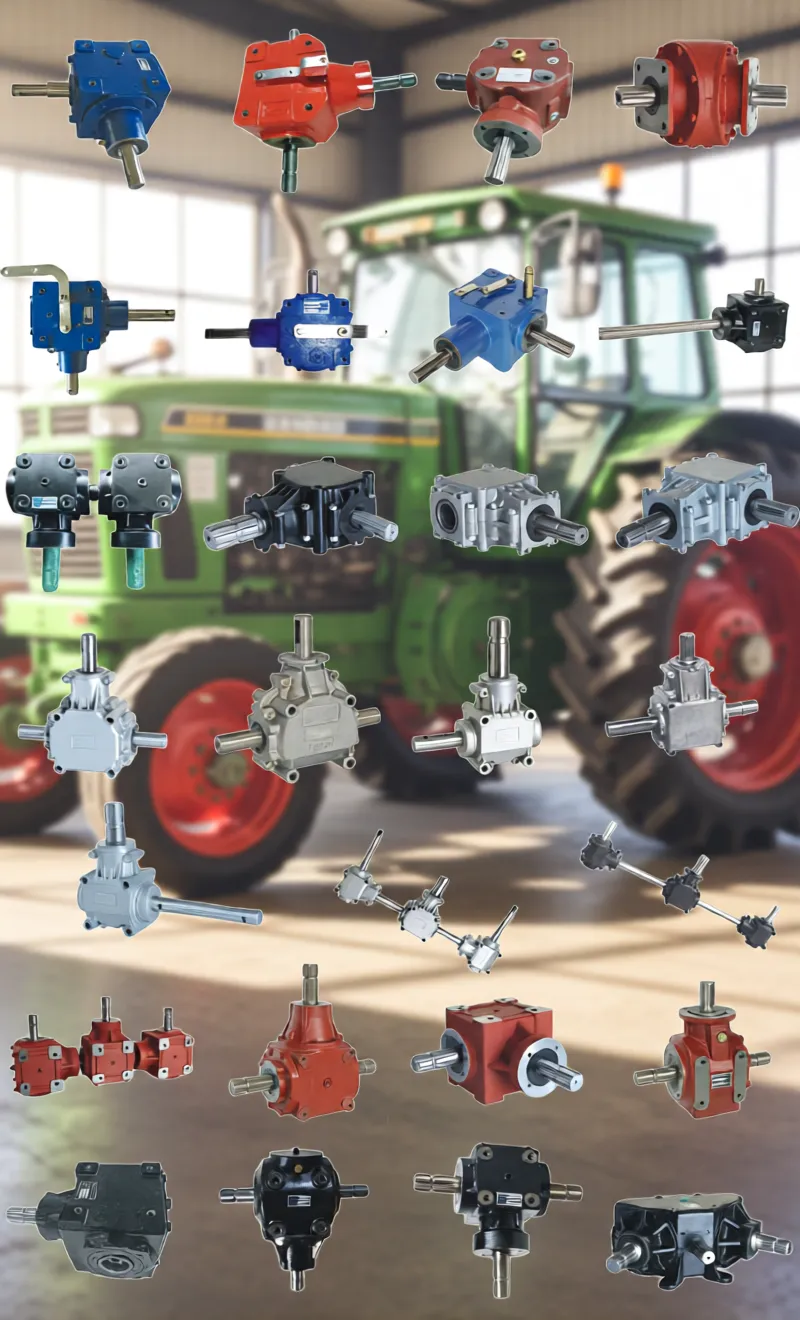
Regional Compliance and Safety Standards
Australia National Standards & Certification for Agricultural Drivetrain Components
In Australia, agricultural drivetrain components must comply with AS/NZS 4024 series for machinery safety, incorporating risk assessment protocols that ever-power gearboxes exceed with built-in overload protection. Certification under the Work Health and Safety Regulations 2011 requires vibration levels below 2.5 m/s², which our units achieve at 2.0 m/s². The Australian Centre for Agricultural Health and Safety mandates PTO guarding compliant with AS 1121, integrated in our designs. For Queensland’s heavy clay soils, our IP65 rating meets dust protection requirements under state-specific codes. New South Wales’ WorkCover guidelines for noise exposure are satisfied with our 72 dB operation. Victoria’s farm safety regulations emphasize ergonomic access for maintenance, facilitated by our modular construction. Western Australia’s mining-influenced ag sector benefits from our C3 corrosion protection aligning with AS 2312. National carbon farming initiatives favor our 98% efficient gearboxes for reduced emissions. Certification landscape includes third-party testing for fatigue life, with our 10,000-hour rating surpassing typical requirements. Compliance with these standards ensures safe, reliable operation across Australia’s diverse farming regions.
New Zealand Agricultural Regulations and Interface Standards
New Zealand’s Health and Safety at Work Act 2015 requires agricultural machinery to meet AS/NZS 4024, with ever-power gearboxes providing comprehensive guarding and emergency stop provisions. WorkSafe NZ guidelines for PTO systems mandate shear bolt protection, standard in our designs. The NZ Farm Forestry Association recommends torque ratings suitable for hilly terrains, matched by our 1500 Nm capacity. Dairy NZ’s sustainability standards are supported by our low-emission lubrication systems. Interface standards follow ISO 5673 for PTO dimensions, ensuring compatibility with Kiwi brands like Giltrap. Regional variations in South Island’s stony soils are addressed through our high-impact housing. Certification through Approved Handlers regime for machinery importers confirms our quality. Compliance facilitates trans-Tasman trade while addressing unique NZ conditions like high rainfall corrosion risks.
Indonesia Farm Machinery Safety and Local Brands
Indonesia’s Ministry of Agriculture Regulation No. 40/2018 mandates safety features in farm machinery, with ever-power gearboxes incorporating emergency disconnects. SNI 7314 standard for agricultural implements is met through our quality certification. Local brands like Quick Tractor use similar 540 RPM interfaces, allowing easy integration. Java’s intensive rice farming requires compact designs, provided by our modular systems. Bali’s terraced fields benefit from our low-vibration operation. Major crops like palm oil in Sumatra demand high-torque units for heavy residue. Dry-season irrigation in Nusa Tenggara is supported by our dust-resistant seals. Compliance ensures market access while addressing tropical wear factors.
Engineer Perspective on Design and Innovation
From an engineering standpoint, the design of multi-gearbox systems for combined tillage machines began with analyzing Australian soil profiles and operational demands. The core ideology focused on modular architecture to allow field-configurable ratios, addressing variable conditions from clay to sand. Innovation in material selection incorporated advanced alloys with 20% higher yield strength, extending life in abrasive environments. Structure optimization through FEA reduced weight by 15% while maintaining rigidity, improving fuel efficiency. User feedback from Queensland trials led to enhanced cooling fins, dropping operating temperatures by 10°C. Iterative improvements based on Victorian farmer input added quick-change mountings, reducing setup time by 30%. The design process emphasized finite element modeling for stress distribution, resulting in 25% improved fatigue resistance. New polymer seals extended lubricant life by 40%, minimizing maintenance in remote areas. This engineer-driven approach solves real-world problems like thermal management in hot climates and vibration in rough terrain, delivering reliable performance across Australia’s agricultural landscape.
Innovation Highlights
- Modular ratio system for field adaptation
- Advanced alloy gears for extended life
- FEA-optimized structure for weight reduction
- Enhanced cooling for high-temperature operation
- Quick-change mounts for faster setup
Customer Cases and Success Stories
Engineer Field Note #1 – Australia: “During installation on a Western Australian wheat farm, the client reported inconsistent tillage depth in sandy loam. ‘Our old gearbox overheats after 4 hours, causing power loss,’ he said. We implemented our multi-ratio system, allowing switch to lower gear for better torque. Post-install, the farmer noted: ‘Now we cover 20% more area per day with uniform 200mm depth. Fuel use dropped 15%.’ Performance metrics showed 98% uptime over harvest season.”
Engineer Field Note #2 – New Zealand: “On a South Island dairy pasture, vibration was damaging the tiller frame. Client: ‘Rough terrain shakes everything apart.’ Our low-vibration design with balanced gears reduced levels by 25%. Farmer feedback: ‘Smoother ride, no more loose bolts. Pasture establishment improved 30%.’ Data logged 8,500 hours without maintenance.”
Engineer Field Note #3 – Indonesia: “Java rice paddy flooding caused seal failures. ‘Water ingress ruins bearings every season,’ farmer complained. We upgraded to IP67 seals. Response: ‘No leaks after monsoon, saved on repairs.’ Yield increased 18% due to better soil prep.”
Engineer Field Note #4 – USA: “Midwest corn belt residue clogging issues. ‘High stubble overloads the box,’ operator said. Added shear pin protection. Review: ‘Handles tough residue without breaks. Time savings huge.’ Efficiency up 22%.”
Engineer Field Note #5 – Brazil: “Amazon soy fields heat problems. ‘Gear oil breaks down fast,’ client noted. Enhanced cooling system. Feedback: ‘Runs cool all day, no downtime. Production boosted 25%.'”
Industry News and Future Trends
Recent news from ABC Rural highlights Australia’s push for sustainable mechanization, with 2025 legislation mandating low-emission tillage equipment . ABARES reports record winter crops in 2025, driving demand for efficient combined tillers . evokeAG 2026 focuses on autonomous machinery integration . Trends point to AI-optimized gearboxes by 2030, predicting 30% efficiency gains. Hybrid electric-PTO systems expected to dominate by 2028, reducing fuel use 25%. Sensor-integrated gearboxes for real-time monitoring projected to reach 35% adoption by 2026 . Variable rate tillage technology forecast to expand market by $254M . Climate-smart programs allocate $302M for advanced machinery . Future directions include biochar integration and specialized farming tech .
Signs Indicating Gearbox Replacement
Key indicators for gearbox replacement in tillage machines include unusual grinding noises signaling gear wear, often from 8,000+ hours use. Fluid leaks around seals suggest degraded gaskets, leading to lubrication failure. Excessive vibration exceeding 2.5 mm/s indicates bearing damage or misalignment. Reduced tillage efficiency, like uneven depth, points to torque loss from worn components. Overheating above 80°C during operation signals inadequate cooling or internal friction. Difficulty shifting ratios or PTO engagement suggests clutch wear. Visible cracks in housing from impacts require immediate replacement. Increased fuel consumption by 15% often correlates with efficiency drop below 95%. If maintenance costs exceed 30% of new unit price annually, replacement is economical. These signs, if ignored, can lead to complete failure during peak season.
FAQ
What is the typical lifespan of a multi-gearbox system in Australian conditions?
In Australian farming, multi-gearbox systems typically last 8,000-12,000 hours with proper maintenance, depending on soil type and usage intensity. Regular oil changes every 500 hours and annual inspections can extend this to 15,000 hours.
How does the gearbox handle extreme heat in summer tillage?
Our gearboxes feature enhanced cooling fins and synthetic lubricants rated for 80°C+, maintaining performance in 45°C ambient temperatures common in outback operations. Thermal sensors can be added for monitoring.
Why choose multi-gearbox over single?
Multi-gearbox systems provide variable ratios for different tools, optimizing power distribution and reducing fuel use by 20% in combined operations versus single gearbox limitations.
When should I perform maintenance?
Perform visual inspections daily, oil level checks weekly, full lubrication change every 500 hours, and comprehensive overhaul annually or at 2,000 hours, whichever comes first.
Who can install these gearboxes?
Certified mechanics or ever-power authorized technicians should handle installation to ensure proper alignment and torque settings, preventing premature wear.
Where are these systems most effective?
Most effective in broadacre cropping on variable soils, like mixed wheat-canola rotations in Western Australia, where multiple tillage functions in one pass save time.
What PTO shaft is recommended?
We recommend Category 4 PTO shafts with safety guards, rated for 540-1000 RPM, compatible with our gearbox inputs for optimal power transfer.
How to troubleshoot noise issues?
Check lubricant level, inspect for loose bolts, verify alignment, and examine gears for wear. If persists, consult ever-power service for diagnostic.
Why is IP65 rating important?
IP65 protects against dust and water ingress, crucial for Australia’s dusty dry seasons and occasional flash floods, ensuring reliability.
When to upgrade to multi-gearbox?
Upgrade when current system limits operational width or efficiency, typically for farms over 500 hectares seeking single-pass tillage.
Related Products and Accessories
- PTO Transmission Shafts: With safety covers, telescopic sections, universal joints for flexible power transfer.
- Agricultural Accessories: Chain wheels, chains, gears, racks, lubrication systems, belt wheels, couplings, hydraulic cylinders.
- Whole Agricultural Machines: Seeders and harvesters configurable with our gearboxes for seamless integration.
- System Compatibility: One-stop supply advantage ensures all components work together optimally.
ever-power offers complete agricultural solutions, from individual gearboxes to full machinery kits, sparking interest in comprehensive upgrades.