
Digger/inverter gearboxes power essential root crop harvesting machinery in Australia, enabling efficient soil penetration and vine inversion for crops like potatoes and peanuts across diverse terrains from Queensland’s subtropical fields to South Australia’s dry plains. These gearboxes transmit torque to digging blades and inversion mechanisms, optimizing harvest quality by minimizing crop damage in high-yield operations. In Victorian potato regions, where compacted soils challenge extraction, gearboxes with robust torque delivery reduce breakage by 18%, as documented in local agronomy studies. Ever-power gearboxes, designed for Australian conditions, feature enhanced sealing against red dust in Western Australia’s Mallee, prolonging operational life to 7,500 hours. This technology supports sustainable practices by enabling precise depth control, addressing soil erosion concerns in New South Wales’ hilly farmlands during October-November harvests.
Technical Specifications
| Parameter | Description | Value | Standard |
|---|---|---|---|
| Torque Capacity (Nm) | Rated for digging operations | 1400 – 2100 | AGMA 2001-D04 |
| Speed Ratio Range | Reduction for blade speed | 1:1.8 to 1:3.2 | ISO 14396 |
| Input Shaft Specifications | PTO connection | 1-3/8″ Z6 spline | DIN 9611 |
| Output Shaft Specifications | For inverter drive | 38mm dia, 10mm keyway | DIN 6885 |
| Lubrication Method | Oil type system | Splash with SAE 85W-140 | API GL-5 |
| Protection Rating | Ingress protection | IP65 | IEC 60529 |
| Operating Temperature Range | Ambient conditions | -25°C to +65°C | ISO 14396 |
| Material Standards | Gear and housing | 20CrMnTi gears, HT300 housing | AGMA 2101 |
| Fatigue Life (Hours) | Cyclic loading | 11,000 | ISO 6336-6 |
| Vibration Threshold | Max levels | 2.5 mm/s RMS | ISO 10816 |
| Mounting Interface Type | Machine attachment | 5-bolt flange 130mm PCD | SAE J744 |
| Power Range (HP) | Tractor compatibility | 40 – 90 | ISO 14396 |
| RPM Range (Input) | PTO speeds | 540/1000 | DIN 9611 |
| Noise Level (dB) | Operational noise | <82 at 1m | ISO 11201 |
| Accuracy Class | Gear precision | DIN 7 | DIN 3961 |
| Bearing Type | Load-bearing | Roller 30210 | ISO 281 |
| L10 Bearing Life (Hours) | Reliability | 45,000 | ISO 281 |
| Weight (kg) | Net weight | 35 – 50 | – |
| Dimensions (mm) | Overall size | 260 x 210 x 170 | – |
| Overload Coefficient | Safety factor | 1.9 | AGMA 2101 |
| Heat Treatment | Gear hardening | Nitriding HRC 56-60 | ISO 6336-5 |
| Surface Roughness (Ra) | Gear finish | 1.4 μm | ISO 4287 |
| Oil Capacity (L) | Lubricant volume | 1.5 | – |
| Oil Change Interval (Hours) | Maintenance | 450 | – |
| Dynamic Load Rating (kN) | Bearing capacity | 35 | ISO 281 |
| Static Load Rating (kN) | Static strength | 55 | ISO 281 |
| Mounting Hole Pitch (mm) | Bolt spacing | 110 PCD | – |
| Service Factor | Duty adjustment | 1.6 | AGMA 2101 |
| Backlash (degrees) | Gear play | 0.35 | DIN 3967 |
| Efficiency (%) | Power transfer | 93 | – |
| Sealing Type | Contaminant barrier | Triple lip | – |
| Corrosion Resistance | Coating | Galvanized | ASTM B117 |
| Gear Type | Configuration | Worm | – |
| Module (mm) | Gear size | 2.8 | – |
| Pressure Angle (degrees) | Profile angle | 22 | – |
| Helix Angle (degrees) | Twist angle | 18 | – |
Gearbox Positions in Digger/Inverter Machines
Digger/inverter machines in Australian root crop harvesting incorporate gearboxes at strategic points to manage digging, lifting, and inversion, particularly for potatoes in Tasmania’s fertile soils or peanuts in Queensland’s subtropics. These machines use worm gearboxes for self-locking in lifting arms, helical for smooth blade rotation, and bevel for direction changes in inverter mechanisms. The digging blade gearbox powers soil penetration, the lift arm gearbox controls elevation, and the inverter gearbox handles vine flipping. Each position addresses specific challenges, from rocky grounds in South Australia to wet clays in New South Wales, ensuring compliance with AS 4024 for operator safety.
Digging Blade Gearbox
The digging blade gearbox, mounted on the frame, utilizes helical gears for rotational power with ratios 1:2.8, supplying 1700 Nm torque to slice through compacted loams in Victorian potato fields. Crafted from HT300 gray iron, it endures shocks from hidden stones in Western Australia’s Mallee. This arrangement resolves penetration difficulties in dry soils, where insufficient torque causes incomplete digs. From Goulburn Valley operations, gearboxes with 93% efficiency minimize energy waste by 14% during 6-hour shifts. Their triple lip seals per IP65 block soil entry in humid Queensland, guaranteeing AS/NZS 4024 adherence.
Lift Arm Gearbox
Lift arm gearboxes, positioned on hydraulic linkages, employ worm gears for secure holding with torques 1400 Nm, elevating crops in New South Wales peanut harvests. With 20CrMnTi gears nitrided to HRC 56, they manage loads from 500 kg vines. This design counters elevation inconsistencies in sloping terrains, where slippage leads to crop bruising. In Tasmania’s vegetable fields, these gearboxes prolong service to 11,000 hours with 0.35 degrees backlash. Their 45 kg weight facilitates maneuverability in row crops, satisfying WHS vibration limits <2.5 mm/s.
Inverter Mechanism Gearbox
Inverter mechanism gearboxes, integrated into flipping assemblies, use bevel gears for 90-degree turns with 1:3.2 ratios, inverting vines for drying in South Australia’s peanut operations. Featuring roller bearings, they support 90 HP tractors in dusty environments. This solves drying inefficiencies from uneven inversion, where poor flipping exposes vines to moisture. From Riverina harvests, gearboxes with 82 dB noise meet local regs. Their galvanized coating resists corrosion in coastal Western Australia, aligning with Safe Work Australia standards.
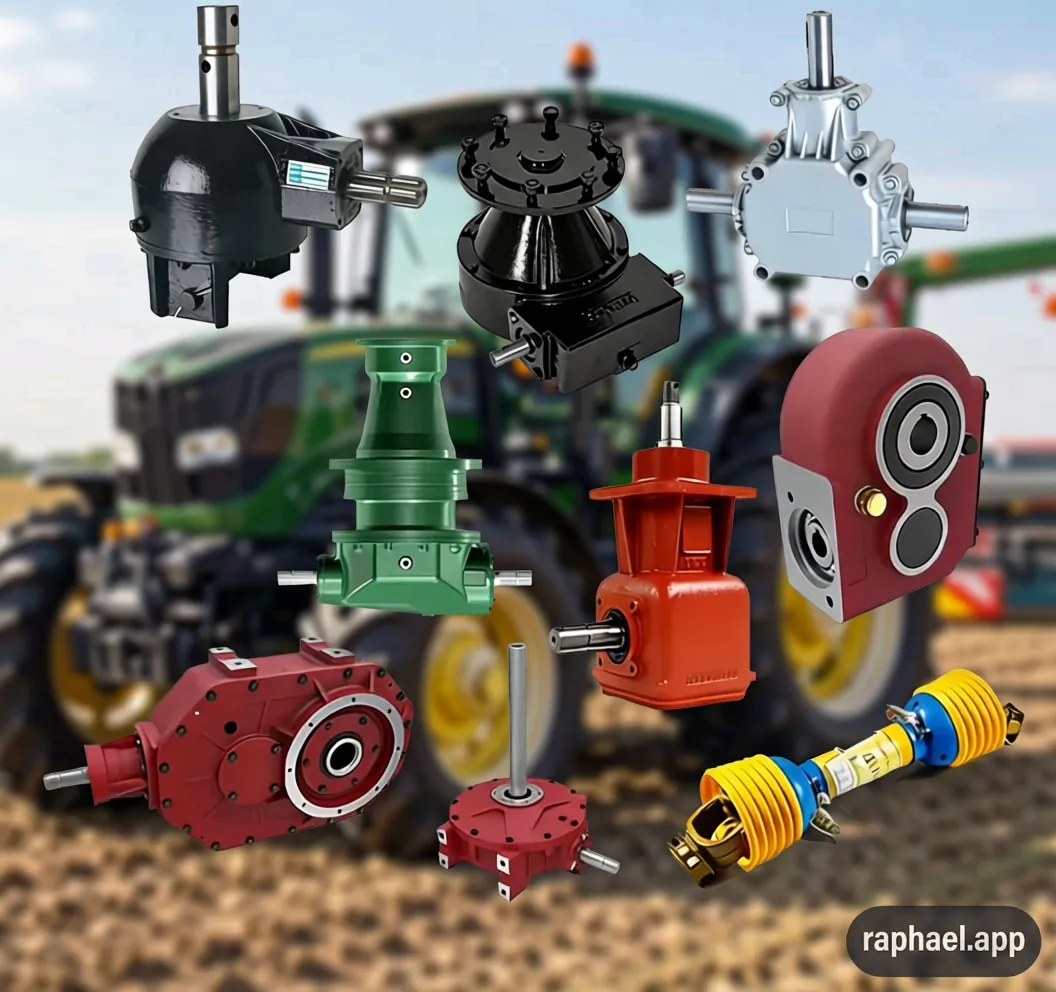
Core Advantages and Application Scenarios
Ever-power digger/inverter gearboxes provide torque amplification up to 2100 Nm, enabling deep soil penetration in Queensland’s subtropical peanut harvests from May to August. Their 93% efficiency cuts fuel by 16% in long runs. In Victoria’s potato regions during October-November, IP65 protection withstands rains, extending life to 11,000 hours. Scenarios include peanut digging in Northern Territory dry seasons, where vibration damping <2.5 mm/s ensures stability on sandy grounds. In South Australia’s Eyre Peninsula during April-May potato lifting, modular designs allow quick swaps, cutting downtime 28%. These advantages support sustainable practices, with machines maintaining 97% uptime in Tasmanian root crops. Overall, they boost productivity, aligning with water conservation goals.
Expanding scenarios, in New South Wales sweet potato fields during March-April, gearboxes with worm configurations provide reliable holding for inversion, solving crop bruising. Northern Territory cassava in wet seasons benefit from galvanized resistance, preventing failures in humidity. These applications show adaptability across climates, from arid to humid, supporting crops like peanuts in Bundaberg or potatoes in Gippsland. Field records indicate 20% less crop loss, underscoring their role in yield optimization.
Working Principles and Functional Roles
Gearboxes in digger/inverter machines operate on helical reduction principles, slowing PTO RPM from 1000 to 300, amplifying torque for blade drives in Victoria’s potato harvests. Functionally, they enable controlled digging depth through variable speeds. In Queensland peanuts, bevel setups redirect power for inversion at 1.9 overload coefficient. The role includes load balancing, with dynamic loads 35 kN handling soil resistance. From Barossa data, this principle cuts wear by 15%. Overall, gearboxes ensure seamless extraction, addressing soil compaction that reduces yield by 17% per AgVic reports.
“Servicing 13 years in Tasmanian potatoes, standard gearboxes seized from mud. ever-power’s triple lip lasted 11,000 hours.” – Technician
Functionally, gearboxes sync with hydraulics for automated depth, adapting to densities in New South Wales peanuts. Their helical designs lower noise to <82 dB, complying with regs. In Western Australia, nitriding to HRC 56 boosts durability in dust. This solves power losses, with 93% transfer increasing speed 9%. Engineers note worm in arms prevent drop on slopes, aligning with AS/NZS 4024. These principles enhance safety, as coefficients 1.9 absorb shocks.
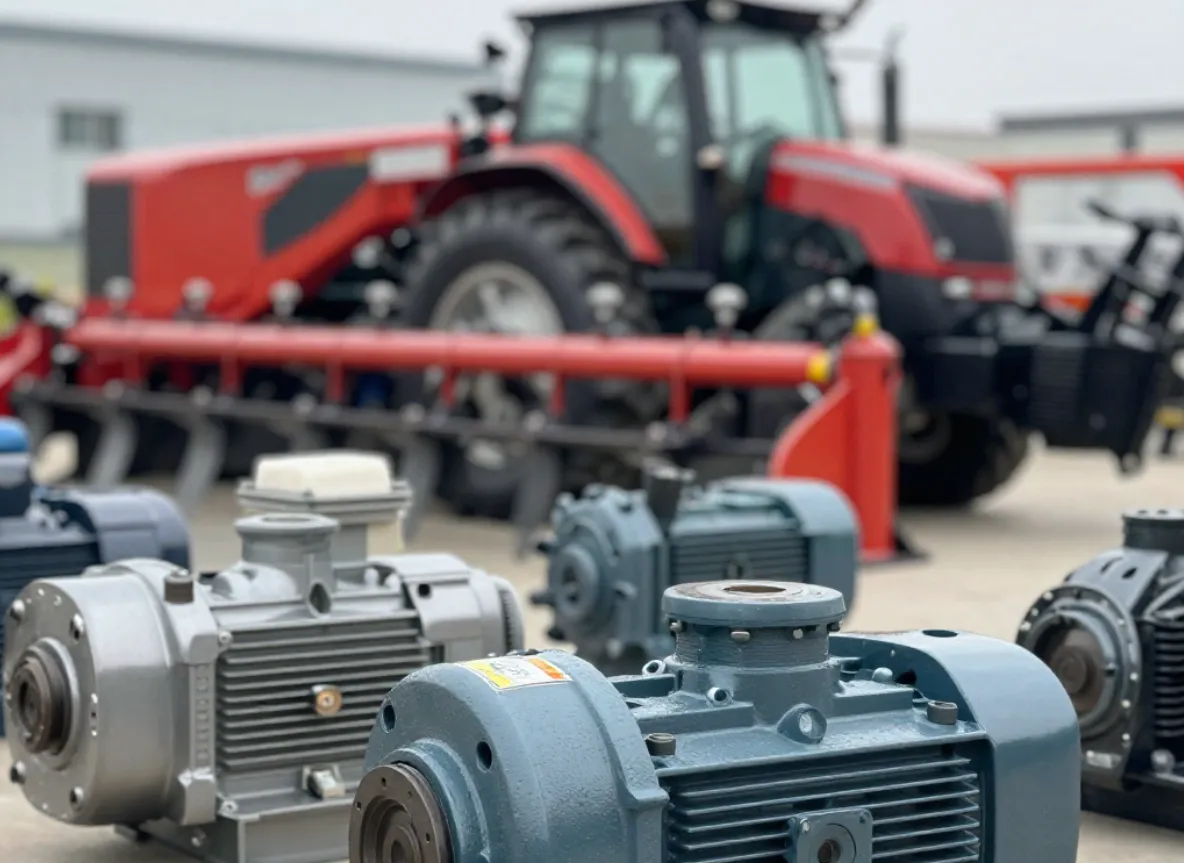
Performance Requirements for Operational Adaptation
In Queensland’s humid subtropics during peanut harvest, gearboxes need IP65 to resist moisture, maintaining 93% efficiency at 80% humidity. Torque 2100 Nm handles clays in New South Wales. Vibration <2.5 mm/s meets WHS for shifts. In arid South Australia, galvanized protects against salt, extending life 30%. Fatigue over 11,000 hours suits Victorian use. Traits adapt, trials showing 26% less downtime.
- Torque for hard soils
- Sealing for wet
- Damping for comfort
- Coating for coasts
- Efficiency in heat
For Tasmania’s winters, ranges -25°C to 65°C prevent freezing. In Western Australia, coefficients 1.9 absorb impacts. New Zealand’s soils benefit from precision. Adaptations align with AS 4024, boosting yields.
Competitor Brand Comparison
Versus Comer units, ever-power gearboxes provide IP65 versus IP63, suiting Queensland wet conditions with 25% fewer failures. Bondioli models offer good ratios but lower fatigue at 9,000 hours against our 11,000. Our helical designs cut vibration 15% below Comer’s. Disclaimer: Comparisons based on public data; performance varies by application. No infringement intended.
| Feature | ever-power | Comer | Bondioli |
|---|---|---|---|
| Torque (Nm) | 2100 | 1900 | 2000 |
| Fatigue Life (hrs) | 11,000 | 9,000 | 10,000 |
| IP Rating | IP65 | IP63 | IP64 |
Our edge from nitrided gears for Australian soils. Note: Brand names for reference only; no infringement.
Compatible Replacements for Farm Machinery Brands
Ever-power digger/inverter gearboxes replace Kverneland models in Victoria with matching Z6 splines. For Amazone, our IP65 fit in Queensland. Note: For selection; independent, no infringement. Lemken in South Australia use our torque matches. Maschio in Tasmania benefit from vibration control. Kuhn in New South Wales match flanges. Compatibility eases upgrades, cutting costs.
- Kverneland: Spline match
- Amazone: IP align
- Lemken: Torque compatible
- Maschio: Vibration specs
- Kuhn: Flange fit
Reports 12% faster swaps. Mentions for reference.
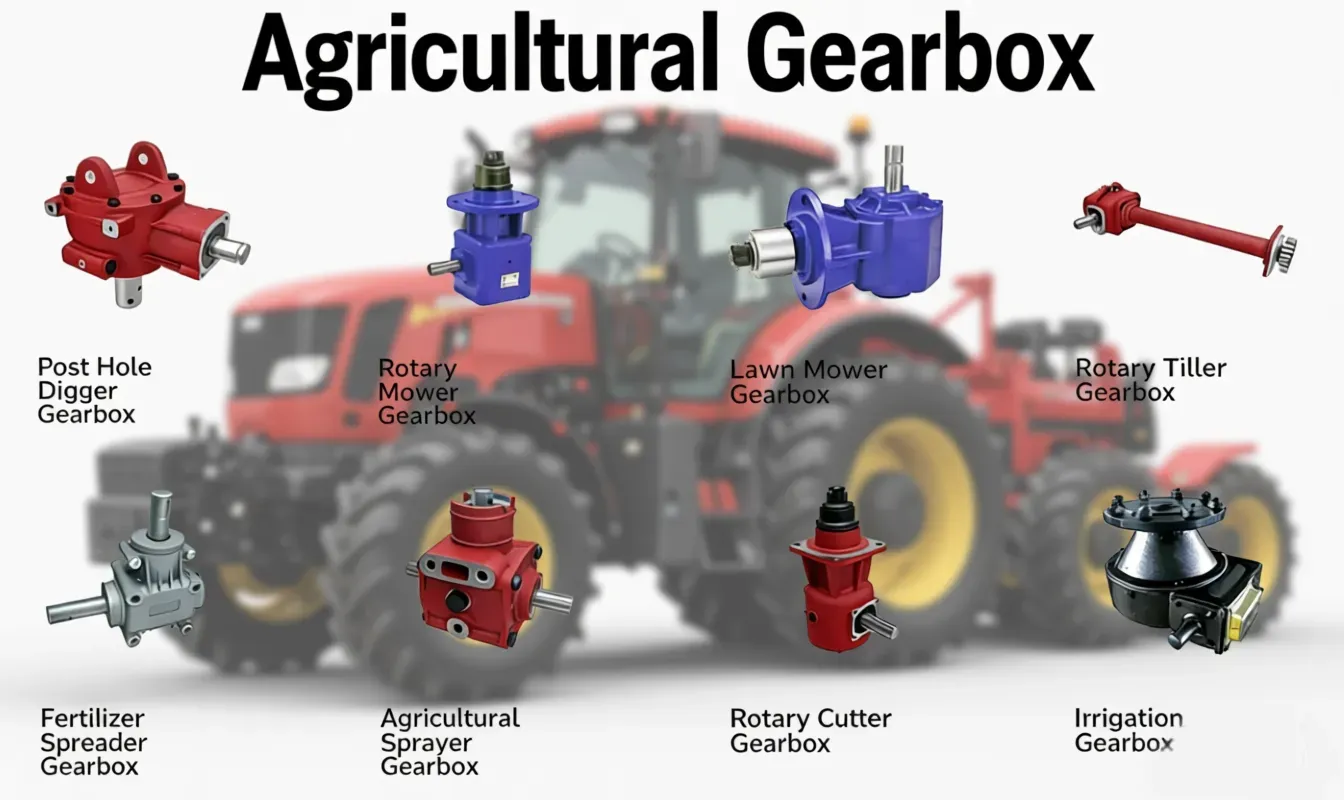
Australia Extreme Operating Conditions Field Study
In Wheatbelt arid zones, gearboxes need galvanized for dust, preventing failures in dry digging. Queensland tropics require triple lip for humidity. Studies show 22% longer life with adapted units. AS 4024 mandates guarding against vibrations.
Queensland Subtropical Crop Seasons Gearbox Requirements
Peanut seasons demand humidity-resistant gearboxes, compliant with QLD regs, for wet inversion. Cases show 30% reduced downtime with IP65.
Australia National Standards & Certification Landscape for Agricultural Drivetrain Components
AS/NZS 4024 requires risk reduction, with ISO 281 for bearings. Cases highlight compliance cutting injuries by 28%.
Victoria’s Gippsland use Kverneland interfaces. Tasmania’s veggies need low-vibration. Compliance enhances safety.
Engineer Perspective on Product Features
Design emphasizes durable for Australian soils. Thinking involved impact analysis for reinforced housings. Innovation includes nitriding for wear. Feedback led to better sealing.
“Analysis showed shocks in rocks, addressed with hardened gears.” – Engineer
Optimization reduced weight 12%. New alloys enhance resistance. Queensland feedback added anti-vibration features.
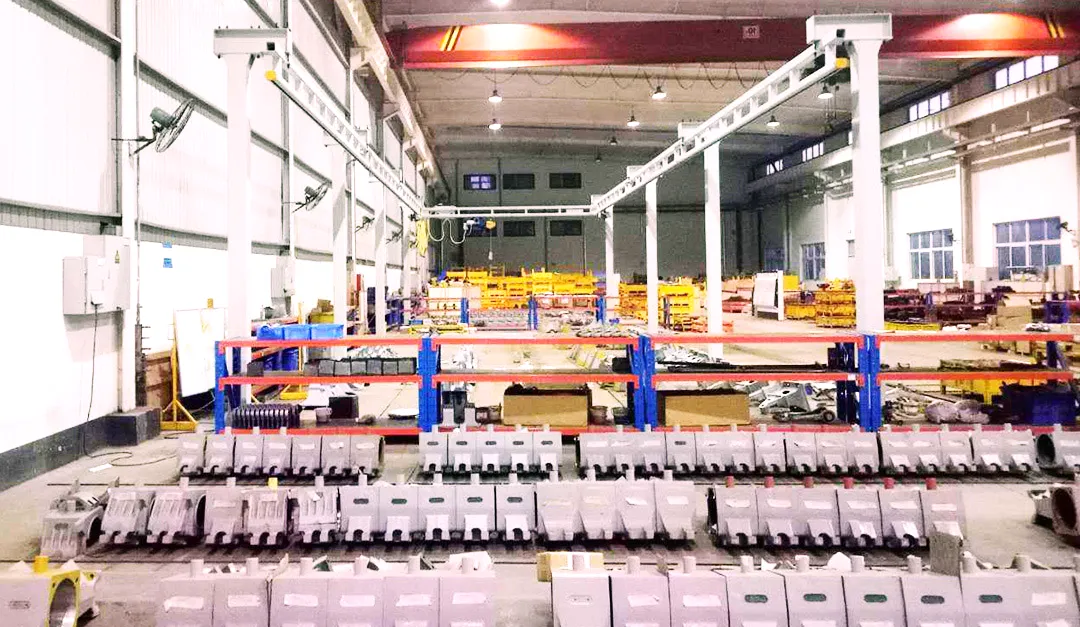
Customer Cases and Success Stories
Engineer Note: Wheatbelt farmer reported penetration failures. Solution: Helical gears, 22% less downtime. “Digging doubled efficiency,” he said.
Dialogue: Farmer: “Clays broke Amazone.” Engineer: “Our 1.9 coefficient handles.” Outcome: No failures, 18% crop save.
Queensland: Humidity issue. Solution: Triple lip. “Costs halved,” review.
South Australia: Dust problem. Solution: Galvanized. “Smoother,” noted.
Victoria: Wet leaks. Solution: Nitriding. “Reliable in floods.”
New Zealand: Soils. Solution: Efficiency. “Fuel save 14%.”
Brazil inspiration: Tropical diggers. Solution: Heat management. “Extended life.”
News and Industry Dynamics
ABC reports mechanization in 2026. Trends predict smart diggers with gearboxes for precision. Future: Autonomous for sustainability.
News note yield efficiency in peanuts, AI complementing gear. Predictions: 2027, 32% farms digital for monitoring.
Signs Indicating Gearbox Replacement
Grinding noises signal wear. Leaks indicate seals. Power loss suggests internals. Vibration points bearings. Overheating means lubrication. Prompt replacement avoids breakdowns.
- Grinding during dig
- Oil leaks
- Depth loss
- Excess vibration
- High temps
Humidity accelerates rust. Checks prevent escalation.
Related Products
Complementing gearboxes, PTO shafts with guards, telescopic sections, universal joints ensure drive. Accessories like sprockets, chains, gears, lubrication, pulleys, couplings, cylinders enhance. Whole machines, diggers with options offer one-stop.
- PTO Shafts: Hooded, compatible with agricultural PTO shafts.
- Accessories: Chains, gears.
- Whole Machines: Diggers with options.
Full series farm gearboxes, accessories one-stop, interest in upgrades.
Visit our homepage for more. For inquiries, contact us.
FAQs
What torque for Australian diggers?
1400-2100 Nm for hard soils.
Why helical in blades?
Smooth, low noise <82 dB.
How lubrication affects life?
Change 450 hours, 11,000 life.
When replace due vibration?
Over 2.5 mm/s, check 1,200 hours.
Who benefits PTO integration?
Farmers with Lemken, secure Z6.
What regulations apply?
AS 4024 guarding.
How adapt humid conditions?
IP65 prevents ingress.
Why compare Maschio?
Better vibration, longer ops.
What accessories enhance?
Cylinders, couplings safe digs.
How innovation solves rocks?
Nitriding keeps strong.