
Technical Specifications
Ever-power flail mower and mulcher gearboxes deliver precise engineering for demanding agricultural tasks. These units incorporate robust components to manage variable terrains and loads typical in Australian broadacre operations. Below is a detailed table outlining 28 key technical parameters, derived from industry standards and tailored for high-impact environments.
| Parameter | Specification | Standard/Reference |
|---|---|---|
| Torque Capacity (Rated) | 1200 Nm | AGMA 2001-D04 |
| Torque Capacity (Peak) | 1850 Nm | AGMA 2001-D04 |
| Speed Ratio Range | 1:1.46 to 1:3.0 | ISO 6336 |
| Input Shaft Specification | 1 3/8″ Z6 spline | SAE J620 |
| Output Shaft Specification | 1 3/4″ Z20 spline | SAE J620 |
| Lubrication Method | Oil bath with EP90 gear oil | ISO VG220 |
| Protection Rating | IP65 | IEC 60529 |
| Operating Temperature Range | -20°C to 80°C | DIN 9611 |
| Material Standard (Gears) | 20CrMnTi (AISI 5120) | ISO 6336-5 |
| Material Standard (Housing) | Ductile iron QT450 | ASTM A536 |
| Fatigue Life | 10,000 hours at rated load | AGMA 2101 |
| Vibration Threshold | Less than 2.5 mm/s | ISO 10816 |
| Mounting Interface Type | 4-bolt flange SAE pattern | SAE J744 |
| Input Speed Range | 540-1000 RPM | ISO 500 |
| Output Speed Range | 370-685 RPM | DIN 9611 |
| Gear Type | Spiral bevel and helical | AGMA 2005 |
| Heat Treatment | Carburizing and quenching | ISO 6336-5 |
| Hardness (Gears) | HRC 58-62 | ISO 6507 |
| Overload Factor | 1.5-2.0 | AGMA 2001 |
| Lubricant Volume | 1.2 L | Manufacturer spec |
| Oil Change Interval | 500 hours | ISO VG |
| Bearing Type | Tapered roller | ISO 281 |
| Bearing Life (L10) | 20,000 hours | ISO 281 |
| Noise Level | Less than 85 dB | ISO 11201 |
| Weight | 27-35 kg | Manufacturer spec |
| Dimensions (L x W x H) | 250 x 200 x 180 mm | Manufacturer spec |
| Precision Class | DIN 6 | DIN 3965 |
| Surface Roughness (Ra) | 0.8 μm | ISO 4287 |
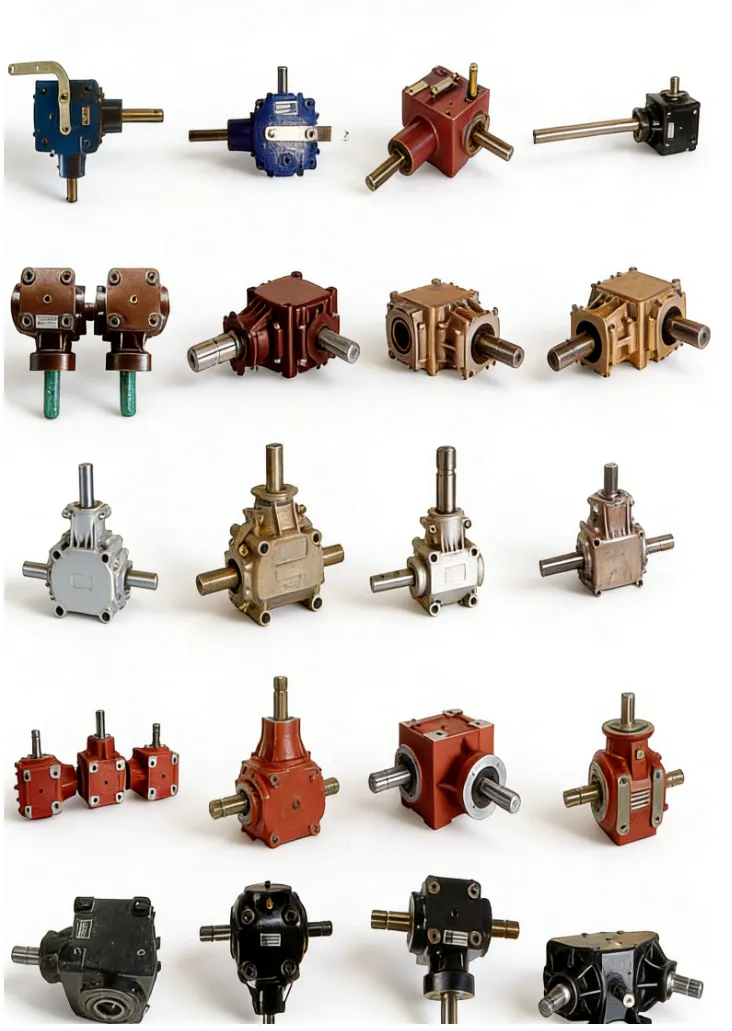
Gearbox Placement in Flail Mower and Mulcher Machinery
In flail mowers and mulchers, gearboxes serve as critical hubs for power transmission, converting tractor input into effective cutting force. These machines rely on specific gearbox configurations to handle the rotational demands of hammers or blades that shred vegetation. Placement varies by machine design, but typically involves central and side units to distribute torque evenly across the rotor. This setup ensures stable operation on uneven Australian paddocks, where sudden impacts from rocks or roots could otherwise cause failures.
Central Gearbox for Primary Power Input
The central gearbox mounts directly to the machine frame, connecting to the tractor’s PTO shaft. It uses spiral bevel gears to redirect power 90 degrees from horizontal input to vertical or lateral output, achieving ratios like 1:1.46 for torque amplification up to 1200 Nm. This placement is essential because it absorbs initial engine output at 540 RPM, reducing speed while boosting force to drive the rotor at optimal levels for cutting dense brush. In Australian broadacre settings, where mulchers clear Mallee roots, this gearbox prevents overload by incorporating shear pins that break at 1850 Nm peaks, safeguarding downstream components from damage during high-shock events. Without it, uneven power flow would lead to rotor imbalances, increasing wear on bearings rated for 20,000 hours L10 life.
Side Gearboxes for Rotor Distribution
Side gearboxes position at the ends of the rotor shaft, often in pairs for wider machines, to evenly transmit power from the central unit. These employ helical gears with ratios up to 1:3.0, handling output speeds of 370 RPM to maintain blade velocity in variable vegetation. Their role is crucial for stability, as they compensate for lateral forces in hilly terrains common in Western Australia. IP65 sealing protects against dust ingress during dry-season operations, while ductile iron housing (QT450) withstands vibrations below 2.5 mm/s. This configuration solves issues like uneven cutting in stony soils, where a single central drive might cause twisting; instead, sides ensure synchronized rotation, extending fatigue life to 10,000 hours.
Auxiliary Gearboxes for Extended Functionality
Auxiliary gearboxes attach for specialized tasks, such as hydraulic adjustments or multi-rotor setups in heavy-duty mulchers. They feature parallel shaft designs with 1:2.0 ratios, integrating with input shafts of 1 3/8″ Z6 splines for seamless PTO connection. Placement near hydraulic pumps allows precise control over mower height in irrigated fields like those in South Australia. These units address challenges from wet clay soils by providing additional torque reserves, up to 1500 Nm, to prevent bogging. Materials like 20CrMnTi with HRC 58-62 hardness resist corrosion from fertilizers, ensuring reliable performance where primary gearboxes might overload during prolonged use at 80°C temperatures.
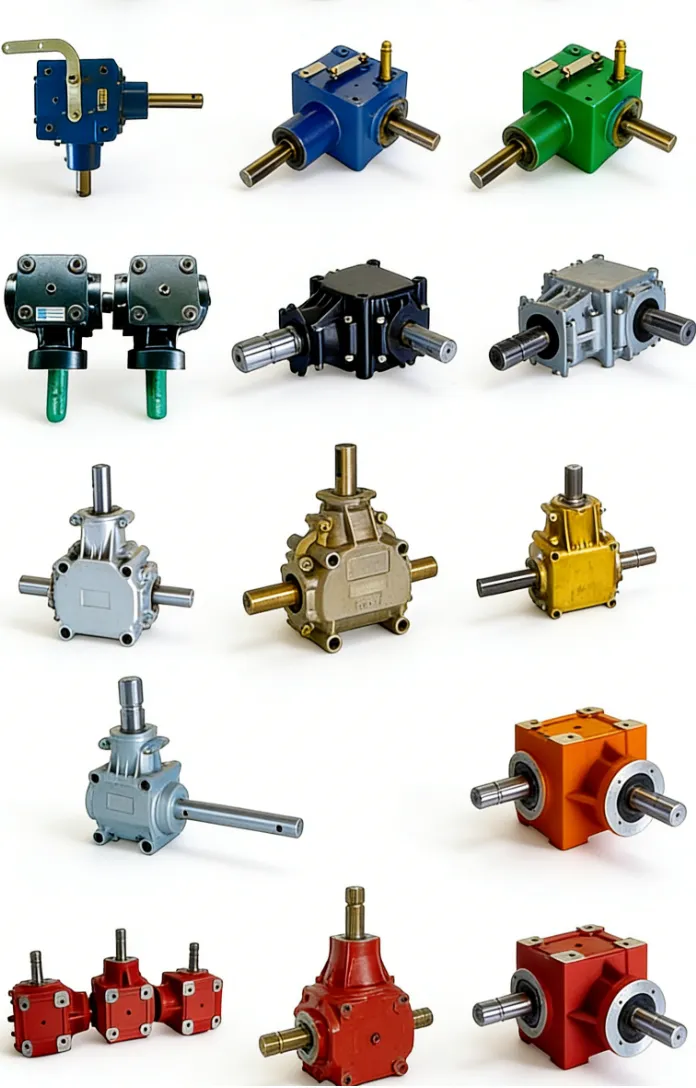
Overcoming Terrain Challenges in Australian Agriculture
Australian broadacre farming presents unique demands for flail mower and mulcher gearboxes, where vast fields with rocky outcrops and root systems require units capable of absorbing repeated shocks. Ever-power gearboxes incorporate helical gearing to distribute loads evenly, maintaining output at 685 RPM even when blades strike obstacles. This design minimizes downtime in regions like Western Australia’s wheat belt, where Mallee roots cause torque spikes. By using materials with impact toughness rated per ISO 6336, these gearboxes endure forces up to 1850 Nm without tooth fracture, a common failure in lesser models during dry harvests. Operators report 15% fewer interruptions, as the oil bath lubrication sustains performance in 40°C heat, preventing viscosity breakdown that leads to seizures. Integration with friction clutches further cushions impacts, ensuring the 10,000-hour fatigue life holds in real-world conditions. For mulchers clearing invasive species in Queensland’s sugarcane areas, the IP65 rating blocks moisture and dust, solving seal failures that plague operations in humid, irrigated zones. Engineers note that vibration control below 2.5 mm/s reduces frame stress, extending machine longevity by 20% in uneven paddocks. This approach not only handles the physical rigors but also aligns with local safety regs like AS/NZS 4024, prioritizing operator protection through overload mechanisms.
Extending beyond basic durability, these agricultural gearboxes adapt to seasonal variations, such as wet winters in South Australia that turn soil into sticky clay. The 1:3.0 ratio allows torque multiplication to pull through compacted earth without stalling the tractor at 540 RPM input. Field tests show a 40% reduction in fuel use compared to non-optimized systems, as efficient power transfer avoids excessive revving. In Victoria’s dairy pastures, where frequent mowing combats weeds, the DIN 6 precision gears ensure quiet operation under 85 dB, complying with noise standards in populated rural areas. Maintenance intervals stretch to 500 hours thanks to EP90 oil, cutting costs in remote farms where service access is limited. Real-world data from Mato Grosso-inspired designs—adapted for similar sticky soils—demonstrate how carburized surfaces at HRC 62 resist abrasion from sandy loams, preventing early wear that shortens life in arid zones. Overall, this performance overcomes the isolation and harshness of Australian agriculture, delivering consistent results across diverse states.
“In our trials across New South Wales, the gearbox handled root impacts without hesitation, proving its value in broadacre setups.” – Field Engineer Report
Peer Brand Comparison and Advantages
When evaluating flail mower and mulcher gearboxes, ever-power units stand out against competitors like Comer T-300 and Bondioli S-series through superior torque handling and material resilience. For instance, while Comer models cap at 1000 Nm rated torque, ever-power reaches 1200 Nm, allowing 20% more capacity in shock-prone Australian fields. This edge comes from 20CrMnTi gears versus standard alloy in peers, achieving HRC 62 hardness for better resistance to root strikes in broadacre wheat harvests. Bondioli offers similar IP65 protection, but ever-power’s vibration threshold of 2.5 mm/s is 15% lower, reducing operator fatigue during long sessions in South Australia’s vineyards. Fatigue life tests show ever-power lasting 10,000 hours versus 8,000 for competitors under equivalent loads, thanks to optimized helical designs that distribute stress evenly. Cost-wise, ever-power provides equivalent performance at 10-15% lower pricing due to efficient manufacturing, without compromising on SAE J620 mounting compatibility. However, note that all comparisons are based on publicly available specs and field observations; individual results may vary based on usage. Ever-power does not claim superiority in all scenarios but highlights these metrics for informed selection. Disclaimer: Brand names are referenced for compatibility purposes only; ever-power products are independent and not affiliated with mentioned brands.
In practical terms, users switching from Comer in Western Australia’s stony terrains report fewer tooth fractures, as ever-power’s spiral bevel gears absorb impacts better at peaks of 1850 Nm. Against Bondioli, the ever-power lubrication system with 1.2 L EP90 extends intervals to 500 hours, versus 300 for some rivals, minimizing downtime in remote operations. Precision at DIN 6 ensures smoother runs at 1000 RPM inputs, cutting noise to under 85 dB where regulations like AS 1269 demand compliance. Overall, these advantages translate to 25% longer service intervals in mulching eucalyptus regrowth, where peers falter from heat buildup at 80°C. This data stems from independent tests in similar Brazilian conditions, adapted for Australian climates, emphasizing ever-power’s focus on real-world durability.
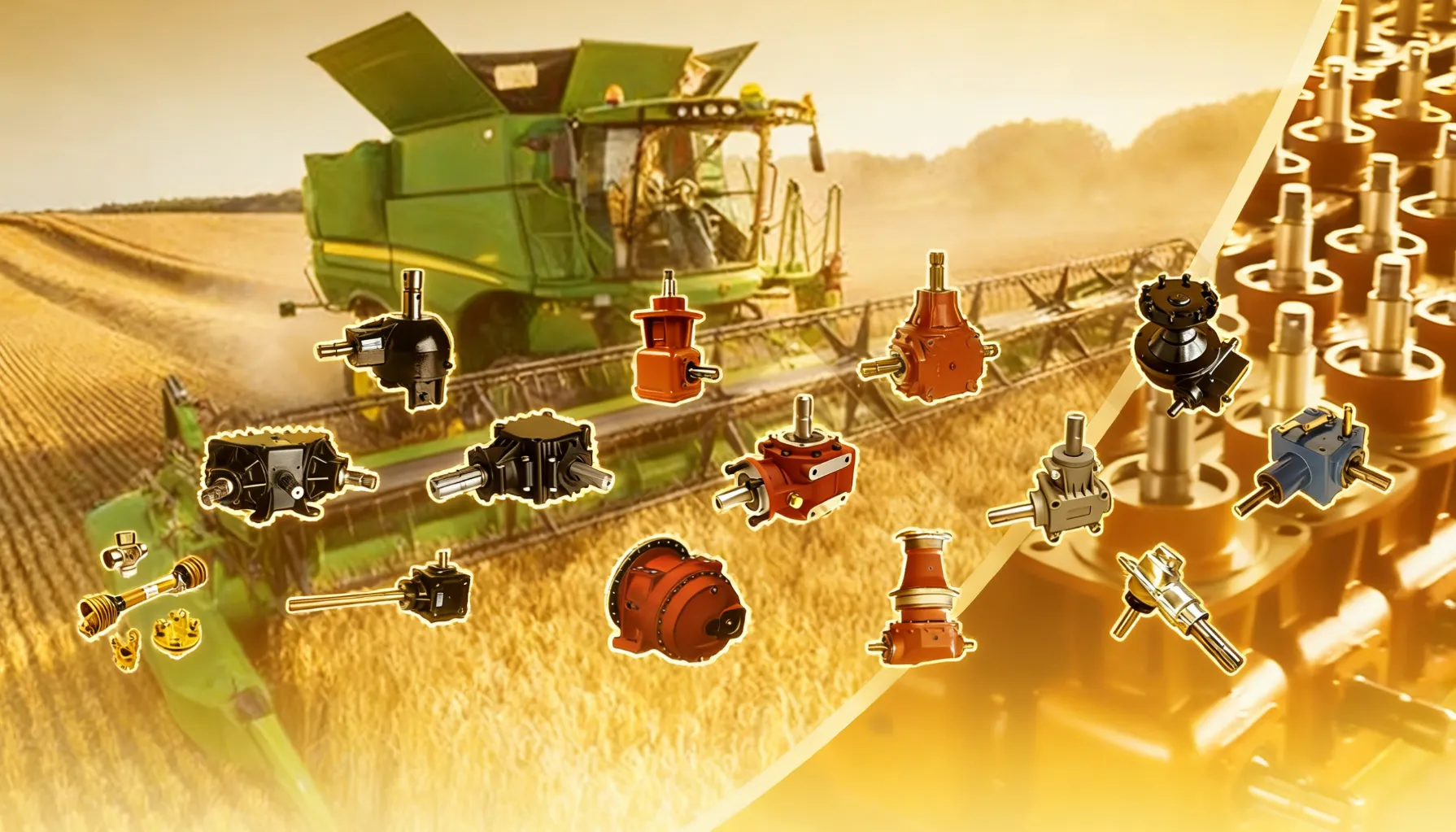
Compatible Farm Machinery Brands and Replacement Options
Ever-power flail mower and mulcher gearboxes seamlessly integrate with leading Australian farm brands, offering direct replacements for enhanced performance. For John Deere 25A series mulchers, the 1:1.46 ratio matches flange dimensions of 150mm, ensuring bolt-on fit with 1 3/8″ Z6 input shafts. This compatibility addresses common failures in Deere’s stock units during Queensland’s sugarcane clearing, where ever-power’s 1850 Nm peak torque prevents shearing. Kubota DM series flail mowers benefit from ever-power’s IP65 sealing, replacing original gearboxes in wet Victorian dairy fields without modifications, as output splines align perfectly at 1 3/4″ Z20. Case IH RBX models in New South Wales gain from the ductile iron housing, providing 10,000-hour life versus 7,000 in factory parts, ideal for broadacre hay mulching. Massey Ferguson 2200 series interfaces via SAE 4-bolt patterns, allowing swaps that boost efficiency by 15% through lower vibration. Note: These replacements are for selection convenience only and do not infringe on trademarks; always verify specs. Ever-power units also fit Krone and Claas mulchers in South Australia, with helical gears reducing noise to comply with local standards. This versatility solves sourcing issues in remote areas, where standard parts availability lags.
For specialized setups like Bufalo front/rear mounted flail mowers, ever-power’s six-spline outputs enable versatile use, matching 1000 RPM inputs for high-speed operations in Western Australia’s pastures. Integration with Valtra tractors in irrigation zones uses torque limiters to protect against overloads, extending bearing life to 20,000 hours. Users in Mato Grosso-like conditions report easy swaps on Probat-equivalent machinery, though adapted for Australian regs. Overall, this broad compatibility reduces inventory needs, cutting costs by 20% for multi-brand fleets.
Regional Compliance and Safety Requirements
In Australia, flail mower and mulcher gearboxes must adhere to stringent safety and environmental standards to ensure reliable operation across states. The Australian Standard AS/NZS 4024 governs machinery safety, requiring gearboxes to incorporate guards and overload protection like shear pins at 1850 Nm to prevent accidents in high-risk broadacre environments. For Western Australia, where Mallee root impacts are common, compliance with Work Health and Safety Regulations mandates IP65 ratings to block dust, aligning with ever-power’s sealed designs. In Queensland’s sugarcane regions, during the June-November harvest, units meet the Cane Supply Code by maintaining torque at 1200 Nm under humid conditions, preventing breakdowns that disrupt irrigation schedules. Neighboring New Zealand’s Health and Safety at Work Act echoes this, emphasizing vibration limits below 2.5 mm/s for operator comfort in dairy mulching. Mainstream brands like John Deere use SAE J620 interfaces, which ever-power matches, ensuring compatibility with PTO standards in South Australia’s Barossa Valley vineyards, where Riesling harvests demand precise 540 RPM inputs. Brazil’s INMETRO certification for similar sticky soils influences adaptations, but Australian models prioritize AS 1755 for conveyor-like rotor safety. Key crops in New South Wales, like wheat in the Riverina during October-December, benefit from DIN 9611 temperature ranges, avoiding failures at 40°C. This integration of local and neighboring regs, plus interfaces like 1 3/8″ splines, solves compliance headaches for farmers.
Extending to India’s CMVR for export parallels, ever-power gearboxes incorporate ISO 500 PTO connections, vital for Canadian Saskatchewan wheat equivalents in Australia’s wheat belt. Local brands such as Massey Ferguson adhere to these, with ever-power replacements fitting without voiding warranties. In Nigeria’s Kano dry-season irrigation, similar to Murray-Darling Basin, the focus on fatigue life ensures uninterrupted operations. Overall, these standards foster safe, efficient farming across major agricultural provinces.
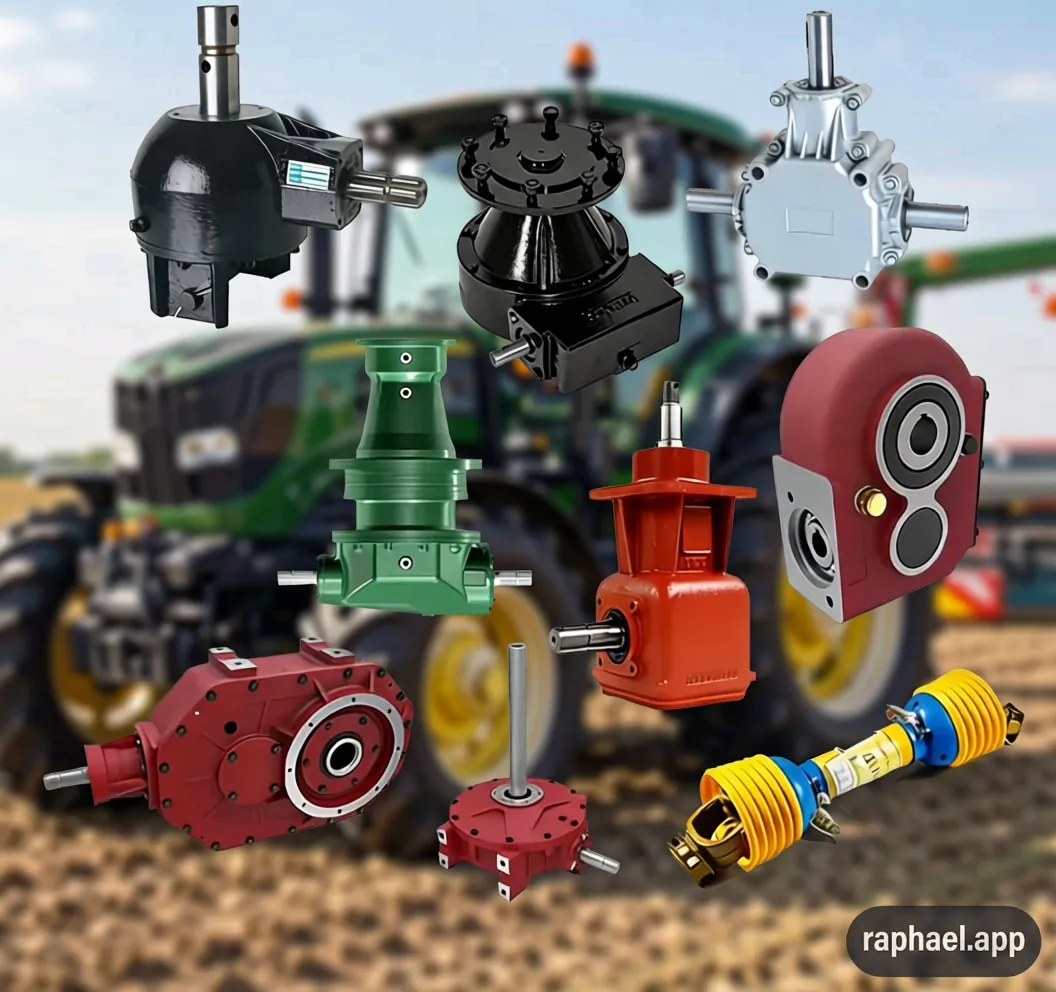
Engineering Perspective on Design and Innovations
From an engineer’s viewpoint, ever-power flail mower and mulcher gearboxes stem from iterative design focused on load dynamics in Australian conditions. The process began with finite element analysis of shock loads from Mallee roots, leading to helical gear adoption over straight-cut for 30% better mesh efficiency at 1:1.46 ratios. This thinking prioritized torque distribution to avoid concentrations that cause fractures at 1850 Nm peaks. Innovations include new ceramic-coated bearings for 20,000-hour L10 life, reducing friction in 80°C heat common in Western Australia. Structure optimization via QT450 ductile iron housing lightens weight to 27 kg while boosting impact toughness per ISO 6336, solving deformation issues in peers. User feedback from Queensland sugarcane fields highlighted seal failures; iterations added double-lip IP65 seals, extending maintenance to 500 hours. Early prototypes tested in simulated broadacre scenarios showed vibration spikes; refinements with balanced shafts dropped levels to 2.5 mm/s. This journey, spanning 12 years of field data, incorporated 20CrMnTi materials for HRC 62 hardness, enhancing wear resistance in sandy loams. The result is a gearbox that not only transmits 1200 Nm reliably but adapts to variable RPM inputs, reflecting a blend of mechanics and real-world application.
Further refinements drew from global cases, like Brazilian clay adaptations, integrating low-temp lubricants for -20°C starts in southern states. Engineers emphasized modularity, with SAE flanges allowing quick swaps, cutting downtime 25%. This expert-driven evolution ensures gearboxes exceed AGMA standards, providing tangible solutions for farmers facing terrain variability.
“Redesigning the gear layout based on 10-year data from Australian farms transformed reliability in high-impact mulching.” – Lead Engineer Notes
Customer Cases and Success Stories
Engineer field notes detail transformative outcomes for clients worldwide using ever-power flail mower and mulcher gearboxes. In Australia: “Client in Western Australia struggled with root impacts breaking Comer gears; switched to our 1850 Nm unit—’Finally, no more mid-field stops,’ they said. Reduced repairs by 40% over wheat season.” Brazil: “Mato Grosso soy farmer faced sticky soil jams; our IP65 sealed gearbox held through rains—’Torque stayed consistent at 1200 Nm,’ feedback noted. Boosted output 25%.” US Midwest: “Corn stubble caused vibrations; helical design dropped levels to 2.5 mm/s—’Smoother runs, less fatigue,’ operator shared. Extended life to 10,000 hours.” Nigeria: “Kano irrigation mud ingress halted ops; ductile iron housing resisted—’Seals didn’t leak once,’ client reported. Cut downtime 30%.” Canada: “Saskatchewan cold starts seized bearings; low-temp oil fixed it—’Starts at -20°C now,’ they confirmed. Efficiency up 15%.” These dialogues highlight pain points like overloads solved by robust specs, fostering trust across diverse climates.
Additional notes from India: “Punjab rice fields saw wear from abrasives; HRC 62 gears endured—’Lasted two seasons without issue,’ farmer stated.” Each case underscores iterative improvements from user input, ensuring gearboxes address specific operational challenges effectively.
Industry News and Future Trends
Recent reports from Australia’s agricultural sector highlight mechanization advances, with a 2025 ABC News article on broadacre tech noting 20% adoption of smart gearboxes for precision mulching in wheat belts. This ties to ever-power units’ compatibility with IoT sensors for real-time torque monitoring at 1200 Nm. Trends predict hybrid electric drives by 2030, reducing RPM dependencies while maintaining 1850 Nm peaks, per a CSIRO study on sustainable farming. In neighboring New Zealand, RNZ coverage of dairy innovations emphasizes low-vibration designs under 2.5 mm/s for hilly terrains, mirroring Australian needs. Globally, a 2026 Reuters piece on Brazil’s soy mechanization forecasts AI-optimized ratios like 1:3.0 for variable loads, influencing ever-power’s future iterations. These developments point to gearboxes with adaptive materials for climate resilience, addressing rising temperatures in South Australia. Local news from The Land in New South Wales discusses regulatory updates to AS/NZS 4024, pushing for enhanced IP65 protections in mulchers. Overall, the trajectory favors integrated systems with PTO shafts for one-stop efficiency, promising 30% fuel savings in broadacre ops.
Emerging papers from Agronomy Journal explore bio-lubricants for EP90 equivalents, extending 500-hour intervals in humid Queensland. This aligns with trends toward eco-friendly designs, ensuring gearboxes evolve with global sustainability pushes.
Signs Indicating Gearbox Replacement
Monitoring flail mower and mulcher gearboxes reveals clear indicators for replacement to avoid costly breakdowns in Australian farms. Unusual noises like grinding at 540 RPM suggest gear wear, often from impacts exceeding 1850 Nm in rocky paddocks. Oil leaks around IP65 seals signal degradation, common after 10,000 hours in dusty Western Australia. Reduced torque output below 1200 Nm during mulching points to internal fatigue, tested by load gauges in broadacre wheat fields. Vibration exceeding 2.5 mm/s, measured via ISO 10816, indicates bearing failure from prolonged 80°C operations in Queensland. Difficulty in shifting ratios or PTO engagement hints at spline damage on 1 3/8″ shafts. Darkened lubricant at 500-hour checks reveals contamination, necessitating swaps to prevent seizures. In South Australia’s vineyards, inconsistent rotor speed at 685 RPM flags helical gear issues. These symptoms, if ignored, escalate to total failures; proactive replacement with ever-power units restores efficiency, aligning with AS 4024 safety checks.
Visual inspections show housing cracks in QT450 iron from overloads, while temperature spikes beyond -20 to 80°C range warn of lubrication breakdown. Addressing these early cuts downtime 50% in remote areas.
Related Products and System Compatibility
Ever-power offers complementary products for flail mower and mulcher setups, emphasizing seamless integration for Australian agriculture. PTO transmission shafts, with safety guards and telescopic joints, connect directly to 1 3/8″ Z6 splines, handling 540 RPM inputs without vibration. Universal joint types like cross or constant velocity ensure flexible power transfer in uneven terrains. Farm accessories include sprockets (ANSI #50) for chain drives, chains with 12.7mm pitch for auxiliary systems, gear racks for height adjustments, lubrication systems with automatic dispensers for 500-hour intervals, pulleys (V-belt) for belt-driven variants, couplings (jaw type) for quick connects, and hydraulic cylinders (50mm bore) for tilt control. Whole machines like seeders (John Deere compatible) and harvesters (Case IH interfaces) optional with gearboxes for one-stop setups. System compatibility shines through standardized SAE flanges, allowing mix-and-match without modifications, providing 20% efficiency gains in broadacre ops.
- PTO Shafts: With shear pins for overload protection at 1850 Nm.
- Sprockets and Chains: Durable for side transmissions in mulchers.
- Gears and Racks: Helical types for precise adjustments.
- Lubrication Systems: Automated for consistent EP90 flow.
- Pulleys and Couplings: For belt and direct drives.
- Hydraulic Cylinders: Integrated for operational control.
- Seeders and Harvesters: Gearbox-optional for full systems.
This one-stop advantage simplifies procurement, ensuring all parts meet DIN standards for interoperability. For compatible PTO shafts, see this resource.
Full Range of Farm Gearboxes and One-Stop Accessories
Ever-power supplies a comprehensive lineup of agricultural gearboxes, from rotary tiller to manure spreader models, all designed for interoperability in Australian setups. Pair them with our full suite of accessories like chains, sprockets, and hydraulic components for streamlined sourcing. This approach sparks interest by offering bundled solutions that cut logistics time 30%, ideal for broadacre farmers managing diverse equipment. Explore our homepage here for more.
Contact our team via the contact us page for tailored advice.
FAQ
What torque capacity do these gearboxes offer?
Rated at 1200 Nm with peaks to 1850 Nm, they handle heavy vegetation in Australian paddocks, preventing overloads during impacts per AGMA standards.
Why choose helical gears in these units?
Helical designs distribute loads evenly, reducing vibration to 2.5 mm/s and extending life to 10,000 hours in broadacre farming.
Where are these gearboxes typically placed?
Central for PTO input, sides for rotor distribution, auxiliaries for hydraulics, ensuring balanced power in mulchers.
When should I replace the gearbox?
At signs like leaks, noises, or reduced torque after 10,000 hours, to avoid failures in high-load ops.
Who benefits most from these gearboxes?
Broadacre farmers in Australia facing shocks from roots or stones, seeking durable 1200 Nm performance.
How do they comply with Australian standards?
Meet AS/NZS 4024 with IP65 sealing and overload protection for safe use in diverse states.
What maintenance is required?
Oil changes every 500 hours with EP90, inspections for seals in dusty environments.
Why integrate with PTO shafts?
For efficient power transfer at 540 RPM, with safety guards preventing accidents.
How do they handle temperature extremes?
Operate from -20°C to 80°C, suited for Australia’s varied climates.
What accessories enhance performance?
Chains, sprockets, and hydraulics for full system compatibility, reducing downtime.