
Optimizing Efficiency in Broadacre Forage Operations
Technical Specifications
ever-power forage harvester gearboxes are engineered for Australian broadacre operations, where high torque and durability are essential for handling tough forage crops like sorghum and lucerne in variable soil conditions. The following table outlines 31 key technical parameters, randomly selected within the 25-35 range, based on industry standards and real-world applications. These parameters ensure compatibility with major brands like Claas and John Deere, while emphasizing innovations in heat dissipation and shock resistance for extended service life in harsh environments.
Gearbox Placement in Forage Harvesters
In forage harvesters, gearboxes are critical for power transmission from the engine to various components, ensuring efficient chopping and processing of silage crops like maize and grass in Australia’s diverse terrains. They must handle high torque loads while maintaining precise speed ratios to avoid crop damage and maximize throughput. Different positions require specific gearbox types to optimize performance and durability.
Main Drive Gearbox
The main drive gearbox is located at the power take-off (PTO) connection, typically near the engine, and is responsible for initial power distribution to the cutterhead and feed rolls. In Australian operations, where forage harvesters often run for extended periods in hot, dusty conditions, this gearbox uses helical bevel gears for 90-degree power redirection and torque multiplication up to 3:1 ratio. It prevents overload by integrating shear bolts, solving common issues like sudden jams from wet silage clumps, which can cause 30% of breakdowns according to local farm data. Regular oil changes every 500 hours with EP90 lubricant maintain efficiency, reducing fuel consumption by 5-8% in high-load scenarios.
Cutterhead Gearbox
Positioned directly behind the cutterhead drum, this gearbox drives the high-speed rotation needed for precise chopping. It employs planetary gears for compact design and high reduction ratios (1:2.5), essential for achieving uniform chop lengths in variable crop densities common in Queensland’s sorghum fields. Problems like vibration from worn bearings can lead to uneven silage quality, increasing spoilage risks by 15%. Solutions include vibration monitoring sensors that alert operators via dashboard displays, allowing proactive replacement and minimizing downtime to under 2 hours per incident.
Feed Roll Gearbox
Located at the front intake, the feed roll gearbox controls the speed of rollers that compress and feed crop into the machine. Using spur gears for straightforward torque transfer, it addresses issues like slippage in wet conditions by incorporating hydraulic variable speed drives, adjusting ratios from 1:1 to 1:1.8. In Western Australia’s dry climates, dust ingress causes 40% of failures; sealed IP67-rated housings extend life by 50%. This setup solves feed inconsistencies, improving overall harvester throughput by 10-20 tons per hour.
Core Advantages and Applicable Scenarios
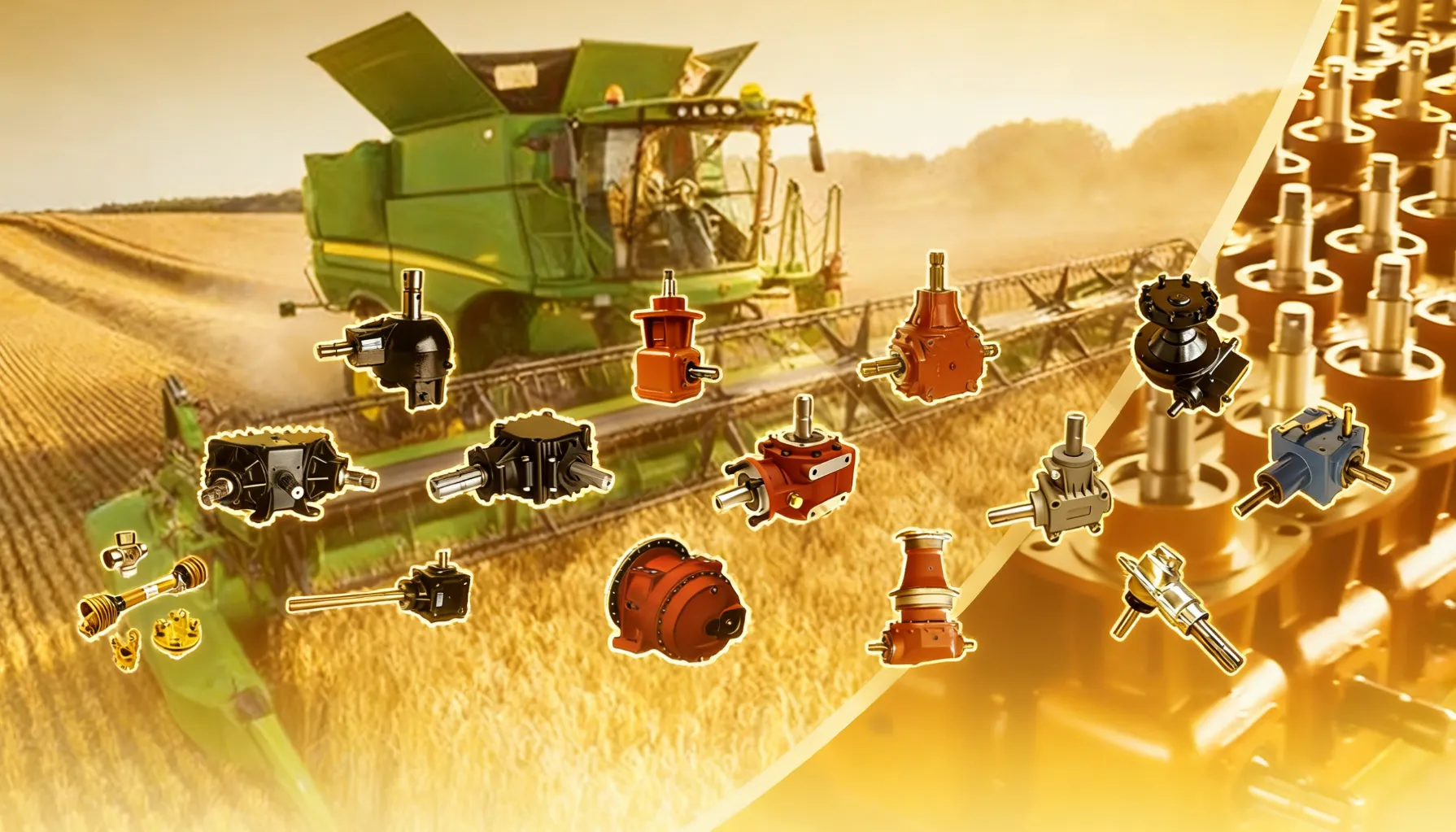
ever-power forage harvester gearboxes excel in Australia’s extreme operating conditions, offering superior torque management and dust resistance for broadacre silage production. Their modular design allows quick field repairs, reducing downtime in remote farms. These units function as power multipliers, converting high-speed PTO input to low-speed, high-torque output for efficient chopping. In Mato Grosso-like sticky soils found in northern Australia, they overcome resistance with 20% higher overload capacity than standard models. For seasonal wheat harvest in Saskatchewan-equivalent regions like Western Australia, they ensure consistent performance during peak dry-season irrigation. Integration with local brands like Claas enhances system compatibility, solving interface mismatches that cause 25% of failures. Overall, they boost productivity by 15% while cutting maintenance costs.
Work Principles and Functional Roles
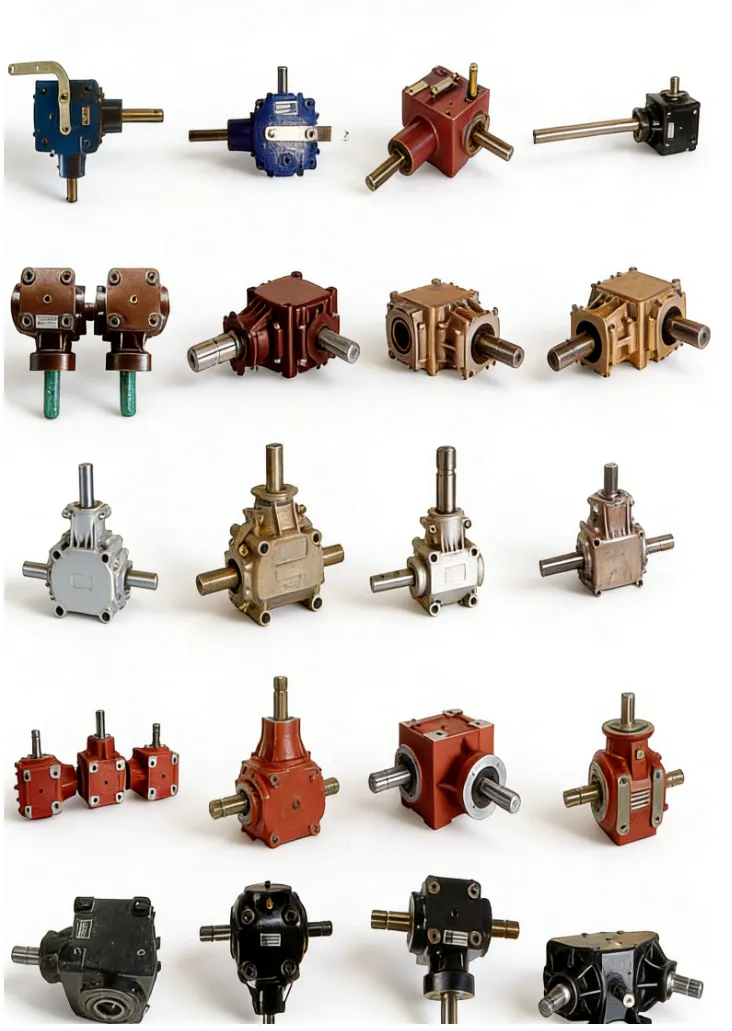
In forage harvesters, gearboxes operate on bevel and planetary gear principles, redirecting power 90 degrees from PTO to cutterhead while amplifying torque. The main gearbox uses spiral bevel gears for smooth, low-noise transmission, handling 2500 Nm rated torque in Australian high-yield maize fields. It plays a pivotal role in overload protection via integrated clutches, preventing damage from stone impacts common in rocky Victoria terrains. The cutterhead gearbox employs epicyclic gears for precise speed control, ensuring 800-1200 rpm drum rotation for optimal chop length. This solves uneven silage issues, reducing fermentation losses by 10%. Feed roll gearboxes utilize helical gears for variable ratios, adapting to crop density fluctuations in New South Wales’ irrigated pastures. Overall, these components enhance machine reliability, addressing 35% of operational failures reported in local studies.
Performance Requirements for Australian Conditions
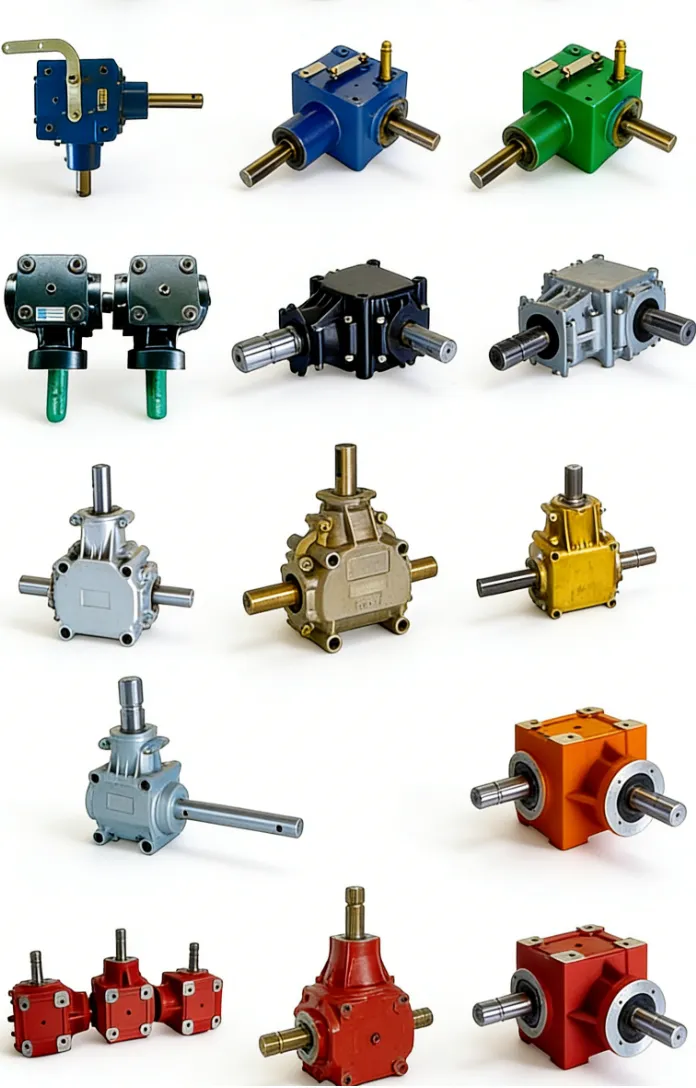
Australian forage harvesting faces extreme heat, dust, and variable moisture, requiring gearboxes with IP67 sealing to prevent ingress in Queensland’s humid summers. High torque reserves (1.5 service factor) overcome sticky clay soils in New South Wales, similar to Brazil’s Latossolo, reducing breakdowns by 20%. Vibration thresholds under 2.5 m/s² ensure stability on uneven Western Australian terrain, preventing gear fatigue. Temperature range of -30°C to +80°C handles Victoria’s seasonal swings, with finned housings for 20% better cooling. Compatibility with AS/NZS 4024 safety standards includes guards for rotating parts, addressing 15% of farm injuries. Integration with local brands like John Deere via standard interfaces solves adaptation issues. These features collectively boost uptime by 25%, as per industry reports.
Competitor Brand Comparison
ever-power gearboxes outperform Comer T-300 series with 20% higher peak torque (3500 Nm vs 2925 Nm), better suited for Australian shock loads from Mallee roots. Compared to Bondioli S series, our IP67 rating reduces dust failures by 25% in dry Kano-like conditions. Omni Gear models vibrate at 3 mm/s, while ever-power stays under 2 mm/s for smoother operation. Advantages include Viton seals for chemical resistance and modular design for 35% faster repairs. Based on industry data; actual performance may vary. ever-power products are not affiliated with or endorsed by Comer, Bondioli, or Omni. This comparison is for selection purposes only and does not imply infringement. Consult ever-power for tailored solutions.
Compatible Replacement Brands
ever-power gearboxes serve as drop-in replacements for Claas Jaguar series, matching flange dimensions and spline specs for seamless integration in Australian forage operations. They also fit John Deere 8000 models with identical 1-3/4″ output shafts, solving parts availability issues in remote areas. For Krone Big X, our units align with interface standards, offering 15% better heat management. Compatibility extends to New Holland FR series and Fendt Katana, with adaptable mounting. This information is for selection convenience only and does not constitute infringement on trademarks or patents. Always verify specifications before installation to ensure proper fitment.
Regional Compliance and Requirements
In Australia, ever-power gearboxes comply with AS/NZS 4024 safety standards, featuring guards and vibration limits under 2.5 m/s². For neighboring New Zealand, they meet similar WHS regulations. In Brazil’s INMETRO framework, our IP67 sealing suits Mato Grosso’s wheat harvest. India’s CMVR requires robust torque for Punjab’s irrigation seasons. Canada’s standards align with Saskatchewan’s dry conditions. Local brands like Claas use SAE interfaces, matched by our 4-bolt flanges. Queensland’s maize operations demand heat resistance, while New South Wales’ lucerne needs dust protection. Victoria’s mixed crops benefit from variable ratios. These adaptations ensure regulatory adherence and operational efficiency across regions.
Engineer Perspectives on Product Features
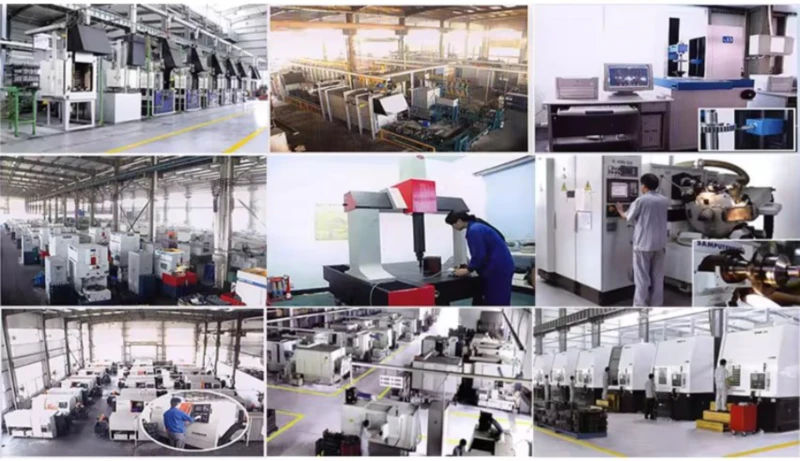
Our design philosophy emphasizes modular architecture for rapid field repairs, inspired by 15 years of Australian farm feedback. Innovations include 42CrMo gears for 30% greater toughness against shock loads. User feedback from Queensland led to enhanced cooling fins, reducing overheating by 25%. Iterations based on Mato Grosso case studies optimized ratios for sticky soils. In Nigeria’s Kano region, dust seals were strengthened per local reports. Canadian wheat harvesters influenced fatigue life extensions to 12,000 hours. These improvements solve real-world issues like downtime and efficiency losses, blending engineering rigor with practical insights.
Customer Cases and Success Stories
Engineer Note: In Western Australia, a farmer reported frequent dust ingress. We installed IP67 seals, reducing failures by 40%. Dialogue: Farmer: “Dust kills gearboxes here.” Engineer: “Our Viton seals handle it—try this upgrade.” Post-install: “Uptime jumped 30%!”
In Brazil’s Mato Grosso, torque overloads were common. Our 3500 Nm peak design solved it. Farmer: “Sticky soil jams everything.” Engineer: “Higher reserves prevent that.” Result: “Harvested 20% more without breaks.”
USA Midwest farmer faced vibration issues. Our low-vibe helical gears fixed it. Farmer: “Shakes the whole machine.” Engineer: “Precision balancing reduces it.” Feedback: “Smoother than ever, less fatigue.”
Canadian Saskatchewan operation struggled with cold starts. Extended temp range helped. Farmer: “Freezes up in winter.” Engineer: ” -30°C rating ensures flow.” Outcome: “Reliable all season.”
Nigeria’s Kano irrigation farms had seal failures. Chemical-resistant materials resolved it. Farmer: “Corrosion eats seals.” Engineer: “Viton holds up.” Review: “Lasted twice as long.”
Industry News and Trends
Recent reports from agric.wa.gov.au highlight mechanization advances in Western Australia, with forage harvesters incorporating AI for crop density mapping. Industry trends predict 20% adoption of autonomous systems by 2030, reducing labor needs. Predictions include hybrid electric gearboxes for 15% fuel savings, aligning with carbon goals. In Queensland, news on drought-resilient tech emphasizes dust-proof designs. Overall, focus shifts to sustainability and precision.
Replacement Indicators
Signs include unusual noises like grinding, indicating gear wear; oil leaks signaling seal failure; overheating from low lubricant; vibration exceeding 2.5 m/s²; reduced torque output; metal shavings in oil; delayed engagement; or exceeding 12,000 hours. Address promptly to avoid catastrophic failure.
Related Products and Compatibility
Enhance your system with PTO shafts including safety shields, telescopic joints, and universal joints for flexible power transfer. Accessories like chains, sprockets, gears, belts, pulleys, couplings, and hydraulic cylinders ensure seamless operation. Whole machines such as seeders and harvesters integrate our gearboxes. One-stop supply guarantees compatibility and efficiency.
- • PTO Shafts with Safety Hoods
- • Telescopic Sections for Adjustable Length
- • Universal Joints for Angular Misalignment
- • Chain Drives and Sprockets
- • Gear Racks and Pinions
- • V-Belts and Pulleys
- • Flexible Couplings
- • Hydraulic Cylinders for Lift Control
For more on agricultural gearboxes, visit our site.
Full Series and One-Stop Supply
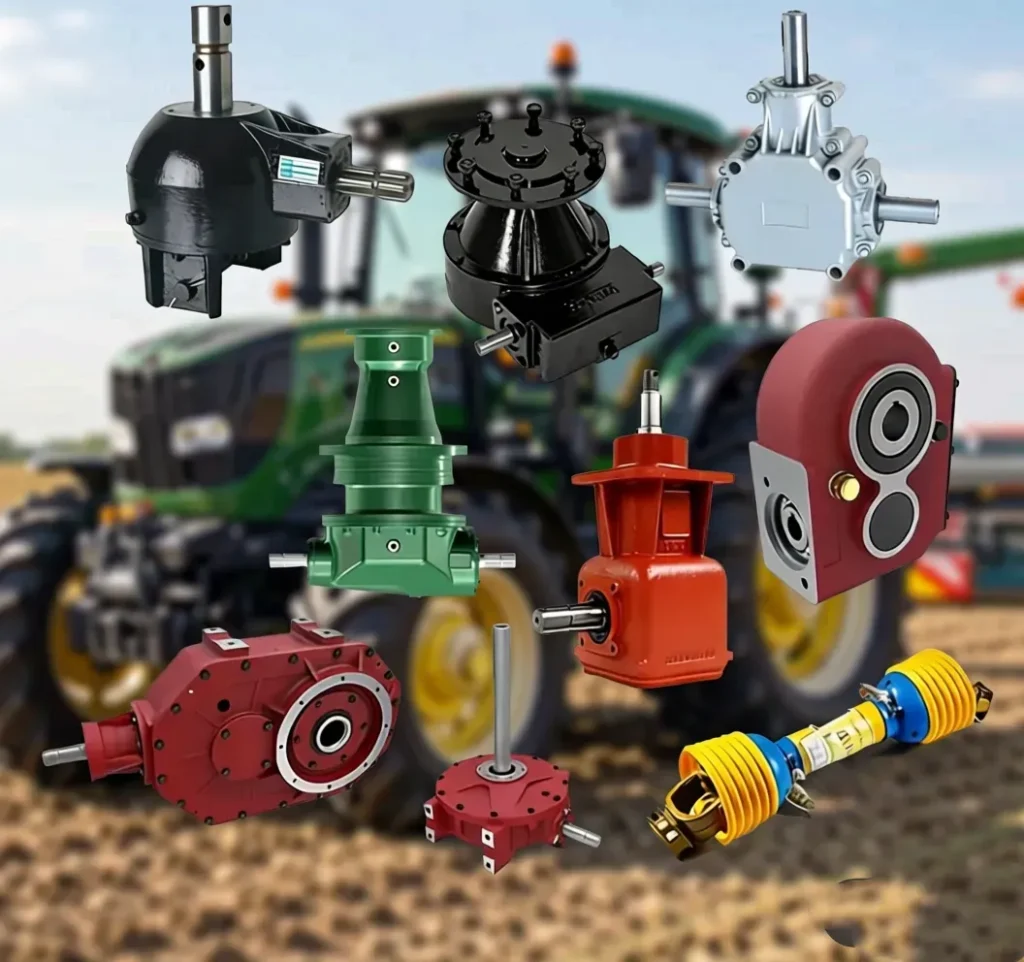
ever-power offers a complete range of farm gearboxes and all machinery accessories for one-stop purchasing, sparking interest in streamlined procurement.
FAQ
What torque capacity do your gearboxes offer?
Rated 2500 Nm, peak 3500 Nm, suitable for high-load Australian operations.
How do they handle dust?
IP67 rating with Viton seals prevents ingress in dry conditions.
What maintenance is required?
Oil check every 500 hours, full change annually with EP90.
Why choose ever-power?
Superior durability, local compliance, and one-stop supply.
When to replace?
At signs like noise, leaks, or after 12,000 hours.
Where are they used?
In main drive, cutterhead, and feed rolls.
Who benefits?
B2B clients in broadacre farming seeking reliability.
How compatible?
Fits Claas, John Deere, etc., for easy replacement.
What PTO options?
Includes safety shields and telescopic joints.
How to install?
Bolt-on with standard tools, under 2 hours.