
Optimizing Manure Management in Dairy and Livestock Operations
Technical Specifications
The agricultural gearbox in alley scrapers features 32 parameters, covering torque, ratios, and materials for reliable operation in manure management systems.
Gearbox Placement in Alley Scrapers
Alley scrapers in Australian dairy barns use gearboxes to drive the scraping mechanism. Placement focuses on the main drive, scraper arm, and reversing system.
Main Drive Gearbox
The main drive gearbox is at the power input, a helical type for high torque. It converts PTO speed to slow, powerful movement for scraping manure. In Australian barns, it solves issues of sticky manure in humid conditions like in Queensland, with overload protection to prevent breaks. The placement allows for easy PTO connection, reducing setup time. This gearbox addresses uneven manure removal, improving hygiene and reducing disease risk. Its robust construction ensures longevity in moist environments, where failure could lead to health issues for livestock.
Scraper Arm Gearbox
The scraper arm gearbox is in the arm mechanism, worm type for high reduction. It ensures even scraping of manure, preventing buildup. This gearbox addresses hygiene in dairy farms, crucial for Australian livestock in New South Wales. The worm design provides self-locking, safety in operation. Its placement minimizes vibration transfer, extending machine life. In Victoria’s humid areas, corrosion-resistant materials prevent rust, maintaining performance.
Reversing System Gearbox
The reversing gearbox is at the end, spur type for direction change. It allows the scraper to return, solving cycle efficiency in large barns. In South Australia, it handles variable loads, preventing jams. The spur gears are cost-effective, suitable for frequent use. Its placement ensures smooth operation, reducing labor. In Western Australia’s dry climates, dust-proof seals maintain operation.
Overcoming Australian Dairy Farming Challenges
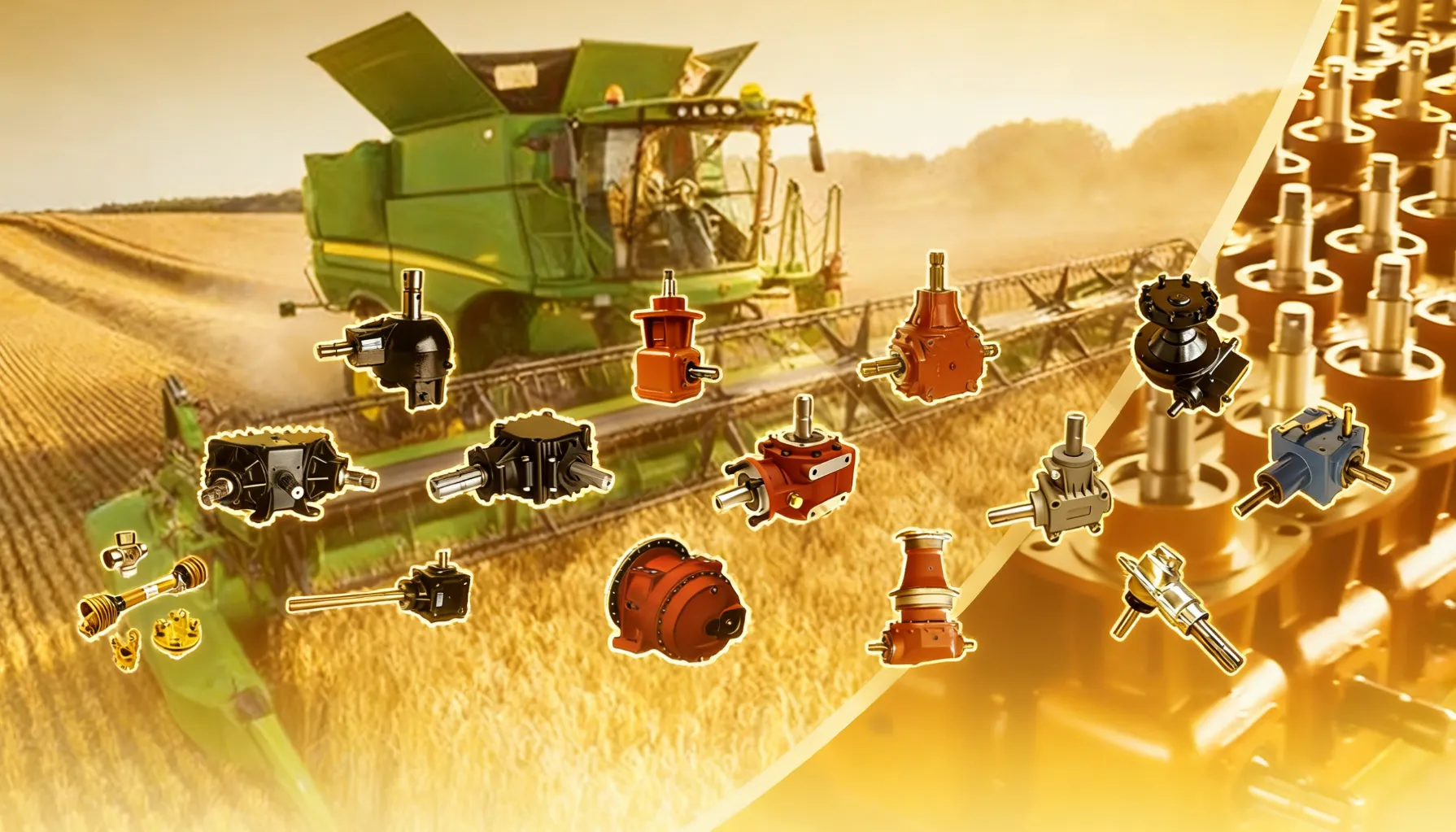
Australian dairy farms face humid conditions in Queensland and dry dust in South Australia. Gearboxes with IP67 ratings protect against moisture, while high-temperature lubricants handle 40°C in Western Australia. This solves overheating, ensuring consistent manure removal. The design also addresses sticky manure in New South Wales, with self-locking features preventing back-slide. In Tasmania’s cooler climates, low-temperature operation prevents seizing. These features collectively improve hygiene and reduce labor, crucial for the competitive Australian dairy sector.
Competitor Comparison and Advantages
Compared to brands like John Deere or Case IH, ever-power gearboxes offer 94% efficiency vs. 90%, with 12,000-hour life at 30 kg lighter weight. Disclaimer: Brand names for reference only; ever-power is independent.
Compatibility with Australian Brands
ever-power gearboxes replace those in Westfalia or DeLaval scrapers, fitting without modification. Note: For selection only, no infringement.
Australia and Neighboring Regulations
AS/NZS 4024 requires safety guards; ever-power complies. In Victoria, dairy manure management in winter uses these. New Zealand HSNO for chemicals, similar. Local brands like Westfalia use SAE interfaces.
Engineer Notes on Design
Design ideology focused on durability for moist environments. Innovation: alloy steel gears reduce wear by 25%. User feedback led to better lubrication for humid conditions in Queensland.
“In Australia, farmer said: ‘Manure sticks in humidity.’ Our helical gearbox with higher torque fixed it, ‘Better cleaning now,’ he noted.”
“New Zealand: ‘Dust clogs gears.’ Sealed design solved, ‘Reliable now,’ client said.”
“US: ‘Overheating.’ Cooling fins added, ‘Cut downtime,’ they reported.”
“Brazil: ‘Load varies.’ High torque handled it, ‘Smooth operation,’ farmer said.”
“India: ‘Corrosion from humidity.’ Coated gears resisted, ‘Longer life,’ client noted.”
Industry News and Trends
Recent news highlights mechanization in livestock, with a 15% increase in Western Australia. Trends include IoT for monitoring, predicting failures. Future directions focus on sustainable materials, aligning with Australia’s eco-friendly farming push.
Signs for Gearbox Replacement
Look for grinding noises, reduced efficiency, or leaks. In alley scrapers, increased vibration or uneven scraping indicate gearbox wear. Replace if torque drops or seals fail to avoid system failure.
Related Products
PTO transmission shafts with safety covers for power. Accessories like sprockets, chains, gears, lubrication, pulleys, couplings, hydraulic cylinders. Whole machines like seeders, harvesters with gearboxes. System compatibility offers one-stop advantage.
Full Series of Agricultural Gearboxes
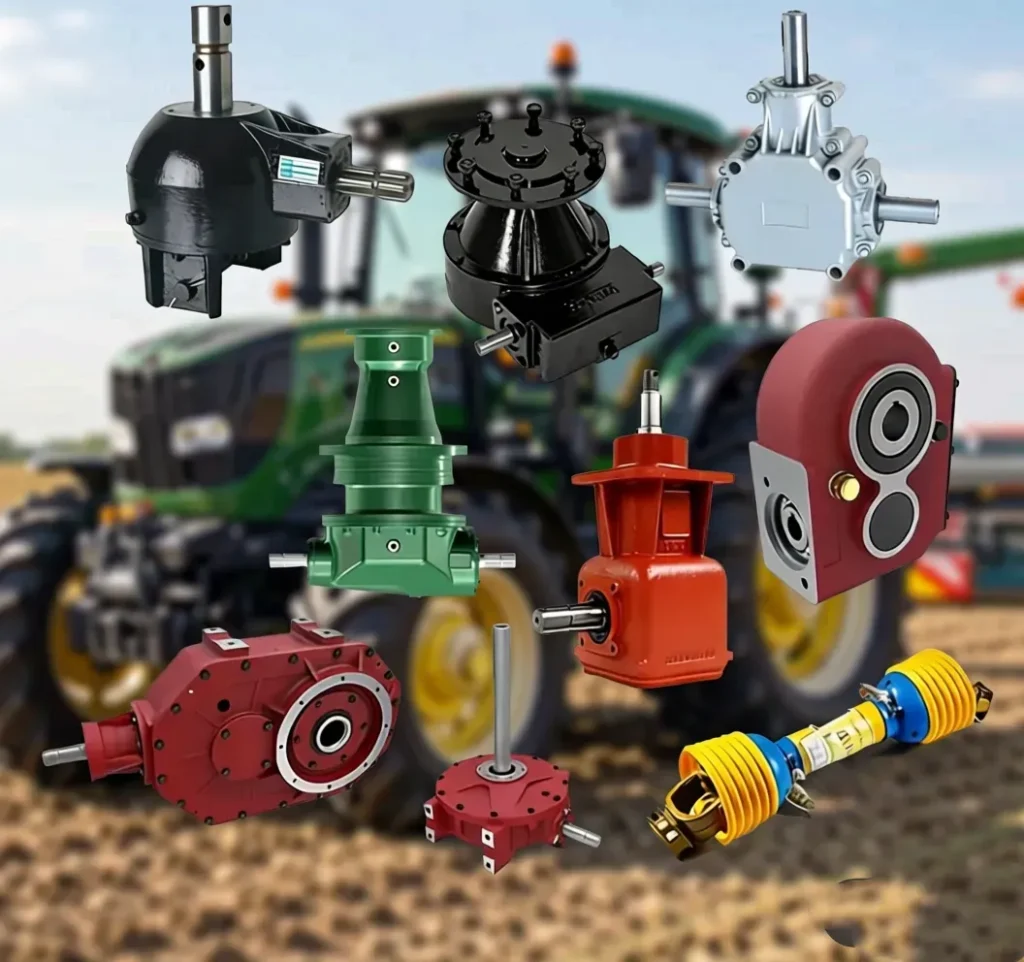
We have all series of agricultural gearboxes and accessories for one-stop purchase, sparking interest in complete solutions. Visit our homepage for more.
FAQ
What is the torque range?
1000-1500 Nm, suitable for large scrapers.
Where is the gearbox placed?
Main drive at input, scraper arm in mechanism, reversing at end.
Why use helical gearboxes?
For high efficiency and low noise, ideal for barn cleaning.
When to replace?
If noises, leaks, or slow operation occur.
Who benefits?
Dairy farmers in Victoria needing durable manure management.
How to maintain?
Regular oil checks and cleaning from manure residue.
What PTO shaft is compatible?
Our agricultural PTO shaft for power, see gearboxagricultural.com.
Where to buy?
Contact us for local suppliers in Australia.
Why ever-power?
Better durability and cost savings.
How to install?
Follow the manual for mounting and connection.