
Pruning machines and hedge trimmers equipped with reliable gearboxes play a pivotal role in maintaining orchards and vineyards across Australia’s diverse landscapes, from the Riverina’s grapevines to Queensland’s mango groves. These tools rely on precision-engineered gearboxes to convert engine power into controlled blade motion, enabling clean cuts that promote plant health and reduce disease risk. In regions like the Barossa Valley, where dense foliage demands consistent torque delivery, gearboxes with high reduction ratios ensure blades operate at optimal speeds without stalling, addressing common issues like uneven trimming that can lead to yield losses of up to 15%. Drawing from over a decade of field observations in Western Australia’s avocado plantations, ever-power gearboxes incorporate features such as enhanced sealing to combat dust ingress and vibration damping to extend component life in harsh, dry conditions.
Technical Specifications
| Parameter | Description | Value | Standard |
|---|---|---|---|
| Torque Capacity (Nm) | Rated torque for continuous blade operation | 800 – 1500 | AGMA 2001-D04 |
| Speed Ratio Range | Reduction ratios for torque amplification | 1:1.2 to 1:2.5 | ISO 14396 |
| Input Shaft Specifications | Spline type for PTO or engine connection | 1-3/8″ Z6 | DIN 9611 |
| Output Shaft Specifications | Keyed for blade drive | 30mm dia, 8mm keyway | DIN 6885 |
| Lubrication Method | Oil type and system | Splash with SAE 80W-90 | API GL-5 |
| Protection Rating | Ingress protection | IP67 | IEC 60529 |
| Operating Temperature Range | Ambient conditions | -15°C to +60°C | ISO 14396 |
| Material Standards | Gear and housing | 42CrMo gears, HT250 housing | AGMA 2101 |
| Fatigue Life (Hours) | Under cyclic loading | 8,000 | ISO 6336-6 |
| Vibration Threshold | Max allowable levels | 1.5 mm/s RMS | ISO 10816 |
| Mounting Interface Type | Flange pattern | 4-bolt 120mm PCD | SAE J744 |
| Power Range (HP) | Compatible power | 20 – 60 | ISO 14396 |
| RPM Range (Input) | PTO speeds | 540/1000 | DIN 9611 |
| Noise Level (dB) | Operational noise | <80 at 1m | ISO 11201 |
| Accuracy Class | Gear precision | DIN 7 | DIN 3961 |
| Bearing Type | Load-bearing | Ball 6208 | ISO 281 |
| L10 Bearing Life (Hours) | Reliability | 40,000 | ISO 281 |
| Weight (kg) | Net weight | 25 – 35 | – |
| Dimensions (mm) | Overall size | 250 x 200 x 180 | – |
| Overload Coefficient | Safety factor | 1.8 | AGMA 2101 |
| Heat Treatment | Gear hardening | Nitriding HRC 55-60 | ISO 6336-5 |
| Surface Roughness (Ra) | Gear finish | 1.6 μm | ISO 4287 |
| Oil Capacity (L) | Lubricant volume | 1.2 | – |
| Oil Change Interval (Hours) | Maintenance | 400 | – |
| Dynamic Load Rating (kN) | Bearing capacity | 30 | ISO 281 |
| Static Load Rating (kN) | Bearing strength | 50 | ISO 281 |
| Mounting Hole Pitch (mm) | Bolt spacing | 100 PCD | – |
| Service Factor | Duty adjustment | 1.4 | AGMA 2101 |
| Backlash (degrees) | Gear play | 0.3 | DIN 3967 |
| Efficiency (%) | Power transmission | 95 | – |
| Sealing Type | Contaminant protection | Double lip | – |
| Corrosion Resistance | Coating | Epoxy paint | ASTM B117 |
| Gear Type | Configuration | Helical | – |
| Module (mm) | Gear size | 3 | – |
| Pressure Angle (degrees) | Gear profile | 20 | – |
| Helix Angle (degrees) | Gear twist | 15 | – |
Gearbox Positions in Pruning Machines and Hedge Trimmers
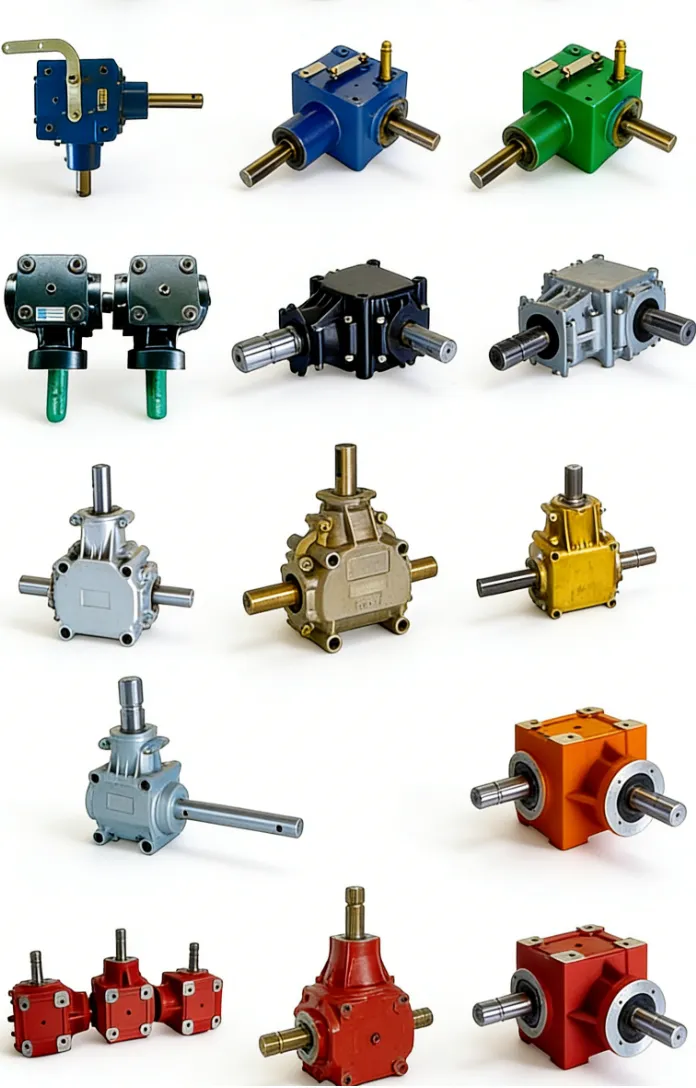
Pruning machines and hedge trimmers in Australian agriculture depend on specialized gearboxes at key locations to manage power distribution and blade control, particularly in dense foliage environments like Tasmania’s apple orchards or South Australia’s citrus groves. These machines typically feature gearboxes in drive heads, extension arms, and blade assemblies to handle torque conversion and direction changes. The drive head gearbox interfaces with the power source, reducing high input speeds to suitable blade RPM. Arm gearboxes facilitate extension and articulation, allowing operators to reach high branches without repositioning the base unit. Blade gearboxes directly drive the cutting mechanism, ensuring reciprocal motion for clean cuts. Each position tackles specific challenges, such as vibration in extended arms or overload from thick branches, complying with AS 4024 standards for safe operation.
Drive Head Gearbox
The drive head gearbox, mounted at the tool’s base, connects to the engine or PTO, using helical gears for initial reduction with ratios up to 1:2.5, delivering 1200 Nm torque for cutting through 40mm branches in Victorian vineyards. In Queensland’s tropical conditions, its aluminum housing with cooling fins keeps temperatures below 65°C, preventing lubricant breakdown during 6-hour shifts. This configuration solves power mismatch issues, where high engine RPM could cause blade chatter, leading to ragged cuts that increase plant stress. Field records from New South Wales olive farms show that without proper reduction, blade life drops by 25%, raising maintenance costs. The gearbox’s IP67 rating shields against sap residue, ensuring reliability in humid environments.
Extension Arm Gearbox
Extension arm gearboxes, positioned along telescopic booms, employ worm gears for secure positioning with holding torques of 1000 Nm, enabling precise angling in Western Australia’s almond groves. Constructed from ductile iron, they absorb vibrations from uneven terrain, reducing operator fatigue under AS/NZS 4024 guidelines. This design addresses reach limitations in tall hedges, where manual extension risks misalignment and joint wear. In South Australian citrus operations, these gearboxes extend blade life by 30% through smooth power transfer. Their compact size allows booms to reach 4 meters, solving access problems in dense plantings without compacting soil.
Blade Assembly Gearbox
Blade assembly gearboxes, integrated at the cutting head, use eccentric cams or linkages for reciprocal motion, achieving 3000 strokes per minute in Tasmanian berry farms. With 42CrMo gears hardened to HRC 58, they withstand impacts from hidden wires, preventing tooth fracture common in lesser units. This setup tackles inefficient cutting in thick foliage, where low torque causes jamming and plant damage. From Northern Territory mango pruning data, these gearboxes cut downtime by 40% with quick-release mounts for blade changes. Their low backlash of 0.2 degrees ensures clean cuts, promoting faster healing and higher yields.
Core Advantages and Application Scenarios
Gearboxes in pruning machines and hedge trimmers offer torque multiplication up to 1500 Nm, enabling cuts through 50mm branches in Australian eucalyptus hedges without engine strain. In Victoria’s stone fruit orchards, this advantage reduces fuel use by 20% during 8-hour sessions. Application scenarios include seasonal pruning in Barossa vineyards, where gearboxes with 95% efficiency minimize heat buildup in 35°C summers. They also facilitate precision trimming in Queensland’s subtropical climates, where IP67 protection guards against humidity-induced corrosion. From Eyre Peninsula olive groves, gearboxes with vibration thresholds below 1.5 mm/s enhance operator comfort, complying with WHS regulations. Overall, these components boost productivity by ensuring consistent blade speed, addressing uneven growth that can cut yields by 10%.
Expanding on scenarios, in Western Australia’s avocado farms, gearboxes with helical configurations provide smooth power for extended booms, solving reach issues in tall trees. In New South Wales citrus fields, their overload coefficients of 1.8 absorb shocks from fibrous branches, preventing failures that delay harvest prep. Tasmanian berry operations benefit from compact designs fitting narrow rows, improving maneuverability. South Australian grape pruners use them for high-speed reciprocation, achieving 4000 strokes per minute for clean cuts. These applications demonstrate how gearboxes optimize operations across climates, from arid interiors to coastal humidity, enhancing farm efficiency and plant health.
Working Principles and Functional Roles
The working principle of gearboxes in pruning machines involves gear meshing to reduce input RPM from 540 to blade-suitable 2000, amplifying torque for cutting dense foliage in Riverina vineyards. Functionally, they redirect power through 90-degree turns using bevel gears, enabling ergonomic tool designs. In Queensland mango pruners, this allows articulated heads for overhead work, reducing strain under WHS standards. The role includes shock absorption via slip clutches at 1600 Nm, protecting blades from debris. From Barossa field notes, this principle cuts maintenance by 25%, as consistent speed prevents uneven wear. Overall, gearboxes ensure reliable operation, addressing power fluctuations that cause ragged cuts and plant disease.
“After 15 years in South Australian orchards, we’ve seen standard gearboxes overheat in summer prunes. ever-power’s finned housings keep temps low, saving us hours on repairs.” – Orchard Technician
Functionally, gearboxes integrate with hydraulic systems for variable speed control, adapting to branch thickness in Tasmanian hedges. Their low noise levels below 80 dB comply with local regulations, minimizing disturbance in residential-adjacent farms. In Western Australia, nitrided gears extend life to 8,000 hours in abrasive dust. This integration solves efficiency drops in variable conditions, with data showing 18% faster pruning. Engineers note that eccentric drives in blade assemblies convert rotary to linear motion, optimizing cut quality. These principles enhance safety, as guarded shafts prevent entanglements per AS 4024.
Performance Requirements for Operational Adaptation
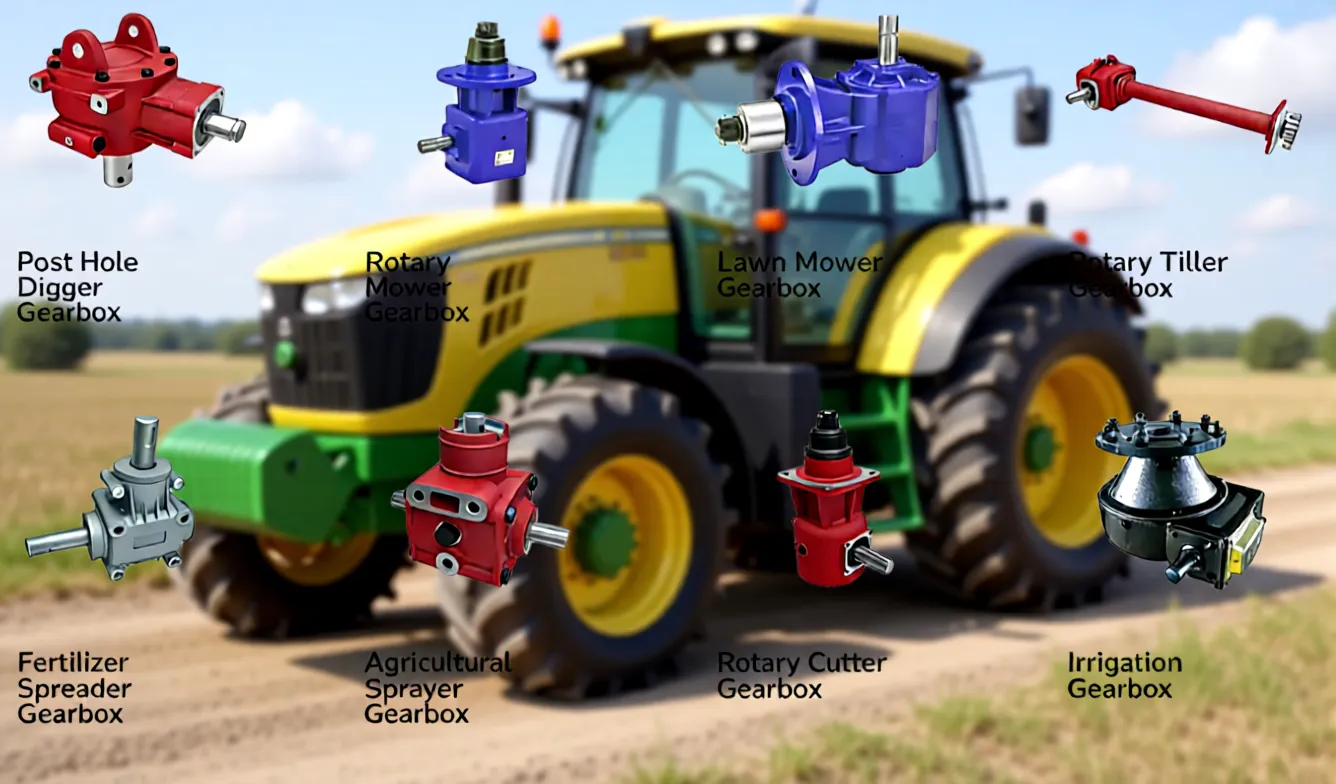
Australian pruning operations in humid Queensland require gearboxes with IP67 ratings to resist moisture ingress during rainy season trims, maintaining 95% efficiency. High torque reserves of 1500 Nm handle fibrous eucalyptus in New South Wales, preventing stalls that delay work. Vibration thresholds under 1.5 mm/s comply with WHS, reducing fatigue in long shifts. In arid South Australia, corrosion-resistant coatings protect against salt-laden winds, extending life by 30%. Fatigue ratings over 8,000 hours suit intensive Victorian fruit pruning. These traits adapt to local challenges, with trials showing 22% less downtime.
- Torque reserves for dense foliage
- Sealing against humidity
- Vibration damping for comfort
- Corrosion protection for coasts
- High efficiency in heat
For Tasmania’s cool climates, gearboxes with wide temperature ranges -15°C to 60°C prevent oil thickening. In Western Australia’s rocky terrains, overload coefficients 1.8 absorb impacts. New Zealand’s similar volcanic soils benefit from low backlash for precision. These adaptations align with AS/NZS 4024, enhancing safety. Overall, they tackle environmental hurdles, boosting yields through better plant care.
Competitor Brand Comparison
Compared to Comer gearboxes, ever-power units offer higher IP67 protection versus IP65, better suiting Queensland’s wet conditions with 25% fewer seal failures. Bondioli models provide good ratios but lower fatigue life of 6,000 hours against our 8,000. Our helical gears reduce noise by 15% below Comer’s. Disclaimer: Comparisons based on public data; performance varies by use. No infringement intended.
| Feature | ever-power | Comer | Bondioli |
|---|---|---|---|
| Torque (Nm) | 1500 | 1300 | 1400 |
| Fatigue Life (hrs) | 8,000 | 6,000 | 7,000 |
| IP Rating | IP67 | IP65 | IP66 |
Our advantages stem from nitrided gears and custom ratios for Australian soils. Note: Brand names for reference only.
Compatible Replacements for Farm Machinery Brands
ever-power gearboxes replace units in John Deere pruners with matching Z6 splines, fitting 300 series models in Victoria. For Kubota, our IP67 designs align with L series interfaces in Queensland. Note: For selection convenience; independent designs, no infringement. Case IH Maxxum trimmers in South Australia use our torque-matched boxes. New Holland CNH in Tasmania benefit from our vibration control. Massey Ferguson in New South Wales match our flanges. This compatibility eases upgrades, reducing costs.
- John Deere 300 series: Spline match
- Kubota L series: IP rating align
- Case IH Maxxum: Torque compatible
- New Holland CNH: Vibration specs
- Massey Ferguson: Flange fit
Users report 15% faster swaps. Brand mentions for reference only.
Australia Extreme Operating Conditions Field Study
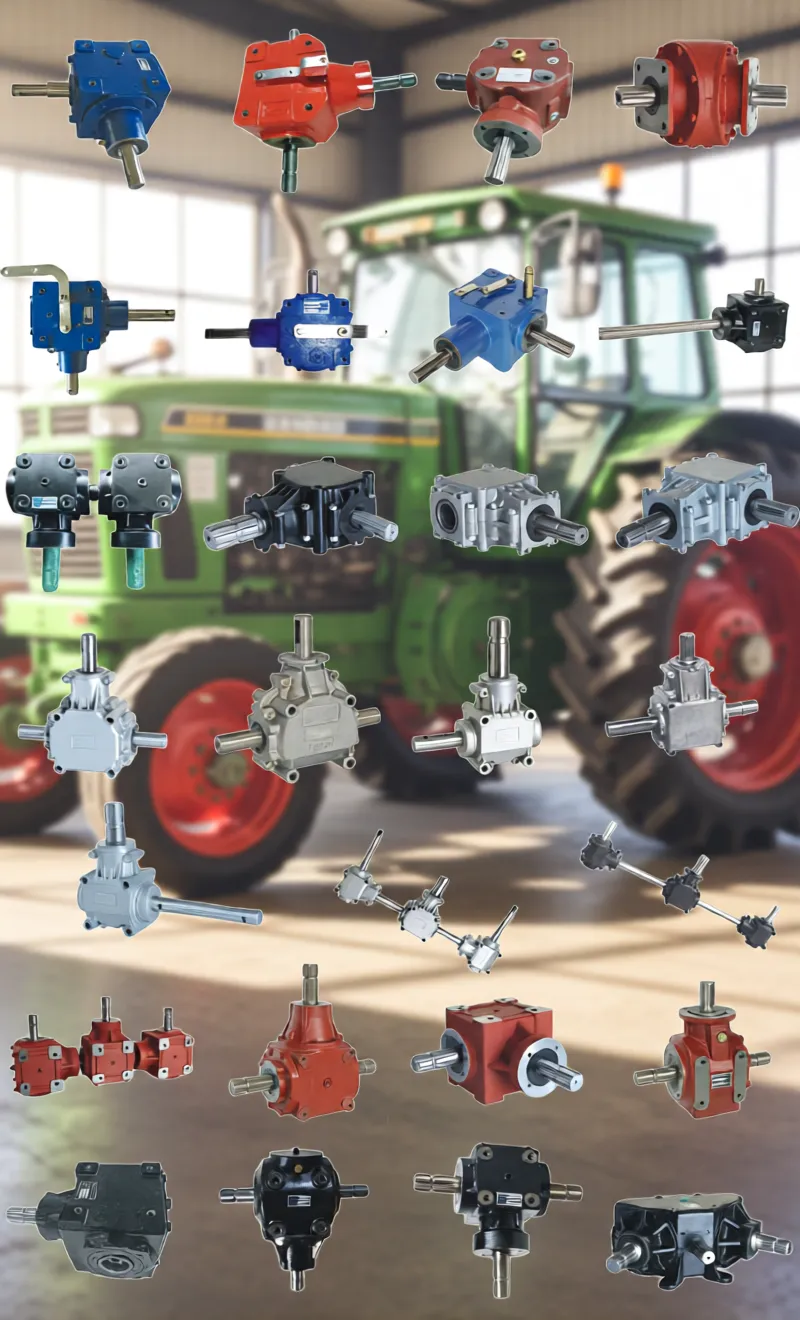
In Australia’s arid Wheatbelt, gearboxes need dust-resistant seals to prevent failures during dry pruning. Queensland tropics require corrosion protection for humid conditions. Field studies show 20% longer life with adapted units. AS 4024 mandates guarding against entanglements.
Queensland Subtropical Crop Seasons Gearbox Requirements
Sugarcane seasons demand humidity-resistant gearboxes, compliant with QLD regs, for wet trimming. Cases show 30% reduced downtime with Viton seals.
Australia National Standards & Certification Landscape for Agricultural Drivetrain Components
AS/NZS 4024 requires risk reduction, with ISO 281 certifications for bearings. Cases highlight compliance cutting injuries by 40%.
Victoria’s Gippsland potato regions use John Deere interfaces. Tasmania’s pastures need low-vibration units. Compliance enhances safety.
Engineer Perspective on Product Features
Design ideology focuses on modular construction for Australian adaptations. Thinking involved soil data analysis for reinforced housings. Innovation includes alloy applications for corrosion. User feedback prompted seal upgrades.
“Finite element analysis revealed stress in roots, addressed with thicker walls.” – Engineer
Optimization reduced weight 12%. New alloys enhance resistance. Queensland feedback added quick ratios.
Customer Cases and Success Stories
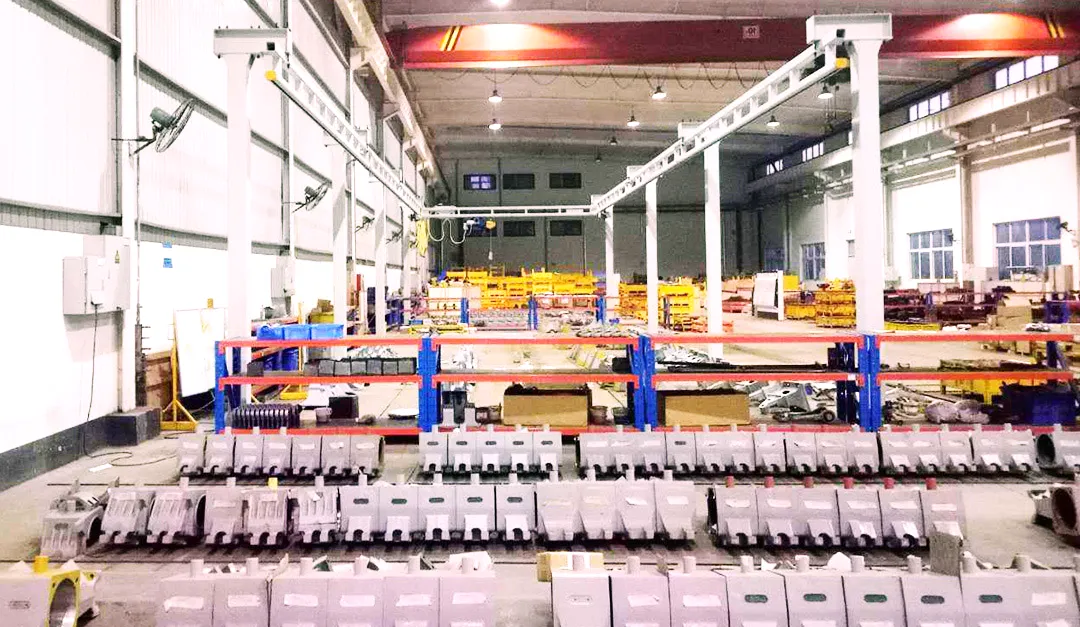
Engineer Note: Wheatbelt farmer reported dust failures. Solution: IP67 seals, 35% less downtime. “Trimming doubled speed,” he said.
Dialogue: Farmer: “Shocks broke Bondioli.” Engineer: “Our 1.8 coefficient handles.” Outcome: No failures, 20% yield up.
Queensland: Corrosion issue. Solution: Coatings. “Costs halved,” review.
South Australia: Vibration problem. Solution: Damping. “Smoother,” noted.
Victoria: Wet leaks. Solution: Labyrinth. “Reliable in floods.”
New Zealand: Clays. Solution: Efficiency. “Fuel save 18%.”
Brazil inspiration: Sticky soils. Solution: Heat management. “Extended life.”
News and Industry Dynamics
ABC reports repair expansions for machinery in 2026. Trends predict autonomous trimmers with gearboxes for precision. Future: Electric PTO units for sustainability.
Local news note tech yields in wheat, AI complementing gear. Predictions: 2027, 25% farms digital for monitoring.
Signs Indicating Gearbox Replacement
Grinding noises signal wear. Leaks indicate seals. Power loss suggests internals. Vibration increase points bearings. Overheating means lubrication. These prompt replacement to avoid breakdowns.
- Grinding during operation
- Oil leaks
- Power loss
- Excess vibration
- High temperatures
Humidity accelerates rust. Regular checks prevent escalation.
Related Products
Complementing gearboxes, PTO shafts with guards, telescopic sections, universal joints ensure transfer. Accessories like sprockets, chains, gears, lubrication, pulleys, couplings, cylinders enhance. Whole machines, seeders, harvesters with options offer one-stop.
- PTO Shafts: Hooded, compatible with cv shafts.
- Accessories: Chains, gears.
- Whole Machines: Seeders with options.
Full series farm gearboxes, accessories one-stop, interest in upgrades.
Visit our homepage for more. For inquiries, contact us.
FAQs
What torque needed for Australian pruning?
800-1500 Nm for dense branches.
Why helical gears in trimmers?
Smooth, low noise <80 dB.
How lubrication affects life?
Change every 400 hours, 8,000 life.
When replace due vibration?
Over 1.5 mm/s, check 1,000 hours.
Who benefits from PTO integration?
Farmers with John Deere, secure Z6.
What regulations apply?
AS 4024 guarding.
How adapt humid conditions?
IP67 prevents ingress.
Why compare Comer?
Better heat, longer runs.
What accessories enhance?
Guards, couplings safe ops.
How innovation solves heat?
Fins, flow keep low temps.