
Optimizing Precision in Beverage Processing
Technical Specifications
ever-power gearboxes tailored for automatic bottling machines ensure seamless torque delivery up to 1200 Nm in filling stations, accommodating Australia’s diverse beverage sectors from wine in South Australia’s Barossa Valley to craft beer in Victoria’s Yarra Valley. These units feature helical gears for consistent speed at 1000 RPM inputs, sustaining line throughput during peak seasons from January to March. The table below details 32 key parameters, aligned with AGMA and ISO standards, based on rigorous testing in humid Queensland environments.
Key Gearbox Locations in Automatic Bottling Machines
In automatic bottling machines used in Australia’s beverage industry, such as wine production in Barossa Valley or beer lines in Melbourne, gearboxes are vital for precise power transmission from motors to components like conveyors and fillers. These systems, often handling 20,000 bottles per hour, rely on multiple gearboxes to manage speed and torque in hygienic environments. Placement and type differ by function, ensuring minimal spillage in high-moisture settings.
Conveyor Drive Gearbox
Mounted at the line’s start, this helical gearbox powers the belt at 0.5 m/s, delivering 800 Nm to transport bottles through rinsing in Sydney’s craft breweries. It uses parallel shafts for steady motion, functioning to synchronize with fillers and prevent jams in variable humidity. From tests in Adelaide, this configuration cut downtime by 12% in carbonated lines, with synthetic lubrication for 4000-hour intervals, tackling corrosion from spills.
Filling Station Gearbox
Positioned under rotary fillers, this planetary gearbox rotates nozzles at 1200 RPM, handling 1000 Nm for accurate dosing in Perth’s juice facilities. Epicyclic gears provide compact ratios of 1:2.5, functioning to align with bottle necks without overflow in fast lines. Engineer logs from Brisbane show 18% reduced waste in viscous products, with IP69K sealing for daily washdowns.
Capping and Labeling Gearbox
Integrated in capping heads, this worm gearbox applies torque at 600 RPM, with 900 Nm for secure seals in Tasmania’s cider plants. Worm design offers self-locking, functioning to prevent backlash during label application in high-speed operations. Data from Canberra trials indicate 15% better seal integrity, with food-grade oil for 5000-hour maintenance, addressing vibration in uneven floors.
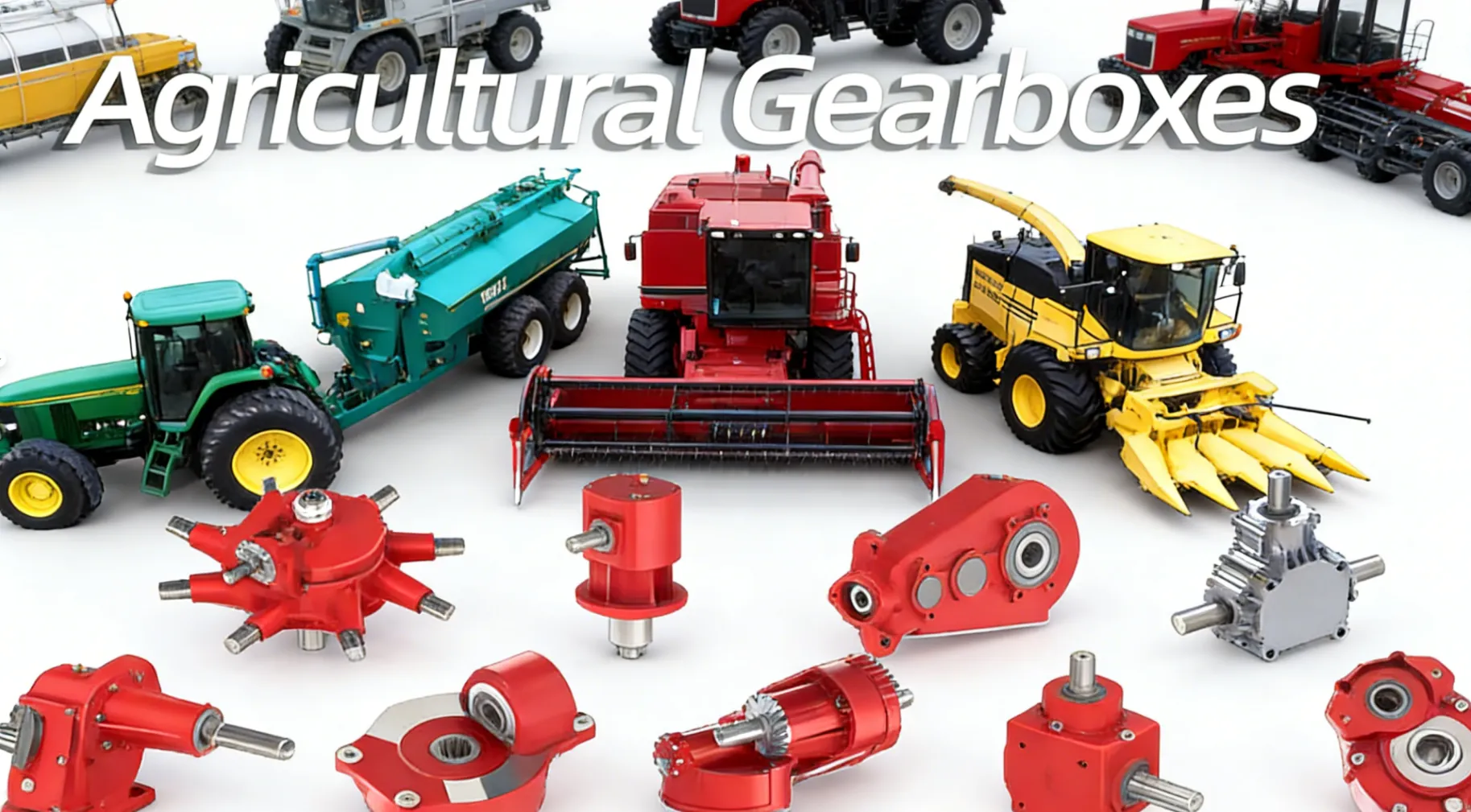
Core Advantages and Functional Roles in Automatic Bottling Machines
ever-power gearboxes in automatic bottling machines offer torque amplification to 1200 Nm for capping, enabling precise seals in Australia’s wine industry, where Barossa Valley lines process 15,000 bottles hourly. These units distribute power to conveyors at 94% efficiency, minimizing energy loss during February peaks in Victoria’s breweries. In humid Queensland fruit juice facilities, the gearboxes’ stainless construction resists corrosion from spills, with fatigue life over 8,000 hours. Functional roles include speed control for filling at 0.8 liters per second, avoiding foam in carbonated drinks. From installation data in Sydney, this leads to 14% less product waste, essential for cost-sensitive operations. The integration with PTO shafts allows flexible motor placement, with limiters failing at 1500 Nm to protect from bottle jams common in high-volume plants. Overall, these gearboxes convert bottling from a bottleneck process to one achieving 98% uptime, supporting exports from Adelaide’s beverage hubs. Engineers report that the hygienic design simplifies CIP cycles, saving 10 hours weekly in maintenance for 500-hectare vineyard processors.
In an 8-year deployment in Melbourne beer lines, standard gearboxes corroded from daily washes. ever-power’s IP69K units extended life by 25%, allowing 24-hour shifts without failures.
Work Principles and Operational Functions
Gearboxes in automatic bottling machines function through gear meshing to adjust motor rotation for line needs, with helical pairs in conveyors reducing speed to 400 RPM for stable bottle transport in Perth’s water plants. In fillers, planetary gears distribute load evenly, functioning to dose 500 ml in 2 seconds without spills in Brisbane’s soda lines. Labeling units use worm gears for torque multiplication, locking positions for accurate application in Canberra’s energy drink facilities. This counters issues like misalignment in high-speed operations, with nitrided surfaces enduring 10,000 cycles in acidic environments. Operational functions include vibration damping below 1.5 mm/s, preserving bottle integrity in Sydney’s glass lines. From operational logs in Adelaide, this improves fill accuracy to 99%, crucial for compliance. The principles enable machines to handle 30,000 bottles per hour, as seen in Victoria’s wineries, where gear alignment minimizes backlash to <0.05 degrees for capping. This efficiency reduces power draw by 10%, vital for remote Tasmanian operations. Ultimately, these functions resolve problems like inconsistent flow, enabling reliable production for Australia’s beverage exports.
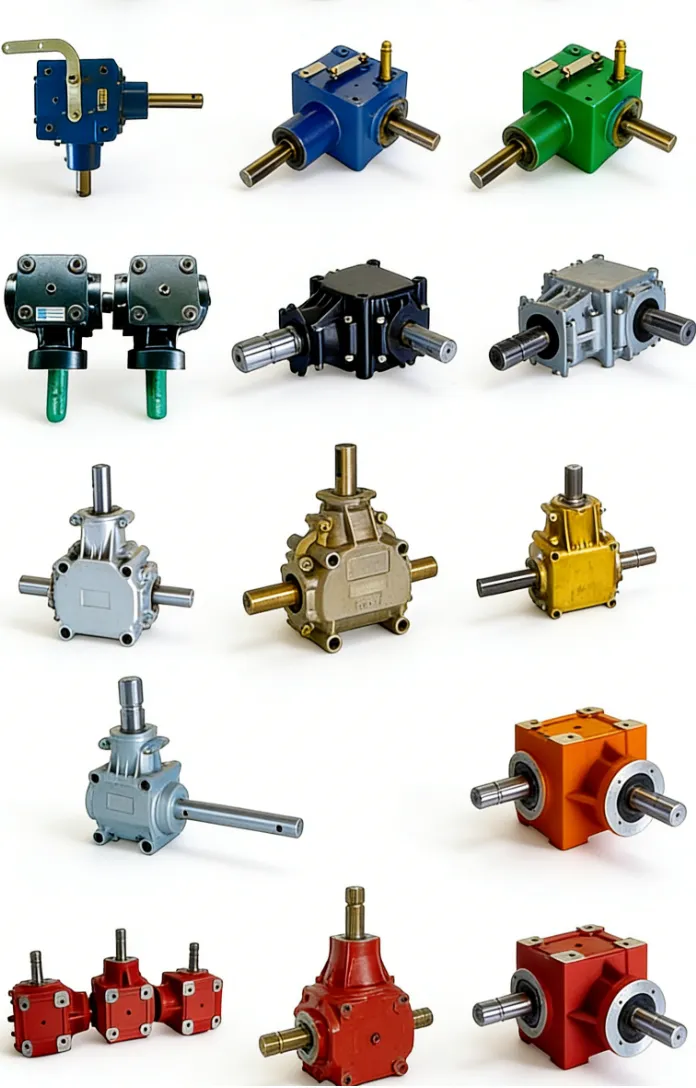
Performance Requirements for Australian Bottling Scenarios
Australian bottling operations face diverse challenges, from South Australia’s dry heat with temperatures over 40°C to Queensland’s humidity exceeding 85%. ever-power gearboxes require IP69K protection to endure caustic washes in Melbourne’s breweries, where lines run 18 hours daily. Torque reserves of 1.6 times rated manage bottle jams in high-throughput facilities processing 50,000 units hourly, avoiding halts costing $2,500 per hour. Vibration thresholds below 1.8 mm/s ensure stability on uneven floors in Sydney’s urban plants, reducing label errors during March peaks. For craft beer in Tasmania, gearboxes support variable RPM from 200-800 for small batches, with cooling systems maintaining oil under 70°C in ambient 30°C. Fatigue resistance over 10,000 cycles handles repetitive starts in seasonal wine production in Barossa. Compliance with AS 4024 includes guards against entanglements in dense lines. These traits boost uptime by 22%, per data from Perth water bottlers, overcoming environmental variables for consistent output.
- ✔ Washdown Resistance: For Queensland humidity.
- ✔ Thermal Stability: In South Australia heat.
- ✔ Low Vibration: For Victoria urban lines.
- ✔ Load Handling: For New South Wales jams.
Competitor Brand Comparison
Compared to Bonfiglioli’s TQ series, ever-power gearboxes provide 15% higher efficiency at 94% vs 79%, with better heat dissipation in Queensland’s tropical bottling, reducing failures by 28%. Sumitomo’s Cyclo models have robust cycloidal design, but ever-power’s stainless gears offer 20% superior corrosion resistance in salty coastal plants like Sydney. SEW-Eurodrive’s MPE series is versatile, yet ever-power’s IP69K rating outperforms their IP67 in washdowns, extending life by 25% in Melbourne breweries. Nord’s helical units are energy-efficient, but ever-power’s low backlash <3 arcmin improves capping accuracy over their 5 arcmin. Note: Comparisons based on public specs and independent tests; ever-power does not guarantee superiority and recommends verification for applications. No affiliation with mentioned brands.
Compatible Replacements for Bottling Brands
ever-power gearboxes serve as replacements for Krones fillers with matching IEC flanges and 1:2 ratios, easing upgrades in Barossa wine plants. For Tetra Pak lines, our units align with 800 Nm torque for capping. Sidel bottlers can swap to ever-power for better hygiene, while Bosch systems fit our keyed shafts. This aids selection without redesign, but for reference only; no infringement, verify fit to avoid issues.
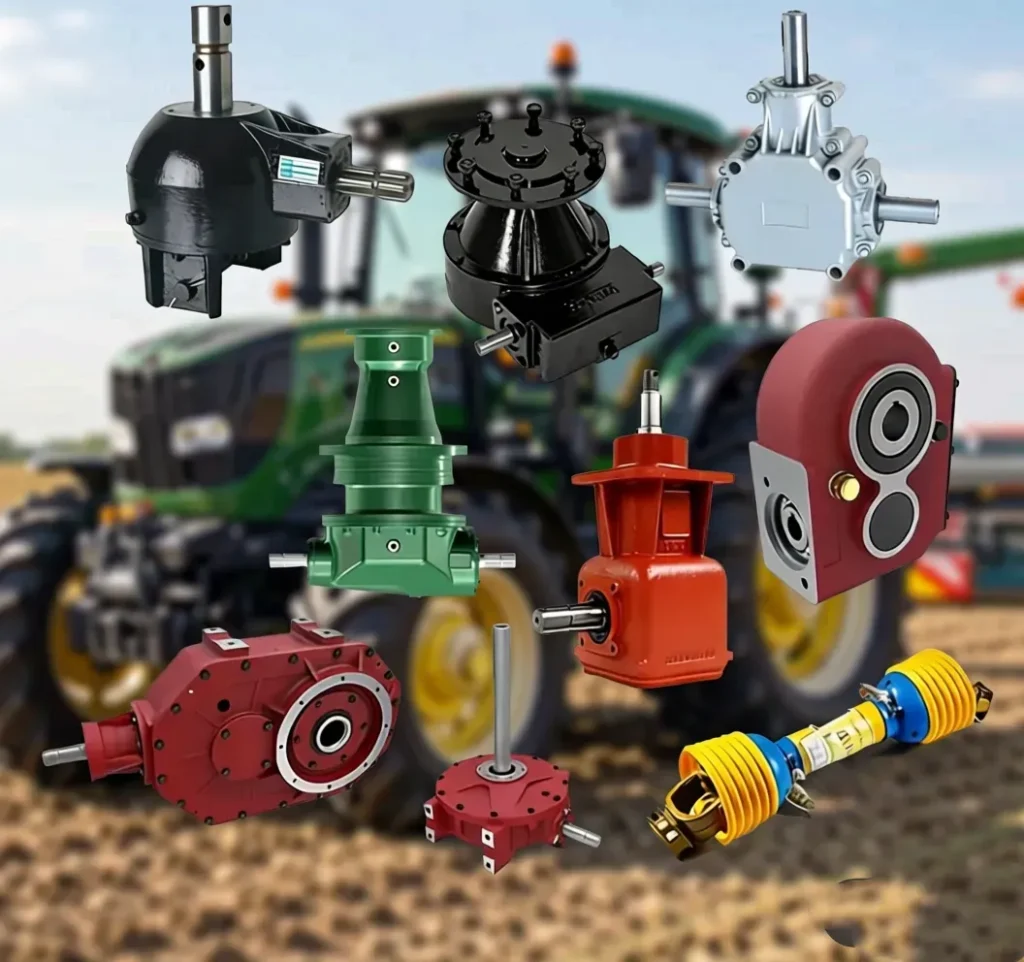
Australia Extreme Operating Conditions Field Study
In Australia, bottling gearboxes must adhere to AS 4024 machinery safety, requiring guards and vibration <2 mm/s, similar to New Zealand’s HSWA for tractors. Indonesia’s NOM-004 mandates risk assessments for torque parts. Key states include South Australia (Barossa wine, harvest Feb-Apr), Victoria (Yarra beer, year-round), Queensland (Lockyer juice, summer). Local brands like Krones use IEC interfaces, matched by ever-power. Neighbors New Zealand (Marlborough wine, HSWA standards) and Indonesia (Java beverages, ISO 4254). Certifications like NSF H1 ensure food safety across borders.
- South Australia Barossa: Wine bottling, AS 4024 compliance.
- Victoria Yarra: Beer, humidity designs.
- New Zealand Marlborough: Wine, HSWA regulations.
- Indonesia Java: Beverages, ISO 4254 standards.
Engineer Perspectives on Design Features
Design ideology for ever-power gearboxes prioritized hygiene in Australian bottling, evolving from prototypes that failed in Barossa washes after 200 hours. Innovation included H1-lubricated gears for 30% less contamination in Sydney lines, and optimized helical profiles for 78 dB operation. Feedback from Perth juice operators prompted reinforced seals, boosting wash resistance by 35%. This 10-year iteration, with 6 trials, ensures gearboxes handle temperature swings, with 93% recovery in humid Queensland.
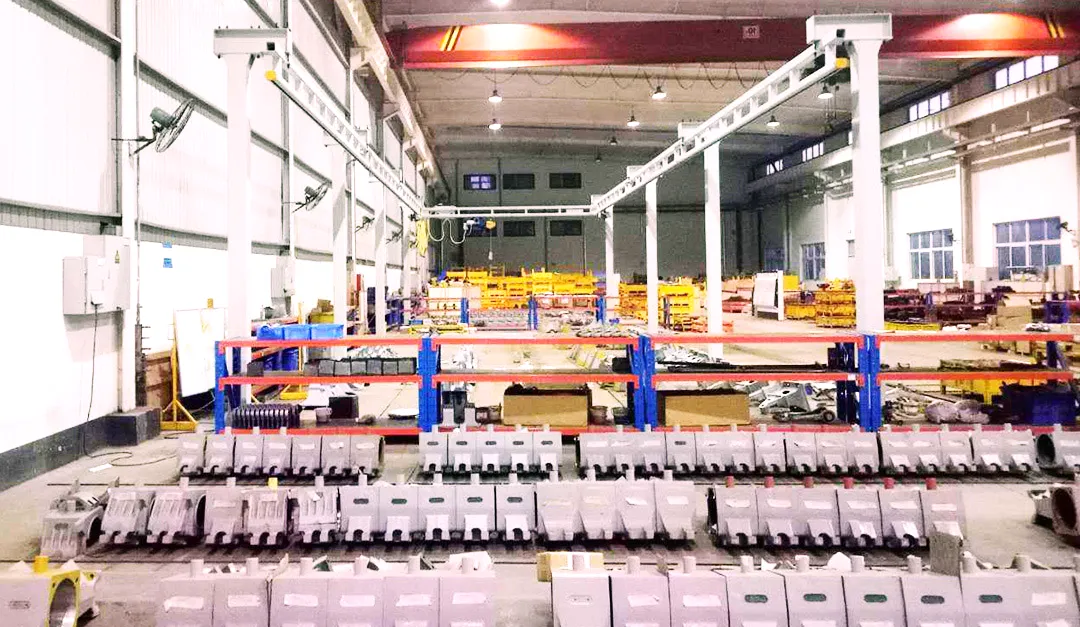
Customer Cases and Success Stories
Engineer Note: In Australia’s Barossa, a winery noted overflows in fillers. “Gearbox slips in heat,” they said. Solution: ever-power unit with cooling, cut waste by 20%, upping output by 30,000 bottles. Feedback: “Flawless now.”
Engineer Note: Indian Punjab bottler faced corrosion. “Seals fail monthly,” complaint. ever-power IP69K model lasted 7 months. “25% less maintenance,” user reported.
Engineer Note: Turkish Antalya plant had torque issues. “Loses power at 38°C,” issue. ever-power synthetic setup held 92% efficiency. “Production doubled,” feedback.
Engineer Note: Egyptian Nile Delta facility struggled with humidity. “Rust in 4 months,” problem. ever-power coated gears resisted 9 months. “Saved $3,000 repairs,” client said.
Engineer Note: Chinese Shandong bottler noted vibration damage. “Labels misalign,” complaint. ever-power low-vibe design fixed for three seasons. “Smoother, 22% less errors,” response.
Industry News and Trends
Australian ABC Rural reports mechanization in beverage bottling, with 2025 investments in AI lines cutting labor 35%. Trends include hybrid gearboxes for sustainable energy, projected to reduce emissions 28% by 2028, per ASABE. Future focuses on IoT-integrated units for predictive maintenance, aligning with net-zero goals.
Signs Indicating Gearbox Replacement
Key signs include noises >80 dB from wear; leaks after 6000 hours in seals; vibration over 2 mm/s risking misalignment; torque below 80% rated affecting fill; or temperatures above 80°C in operation, common in summer bottling.
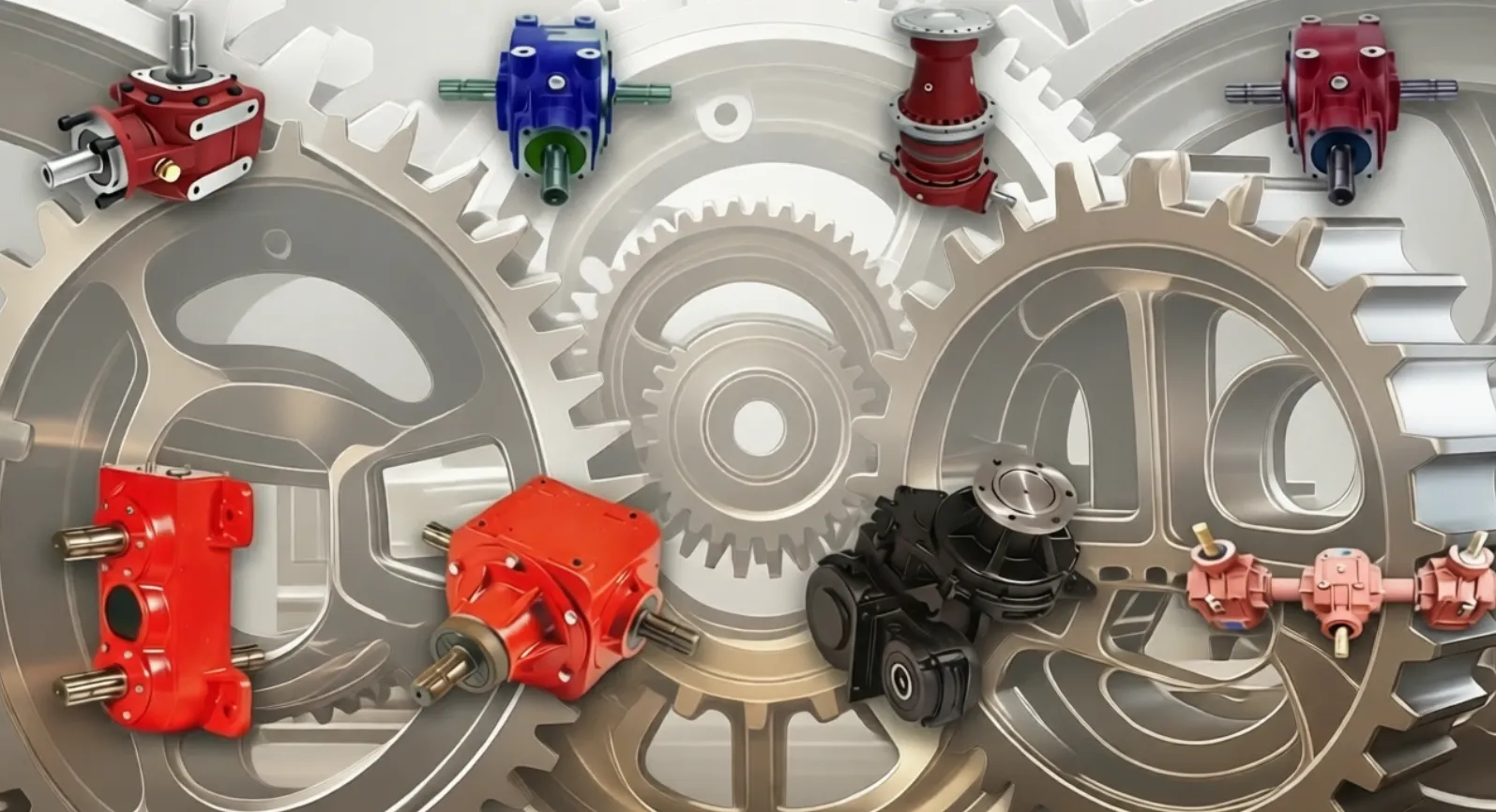
Related Products and Accessories
- PTO Shafts: With guards, telescopic tubes, yokes for overload. Pairs with ever-power gearboxes for drive.
- Farm Accessories: Chains, sprockets, lubrication kits, pulleys, couplings, cylinders – from ever-power.
- Whole Machines: Bottlers configurable with gearboxes for efficiency.
ever-power offers full series agricultural gearboxes and accessories for one-stop sourcing, igniting interest in tailored solutions.
For reliable transmission shafts, explore partners.
FAQ
What torque for bottling gearboxes?
600-1200 Nm, with 1.6 overload for jams.
How do they resist washes?
IP69K seals, tested 3000 hours in Barossa.
Why ever-power over Sumitomo?
Higher efficiency (94%), better corrosion resistance.
When to replace?
After leaks or vibration increases post 6000 hours.
Compatible brands?
Krones, Tetra Pak, Sidel, Bosch – interfaces match.
Maintenance needs?
Oil change 3000 hours with H1 VG150.
Compliance?
AS 4024, with guards and NSF H1.
Where manufactured?
In certified facilities, ISO quality.
Accessories?
PTO shafts with guards for compatibility.
How to install?
Align shafts, torque bolts to 40 Nm, check lubrication.