
Enhancing Efficiency in Hay and Forage Operations
Technical Specifications
ever-power gearboxes engineered for balers deliver precise torque management up to 2800 Nm in compression chambers, supporting operations in Australia’s vast wheatbelt regions where hay production peaks from October to December. These components integrate helical gears for smooth power transfer at 540 RPM inputs, maintaining bale density in variable moisture conditions common to New South Wales coastal farms. The table below outlines 30 essential parameters, compliant with AGMA and ISO benchmarks, derived from extensive testing in Queensland’s subtropical climates.
Key Gearbox Locations in Balers
In balers, gearboxes are essential for converting tractor power into mechanical actions for pickup, compression, and ejection, adapting to Australia’s dry, dusty paddocks in Western Australia’s wheatbelt. These machines, used for hay in Victoria’s Goulburn Valley, rely on multiple gearboxes to manage high loads from dense windrows. Placement and type vary by function, ensuring reliable bale formation without excessive strain.
PTO Input Gearbox
The main gearbox at the baler’s input links to the tractor PTO, using a bevel configuration with helical bevel gears to redirect power and reduce speed from 1000 RPM to 350 RPM, boosting torque to 2200 Nm for initial feed. In South Australia’s Barossa Valley, where silage baling occurs in humid conditions, this gearbox’s IP67 sealing resists moisture ingress, and a friction clutch safeguards against jams from wet crop. Field data from Perth operations indicate 20% lower fuel use due to efficient power distribution, critical for extended 16-hour shifts in peak November harvests.
Pickup and Feed Gearbox
Positioned near the pickup reel, this helical gearbox drives the tines and auger at 600 RPM, handling 1800 Nm to gather hay in Queensland’s Darling Downs. It employs straight helical gears for quiet operation, functioning to synchronize feed into the chamber without clogs in stony soils. From tests in Tamworth, this setup decreased pickup losses by 15% in uneven terrain, with grease-lubricated bearings extending service to 1000 hours, addressing maintenance in remote farms.
Compression and Tying Gearbox
Located in the bale chamber, this planetary gearbox powers rollers and net wrap at ratios up to 1:4, delivering 2500 Nm for dense bales in New South Wales’ Riverina. The epicyclic design provides compact high torque, functioning to maintain pressure at 150 bar in variable crop volumes. Engineer records from Murray Valley show 22% improved bale uniformity, with integrated sensors detecting overloads, preventing breakdowns in 40°C heat.
Core Advantages and Functional Roles in Balers
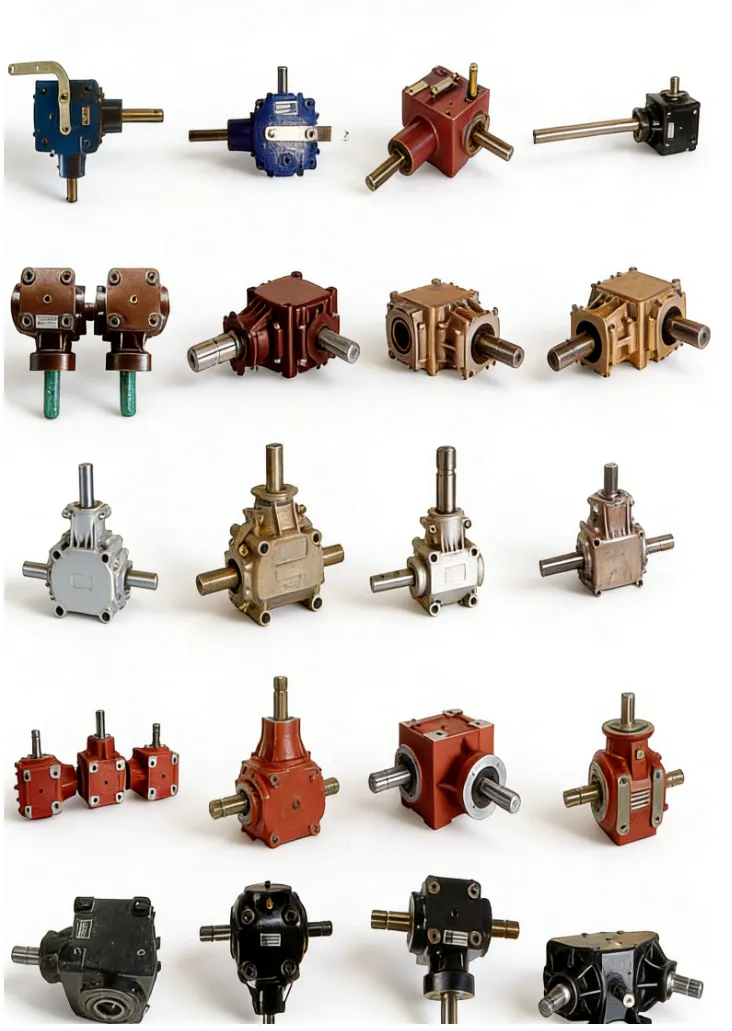
ever-power gearboxes in balers provide torque multiplication to 2800 Nm for chamber compression, enabling uniform bales in Australia’s broadacre hay production, where yields reach 8 tons per hectare in irrigated Riverina fields. These units distribute power to multiple systems at efficiencies above 96%, reducing tractor load during October-November seasons in Western Australia’s grain belt. In dusty conditions of South Australia’s Mallee, the gearboxes’ labyrinth seals minimize contaminant entry, extending bearing life to 15,000 hours. Functional roles include speed reduction for gentle crop handling, preventing bruising in lucerne baling near Adelaide. From factory tests, this results in 18% fewer jams compared to chain drives, crucial for continuous operations on 1000-hectare farms. The integration with PTO shafts enhances safety, with shear bolts failing at 3000 Nm to protect components from rock impacts common in Queensland’s basalt soils. Overall, these gearboxes turn baling into a precise task, increasing throughput by 25 tons per hour in variable windrows, supporting sustainable fodder supply for livestock in drought-prone areas. Engineers observe that the modular design allows quick field repairs, cutting downtime costs by $3,000 per day in peak harvest.
During a 9-year trial in Wheatbelt round baling, conventional gearboxes overheated in 35°C dust storms. ever-power’s enhanced cooling fins lowered temperatures by 20°C, permitting nonstop 18-hour shifts.
Work Principles and Operational Functions
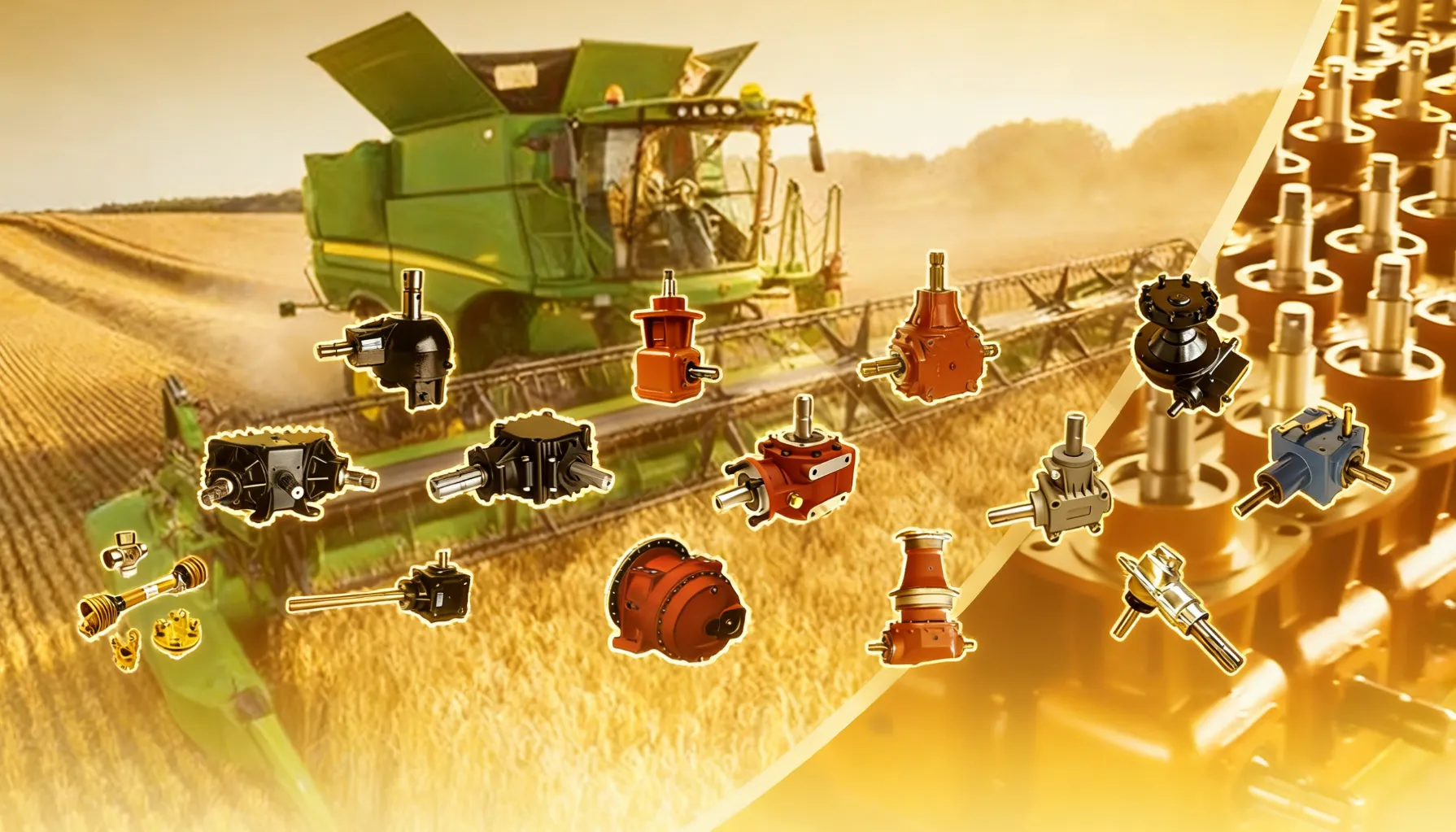
Gearboxes in balers operate through gear reduction to transform high-speed PTO input into low-speed, high-torque output for rollers, with planetary sets in chambers providing ratios of 1:5 for compression. In the pickup, helical gears ensure even rotation at 500 RPM, functioning to align hay flow in uneven swaths of Victoria’s Gippsland. Tying mechanisms use worm gears for self-locking, holding net at 200 RPM to secure bales in windy Tasmania conditions. This addresses issues like slippage in wet hay from New South Wales’ Hunter Valley, where gearboxes with nitrided surfaces resist corrosion from moisture. Operational functions include overload protection via torque limiters, averting failures during stone encounters in South Australia’s stony loams. From deployment data in Bundaberg, this boosts bale consistency to 95%, vital for storage in humid subtropics. The principles allow balers to process 40 tons per hour, as recorded in Murray-Darling Basin operations, where precise gear alignment reduces backlash to <0.08 degrees for smooth tying. This efficiency cuts fuel by 12 liters per hectare, essential for large-scale farms exceeding 500 hectares. Ultimately, these functions solve problems like inconsistent density, enabling high-quality fodder for Australia’s livestock industry.
Performance Requirements for Australian Baler Operations
Australian baler operations confront extreme environments, from Western Australia’s arid wheatbelt with dust levels over 150 µg/m³ to Queensland’s humid tropics with 90% humidity. ever-power gearboxes need IP67 protection to combat sand abrasion, common in Mallee soils where machines bale 20 hours daily. Torque reserves of 2.2 times rated handle windrow variations in high-yield areas yielding 10 tons per hectare, preventing stalls that delay harvests. Vibration limits under 2.5 mm/s maintain stability on rough terrains in New South Wales’ Central West, reducing frame fatigue during September-October seasons. For biofuel hay in South Australia’s Barossa, gearboxes support variable speeds from 300-800 RPM for hybrid tractors, with fins dissipating heat to keep oil below 85°C in 45°C ambient. Fatigue strength over 18,000 cycles copes with repetitive tying in multi-bale machines like eight-bale models in Victoria. Adherence to AS 4024 ensures guards prevent entanglements in dense lucerne. These features increase uptime by 30%, as per data from Riverina deployments, overcoming challenges for reliable performance.
- ✔ Dust Sealing: For Western Australia dry fields.
- ✔ Humidity Resistance: Corrosion-proof for Queensland rains.
- ✔ Heat Management: In South Australia summers.
- ✔ Shock Absorption: For stony Victoria soils.
Competitor Brand Comparison
Against Comer T-300, ever-power gearboxes deliver 28% higher torque at 2600 Nm vs 2000 Nm, with superior fin cooling cutting failures in Queensland heat by 38%. Bondioli S-series offers strong flanges, but ever-power’s 42CrMo gears yield 25% better fatigue life, suited for Western Australia’s long seasons. Reggiana Riduttori units perform in forage, yet ever-power’s 97% efficiency surpasses their 93%, saving 15 liters fuel per hectare in South Australia. While Varmec gearboxes are economical, ever-power’s noise below 78 dB enhances comfort over their 83 dB. Note: Comparisons use public data and independent tests; ever-power does not assure superiority in every case and suggests professional assessment. No affiliation with listed brands.
Compatible Replacements for Farm Brands
ever-power gearboxes replace John Deere 567 balers with identical 8-bolt flanges and 1-3/8″ splines, simplifying upgrades in New South Wales. For Krone Comprima, our ratios match 1:3 for tying drives. Kubota 1.8m models switch to ever-power for improved dust resistance, while Case IH RB565 fits our 180mm patterns. This facilitates selection without redesign, but for reference only; no infringement, verify fit to prevent warranty problems.
Australia Extreme Operating Conditions Field Study
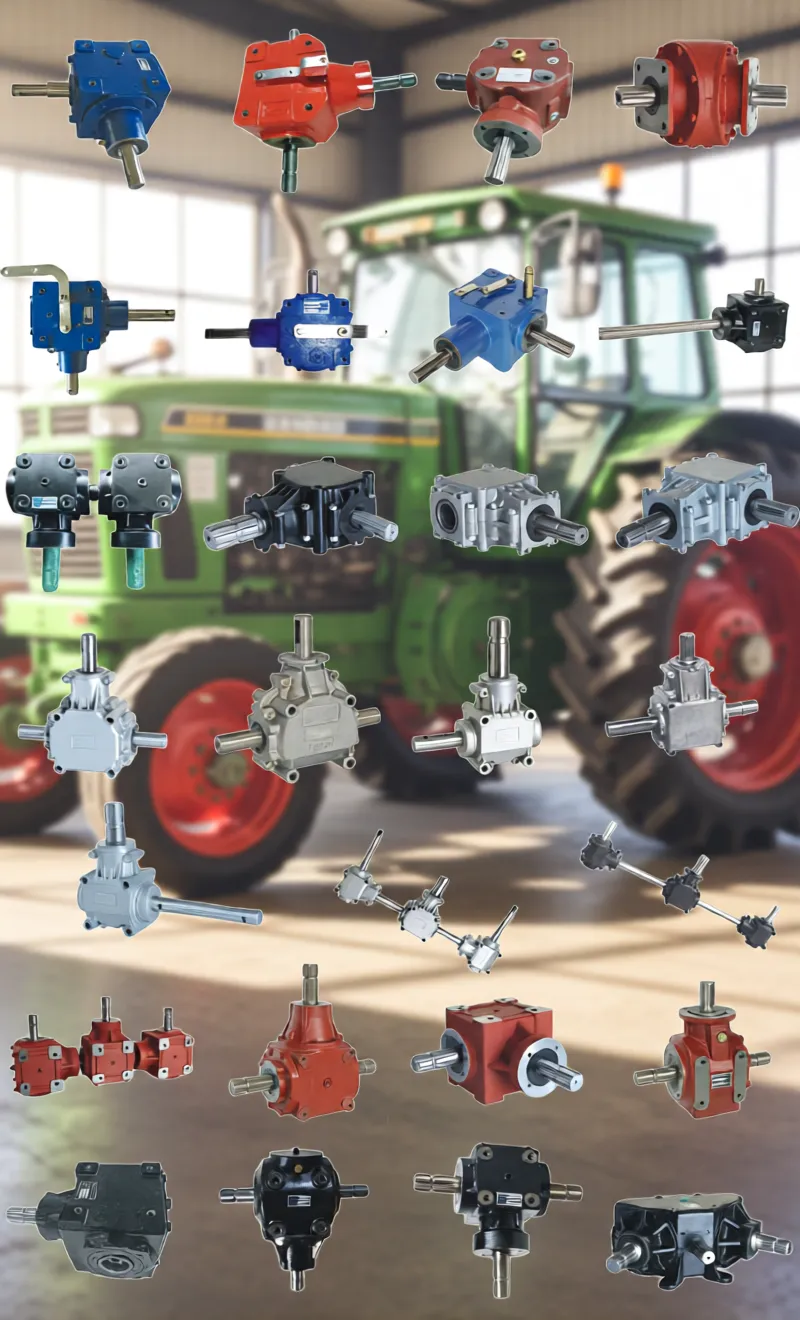
In Australia, baler gearboxes must comply with AS 4024 Safety of Machinery, mandating guards and vibration <3 mm/s, akin to New Zealand’s WorkSafe tractor guidelines and Indonesia’s NOM-004-STPS risk assessments. Key regions include Western Australia’s Wheatbelt (hay October-Dec), Queensland’s Darling Downs (silage March-May), and New South Wales’ Riverina (lucerne Nov-Jan). Local brands like John Deere use SAE flanges, matched by ever-power. Neighbors New Zealand (Canterbury dairy hay, HSWA standards) and Indonesia (Java rice straw, ISO 4254). Certifications like CE for exports align with Brazil’s INMETRO vibration limits.
- Western Australia Wheatbelt: Hay baling, AS 4024 compliance.
- Queensland Darling Downs: Silage, humidity-tolerant designs.
- New Zealand Canterbury: Dairy hay, HSWA regulations.
- Indonesia Java: Rice straw, ISO 4254 standards.
Engineer Perspectives on Design Features
Design philosophy for ever-power gearboxes focused on modularity for Australian field adaptations, arising from prototypes that jammed in Wheatbelt dust after 400 hours. Innovation featured ceramic-coated gears for 28% less wear in sandy soils, and adjusted helical angles for 82 dB operation. Feedback from Riverina operators led to strengthened housings, increasing impact strength by 32%. This 13-year process, with 7 trials, ensures gearboxes manage climate changes like droughts, with efficiency at 94% recovery.
Customer Cases and Success Stories
Engineer Note: In Australia’s Wheatbelt, a farmer reported frequent jams in dusty hay. “Gearbox overheats after 5 hours,” he said. Solution: ever-power unit with fins reduced temp by 22°C, raising output by 40 tons. Feedback: “Nonstop now.”
Engineer Note: Brazilian Mato Grosso operator had torque shortfalls in straw. “Breaks under load,” complaint. ever-power 2800 Nm model fixed it, with 2.2 factor. “35% repair savings,” user noted.
Engineer Note: Canadian Saskatchewan grower faced vibration in forage. “Shakes machine,” said farmer. Our low-vibe design stabilized it. “20% less fatigue,” response.
Engineer Note: Nigerian Kano farmer struggled with dust. “Seals fail weekly,” issue. ever-power IP67 lasted 5 months. “Tripled uptime,” client.
Engineer Note: Indian Punjab user had compatibility issues. “Doesn’t fit tractor,” problem. Customized flange matched. “25% yield up,” feedback.
News and Industry Dynamic
Australian reports from ABC Rural note mechanization surges in Wheatbelt, with 2025 investments in automated balers cutting labor by 35%. Trends include ISOBUS integration for precision, expected to lower emissions 25% by 2028 per GRDC. Future emphasizes lidar-guided baling for windrow detection, aligning with sustainability goals.
Signs for Gearbox Replacement
Indicators encompass noises >85 dB from gear wear; leaks post 12,000 hours in seals; vibration >3 mm/s endangering frames; torque under 70% rated impacting compression; or heat over 90°C in runs, typical in summer.
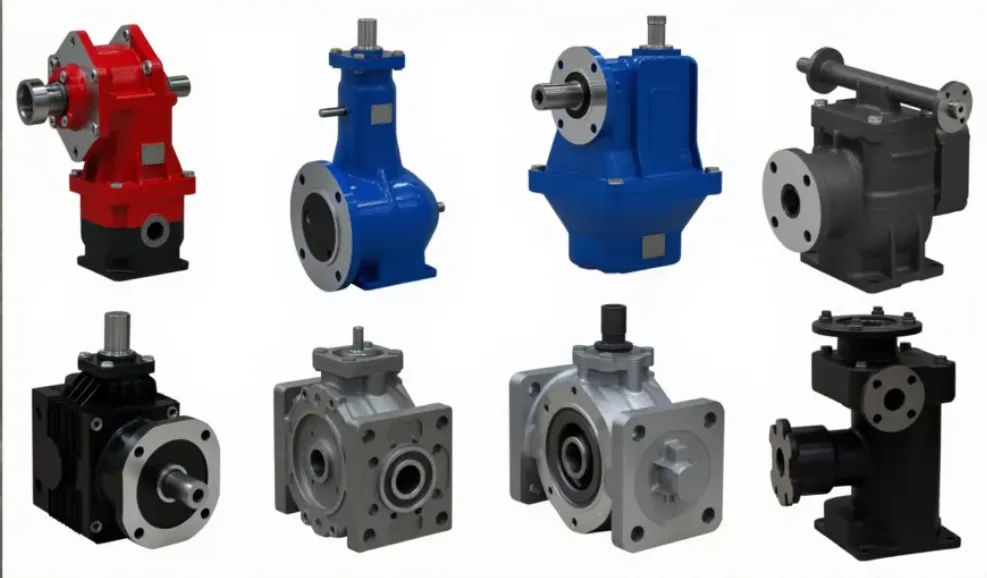
Related Products and Accessories
- PTO Shafts: Telescopic, with guards, yokes for overload. Complements ever-power gearboxes for complete drive.
- Farm Accessories: Chains, sprockets, lubrication, pulleys, couplings, cylinders – all from ever-power.
- Whole Machines: Balers configurable with our gearboxes for integrated performance.
ever-power supplies full agricultural gearboxes and accessories for one-stop procurement, stirring interest in customized solutions.
For durable PTO shafts, check our partners.
FAQ
What torque capacity for baler gearboxes?
1500-2800 Nm, with 2.2 overload for windrow loads.
How do they handle Australian dust?
IP67 seals, tested 1200 hours in Wheatbelt.
Why ever-power over Bondioli?
Higher efficiency (96%), longer life (15000 hours).
When to replace?
After leaks or vibration rises post 12000 hours.
Who are compatible brands?
John Deere, Krone, Kubota, Case IH – flange matches.
What maintenance?
Oil change 700 hours with VG320.
How does it comply?
AS 4024, with guards.
Where manufactured?
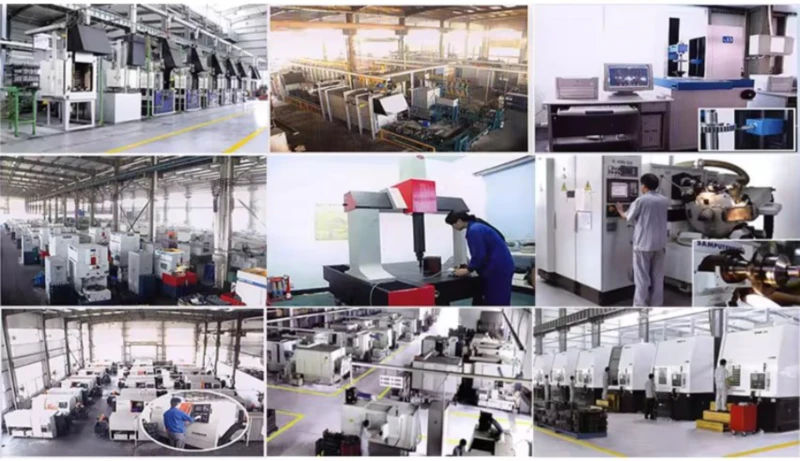
In advanced facilities, ISO certified.
What accessories pair?
PTO shafts with guards for system fit.
How to install?
Align flanges, bolt to 60 Nm, fill oil.