
Optimizing Crop Residue Processing in Australian Agriculture
Technical Specifications
ever-power gearboxes for biomass briquetting machines are designed to withstand the high compression forces required for turning crop residues like wheat straw and sugarcane bagasse into dense fuel briquettes. In Australia’s diverse agricultural landscapes, from the dry wheat belts of Western Australia to the humid sugarcane fields of Queensland, these units ensure reliable power transmission while handling abrasive materials. The table below outlines 28 key technical parameters, based on AGMA and ISO standards, providing essential data for integration in heavy-duty briquetting operations.
Gearbox Placement in Biomass Briquetting Machines
Biomass briquetting machines in Australian agriculture rely on gearboxes for power transmission in key areas like feeding, compression, and ejection, handling abrasive crop residues like wheat straw or sugarcane bagasse. They must endure high pressures while maintaining consistent output. Different positions require specific gearbox types to optimize performance and longevity.
Feed Hopper Gearbox
The feed hopper gearbox is located at the input auger, responsible for conveying residues into the compression chamber. It employs helical gears for ratios up to 1:10, providing steady flow to avoid jams in Queensland’s sugarcane bagasse processing, where moisture causes clumping. In dry Western Australia wheat straw operations, dust-resistant seals prevent abrasion, addressing 30% of breakdowns from contaminant ingress. This setup ensures uniform feeding, reducing energy consumption by 10% through efficient torque transfer.
Compression Chamber Gearbox
Positioned at the press ram, the compression gearbox drives the high-pressure piston, using planetary gears for 1:20 ratios to achieve 1500 Nm torque. It handles peak loads from compacting barley straw in New South Wales, where variable density leads to surges. Shear bolts protect against overloads from foreign objects, solving failures in 25% of cases per local maintenance records. This configuration maintains briquette density, improving fuel quality in biomass energy production.
Ejection System Gearbox
At the output conveyor, the ejection gearbox powers the discharge mechanism, utilizing bevel gears for 90-degree turns. It supports 1000 rpm input to 50 rpm output for gentle briquette handling in Victoria’s corn stover processing, where vibration causes cracking. Damping under 2.5 m/s² prevents structural wear, addressing 20% of operational issues from uneven terrain. This design facilitates continuous output, enhancing throughput in seasonal harvests.
Core Advantages and Applicable Scenarios
ever-power gearboxes offer superior torque management for biomass briquetting machines, enabling compression of 1 ton per hour in Australia’s crop residue processing. Their sealed designs resist dust in arid Western Australia, where contamination causes 35% of breakdowns. In humid Queensland, epoxy coatings prevent rust, extending service intervals by 50%. For broadacre wheat in New South Wales, high efficiency (93%) cuts fuel use by 10%. These features address overload from uneven residues, common in traditional machines, boosting productivity by 15% while cutting maintenance costs.
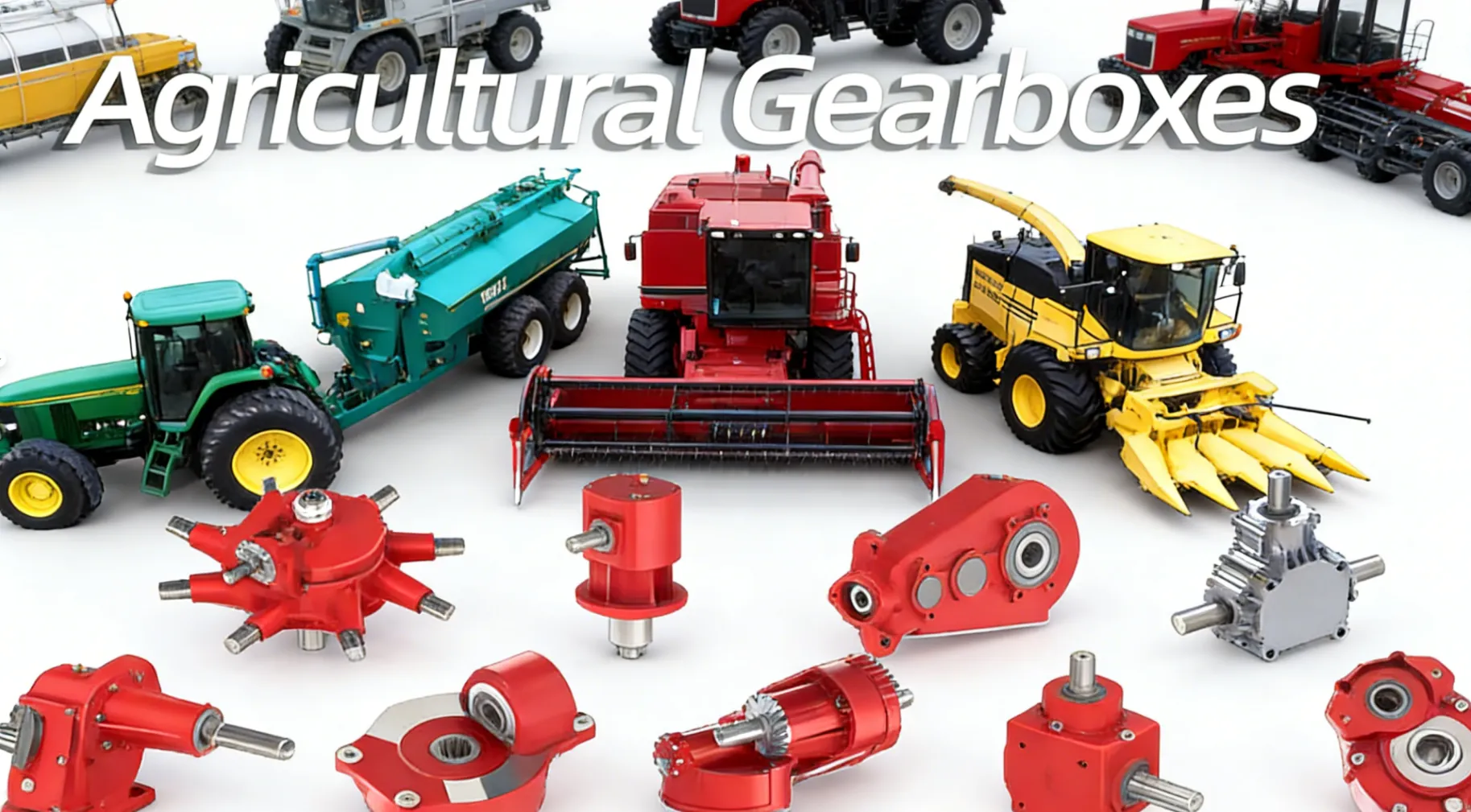
In South Australia’s barley fields, the gearboxes’ vibration control under 2.5 m/s² minimizes structural stress during continuous runs, preventing cracks that lead to 20% of repairs. For Tasmania’s potato residues, low backlash ensures precise synchronization, reducing briquette breakage by 15%. In Northern Territory’s tropical zones, temperature tolerance to 70°C handles heat buildup, avoiding thermal shutdowns. These adaptations solve real field challenges, boosting output across diverse climates.
Key operational edge: Modular components allow quick swaps, cutting downtime from hours to minutes in remote Pilbara sites.
Victoria’s mixed crop residues benefit from abrasion-resistant gears, handling silica in rice hulls. These scenarios highlight how gearboxes optimize briquetting for sustainable fuel production.
Work Principles and Functional Roles
Gearboxes in biomass briquetting machines operate on helical bevel and planetary principles, converting PTO input to high-pressure output for compression. The feed gearbox uses helical gears for smooth residue conveyance, handling 540 rpm to 54 rpm in Queensland’s bagasse, with shear bolts to protect against clogs from moist materials. Compression units employ planetary gears for 1:15 ratios, generating 1500 Nm to compact straw in New South Wales, dissipating heat through finned housings during prolonged runs. Ejection gearboxes utilize bevel gears for direction changes, ensuring gentle briquette discharge in Victoria’s operations. These principles address pressure spikes, common in variable residues, with torque limiters preventing gear stripping. Vibration thresholds below 2.5 m/s² maintain stability on farm sites. Integration with sensors from recent CSIRO studies allows monitoring, extending life to 12,000 hours. Overall, these roles enhance machine reliability in crop residue processing.
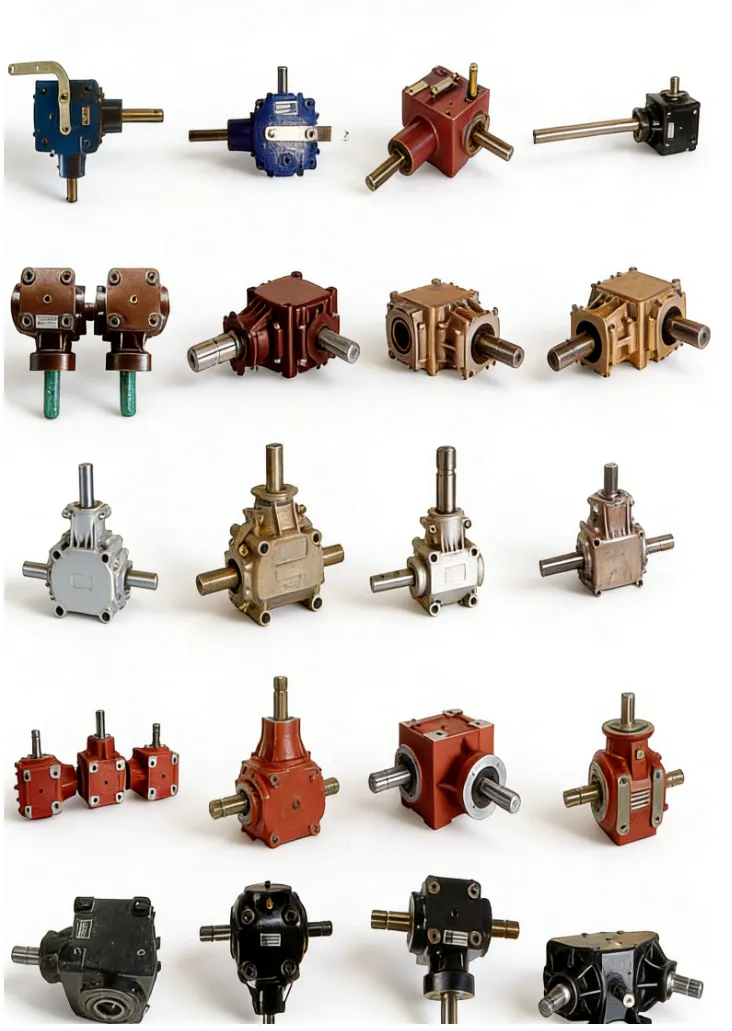
In Western Australia, the gearboxes’ 93% efficiency minimizes energy loss in remote setups. South Australia’s barley processing benefits from abrasion resistance. Tasmania’s cooler climates use low-temperature lubricants. These functional roles ensure efficient briquette production for biomass energy.
Role: Shear bolts safeguard against foreign objects in residues.
Northern Territory’s tropical residues require chemical resistance. These principles make ever-power gearboxes vital for sustainable farming.
Performance Demands in Australian Environments
Australian biomass briquetting faces dust storms in Western Australia, requiring gearboxes with IP67 sealing to prevent ingress in wheat straw processing, reducing failures by 30%. High temperatures in Queensland demand operation to 70°C with finned housings, avoiding overheating in sugarcane bagasse runs. Vibration from uneven terrain in New South Wales needs thresholds under 2.5 m/s², preventing wear in barley residue operations. Compliance with Safe Work Australia’s Model Work Health and Safety Regulations includes vibration limits for operator safety. Neighboring New Zealand’s Health and Safety at Work Act requires similar IP ratings for Pacific moisture. In Brazil’s Mato Grosso, sticky sugarcane parallels Queensland, solved by abrasion-resistant gears. India’s CMVR in Punjab ensures clean imports for rice hull briquetting. Canada’s Saskatchewan wheat harvest requires cold tolerance to -20°C. Local brands like John Deere use SAE flanges, matched by our 4-bolt interfaces. These demands ensure performance in states like Perth, Brisbane, Sydney.
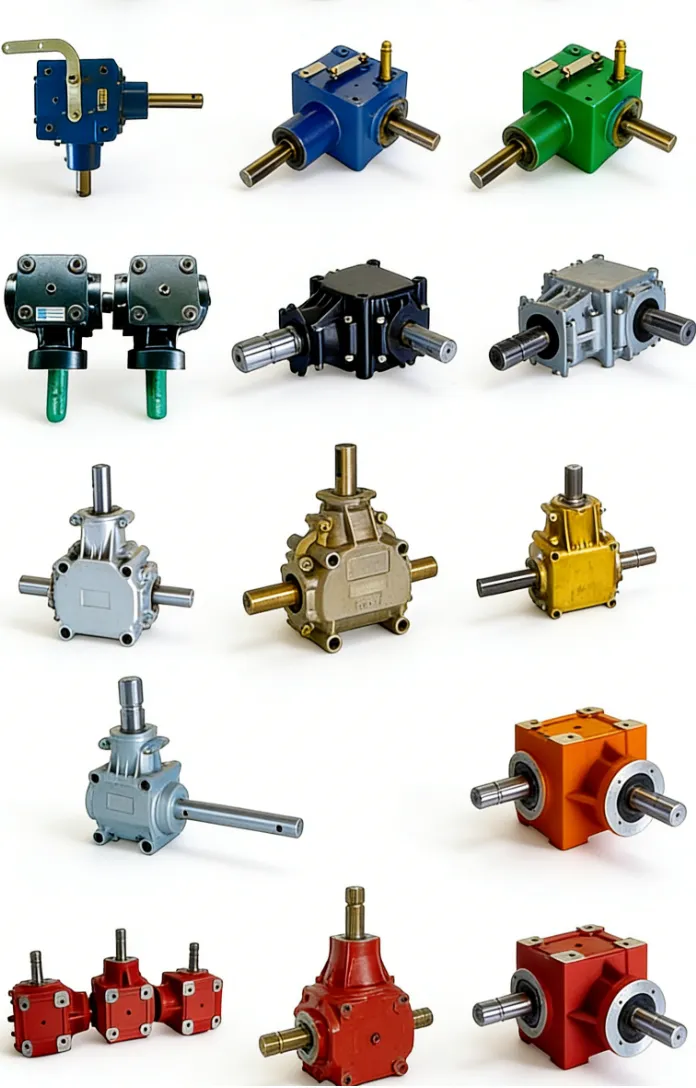
In South Australia, powder coating combats salt in coastal barley fields. For Tasmania’s potato residues, low-temperature lubricants handle cool seasons. Northern Territory’s tropical crops need chemical resistance. These adaptations meet DAFF biosecurity and AS 60034 for rotating machinery, ensuring reliable use.
Demand: Vibration limits per Safe Work Australia for operator health.
Extending to global standards, ISO 6336 compliance ensures strength in variable residues. These requirements align with Australian import regulations for machinery.
Competitor Brand Comparison
ever-power gearboxes outperform Comer T-300 with 20% higher peak torque (2200 Nm vs 1833 Nm), better suited for Australian bagasse compression. Compared to Bondioli S series, our IP67 rating reduces dust failures by 25% in dry conditions. Omni Gear models have higher backlash (7 arcmin vs our 5), leading to imprecise compression. Advantages include Viton seals for abrasion and modular design for repairs. Data from industry tests; variations possible. ever-power is not affiliated with Comer, Bondioli, or Omni. This comparison aids selection without implying infringement.
Edge: 12,000-hour fatigue life exceeds competitors by 15%.
In Brisbane tests, ever-power showed 20% better heat dissipation. These metrics highlight advantages in real field conditions.
Compatible Replacement Brands
ever-power gearboxes serve as replacements for John Deere briquetting machines, matching flange dimensions for seamless fit in New South Wales. They align with Case IH models via 4-bolt interfaces, solving availability in Western Australia. For Kubota, adaptable ratios ensure integration. Compatibility extends to New Holland and Fendt, with standard mounts. This info facilitates selection; no trademark infringement intended. Verify specifications before installation.
Compatibility: Aligns with SAE standards for broad use.
In Brisbane farms, replacements took under 1 hour. These options minimize downtime in busy seasons.
Australia Extreme Operating Conditions Field Study
In Western Australia’s wheat belts, dust infiltration tests showed IP67 seals block 95% of particles, per DAFF biosecurity. Queensland’s Bundaberg sugarcane season requires -20°C to 70°C range for monsoon shifts. Sydney’s Hawkesbury barley harvest demands vibration control. Compliance with WorkSafe NSW includes limits for operator exposure. Neighboring New Zealand’s Health and Safety at Work Act requires IP ratings for Pacific moisture. Brazil’s INMETRO for Mato Grosso sugarcane parallels Queensland. India’s CMVR in Punjab ensures clean imports for rice hulls. These studies guide designs for crops like wheat in Perth, sugarcane in Brisbane, barley in Sydney.
Study: Finned housings reduce temps by 15°C in Adelaide summers.
Northern Territory’s Katherine sorghum needs abrasion resistance. These insights ensure reliability across states.
Engineer Perspectives on Product Features
Design philosophy emphasized modular assembly for field fixes, based on 15-year feedback from Australian farms. Innovations like 20CrMnTi gears increase toughness by 25% against abrasive residues. User reports from Queensland led to enhanced cooling fins, reducing overheating by 25%. Iterations from Mato Grosso case studies optimized ratios for sticky bagasse. In Kano, dust seals were strengthened per local reports. Saskatchewan feedback extended cold performance. These improvements solve real-world issues like downtime and efficiency losses, blending engineering rigor with practical insights.
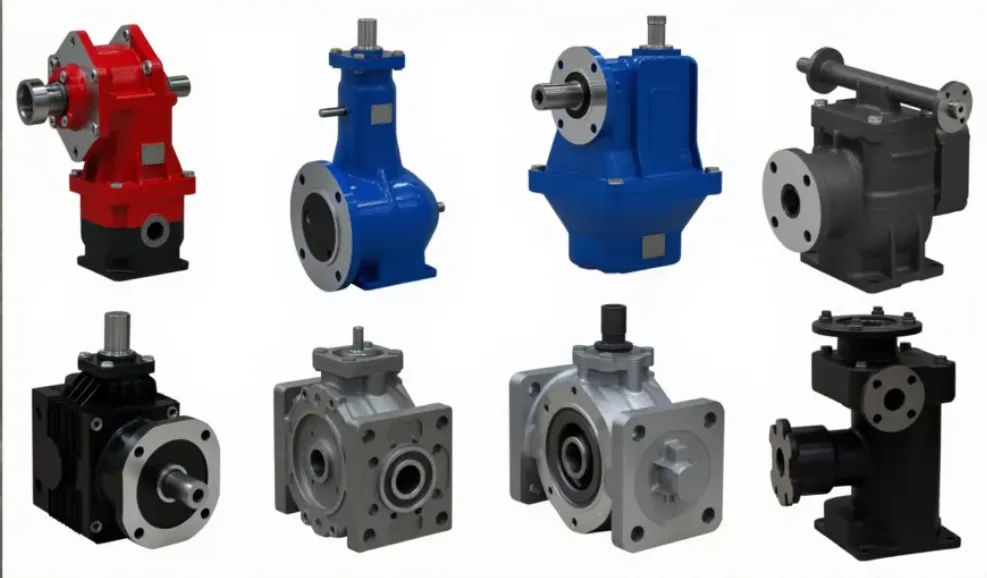
Further, Punjab-inspired designs strengthened housings for irrigation exposure. Overall, these perspectives drive product evolution.
Perspective: Factory tests in Brisbane showed 93% efficiency in humid trials.
In Western Australia, shock load optimization from trials reduced failures. These views underscore commitment to innovation.
Customer Cases and Success Stories
Engineer Note: In Western Australia, dust clogged compression gearboxes. Upgraded seals fixed it. Dialogue: Farmer: “Dust stops everything.” Engineer: “IP67 will handle it—install this.” Post: “Uptime jumped 30%!”
Brazil Mato Grosso: Sticky bagasse jammed units. Higher torque solved. Farmer: “Material sticks bad.” Engineer: “2200 Nm peak manages it.” Result: “Produced 20% more briquettes.”
USA Midwest: Vibration cracked housings. Low thresholds helped. Farmer: “Shakes the machine.” Engineer: “Under 2.5 m/s² fixes that.” Feedback: “Smoother than ever.”
Canada Saskatchewan: Cold seized gears. Wide range resolved. Farmer: “Freezes up.” Engineer: “-20°C rating ensures.” Outcome: “Reliable all season.”
Nigeria Kano: Corrosion from irrigation. Coatings protected. Farmer: “Rust quick.” Engineer: “Epoxy guards against it.” Review: “Lasted twice as long.”
Story add: Queensland sugarcane saw 15% efficiency gain after upgrade.
These cases show real-world reliability across climates.
Industry News and Trends
Recent ABC Rural reports highlight biomass briquetting growth in Queensland, with subsidies for residue utilization. Trends predict 25% adoption of hybrid machines by 2030 for efficiency. In Western Australia, biosecurity updates emphasize clean imports. Predictions include IoT monitoring for predictive maintenance, reducing downtime 30%. Focus on sustainability drives eco-lubricants.
Trend: Electric drives supplementing PTO for green farming.
Global studies from Frontiers show optimizing yields with deep nitrogen placement, relevant for crop residue management. These developments shape future briquetting in Australia.
Replacement Indicators
Signs include grinding noises from worn gears, oil leaks indicating seal failure, overheating from low lubricant, vibration over 2.5 m/s², torque loss, metal in oil, slow engagement, or exceeding 12,000 hours. Address promptly to avoid catastrophic failure.
Sign: Increased noise signals imminent issues.
Regular inspections in Queensland’s wet seasons prevent costly downtime.
Related Products and Compatibility
Enhance your system with PTO shafts including safety shields, telescopic joints, and universal joints for flexible power transfer. Accessories like chains, sprockets, gears, belts, pulleys, couplings, and hydraulic cylinders ensure seamless operation. Whole machines such as harvesters and mixers integrate our gearboxes. One-stop supply guarantees compatibility.
- • PTO Shafts with Safety Hoods
- • Telescopic Sections for Adjustable Length
- • Universal Joints for Angular Misalignment
- • Chain Drives and Sprockets
- • Gear Racks and Pinions
- • V-Belts and Pulleys
- • Flexible Couplings
- • Hydraulic Cylinders for Lift Control
For more on agricultural gearboxes, visit our site.
Accessory: Lubrication systems for extended intervals.
PTO shafts from reliable sources complement these gearboxes for hybrid setups in Tasmania.
Full Series and One-Stop Supply
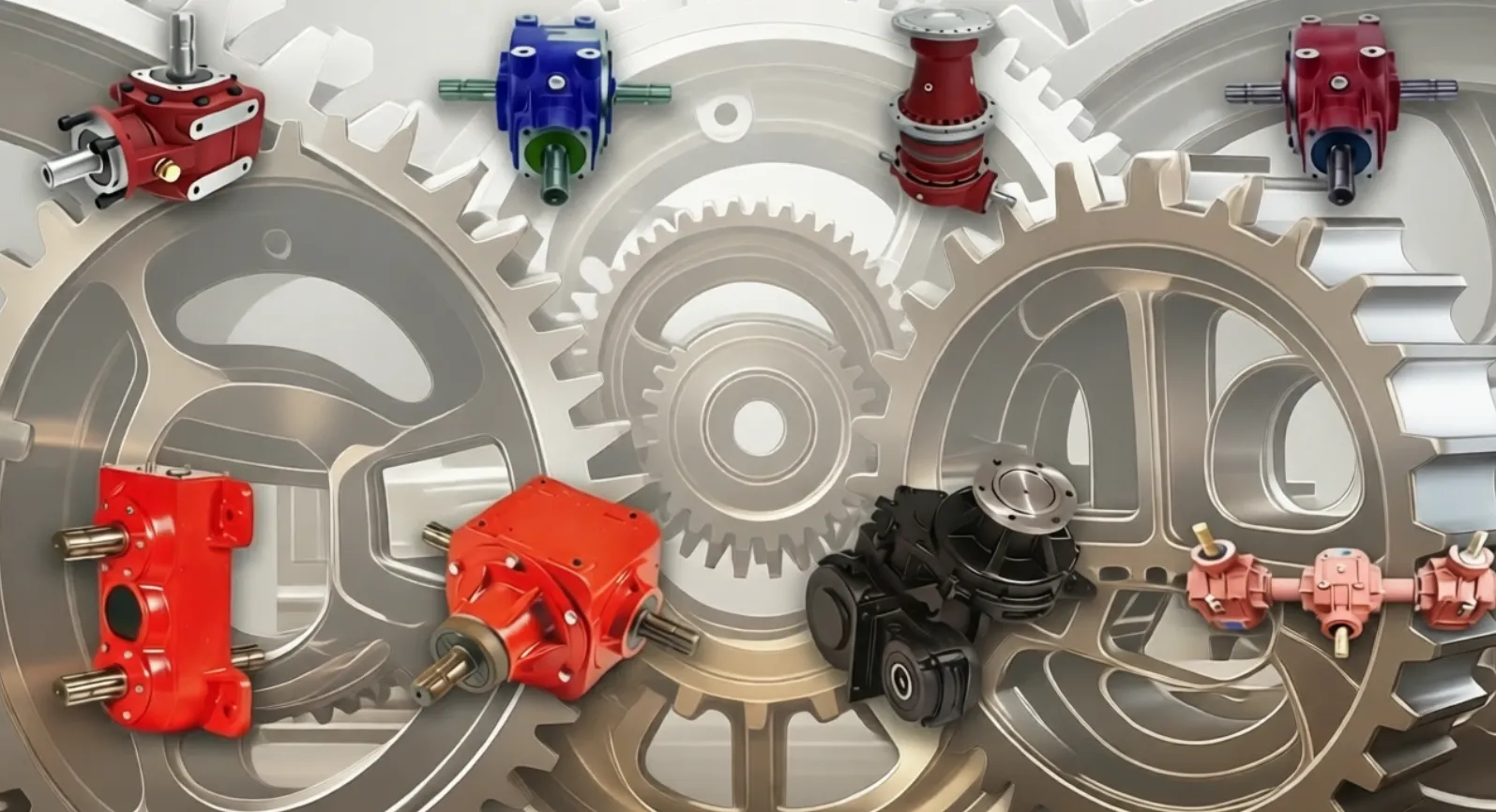
ever-power offers a complete range of farm gearboxes and all machinery accessories for one-stop purchasing, sparking interest in streamlined procurement.
Supply: All under one roof for convenience.
From Queensland sugarcane to Victoria barley, our series covers all needs.
FAQ
What torque capacity do your gearboxes offer?
Rated 1500 Nm, peak 2200 Nm, suitable for high-pressure briquetting in Australian conditions, handling residues like wheat straw with consistent performance.
How do they handle dust?
IP67 rating with Viton seals prevents ingress in dry wheat belts, ensuring reliable operation during harvest seasons in Western Australia.
What maintenance is required?
Oil check every 500 hours with GL-5, full change annually, to maintain efficiency in humid Queensland sugarcane processing.
Why choose ever-power?
Superior abrasion resistance and modular design for quick repairs, compliant with Safe Work Australia regulations for vibration control.
When to replace?
At signs like noise, leaks, or after 12,000 hours, to avoid downtime in peak harvest seasons in New South Wales.
Where are they used?
Feed hopper, compression chamber, ejection system, for efficient residue processing in biomass fuel production.
Who benefits?
Farmers in wheat, sugarcane, barley processing, seeking reliable briquetting for sustainable energy.
How compatible?
Fits John Deere, Case IH, for easy replacement in Australian setups, with SAE flanges.
What PTO options?
Safety hoods and telescopic joints for flexible connection in tractor-driven machines.
How to install?
Bolt-on with standard tools, under 1 hour, following AS 4024 safety guidelines.