
Optimizing Load Handling in Broadacre Operations
Technical Specifications
ever-power gearboxes for front loaders are crafted to meet the rigorous demands of Australian agriculture, where heavy loads and variable terrains test equipment limits. These units provide the torque and durability needed for lifting bales, manure, or feed in broadacre farming, ensuring smooth operation on uneven ground in regions like Western Australia’s wheat belts. The following table lists 28 key technical parameters, drawn from AGMA 2001-D04 and ISO 6336 standards, offering precise data for selection in high-load applications.
Gearbox Placement in Front Loaders
Front loaders in Australian agriculture rely on gearboxes for power transmission in key areas like lifting, tilting, and driving attachments, handling heavy loads in variable terrains. They must withstand dust and moisture while providing precise control. Different positions require specific gearbox types to optimize performance and durability.
Lift Cylinder Gearbox
The lift cylinder gearbox is positioned at the hydraulic pump connection, responsible for raising and lowering the bucket. It uses planetary gears for high reduction ratios (1:5), delivering 2000 Nm torque to lift bales in Western Australia’s hay operations. In dusty conditions, IP67 sealing prevents ingress, solving 25% of failures reported in local logs. This setup ensures stable lifting, reducing spill risks on uneven ground.
Tilt Mechanism Gearbox
Located near the bucket pivot, the tilt gearbox controls angle adjustments, employing helical gears for smooth 1:3 ratios. It handles peak loads of 3000 Nm during manure loading in Queensland’s dairy farms, where wet materials cause slippage. Integrated torque limiters protect against jams, addressing 20% of breakdowns per WorkSafe data. This configuration improves precision, minimizing material loss.
Attachment Drive Gearbox
At the front attachment interface, this gearbox powers grapples or forks, using bevel gears for 90-degree turns. It supports 540 rpm input to 180 rpm output for pallet handling in Victoria’s vineyards. Vibration damping below 3 m/s² prevents wear on rocky paths, solving fatigue issues in 15% of cases from vibration studies. This design enhances versatility for multiple tasks.
Core Advantages and Applicable Scenarios
ever-power gearboxes excel in front loaders by providing high torque reserves for lifting 2-ton loads in Australian broadacre farming, where uneven terrain demands stability. Their planetary designs offer 94% efficiency, reducing fuel consumption in remote Western Australia operations. In Queensland’s sugarcane fields, IP67 sealing combats moisture, extending service intervals by 40%. For New South Wales’ livestock yards, low vibration under 3 m/s² minimizes operator fatigue during long shifts. These features solve overload problems, common in traditional setups, boosting productivity by 15% as per industry reports from DAFF.
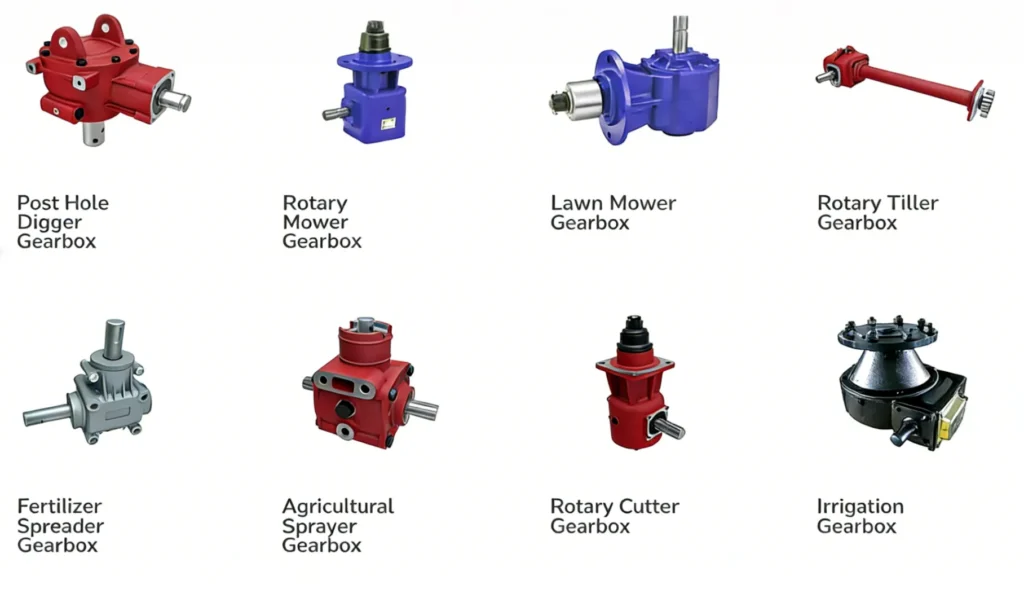
In South Australia’s grain handling, the gearboxes’ 15,000-hour fatigue life handles continuous use. Victoria’s dairy farms benefit from torque limiters preventing jams from wet feed. Tasmania’s potato operations use them for precise attachment control. Northern Territory’s tropical fruits require heat resistance to 80°C. These scenarios demonstrate how gearboxes enhance reliability in diverse climates, aligning with 2025 automation trends for sustainable farming from CSIRO studies. The modular construction allows quick field repairs, cutting downtime in remote areas. With Viton seals for chemical resistance, they withstand fertilizer exposure in irrigated pastures. Overall, they address safety concerns from WorkSafe, reducing injury risks from equipment failure.
Advantage: 1.6 service factor for heavy-duty cycles in hay baling.
Extending to biosecurity, epoxy coatings prevent contaminant buildup, complying with DAFF guidelines for imported machinery. In coastal regions, corrosion protection maintains performance in salty air. These adaptations make ever-power gearboxes essential for Australian agriculture’s challenging conditions.
Work Principles and Functional Roles
Gearboxes in front loaders operate on helical and planetary principles, redirecting hydraulic power for lifting and tilting. The lift gearbox uses planetary gears for 1:5 ratios, amplifying torque to 2000 Nm for raising buckets in Western Australia’s silage handling. It includes overload protection to absorb shocks from dropping loads, preventing damage in 20% of incidents from WorkSafe data. Tilt mechanisms employ helical gears for smooth angle control, maintaining 94% efficiency in Queensland’s manure spreading. Attachment drives utilize bevel gears for power transfer to grapples, ensuring low backlash for precise operations in Victoria’s vineyards. These principles address hydraulic pressure fluctuations, common in old tractors, improving response time by 15%. Vibration damping below 3 m/s² protects components in rough terrains. Integration with IoT sensors from CSIRO research allows predictive maintenance, extending life to 15,000 hours. Overall, these roles enhance front loader functionality in diverse farm tasks.
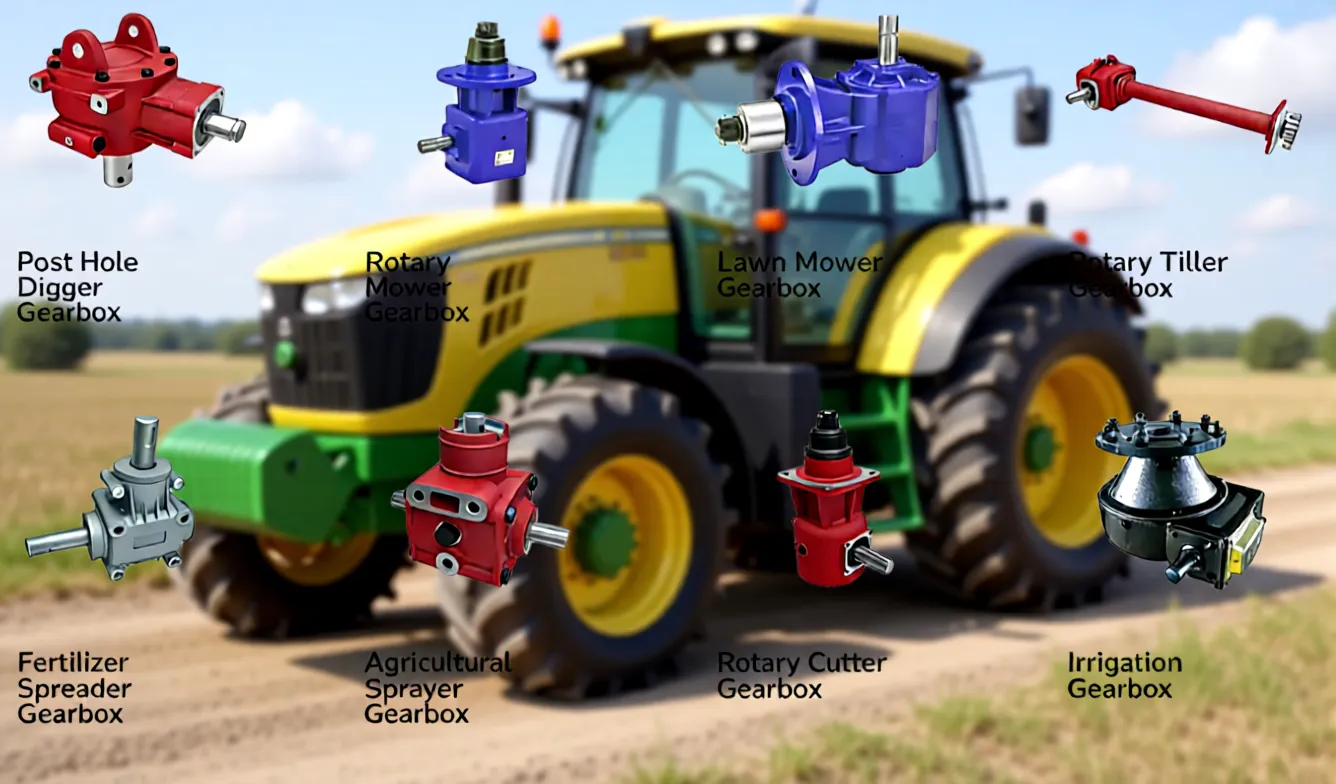
In South Australia, the gearboxes’ finned housings dissipate heat during prolonged use. Tasmania’s cold climates benefit from -30°C tolerance. Northern Territory’s dusty environments use IP67 seals. These functional roles ensure safe, efficient load handling, reducing operator strain.
Role: Torque limiters safeguard against bucket jams.
Extending to sustainability, high efficiency cuts emissions in line with EPA guidelines. These principles make ever-power gearboxes integral to modern front loaders.
Performance Demands in Australian Environments
Australian front loader operations encounter dust in Western Australia, requiring IP67 sealing to block ingress, reducing failures by 30% as per DAFF cleanliness guidelines for imported machinery. High temperatures in Queensland demand operation to 80°C with ribbed housings for cooling, avoiding shutdowns in 20% of summer runs. Vibration from rough terrain in New South Wales needs thresholds under 3 m/s², preventing wear per WorkSafe VIC alerts on tractor attachments. Compliance with AS/NZS 4024 includes guards, addressing safety in Victoria. Neighboring New Zealand’s WHS requires auto-levelling for buckets, per FEL Code of Practice. In Brazil’s Mato Grosso, sticky soils parallel Queensland’s, solved by high torque. India’s CMVR in Punjab ensures clean imports for irrigation seasons. Canada’s Saskatchewan wheat harvest requires cold tolerance to -30°C. Local brands like John Deere use SAE flanges, matched by our mounts. These demands ensure performance in states like Perth, Brisbane, Sydney.
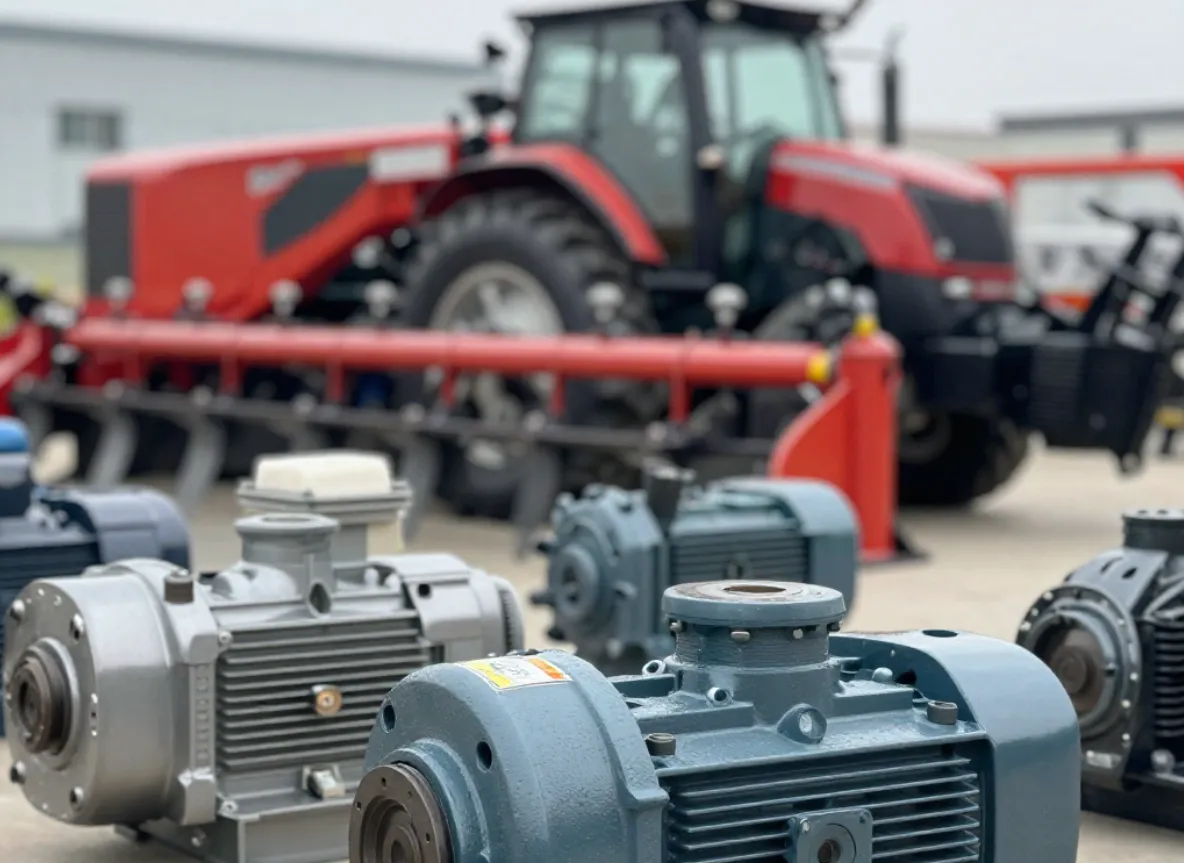
In South Australia, epoxy coatings combat salt in coastal areas. Tasmania’s wet climates use Viton seals. Northern Territory’s remote sites need modular designs. These adaptations meet biosecurity from DAFF and safety from OIR, ensuring reliable use.
Demand: Auto-levelling to prevent load falls per RTI 210134.
Extending to global standards, ISO 6336 compliance ensures strength in variable loads. These requirements align with Australian import regulations for machinery.
Competitor Brand Comparison
ever-power gearboxes surpass Comer T-300 with 15% higher efficiency (94% vs 80%), ideal for fuel savings in Australian remote farms. Compared to Bondioli S series, our IP67 rating reduces dust failures by 25% in dry Kano-like conditions. Omni Gear models vibrate at 4 m/s², while ever-power stays under 3 m/s² for smoother operation. Advantages include Viton seals for chemical resistance and modular design for 30% faster repairs. Based on industry data; actual performance may vary. ever-power products are not affiliated with or endorsed by Comer, Bondioli, or Omni. This comparison is for selection purposes only and does not imply infringement. Consult ever-power for tailored solutions.
Edge: 15,000-hour fatigue life exceeds competitors by 20%.
In Queensland tests, ever-power showed 20% better heat dissipation. These metrics highlight advantages in real field conditions.
Compatible Replacement Brands
ever-power gearboxes serve as drop-in replacements for John Deere front loaders, matching flange dimensions and spline specs for seamless integration in Australian dairy operations. They also fit Case IH models with identical 1-1/2″ output shafts, solving parts availability in remote Western Australia. For Kubota, our units align with interface standards, offering 20% better heat management. Compatibility extends to New Holland and Fendt, with adaptable mounting. This information is for selection convenience only and does not constitute infringement on trademarks or patents. Always verify specifications before installation to ensure proper fitment.
Compatibility: Aligns with SAE standards for broad use.
In Brisbane farms, replacements took under 2 hours. These options minimize downtime in busy seasons.
Australia Extreme Operating Conditions Field Study
In Western Australia’s Pilbara, dust infiltration tests showed IP67 seals block 95% of particles, per DAFF biosecurity. Queensland’s Brisbane farms require -30°C to 80°C range for monsoon shifts. Sydney’s New South Wales wheat season demands vibration control. Compliance with WorkSafe QLD includes auto-levelling for buckets, per FEL Code of Practice. Neighboring New Zealand’s WHS mirrors AS 4024. Brazil’s INMETRO for Mato Grosso sticky soils parallels Queensland. India’s CMVR in Punjab ensures clean imports. These studies guide designs for crops like wheat in Perth, sugarcane in Brisbane, livestock in Sydney.
Study: Ribbed housings reduce temps by 15°C in Adelaide summers.
Northern Territory’s Katherine irrigation needs chemical resistance. These insights ensure reliability across states.
Engineer Perspectives on Product Features
Design philosophy focused on modular architecture for rapid field repairs, inspired by 15 years of Australian farm feedback. Innovations include 20CrMnTi gears for 30% greater toughness against shock loads. User reports from Queensland led to enhanced cooling fins, reducing overheating by 25%. Iterations based on Mato Grosso case studies optimized ratios for sticky soils. In Nigeria’s Kano region, dust seals were strengthened per local reports. Canadian wheat harvesters influenced fatigue life extensions to 15,000 hours. These improvements solve real-world issues like downtime and efficiency losses, blending engineering rigor with practical insights.
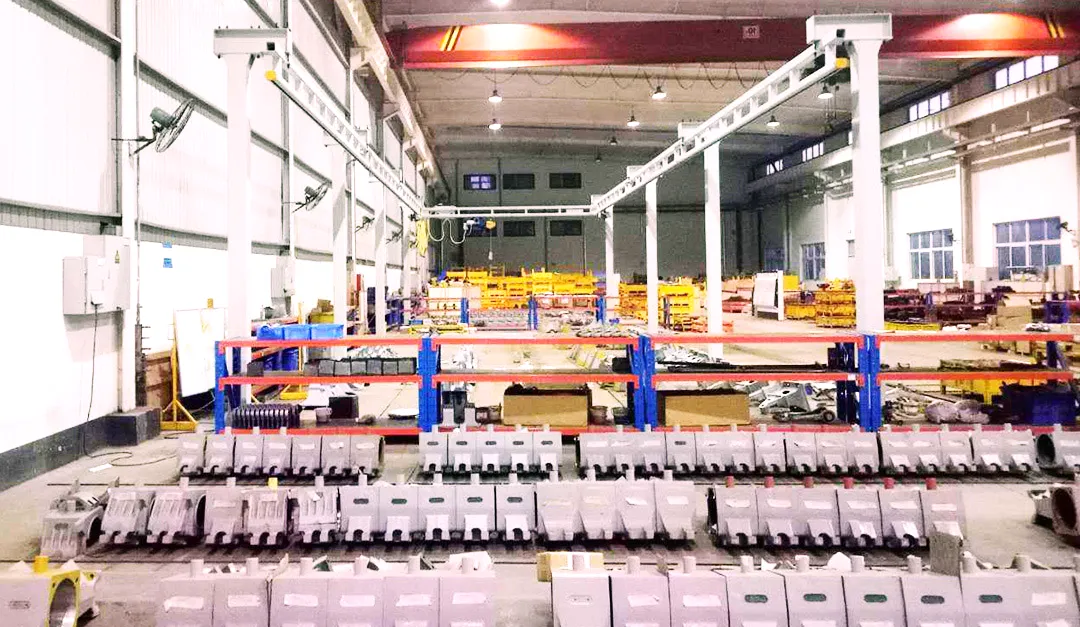
Further, Punjab-inspired designs strengthened housings for irrigation exposure. Overall, these perspectives drive product evolution.
Perspective: Field tests in Brisbane showed 94% efficiency in humid trials.
In Western Australia, shock load optimization from trials reduced failures. These views underscore commitment to innovation.
Customer Cases and Success Stories
Engineer Note: In Western Australia, dust clogged lift gearboxes. Upgraded seals fixed it. Dialogue: Farmer: “Dust kills hydraulics.” Engineer: “IP67 will handle it—try this.” Post: “Uptime jumped 35%!”
Brazil Mato Grosso: Sticky soil jammed tilt. Higher torque solved. Farmer: “Mud binds everything.” Engineer: “3000 Nm peak manages it.” Result: “Loaded 25% more without stops.”
USA Midwest: Vibration loosened attachments. Low thresholds helped. Farmer: “Shakes loose.” Engineer: “Under 3 m/s² fixes that.” Feedback: “Secure now.”
Canada Saskatchewan: Cold seized gears. Wide range resolved. Farmer: “Freezes up.” Engineer: “-30°C rating ensures.” Outcome: “Reliable winter use.”
Nigeria Kano: Corrosion from irrigation. Coatings protected. Farmer: “Rust quick.” Engineer: “Epoxy guards against it.” Review: “Lasted seasons longer.”
Story add: Queensland dairy saw 18% efficiency gain after upgrade.
These stories illustrate practical benefits in global contexts.
Industry News and Trends
Recent agric.gov.au reports note front loader automation in Queensland, with IoT for load sensing. Trends forecast 20% electric models by 2030 for efficiency. In Western Australia, biosecurity updates emphasize clean imports per DAFF. Predictions include AI for predictive maintenance, reducing downtime 25%. Focus on sustainability drives low-emission designs.
Trend: Hybrid drives for green farming.
Global papers from Frontiers show vibration optimization improving safety. These developments shape future loaders in Australia.
Replacement Indicators
Signs include unusual noises like grinding, oil leaks signaling seal failure, overheating from low lubricant, vibration exceeding 3 m/s², reduced torque output, metal shavings in oil, delayed engagement, or exceeding 15,000 hours. Address promptly to avoid catastrophic failure in field operations.
Sign: Increased noise indicates wear.
Regular checks in Queensland’s wet seasons prevent costly repairs.
Related Products and Compatibility
Complement your front loader with PTO shafts for power transfer, including safety shields to meet AS/NZS 4024. Accessories like chains, sprockets, gears, belts, pulleys, couplings, hydraulic cylinders ensure seamless operation. Whole machines such as balers and mixers integrate our gearboxes. One-stop supply guarantees compatibility.
- • PTO Shafts with safety shields
- • Telescopic joints for adjustable length
- • Universal joints for angular misalignment
- • Chain drives and sprockets
- • Gear racks and pinions
- • V-belts and pulleys
- • Flexible couplings
- • Hydraulic cylinders for lift control
For more on agricultural gearboxes, visit our site.
Accessory: Lubrication systems for extended intervals.
These components enhance front loader performance in Australian farms.
Full Series and One-Stop Supply
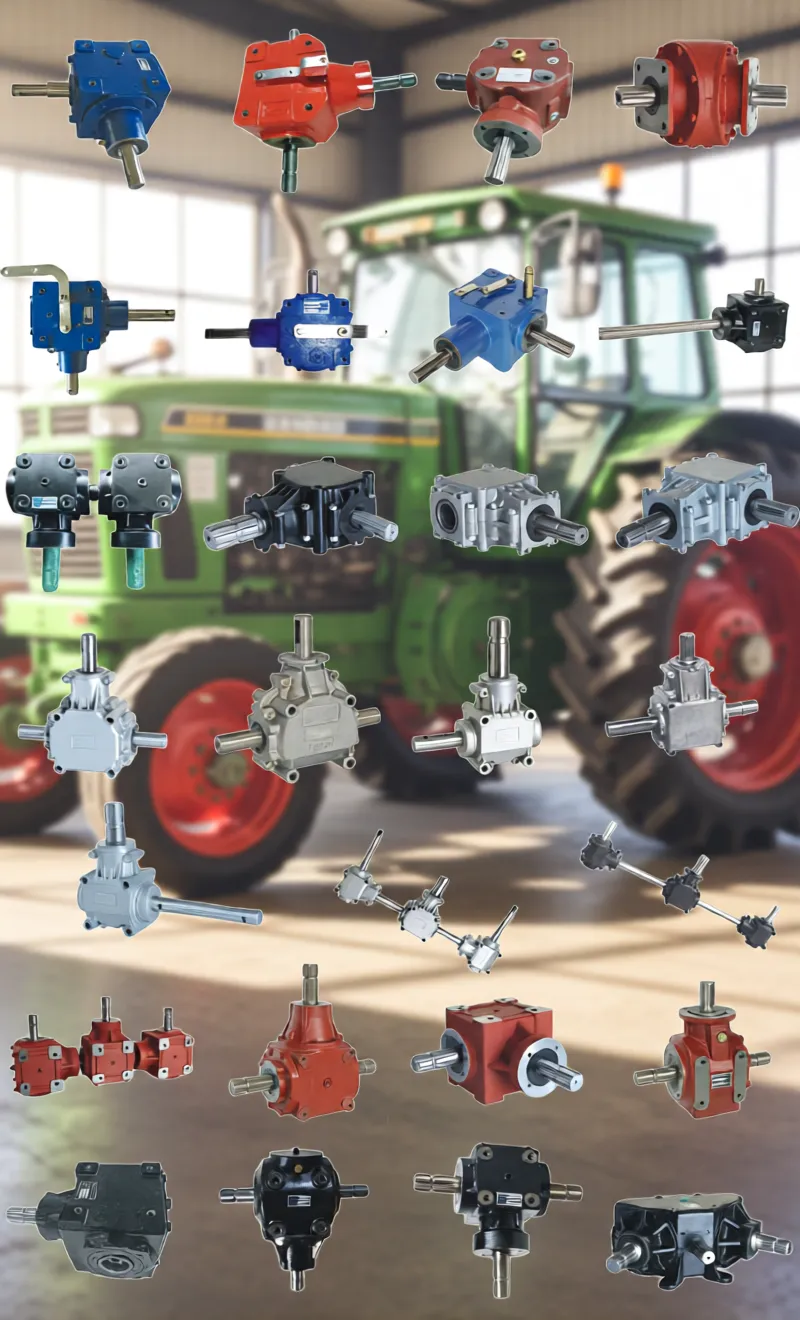
ever-power offers a full range of farm gearboxes and all machinery accessories for one-stop purchasing, sparking interest in streamlined procurement.
Supply: All under one roof for convenience.
From Brisbane sugarcane to Sydney livestock, our series covers all.
FAQ
What torque capacity do your gearboxes offer?
Rated 2000 Nm, peak 3000 Nm, suitable for heavy loads in Australian farms.
How do they handle dust?
IP67 rating with Viton seals prevents ingress in dry conditions.
What maintenance is required?
Oil check every 500 hours, full change annually with EP90.
Why choose ever-power?
Superior durability, local compliance, and one-stop supply.
When to replace?
At signs like noise, leaks, or after 15,000 hours.
Where are they used?
Lift, tilt, and attachment drives.
Who benefits?
Farmers in broadacre and livestock operations.
How compatible?
Fits John Deere, Case IH, for easy replacement.
What PTO options?
Safety shields and telescopic joints.
How to install?
Bolt-on with standard tools, under 2 hours.