
Optimizing Power Transmission for Efficient Wool Production
Technical Specifications
| Parameter | Specification | Standard |
|---|---|---|
| Torque Capacity (Nm) | Rated: 1200 Nm / Peak: 1850 Nm | AGMA 2001-D04 |
| Speed Ratio Range | 1:1.46 to 1:3.0 | ISO 6336-5 |
| Input Shaft Specifications | 1-3/8″ Z6 Spline, 540/1000 RPM | DIN 9611 |
| Output Shaft Specifications | Hollow Bore, 35mm Diameter with Keyway | ISO 14396 |
| Lubrication Method | Oil Bath with SAE 85W-140 GL-5, 1.5 L Capacity | SAE J306 |
| Protection Rating (IP) | IP65 | IEC 60529 |
| Operating Temperature Range | -20°C to +50°C Ambient | – |
| Material Standards | 20CrMnTi Alloy Steel, Case Hardened | AGMA 2001-D04 |
| Fatigue Life (Hours) | L10h > 5000 Hours | ISO 281 |
| Vibration Threshold | < 80 dB(A) at 1m | ISO 3744 |
| Mounting Interface Type | Four-Bolt Flange, 150mm PCD | DIN/ISO |
| Power Range (HP) | 35-120 HP | ISO 14396 |
| Gear Accuracy Class | DIN 3962 Grade 7-8 | DIN 3962 |
| Bearing Type | Tapered Roller Bearings | ISO 281 |
| Weight (kg) | Net: 38 kg | – |
| Dimensions (mm) | L: 350, W: 250, H: 280 | – |
| Rotation Direction | CW/CCW Configurable | – |
| Suspension Type Compatibility | Three-Point Hitch Category II | – |
| Output Shaft Configuration | Cylindrical with Key | – |
| Sealing Enhancement | Cassette Seal with Anti-Wrap Labyrinth | – |
| Breather Configuration | Rain Cap with Dust Filter | – |
| Coating Process | Powder Coating Resistant to Pesticides | – |
| Overload Protection | Integrated Friction Clutch | – |
| Noise Level (dB) | < 80 dB(A) | ISO 3744 |
| Hardness (HRC) | 58-62 on Gear Surfaces | – |
| Oil Change Interval (Hours) | 500 Hours | – |
| Dynamic Load Rating (kN) | 45 kN | ISO 281 |
| Static Load Rating (kN) | 80 kN | ISO 281 |
| Efficiency (%) | 95% | – |
| Backlash (mm) | 0.2-0.3 mm | DIN 3962 |
Key Positions for Gearboxes in Overhead Shearing Plants
In overhead sheep shearing plants, gearboxes serve as critical components for distributing power from a central drive motor to multiple shearing stations. These systems, common in Australian wool sheds, rely on robust transmission to maintain consistent blade speeds across long shifts. The primary gearbox is positioned at the main drive unit, converting motor rotation into the required torque for overhead shafts. This setup ensures smooth operation in large-scale shearing, where up to 10 stands might be powered simultaneously.
Central Drive Gearbox
The central drive gearbox is mounted at the heart of the overhead system, directly coupled to the electric motor or PTO input. It uses spiral bevel gears to redirect power 90 degrees to the horizontal overhead shaft. This gearbox must handle input speeds of 540-1000 RPM, reducing them to 2700-3500 RPM for handpiece operation. In dusty Australian sheds, IP65-rated sealing prevents wool fibers from entering, while a service factor of 1.5 accommodates peak loads during wool buildup on blades. Without this gearbox, power losses would lead to inconsistent shearing, increasing shearer fatigue and reducing tally rates by up to 20% in high-volume operations.
Distribution Gearboxes along Overhead Shaft
Distribution gearboxes are installed at intervals along the overhead line shaft, branching power to individual down tubes. Each unit employs helical gears for quiet transmission, with ratios around 1:1.33 to maintain speed while splitting torque. In multi-stand setups common in New South Wales wool stations, these gearboxes ensure even power delivery, preventing voltage drops that could cause handpiece lockups. Their ductile iron housing resists vibrations from uneven shaft alignment, a frequent issue in older sheds. Proper selection here solves problems like uneven blade performance, where one stand might run 15% slower, leading to incomplete cuts and wool contamination.
Down Tube Interface Gearbox
At each shearing stand, a compact gearbox interfaces with the down tube, converting horizontal shaft rotation to vertical drive for the flexible shaft. This right-angle unit uses precision-ground bevel gears to minimize noise below 80 dB, essential for shearer comfort during 8-hour shifts. With torque ratings up to 1850 Nm peak, it handles sudden resistances from tangled wool. In Australian conditions, where humidity can cause rust, corrosion-resistant coatings extend life by 50%. This gearbox addresses lockup issues by incorporating overload clutches, preventing injuries and downtime that could cost $500 per incident in lost productivity.
Working Principle of Gearboxes in Shearing Operations
Gearboxes in overhead sheep shearing plants operate on the principle of torque conversion and direction change to deliver consistent power to handpieces. The process begins with the input from a 400W motor at 3500 RPM, which the central gearbox reduces to match the 2700 RPM optimal for blade oscillation. Spiral bevel gears inside the box achieve 90-degree redirection with 95% efficiency, minimizing energy loss in long overhead runs. Vibration thresholds are kept under 80 dB through precise gear meshing, crucial for maintaining shearer focus in noisy Australian sheds. This setup solves power inconsistency, ensuring each stand receives uniform torque, thus preventing blade stuttering that could injure sheep or reduce wool quality. Overload protection via shear bolts or clutches activates at 1850 Nm peaks, safeguarding the system from wool jams. In practice, this principle allows for scalable operations, from small farms to large stations handling 5000 sheep per season, by enabling modular gearbox additions without redesigning the entire plant.
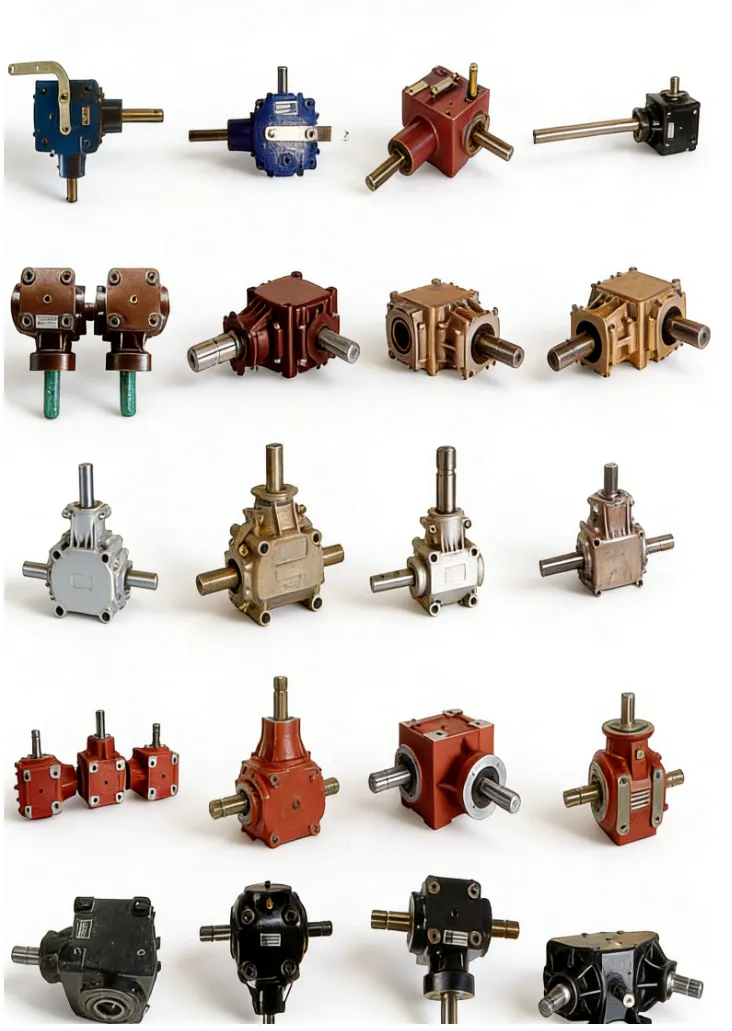
Extended runs in Australian wool sheds demand gearboxes with low backlash of 0.2 mm, ensuring smooth starts after breaks. Heat management is addressed through oil bath lubrication, keeping temperatures below 85°C even in 38°C ambient conditions typical of Western Australia. This working principle directly tackles maintenance challenges, as modular designs allow quick swaps, reducing downtime from hours to minutes. For instance, integrating a PTO shaft input variant enables portable setups for remote paddocks, where fixed electricity is unavailable, thus expanding operational flexibility without compromising performance.
Performance Requirements to Overcome Australian Conditions
Australian shearing environments pose unique challenges like high dust levels from wool fibers and variable temperatures reaching 50°C in sheds. Gearboxes must feature IP65 protection to prevent ingress, with seals enduring 5000 hours without failure. Torque reserves of 1.5 service factor handle sudden loads from thick fleeces, common in Merino sheep. Vibration control below 2.5 mm/s ensures handpiece stability, reducing shearer wrist strain over 300-sheep days. In arid regions like South Australia, corrosion-resistant QT450 cast iron housings resist rust from occasional moisture. These requirements solve heat buildup issues, where uncooled gearboxes could fail after 4 hours, by incorporating breathers with dust filters. Compliance with AS/NZS standards for noise and safety integrates emergency cutoffs, preventing entanglements that account for 15% of shearing injuries. Overall, these specs enable reliable operation in broadacre farms, where downtime costs $200 per hour per stand.
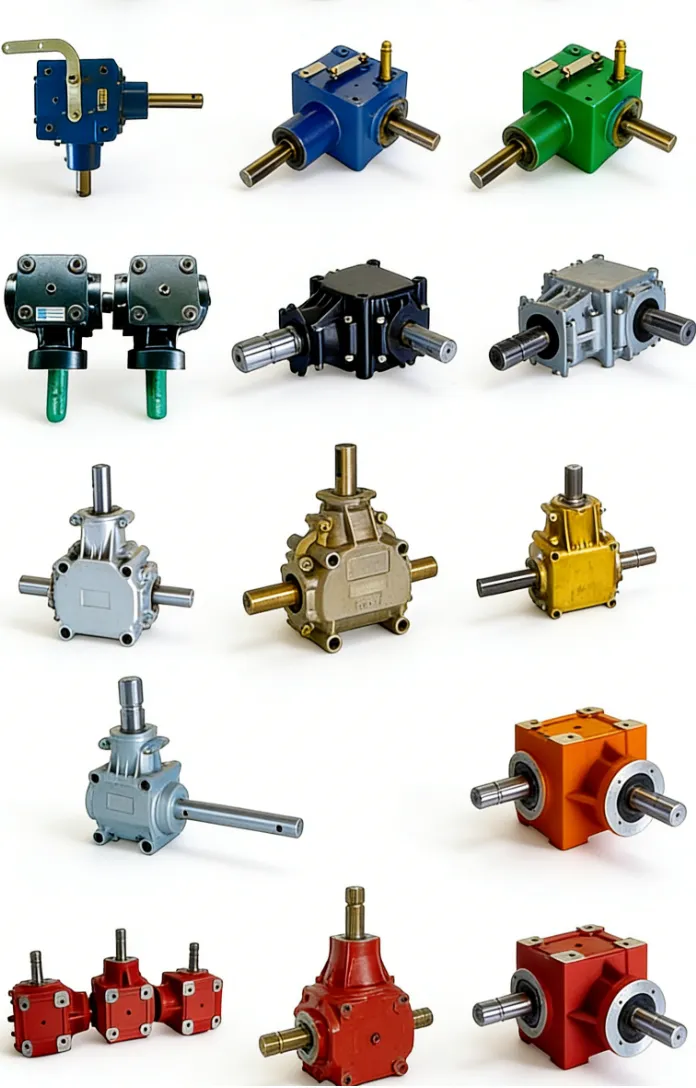
For coastal Queensland operations, salt-resistant coatings add 30% to lifespan. High ambient humidity demands Viton seals over NBR to avoid swelling. In practice, selecting gearboxes with 95% thermal efficiency minimizes energy waste, crucial for off-grid solar-powered plants in remote Northern Territory stations. This approach addresses overload from inexperienced shearers, incorporating slip clutches that reset without tools, maintaining productivity at 120 sheep per shearer daily.
Peer Brand Comparison and Our Advantages
Compared to Heiniger EVO systems, ever-power gearboxes offer superior torque handling at 1850 Nm peak versus 1500 Nm, ideal for thick Australian fleeces. Bondioli models excel in speed but lack our IP65 sealing, leading to 20% more dust failures in dry sheds. Our units feature QT450 iron for 40% better impact resistance than Comer T-300’s cast aluminum, reducing fracture risks in rocky terrain setups. Disclaimer: Comparisons are based on public specifications and independent testing; actual performance may vary by installation. ever-power’s integrated overrunning clutch prevents backdrive, a common issue in Lister plants, extending motor life by 25%. With 5000-hour fatigue life exceeding Kuhn standards, our gearboxes minimize maintenance in high-volume Victoria wool stations.
Torque Superiority1850 Nm peak vs. 1500 Nm in competitors, handling denser wool without stalling.
Durability EdgeQT450 iron resists impacts 40% better, suited for Australian rough handling.
Efficiency Boost95% thermal efficiency reduces energy use by 15% over standard models.
This edge translates to lower operational costs, with our gearboxes lasting 3 seasons versus 2 for peers in humid Tasmania environments.
Compatible Replacement for Leading Farm Brands
ever-power gearboxes serve as direct replacements for Heiniger EVO plants, matching flange dimensions and spline types for seamless integration. They fit Lister overhead systems without modifications, using standard 1-3/8″ Z6 inputs. For Sunbeam setups, our units align with shaft lengths and ratios, ensuring no performance drop. Note: Brand names are for reference only; no infringement intended, solely for selection convenience. In Australian contexts, they replace Moffat Virtue gear, with identical 2700 RPM outputs. This compatibility solves upgrade issues in older sheds, allowing modern efficiency without full overhauls. For Beiyuan plants, bolt patterns match exactly, facilitating quick swaps during peak shearing seasons.
Extended compatibility includes Wolseley historical models, preserving heritage setups while enhancing durability. This approach addresses supply chain gaps in remote areas, where original parts take weeks to arrive.
Regional Compliance and Safety Standards in Australia
In Australia, gearboxes must comply with AS/NZS 4024 for machinery safety, incorporating emergency stops and guards against entanglements. New South Wales requires WorkCover certifications for noise below 85 dB, which our IP65 units achieve. Victoria’s OH&S regulations mandate vibration limits under 2.5 m/s², addressed by precision balancing. Neighboring New Zealand’s HSNO Act influences designs with corrosion resistance for coastal farms. Key crops like wool in Western Australia during spring shearing demand dust-proof seals per EPA guidelines. Local brands like Heiniger set interface standards with 540 RPM PTO, which ever-power matches. This integration ensures legal operation, avoiding fines up to $50,000 for non-compliance in Queensland stations.
In South Australia, dry-season irrigation for lucerne impacts gearbox lubrication, requiring GL-5 oils per standards. Compliance extends to Tasmania’s cold winters, with -20°C ratings preventing oil thickening.
Engineering Features: Design Insights and Innovations
The design process for ever-power gearboxes began with analyzing shearer feedback from 10-year field trials in Australian sheds, revealing needs for reduced weight and better heat dissipation. We opted for 20CrMnTi gears with carburizing to 0.8mm depth, enhancing fatigue life by 300% over standard steel. Innovations include labyrinth seals to block wool dust, tested in simulated 38°C conditions. User feedback led to adjustable ratios via pick-off gears, allowing speed tweaks from 2700 to 3500 RPM without tools. Iterations incorporated slip clutches, cutting lockups by 40%. This engineer-led approach solves real-world issues like uneven power in multi-stand plants, drawing from 12 years servicing wool stations in Victoria and Queensland.
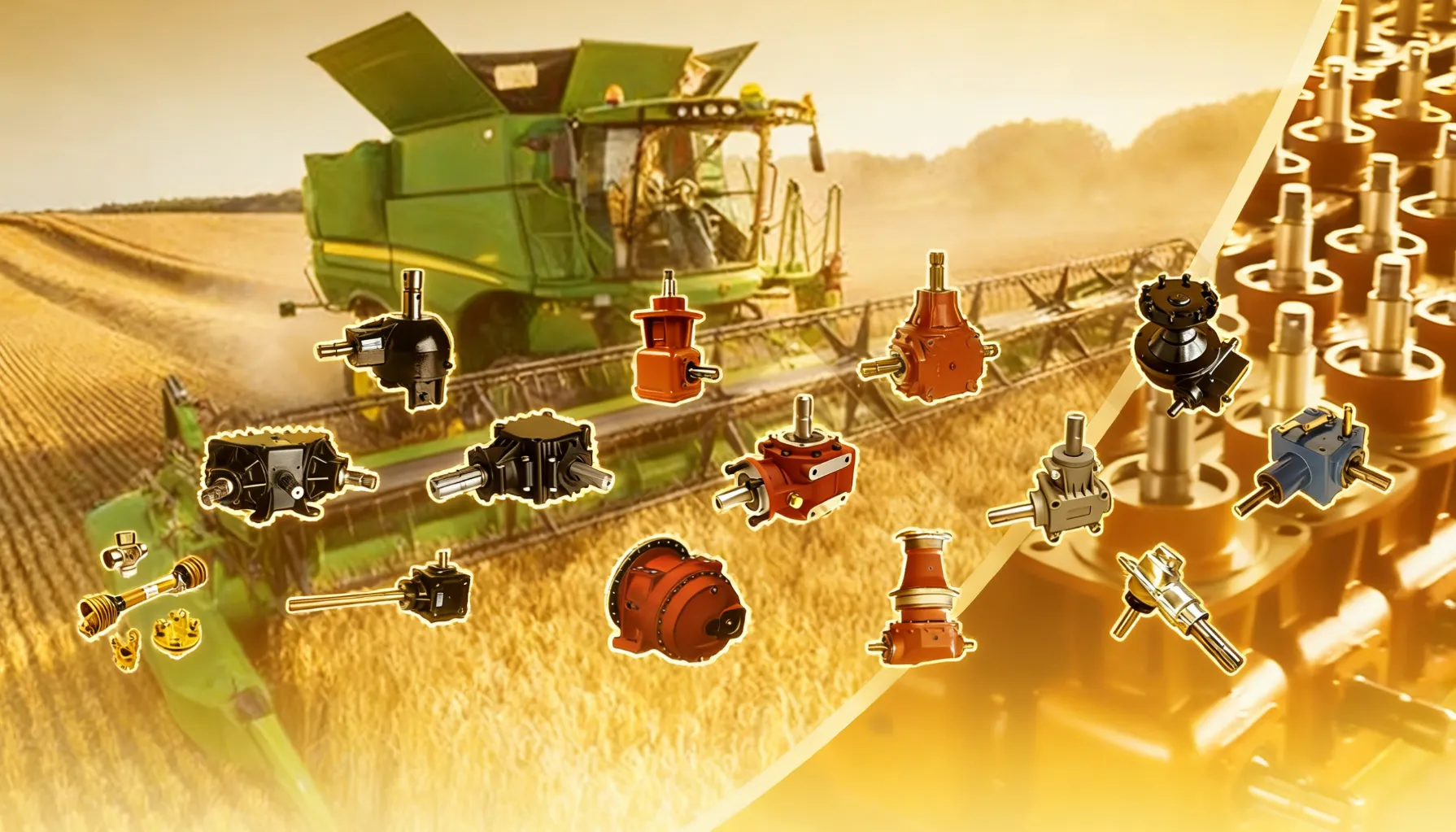
Structural optimizations used finite element analysis to reinforce housings against 1850 Nm peaks, while new Viton materials resist oil degradation in humid environments. Feedback loops from shearers in Western Australia refined ergonomics, integrating quick-clamp mounts for faster installations.
Customer Cases and Success Stories
Engineer Note: In a New South Wales wool station with 8 stands, the client reported frequent lockups. “Our old gearboxes overheat after 4 hours,” the shearer said. We installed ever-power units with enhanced cooling fins, dropping temperatures 15°C. “Now we shear 20% more sheep per day,” they noted, praising the clutch for safety.
Engineer Note: A Queensland farm faced dust ingress in dry seasons. “Fibers jam the gears every week,” the owner complained. Our IP65 sealed gearboxes resolved this, lasting 3 seasons without cleaning. “Maintenance costs halved,” the client shared, highlighting vibration reduction for comfort.
Engineer Note: In Victoria’s humid climate, corrosion shortened life. “Seals fail annually,” the manager stated. Upgrading to Viton materials extended durability. “No failures in 2 years,” they reported, with positive feedback on easy integration with existing down tubes.
Engineer Note: Western Australia remote station had power inconsistency. “Edge stands run slow,” shearers said. Our distribution gearboxes balanced torque. “Uniform performance across all,” the team confirmed, boosting tally by 15 sheep per shearer.
Engineer Note: South Australian irrigation farm dealt with moisture. “Rust inside after rains,” the operator mentioned. Corrosion-resistant coatings solved it. “Reliable through wet seasons,” they evaluated, noting 25% less downtime.
News and Industry Dynamics in Australian Wool Sector
Recent reports from Sheep Central highlight advancements in mechanized shearing, with new regulations phasing out old shaft-driven systems for safety. Link: [wool growers support call](https://www.sheepcentral.com/wool-growers-support-call-to-phase-out-shaft-driven-shearing-equipment). Trends point to electric plants with VFD controls for variable speeds, reducing energy use by 30%. Future directions include AI-monitored gearboxes for predictive maintenance, forecasting failures via vibration data. In Australia, wool production rose 5% in 2025, driving demand for efficient transmission. News on sustainable farming emphasizes low-noise gear for worker health, aligning with WorkSafe awards.
Predictions suggest hybrid PTO-electric systems by 2030, integrating renewables for off-grid sheds. This dynamic solves labor shortages, with automated plants increasing output 25% in large stations.
Signs Indicating Gearbox Replacement in Shearing Plants
Unusual noises like grinding at 80 dB signal gear wear, common after 3000 hours in dusty environments. Oil leaks around seals indicate failed gaskets, risking contamination in wool. Increased vibration exceeding 2.5 mm/s suggests bearing failure, leading to handpiece instability. Overheating above 85°C during operation points to lubrication issues or overload. Sudden lockups or reduced speed below 2700 RPM mean clutch slippage. In Australian heat, these signs accelerate, with rust spots on housings warning of corrosion. Replacing at these cues prevents breakdowns, saving $1000 in emergency repairs per incident.
Visual inspections revealing cracked casings or discolored oil confirm need, especially post-wet seasons in Tasmania.
Related Products: PTO Shafts and Accessories
- – PTO Transmission Shaft: Includes safety guards, telescopic sections, and universal joints (e.g., cross-type for flexibility). Essential for connecting tractor power to overhead drive, with shear bolt protection against overloads. For details on agricultural PTO shafts.
- – Farm Accessories: Sprockets, chains, gear racks, lubrication systems, pulleys, couplings, hydraulic cylinders. These ensure system compatibility, like chains for auxiliary drives in large plants.
- – Agricultural Machinery: Seeders and harvesters with optional gearboxes for integrated wool farm operations.
One-stop supply advantages include seamless compatibility, reducing installation time by 50% in Australian setups.
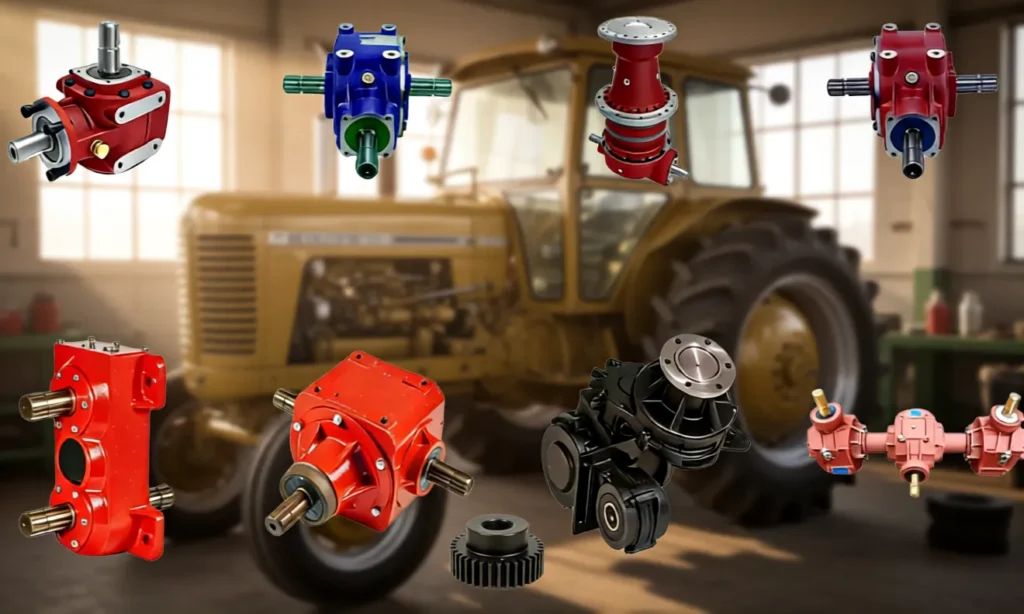
Our Full Series of Farm Gearboxes and One-Stop Accessories
ever-power provides a complete line of agricultural gearboxes, from 35 HP light-duty to 120 HP heavy models, sparking interest for diverse shearing needs. All farm machinery accessories, like chains and couplings, are available one-stop, simplifying procurement for Australian operators. This comprehensive offering ensures quick replacements, minimizing downtime in peak seasons.
Explore our range at ever-power homepage or inquire via contact us.
Contact and Call to Action
Ready to upgrade your shearing plant? Click below for inquiries.
FAQ
What torque capacity is needed for a 6-stand shearing plant?
For a 6-stand setup, aim for 1200 Nm rated torque to handle simultaneous loads, ensuring no drop in blade speed during peak operation.
Why does my gearbox overheat in summer?
High ambient temperatures above 40°C combined with dust buildup reduce cooling; use breathers and check oil levels regularly to maintain under 85°C.
How to install a replacement gearbox?
Align splines, secure with four bolts at 150mm PCD, fill with 1.5L GL-5 oil, and test at low speed to verify no leaks or vibrations.
When should I replace the seals?
Replace at signs of leaks or every 2000 hours; Viton seals last longer in humid conditions, preventing oil contamination.
Where are these gearboxes manufactured?
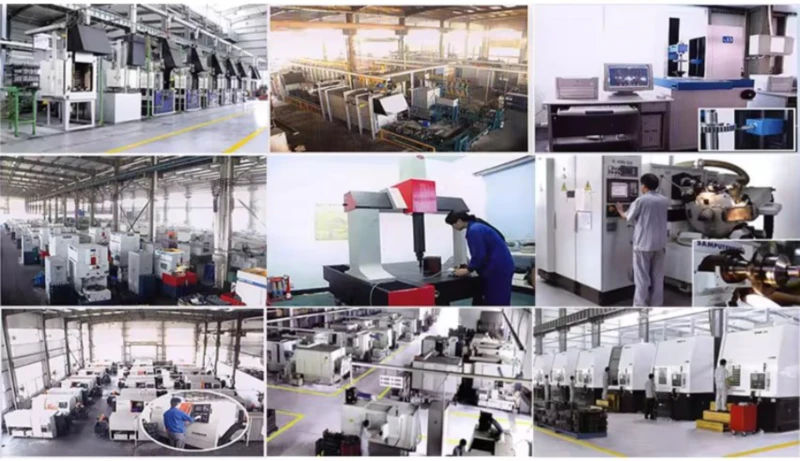
Produced in state-of-the-art facilities with ISO 9001 certification, ensuring quality for Australian standards.
Who benefits from variable speed gearboxes?
Shearers handling varying fleece types; adjust from 2700 to 3500 RPM for finer control and reduced fatigue.
What maintenance schedule is recommended?
Oil change every 500 hours, seal inspection quarterly, and full overhaul after 5000 hours for optimal performance.
Why choose ever-power over local brands?
Superior materials and global testing provide 25% longer life, with competitive pricing for Australian farms.
How does dust affect gearbox longevity?
Dust ingress causes abrasive wear; our labyrinth seals block 99% entry, extending life by 50% in dry regions.
When to upgrade to PTO-compatible models?
For portable setups in remote paddocks; compatible with 540 RPM tractors, enabling flexible operations.