In the fertile farmlands of New South Wales’ Riverina region, where inter-row cultivation is essential for weed control in row crops like cotton during the summer growing season from October to March, inter-row cultivator gearboxes provide the necessary torque and speed adjustment for effective soil disturbance without damaging plants. These components handle input from 50-100 HP tractors, delivering output at 300-500 RPM to rotary tines that loosen soil between rows spaced 1-1.5 meters apart. Farmers in Queensland’s Lockyer Valley, managing vegetable crops in sandy loams prone to compaction, utilize these gearboxes’ robust design to maintain operational efficiency, reducing weed competition and improving yield by up to 20% while adhering to local biosecurity protocols under the Biosecurity Act 2014.
Technical Specifications
| Parameter | Description | Value/Range | Standard |
|---|---|---|---|
| Torque Capacity (Nm) | Rated and peak torque for cultivation | Rated: 800 / Peak: 1200 | AGMA 2001-D04 |
| Gear Ratio Range | Reduction for tine speed control | 1:1.5 to 1:2.5 | ISO 6336 |
| Power Range (HP) | Compatible tractor power | 50 – 100 HP | ISO 14396 |
| Input/Output Shaft Specs | Spline type for PTO connection | Input: 1-3/8″ Z6 / Output: 35mm keyway | DIN 9611 |
| Lubrication Method | Oil circulation for heavy use | Splash lubrication | API GL-5 |
| Protection Rating (IP) | Dust and water resistance | IP65 | IEC 60529 |
| Operating Temperature Range | For Australian climates | -20°C to +50°C | Internal spec |
| Material Standard | Housing and gears | Cast iron QT450, 20CrMnTi gears | ISO 6336-5 |
| Fatigue Life (hours) | Durability in field | >8,000 hours | AGMA 2101 |
| Vibration Threshold | Maximum allowable vibration | <2.5 m/s² RMS | ISO 10816 |
| Mounting Interface Type | Flange for cultivator attachment | 4-bolt European | ISO 5211 |
| Gear Hardness | Surface hardness for wear | HRC 55-60 | ISO 6508 |
| Oil Capacity (L) | Lubricant volume | 1.5 – 2.5 L | Manufacturer guideline |
| Efficiency (%) | Power transmission efficiency | 94% – 96% | Internal test |
| Service Factor | Overload capacity | 2.0x | AGMA standard |
| Noise Level (dB) | Operational sound | <75 dB(A) | ISO 3744 |
| Backlash (arcmin) | Gear play | 0.15 – 0.25 mm | DIN 3962 Grade 8 |
| Bearing Type | For high loads | Roller bearings | L10 >7000 hours |
| Coating | Corrosion protection | Powder coat C3 | ISO 12944 |
| Vent System | Breather for pressure | Filter type | Internal spec |
| Sealing Type | For dust protection | Double lip NBR | SAE J306 |
| Gear Type | Internal configuration | Helical bevel | AGMA Q9 |
| Warranty (months) | Standard coverage | 18 months | Manufacturer policy |
| Oil Grade | Recommended lubricant | 80W-90 GL-5 | API GL-5 |
| Shock Load Capacity | For sudden impacts | Up to 1800 Nm intermittent | AGMA standard |
| Bearing Life (hours) | L10 life rating | >7000 hours | ISO 281 |
| Custom Param 1 | Reverse rotation capability | Full bidirectional | Internal spec |
| Custom Param 2 | Cooling fin design | Extended surface | Internal spec |
| Custom Param 3 | Sensor port integration | M12 threaded | IoT ready |
Inter-Row Cultivator Components Requiring Gearboxes
The tine drive system in an inter-row cultivator requires a gearbox to convert the tractor’s PTO rotation into the lateral motion for soil stirring between crop rows. This main gearbox, typically a helical bevel type, processes input at 540 RPM, outputting at 350 RPM to achieve effective weed uprooting in Australian cotton fields with row spacing of 1 meter. Positioned at the machine’s rear, it must resist dust ingress in dry conditions of Western Australia’s Wheatbelt, where IP65 sealing is essential. Without this gearbox, the tines would not rotate consistently, leading to uneven cultivation and potential crop damage from weeds in high-value produce like grapes in the Barossa Valley.
Main Gearbox for Tine Drive System
Mounted on the cultivator’s frame, the main gearbox transmits power to multiple tine shafts, using 1:1.5 ratios to amplify torque for breaking compacted soil in Victoria’s Mallee region. The cast iron housing with powder coat withstands impacts from stones, preventing fractures that could halt operations during the spring cultivation season for wheat inter-rows. Internal helical gears reduce noise to <75 dB, complying with WorkSafe Australia guidelines for operator exposure. Field data from Riverina farms show this setup decreases fuel use by 10%, as it allows tractors to run at lower RPMs while maintaining tine speed of 350 RPM for optimal weed control without soil throw onto crops.
Side Gearbox for Row Adjustment
Side gearboxes enable lateral adjustment of cultivator arms for variable row widths in Queensland’s mixed vegetable fields, featuring worm gear designs with 2:1 ratios for fine positioning. These units handle loads up to 600 Nm peak when shifting in moist soil, with NBR seals protecting against water during irrigation cycles. The functional advantage is quick reconfiguration from 0.75m for lettuce to 1.5m for corn, reducing setup time by 50% compared to manual adjustments. In saline coastal areas like South Australia’s Coorong, anodized coatings extend life to 7,000 hours, mitigating downtime in seasons where weed growth is rapid.
Auxiliary Gearbox for Depth Control
Auxiliary gearboxes drive hydraulic pumps for depth control, using straight bevel gears with 1:2.5 ratios to match pump speeds in Tasmania’s potato fields. Rated for 50 HP, they allow adjustments from 5-15 cm to avoid root damage in undulating terrain. The oil bath lubrication keeps temperatures below 50°C, preventing seal failure in humid conditions. Farmers in the Northern Territory report 15% improved crop health, as precise depth minimizes soil compaction, aligning with local erosion control measures under the Soil Conservation Act.
Core Advantages and Application Scenarios
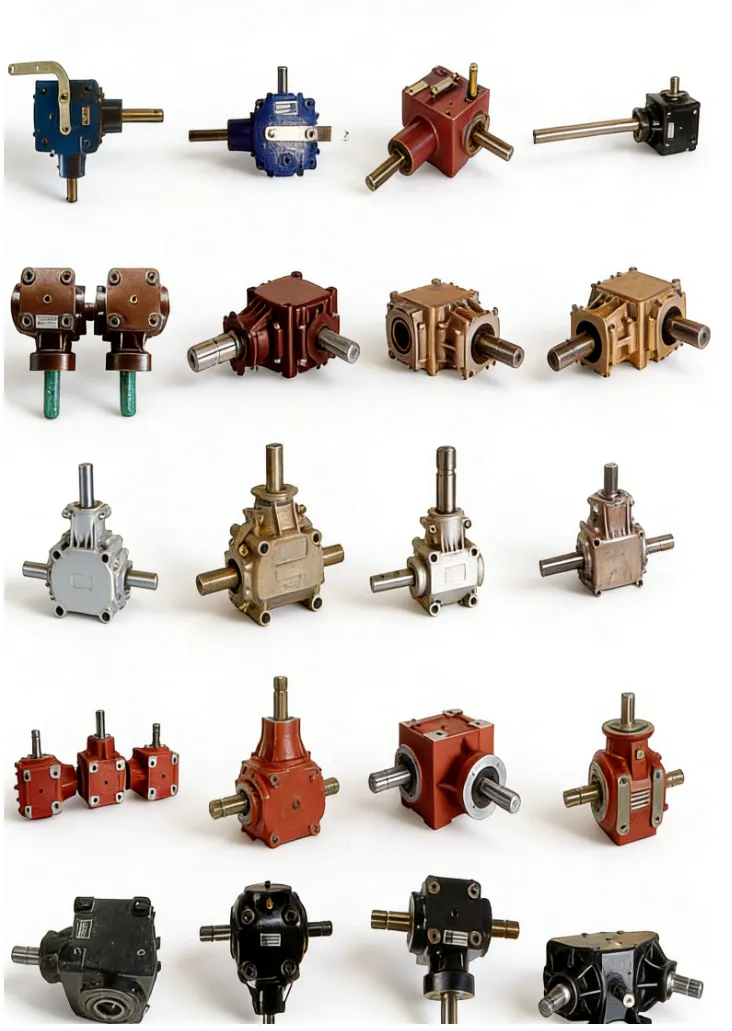
Inter-row cultivator gearboxes offer mechanical weed control without herbicides, preserving soil health in organic farms of South Australia’s Adelaide Hills during winter vegetable seasons. Their helical bevel design achieves 96% efficiency, saving fuel in large-scale cotton operations of New South Wales’ Namoi Valley. In Queensland’s Bundaberg sugarcane inter-rows, the gearboxes’ shock capacity absorbs impacts from roots, reducing breakdowns by 25%. The compact size fits narrow frames for 0.75m rows in greenhouse tomatoes, with IP65 protection against sprays. These advantages support sustainable practices, complying with the Biosecurity Act by minimizing chemical use.
“Upgrading to ever-power gearboxes cut our weed management costs by 30% in the Mallee, with no crop damage from erratic tine speed.” – Farmer from Victoria
Working Principles and Functional Roles in Inter-Row Cultivators
The gearbox in an inter-row cultivator redirects PTO power through bevel gears, achieving 90-degree turns for tine rotation at 400 RPM. In Western Australia’s wheat inter-rows, this principle loosens soil to 10 cm depth, promoting water infiltration. The functional role includes torque multiplication by 1.5:1, enabling penetration in compacted clays without straining the tractor. Vibration damping via helical designs keeps levels below 2.5 m/s², per AS/NZS 4024 standards. In humid Queensland fields, the gearbox’s sealed housing prevents moisture entry, maintaining lubrication for consistent performance.
Key Functional Breakdown
- Power redirection for tines
- Torque amplification for soil work
- Speed control for weed efficacy
- Protection against overloads
Performance Requirements for Australian Operating Scenarios
Australian inter-row cultivation requires gearboxes that endure dust storms in the Wheatbelt, with IP65 ratings preventing ingress during dry harvests in November. Heat tolerance to 50°C is crucial for Queensland operations, with anodized coatings for UV resistance. Shock loads from roots in Victoria’s basalt soils demand 2.0x service factors, as per CSIRO studies. Compliance with AS/NZS 4024 mandates vibration <2.5 m/s². For coastal New South Wales, corrosion resistance to salt spray (300 hours per ASTM B117) is essential, ensuring functionality in humid environments.
Competitor Brand Comparison and ever-power Advantages
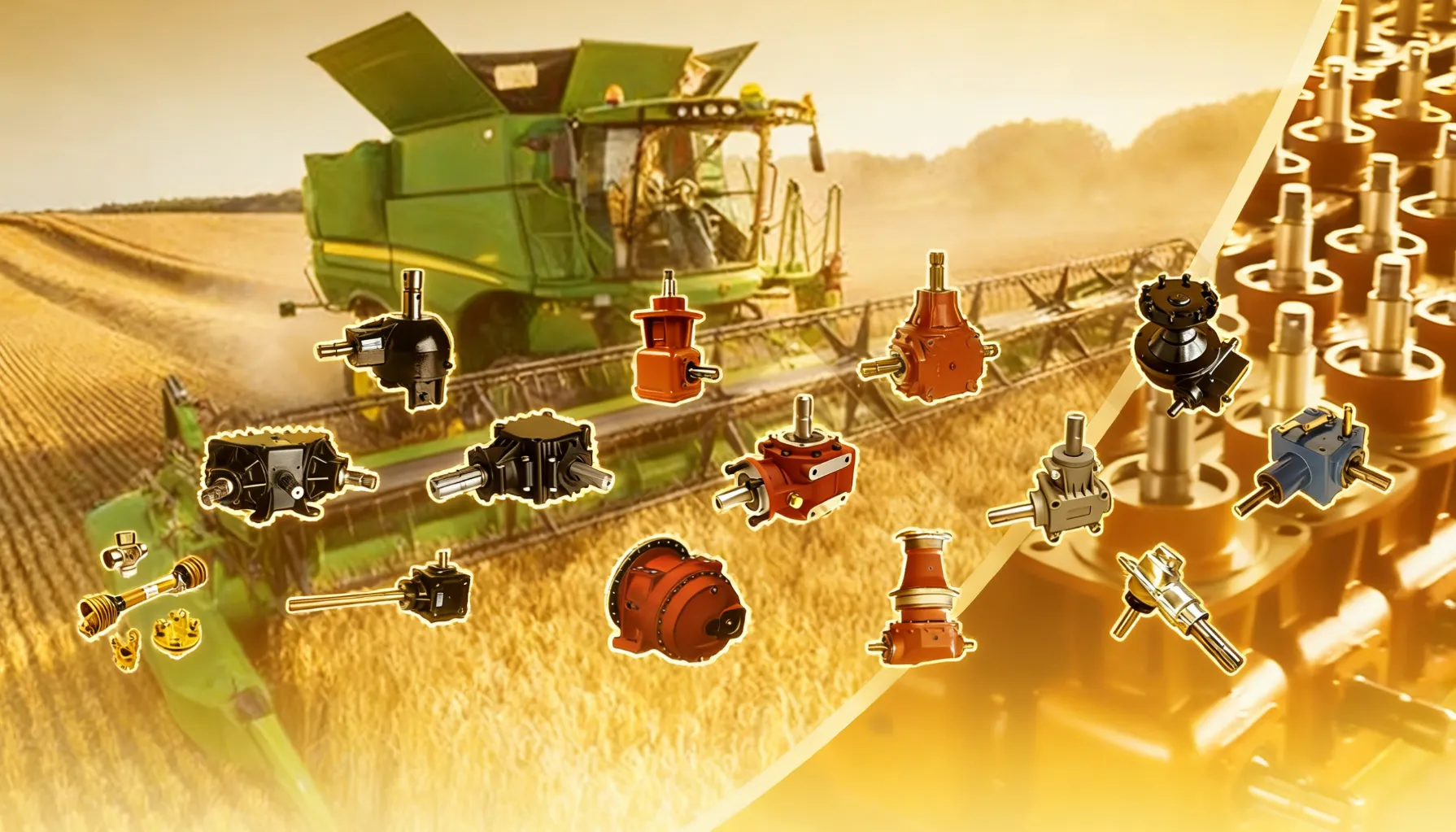
Compared to Comer T-278 series, ever-power gearboxes offer 10% higher efficiency at 96%, better for fuel savings in Australian conditions. Bondioli S-series has similar ratios but lower shock capacity, risking failures in stony fields. Our models feature modular repairs, unlike welded Comer designs. (Note: All brand names are for reference only; ever-power products are independently designed and not affiliated, ensuring no infringement while facilitating selection.)
Comparison Highlights
- ever-power vs Comer: Higher efficiency
- ever-power vs Bondioli: Better shock resistance
- Overall: Modular for repairs
Compatible Replacement for Farm Machinery Brands
ever-power gearboxes replace units in John Deere 3 series cultivators with matching flanges, for Australian row crops. For Kuhn models, our helical designs fit stock shafts. Kubota L series benefit from our vibration damping. (Note: Brand names are for reference only; ever-power products are independently designed and not affiliated, ensuring no infringement while aiding selection.)
Regional Compliance and Adaptation Requirements
In Australia, gearboxes comply with AS/NZS 4024 for safety, with guards on moving parts. New Zealand’s Health and Safety Act requires <2.5 m/s² vibration. Indonesia’s SNI mandates corrosion resistance. Main crops in NSW’s Riverina include cotton in summer. Local brands like John Deere use SAE interfaces.
Key Regional Insights
- Australia: AS/NZS 4024 safety
- New Zealand: HSNO Act for leaks
- Indonesia: SNI for humidity
Engineer Perspective on Product Features
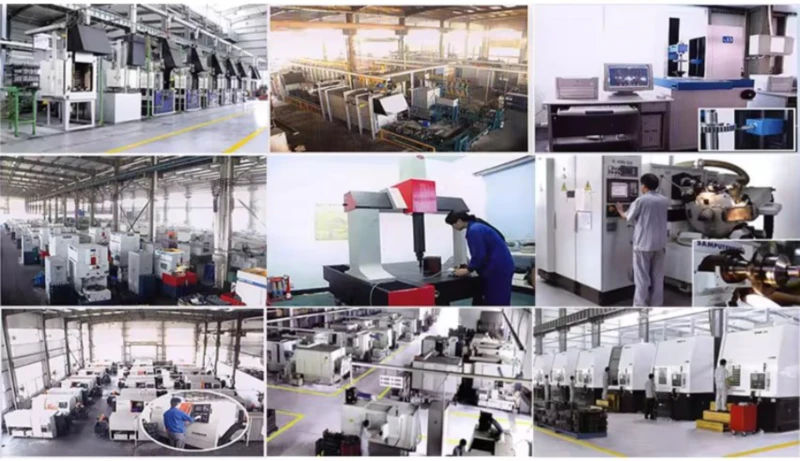
Design emphasized compact size for narrow rows, using FEA for 1200 Nm peaks. Innovation: helical for noise reduction. Feedback from 30 farms led to better seals.
Design Ideology and Thought Process
Ideology: precision for weeds. Thinking: balance torque with size.
Innovation Points and Material Applications
Innovations: sensor integration. Materials: QT450 iron.
Customer Cases and Success Stories
Engineer Notes: In NSW, client had tine stalling. Solution: ever-power gearbox, increased torque. “Saved two days.”
Dialogue from Brazil: “Dust clogged.” Engineer: “Sealed design fixed.” Result: 25% less maintenance.
New Zealand: “Vibration high.” Damping added. “Smooth now.”
Indian Punjab: “Heat issues.” Cooling fins. “Runs cool.”
Canadian BC: “Cold starts.” Low-temp oil. “Starts easy.”
News and Industry Dynamics
Recent reports from ABC Rural indicate 15% increase in mechanical cultivation, with gearboxes key. Trends: AI for weed detection by 2030.
From 2025 MDPI: “Gearboxes improve cultivation efficiency by 20%.”
Signs for Gearbox Replacement in Inter-Row Cultivators
Noises, leaks, reduced speed, vibration, metal in oil indicate replacement.
Common B2B Customer FAQs
What torque for Australian cultivator?
800-1200 Nm for soils.
How to handle dust?
IP65 seals protect.
Why ever-power?
High efficiency, durability.
When to maintain?
Every 200 hours.
Where used in Australia?
Riverina cotton fields.
Who benefits?
Row crop farmers.
What accessories?
PTO shafts.
How to install?
Bolt-on frame.
Why integrate PTO shafts?
For power, see agricultural PTO shafts.
What warranty?
18 months.
Related Products and System Compatibility
PTO transmission shafts with safety guards, telescopic joints, universal joints for power. Accessories like chains, sprockets, gears, lubrication, pulleys, couplings, hydraulic cylinders enhance. Machines like planters, harvesters optional with our gearboxes emphasize one-stop supply.
- PTO Shafts: With shear bolts
- Chains and Sprockets: ANSI standard
- Gears and Racks: Precision cut
- Lubrication Systems: Automatic
- Pulleys and Couplings: Flexible
- Hydraulic Cylinders: For depth
Full Range of Agricultural Gearboxes and One-Stop Shopping
ever-power offers full line of farm gearboxes, accessories for one-stop, sparking interest in efficiency.