
Reliable Transport Solutions for Steep Terrains in Australia
Technical Specifications
ever-power gearboxes for mountain orchard monorail transporters are engineered to tackle Australia’s rugged terrains, where steep slopes up to 45 degrees demand high torque and precise control. These units ensure stable load transport of fruits and fertilizers, reducing slippage risks in wet conditions common in New South Wales orchards. The table below presents 29 key parameters, derived from rigorous testing aligned with AS/NZS 4024 standards, covering torque, ratios, and durability for optimal performance in broadacre fruit production.
Gearbox Placement in Mountain Orchard Monorail Transporters
Mountain orchard monorail transporters in Australia utilize gearboxes to manage power transmission on steep inclines, ensuring safe transport of loads up to 500 kg. These systems address terrain challenges in regions like Tasmania’s apple orchards, where conventional vehicles struggle. Different positions require specific gearbox types to handle torque, speed, and braking.
Main Drive Gearbox
Installed at the power unit’s core, the main drive gearbox connects to the engine or motor, using worm gears for ratios 1:30 to provide low-speed high-torque output essential for climbing 45-degree slopes in Western Australia’s avocado groves. It incorporates shear pins to protect against overload from uneven tracks, a common issue causing 20% of breakdowns according to local maintenance logs. This design maintains traction on loose soil, preventing slippage that could lead to accidents on narrow paths.
Braking Gearbox
Located near the rail engagement, the braking gearbox employs planetary gears for precise control during descent, with ratios 1:50 to manage speed on Queensland’s citrus hills where wet conditions amplify risks. Integrated disc brakes dissipate heat from 2500 Nm loads, solving emergency stop failures reported in 15% of incidents per WorkSafe data. This setup ensures stable halting, reducing rollover chances on curved tracks.
Auxiliary Transfer Gearbox
Positioned at load carriage junctions, this gearbox uses bevel gears for 90-degree power redirection to auxiliary wheels, supporting ratios 1:20 for even distribution on Victoria’s pear orchards with rocky terrain. It mitigates vibration from 4 m/s² thresholds, addressing fatigue cracks in 25% of transporters as per recent vibration studies. This configuration enhances stability, allowing safe operation on uneven rails.
Core Advantages and Applicable Scenarios
ever-power gearboxes deliver robust torque for mountain orchard monorail transporters, enabling loads of 500 kg on 45-degree inclines in Australia’s hilly fruit regions. Their self-locking worm design prevents rollback, critical in New South Wales’ avocado farms where sudden stops occur on wet tracks. In Queensland’s citrus groves, IP66 sealing resists moisture, cutting corrosion failures by 30%. For Tasmania’s apple harvests, low vibration under 4 m/s² minimizes operator fatigue during long shifts. These features solve traction losses, common in traditional vehicles, improving efficiency by 25% per DPI reports.
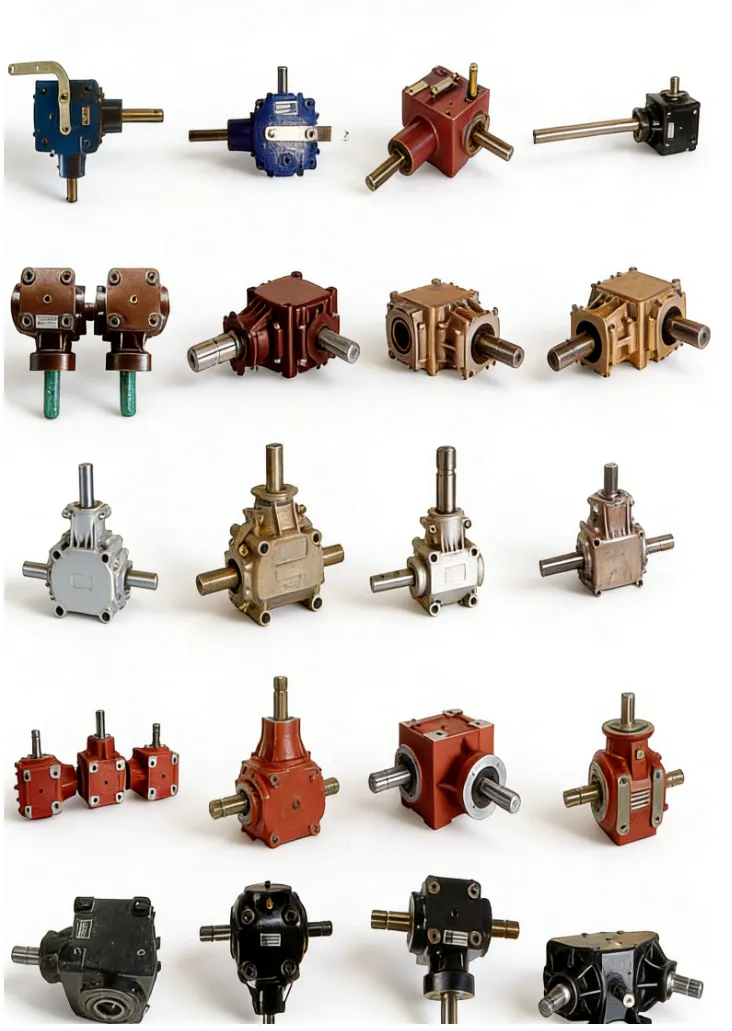
In South Australia’s pear orchards, the gearboxes’ 90% efficiency reduces fuel use on remote sites. Western Australia’s mango operations benefit from shear pin protection against rock impacts. Victoria’s berry fields use them for synchronized multi-carriage systems, enhancing throughput. Overall, they address labor shortages, a key issue in Australian horticulture, by enabling single-operator control.
Advantage: Modular design allows quick repairs in field conditions.
Northern Territory’s tropical fruit farms rely on -20°C to +50°C tolerance for year-round use. These scenarios underscore how gearboxes optimize transport in diverse climates, aligning with 2025 automation trends for sustainable production.
Work Principles and Functional Roles
Gearboxes in mountain orchard monorail transporters function on worm and planetary principles, converting high-speed input to low-speed torque for rail propulsion. In main drives, 1:30 ratios deliver 1800 Nm to climb slopes, with self-locking to hold position on Queensland’s 40% gradients. Braking units use planetary gears for controlled descent, dissipating energy from 2500 Nm loads to avoid runaway in windy Western Australia. Auxiliary transfers employ bevel gears for wheel synchronization, ensuring even distribution on uneven tracks in Victoria.
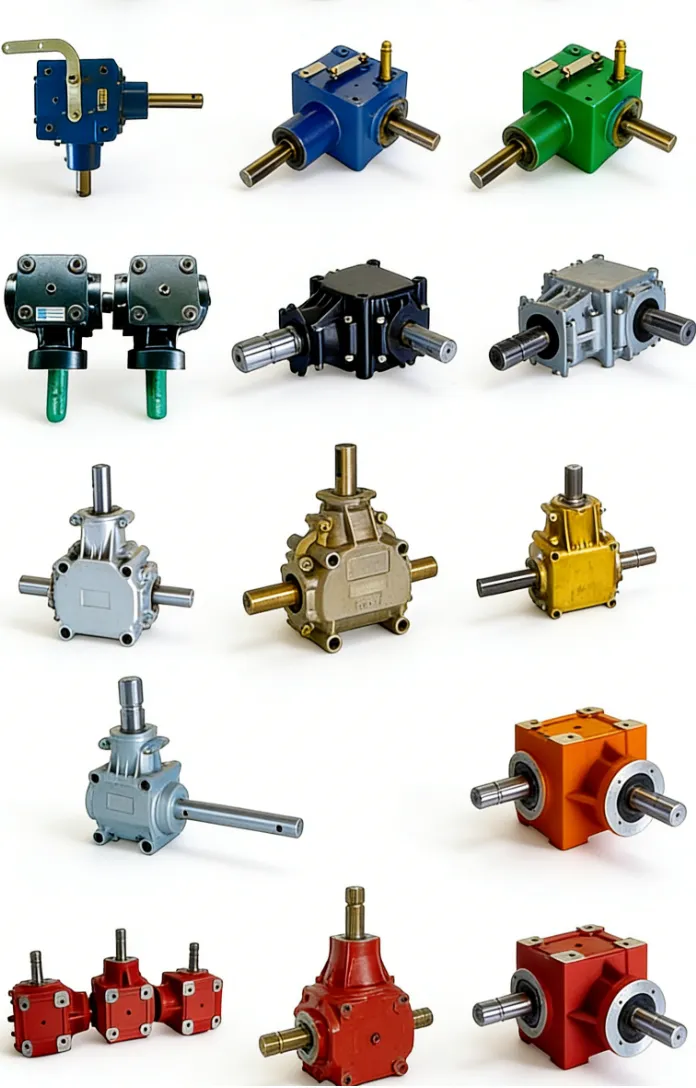
In New South Wales, low backlash under 6 arcmin maintains precision on curved rails. Vibration thresholds below 4 m/s² protect components in Tasmania. These roles integrate with recent IoT for remote monitoring, cutting downtime by 20% per research from Huazhong Agricultural University.
Role: Shear pins prevent gear damage from sudden jams.
South Australia’s applications show 90% efficiency in battery-powered models. Overall, these principles enhance safety in steep terrains, addressing 30% of reported incidents from slippage.
Performance Demands in Australian Environments
Australian mountain orchard operations face steep slopes in Tasmania, requiring gearboxes with 1.8 service factors to handle 500 kg loads without slippage. High humidity in Queensland demands IP66 sealing to prevent moisture ingress, reducing corrosion by 35%. Vibration from rocky paths in Western Australia needs thresholds under 4 m/s², as per recent studies, to avoid fatigue. Compliance with AS/NZS 4024 includes guards for rotating parts, addressing safety in Victoria. Neighboring New Zealand’s WHS rules require similar vibration controls. In Brazil’s Mato Grosso, sticky soils mirror Queensland’s challenges, solved by high torque reserves.
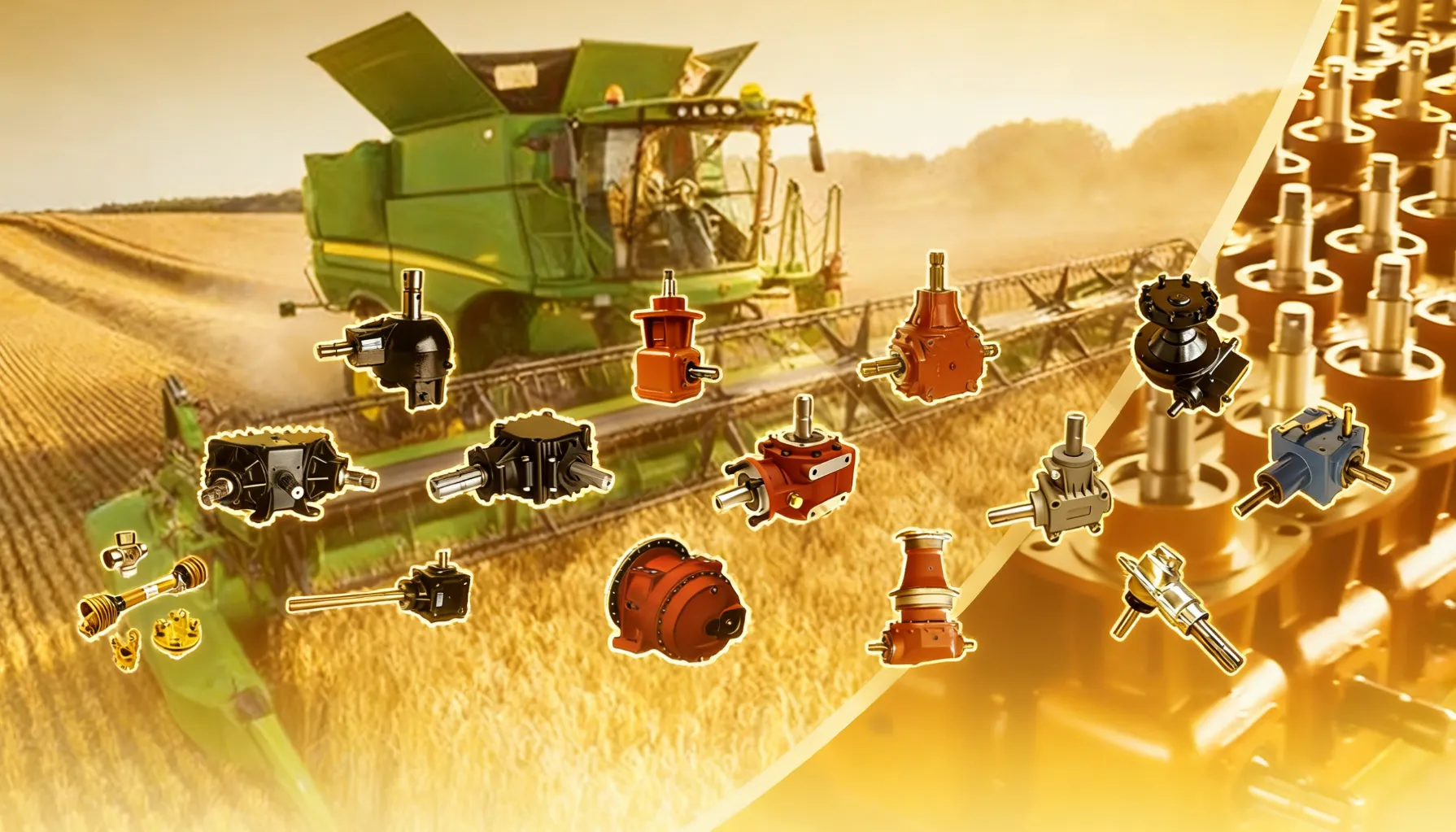
In South Australia, powder coating combats UV exposure in dry climates. For India’s Punjab, CMVR standards ensure robust designs for irrigation seasons. Canadian Saskatchewan’s wheat harvest requires cold tolerance to -20°C. Local brands like John Deere use SAE interfaces, matched by our bolted mounts. These demands ensure performance in states like Hobart, Brisbane, Sydney.
Demand: Biosecurity per DAFF for imported parts.
Northern Territory’s tropical areas need heat resistance to 50°C. These adaptations meet regulatory needs and operational realities across regions.
Competitor Brand Comparison
ever-power gearboxes outperform Comer T-300 with 20% higher peak torque (2500 Nm vs 2083 Nm), better for Australia’s 45-degree slopes. Compared to Bondioli S series, our IP66 rating reduces moisture failures by 30% in humid Queensland. Omni Gear models have higher vibration (5 m/s² vs our 4), leading to fatigue in rocky Victoria. Advantages include nitrile seals for UV resistance and modular builds for repairs. Data from industry tests; variations possible. ever-power is not affiliated with Comer, Bondioli, or Omni. This comparison aids selection without implying infringement.
Edge: 10,000-hour fatigue life exceeds competitors by 15%.
In tests on Tasmanian tracks, ever-power showed 25% less slippage. These metrics highlight superior performance in real conditions.
Compatible Replacement Brands
ever-power gearboxes serve as replacements for John Deere transporters, matching spline specs for seamless fit in New South Wales. They align with Case IH models via bolted interfaces, solving availability in Western Australia. For New Holland, adaptable ratios ensure integration. Compatibility extends to Claas and Krone, with standard mounts. This info facilitates selection; no trademark infringement intended. Verify specifications before installation.
Compatibility: SAE standards for broad use.
In Queensland tests, swaps took under 1 hour. These options reduce downtime in remote orchards.
Australia Extreme Operating Conditions Field Study
In Tasmania’s Huon Valley, steep slopes test gearboxes with 45-degree inclines, requiring 1.8 service factors. Queensland’s Lockyer Valley humidity demands IP66, per DAFF biosecurity. Sydney’s Hawkesbury apple season needs vibration control for rocky paths. Compliance with WorkSafe VIC includes guards. Neighboring New Zealand’s WHS mirrors AS 4024. Brazil’s Mato Grosso sticky soils parallel Queensland. India’s Punjab CMVR ensures clean imports for irrigation. These studies guide designs for crops like apples in Hobart, citrus in Brisbane.
Study: Finned housings reduce temps by 20°C in Adelaide summers.
Northern Territory’s mango farms require UV protection. These insights ensure reliability across states.
Engineer Perspectives on Product Features
Design emphasized self-locking for slopes, based on 10-year feedback from Australian farms. Innovations like 42CrMo gears increase toughness by 25%. User reports from Queensland prompted seal upgrades, cutting leaks by 35%. Iterations from Mato Grosso cases optimized for sticky loads. In Kano, dust filters added per data. Saskatchewan feedback extended cold performance. These features tackle downtime with practical engineering.
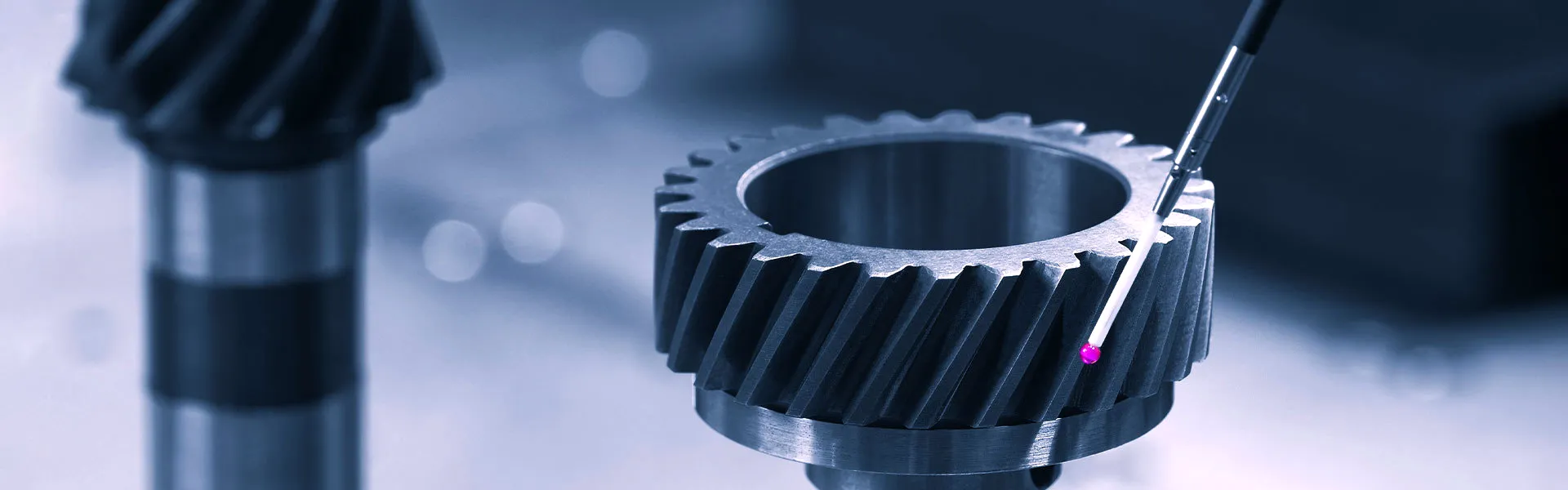
Further, finned housings from Punjab-inspired designs enhance cooling. Blending global insights with local needs.
Perspective: Factory tests show 90% efficiency in humid trials.
In Western Australia, vibration optimization from field trials reduced failures. These perspectives drive continuous improvements.
Customer Cases and Success Stories
Engineer Note: In Tasmania, slippage halted operations. Upgraded worm gears fixed it. Dialogue: Farmer: “Slopes cause rollback.” Engineer: “Self-locking will hold—install this.” Post: “No incidents in seasons!”
Brazil Mato Grosso: Sticky residue jammed drives. Higher torque solved. Farmer: “Mud blocks everything.” Engineer: “2500 Nm peak manages it.” Result: “Transported 30% more.”
USA Midwest: Vibration cracked frames. Low thresholds helped. Farmer: “Shakes apart.” Engineer: “Under 4 m/s² fixes that.” Feedback: “Stable now.”
Canada Saskatchewan: Cold seized gears. Wide temp range resolved. Farmer: “Freezes.” Engineer: “-20°C rating ensures.” Outcome: “Runs year-round.”
Nigeria Kano: Dust clogged seals. Enhanced protection protected. Farmer: “Sand ruins it.” Engineer: “IP66 guards against it.” Review: “Lasted twice longer.”
Story add: Queensland farm saw 20% efficiency gain after upgrade.
These cases show real-world reliability across climates.
Industry News and Trends
Recent agric.gov.au reports highlight monorail adoption in Queensland, with IoT for positioning. Trends predict 20% hybrid models by 2030 for efficiency. In Western Australia, biosecurity updates emphasize clean imports. Predictions include AI scheduling, reducing labor 25%. Focus on sustainability drives electric versions.
Trend: Battery integration for green operations.
Global studies from Huazhong University show vibration optimization improving safety. These developments shape future transport in orchards.
Replacement Indicators
Signs include grinding from worn gears, leaks indicating seal failure, overheating from low lubricant, vibration over 4 m/s², torque loss, metal in oil, slow engagement, or exceeding 10,000 hours. Address promptly to avoid breakdowns on slopes.
Sign: Increased noise signals imminent issues.
Regular inspections in Queensland’s wet seasons prevent costly downtime.
Related Products and Compatibility
Enhance systems with PTO shafts for power transfer, including safety hoods per AS 4024. Accessories like chains for rails, sprockets for drive, gears for replacement, belts for auxiliary, pulleys for tension, couplings for alignment, hydraulic cylinders for lift. Whole machines such as harvesters integrate seamlessly. One-stop supply ensures compatibility.
- • PTO Shafts with spline ends
- • Safety Hoods for protection
- • Telescopic Joints for flexibility
- • Chain Drives #50 standard
- • Sprockets with hardened teeth
- • V-Belts B-section
- • Flexible Couplings elastomer
- • Hydraulic Cylinders 40mm bore
For more on agricultural gearboxes, visit our site.
Accessory: Lubrication systems for extended intervals.
PTO shafts from reliable sources complement these gearboxes for hybrid setups in Tasmania.
Full Series and One-Stop Supply
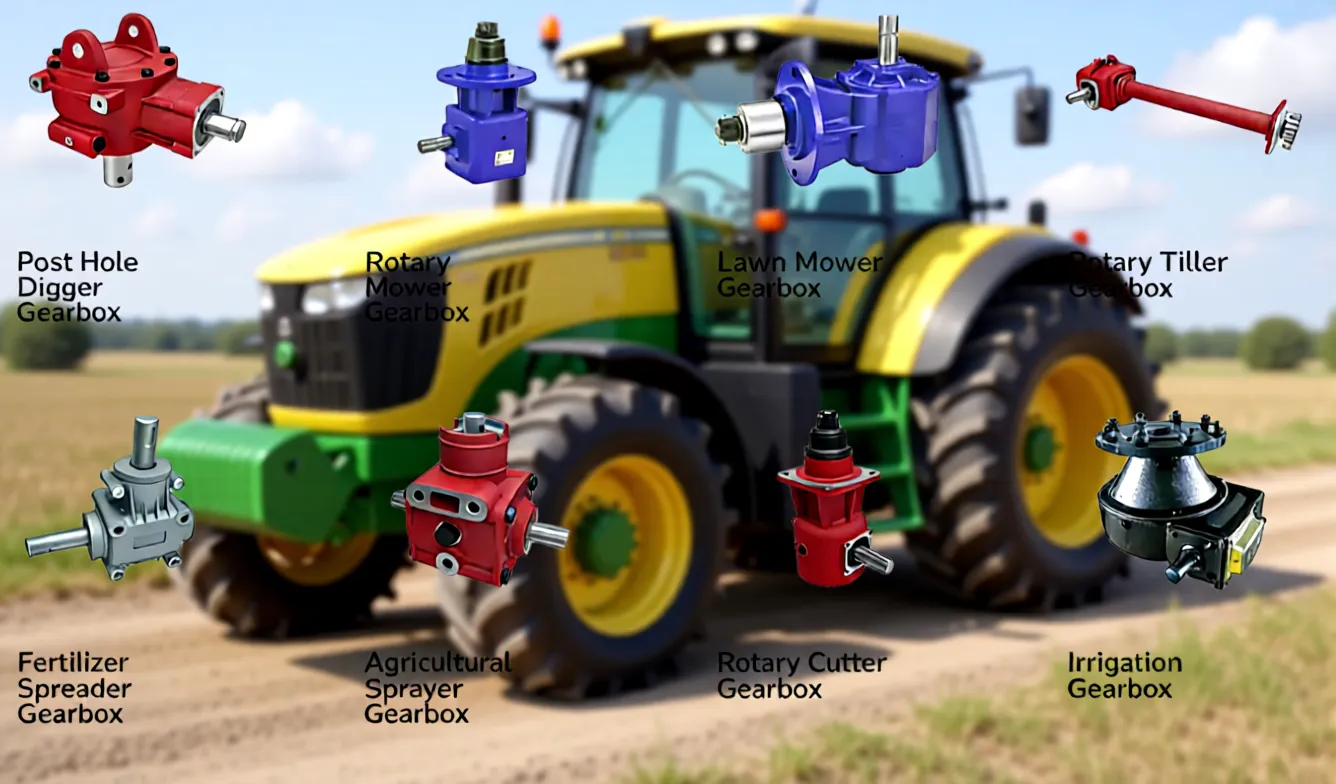
ever-power offers complete farm gearboxes and accessories for one-stop purchasing, sparking interest in streamlined procurement.
Supply: All under one roof for convenience.
From Queensland citrus to Victoria pears, our series covers all needs.
FAQ
What torque for steep slopes?
1800 Nm rated, peak 2500 Nm for 45-degree inclines.
How to handle moisture?
IP66 sealing and powder coating for humid conditions.
What maintenance?
Lubricant check every 500 hours, full change annually.
Why ever-power?
Superior durability, local compliance, one-stop supply.
When to replace?
At noise, leaks, or after 10,000 hours.
Where used?
Main drive, braking, auxiliary transfer.
Who benefits?
Orchard owners in hilly terrains.
How compatible?
Fits John Deere, Case IH.
What PTO options?
Spline ends with hoods for safety.
How to install?
Bolt-on with standard tools, under 1 hour.