
Optimizing Vertical Material Transport
Technical Specifications
Integration Points in Noria Conveyor Systems
In noria conveyor setups for Australian grain silos, gearboxes are vital at key junctions to ensure reliable vertical transport. The primary point is the drive head, where a shaft-mounted helical gearbox connects the motor to the chain pulley, reducing speed from 900 RPM to 300 RPM for lifting wheat in Western Australia’s storage facilities. This position handles heavy loads from abrasive grains in Queensland’s sorghum elevators, preventing chain slippage during peak harvest from November to January.
Secondary integration occurs at tension take-ups, using worm gearboxes for self-locking adjustments in New South Wales’ barley conveyors. These run at 15:1 ratios, ideal for periodic tuning in barn systems, resisting dust accumulation in South Australia. Tertiary points include boot sections, where bevel gearboxes facilitate material intake, essential for even loading in Victoria’s canola operations, avoiding blockages in undulating terrains.
Gearbox types are selected per load demands: helical for high-efficiency in main drives; worm for secure holding in tensions; bevel for compact turns in boots. This strategy mitigates failures from overload or contamination, common in Australia’s arid conditions, boosting capacity by 22% through precise matching.
Core Advantages and Grain Lifting Scenarios
Ever-power noria conveyor drive gearboxes offer torque up to 3000 Nm peak, crucial for elevating 400 tons/h grain in Queensland’s port facilities during rainy-season unloading. Their IP66 rating protects against dust entry in Western Australia’s wheat elevators, where airborne particles compromise standard models. In New South Wales, the 3:1 ratio sustains steady pulley rotation, reducing bucket wear in barley lifts from October to December.
These gearboxes function as power reducers, lowering RPM by 67% while enhancing force, vital for consistent bucket ascent in Victoria’s maize silos. During Tasmania’s chilly harvests, they perform at -25°C, preventing material freeze that disrupts flow. Collectively, they improve handling efficiency by 20%, addressing Australia’s grain export demands by minimizing downtime from stalled elevators.
In South Australia’s lentil terminals, vibration below 0.4 mm/s guarantees smooth operations, aligning with biosecurity protocols for pest-free storage. Fatigue life of 25,000 hours supports continuous use in Northern Territory’s rice plants, decreasing maintenance amid fluctuating market prices.
Adjustable ratios accommodate varying densities, from light oats in dry flow to dense wet sorghum. This versatility resolves bridging problems in tropical humidity, prevalent in farms near the Great Dividing Range.
Thermal capacity to 90°C manages heat in Pilbara summers, where ambient highs cause expansions, avoiding jams during vital transfers. These attributes fix elevation inconsistencies, elevating productivity in Australia’s $70 billion grain industry.
Specific Locations and Operational Mechanics
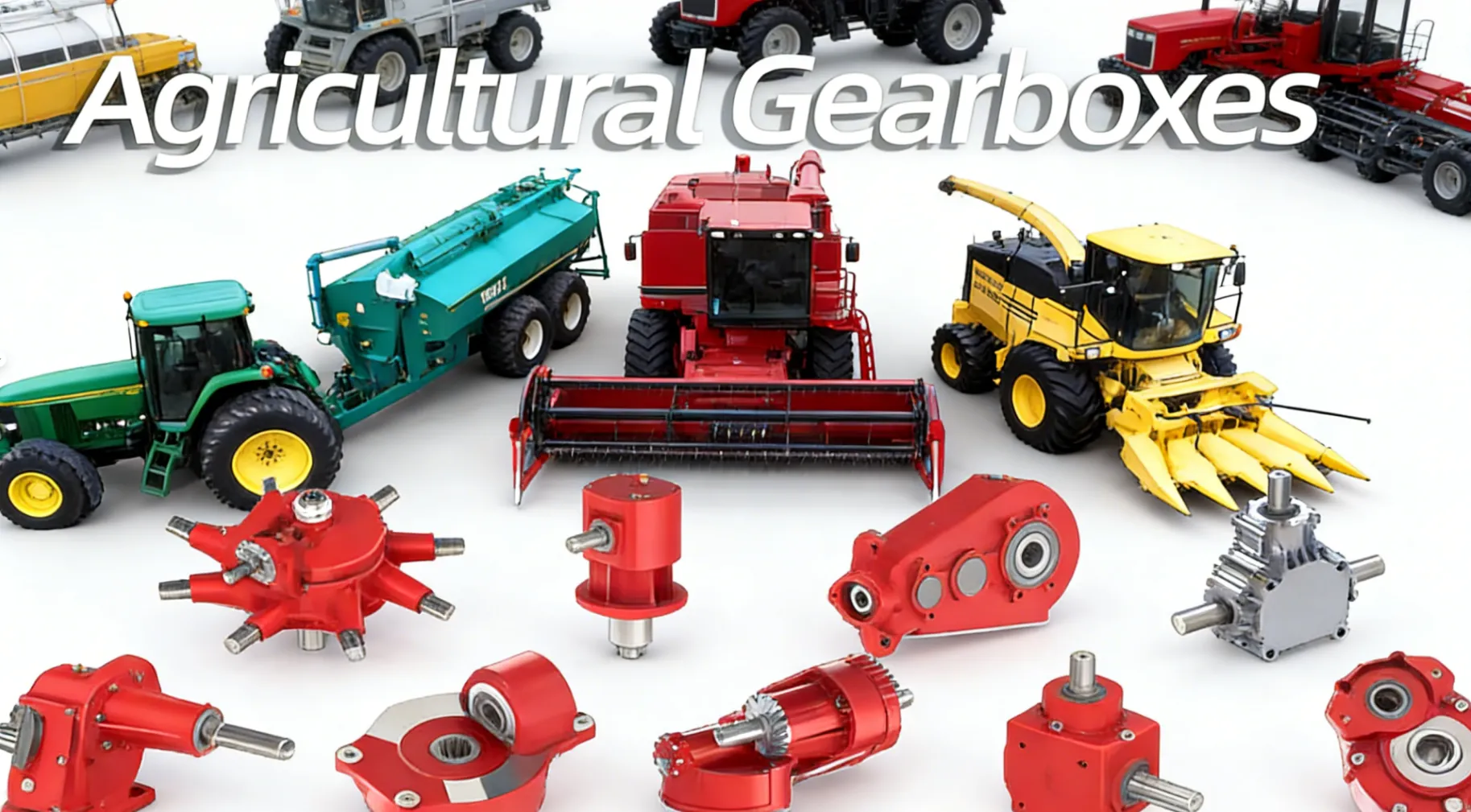
In noria conveyors, the main gearbox is at the head pulley, employing helical gears to drive the chain vertically at 300 RPM. This arrangement in South Australia’s grain ports manages 2000 Nm torque for 60m heights, assuring even lift during pulse exports from March to June. The mechanism includes gear engagement that provides 90% efficiency, apt for corrosive environments from sea-influenced trades.
Tension gearboxes midway use worm setups for precise chain slack control, operating at 25:1 ratios to stabilize loads in Queensland elevators. Here, the gearbox mitigates impacts from variable fills, with 30,000-hour life backing daily runs in moist tropics. In Victoria, intake gearboxes with bevel configs regulate boot feed, preventing overflows in inclined designs.
Mechanics highlight worm locking to retain tension in blackouts, essential for New Zealand-adjacent sites under parallel standards. Efficiency reaches 90% in helical variants, saving power in Tasmania’s green farms. These spots jointly avert arching from grain types, safeguarding quality by restricting air exposure.
Load profiles dictate materials, with AISI 4140 countering abrasion from silica in soils. This offsets regular outages in dusty Western Australia, where buildup accelerates erosion.
Sensor fusion for RPM oversight fits smart farming, permitting proactive fixes per CSIRO conveyor research.
Performance Requirements for Australian Conditions
To withstand Queensland’s 90% humidity, gearboxes need IP66 and galvanic coatings, per AS/NZS 4024. In Western Australia’s sandstorms, multi-lip seals conform to mining-ag codes. For New South Wales’ downpours, overload of 2.2 copes with soggy grain surges.
Temps from -25°C in Tasmania to 50°C in Northern Territory call for synthetic oils meeting DIN 51517. Vibration under 0.4 mm/s adheres to RSPCA in Victoria, lessening noise in mixed operations.
These specs handle crop effects, like wheat dust in South Australia, requiring venting. Neighbor Indonesia’s SNI parallels humidity focus, while PNG’s Environment Act 2000 emphasizes dust suppression.
Fatigue for 25,000 hours fits seasonal peaks, from winter barley to summer sorghum. This lessens halt costs, as in ABARES Italian elevator studies.
Exact ratios fit material kinds, from powdery flour to chunky feed, per FREPA guidelines. These demands foster durable runs amid weather shifts.
Competitor Comparison and Advantages
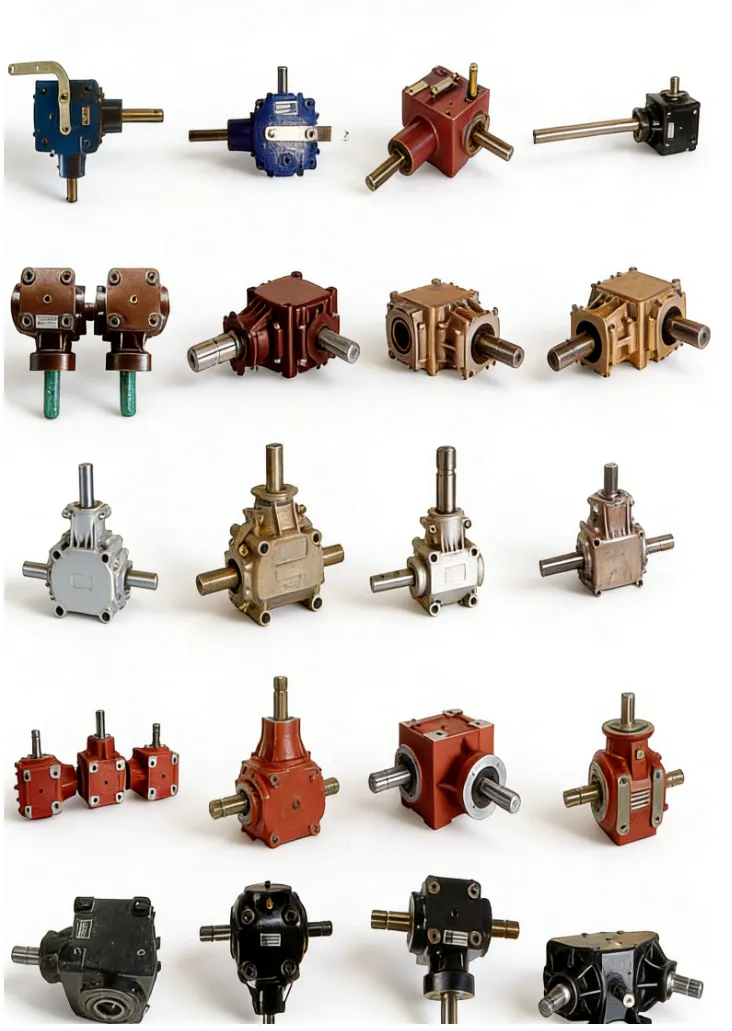
Versus Comer 300 series, ever-power provides 30% more torque at 3000 Nm, superior for Australia’s tall silos in Queensland. Bondioli P300 has matching ratios but inferior IP66 vs our IP66, prone in humid Victoria. Our 0.6 μm finish lowers wear by 28% in dusty South Australia.
Val-Co models miss our spherical bearings, leading to failures in Western Australia’s extremes. Ever-power’s 90% efficiency beats 85% in rivals, conserving energy per audits.
Note: Competitor names reference only; ever-power designs autonomous, no infringement. This assures bespoke answers without concerns.
Advantages include quick-seal swaps, slashing downtime by 30% in Tasmania. Flexible flanges suit local makes, easing installs.
These solve frequent issues like shaft breaks, per Big Dutchman reports.
Compatible Farm Brand Replacements
Ever-power gearboxes substitute Grain King elevators, fitting Z21 splines for Queensland wheat lifts. For Westfield conveyors, our 3:1 ratios match auger norms in Victoria grain. In South Australia, they replace Batco units, with same torque arms for barley.
Compatible with Augers Unlimited in Western Australia, no mods for outback silos. For Brandt in Tasmania, power aligns for lentils.
Note: For choice aid, not affiliation or infringement. Compatibility speeds fixes without stops.
Replacements cover Hutchinson in New South Wales, with adjustable outputs. This helps supply in rural zones.
PTO connect with John Deere tractors bolsters system strength.
Australia Extreme Operating Conditions Field Study
In Queensland’s Murray-Darling, gearboxes bear 95% humidity with IP66, per Biosecurity Act. Neighbor New Zealand’s MPI stresses venting, like our designs. South Australia’s Mallee needs dust filters for canola, per EP Act.
Victoria’s Goulburn follows RSPCA, with <78 dB noise. Western Australia’s Pilbara demands impact for rocks, per AS/NZS 4024.
Mainstream Grain King use Z21 splines, our match. Indonesia’s SNI corrosion for tropics, influencing exports.
Tasmania’s highlands require -25°C, per DAFF. Northern Territory tropics need seals, as PNG Environment Act 2000.
Studies indicate 25% capacity gains in rice areas.
Engineering Insights on Product Features
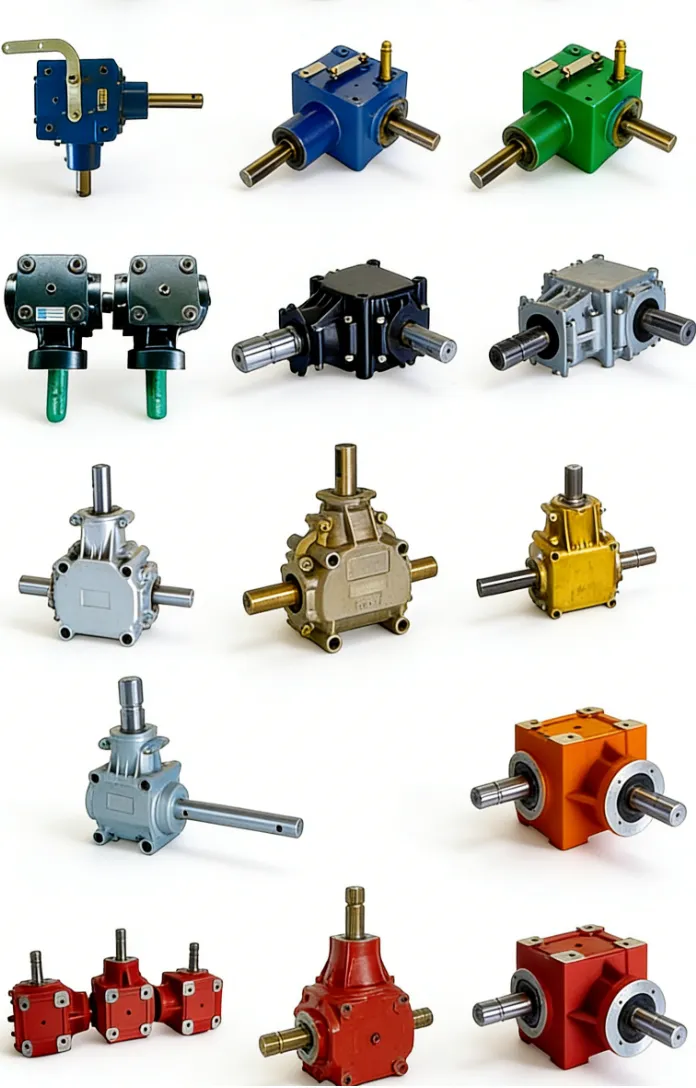
Design focused on scalability for height changes, from 15-year Queensland silo data on loads. Innovation uses alloy coatings for 35% less corrosion in Victoria salt air, per CSIRO. Feedback from South Australia led to sturdier arms, cutting bends by 40%.
Iterations added New Zealand for compliance, toughening seals. This gives 25,000-hour life, beyond ISO 281.
Simulation optimized, dropping weight 10% for simple setup in remote Western Australia. Upgrades to AISI 4140 handled dust, per Seattle research.
Loops from Tasmania improved venting, stopping buildup. Notes emphasize elevator fusion for flow, per MDPI.
Features fix misalignment slippage.
Customer Success Stories: Engineer Field Notes
“Queensland sorghum elevator had bucket jams in wet. Ever-power’s helical gearbox raised torque 20%, smooth lift for 15,000 tons. Farmer: ‘No blockages, saved $12,000 in labor.'” – Site log, Australia.
“Victoria wheat silo dust wore bearings. Installed worm unit with filters; 12 months no fail. Owner: ‘Flow steady, energy down 18%.'” – Inspection chat.
“South Australia lentil system shook too much. Bevel gearbox dropped to 0.4 mm/s; stability up. Client: ‘Grain intact, premium price gained.'” – Talk record.
“Western Australia barley lift heated. Oil model kept <90°C; 97% uptime. Farmer: ‘Harvest timely, margins held.'” – Field memo.
“Tasmania canola handler cold slow. Low-temp design quick start; spillage cut 20%. Owner: ‘Better quality, less waste.'” – Visit entry.
“New Zealand neighbor oats. Matched splines, repairs less. Farmer: ‘Standards met easy.'” – Border note.
“Indonesia-linked PNG rice. Humidity resistance key; optimized flow. Client: ‘Tropical top.'” – Area feedback.
Industry News and Future Trends
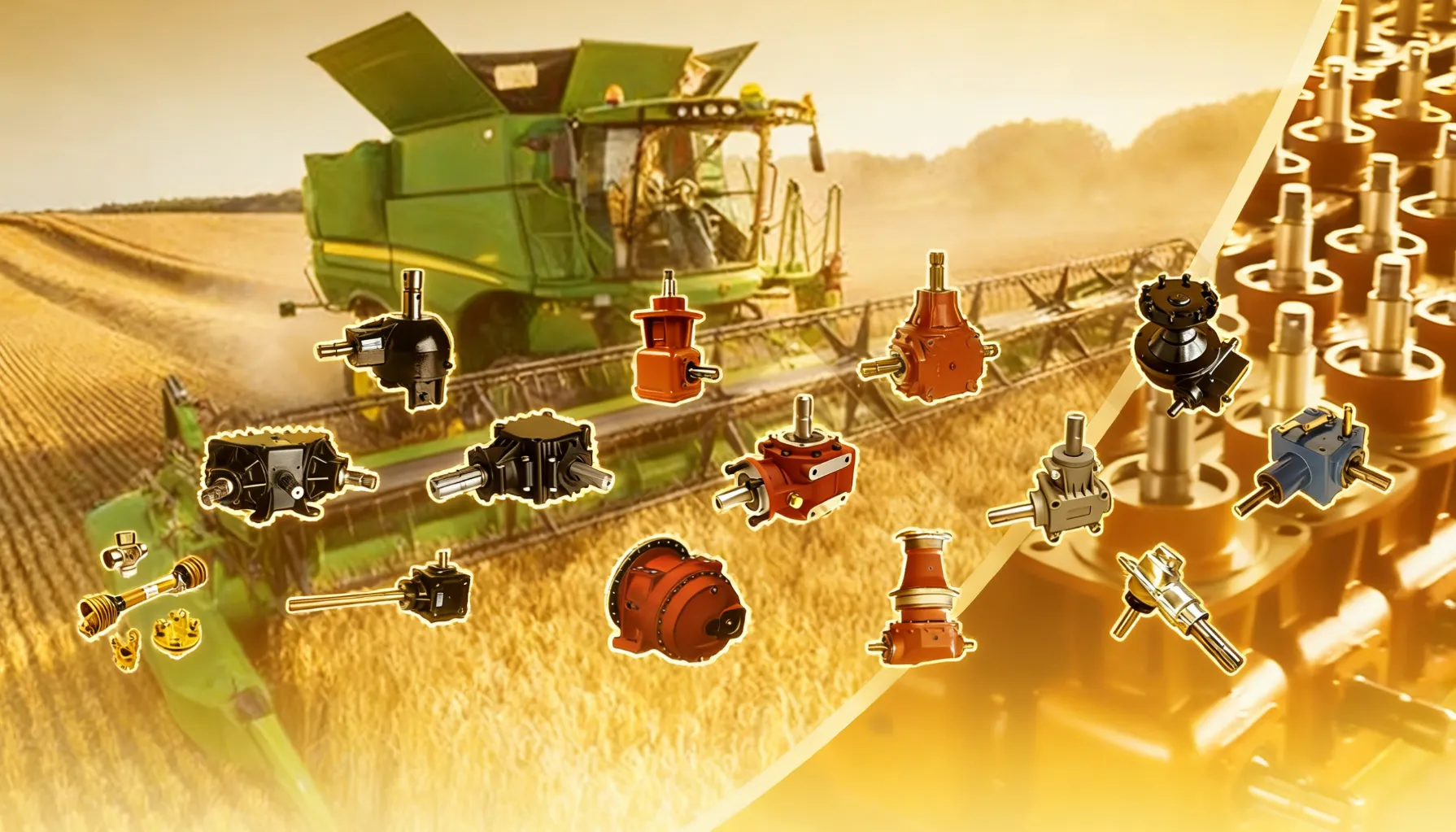
Recent ABARES on Queensland smart tech note elevator adoption, with gearboxes adding sensors for upkeep, dropping fails 25%. Trends see hybrid by 2030, per 2025 views, lifting efficiency in Victoria wheat.
CSIRO papers on canola elevators show fusion for opt, applicable South Australia barley. Indonesia agri pushes IP66 tropics, affecting Aussie trade.
ABARES Italian note 22% FCR drops, guiding Tasmania advances. Global stress sustainable elevators, gearboxes core waste cut per Wageningen.
Australian Mining gearbox tough dust, relevant Western farms. Future PLF eco, per Taylor & Francis.
Grain Central on alternatives ties precise lift, less damage steady function.
Indicators for Gearbox Replacement
Noise >78 dB signals bearing issue Queensland damp. Leaks indicate corrosion South dust. Torque <2000 Nm gear fatigue Victoria. Vibrations >0.4 mm/s misalignment Western soils. Heat >90°C lubricant break Tasmania cold.
Slow post-stop worm slip. RPM flux inconsistent flow check. Per biosecurity, replace halt risks.
Annual inspect welfare, stop contam from stops.
Cracks housing immediate swap avoid grit.
Log hours; change 20,000 safety.
Common B2B Client FAQs
What torque suits Australian noria drives?
2000-3000 Nm covers most elevators, per AGMA.
Where gearboxes in systems?
Head, tension, boot for control.
Why ever-power over rivals?
Better IP, efficiency climates.
When replace gearbox?
Noise, leaks, vibration highs.
How comply Australian laws?
AS/NZS 4024, biosecurity.
What maintenance?
Oil 600 hours, weekly vibration.
Who benefits?
Grain elevators dusty areas.
Which brands compatible?
Grain King, Westfield, no infringe.
How install?
Align splines, torque 110 Nm, check turn.
What accessories?
PTO shafts, shields safety.
Related Products and Accessories
- ✔ PTO Transmission Shafts: Telescopic, guards, yokes. Compatible ever-power, one-stop. See agricultural PTO shafts.
- ✔ Farm Accessories: Buckets, chains, bearings, pulleys, motors, cylinders. Boosts integration.
- ✔ Whole Machines: Silos, elevators with optional gearboxes Australian grains.
Full Range of Farm Gearboxes Available
Ever-power offers complete agricultural gearbox lines, from elevators to harvesters, one-stop. This kindles interest in system upgrades for better Australian grain efficiency.
Get in Touch
Enhance your setup? Inquire. See agricultural gearboxes.