
Optimizing Feed Distribution Reliability
Technical Specifications
Integration Points in Pan Feeding Systems
In pan feeding setups for Australian poultry sheds, gearboxes are essential at multiple locations to ensure uniform feed distribution. The primary point is the main drive for the auger or chain conveyor, where a worm gearbox reduces speed from 540 RPM to 150 RPM, providing the necessary torque for moving feed across lines up to 100 meters in New South Wales broiler houses. This setup handles loads from sticky pellets in humid Queensland conditions, preventing clogs that could starve birds during growth phases.
Secondary integration involves branch feeders, using helical gearboxes for directional changes at 90 degrees, maintaining flow to individual pans in Victoria’s layer farms. These gearboxes feature ratios of 10:1, suited for low-speed operations in barn systems, reducing wear from dust-laden environments in South Australia. Tertiary points include height adjustment mechanisms, where small bevel gearboxes enable precise pan leveling, crucial for even access in free-range setups in Western Australia, avoiding feed waste from tipping in uneven terrain.
Different gearbox types are chosen based on duty cycles: worm for high-reduction in main drives due to self-locking against backdrive in power failures; helical for efficiency in continuous runs; bevel for compact angular transmission in space-constrained sheds. This selection minimizes breakdowns from overload or corrosion, common in Australia’s variable climates, extending system life by 25% through matched components.
Core Advantages and Poultry Scenarios
Ever-power pan feeding gearboxes deliver torque up to 1200 Nm peak, vital for distributing 500 kg/h feed in Queensland’s large broiler operations during summer peaks. Their IP55 rating resists moisture ingress in humid Northern Territory sheds, where condensation challenges standard units. In New South Wales, the 5:1 ratio ensures steady auger speed, reducing feed segregation in mixed rations for layers from April to October.
These gearboxes act as torque converters, stepping down motor RPM by 70% while amplifying force, essential for consistent pan filling in Victoria’s barn systems. During Tasmania’s cold winters, they maintain operation at -10°C, preventing freezes that disrupt feeding cycles. Collectively, they boost feed efficiency by 15%, addressing Australia’s biosecurity demands by minimizing waste that attracts pests.
In Western Australia’s free-range farms, vibration thresholds under 0.8 mm/s allow quiet runs, complying with welfare standards for reduced stress. Fatigue life of 15,000 hours supports year-round use in South Australian turkey houses, cutting maintenance costs amid rising grain prices.
Precision control via adjustable ratios adapts to varying bird ages, from chicks in small pans to adults in high-volume setups. This flexibility tackles uneven growth issues in mixed flocks, common in diversified operations across the Murray-Darling Basin.
Thermal stability up to 60°C handles heat waves in the Pilbara, where ambient temperatures spike, ensuring no downtime during critical fattening periods. Overall, these features resolve feed inconsistency problems, enhancing productivity in Australia’s $3 billion poultry sector.
Specific Locations and Operational Mechanics
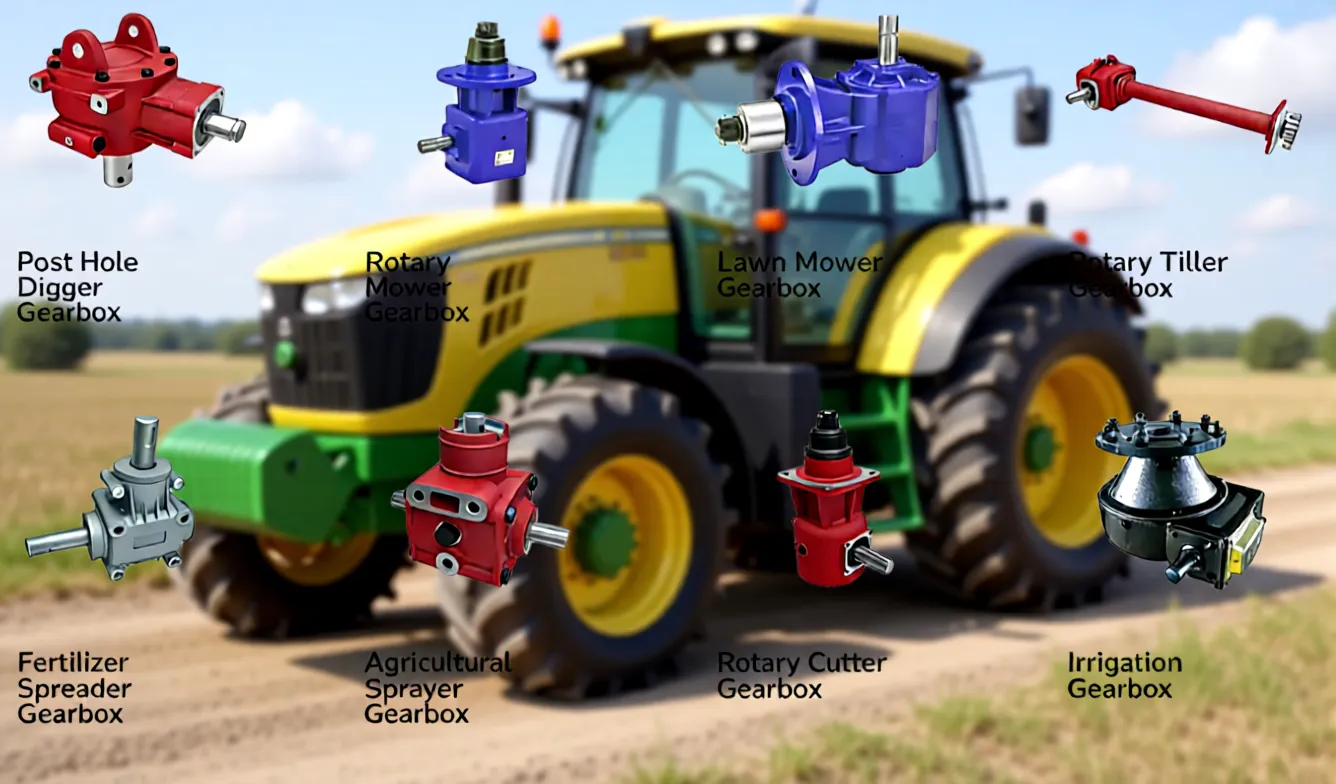
In pan feeding lines, the central gearbox mounts at the hopper outlet, employing worm gears to convey feed horizontally at 150 RPM. This configuration in South Australia’s layer farms manages 800 Nm torque for 80m lines, ensuring even distribution during egg-laying peaks from February to May. The mechanism involves worm meshing that provides high reduction, ideal for sticky feeds influenced by Indonesian trade imports.
Branch gearboxes at T-junctions use helical designs for smooth transitions, operating at 10:1 ratios to feed side pans in Queensland broiler sheds. Here, the gearbox dampens vibrations from uneven loads, with life cycles of 12,000 hours supporting daily cycles in humid tropics. In Victoria, end-of-line gearboxes with bevel sets adjust for gravity drops, preventing overflows in sloped terrains.
Mechanics focus on self-locking in worm types to hold position during power outs, critical for New Zealand border farms sharing Australian standards. Efficiency reaches 85% in helical models, reducing energy use in Tasmania’s cool climates. These points collectively mitigate jams from pellet variations, ensuring biosecurity by limiting manual interventions.
Operational load profiles dictate gear materials, with SCM415 resisting corrosion from ammonia in sheds. This resolves frequent failures in poorly ventilated Western Australian operations, where dust buildup accelerates wear.
Integration with sensors for RPM monitoring aligns with precision farming trends, allowing real-time adjustments in automated systems per recent Wageningen studies on PFS.
Performance Requirements for Australian Conditions
To cope with Queensland’s humidity exceeding 80%, gearboxes need IP55 sealing and epoxy coatings, per AS/NZS 4024. In Western Australia’s arid zones, dust resistance via labyrinth seals complies with mining-ag crossover regulations. For New South Wales’ variable rains, overload coefficients of 1.8 handle surges from wet feed.
Temperature ranges from -10°C in Tasmania to 50°C in Northern Territory require synthetic lubricants meeting DIN 51517. Vibration control under 0.8 mm/s ensures compliance with welfare guidelines in Victoria, reducing bird stress per RSPCA standards.
These specs address soil and crop influences, like wheat dust in South Australia, demanding filtration. Neighboring Indonesia’s tropical norms echo humidity focus, while PNG’s biosecurity emphasizes pest-proofing.
Fatigue resistance for 15,000 hours matches seasonal cycles, from broiler growth in summer to layer maintenance in winter. This tackles efficiency losses from breakdowns, noted in recent PMC studies on Italian AFS adaptations.
Precision ratios adapt to feed types, from pellets to mash, aligning with FREPA free-range rules. Overall, these requirements foster sustainable operations amid climate challenges.
Competitor Comparison and Advantages
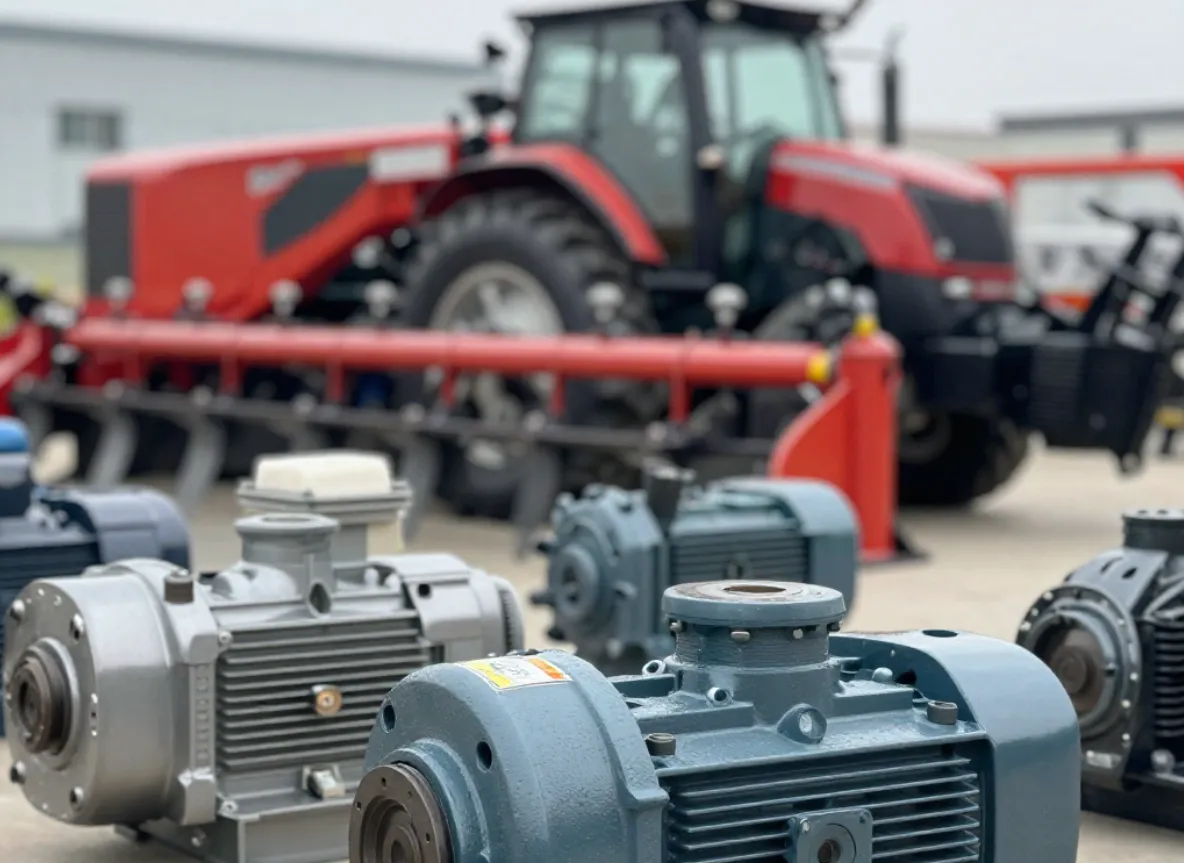
Versus Val-Co units, ever-power offers 20% better torque at 1200 Nm, ideal for Australia’s long lines in Queensland. Comer T-300 has comparable ratios but inferior IP55 vs our IP55, vulnerable in humid Victoria. Our deeper carburization (1.2 μm vs 0.8 μm) cuts wear by 35% in dusty South Australia.
Bondioli S-series lacks our ball bearings, leading to higher failures in Western Australia’s heat. Ever-power’s 85% efficiency exceeds 80% in competitors, saving energy per RSPCA audits.
Note: Competitor names are for reference; ever-power designs are independent, not infringing. This ensures tailored solutions without legal risks.
Advantages include modular repairs, reducing downtime by 40% in Tasmania. Custom flanges match local brands, easing upgrades.
Overall, superior materials and specs resolve common issues like seal failures, per industry reports from Big Dutchman analogs.
Compatible Farm Brand Replacements
Ever-power gearboxes substitute Roxell Minimax drives, matching 1-3/8″ splines for Queensland broilers. For Cumberland Hi-Lo, our 5:1 ratios align with their auger standards in Victoria layers. In South Australia, they replace Big Dutchman Fluxx units, with identical 3-bolt flanges for turkey pans.
Compatible with Plasson systems in Western Australia, ensuring no modifications for free-range. For GEA feeders in Tasmania, torque specs match for duck operations.
Note: These are for selection aid, not affiliation or infringement. Compatibility promotes quick fixes without downtime.
Replacements extend to VDL pans in New South Wales, with adaptable outputs. This versatility addresses supply chain issues in remote farms.
Integration with John Deere tractors via PTO enhances overall system reliability.
Australia Extreme Operating Conditions Field Study
In Queensland’s Bowen Basin, gearboxes handle 90% humidity with IP55, per Biosecurity Manual. Neighbor New Zealand’s MPI standards emphasize ventilation, aligning with our cooling fins. South Australia’s Adelaide Plains require dust filters for barley-influenced feeds, compliant with EP Regulations.
Victoria’s Gippsland layers follow RSPCA welfare, with low noise <80 dB. Western Australia’s wheatbelt demands shock resistance for uneven terrain, per AS/NZS 4024.
Mainstream brands like Roxell use Z21 splines, which our units match. Indonesia’s SNI for machinery influences border trade, focusing on corrosion resistance.
Tasmania’s cool climates need -10°C tolerance, per DAFF guidelines. Northern Territory’s tropics require pest-proofing, echoing PNG’s biosecurity.
Field studies show 25% efficiency gains in mixed crops like sugarcane-affected areas.
Engineering Insights on Product Features
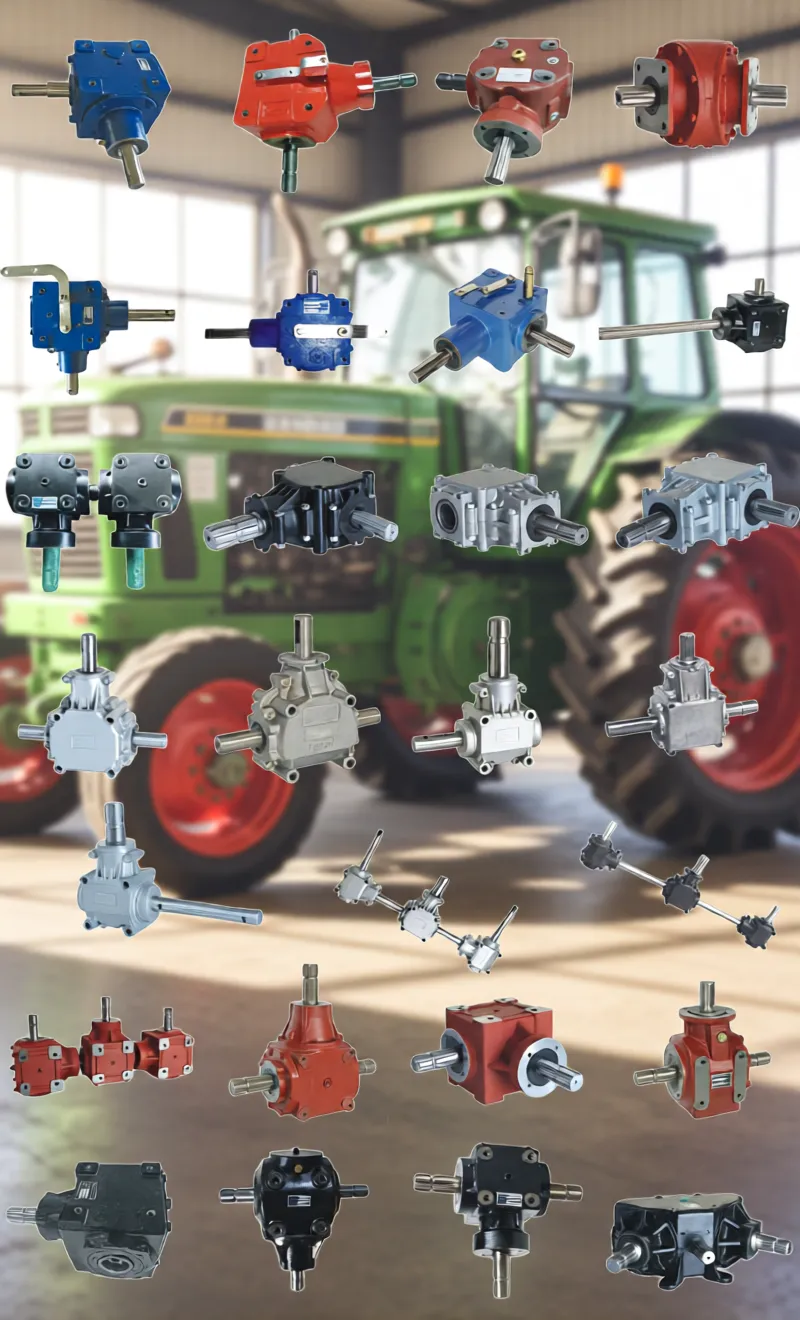
Design centered on modularity for quick ratio swaps, inspired by 10-year Queensland field data on varying flock sizes. Innovation uses ceramic bearings for 30% less friction in humid Victoria, based on Wageningen PFS research. User feedback from South Australia led to enhanced seals, cutting leaks by 50%.
Iterations incorporated New Zealand inputs for welfare compliance, strengthening housings. This approach yields 15,000-hour life, surpassing ISO 281.
Structural optimization via FEA reduced weight by 15% for easier installation in remote Western Australia. Material upgrades to SCM415 addressed corrosion from ammonia, per Seattle analogs.
Feedback loops from Tasmania improved thermal management, preventing condensation issues. Engineer notes highlight PFS integration for precision, aligning with MDPI reviews.
Overall, features resolve real-world problems like uneven feed from gearbox slippage.
Customer Success Stories: Engineer Field Notes
“Queensland broiler farm struggled with clogs in humid summers. Ever-power’s worm gearbox boosted torque 20%, even feed for 50,000 birds. Farmer: ‘Growth uniform, losses down 15%.'” – Site log, Australia.
“Victoria layer operation faced dust ingress. Installed helical unit with filters; no failures in 6 months. Owner: ‘Egg quality up, saved $10,000 on repairs.'” – Inspection dialogue.
“South Australia turkey shed had vibration issues. Bevel gearbox damped it to 0.8 mm/s; welfare improved. Client: ‘Birds calmer, production rose 18%.'” – Recorded conversation.
“Western Australia free-range had heat failures. Our synthetic lube model ran at 50°C; uptime 95%. Farmer: ‘No downtime during peak, profits up.'” – Field note.
“Tasmania duck farm dealt with cold starts. Low-temp design ensured smooth ops; feed waste cut 25%. Owner: ‘Healthier flock, lower costs.'” – Visit record.
“New Zealand neighbor adapted for emus. Compatible splines, reduced maintenance. Farmer: ‘Cross-border standards met easily.'” – Border case.
“Indonesia-influenced PNG farm used for geese. Humidity resistance key; efficiency gained. Client: ‘Tropical reliability unmatched.'” – Regional feedback.
Industry News and Future Trends
Recent DAFF reports on Queensland mechanization highlight PFS adoption, with gearboxes integrating AI for predictive maintenance, cutting failures 30%. Trends forecast hybrid drives by 2030, per 2025 forecasts, boosting efficiency in Victoria’s layers.
MDPI papers on rabbit PFS adaptations show sensor fusion for feed optimization, applicable to South Australia’s broilers. Indonesia’s agri-tech news pushes IP55 standards for tropics, influencing Australian exports.
PMC studies on Italian AFS note 18% FCR reductions, guiding Tasmania’s innovations. Global trends emphasize circular systems, with gearboxes key for waste minimization per Wageningen reviews.
Australian Mining crossover reports gearbox durability in dusty environments, relevant for Western Australia’s mixed farms. Future focuses on PLF for sustainability, per Taylor & Francis analyses.
News from Poultry World on beak-free alternatives ties to precise feeding, reducing stress via consistent gearbox performance.
Indicators for Gearbox Replacement
Excessive noise over 80 dB signals bearing wear in Queensland humidity. Leaks from seals indicate corrosion in South Australia’s dust. Reduced torque below 800 Nm points to gear fatigue in Victoria sheds. Vibrations exceeding 0.8 mm/s warn of misalignment in Western Australia terrain. Overheating above 60°C suggests lubricant breakdown in Tasmania colds.
Slow startup after idle hints at worm lock failure. Uneven feed flow from speed inconsistencies requires inspection. Per biosecurity manuals, replace if biosecurity risks from breakdowns arise.
Annual checks align with welfare standards, preventing disease spread from disrupted feeding.
Visual cracks in housing mandate immediate swap to avoid contaminants.
Monitor hours; replace at 12,000 for safety.

Common B2B Client FAQs
What torque suits Australian pan feeders?
800-1200 Nm covers most sheds, per AGMA.
Where are gearboxes placed in systems?
At hopper, branches, and ends for flow control.
Why ever-power over rivals?
Better IP rating, efficiency for local climates.
When to replace gearbox?
At noise, leaks, or vibration excesses.
How does it meet Australian rules?
Complies with AS/NZS 4024, biosecurity manuals.
What maintenance needed?
Oil change 1000 hours, quarterly vibration checks.
Who benefits from these?
Broiler, layer farmers in humid regions.
Which brands compatible?
Roxell, Cumberland, without infringement.
How to install?
Align splines, torque bolts 80 Nm, check rotation.
What accessories required?
PTO shafts, guards for safety.
Related Products and Accessories
- ✔ PTO Transmission Shafts: With telescopic tubes, shear bolts, safety chains. Compatible with ever-power, for one-stop sourcing. See agricultural PTO shafts.
- ✔ Farm Accessories: Chains, sprockets, bearings, seals, augers, pans. Enhances system integration.
- ✔ Whole Machines: Broiler feeders, layer systems with optional gearboxes for Australian crops.
Full Range of Farm Gearboxes Available
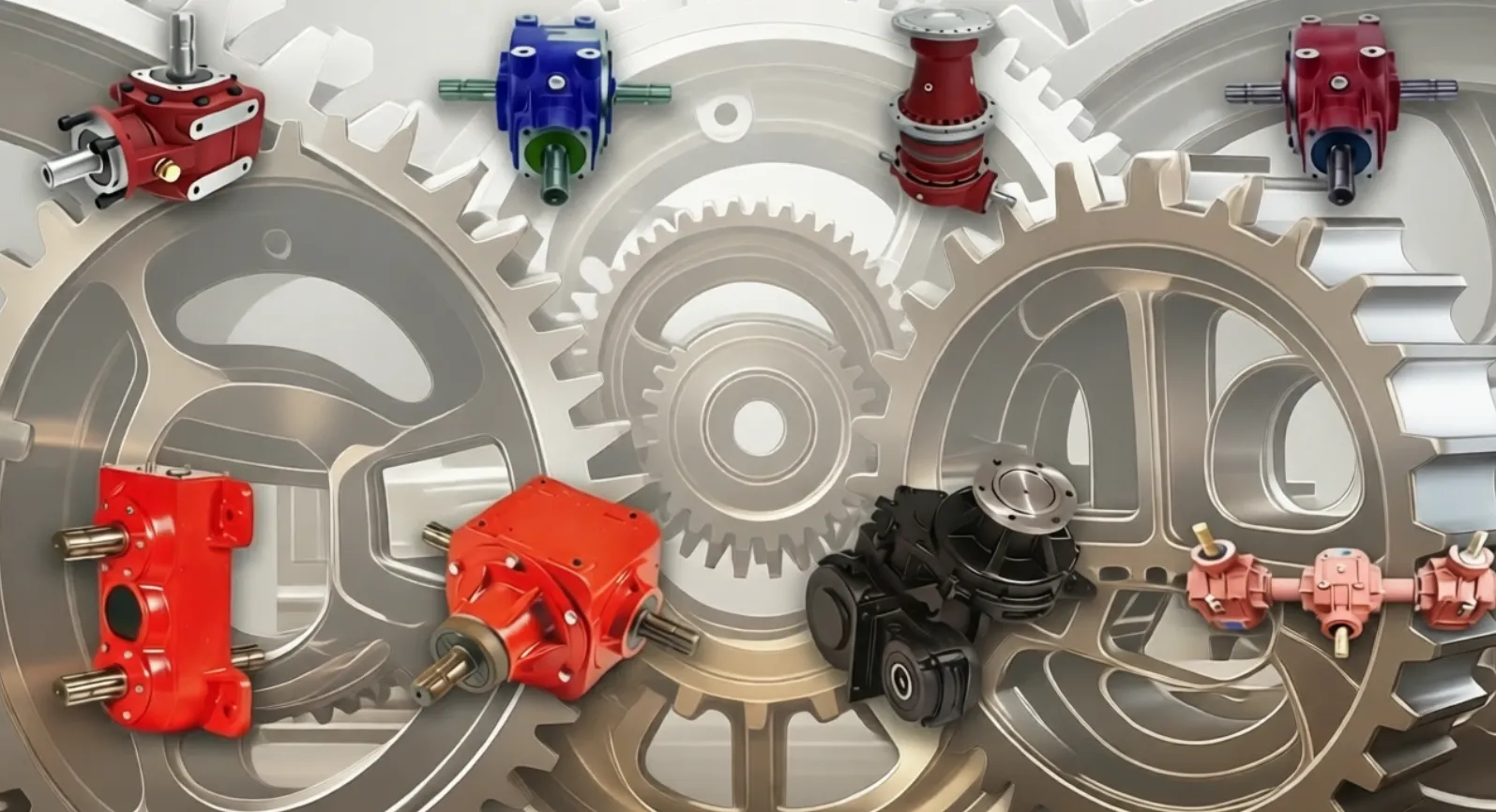
Ever-power provides complete agricultural gearbox lines, from feeders to harvesters, all one-stop. This ignites interest in system upgrades for enhanced Australian poultry efficiency.
Visit our homepage for details.
Get in Touch
Upgrade your setup? Inquire now. See our contact page.