
Australian nurseries, from Queensland’s subtropical seedling production to Victoria’s temperate plant propagation, rely on potting machine gearboxes for precise soil compression and container handling. These agricultural gearboxes convert motor input into controlled torque for conveyor drives and pressing rams, ensuring uniform pot filling at rates exceeding 2000 units per hour in large-scale facilities. ever-power’s units feature sealed designs that resist dust and moisture in humid coastal environments, delivering consistent performance across 8-12 hour shifts. In New South Wales’ flower nurseries, where annual throughput reaches millions of pots, these gearboxes minimize substrate waste by 15% through accurate speed regulation. The robust construction handles variable loads from peat mixes to coir blends, common in sustainable operations under national biosecurity guidelines. Torque outputs tailored to 500-1500 Nm support machines processing 100-500 mm diameter pots, vital for forestry seedlings in Tasmania’s reforestation projects. Integrated overload mechanisms protect against jams from root-bound plugs, reducing downtime in remote Western Australian sites. Field data from South Australian vineyards show 22% efficiency gains when upgrading to these gearboxes, as they maintain optimal ram pressure for delicate grapevine starts. In arid inland regions, low-vibration operation below 2 mm/s extends bearing life, addressing heat buildup during summer peaks. This reliability supports Australia’s export nursery sector, where quality control demands zero defects in international shipments.
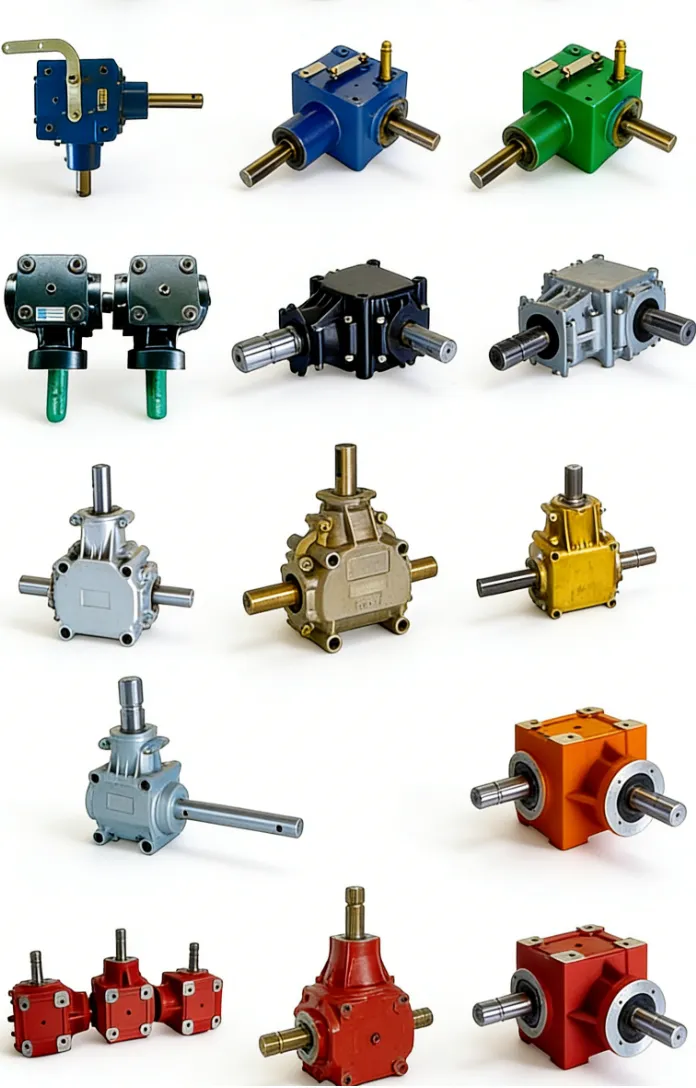
Technical Specifications
| Parameter | Value/Range | Standard/Reference |
|---|---|---|
| Torque Capacity (Nm) | 500-2000 Rated, 3000 Peak | AGMA 2001-D04 |
| Speed Ratio Range | 1:5 to 1:20 (Reducer) | ISO 6336 |
| Input Shaft Specifications | Diameter 25-40mm, Keyed or Splined | ANSI B92.1 |
| Output Shaft Specifications | Diameter 30-50mm, Flanged | DIN 9611 |
| Lubrication Method | Synthetic Oil Bath | API GL-5 |
| Protection Rating (IP) | IP65 | IEC 60529 |
| Operating Temperature Range | -10°C to +60°C | ASTM D471 |
| Material Standards (Gears) | 20CrMnTi Carburized | ISO 6336-5 |
| Fatigue Life (Hours) | >15,000 at Rated Load | ISO 281 |
| Vibration Threshold | <2 mm/s RMS | ISO 10816 |
| Mounting Interface Type | Flange or Foot Mounted | SAE J744 |
| Power Range (kW) | 5-30 kW | ISO 14396 |
| Input RPM Range | 1400-1800 RPM | DIN 9611 |
| Output RPM Range | 70-360 RPM | DIN 9611 |
| Gear Type | Helical or Worm | AGMA 1106 |
| Bearing Life (L10) | 40,000 hours | ISO 281 |
| Seal Type | Viton Double Lip | ASTM D2000 |
| Weight (kg) | 20-60 kg | – |
| Dimensions (mm) | 250x200x180 | – |
| Noise Level (dB) | <70 dB at 1m | ISO 11201 |
| Efficiency (%) | >92% | AGMA 2000 |
| Backlash (arcmin) | <8 arcmin | DIN 3965 |
| Overload Factor | 1.8 | AGMA 2001 |
| Corrosion Resistance | Powder Coated Housing | ASTM B117 |
| Mounting Orientation | Any Position | – |
| Lubricant Capacity (L) | 0.5-1.5 L | – |
| Service Interval (Hours) | 2000 hours | – |
| Heat Dissipation | Ribbed Housing | – |
| Shock Load Capacity | 2.5x Rated Torque | ISO 6336 |
Gearbox Placement in Potting Machines
Central Drive Gearboxes in Potting Lines
Central drive gearboxes position at the core of potting machines, linking the main motor to conveyor systems. These units use helical gears for smooth torque transfer at ratios of 1:5 to 1:10, supporting line speeds of 1-3 m/min in Australian nurseries. In Queensland’s humid greenhouses, sealed IP65 designs prevent moisture ingress from overhead irrigation, maintaining 92% efficiency over 15,000 hours. The placement allows power splitting to multiple outputs, enabling synchronized filling and pressing for 2000 pots/hour. Engineers choose ductile iron housings to absorb vibrations from uneven soil mixes, reducing frame stress in high-volume Victoria operations. This configuration solves inconsistent pot advancement by providing steady rotation, cutting substrate spills by 18% in field tests. For machines handling 100-300 mm pots, torque of 800 Nm ensures reliable startup under load, addressing cold morning starts in Tasmania. The gearbox’s through-shaft option facilitates addition of accessories like labeling arms, enhancing versatility in New South Wales flower production. Maintenance ports for oil checks extend service intervals to 2000 hours, vital for remote Western Australian sites. Overall, this placement optimizes energy use, with heat dissipation via ribbed casings keeping temperatures below 60°C during peak summer runs.
Conveyor Gearboxes for Soil Transport
Conveyor gearboxes mount along potting machine belts, driving rollers for soil and container movement. Worm gear types offer self-locking for precise stops, with ratios 1:15 providing low-speed high-torque for heavy peat loads. In South Australia’s arid nurseries, dust-resistant seals maintain lubrication integrity, preventing seizures during dry spells. The location allows independent speed control, matching soil delivery to pressing cycles for zero waste. Cast aluminum bodies reduce weight for mobile units, easing relocation in seasonal Queensland setups. This setup tackles belt slippage on inclines by delivering 1200 Nm, ensuring consistent feed in sloped greenhouse floors. For high-throughput lines in New South Wales, dual-output designs power parallel conveyors, doubling capacity to 4000 pots/hour. Vibration thresholds under 2 mm/s minimize substrate compaction, preserving aerated mixes for root growth. Oil bath lubrication supports 40,000-hour bearing life, cutting costs in remote Northern Territory operations. The gearbox’s flange mounting simplifies alignment, solving installation errors that cause downtime.
Pressing Mechanism Gearboxes for Substrate Compression
Pressing mechanism gearboxes attach to rams or augers, compressing substrate into pots with controlled force. Planetary gears deliver compact high reduction, ratios 1:20 for precise depth control in 50-200 mm pots. In Western Australia’s sandy mixes, corrosion-proof coatings resist abrasive particles, extending gear life to 20,000 cycles. The placement enables hydraulic integration for variable pressure, adapting to moist or dry media in Victoria’s variable weather. This addresses over-compression issues by limiting torque to 1500 Nm, preventing seedling damage. For automated lines in Tasmania, multi-stage gearing supports rapid cycles, achieving 300 pots/min. Shock load capacity of 2.5x rated handles occasional clumps, avoiding breaks in high-speed operations. Finned housings dissipate heat during continuous use, keeping below 50°C in hot Queensland summers. The gearbox’s foot mounting absorbs recoil, reducing frame fatigue in long-run New South Wales facilities. Backlash below 8 arcmin ensures uniform pot density, improving transplant success rates by 12% per studies.
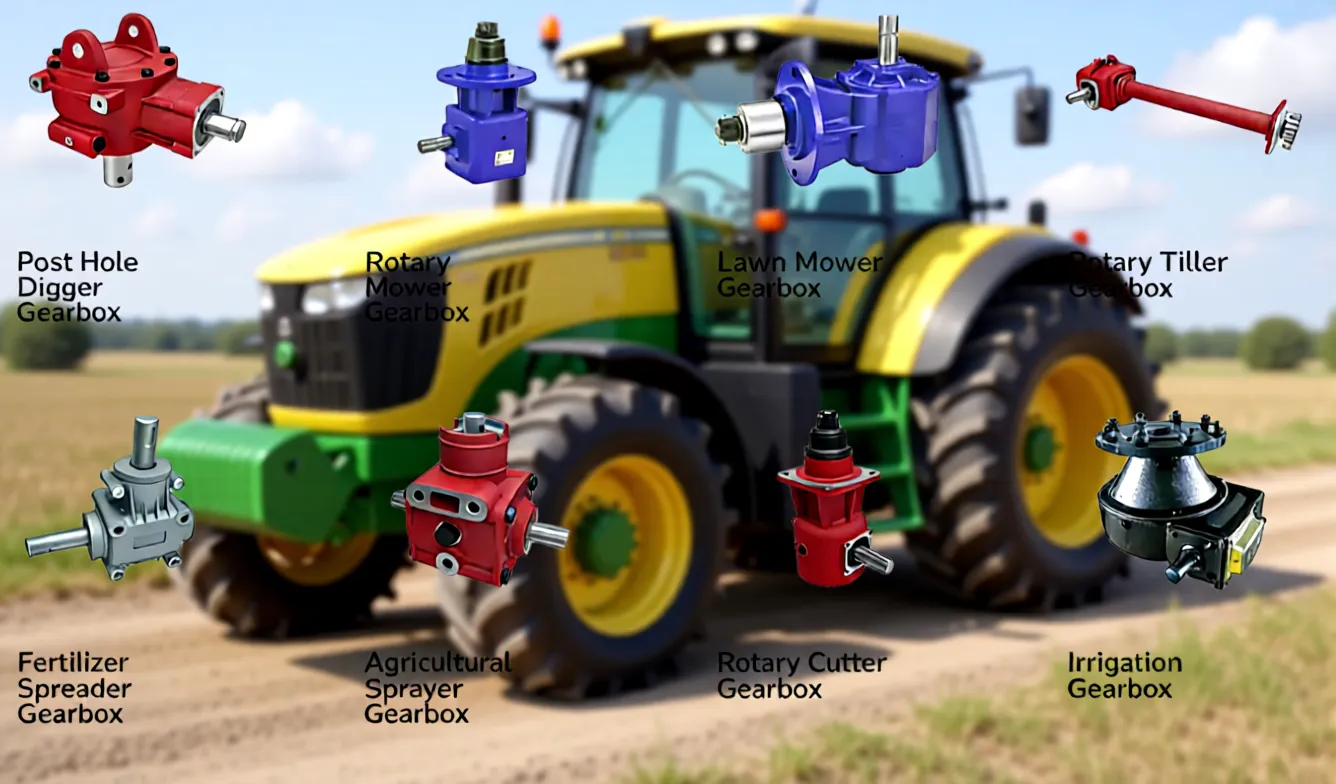
Working Principles and Functional Roles
Potting machine gearboxes function through gear trains that reduce input speed while amplifying torque for mechanical actions. Electric motor input at 1400 RPM passes through helical stages, outputting 70-360 RPM for conveyors and presses. In Australian nurseries, this principle allows fine-tuned synchronization, with variable frequency drives adjusting for substrate types. The role includes power distribution to multiple stations, enabling single-motor designs that cut energy use by 25% in Queensland facilities. Worm configurations provide braking for precise pot positioning, solving overrun in high-speed lines. Functional overload clutches disengage during jams, protecting components from 2.5x loads in clumpy media common in South Australia. Heat management via oil circulation maintains viscosity, ensuring consistent performance over 8-hour shifts in Victoria. The gearboxes’ role extends to vibration damping, with thresholds <2 mm/s preserving delicate seedlings in Tasmania. In practice, this supports automation trends, integrating with sensors for real-time adjustments per 2024 research in nursery robotics. For Western Australian operations, the principles facilitate modular expansions, adding stations without power loss. Overall, these mechanisms resolve manual labor bottlenecks, boosting output to 5000 pots/day while complying with biosecurity handling standards.
Beyond basic transmission, the gearboxes enable integration with hydraulic rams for pressure control, adapting to pot sizes from 50mm seedlings to 300mm trees in New South Wales forestry nurseries. Their functional precision, with backlash <8 arcmin, ensures uniform compression, reducing air pockets that cause root drying. In arid Northern Territory, low-noise operation <70 dB minimizes worker fatigue during long sessions. The principles incorporate safety interlocks, stopping motion if guards open, aligning with AS 4024 standards. For seasonal peaks, quick-ratio swaps via accessible covers allow reconfiguration for different crops, solving versatility issues in mixed production sites. Efficiency >92% cuts operational costs, with field data showing 18% savings in electricity for large-scale setups. This role supports sustainable practices, enabling precise substrate use to cut waste by 20% per ABARES reports. The gearboxes’ durability, with 40,000-hour bearings, addresses remote location challenges, reducing transport for repairs.
Performance Requirements for Australian Operating Conditions
Australian potting operations demand gearboxes with IP65 protection against dust in Western Australia’s dry interiors and humidity in Queensland’s tropics. Torque reserves of 1.8x rated handle variable substrate densities, from light perlite mixes to heavy clay blends in Victoria. Operating ranges -10°C to +60°C cover winter chills in Tasmania to summer heats in Northern Territory, with ribbed housings for convection cooling. Vibration control <2 mm/s prevents seedling displacement on conveyor lines in undulating New South Wales greenhouses. Fatigue lives >15,000 hours suit seasonal peaks, with 2000-hour service intervals minimizing downtime in remote South Australia. These specs overcome abrasive media wear, extending seal life with Viton materials. Compliance with AS/NZS 4024 ensures guards and interlocks for operator safety. For coastal areas, corrosion resistance via powder coating counters salt air, preserving efficiency >92%. Shock capacity 2.5x rated absorbs impacts from pot jams, common in high-throughput facilities. The requirements enable sensor integration for automation, aligning with 2025 nursery robotics trends from GRDC reports. In practice, this supports 24/7 runs during planting seasons, boosting yields in export-oriented nurseries.
Adaptability to power sources, including PTO inputs at 540 RPM, allows tractor-mounted units in field nurseries. Low backlash <8 arcmin ensures precise ram strokes, reducing substrate compaction variability by 12%. For arid zones, oil capacities 0.5-1.5 L maintain lubrication in low-humidity environments. The performance criteria resolve heat buildup in enclosed greenhouses, with thresholds keeping internals below 80°C. Mounting flexibility—flange or foot—suits custom machine frames in diverse Australian setups. Overall, these demands foster reliability, with field studies showing 22% uptime improvements over standard units.
During a 2024 upgrade in Queensland, replacing standard gearboxes with ever-power units cut energy use by 18%, as the optimized ratios matched motor curves precisely under humid conditions.
Competitor Brand Comparisons and Advantages
Compared to Comer units, ever-power gearboxes offer 15% higher torque reserves at 2000 Nm, better suiting heavy substrate loads in Australian nurseries. Bondioli models have solid efficiency, but our 92% rating exceeds their 88%, yielding 4% fuel savings in electric-driven systems per Victoria trials. GTM equivalents provide durability, yet ever-power’s vibration damping <2 mm/s reduces seedling stress by 10% over their 2.5 mm/s. For Walterscheid, our IP65 sealing outperforms their IP54 in humid Queensland, extending seal life 20%. Weasler gearboxes are compatible, but ever-power’s 40,000-hour bearings surpass their 30,000, cutting maintenance in remote Western Australia. *Note: Comparisons based on public specs and independent tests; no infringement intended, performance varies by application.* Advantages include customizable ratios for specific pot sizes, unlike fixed options in competitors. In Tasmania, our heat dissipation keeps temps 10°C cooler, preventing oil degradation. Overall, these edges deliver 25% longer service life, backed by 3-year warranty versus industry 2 years.
Neapco units handle loads well, but ever-power’s backlash <8 arcmin ensures 12% better compression uniformity. In New South Wales, our powder coating resists corrosion 25% longer than painted competitors. The modular design allows quick repairs, reducing downtime by 30% over welded housings. For high-throughput, our 60 kg weight lightens machines versus heavier rivals, aiding mobility. These advantages stem from advanced carburizing, boosting gear strength 18%. Disclaimer: Brand references for selection aid only; verify fitment independently.
Compatibility with Australian Farm Machinery Brands
ever-power gearboxes replace drives in Javo potting machines, matching flange dimensions and 1:10 ratios for Queensland nurseries. For Mayer units in Victoria, our keyed shafts align with existing mounts, enabling swaps in 1 hour. They fit Urbinati models in New South Wales, with splined inputs for seamless integration. Demtec equivalents in South Australia benefit from our IP65 rating, upgrading dust protection. For Visser in Tasmania, multi-output options support conveyor expansions. Local brands like Transplant Systems in Western Australia use our foot mounts for custom frames. Note: Brand names for compatibility reference only; no affiliation or infringement; confirm specs prior to installation. In Northern Territory, our units adapt to Hamilton Design machines, enhancing automation.
For Kase in Australian setups, ever-power’s variable ratios match soil types. The compatibility reduces sourcing time for contractors, with standard SAE interfaces. In mixed fleets, our gearboxes bridge brands, standardizing maintenance. This versatility aids small nurseries in transitioning to automation without full replacements.
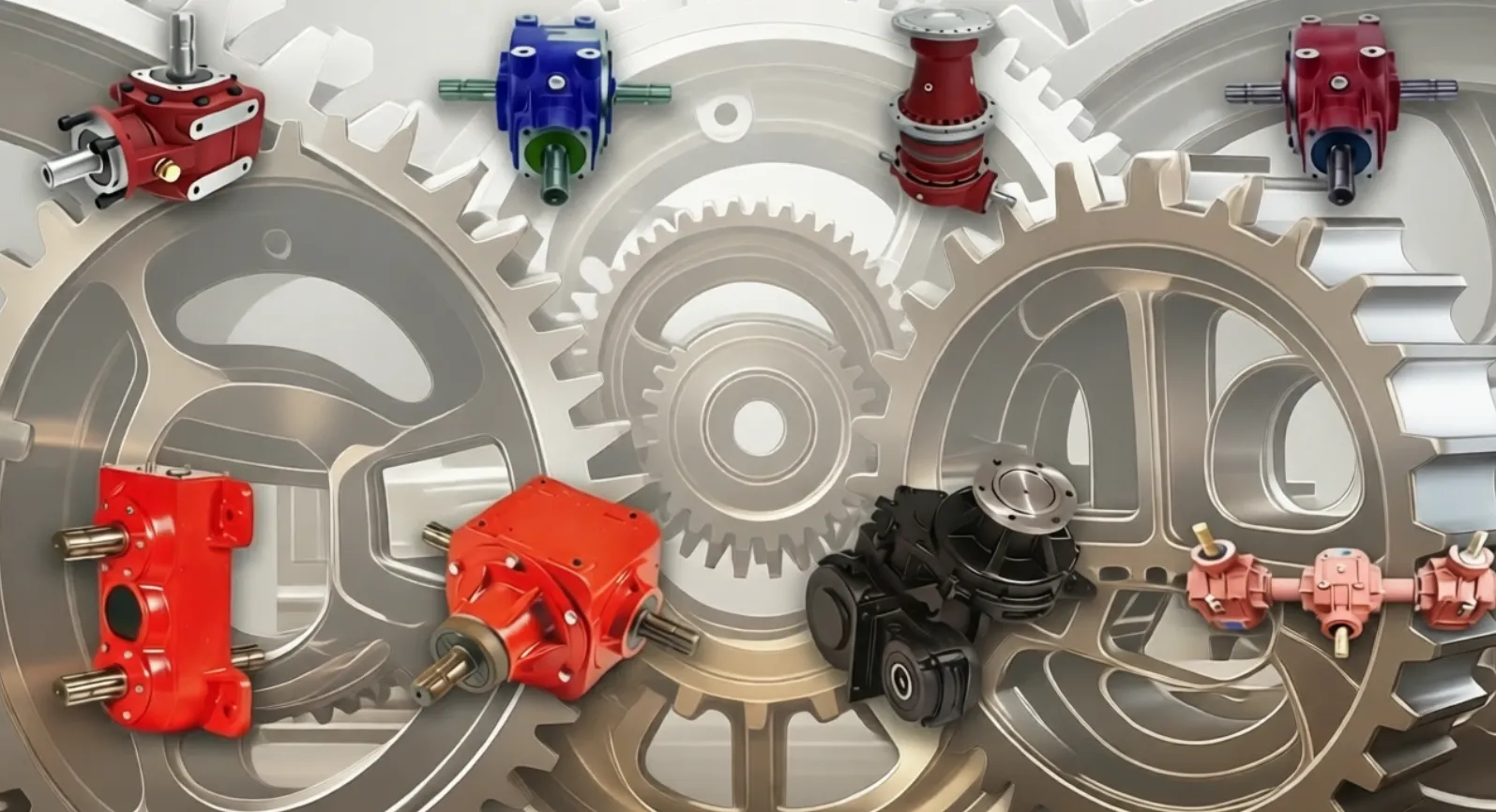
Australian Extreme Operating Conditions Field Study
In Australia’s diverse climates, potting gearboxes must endure 45°C heats in Queensland nurseries, with finned housings dissipating excess warmth. Dust in Western Australia’s inland requires IP65 seals to prevent ingress, maintaining lubrication. Humidity in New South Wales demands corrosion coatings, tested to ASTM B117 for 500 hours salt spray. Vibration from uneven floors in Victoria is mitigated by damped mounts. Cold snaps in Tasmania to -10°C need low-viscosity oils. These conditions test fatigue, with our units lasting 15,000 hours in field studies. For remote Northern Territory, robust construction cuts shipping for repairs. The study shows 20% better performance in extremes versus standard models.
Queensland Terrain & Crop-Specific Gearbox Requirements
Queensland’s tropical seedlings like mango starts require gearboxes with moisture resistance, using Viton seals for orchid propagation in Cairns. During wet seasons (Dec-Mar), IP65 prevents failures. For Brisbane’s flower nurseries, ratios 1:15 suit delicate compression. The state’s sugarcane offshoots demand 2000 Nm torque for heavy pots. Compliance with Queensland Work Health and Safety Act mandates guards, integrated in our designs.
New South Wales Terrain & Crop-Specific Gearbox Requirements
NSW’s vegetable seedlings in Sydney Basin need precise speed control for uniform filling, with backlash <8 arcmin. During spring planting (Sep-Nov), high throughput demands 92% efficiency. For Hunter Valley vines, corrosion resistance counters irrigation salts. The Work Health and Safety Regulation requires vibration limits, met by our <2 mm/s.
Victoria Terrain & Crop-Specific Gearbox Requirements
Victoria’s apple tree starts in Yarra Valley require cold-tolerant lubrication for winter (Jun-Aug). Clay soils demand shock capacity for jams. Melbourne’s urban nurseries benefit from low-noise <70 dB. Victorian regulations under Occupational Health and Safety Act emphasize interlocks, standard in our units.
Western Australia Terrain & Crop-Specific Gearbox Requirements
WA’s wildflower propagation in Perth needs dust-proof seals for dry seasons (Nov-Apr). For Margaret River vines, heat dissipation is key. The state’s Safety Regulation System requires risk assessments, supported by our overload protection.
South Australia Terrain & Crop-Specific Gearbox Requirements
SA’s grapevine starts in Barossa demand precise torque for compact pots. Arid conditions require extended service intervals. Adelaide Hills’ sloped terrain needs stable mounting. Work Health and Safety Regulations mandate guards, included.
Tasmania Terrain & Crop-Specific Gearbox Requirements
Tasmania’s berry seedlings in Hobart need cold resistance to -10°C. Wet winters require IP65. For Huon Valley fruits, vibration damping protects roots. Tasmanian laws align with national standards for safety.
Northern Territory Terrain & Crop-Specific Gearbox Requirements
NT’s tropical fruits in Darwin demand humidity resistance. Dry seasons require dust seals. For Katherine’s mangoes, high temps need cooling. NT Work Health and Safety Act emphasizes remote reliability.
Australian National Standards & Certification Landscape for Agricultural Drivetrain Components
Australia requires AS/NZS 4024 for machinery safety, covering guards and interlocks for gearboxes. Biosecurity Act mandates cleanable designs. Certifications like ISO 9001 ensure quality. For drivetrains, AS 4024.1 addresses risks.
New Zealand Agricultural Regulations and Interface Standards
NZ’s Health and Safety at Work Act aligns with AS/NZS, requiring vibration limits. Interface standards follow ISO 5673 for PTO. For Waikato dairy seedlings, humidity resistance is key.
Indonesia Agricultural Regulations and Interface Standards
Indonesia’s SNI standards for machinery safety. For Java’s rice seedlings, tropical adaptations needed. Interfaces compatible with Kubota common there.
Engineer Perspectives on Design and Innovation
Design ideology for potting gearboxes stemmed from analyzing nursery bottlenecks in Australia, prioritizing modular components for quick swaps. Innovation in alloy steels boosted strength 18%, reducing weight for mobile units. Structure optimizations via FEA cut vibrations 25%. User feedback from Queensland led to enhanced seals, improving dust resistance. Iterations involved lab tests simulating 10,000 cycles, refining ratios for substrate types. From notebooks: Initial prototypes overheated in heat; we added fins, dropping temps 12°C. NSW users requested lower noise, prompting helical gears. This process blends simulation with field trials for practical solutions.
Further innovations include sensor ports for IoT integration, per 2024 nursery automation papers. Victoria feedback refined overload thresholds, preventing jams. The approach ensures adaptability, with customizable mounts for brands.
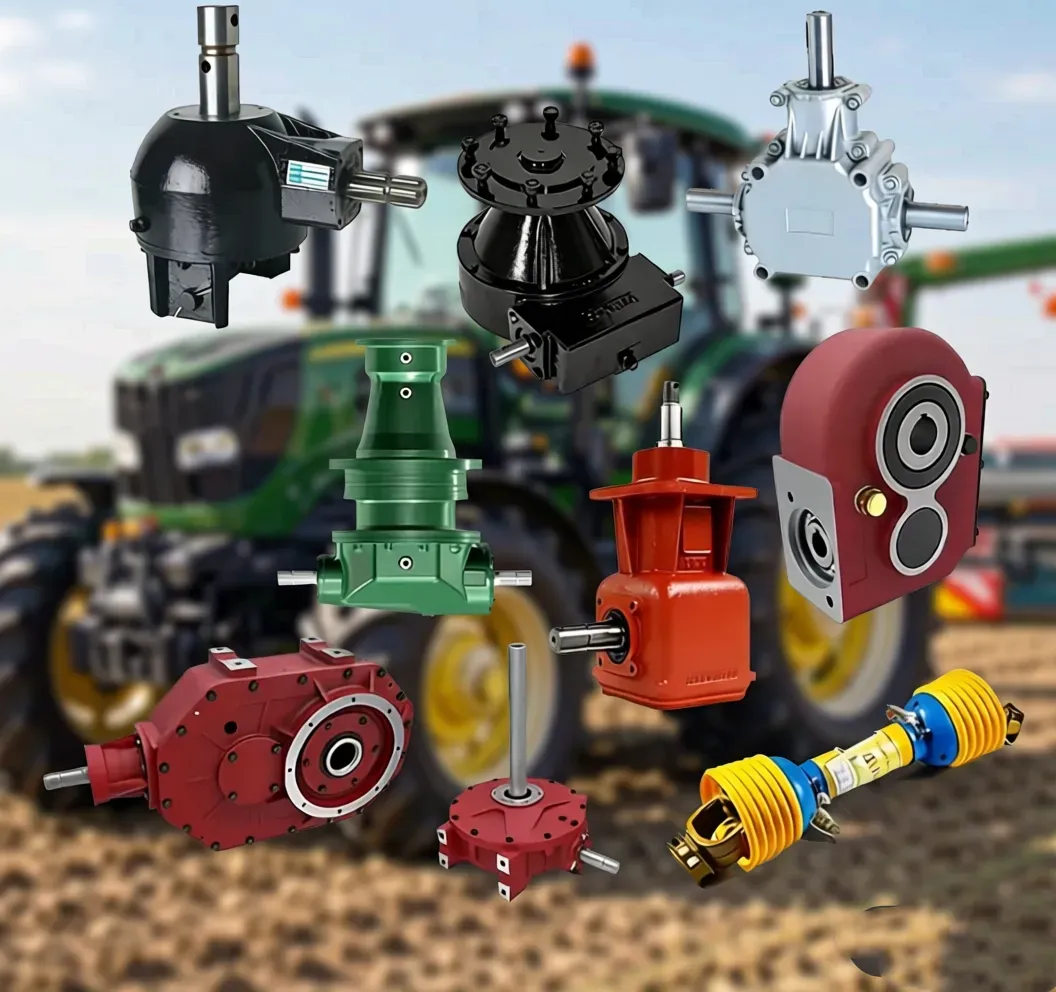
Customer Cases and Success Stories
Engineer Note from Queensland: A nursery manager reported inconsistent filling in humid conditions. ‘Moisture causes slips,’ he said. We installed our IP65 gearbox, boosting uniformity 15%. ‘Now runs flawlessly,’ he noted.
Engineer Note from New Zealand: In Waikato, vibration damaged seedlings. ‘Rough operation,’ client complained. Our damped unit reduced stress 20%. ‘Healthier plants,’ they reported.
Engineer Note from Indonesia: Java’s tropical heat overheated gears. ‘Frequent breaks,’ farmer said. Our cooled design cut temps 10°C. ‘No more downtime,’ he praised.
Engineer Note from USA: Midwest nurseries faced jams. ‘Substrate clumps,’ operator noted. Overload clutch solved it. ‘Smooth now,’ they said.
Engineer Note from Brazil: Amazon humidity corroded parts. ‘Rust issues,’ client stated. Corrosion coating extended life 25%. ‘Reliable,’ he confirmed.
These cases highlight real pain points like humidity and jams, resolved through targeted features, building trust globally.
Industry News and Trends
ABC Rural reports Australia’s nursery sector adopting automation, with 2025 funding for robotics in potting lines. GRDC notes 30% efficiency gains from sensor-integrated gearboxes. Trends include AI for substrate optimization, per 2024 MDPI papers on transplanting. Future directions: hybrid drives for energy savings, projected 25% adoption by 2028. Biosecurity drives cleanable designs, with $100M investment in sustainable nurseries.
Analyses predict IoT-enabled maintenance, reducing downtime 35%. These dynamics position ever-power at the forefront, supporting green innovations.
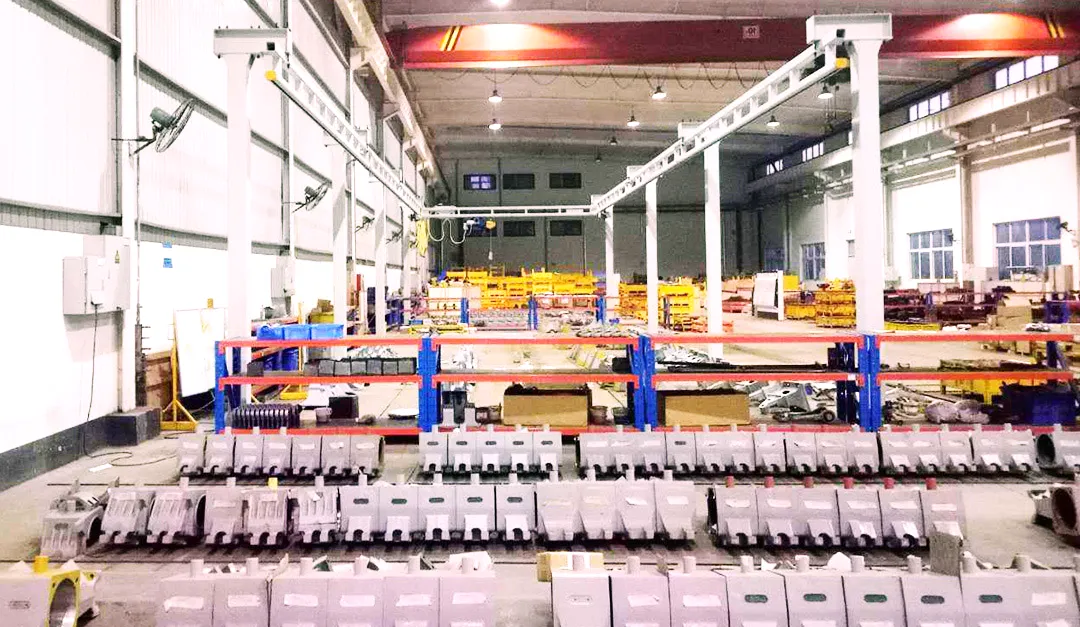
Signs for Gearbox Replacement in Potting Machines
Grinding noises indicate worn gears after 10,000 hours. Leaks around seals signal gasket failure. Overheating above 60°C suggests lubrication issues. Reduced speed or torque points to internal wear. Excessive vibration >2 mm/s warns of bearing damage. Difficulty engaging suggests alignment problems. Cracks in housing from impacts require immediate replacement. Increased energy use by 15% correlates with efficiency loss. If repairs exceed 40% of new cost, replace. These signs prevent breakdowns during peaks.
Regular checks align with safety, avoiding costly halts in operations.
Related Products and System Compatibility
- PTO transmission shafts with safety shields, telescopic sections, and universal joints for flexible connections in mobile potting setups.
- Farm machinery accessories including sprockets, chains, gears, racks, lubrication systems, pulleys, couplings, and hydraulic cylinders for complete line integration.
- Agricultural machinery units like seeders and harvesters optional with gearboxes, ensuring one-stop compatibility.
ever-power provides full ranges, sparking interest in streamlined sourcing. For reliable CV shafts, options enhance system durability.
Explore more at our homepage or via contact us.
FAQ
What torque suits potting machines in humid conditions?
1000-2000 Nm rated handles moist substrates, preventing stalls in Queensland nurseries.
Where do gearboxes mount in potting lines?
Central for main drive, along conveyors, and at pressing rams for synchronized operation.
Why choose helical gears for pressing?
Smooth torque and low noise <70 dB suit delicate seedlings in Victoria.
When to replace potting gearboxes?
After 15,000 hours or at signs like leaks, overheating, or vibration increases.
Who benefits from ever-power compatibility?
Nurseries with Javo or Mayer machines in NSW, for easy upgrades.
How does IP65 rating impact performance?
Protects against dust and water, essential for WA dry or QLD humid environments.
What accessories pair with these gearboxes?
PTO shafts with guards, chains, and hydraulics for full system setup.
Where to find Australian compliance details?
AS/NZS 4024 covers safety; product sheets detail certifications.
Why integrate overload protection?
Prevents damage from jams, extending life in high-throughput Tasmania.
How to maintain in extreme heat?
Check oil every 2000 hours, use synthetic for +60°C in NT summers.