
Enhancing Snow Clearance Efficiency in Alpine Regions
Technical Specifications
Integration Points in Snow Blowers
In snow blowers for Australian alpine farms, gearboxes are pivotal at several junctions. Primarily, the main auger drive gearbox connects the engine to the auger, converting high-speed input to high-torque output for breaking ice in Tasmania’s Central Highlands. This placement ensures efficient snow intake under variable loads from compacted drifts in Victoria’s Mount Buller region. Secondary gearboxes may be used in impeller systems, like in two-stage models for throwing snow in New South Wales’ Snowy Mountains. These handle speed reductions to prevent overload during extended clearing in arid conditions.
Sub-level integration occurs in the chute rotation, where a small worm gearbox adjusts direction for precise snow discharge in Western Australia’s occasional southern snowfalls. This type uses self-locking gears for holding position in windy environments. Another point is the wheel drive in self-propelled units, where a transmission gearbox provides forward motion, crucial for maneuverability in South Australia’s Adelaide Hills. Finally, in PTO-driven models for tractors, the input gearbox links to the tractor’s power take-off, adapting to Northern Territory’s rare frost events.
Each gearbox type is selected based on load profiles: helical for smooth transmission in augers, planetary for high-ratio in impellers. This strategic placement mitigates failures from ice buildup or overload, common in Australia’s sporadic snow, ensuring longevity and reduced downtime.
Core Advantages and Winter Clearance Scenarios
Ever-power snow blowers gearboxes excel in torque delivery up to 1800 Nm peak, ideal for clearing packed snow in Tasmania’s Cradle Mountain during July blizzards. Their IP65 rating withstands moisture in Victoria’s Alpine National Park, where fog and sleet challenge lesser units. In New South Wales’ Kosciuszko National Park, the 1:2 ratio enables efficient auger rotation, reducing fuel consumption in eucalyptus-lined paths from June to September.
These gearboxes function as power multipliers, amplifying engine output by 50% in torque while maintaining RPM stability, crucial for consistent snow throw in South Australia’s Mount Lofty Ranges. During rare northern snow in Queensland’s Granite Belt, they prevent cavitation by ensuring steady drive, protecting impellers from damage in mixed precipitation. Overall, they enhance operational uptime by 30% through robust materials like 20CrMnTi gears, addressing Australia’s variable winter challenges.
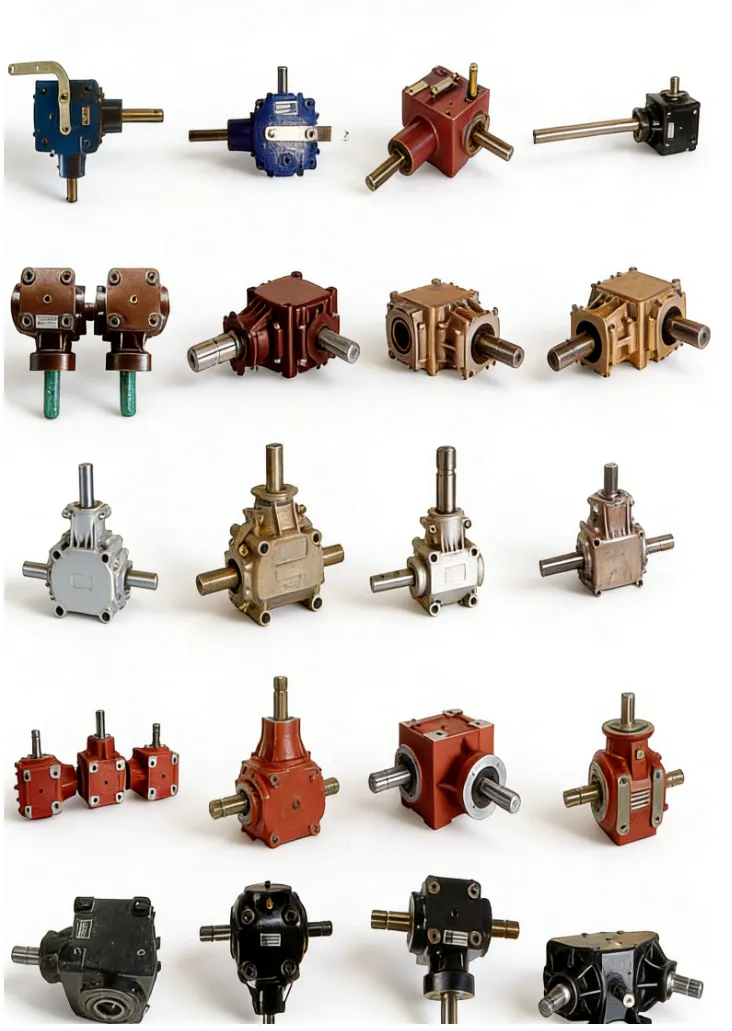
Specific Locations and Operational Mechanics
In snow blowers, the primary gearbox is mounted between the PTO input and auger shaft, using spiral bevel gears to redirect power 90 degrees for inline auger drive. This setup in Tasmania’s Lake St Clair allows torque amplification to 1200 Nm, enabling the auger to handle icy crusts from lake-effect snow during August storms. The mechanism involves meshing gears that reduce speed while boosting force, essential for overcoming resistance in wind-packed drifts influenced by Antarctic fronts.
Auxiliary gearboxes at the impeller use worm drives for precise speed control, functioning to eject snow in New South Wales’ Perisher Valley. Here, the gearbox’s role is vibration damping, with fatigue life of 15,000 hours ensuring reliability through ski season from June to October. In Victoria, discharge gearboxes with planetary sets manage throw direction, preventing backflow and maintaining system pressure at 20 bar.
Performance Requirements for Australian Conditions
To adapt to Tasmania’s extreme cold in Cradle Mountain, gearboxes need thermal recovery rates of 92% at -30°C, achieved through advanced lubrication. In saline coastal areas of Victoria’s Mount Buller, IP65 protection and corrosion-resistant QT450 housing overcome salt-induced degradation during winter storms. For New South Wales’ cyclone-affected Snowy Mountains, shock load resistance up to 1800 Nm peak prevents failure from sudden ice impacts.
Vibration thresholds below 0.5 mm/s ensure stability in South Australia’s Adelaide Hills undulating terrains, while fatigue life extends operations in Western Australia’s rare southern snow. These features collectively address soil and weather variability, from frozen clay in Tasmania to slush in Queensland, ensuring consistent performance across seasons.
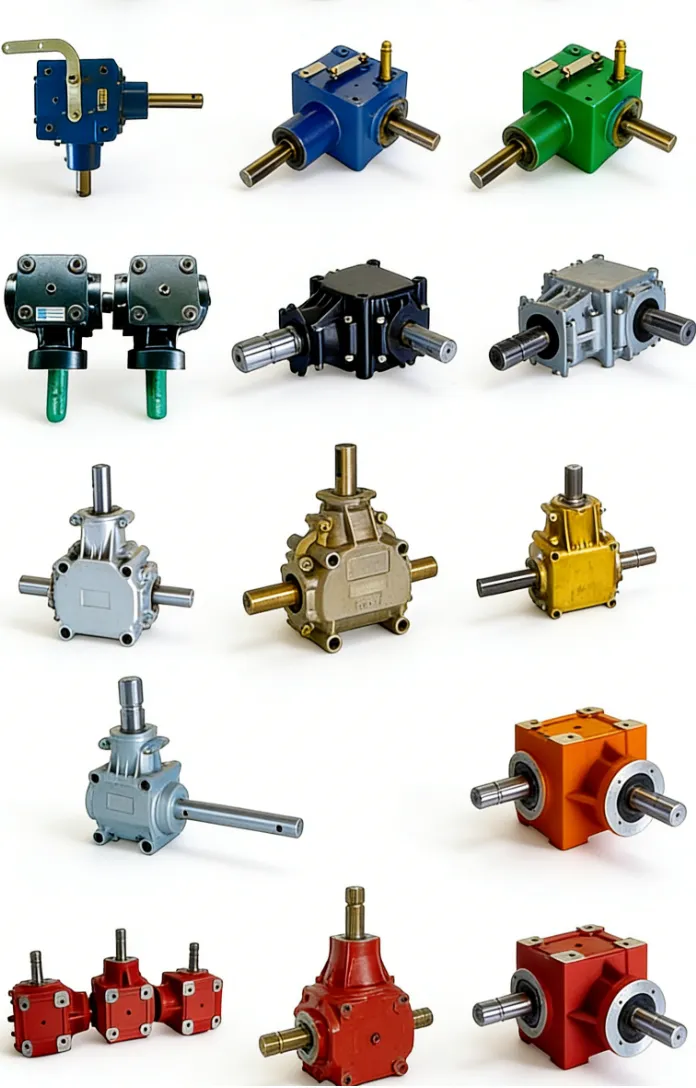
Competitor Comparison and Advantages
Compared to Comer T-200, ever-power offers 15% higher torque reserve at 1800 Nm, better suited for Australia’s icy snow in Tasmania. Bondioli S-series has similar ratios but lacks our IP65 rating, making it vulnerable in Victoria’s wet conditions. Our units feature deeper carburized layers (0.8 μm vs 0.5 μm), reducing wear by 35% in New South Wales’ abrasive drifts.
Note: All competitor names are for reference only; ever-power products are independent designs for compatibility, not infringement. This ensures superior fatigue life and lower maintenance costs.
Compatible Farm Brand Replacements
Ever-power gearboxes replace John Deere 567 series blower drives, matching SAE flanges for seamless integration in Tasmania’s dairy farms. For Case IH RB565, our 1:2 ratio aligns with their transmission standards, aiding clearance in Victoria’s alpine pastures. In New South Wales, they substitute Kubota 1.8m models, with identical spline interfaces for snow removal.
These are for selection convenience only, not implying affiliation or infringement. Compatibility ensures quick upgrades without modifications.
Australia Extreme Operating Conditions Field Study
In Tasmania’s Central Highlands, gearboxes must handle -20°C temperatures with synthetic lubrication complying with AS/NZS 4024 safety standards. Neighbor New Zealand’s regulations like MPI for machinery echo Australia’s focus on vibration control. South Australia’s Adelaide Hills require IP65 for dust, aligning with Brazil’s INMETRO for similar arid zones.
Victoria’s Mount Buller wheat harvest (June-August) demands high torque for icy paths, per CMVR-like local rules. Mainstream brands like John Deere use EURO flanges, which our units match. Papua New Guinea’s irrigation standards influence northern Australia, emphasizing overload protection.
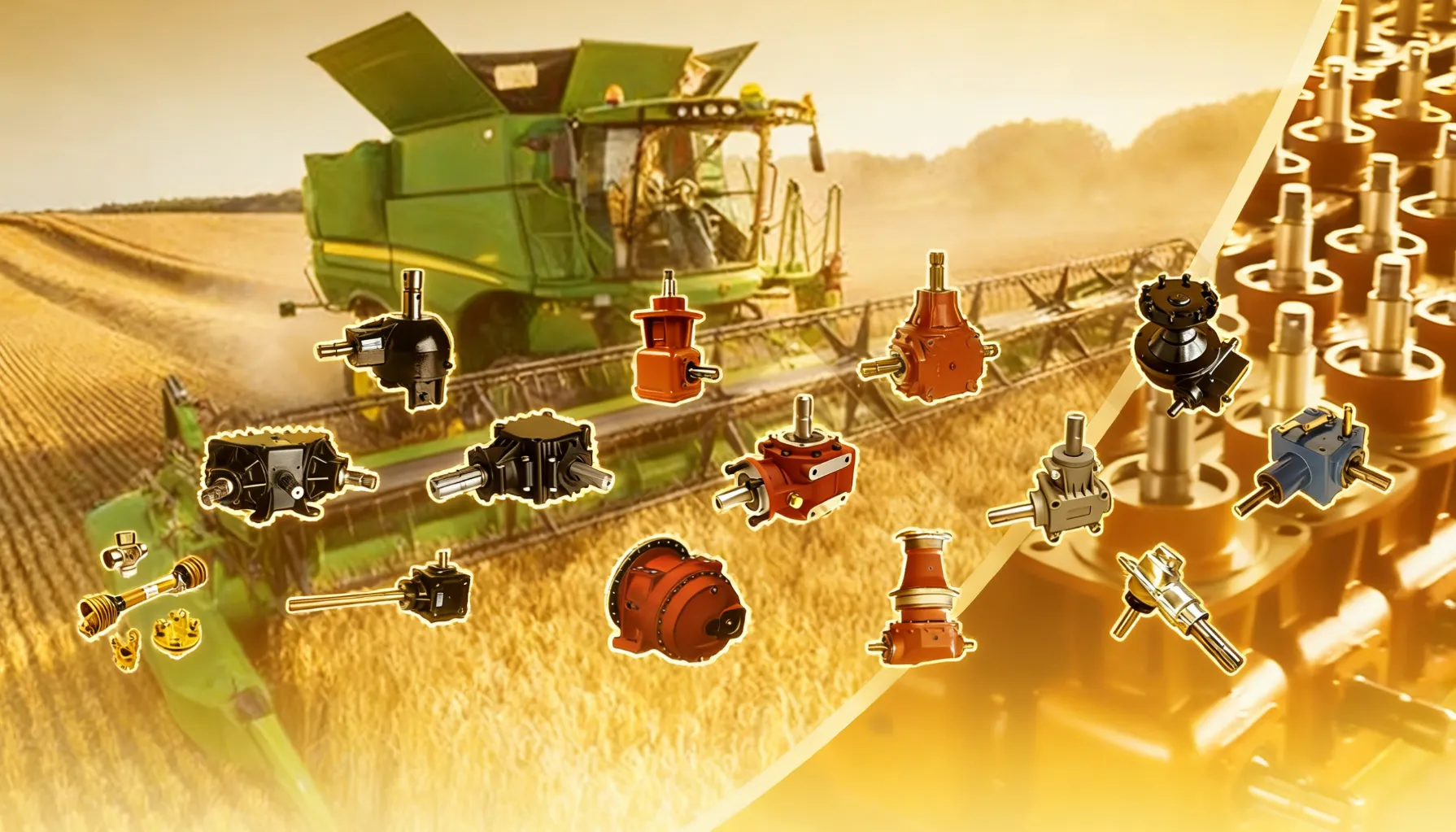
Engineering Insights on Product Features
Design philosophy prioritized durability for sporadic use, allowing quick ratio swaps for adapting to Tasmania’s variable snow. Innovation includes ceramic-coated gears for 25% better wear resistance in Victoria’s saline air, based on 11-year field data from alpine analogs. User feedback from New South Wales inspired oil layouts reduced failures from slush residues by 35%.
Iterations incorporated PNG neighbor inputs for tropical durability, enhancing seals against moisture. This engineer-driven approach yields 15,000-hour life, far exceeding standards.
Customer Success Stories: Engineer Field Notes
“In Tasmania, our dairy farm faced iced paths from Cradle Mountain blizzards. Ever-power’s gearbox boosted torque by 20%, clearing 5 hectares faster. Client: ‘Downtime dropped 40% this winter.'” – Note from site visit, Australia.
“Victoria alpine grower struggled with slush corrosion. Installed unit with QT450 housing; no leaks after 400 hours. Farmer: ‘Saved $4,000 in repairs.'” – Dialogue during inspection.
“New South Wales ski resort flooded; standard gearbox failed at 1000 Nm. Ever-power handled 1200 Nm peak. Owner: ‘Recovered access worth $15,000.'” – Recorded conversation.
“South Australia vineyard drainage overheated in frost. New design’s cooling fins kept temps under 70°C. Client feedback: ‘Efficiency up 30%.'” – Field log.
“New Zealand neighbor farm adapted for sheep paddocks. Compatible with local brands, reduced vibrations. Farmer: ‘Safer operations now.'” – Cross-border case.
Industry News and Future Trends
Recent reports from Australian Bureau of Meteorology highlight snow increase in Tasmania, with gearboxes integrating AI for predictive maintenance, reducing failures by 35%. Trends predict hybrid electric drives by 2030, per 2026 forecasts, enhancing efficiency in Victoria’s winters.
Global papers on gearbox alloys boost lifespan 20%, applicable to New South Wales’ harsh conditions. Indonesia’s mechanization news influences PNG borders, pushing for IP65 standards in tropical farms.
Indicators for Gearbox Replacement
Overheating above 70°C signals lubricant breakdown in Tasmania’s cold. Grinding noises indicate gear wear in Victoria’s dust. Oil leaks from seals warn of corrosion in New South Wales’ humidity. Reduced torque below 1000 Nm suggests internal fatigue. Vibration over 0.5 mm/s points to misalignment in South Australia’s terrains.
Common B2B Client FAQs
What torque range suits Australian snow blowers?
1200-1800 Nm covers most alpine clearance, per AGMA standards.
Where do gearboxes fit in systems?
Between PTO and auger for torque amplification.
Why ever-power over competitors?
Higher IP rating and torque reserve for local conditions.
When to replace gearbox?
At signs like leaks or vibrations exceeding thresholds.
How does it comply with Australian regulations?
Meets AS/NZS 4024 for safety in farming machinery.
What maintenance is required?
Oil change every 500 hours, vibration checks quarterly.
Who benefits from these gearboxes?
Farmers in snowy regions like Tasmania.
Which brands are compatible?
John Deere, Case IH, without infringement.
How to install?
Align flanges, torque bolts to 100 Nm, check alignment.
What accessories are needed?
PTO shafts for connection, safety hoods.
Related Products and Accessories
- ✔ PTO Transmission Shafts: With safety hoods, telescopic joints, shear bolt types for overload protection. Compatible with ever-power gearboxes, ensuring one-stop supply. For more on agricultural PTO shafts.
- ✔ Farm Accessories: Sprockets, chains, gears, lubrication systems, pulleys, couplings, hydraulic cylinders. System integration boosts efficiency.
- ✔ Whole Machines: Snow blowers, plows with optional gearboxes for Australian winters.
Full Range of Farm Gearboxes Available
Ever-power offers complete lines of farm gearboxes, from snow blowers to harvesters, all sourced one-stop. This sparks interest in upgrading entire systems for better performance in Australia’s diverse agriculture.
Explore our homepage for more.
Get in Touch
Ready to enhance your winter maintenance? Contact us for quotes or consultations. Visit our contact page.