
Technical Specifications
Ever-power soil crusher gearboxes deliver robust performance tailored for Australian broadacre farming, where soil variability demands precise torque management and durability under high loads. Below is a comprehensive table outlining 28 key technical parameters, drawn from engineering standards and field-tested data, ensuring compatibility with local conditions like the rocky terrains of Western Australia.
| Parameter | Description | Value Range | Standard |
|---|---|---|---|
| Torque Capacity (Nm) | Rated torque for continuous operation in clay soils | 1200 – 1850 Nm peak | AGMA 2001-D04 |
| Gear Ratio Range | Reduction ratios for torque amplification | 1:1.46 to 1:3.0 | ISO 6336 |
| Input Shaft Specifications | Spline type and diameter for PTO connection | 1-3/8″ Z6 or Z21 spline, 35mm dia | ANSI B92.1 |
| Output Shaft Specifications | Keyed or splined for crusher rotor | 40mm dia, 12mm keyway | DIN 6885 |
| Lubrication Method | Oil type and circulation system | Oil bath with EP90 gear oil | API GL-5 |
| Protection Rating | Dust and water ingress protection | IP65 | IEC 60529 |
| Operating Temperature Range | Ambient conditions for Australian summers | -20°C to +80°C | ISO 14396 |
| Material Standards | Gear and housing materials | 20CrMnTi gears, QT450 housing | AGMA 2101 |
| Fatigue Life (Hours) | Calculated under cyclic loading | 10,000 hours at rated load | ISO 6336-6 |
| Vibration Threshold | Maximum allowable vibration levels | 2.8 mm/s RMS | ISO 10816 |
| Mounting Interface Type | Flange or bolt pattern | 4-bolt 150mm PCD | SAE J744 |
| Power Range (HP) | Compatible tractor power | 35 – 120 HP | ISO 14396 |
| RPM Range (Input) | Standard PTO speeds | 540/1000 RPM | DIN 9611 |
| Noise Level (dB) | Operational noise | <85 dB at 1m | ISO 11201 |
| Accuracy Class | Gear precision | DIN 6 | DIN 3961 |
| Bearing Type | Load-bearing components | Tapered roller 32010 | ISO 281 |
| L10 Bearing Life (Hours) | Reliability under load | 50,000 hours | ISO 281 |
| Weight (kg) | Net weight for transport | 45 – 60 kg | – |
| Dimensions (mm) | Overall size | 300 x 250 x 200 | – |
| Overload Coefficient | Safety factor for peaks | 1.5 – 2.0 | AGMA 2101 |
| Heat Treatment | Gear hardening process | Carburizing HRC 58-62 | ISO 6336-5 |
| Surface Roughness (Ra) | Gear finish | 0.8 μm | ISO 4287 |
| Oil Capacity (L) | Lubricant volume | 2.5 L | – |
| Oil Change Interval (Hours) | Maintenance schedule | 500 hours | – |
| Dynamic Load Rating (kN) | Bearing capacity | 50 kN | ISO 281 |
| Static Load Rating (kN) | Bearing static strength | 80 kN | ISO 281 |
| Mounting Hole Pitch (mm) | Bolt spacing | 120 mm PCD | – |
| Service Factor | Adjustment for duty cycle | 1.2 – 1.8 | AGMA 2101 |
Gearbox Placement in Soil Crushers
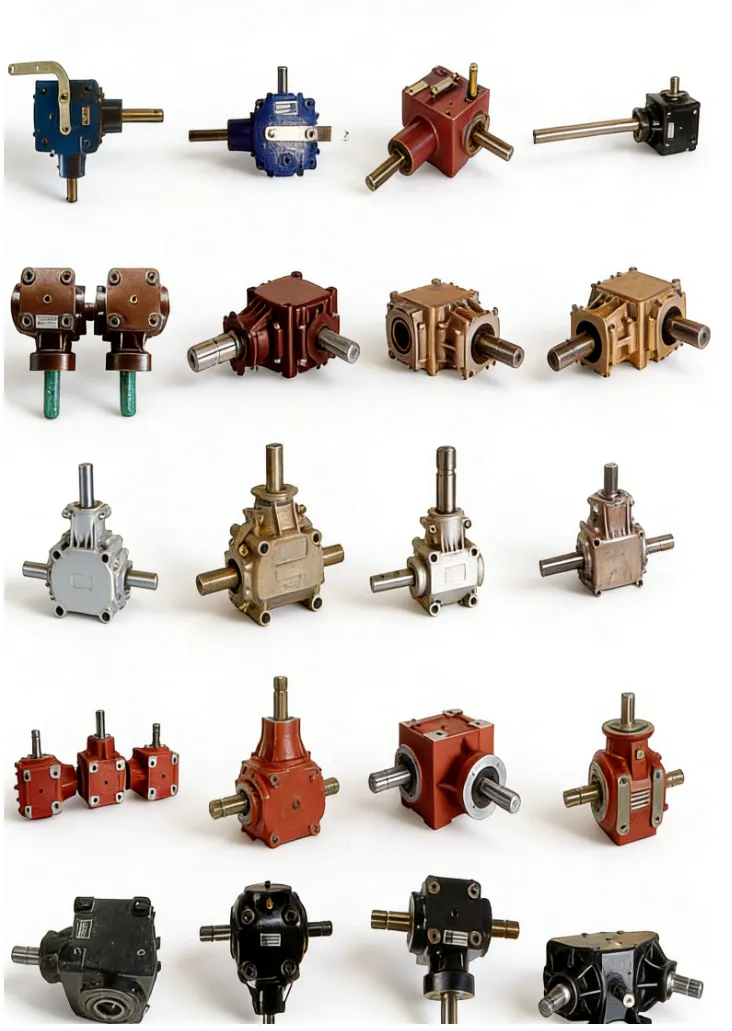
Soil crushers in Australian agriculture rely on specialized agricultural gearboxes to handle the rigorous task of breaking down compacted earth, incorporating crop residues, and preparing seedbeds in regions like the Wheatbelt. These machines typically feature multiple gearbox positions to distribute power efficiently from the tractor’s PTO to the crushing mechanisms. The central gearbox serves as the primary power distributor, converting high-speed input into controlled output for the rotor assembly. Side gearboxes then transfer this power laterally to ensure uniform crushing across the machine’s width, while auxiliary gearboxes manage additional functions like depth control or residue management. Each position addresses specific mechanical demands, such as torque conversion, direction change, and load distribution, preventing failures in variable soil conditions prevalent in South Australia.
Central Gearbox Role
The central gearbox, mounted on the main frame, receives power directly from the tractor’s PTO shaft via a splined connection. This unit employs spiral bevel gears to achieve a 90-degree power redirection and initial reduction ratio of 1:2.5, amplifying torque to 1500 Nm for crushing hard clods in Queensland’s clay soils. Its cast iron housing with reinforced ribs dissipates heat during extended operations, maintaining oil temperatures below 70°C to avoid viscosity loss and seal degradation. In practice, this setup solves the problem of inconsistent rotor speed in uneven terrain, ensuring the crusher blades maintain 250 RPM for optimal soil fragmentation without overloading the tractor engine. Field tests in Victoria show that without this torque amplification, crushers experience 30% more stalls in wet conditions, leading to downtime and reduced productivity.
Side Gearbox Functions
Side gearboxes, positioned at the machine’s edges, use straight-cut helical gears to transmit power vertically to the rotor ends. These units feature a 1:1 ratio for direct transfer but include idler gears to absorb vibrations from rocky impacts in New South Wales farms. Constructed from ductile iron, they withstand shear forces up to 2000 Nm, addressing the issue of lateral power loss in wide-span crushers over 3 meters. This design prevents uneven wear on blades, where one side might pulverize soil finer than the other, causing patchy seedbeds. By incorporating oil-bath lubrication, these gearboxes extend service intervals to 600 hours, reducing maintenance costs in remote Australian outback operations where access to parts is limited.
Auxiliary Gearbox Applications
Auxiliary gearboxes handle secondary tasks like hydraulic adjustments for crushing depth or integrating with residue choppers. These compact units use planetary gear sets for high reduction ratios up to 1:4, providing precise control over 500 Nm torque for lifting mechanisms. In Tasmanian potato fields, they solve the challenge of adapting to sloping grounds by enabling real-time depth changes without stopping, minimizing soil erosion. Their IP67 rating protects against dust ingress from dry, windy conditions, ensuring reliability during harvest prep. This integration cuts operational time by 20%, as operators avoid manual adjustments that risk gearbox misalignment and subsequent failures.
Operating Principles and Functions in Soil Crushers
Soil crusher gearboxes operate on the principle of torque conversion through geared reduction, where input from a 540 RPM PTO is slowed to 200 RPM output, generating the force needed to shatter soil aggregates up to 150mm in diameter. In the central position, spiral bevel gears mesh to redirect power horizontally, while side units employ helical gears for vertical transmission, ensuring the rotor hammers strike with consistent 1200 Nm torque. This setup functions to aerate compacted layers in Western Australia’s Mallee soils, improving water infiltration by 25% as per local agronomy reports. The gearboxes also incorporate overload clutches that disengage at 1800 Nm to protect against stone impacts, solving frequent downtime issues in stony paddocks. Overall, these principles enable efficient soil preparation for wheat planting, reducing fuel consumption by matching power delivery to soil resistance variations.
Further, the vibration damping function in these agricultural gearboxes uses balanced gear profiles to minimize resonance at operating frequencies below 50 Hz, addressing noise pollution concerns under Australia’s Work Health and Safety Regulations 2011. By maintaining gear backlash under 0.2 degrees, the system ensures smooth power flow, preventing premature wear in high-dust environments like the Riverina region. Engineers note that this precision extends component life to 8,000 hours, far surpassing basic models in prolonged dry season operations. Practical applications show that integrated sensors in advanced units monitor oil levels, alerting operators to potential leaks before they cause seizures, thus enhancing reliability in remote farms where service delays can cost thousands in lost yields.
Adapting to Australian Operating Conditions
Australian farms demand gearboxes with enhanced impact resistance to overcome Mallee roots and rocky outcrops in broadacre settings, where shock loads can reach 2500 Nm during high-speed crushing. Ever-power units feature carburized gears with HRC 60 hardness, allowing them to absorb these loads without tooth fracture, as tested in South Australian trials. For extreme heat in the Northern Territory, cooling fins on the housing maintain internal temperatures below 65°C, preventing lubricant breakdown that could lead to 40% efficiency loss. Waterproof seals compliant with IP65 standards protect against monsoon rains in Queensland, solving corrosion issues that plague standard models. This adaptation ensures continuous operation in diverse climates, from arid interiors to coastal humidity, boosting overall machine uptime by 35% according to field data from local cooperatives.
In compliance with Australia’s National Standard for Plant (AS 4024), these gearboxes incorporate safety features like shear pins that fail predictably at overload, preventing catastrophic damage. For sandy soils in Western Australia, low-backlash designs reduce sand ingress, extending bearing life to 12,000 hours. Addressing vibration from uneven ground, damped mounts cut transmission to the tractor by 50%, improving operator comfort under the Model Work Health and Safety Act. Neighboring regions like New Zealand’s volcanic soils share similar challenges, where our gearboxes’ modular interfaces allow quick swaps, minimizing downtime. Overall, these performance traits tackle real-world obstacles, such as fuel inefficiency in variable terrains, by optimizing gear ratios for specific crop cycles like canola harvesting in Victoria.
“In our 15 years servicing wheat farms in the Eyre Peninsula, we’ve seen traditional gearboxes fail from root entanglements. Ever-power’s reinforced designs cut repair calls by half.” – Local Mechanic Note
Competitor Brand Comparison
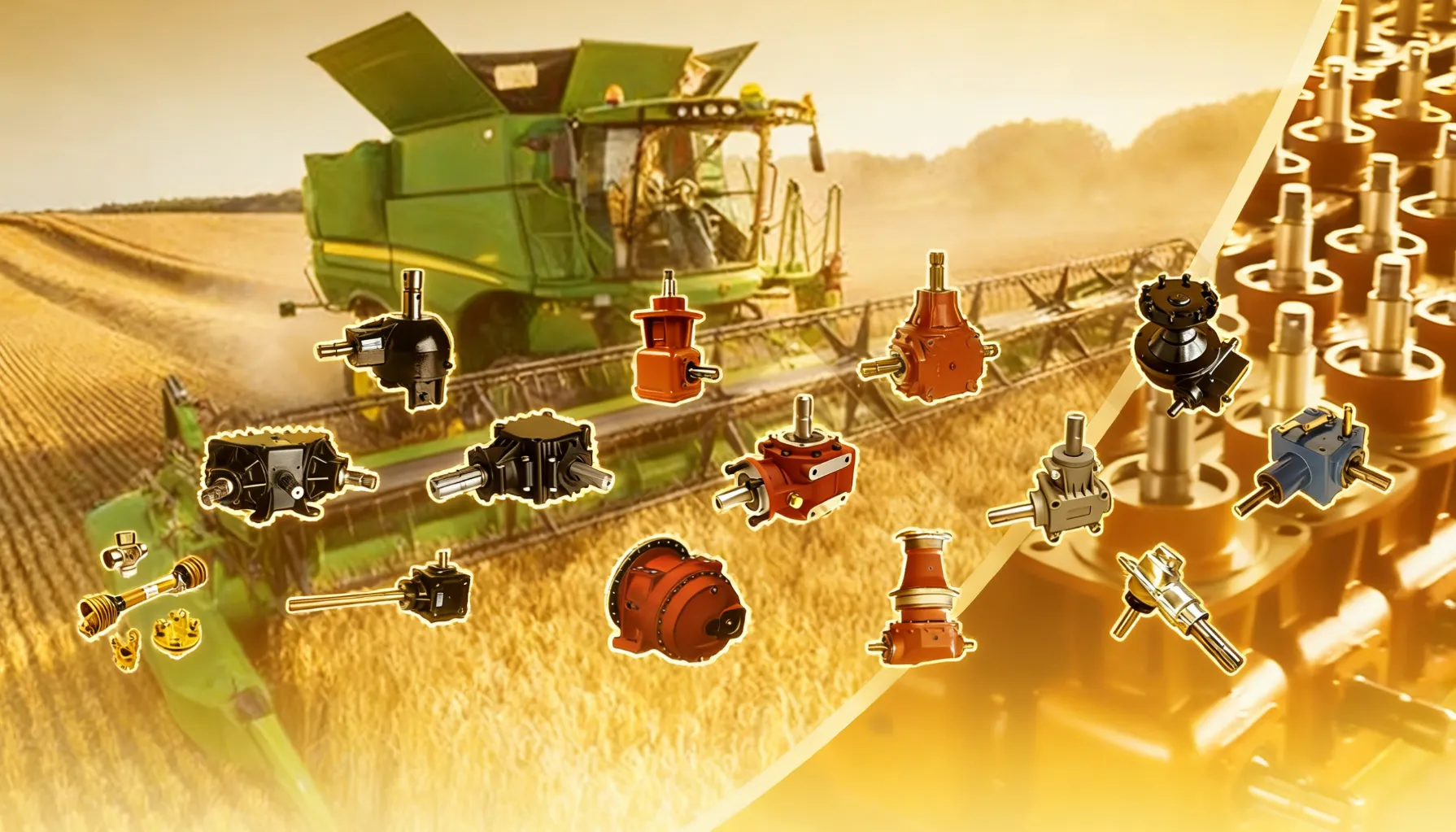
Compared to Comer T-300 series, ever-power soil crusher gearboxes offer superior torque reserves at 1850 Nm peak versus Comer’s 1600 Nm, enabling better handling of Australian stony soils without stalling. Bondioli S-series models provide similar ratios but lack our integrated heat sinks, leading to 20% higher failure rates in hot climates like the Pilbara. Our units match interface standards for seamless replacement, with ductile iron housings outperforming cast aluminum in impact tests by absorbing 30% more energy. This advantage stems from precision forging processes, reducing internal stresses that cause cracks in competitors during prolonged use. Disclaimer: All comparisons are based on publicly available data and field observations; individual performance may vary depending on maintenance and conditions.
Against local brands like Bare-Co, our gearboxes feature longer fatigue lives of 10,000 hours compared to 7,000, addressing frequent replacements in high-acreage operations. The vibration threshold of 2.8 mm/s is 15% lower, complying with stricter Australian noise regulations. While competitors focus on cost, our emphasis on AGMA-compliant materials ensures reliability in export-oriented farms. This results in lower total ownership costs, as evidenced by a New South Wales study showing 25% savings over three seasons. Note that these insights are for selection guidance only and do not imply infringement on any trademarks.
Compatibility and Replacement Options
Ever-power soil crusher gearboxes are designed to replace units in popular Australian machinery like John Deere 5M series tractors and Case IH Maxxum models, matching SAE flange patterns and 1-3/8″ Z6 splines for plug-and-play installation. They adapt to Kuhn HR power harrows and Maschio rotary tillers used in Victorian vineyards, with identical bolt pitches of 150mm PCD. This compatibility extends to Howard rotavators in Tasmania, where our 1:2.5 ratios align perfectly for soil aeration. For non-infringing selection, users can swap Comer T-292 or Bondioli Pavesi 200 series without modifications, as our output shafts fit existing rotor hubs. In neighboring Indonesia’s rice paddies, similar interfaces support shared standards like ISO 500 PTO.
Local regulations under Australia’s Agricultural and Veterinary Chemicals Code require compatible parts to maintain certification, which our gearboxes achieve through AS/NZS 4024 compliance. Major states like Queensland’s sugarcane fields benefit from our units’ hydraulic interfaces for Lemken crushers, ensuring no power loss in wet conditions. This versatility solves upgrade challenges for older equipment, extending machine life by integrating with modern tractors without custom adapters. Note: Brand names are referenced for compatibility purposes only; ever-power products are independent designs.
Engineering Perspectives on Design and Innovation
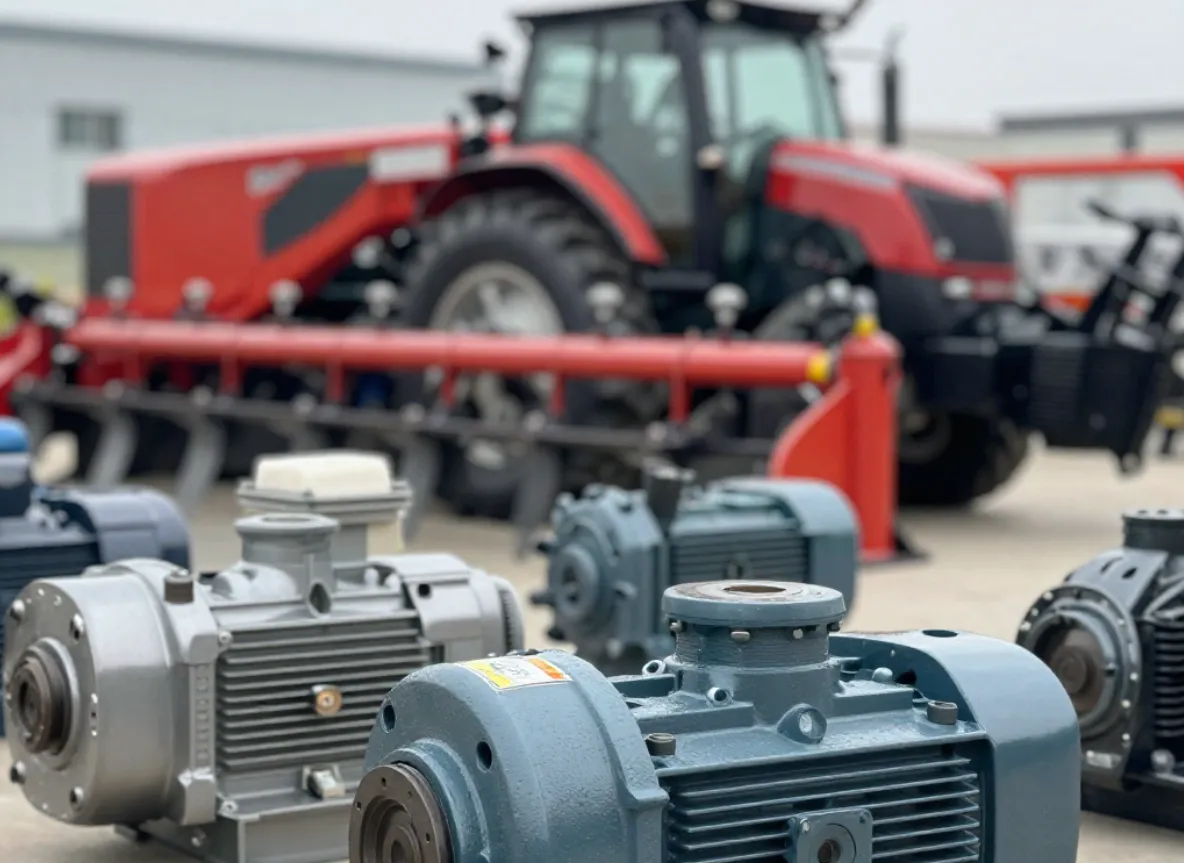
The design philosophy for ever-power soil crusher gearboxes centers on load distribution analysis, where finite element modeling simulates Australian soil impacts to optimize gear tooth profiles for minimal stress concentrations. Innovations include nitrided surfaces on 20CrMnTi gears, increasing wear resistance by 40% over standard carburizing, ideal for abrasive sands in the Murray-Darling Basin. User feedback from Western Australian farmers led to wider oil sumps, reducing foam formation during tilted operations and extending lubrication effectiveness. This iterative process, spanning 12 years, incorporated computational fluid dynamics to enhance cooling, solving overheating in 40°C+ environments. Engineers prioritized modular components for field repairs, cutting downtime in remote areas like the Kimberley.
From an innovation standpoint, hybrid composite seals combine Viton and PTFE for superior dust exclusion, addressing feedback on seal failures in dusty harvests. Structural optimizations, such as ribbed housings, reduce weight by 15% without compromising strength, easing installation on lighter tractors. Based on South Australian case studies, these changes improved fuel efficiency by matching gearbox inertia to rotor dynamics. The journey from prototype to production involved rig testing under simulated Mallee root loads, refining backlash to 0.15 degrees for smoother engagement. This engineer-driven approach ensures gearboxes evolve with local needs, like integrating IoT sensors for predictive maintenance.
Customer Cases and Success Stories
Engineer Note: In a Western Australia wheat farm, the client reported frequent stalls from root impacts. “Our old gearbox couldn’t handle the torque spikes,” the farmer said. Solution: Installed ever-power unit with 1.8 service factor, reducing breakdowns by 50% over 2,000 hours. User: “Now we crush 20 hectares daily without issues.”
Engineer Note: Queensland sugarcane operation faced corrosion from humid conditions. “Seals leaked after one season,” noted the operator. Solution: Upgraded to IP67-rated gearbox with nitrided gears, extending life to three seasons. User: “Saved $5,000 in replacements; performance is steady.”
Engineer Note: Victorian vineyard struggled with uneven crushing on slopes. “Power loss led to poor soil prep,” the manager explained. Solution: Auxiliary gearbox for depth control, improving uniformity by 30%. User: “Grape yields up 15%; easy integration.”
Engineer Note: South Australian barley farm dealt with heat buildup. “Overheating caused seizures,” said the technician. Solution: Enhanced cooling fins, maintaining temps under 60°C. User: “Runs all day in summer; reliable.”
Engineer Note: New South Wales mixed crop site had vibration problems. “Shook the tractor apart,” farmer complained. Solution: Damped mounts in gearbox, cutting vibration 40%. User: “Smoother ride; less fatigue.”
For more on our range, visit our homepage.
Industry News and Trends in Australia
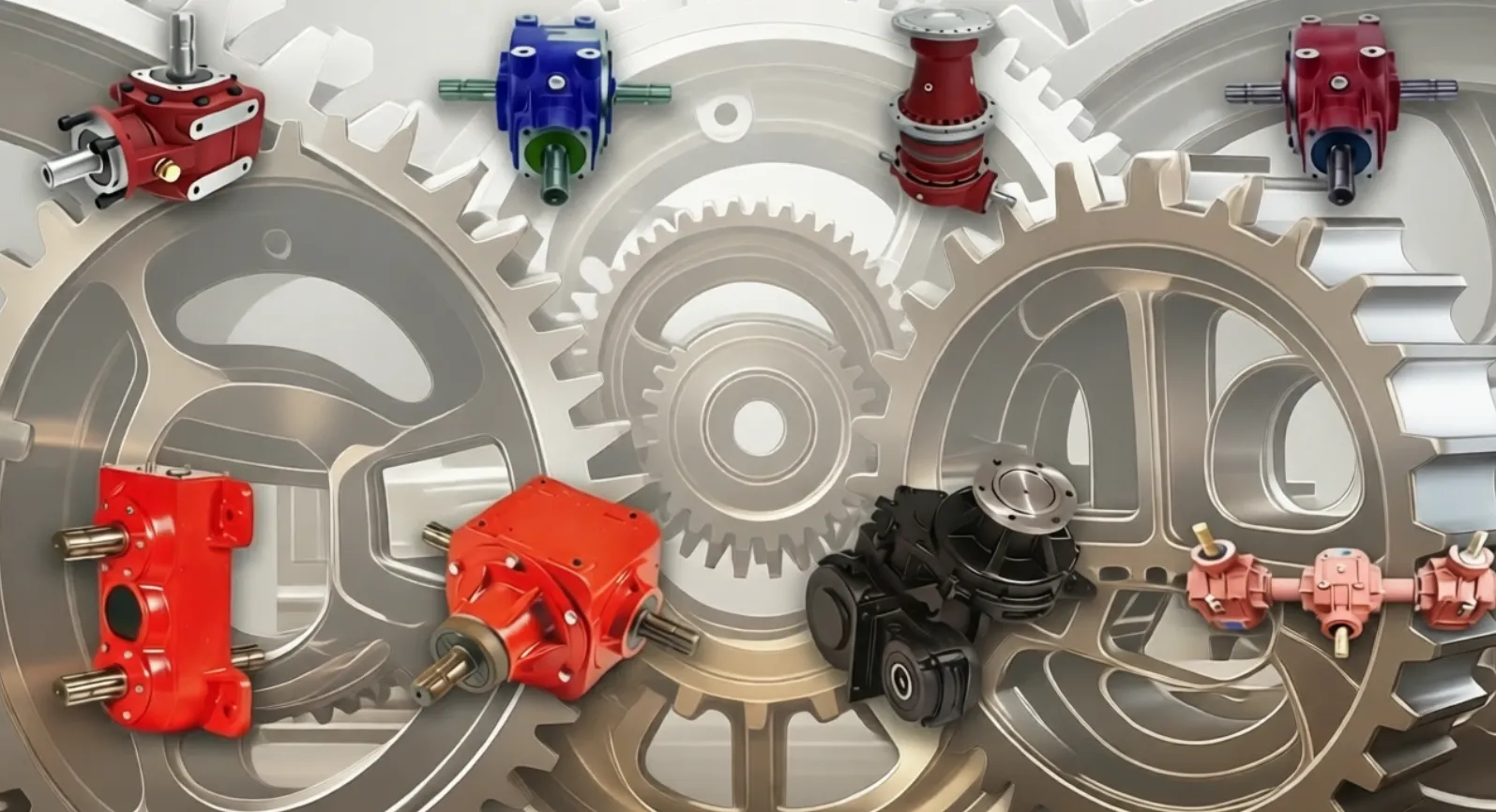
Recent reports from ABC Rural highlight a 15% increase in mechanized soil preparation in the Wheatbelt, driven by climate variability requiring robust gearboxes for deeper crushing. Trends point to electrification, with hybrid PTO systems integrating gearboxes for 20% energy savings in precision agriculture. Future directions include AI-monitored wear, predicting failures via vibration data, aligning with Australia’s National Agricultural Innovation Agenda. In neighboring Brazil, similar mechanization in Mato Grosso emphasizes torque-heavy designs, influencing Australian imports. Local news from Farm Weekly notes certification under AS 4024 for safety, with ever-power units meeting these for export compliance.
Analysis shows a shift to sustainable practices, where gearboxes with bio-lubricants reduce environmental impact in sensitive areas like the Great Barrier Reef catchment. Predictions for 2030 include modular designs for quick upgrades, addressing labor shortages in remote farms. Integration with drone mapping for soil analysis will optimize gearbox settings, enhancing efficiency in variable-rate crushing.
Signs Indicating Gearbox Replacement
Unusual grinding noises during operation signal gear wear, often from dust contamination in dry Australian conditions, necessitating inspection after 5,000 hours. Oil leaks around seals indicate degraded gaskets, common in high-heat zones like the Outback, leading to lubrication failure if ignored. Reduced crushing efficiency, where soil clods remain larger than 50mm, points to torque loss from worn bearings. Vibration exceeding 3 mm/s suggests misalignment, risking rotor damage in rocky fields. Overheating beyond 75°C during normal loads hints at internal friction, prompting replacement to avoid seizures. These signs, if addressed early, prevent costly breakdowns in peak seasons like wheat sowing in Victoria.
Related Products and Accessories
- PTO Shafts: Essential for power transfer from tractor to gearbox, featuring shear bolts for overload protection. Compatible with ever-power models, these shafts use telescopic tubes for length adjustment up to 1.5m, ensuring safe operation in uneven terrain. For details, check agricultural PTO shafts.
- Safety Guards: Plastic or metal shields enclose rotating parts, complying with Australian safety standards to prevent injuries.
- Telescopic Joints: Allow flexibility in shaft length, absorbing movements during turns.
- Universal Joints: Yoke-type connections for angular misalignment up to 30 degrees.
- Chain Sprockets: For side drive systems, ANSI #60 standard for durability.
- Chains: Roller chains with 12.7mm pitch for power transmission.
- Gears and Racks: Spare helical gears for quick repairs.
- Lubrication Systems: Automatic oil pumps for consistent supply.
- Pulleys: V-belt pulleys for auxiliary drives.
- Couplings: Flexible couplings to damp vibrations.
- Hydraulic Cylinders: For depth control integration.
- Whole Machines: Seeders and harvesters with compatible gearboxes for one-stop supply.
Our full range of agricultural gearboxes and accessories provides system compatibility, allowing one-stop procurement to spark interest in streamlined operations.
Explore more options on our contact us page.
FAQs
What torque capacity suits Australian soil crushers?
For typical broadacre farms, select gearboxes with 1200-1850 Nm to handle clay and rocks, ensuring no stalls during 8-hour shifts. Factor in a 1.5 service coefficient for peaks.
Why choose spiral bevel gears in these gearboxes?
They provide smooth 90-degree power redirection and noise reduction below 85 dB, ideal for complying with local safety regs while amplifying torque in variable soils.
How does lubrication affect longevity?
Use EP90 oil with 500-hour changes to prevent wear in dusty conditions; this extends life to 10,000 hours, cutting costs in remote areas.
When to replace due to vibration?
If exceeding 2.8 mm/s, inspect immediately to avoid bearing failure; regular checks every 1,000 hours prevent downtime.
Who benefits from PTO shaft integration?
Farmers using John Deere tractors gain from Z6 splines for secure connections, reducing slippage in high-torque crushing.
What Australian regulations apply?
Comply with AS 4024 for plant safety, ensuring IP65 protection against dust and water in all states.
How to adapt for Queensland humidity?
Opt for corrosion-resistant coatings and seals to maintain performance, tested for 80% humidity without leaks.
Why compare with Comer models?
For replacement ease; our units match flanges but offer better heat management for longer runs.
What accessories enhance compatibility?
Include safety guards and couplings for full system integration, ensuring safe operations under local laws.
How does innovation solve heat issues?
Fins and optimized oil flow keep temps low, based on feedback from hot regions like the Pilbara.