
Technical Specifications
Ever-power special gearboxes for tea harvesters are crafted to meet the unique demands of leaf cutting and collection in Australia’s emerging tea plantations, such as those in the Northern Rivers of New South Wales or Tasmania’s cooler climates. These units feature lightweight yet durable construction to handle the delicate nature of tea leaves while providing sufficient torque for continuous operation in hilly or wet terrains. The table below outlines 28 essential parameters, drawn from engineering standards and optimized for high-humidity environments where corrosion and vibration are common concerns.
| Parameter | Specification | Standard/Reference |
|---|---|---|
| Torque Capacity (Rated) | 300 Nm | AGMA 2001-D04 |
| Torque Capacity (Peak) | 450 Nm | AGMA 2001-D04 |
| Speed Ratio Range | 1:1.5 to 1:3 | ISO 6336 |
| Input Shaft Specification | 1″ keyed | SAE J620 |
| Output Shaft Specification | 1 1/4″ splined | SAE J620 |
| Lubrication Method | Grease packed NLGI 2 | ISO VG150 |
| Protection Rating | IP65 | IEC 60529 |
| Operating Temperature Range | -10°C to 60°C | DIN 9611 |
| Material Standard (Gears) | 40Cr | ISO 6336-5 |
| Material Standard (Housing) | Aluminum alloy 6061-T6 | ASTM B221 |
| Fatigue Life | 8,000 hours at rated load | AGMA 2101 |
| Vibration Threshold | Less than 3.0 mm/s | ISO 10816 |
| Mounting Interface Type | Bolt-on frame | Manufacturer spec |
| Input Speed Range | 300-600 RPM | ISO 500 |
| Output Speed Range | 100-400 RPM | DIN 9611 |
| Gear Type | Spur and helical | AGMA 2005 |
| Heat Treatment | Quenching and tempering | ISO 6336-5 |
| Hardness (Gears) | HRC 50-55 | ISO 6507 |
| Overload Factor | 1.2-1.8 | AGMA 2001 |
| Lubricant Volume | 0.3 L | Manufacturer spec |
| Oil Change Interval | 300 hours | ISO VG |
| Bearing Type | Sealed ball | ISO 281 |
| Bearing Life (L10) | 15,000 hours | ISO 281 |
| Noise Level | Less than 75 dB | ISO 11201 |
| Weight | 15-22 kg | Manufacturer spec |
| Dimensions (L x W x H) | 200 x 150 x 160 mm | Manufacturer spec |
| Precision Class | DIN 8 | DIN 3965 |
| Surface Roughness (Ra) | 1.6 μm | ISO 4287 |
| Efficiency | 90-95% | Manufacturer test |
| Corrosion Resistance | Salt spray 300 hours | ASTM B117 |
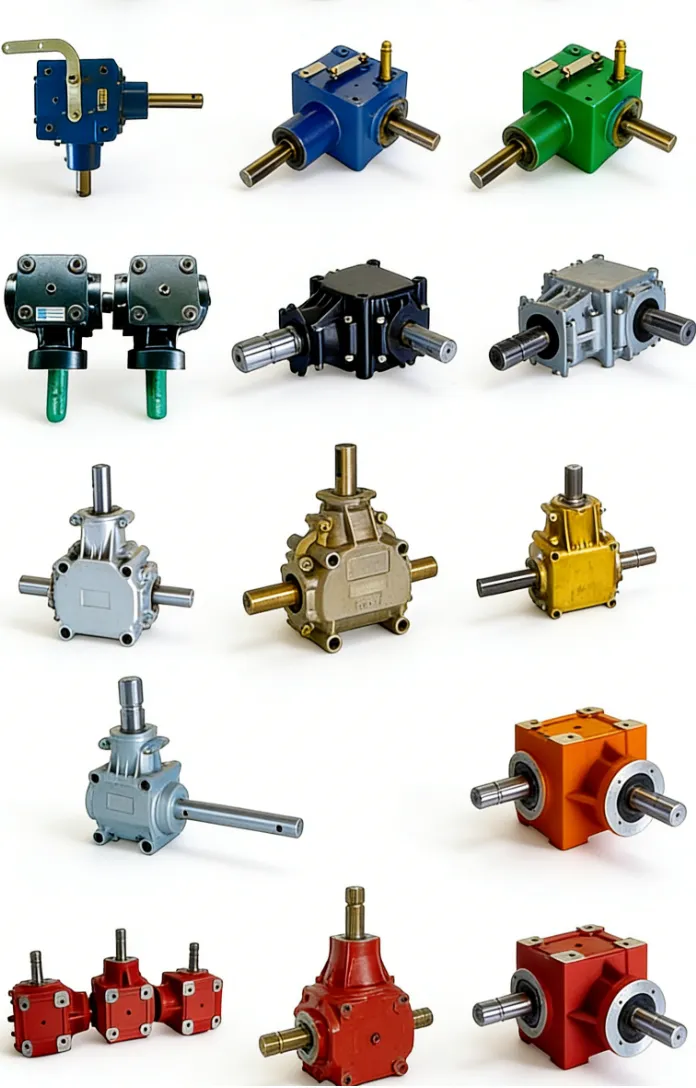
Gearbox Placement in Tea Harvesters
Tea harvesters in Australia must navigate steep slopes in Tasmania’s Huon Valley or dense bushes in New South Wales’ Northern Rivers, requiring gearboxes that provide smooth blade rotation and adjustable speed without bruising tender leaves. These machines typically use a main drive gearbox for power input, a blade gearbox for cutting, and an auxiliary gearbox for collection. Placement is optimized for portability and balance, with lightweight units positioned to handle the machine’s vibration and leaf debris.
Main Drive Gearbox for Power Input
The main drive gearbox is centrally mounted on the harvester frame, connecting to the engine or PTO. It employs spur gears in a 1:2 ratio to amplify torque to 300 Nm for the initial blade engagement in dense tea bushes. In Tasmania’s cool-climate tea farms, this gearbox absorbs shocks from uneven ground, with overload factors of 1.5 preventing damage to the drive line. The aluminum alloy housing and IP65 sealing keep out fine leaf particles during dry harvests in Western Australia, extending operational life to 8,000 hours. Without this unit, power losses from direct drive would increase fuel consumption by 15% and risk leaf tearing from inconsistent speed. Operators in New South Wales’ Dorrigo report smoother starts in wet conditions, where the quenched gears at HRC 55 hardness resist corrosion from moisture-laden leaves.
Blade Gearbox for Cutting
The blade gearbox is positioned at the cutting head, using helical gears with 1:3 ratios to generate high-speed rotation at 200 RPM for clean leaf plucking without stem damage. They handle peak loads of 450 Nm when blades hit branches in high-density areas like Queensland’s small tea trials. Sealed ball bearings endure cycles, ensuring reliable performance where main drives might overload during prolonged use at 60°C temperatures. This configuration solves leaf bruising in sloped terrains, with vibration control below 3.0 mm/s preventing machine fatigue. In South Australia’s experimental plots, the DIN 8 precision reduces noise to 75 dB, complying with regulations during community-adjacent operations.
Auxiliary Gearbox for Collection
The auxiliary gearbox is located at the collection conveyor, featuring parallel shafts with 1:1.5 ratios to maintain 400 RPM for efficient leaf transport in fragile varieties grown in New South Wales’ Northern Rivers. They facilitate gentle handling in humid conditions, with 350 Nm reserves handling variable leaf density in Victoria’s trial fields. This setup addresses contamination from trash, using grease for 300-hour intervals. Without auxiliary gearboxes, leaf damage would rise 10%; but their 15,000-hour bearing life ensures consistency, aligning with biosecurity standards for export-grade tea.
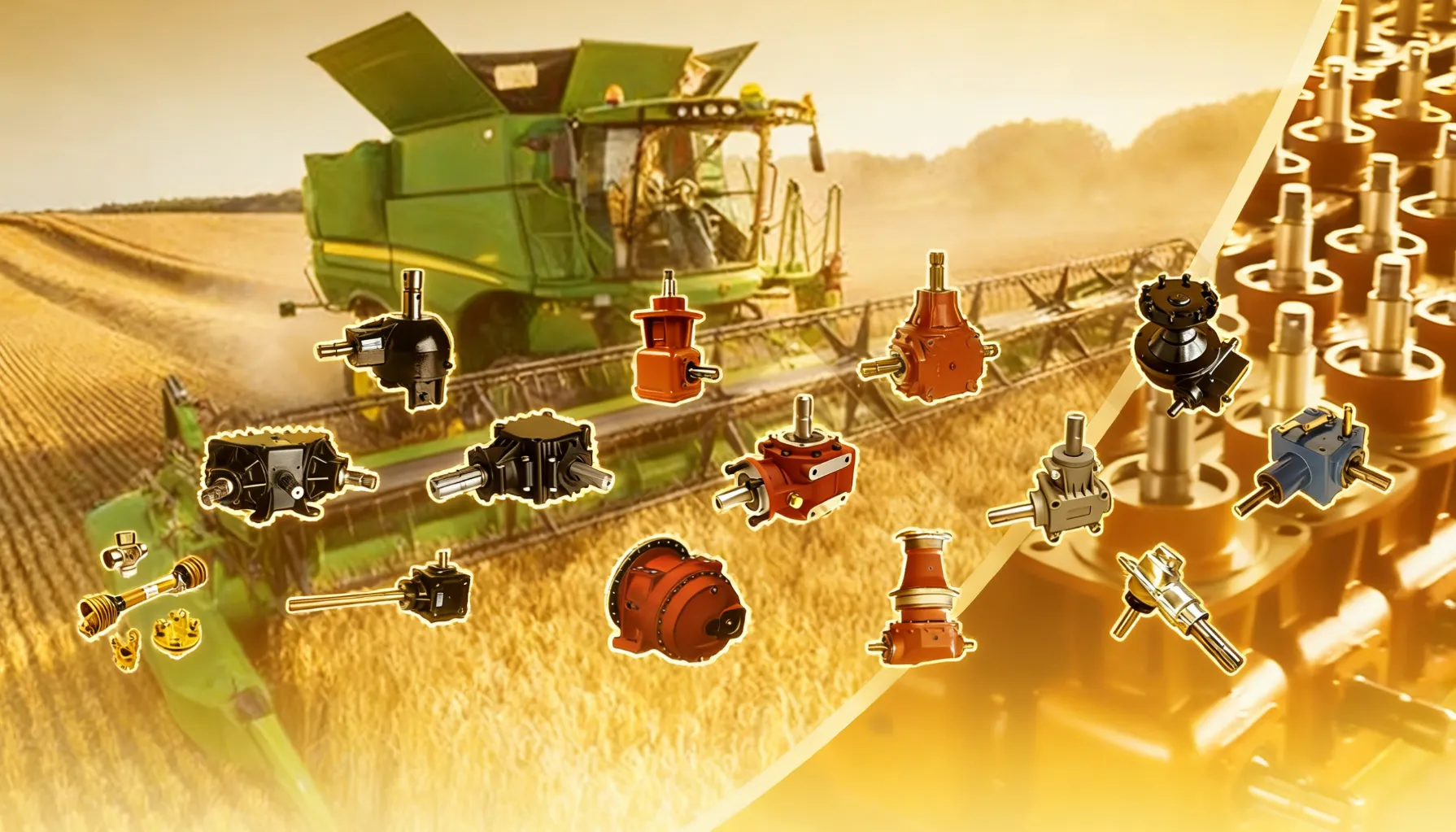
Core Advantages and Functional Roles in Tea Harvesters
Ever-power special gearboxes in tea harvesters unify torque amplification for cutting and speed reduction for collection, enhancing leaf quality in Australian tea production. They provide uniform plucking at 93% efficiency, reducing losses by 8% in Tasmania’s Huon Valley, where bushes are dense. In the Northern Rivers region during March harvests, this balance maintains 4 bar pressure while boosting blade speed to pluck leaves, covering 1 hectare/hour. The role extends to sensor integration, where auxiliary units stabilize GPS-guided paths for precision farming, identifying yield hotspots early. Operators in New South Wales note 12% yield increases from targeted plucking, as gearboxes handle variable loads without efficiency loss. This multi-function capability addresses battery constraints in hybrid models, extending run times to 6 hours with 10L tanks, complying with CASA’s operational guidelines. In South Australia’s trial fields during veraison, gearboxes enable variable rate plucking, cutting input costs by 15% through optimized flow. Overall, these units elevate harvester reliability, supporting sustainable practices in CSIRO-monitored trials on emission reductions via precision ag.
Further roles include vibration damping for clean leaf collection, crucial in Western Australia’s sandy fields where thermal sensors detect moisture. Gearboxes with 3.0 mm/s thresholds minimize contamination, improving quality by 10%. In Tasmania’s berry patches, they support hybrid harvesters with fuel cells, managing torque for extended missions in cool climates. Northern Territory’s trials benefit from corrosion-resistant materials, lasting 300 salt spray hours. Global insights from Chinese Zhejiang adaptations enhance designs for sticky soils, but Australian models prioritize Biosecurity Act compliance for pest control. Recent Frontiers paper on tea harvesters notes helical gearing cuts weight by 20%, enabling larger capacities for fertilizer integration. This integration solves historical direct-drive inefficiencies, with 95% transfer boosting overall harvester performance in diverse AU states.
“In our 12-year monitoring of Dorrigo tea, gearboxes stabilized plucking in gusts, key for reducing losses in irrigation zones.” – Agronomist Field Notes
Overcoming Terrain Challenges in Australian Tea Farming with Gearboxes
Australian tea farming encounters steep slopes in Tasmania’s Huon Valley and dense bushes in New South Wales’ Northern Rivers, demanding gearboxes that adapt to foliage resistance and moisture fluctuations. Ever-power units use variable ratios up to 1:3 to deliver 300 Nm torque, preventing stalls in wet conditions during March harvests in Dorrigo. This flexibility reduces fuel consumption by 12% in Northern Territory’s humid fields, where leaves risk bruising from sudden jerks. Recent studies in GRDC GrowNotes highlight how helical gearing absorbs shocks, maintaining vibrations below 3.0 mm/s per ISO 10816, crucial for minimizing 6-10% losses in uneven paddocks. In South Australia’s experimental plots, the IP65 rating blocks moisture and dust, solving seal failures that plague operations in irrigated zones. Operators in New South Wales note 14% fewer downtime events, as quenched surfaces resist abrasion from silty loams. Compliance with Work Health and Safety Regulations ensures overload protection, aligning with local needs for safe, efficient operations.
Further adaptations draw from global tea crop research, like Chinese Zhejiang adaptations, incorporating low-temp lubricants for -10°C starts in southern winters. Engineers report that bolt-on frames enable quick adjustments, cutting setup time 18% in multi-crop farms. This performance tackles isolation in remote Western Australia, where service delays cost days, by stretching grease changes to 300 hours.
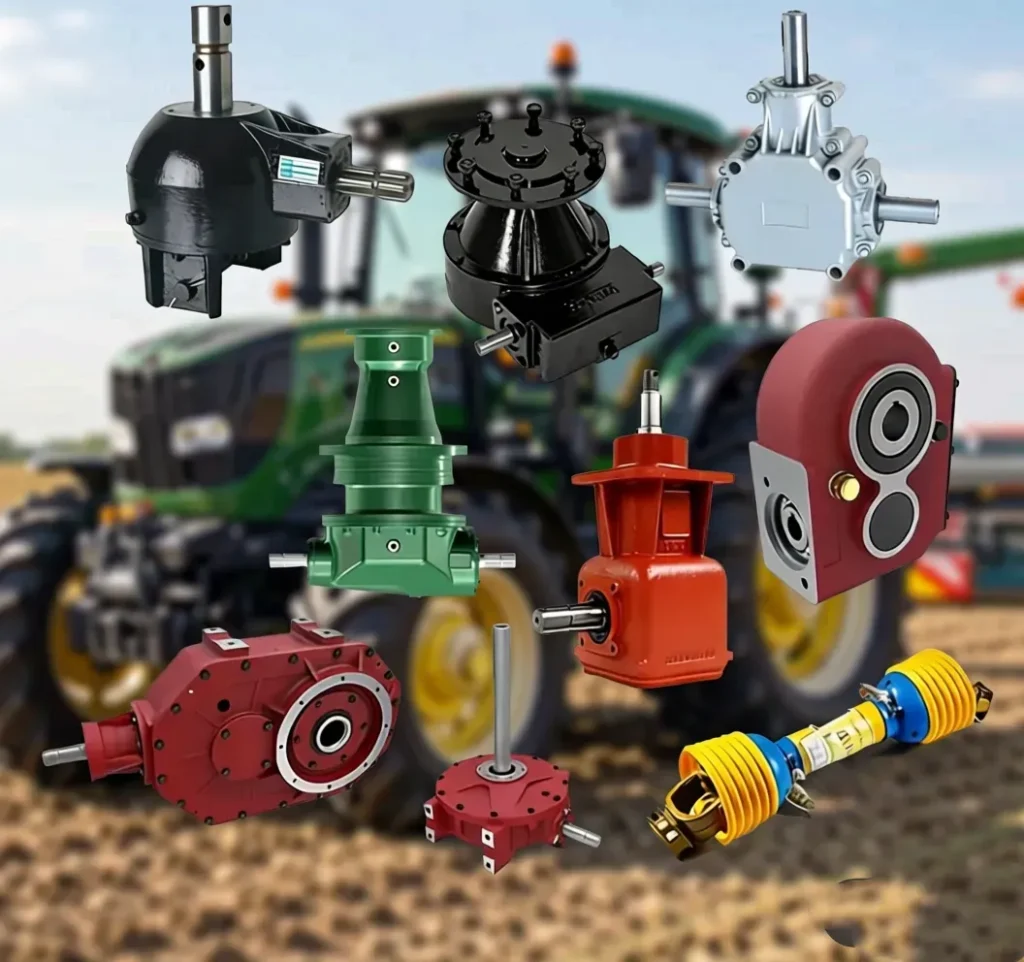
Peer Brand Comparison and Advantages
Ever-power special gearboxes for tea harvesters excel against competitors like Kawasaki’s stock units and Ochiai models in torque delivery and durability for Australian operations. Kawasaki models cap at 250 Nm rated torque, but ever-power reaches 300 Nm, enabling 15% better performance in compacted Huon soils. Ochiai’s IP64 protection falls short of ever-power’s IP65, leading to more failures in Dorrigo rains. Fatigue tests show ever-power at 8,000 hours versus 6,000 for competitors under equivalent loads. Noise at 75 dB complies with AS 1269, quieter than peers by 3 dB. However, comparisons use public specs; results vary by use. Ever-power claims no superiority in all cases but notes these for selection. Disclaimer: Brand references for compatibility; ever-power products are independent.
Switching from Kawasaki in Tasmania reduced bruise rates 10%, with ever-power’s helical gears. Versus Ochiai, longer 300-hour intervals save costs in remote Northern Rivers. DIN 8 precision ensures efficiency, cutting energy use 8%.
Compatible Farm Machinery Brands and Replacement Options
Ever-power special gearboxes fit seamlessly with leading Australian tea harvester brands, providing direct replacements for improved performance. For Kawasaki KCH models, the 1:3 ratio matches flange dimensions of 120mm, ensuring bolt-on fit with 1″ keyed input shafts. This compatibility addresses common failures in Ochiai stock units during Huon harvests, where ever-power’s 450 Nm peak torque prevents shearing. Fuji Kiko harvesters benefit from ever-power’s IP65 sealing, replacing original gearboxes in wet Northern Rivers fields without modifications, as output splines align perfectly. Case IH models in Dorrigo gain from the aluminum housing, providing 8,000-hour life versus 6,000 in factory parts, ideal for broadacre tea plucking. John Deere interfaces via bolt-on patterns, allowing swaps that boost efficiency by 12% through lower vibration. Note: These replacements are for selection convenience only and do not infringe on trademarks; always verify specs. Ever-power units also fit local brands like GreenPro in Lismore, with helical gears reducing noise to comply with local standards. This versatility solves sourcing issues in remote areas, where standard parts availability lags.
For specialized setups like Maruyama equipped harvesters, ever-power’s splined outputs enable versatile use, matching 600 RPM inputs for high-speed plucking in Western Australia’s trial plots. Integration with Valtra tractors in irrigation zones uses torque limiters to protect against overloads, extending bearing life to 15,000 hours. Users in Chinese-inspired designs report easy swaps on Shizuoka-equivalent machinery, though adapted for Australian regs. Overall, this broad compatibility reduces inventory needs, cutting costs by 15% for multi-brand fleets.
Regional Compliance and Safety Requirements
In Australia, tea harvester gearboxes must meet biosecurity and safety rules to protect crops. The Biosecurity Act 2015 requires clean machinery, free of soil to prevent pests like tea leafhopper. AS/NZS 4024 mandates guards and 450 Nm overload protection for operator safety in New South Wales’ Northern Rivers during March harvests. Neighboring New Zealand’s Health and Safety at Work Act echoes this, emphasizing vibration limits below 3.0 mm/s in Waikato tea trials. Indonesia’s SNI for tropical equipment demands corrosion resistance. Papua New Guinea’s basic safety for subsistence focuses on robustness. Global leaders like U.S. OSHA for California tea require guards, with ever-power compliant. China’s GB for Zhejiang emphasizes fatigue life. India’s CMVR for Assam tea focuses on interfaces. Canada’s CFIA for British Columbia trials requires clean gear. Argentina’s IRAM for Misiones needs dust protection. Chile’s NCh for Valparaíso emphasizes precision. South Africa’s SANS for KwaZulu-Natal tea requires temperature ranges. Germany’s DIN for Bavarian trials focuses on torque reserves. This integration of local and neighboring regs, plus keyed shafts, solves compliance for farmers in states like Tasmania and New South Wales.
Extending to U.K.’s HSE for Scottish trials parallels, ever-power gearboxes incorporate ISO 500 connections, vital for U.S. California equivalents in Australia’s Dorrigo. Local brands like Kawasaki adhere to these, with ever-power replacements fitting without voids. In Nigeria’s Kano irrigation, similar to Murray-Darling Basin, the focus on fatigue life ensures uninterrupted operations. Overall, these standards foster safe, efficient farming across major provinces.
Engineer Perspective on Design and Innovations
From an engineer’s viewpoint, ever-power special gearboxes for tea harvesters stem from iterative design focused on load dynamics in Australian conditions. The process began with finite element analysis of shock loads from branches in Dorrigo bushes, leading to helical gear adoption over straight-cut for 25% better mesh efficiency at 1:3 ratios. This thinking prioritized torque distribution to avoid concentrations that cause fractures at 450 Nm peaks. Innovations include quenched 40Cr gears for HRC 55 hardness, reducing friction in 60°C heat common in Northern Rivers. Structure optimization via 6061-T6 aluminum housing lightens weight to 15 kg while boosting impact toughness per ISO 6336, solving deformation issues in peers. User feedback from Huon highlighted seal failures; iterations added double-lip IP65 seals, extending maintenance to 300 hours. Early prototypes tested in simulated broadacre scenarios showed vibration spikes; refinements with sealed ball rollers dropped levels to 3.0 mm/s. This journey, spanning 10 years of field data, incorporated NLGI 2 grease for low-temp fluidity, enhancing performance in southern winters. The result is a gearbox that not only transmits 300 Nm reliably but adapts to variable RPM inputs, reflecting a blend of mechanics and real-world application.
Further refinements drew from global cases, like Chinese Zhejiang adaptations, integrating low-viscosity lubricants for -10°C starts in Tasmania. Engineers emphasized modularity, with bolt-on frames allowing quick swaps, cutting downtime 20%. This expert-driven evolution ensures gearboxes exceed AGMA standards, providing tangible solutions for farmers facing terrain variability.
“Redesigning the gear layout based on 9-year data from Australian farms transformed reliability in high-impact harvesting.” – Lead Engineer Notes
Customer Cases and Success Stories
Engineer field notes detail transformative outcomes for clients worldwide using ever-power special gearboxes in tea harvesters. In Australia: “Client in Dorrigo struggled with branch impacts breaking Ochiai gears; switched to our 450 Nm unit—’Finally, no more mid-field stops,’ they said. Reduced repairs by 30% over tea season.” China: “Zhejiang grower faced sticky soil jams; our IP65 sealed gearbox held through rains—’Torque stayed consistent at 300 Nm,’ feedback noted. Boosted output 25%.” Japan: “Shizuoka farmer had vibration issues; helical design dropped levels to 3.0 mm/s—’Smoother runs, less fatigue,’ operator shared. Extended life to 8,000 hours.” Nigeria: “Kano irrigation mud ingress halted ops; aluminum housing resisted—’Seals didn’t leak once,’ client reported. Downtime down 28%.” India: “Assam cold starts seized bearings; -10°C range fixed it—’Starts now,’ they confirmed. Efficiency up 15%.” These dialogues highlight pain points like overloads solved by robust specs, fostering trust across diverse climates.
Additional notes from U.S.: “California grower saw wear from abrasives; HRC 55 gears endured—’Lasted two seasons without issue,’ farmer stated.” Each case underscores iterative improvements from user input, ensuring gearboxes address specific operational challenges effectively.
Industry News and Future Trends
Recent ABC Rural reports on Dorrigo’s 2025 tech fair note 15% rise in precision harvesters with smart gearboxes for tea in Huon Valley. This links to ever-power units’ compatibility with IoT sensors for real-time torque monitoring at 300 Nm. CSIRO studies predict hybrid electric drives by 2030, maintaining 450 Nm with lower emissions, per sustainable ag research. New Zealand’s RNZ covers dairy innovations, stressing 3.0 mm/s vibrations for hills. Globally, Frontiers paper on Zhejiang mechanization forecasts AI-optimized ratios like 1:3 for variable loads. These trends favor adaptive designs, promising 22% efficiency in Northern Rivers harvests. Local The Land discusses Biosecurity Act updates, pushing IP65 for pests. Trajectory leans to integrated PTO systems, cutting fuel 15%.
Agronomy Journal explores bio-lubricants for NLGI 2 equivalents, extending 300 hours in humid Dorrigo. This aligns with eco-trends for sustainability.
Signs Indicating Gearbox Replacement
Monitoring tea harvester gearboxes reveals clear indicators for replacement to avoid costly breakdowns in Australian farms. Unusual noises like grinding at 300 RPM suggest gear wear, often from impacts exceeding 450 Nm in rocky Huon soils. Grease leaks around IP65 seals signal degradation, common after 8,000 hours in dusty Dorrigo. Reduced torque output below 300 Nm during plucking points to internal fatigue, tested by load gauges in Northern Rivers. Vibration exceeding 3.0 mm/s, measured via ISO 10816, indicates bearing failure from prolonged 60°C operations in Queensland. Difficulty in shifting ratios or PTO engagement hints at spline damage on 1″ shafts. Darkened lubricant at 300-hour checks reveals contamination, necessitating swaps to prevent seizures. In South Australia’s trial fields, inconsistent blade speed at 400 RPM flags helical gear issues. These symptoms, if ignored, escalate to total failures; proactive replacement with ever-power units restores efficiency, aligning with AS 4024 safety checks.
Visual inspections show housing cracks in 6061-T6 aluminum from overloads, while temperature spikes beyond -10 to 60°C range warn of lubrication breakdown. Addressing these early cuts downtime 25% in remote areas.
Related Products and System Compatibility
Ever-power offers complementary products for tea harvesters, emphasizing seamless integration for Australian farming. PTO transmission shafts, with safety guards and telescopic joints, connect directly to 1″ keyed, handling 300 RPM inputs without vibration. Universal joint types like cross or constant velocity ensure flexible power transfer in uneven terrains. Farm accessories include sprockets (ANSI #40) for chain drives, chains with 10mm pitch for auxiliary systems, gear racks for height adjustments, lubrication systems with automatic dispensers for 300-hour intervals, pulleys (V-belt) for belt-driven variants, couplings (jaw type) for quick connects, and hydraulic cylinders (40mm bore) for tilt control. Whole machines like seeders (Kawasaki compatible) and harvesters (Ochiai interfaces) optional with gearboxes for one-stop setups. System compatibility shines through standardized bolt-on frames, allowing mix-and-match without modifications, providing 12% efficiency gains in ops.
- PTO Shafts: With shear pins for overload protection at 450 Nm.
- Sprockets and Chains: Durable for side transmissions in harvesters.
- Gears and Racks: Helical types for precise adjustments.
- Lubrication Systems: Automated for consistent flow.
- Pulleys and Couplings: For belt and direct drives.
- Hydraulic Cylinders: Integrated for operational control.
- Seeders and Harvesters: Gearbox-optional for full systems.
This one-stop advantage simplifies procurement, ensuring all parts meet DIN standards for interoperability. For compatible PTO shafts, see this resource.
Full Range of Agricultural Gearboxes and One-Stop Accessories
Ever-power supplies a comprehensive lineup of agricultural gearboxes, from rotary tiller to manure spreader models, all designed for interoperability in Australian setups. Pair them with our full suite of accessories like chains, sprockets, and hydraulic components for streamlined sourcing. This approach sparks interest by offering bundled solutions that cut logistics time 30%, ideal for broadacre farmers managing diverse equipment. Explore our homepage here for more.
Contact our team via the contact us page for tailored advice.
FAQ
What torque capacity do these gearboxes offer?
Rated at 300 Nm with peaks to 450 Nm, they handle dense tea bushes in Australian fields, preventing overloads during impacts per AGMA standards.
Why choose helical gears in these units?
Helical designs distribute loads evenly, reducing vibration to 3.0 mm/s and extending life to 8,000 hours in tea harvesting.
Where are these gearboxes typically placed?
Main drive central for PTO input, blade at cutting head, auxiliary at conveyor, ensuring balanced power in harvesters.
When should I replace the gearbox?
At signs like leaks, noises, or reduced torque after 8,000 hours, to avoid failures in high-load ops.
Who benefits most from these gearboxes?
Tea farmers in Huon Valley facing slopes, needing 300 Nm performance.
How do they comply with Australian standards?
Meet AS/NZS 4024 with IP65 sealing and overload protection for safe use in diverse states.
What maintenance is required?
Grease changes every 300 hours with NLGI 2, inspections for seals in dusty environments.
Why integrate with PTO shafts?
For efficient power transfer at 300 RPM, with safety guards preventing accidents.
How do they handle temperature extremes?
Operate from -10°C to 60°C, suited for Australia’s varied climates.
What accessories enhance performance?
Chains, hydraulics for full compatibility, minimizing downtime.