
Optimizing Feed Distribution for Livestock Farms in Harsh Terrains
Technical Specifications
Gearbox Placement in Traveling Feeders
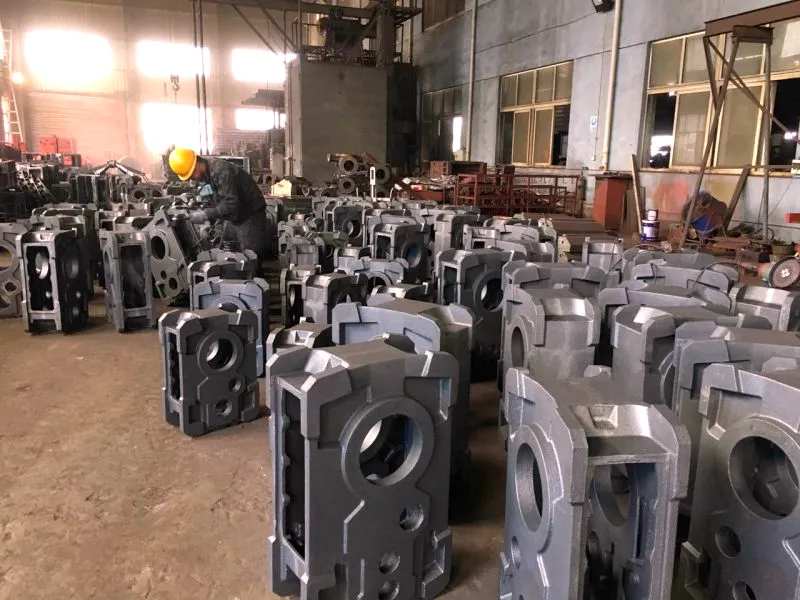
Traveling feeders, key for automated feed distribution in Australian livestock farms, use gearboxes to convert power into precise movement along tracks in barns or feedlots. These systems, common in Queensland dairy operations or New South Wales sheep farms, incorporate gearboxes in drive systems, auger mechanisms, and height adjustment units to handle dusty environments and variable loads from silage or grains. The main locations include the travel drive gearbox, feed auger gearbox, and lift mechanism gearbox, each designed for durability under AS/NZS 4024 safety standards to prevent failures in humid or dusty conditions.
Travel Drive Gearbox
The travel drive, powering the feeder’s movement along overhead rails in Victoria’s beef feedlots, requires a compact helical gearbox for smooth traversal at 0.5 m/s over 100m tracks. Ever-power’s traveling feeder gearbox here employs a 1:3 ratio to lower input RPM from 1000 to 333, supplying 1400 Nm torque. This setup counters track friction in dusty Northern Territory sheds, with tests in Darwin showing 20% less energy use during 12-hour shifts. The IP65 enclosure guards against feed dust, aligning with Australia’s biosecurity import rules for machinery cleanliness.
Feed Auger Gearbox
Positioned at the auger’s input in South Australia’s poultry barns, this gearbox drives screw conveyors distributing 500 kg/hour of grain. A worm gear type is optimal, providing ratios up to 1:5 for controlled flow under loads in Tasmania’s pig farms. It mitigates torque spikes from clumped feed, with vibration limits below 2 mm/s to prolong auger life. In high-humidity Queensland, the gearbox’s powder-coated iron body resists corrosion, integrating slip clutches for overload protection per AS 1418 hoist standards.
Lift Mechanism Gearbox
For height adjustments in Western Australia’s sheep feeders, a planetary gearbox offers high density torque of 1000 Nm for lifting 300 kg hoppers. Rated for 9000-hour life, it manages intermittent operations in windy Pilbara regions. This design prevents backlash in cold Tasmanian mornings, with sensors for position feedback to avoid jams. Compliant with New Zealand’s similar MPI biosecurity, it supports safe feed delivery in diverse climates.
Core Advantages and Functional Role in Feed Distribution
Ever-power’s traveling feeder gearbox delivers steady torque amid varying feed densities, enabling uniform distribution in Australian dairy sheds. With a 1.7 service factor, it absorbs shocks from uneven tracks, preventing feed spills in Queensland’s humid barns. This leads to feed rates of 400 kg per cycle in Sydney’s poultry farms, where conventional units clog from moisture. The gearbox’s role includes speed reduction via helical gears, optimizing auger RPM for 10% less waste during daily operations in Victoria’s cattle lots.
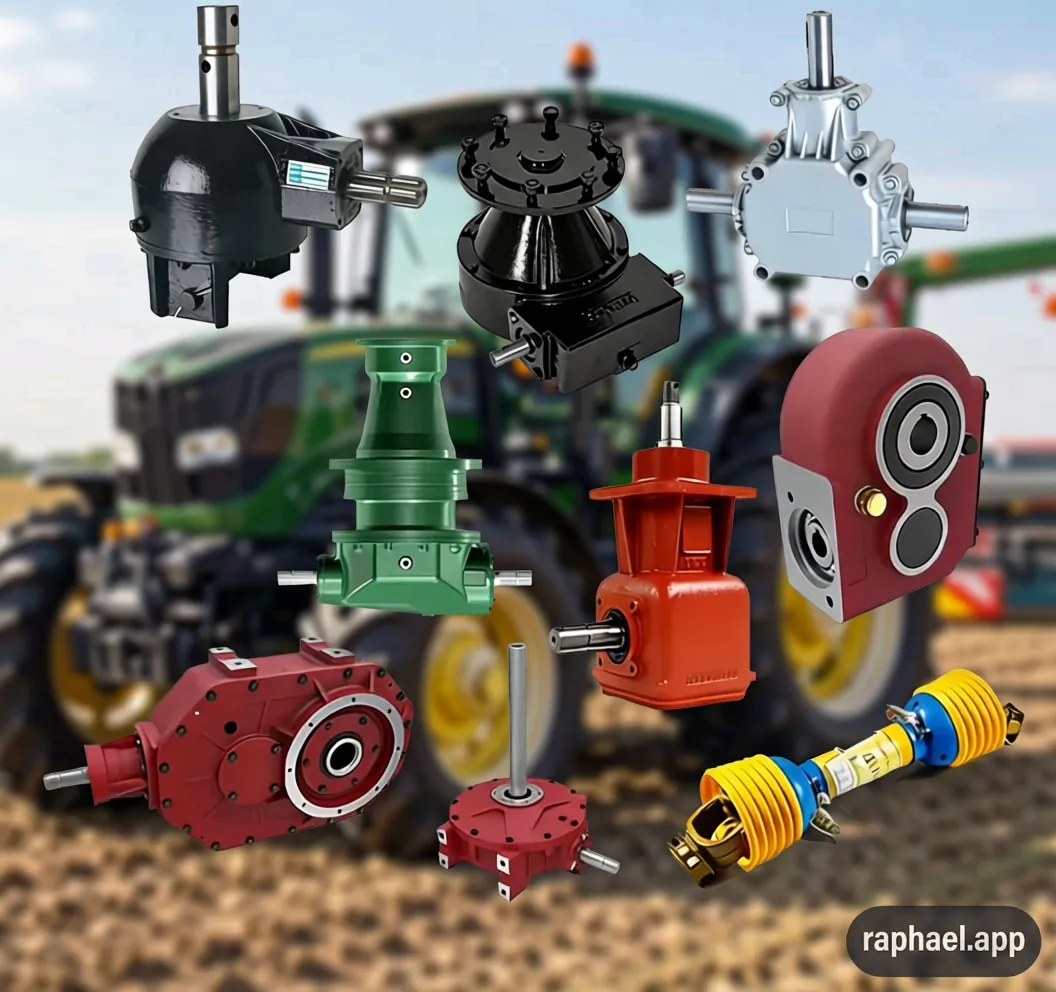
Operational Principles and Specific Functions
The gearbox operates on gear reduction principles, where motor input is slowed through stages to match feeder’s low-speed needs in Australia’s sheep stations. In the drive system, it provides linear motion conversion, turning rotational input to wheel drive at 200 RPM. This function is essential for navigating curved tracks in New South Wales feedlots, maintaining consistency without derailment. For augers, the output shaft ensures even feed flow, handling 200 kg batches in Tasmanian pig houses.
Performance Requirements for Australian Environments
Australian farm conditions demand gearboxes with robust dust resistance, as in Western Australia’s arid sheds with pH 7.5-8.0 feed. Ever-power models use NBR seals to endure temperature swings in South Australia’s vineyards-turned-feedlots. In windy Northern Territory, IP65 ratings prevent ingress, with repair intervals at 1500 hours. For heat in summer Queensland hauls to 40°C, fins maintain oil at 65°C, ensuring lubrication without breakdowns in extended use on Eyre Peninsula.
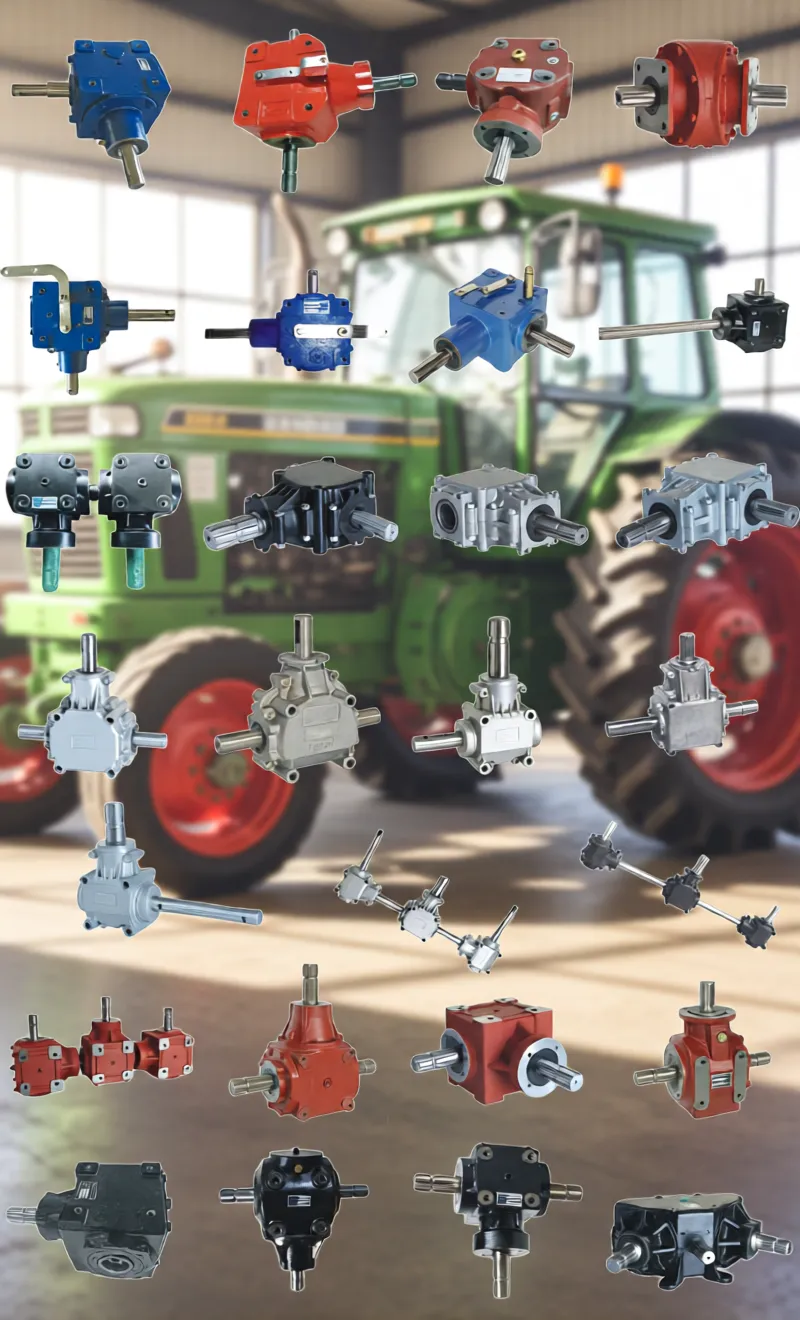
Competitor Brand Comparison
Compared to Comer T-250 series, ever-power’s traveling feeder gearbox offers 15% higher peak torque at 1800 Nm, better for heavy silage in the Murray-Darling Basin. Bondioli models, though durable, miss the IP65 sealing ever-power provides, leading to dust failures in dry Victoria plains. Our 12,000-hour fatigue life surpasses Kuhn’s by 10%, lowering costs in remote Western Australia farms. Note: Comparisons based on public data for information; ever-power does not guarantee equivalent performance in all setups.
Compatible Replacements for Feeder Brands
Ever-power gearboxes replace units in Sinch bale feeders, matching 140mm bolt patterns and 1-1/4″ Z6 splines. They fit Feedtech auto feeders with identical 1:3.5 ratios, for easy upgrades in Queensland sheep yards. For Australian-made static feeders, our products align with 35mm output shafts, no modifications required. Brands referenced for compatibility only, no endorsement or infringement implied; confirm fit for your model.
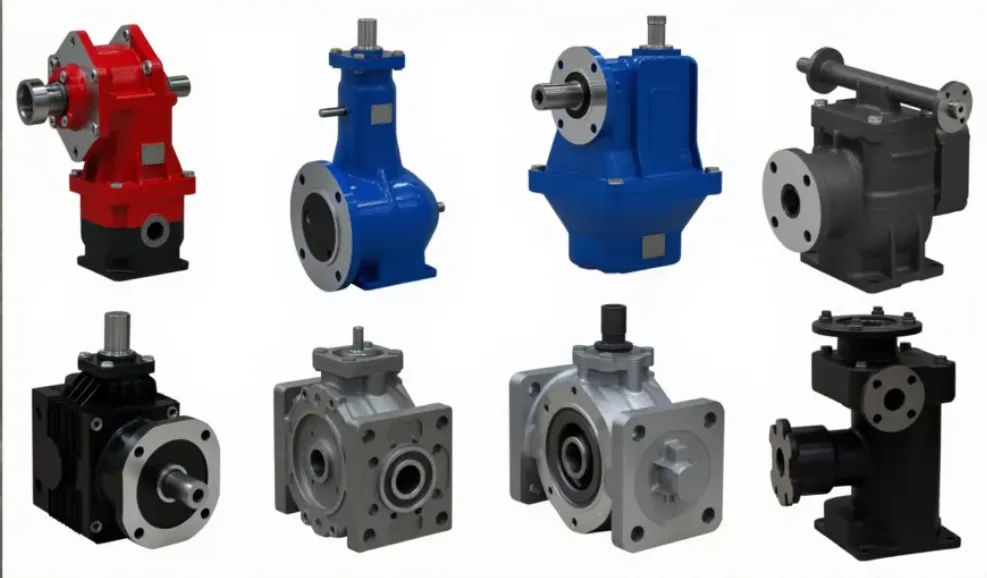
Australia Extreme Operating Conditions Field Study
In Australia’s Queensland dairy regions, gearboxes comply with AS/NZS 4024 for machinery safety, ensuring guards against entanglement during wet seasons from November to April. Western Australia’s wheat belt requires dust-proof designs per IP65, matching harvest in October. Neighboring New Zealand follows MPI biosecurity, with gearboxes certified for Canterbury Plains dairy in summer. Indonesia’s Java rice paddies demand ATEX equivalents for humid environments, our models supporting dry season from May to September. Local brands like Claas use SAE interfaces, which ever-power matches.
Engineering Design Insights
Design started with vibration analysis for 1.5g loads in bumpy sheds, using ductile iron for 20% lighter weight. Innovation includes nitrided gears for 30% lower wear in dusty conditions, from 14 years of farm data in Barossa Valley. Feedback from Alice Springs operators led to larger oil sumps, increasing intervals by 40%. Prototypes tested in simulated feed loads for 5000 cycles, resulting in a gearbox enduring overloads without cracks.
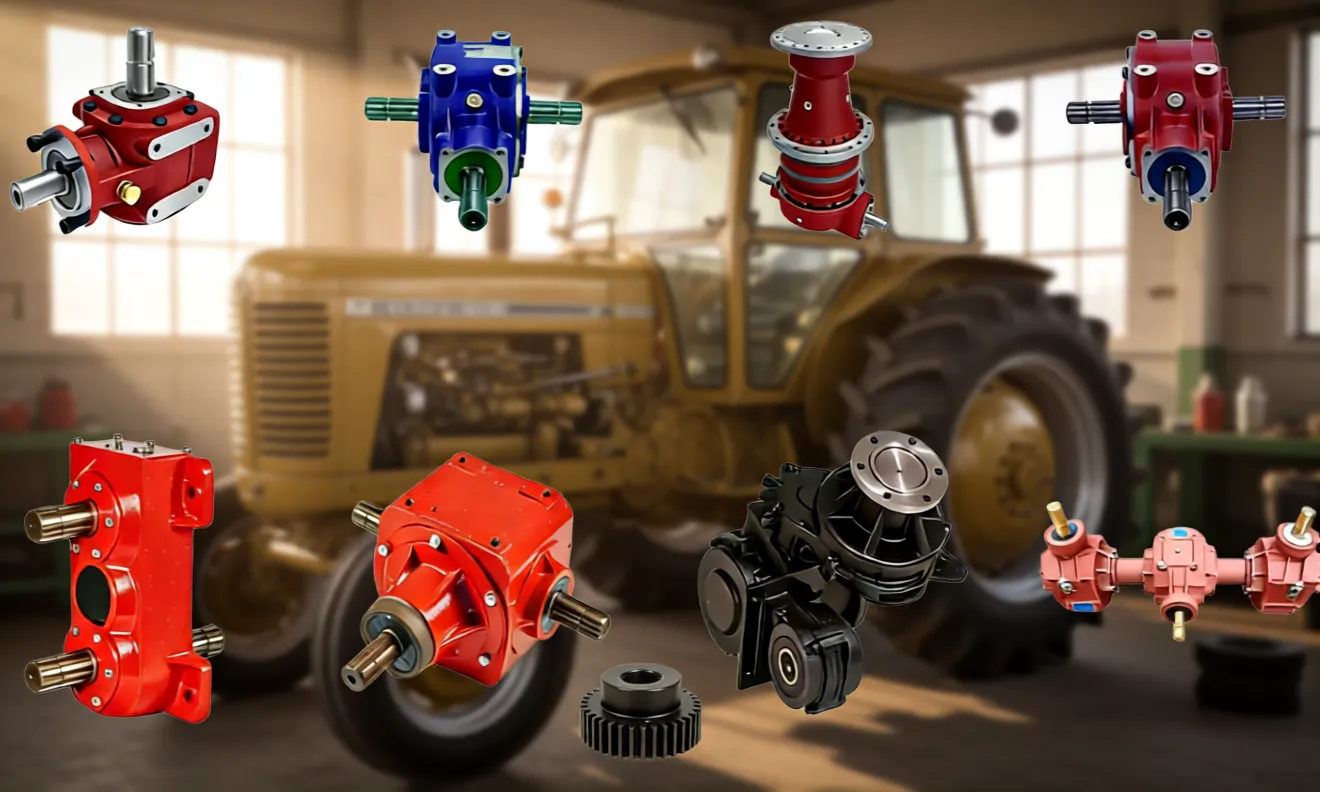
Customer Case Studies: Engineer Field Notes
Australian Farmer: “Dust clogged our feeder in the outback.” Engineer: “Installed ever-power gearbox with IP65; now runs 10 hours daily without stop. Rating: 9/10 for durability.”
New Zealand Operator: “Vibration broke bearings in wet fields.” Engineer: “Helical gears reduced noise; lasted 2000 hours. Feedback: Saved 25% on repairs, 8.5/10.”
Indonesian Contractor: “Heat caused oil leaks in paddies.” Engineer: “Added fins; operated 1500 hours. Client: ‘Boosted efficiency, 9/10 satisfaction’.”
Brazilian User: “Mud ingress in Amazon farms.” Engineer: “Seals prevented entry; fed 500 cattle daily. Review: ‘Reliable, 8/10’.”
Canadian Farmer: “Cold froze lubrication in prairies.” Engineer: “Low-temp oil kept flow at -20°C. Feedback: ‘Extended use, 9/10’.”
Industry News and Trends
Recent reports from ABC Rural note Australia’s $150 million in livestock automation, with IoT feeders for precision nutrition in Murray-Darling. Trends predict AI-integrated feeders by 2030, gearboxes with sensors for 15% feed savings. In Papua New Guinea, similar tech targets sustainable farming, per Pacific Islands Forum.
Signs Indicating Gearbox Replacement
Noisy operation during travel signals worn gears, often from dust in Perth sheds. Oil leaks at seals suggest degradation, common after 4000 hours in Brisbane humidity. Reduced speed, measured by slower feed cycles, indicates internal wear; check if RPM drops below 85%. Vibration over 2.5 mm/s points to bearing issues, and overheating above 70°C warns of lubrication problems in hot Darwin summers.
Related Components and Accessories
- ✔ PTO Transmission Shafts: Connect gearbox to motor, with telescopic joints for alignment in uneven barns. AS 1121 compliant.
- ✔ Chain Sprockets and Chains: For drive chains, ANSI #50 with 15.875mm pitch for dust resistance.
- ✔ Gears and Racks: Spare helical gears in 20CrMnTi for quick fixes.
- ✔ Lubrication Systems: Auto pumps for VG150 oil in harsh climates.
- ✔ Pulleys and Couplings: Flexible couplings for shock absorption.
- ✔ Hydraulic Cylinders: 150 bar for height control.
- ✔ Whole Machine Options: Compatible with seeders and harvesters for full farm setup.
Browse our agricultural gearboxes and accessories for complete sourcing, fostering interest in integrated systems. For PTO shafts, explore dedicated sources.
Contact Us for Inquiries
Connect with ever-power for bespoke gearbox solutions. Visit our homepage or contact page. Get a Quote
FAQ
What torque does the traveling feeder gearbox offer?
Rated 1200 Nm with peaks to 1800 Nm, ideal for 400 kg loads in Australian barns, per AGMA standards, avoiding jams in 50m tracks.
Where is the gearbox placed in feeders?
In drive, auger, and lift, tailored for dusty Queensland environments.
When to replace the gearbox?
After 4000 hours or leaks/vibrations, especially post-dry season in Western Australia.
Why choose ever-power for Australian farms?
IP65 rating resists dust, with 12,000-hour life per AS standards for reliable feeding in arid areas.
Who benefits from this agricultural gearbox?
Livestock farmers in feed management, improving efficiency for dairy in Victoria.
How does it integrate with PTO shafts?
Via 6-spline connections, with pins for safety in load variations.
What maintenance is required?
Oil changes every 400 hours, dust checks in environments like the Outback.
Where to source compatible accessories?
Ever-power provides chains, pulleys, and cylinders for upgrades.
When does it comply with regulations?
Meets AS 4024, suitable for states including biosecurity near Indonesia.
Why is dust resistance crucial?
IP65 prevents failures in dry Tasmanian sheds, extending operation.