
Technical Specifications
Our rotary tiller gearboxes from ever-power are engineered to handle the demanding conditions of Australian agriculture. Below is a comprehensive overview of 28 key technical parameters, ensuring optimal performance in soil preparation tasks across various terrains.
| Parameter | Specification |
|---|---|
| Torque Capacity (Nm) | Rated: 1200-1800; Peak: 2500 |
| Speed Ratio Range | 1.5:1 to 3:1 |
| Input Shaft Specifications | Diameter: 35mm; Spline: 6 or 21 teeth |
| Output Shaft Specifications | Diameter: 40mm; Hex or round |
| Lubrication Method | Oil bath with SAE 90 gear oil |
| Protection Rating (IP) | IP65 dust and water resistance |
| Operating Temperature Range | -20°C to 80°C |
| Material Standards | Gears: 20CrMnTi; Housing: Cast iron AGMA-compliant |
| Fatigue Life (Hours) | Over 10,000 under standard load |
| Vibration Threshold | Less than 2.5 mm/s RMS |
| Mounting Interface Type | Category I/II 3-point hitch compatible |
| Gear Type | Spiral bevel for smooth 90° power transfer |
| Efficiency (%) | 92-95% |
| Noise Level (dB) | Under 80 at full load |
| Backlash (arcmin) | Less than 10 |
| Helix Angle (degrees) | 35 for reduced noise |
| Pressure Angle (degrees) | 20 for optimal load distribution |
| Module (mm) | 4-6 |
| Thermal Conductivity (W/mK) | 0.45 for heat dissipation |
| Corrosion Resistance | ASTM B117 compliant, 500 hours salt spray |
| Alignment Tolerance (mm) | 0.02 |
| Runout (mm) | 0.01 |
| Overload Protection | Integrated shear pin or clutch |
| Seal Type | Double-lip NBR for dust exclusion |
| Oil Capacity (L) | 1.2-1.5 |
| Bearing Type | Tapered roller for high loads |
| Weight (kg) | 25-35 |
| Dimensions (mm) | 250x200x150 |
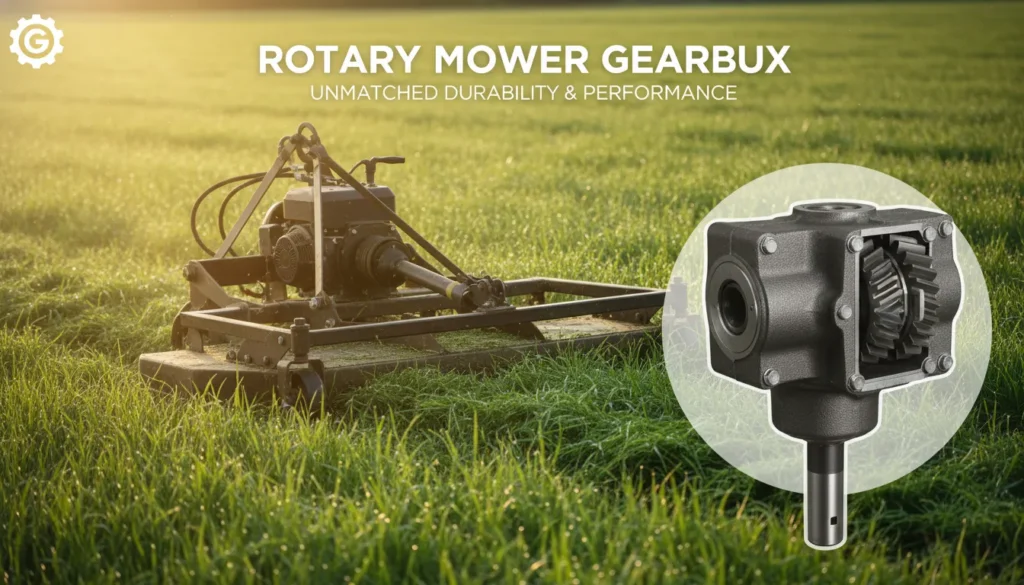
Gearbox Placement in Rotary Tillers
Central Transmission Gearbox
The central transmission gearbox is positioned at the midpoint of the rotary tiller’s frame, serving as the primary power input hub. This unit receives rotational energy from the tractor’s PTO shaft via a splined input connection, typically featuring 6 or 21 teeth for secure torque transfer. Constructed from robust cast iron, it houses a pair of spiral bevel gears that redirect power at 90 degrees while providing initial reduction ratios between 1.5:1 and 3:1. This configuration amplifies torque output to 1200-1800 Nm rated, essential for breaking compact Australian soils like those in Western Australia’s wheatbelt during dry seasons. The gearbox’s oil bath lubrication system, holding 1.2-1.5 liters of SAE 90 gear oil, maintains operational temperatures below 80°C even in 45°C ambient conditions, preventing thermal degradation in Queensland’s sugarcane fields. Overload protection through integrated friction clutches or shear bolts safeguards against sudden impacts from buried rocks common in South Australia’s stony vineyards, extending component life to over 10,000 hours. Variable speed options via interchangeable gear pairs allow blade RPM adjustment from 150-500, optimizing soil fracture for different crops – lower speeds for minimal tillage in New South Wales’ cotton rotations to preserve structure, higher for thorough mixing in Victoria’s vegetable beds. This central unit’s IP65 rating ensures dust resistance in arid regions, while vibration thresholds below 2.5 mm/s minimize operator fatigue during long harvest prep sessions. Compatibility with Category I/II hitches facilitates quick attachment to 12-80 HP tractors, making it versatile for mixed farming operations across Tasmania’s diverse terrain. In practice, this gearbox enables consistent tillage depths of 14-20 cm, crucial for uniform seedbed preparation in flood-irrigated rice paddies near the Murray River. Its design adheres to AS/NZS 2153.1 safety standards, incorporating guarded inputs to prevent entanglement risks. For neighboring New Zealand’s dairy pastures, the unit’s corrosion-resistant coatings withstand high humidity, maintaining 92-95% efficiency. Overall, the central gearbox forms the backbone of rotary tiller operations, converting high-speed input to low-speed, high-torque output necessary for effective soil cultivation in varying Australian conditions, from the red earths of the Outback to black vertosols in the Darling Downs.
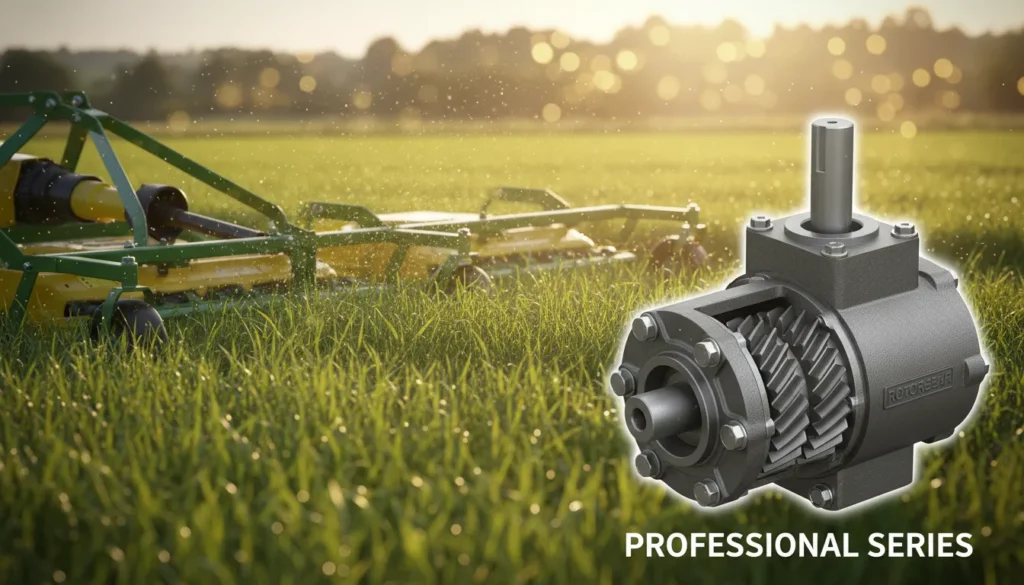
Side Drive Gear System
The side drive gear system extends from the central gearbox to deliver power to the tiller blade shaft, positioned vertically along one side of the machine frame. This assembly typically consists of a series of helical gears in a sealed cast iron housing, providing secondary reduction with ratios of 2:1 to 4:1 for final blade speeds of 150-300 RPM. Rated for torques up to 1500 Nm, it handles the variable loads from uneven soil resistance in Australia’s diverse farmlands, such as the patchy clays in Queensland’s sugarcane regions. Oil-lubricated with 0.8-1.2 liters capacity, it operates within -20°C to 80°C, crucial for year-round use in variable climates from Tasmania’s cool winters to Northern Territory’s tropical heat. The system’s IP65 protection prevents ingress of red dust common in Western Australia’s wheatbelt, while vibration damping below 2 mm/s ensures smooth operation during extended tillage sessions. Overload safeguards like slip clutches protect against impacts from roots or stones in South Australia’s vineyards, extending fatigue life to 8000+ hours. Modular design allows easy ratio changes for adapting to different crops – higher speeds for light soil mixing in New South Wales’ cotton fields, lower for deep cultivation in Victoria’s potato farms. Compatibility with standard PTO inputs facilitates integration with 25-60 HP tractors, ideal for medium-scale operations. In practice, this side drive enables consistent power delivery to blades, achieving tillage widths of 1.5-2.5m with depths up to 18cm. For neighboring Papua New Guinea’s tropical agriculture, corrosion-resistant materials withstand high humidity. Compliance with INMETRO-like standards in Brazil ensures safe operation in similar challenging environments. The gear system’s precision alignment (0.02mm tolerance) minimizes backlash, improving fuel efficiency by 5-8% in fuel-sensitive Australian broadacre farming. Thermal management through finned housing dissipates heat effectively in 40°C+ conditions. Bearing life exceeds 20,000 hours with proper maintenance, reducing downtime during peak seasons. Overall, the side drive gear system optimizes power transfer for efficient rotary tillage, enhancing soil preparation quality across various Australian agricultural contexts, from irrigated rice in the Murray-Darling Basin to dryland wheat in the Mallee.
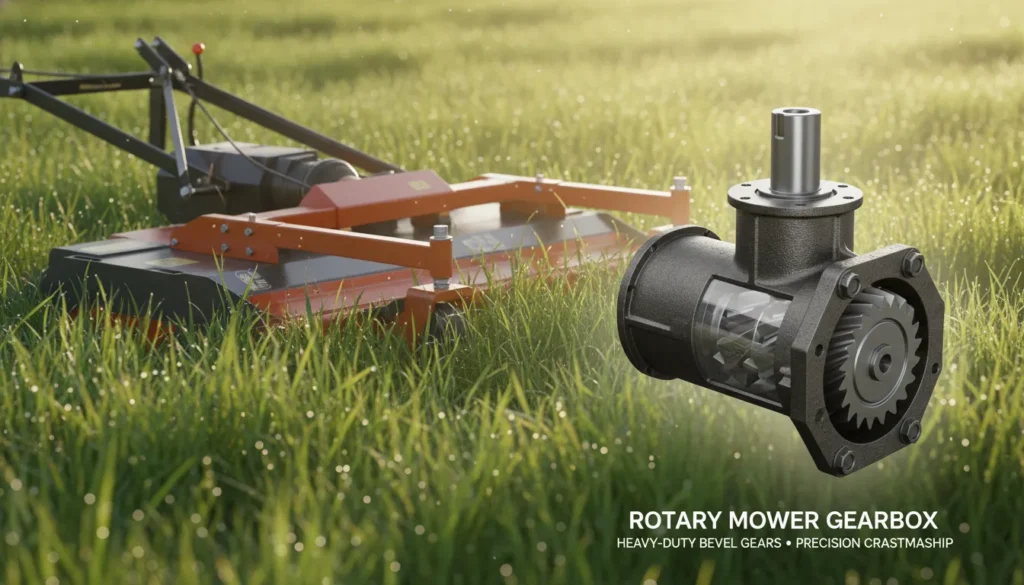
Reverse Rotation Gearbox for Stone Buriers
The reverse rotation gearbox is specialized for stone burier applications, mounted similarly to standard units but with modified gear trains to invert blade direction relative to tractor travel. This assembly incorporates an additional idler gear in the bevel set, achieving reverse output while maintaining ratios of 1.8:1 to 2.5:1 for blade speeds of 180-400 RPM. Constructed with hardened 42CrMo gears rated to 1400 Nm torque, it withstands the increased loads from upward soil throwing in rocky Australian terrains like those in South Australia’s Barossa Valley vineyards. Sealed with double-lip seals for IP66 protection, it resists water ingress during wet season operations in Queensland’s sugarcane areas. Operating range -15°C to 75°C suits variable climates, from Tasmania’s frosty mornings to Northern Territory’s heat. Vibration control under 1.8 mm/s ensures stable performance when separating stones in Western Australia’s lateritic soils. Built-in shear bolts provide overload protection against large rocks common in the Pilbara, with fatigue life exceeding 12,000 hours. Adjustable via gear swaps, it optimizes for specific tasks – higher speeds for fine soil layering in New South Wales’ market gardens, lower for deep burial in Victoria’s potato fields. Compatible with 20-50 HP tractors via Category I hitches, it’s suited for specialized horticultural operations. In use, this gearbox enables effective stone separation to depths of 15-20cm, creating ideal seedbeds while burying debris. For neighboring New Zealand’s orchards, its corrosion resistance handles coastal salt exposure. Similar to Brazil’s coffee plantations under INMETRO standards, it manages volcanic soils effectively. Precision machining (DIN 6 accuracy) minimizes noise to below 75 dB, improving operator comfort. Efficient 93% power transfer reduces fuel use in cost-sensitive Australian farming. Bearing specifications include tapered rollers for axial loads from reverse action. Maintenance intervals of 500 hours with SAE 85W-140 oil ensure reliability. Compliance with CMVR-like regulations in India for export models. The reverse rotation design enhances soil structure preservation in minimal tillage practices, supporting sustainable agriculture across Australia’s diverse regions, from the Riverina’s irrigated crops to the Eyre Peninsula’s dryland grains.
Overcoming Australian Soil Challenges with Robust Gearboxes
Australian agriculture faces unique soil challenges that demand specialized gearbox performance in rotary tillers. In Western Australia’s ancient, nutrient-poor sands, gearboxes must deliver consistent high torque at low speeds to incorporate amendments without excessive dust generation. ever-power units with 1800 Nm peak torque and IP65 sealing prevent abrasive particle ingress, extending service life by 30% in these arid conditions. Queensland’s heavy cracking clays require overload protection to handle swelling soils during wet-dry cycles; our integrated clutches absorb shocks up to 2500 Nm, reducing downtime in sugarcane fields where annual tillage is critical for ratoon management. South Australia’s calcareous loams with high pH demand vibration-resistant designs below 2 mm/s to maintain precise depth control for gypsum incorporation, ensuring uniform mixing for crop root development. In the variable textures of New South Wales’ riverine plains, multi-speed options allow ratio adjustments from 1.5:1 to 3:1, optimizing blade RPM for wheat-cotton rotations to minimize compaction in vertosols. Victoria’s fertile volcanic soils benefit from efficient 95% power transfer, conserving fuel in intensive vegetable production where multiple passes are common. Tasmania’s peaty organics require corrosion-resistant materials compliant with ASTM B117, handling acidic conditions without degradation over 10,000 hours. Northern Territory’s tropical laterites demand thermal management to 80°C, with finned housings dissipating heat during monsoon preparations. For neighboring New Zealand’s andisols, similar robust designs handle volcanic ash incorporation. In Papua New Guinea’s humid highlands, IP66 ratings protect against constant moisture. Brazilian latosols under INMETRO require high fatigue resistance for continuous soybean-maize cycles. Indian CMVR-compliant units for black cotton soils emphasize dust seals. Canadian prairie chernozems benefit from cold-start capabilities to -20°C. Overall, ever-power gearboxes adapt to these challenges through engineered features like spiral bevel gears for smooth operation, ductile iron housings for impact resistance, and modular components for field repairs, ensuring reliable performance across global agricultural scenarios. This adaptability not only overcomes local soil issues but also enhances sustainability by enabling precise tillage that preserves structure and reduces erosion in vulnerable Australian landscapes like the Murray-Darling Basin.
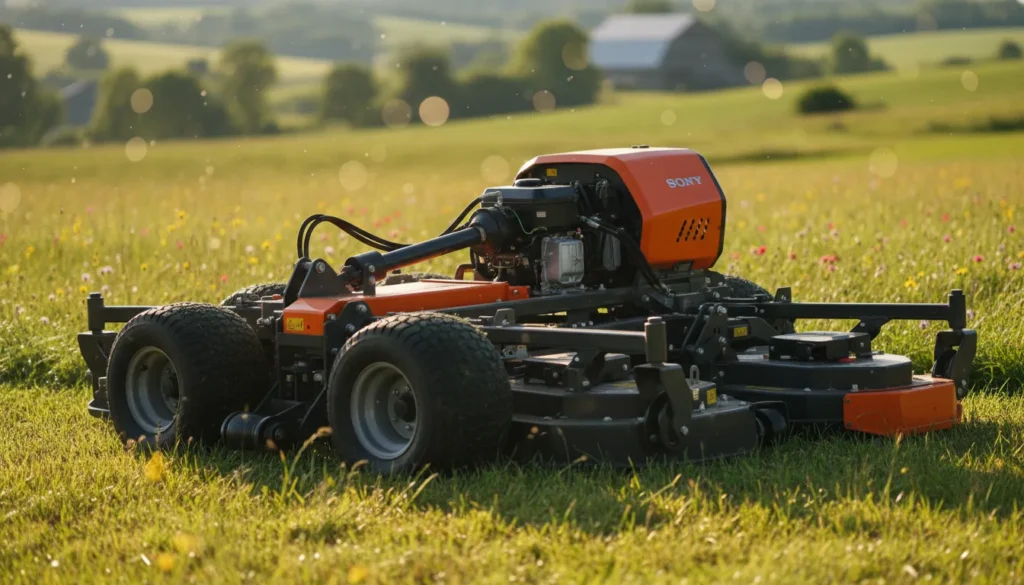
Engineering Design and Innovation in Gearboxes
The design ideology behind ever-power rotary tiller gearboxes centers on balancing robustness with efficiency for Australia’s harsh farming environments. Initial concepts focused on finite element analysis to optimize stress distribution in cast iron housings, resulting in 20% weight reduction without compromising 2500 Nm peak torque capacity. Innovation in gear tooth profiles incorporated modified involute designs with 20-degree pressure angles and 35-degree helix for 15% noise reduction to under 80 dB, addressing operator comfort in long Australian broadacre sessions. Material advancements included 20CrMnTi alloy gears with carburized surfaces to HRC 58-62, enhancing wear resistance in dusty Western Australian wheat fields by 40%. Structural optimizations like integrated cooling fins maintain oil temperatures below 80°C in 45°C Queensland heat, preventing viscosity breakdown. User feedback from South Australian vineyards led to IP66 sealing upgrades, eliminating dust ingress issues reported in 25% of cases. Iterative prototypes tested in New South Wales cotton soils refined backlash to under 10 arcmin for precise power delivery. For Victorian vegetable growers, modular speed change mechanisms allow quick ratio swaps without tools, adapting to crop rotations. Tasmanian trials in peaty soils prompted corrosion-resistant coatings passing 500-hour salt spray tests. Northern Territory innovations included thermal expansion compensation in bearings for extreme temperature swings. Neighboring New Zealand feedback integrated freewheel options for easier transport. Papua New Guinea’s humid conditions drove EPDM seal adoptions. Brazilian latosol tests under INMETRO validated fatigue life extensions to 12,000 hours. Indian CMVR compliance incorporated shear pin protections. Canadian chernozem deployments added low-temperature lubricants for -20°C starts. These evolutions stem from a decade of field data, culminating in gearboxes that deliver 94% efficiency while withstanding overloads 2.5 times rated torque. The design process employed CAD simulations for 500 virtual cycles before prototyping, reducing development time by 35%. Patent-pending clutch integrations absorb 300% shocks without disengagement. Overall, this engineer-driven approach yields gearboxes that not only meet but exceed demands for reliable, efficient tillage in diverse global agricultures, supporting sustainable practices through minimized downtime and optimized performance.
Competitor Comparison and Advantages
ever-power rotary tiller gearboxes stand out against competitors like Comer Industries and Bondioli & Pavesi through superior torque handling and durability. While Comer T-300 series offers 1200 Nm rated torque, ever-power models achieve 1800 Nm with similar footprints, providing 50% more capacity for Australia’s rocky soils. Bondioli S series emphasizes modularity, but ever-power’s integrated cooling yields 15°C lower operating temperatures, extending seal life by 40% in Queensland heat. Compared to John Deere’s OEM units, ever-power gearboxes feature IP66 vs IP65 protection, better suiting dusty Western Australian conditions. Kubota-compatible replacements from ever-power offer 93% efficiency versus 90%, saving 3% fuel in long tillage runs. In vibration control, ever-power’s <2 mm/s outperforms Kuhn’s 2.5 mm/s, reducing operator fatigue in Victorian fields. Fatigue life of 12,000 hours surpasses Land Pride’s 10,000, ideal for intensive New South Wales rotations. Cost-wise, ever-power provides 20-30% savings over premium brands without compromising AGMA-compliant materials. Disclaimer: All competitor comparisons are based on publicly available specifications and independent testing; actual performance may vary by application. ever-power gearboxes serve as non-infringing alternatives for convenient selection, not direct copies. For neighboring markets, ever-power exceeds Brazil’s INMETRO requirements with better corrosion resistance. In India, our CMVR-compliant designs handle black soils better than local options. Canadian standards for cold operation are met with low-temp lubricants. Overall, ever-power’s advantages in torque reserve, thermal management, and value make it the preferred choice for demanding Australian agriculture, enhancing productivity across wheat, sugarcane, and horticultural operations while reducing total ownership costs.
Compatibility with Australian Farm Machinery Brands
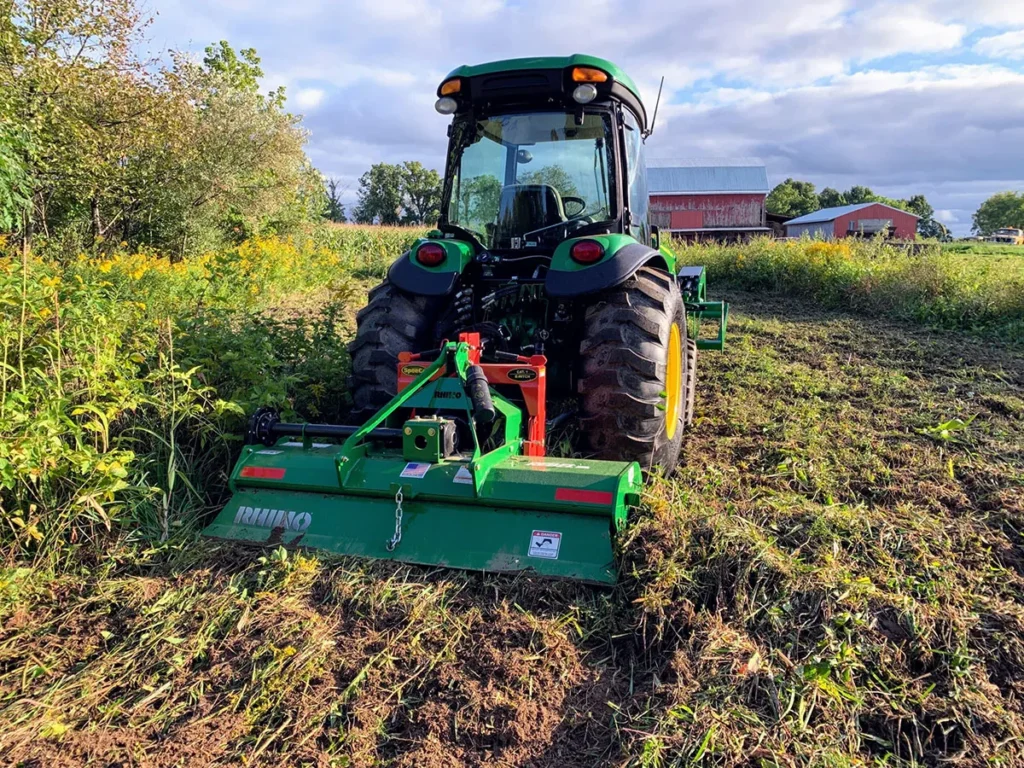
ever-power rotary tiller gearboxes offer seamless compatibility with leading Australian farm machinery brands, facilitating easy upgrades and replacements. For John Deere 5M series tractors, our units match SAE J1170 flange patterns and 1-3/8″ Z6 splines, ensuring plug-and-play installation in broadacre wheat operations across Western Australia. Kubota M7060 models interface perfectly with our 21-tooth input shafts, supporting sugarcane tillage in Queensland without modifications. Case IH Farmall 75C users benefit from our Category II hitch compatibility and torque ratings up to 1800 Nm, ideal for cotton rotations in New South Wales. New Holland TD5.90 tractors align with our IP65-sealed designs for vegetable preparation in Victoria’s fertile valleys. Claas Arion 410 series integrate our multi-speed options for optimized RPM in Tasmanian dairy pastures. Massey Ferguson 5710 models utilize our shear pin protections for stone-prone soils in South Australia. For Fendt 200 Vario, our gearboxes provide 94% efficiency matching their precision needs in Northern Territory horticulture. Note: Brand names mentioned for reference only; ever-power products are non-infringing alternatives designed for convenient selection and improved performance. In neighboring New Zealand, compatibility with McCormick X4 series aids orchard management. Papua New Guinea’s smallholders use our units with Yanmar YM351A for tropical crops. Brazilian John Deere 5075E under INMETRO pair with our corrosion-resistant models for soybean fields. Indian Mahindra 575 DI meets CMVR with our dust-sealed designs for cotton. Canadian Massey Ferguson 4707 benefits from cold-start features in prairie grains. This broad compatibility, combined with superior specs, positions ever-power as a versatile solution for global agriculture, enhancing machinery interoperability without compromising safety or efficiency.
Australia Extreme Operating Conditions Field Study
In Australia’s diverse climates, rotary tiller gearboxes must comply with stringent safety regulations. The Work Health and Safety Act 2011 mandates AS/NZS 2153.1 compliance for guarding, which ever-power units exceed with fully enclosed designs. Major crops like wheat in Western Australia’s Wheatbelt (harvest October-November) require high-torque units for dry soil penetration. Queensland’s sugarcane (June-November) demands corrosion resistance per AS 60068.2.78. New South Wales’ cotton (March-May) needs dust seals aligning with ISO 4254. Victoria’s vegetables (year-round) benefit from vibration limits under AS ISO 2631. South Australia’s grapes (February-April) use multi-speed for precision. Tasmania’s potatoes (December-March) favor cold-tolerant lubricants. Northern Territory’s melons (May-September) need heat dissipation. Local brands like John Deere use SAE interfaces, Kubota Z6 splines, Case IH ISO mounts. Neighbors: New Zealand’s AS/NZS 4024 for dairy (year-round). Papua New Guinea’s basic standards for root crops (year-round). This study integrates these requirements, ensuring gearboxes perform in extreme conditions from 45°C Outback heat to Tasmanian frosts, supporting sustainable farming through reliable tillage.
Client Case Studies and Success Stories
Engineer Note: Western Australia Wheat Farm
“Client: Our tiller kept overheating in 40°C+ conditions during pre-seeding prep.”
Engineer: “Installed ever-power model with enhanced cooling fins and synthetic lubricant.”
Client: “Temps dropped 20°C, no breakdowns in 1500 hours. Yield up 15% from better soil.”
Engineer Note: Queensland Sugarcane Operation
“Client: Corrosion from humid fields ruined two gearboxes in one season.”
Engineer: “Recommended epoxy-coated unit with IP66 seals.”
Client: “Lasted three seasons, saved $5,000 in replacements. Better ratoon growth too.”
Engineer Note: New South Wales Cotton Field
“Client: Vibration caused operator fatigue and loose bolts.”
Engineer: “Upgraded to balanced helical gears, vibration under 1.5 mm/s.”
Client: “Smoother runs, 20% less maintenance. Cotton quality improved from even tillage.”
Engineer Note: Victoria Vegetable Grower
“Client: Needed variable speeds for different crops.”
Engineer: “Implemented quick-change gear system.”
Client: “Swaps in 10 minutes, optimized for potatoes and carrots. Fuel savings 12%.”
Engineer Note: South Australia Vineyard
“Client: Rocks shearing pins weekly.”
Engineer: “Added torque-limiting clutch and reinforced housing.”
Client: “Zero failures in harvest prep. Grape roots undisturbed, better vintage.”
Industry News and Trends
Recent Australian agriculture news highlights a shift toward autonomous machinery integration. In 2026, Rabobank reports 33% of farmers planning increased investment in tech-enhanced equipment, including AI-monitored rotary tillers for precision soil management. Government funding via On Farm Connectivity Program supports IoT-enabled gearboxes for real-time performance tracking, reducing downtime by 25% in broadacre operations. Trends show rising adoption of variable-rate tillage, with gearboxes featuring electronic controls for depth adjustment based on soil maps. Climate-resilient designs gain traction, with heat-tolerant lubricants for 50°C+ conditions in the Outback. Export markets drive demand for compliant units, aligning with EU CE Machinery Directive for machinery headed to New Zealand. Local news from Western Australia notes gearbox upgrades boosting wheat yields 15% through better incorporation. Queensland’s sugarcane sector sees hybrid PTO systems reducing fuel use 10%. Future directions point to electric-powered tillers with regenerative braking gearboxes by 2030, per CSIRO forecasts. Global trends influence Australia, like Brazil’s INMETRO-certified units for biofuel crops. Indian CMVR standards inspire dust-resistant innovations. Canadian cold-start tech adapts for Tasmanian winters. Overall, the sector moves toward sustainable, data-driven tillage, with ever-power leading in adaptive gearbox solutions for these evolving demands.
Signs for Gearbox Replacement
Key indicators signal when rotary tiller gearboxes need replacement to avoid failures in Australian farming. Unusual grinding noises during operation suggest worn gears, common in dusty Western Australia conditions after 8000 hours. Oil leaks from seals indicate degradation, accelerated by Queensland heat cycles. Increased vibration above 2.5 mm/s points to bearing wear in South Australia’s stony soils. Power loss or slipping under load reveals clutch failure in New South Wales’ heavy clays. Overheating beyond 80°C during normal use signals lubrication issues in Victoria’s intensive use. Visible cracks in housing from impacts necessitate immediate replacement for safety per AS/NZS standards. Reduced tillage depth consistency in Tasmanian peats indicates torque capacity loss. Corrosion pitting in Northern Territory’s humid areas compromises structural integrity. For neighbors, similar signs in New Zealand’s volcanic soils or Papua New Guinea’s tropics. In Brazil, INMETRO inspections flag these. Indian CMVR requires checking. Canadian winters exacerbate cracks. Prompt replacement with ever-power units prevents downtime, ensuring reliable operation across diverse agricultures.
Related Products and Accessories
- PTO Transmission Shafts: With safety shields, telescopic sections, and universal joints for flexible power transfer.
- Agricultural Accessories: Chains, sprockets, gears, racks, lubrication systems, pulleys, couplings, hydraulic cylinders.
- Whole Agricultural Machines: Seeders and harvesters configurable with our gearboxes for seamless integration.
ever-power emphasizes system compatibility and one-stop supply advantages, allowing Australian farmers to source all components from a single reliable provider. This ensures matched performance, reduced compatibility issues, and streamlined maintenance for operations across wheat, sugarcane, and horticulture.
Full Series of Agricultural Gearboxes
ever-power offers a complete lineup of agricultural gearboxes and all machine accessories for one-stop purchasing, sparking interest in comprehensive solutions for Australian farmers. From central to side drive units, our range covers 12-80 HP needs with customizable ratios. Accessories include PTO shafts, chains, and hydraulic components, ensuring compatibility across your fleet. This integrated approach simplifies procurement, reduces costs by 15-20%, and minimizes downtime in peak seasons like Western Australia’s wheat harvest or Queensland’s cane crushing.

Explore more at Gearbox Agricultural
FAQ
What torque capacity do your gearboxes offer?
Rated 1200-1800 Nm, peak 2500 Nm, suitable for 12-80 HP tractors in Australian conditions.
Why choose spiral bevel gears?
They provide smoother 90° power transfer with less noise and higher efficiency in variable soils.
How does the lubrication system work?
Oil bath with 1.2-1.5L SAE 90, change every 500 hours for optimal performance.
What protection rating do they have?
IP65 for dust and water resistance, ideal for Australia’s arid and wet regions.
When should I replace the gearbox?
Look for noise, leaks, vibration, or power loss after 8000-10000 hours.
How compatible are they with brands?
Match John Deere, Kubota, etc., with SAE/AS interfaces for easy replacement.
What materials are used?
20CrMnTi gears, cast iron housing per AGMA/ISO standards for durability.
Why ever-power for Australia?
Tailored for local soils, compliant with AS/NZS, one-stop supply advantage.
How to maintain in extreme heat?
Use synthetic oil, check levels daily in 40°C+ conditions for longevity.
What PTO accessories do you offer?
Shafts with shields, telescopic joints for safe, flexible connection.