
Hay & Forage · Round Baler Drive Technology
Round balers compress cut hay, straw, or silage into tightly rolled cylindrical bales weighing 300 to 700 kg each. The baling process demands high sustained torque from the pickup, chamber rollers, and net-wrap mechanisms — all driven through planetary gearboxes connected to the tractor’s PTO. This guide covers planetary gearbox selection for round baler drive applications, where reliability during short harvest windows is critical to protecting forage quality.
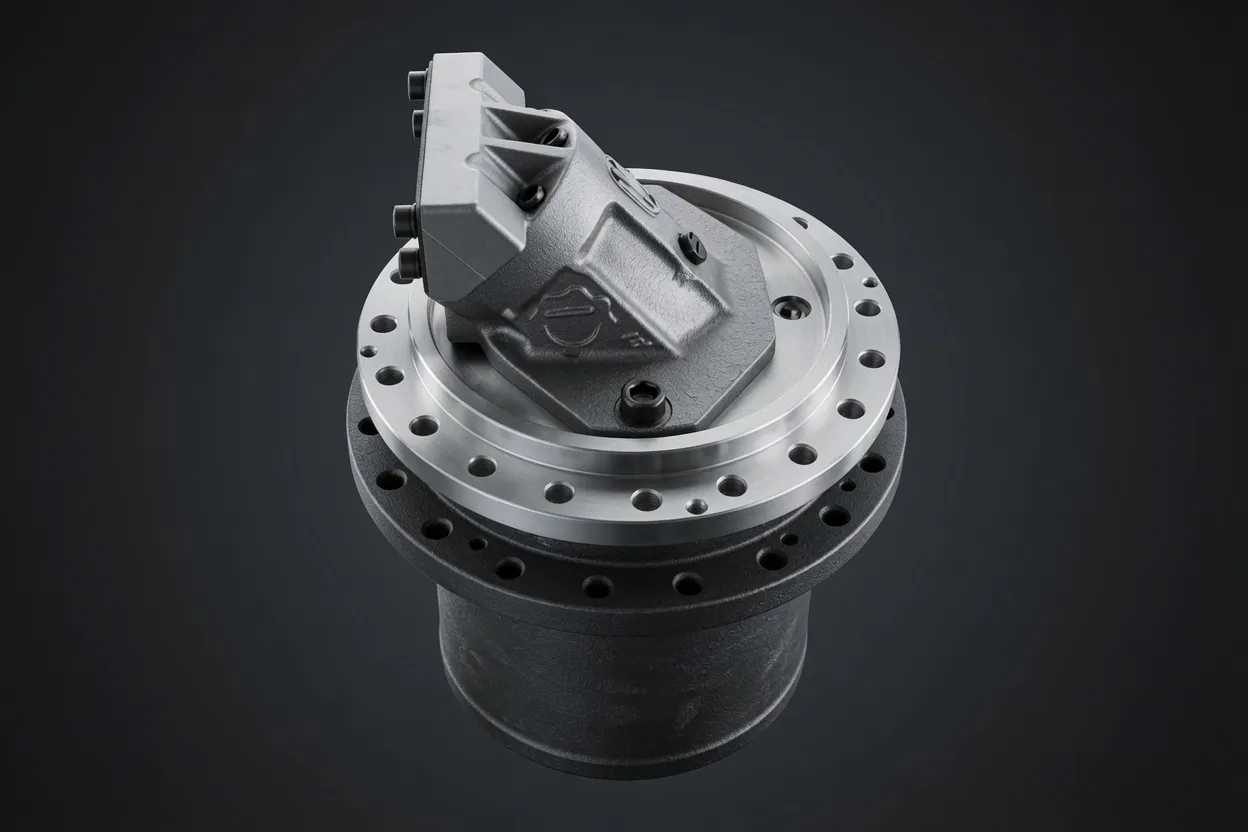
Round Baler Drive Architecture
A round baler uses the tractor’s 540 or 1,000 RPM PTO to power all baling functions through a central gearbox that distributes torque to the pickup mechanism, the bale chamber roller or belt system, the net-wrap or twine-tying mechanism, and the tailgate actuator. The main planetary gearbox at the PTO input provides the primary speed reduction — typically 3:1 to 6:1 — stepping PTO speed down to the operating range of the baler’s internal drives. Secondary planetary or spur gear stages further reduce speed and multiply torque for individual mechanisms that operate at lower speeds and higher loads.
The baling cycle generates a characteristic torque profile: torque increases progressively as the bale grows in the chamber, reaching a peak at the target bale diameter when the crop material is tightly compressed against the chamber rollers. Peak torque can reach 180–250% of the average baling torque and is sustained for 20–30 seconds as the full-diameter bale rotates while the net wrap is applied. The agricultural machinery planetary gearbox must handle these sustained peak loads without overheating, backlash increase, or gear fatigue that would compromise baling reliability during the narrow harvest weather window.
Torque and Speed Requirements by Baler Component
Pickup Drive
The pickup mechanism lifts cut crop from the windrow and feeds it into the bale chamber. The pickup drive operates at 200–400 RPM under moderate torque with intermittent shock loads when the pickup encounters thick windrow sections, mud clumps, or foreign objects. A compact planetary gear reducer at the pickup drive point provides the speed reduction from the main gearcase output while absorbing these shocks without transmitting damaging transients to the main PTO drive train.
Chamber Roller/Belt Drive
The bale chamber rollers or belts rotate the crop material into a cylindrical shape while applying compression. This is the highest-torque drive on the baler — continuous torque demand increases as the bale grows, reaching peak values of 3,000 to 8,000 Nm at the roller drive shaft depending on baler size and crop conditions. The gearbox must deliver this torque at 50–150 RPM with smooth, uniform rotation to produce dense, well-formed bales. Torque ripple from the gearbox creates uneven bale density that affects storage quality and bale handling characteristics.
Net-Wrap and Twine Mechanism
The net-wrap dispenser applies stretch net around the completed bale at synchronized speed while the bale rotates in the chamber. The drive gearbox must maintain precise speed synchronization with the chamber rollers — speed mismatch causes net wrinkles or tears that compromise bale weatherproofing. A low-backlash planetary gearbox with backlash below 6 arcminutes provides the speed precision needed for consistent net application across varying bale sizes and crop types.
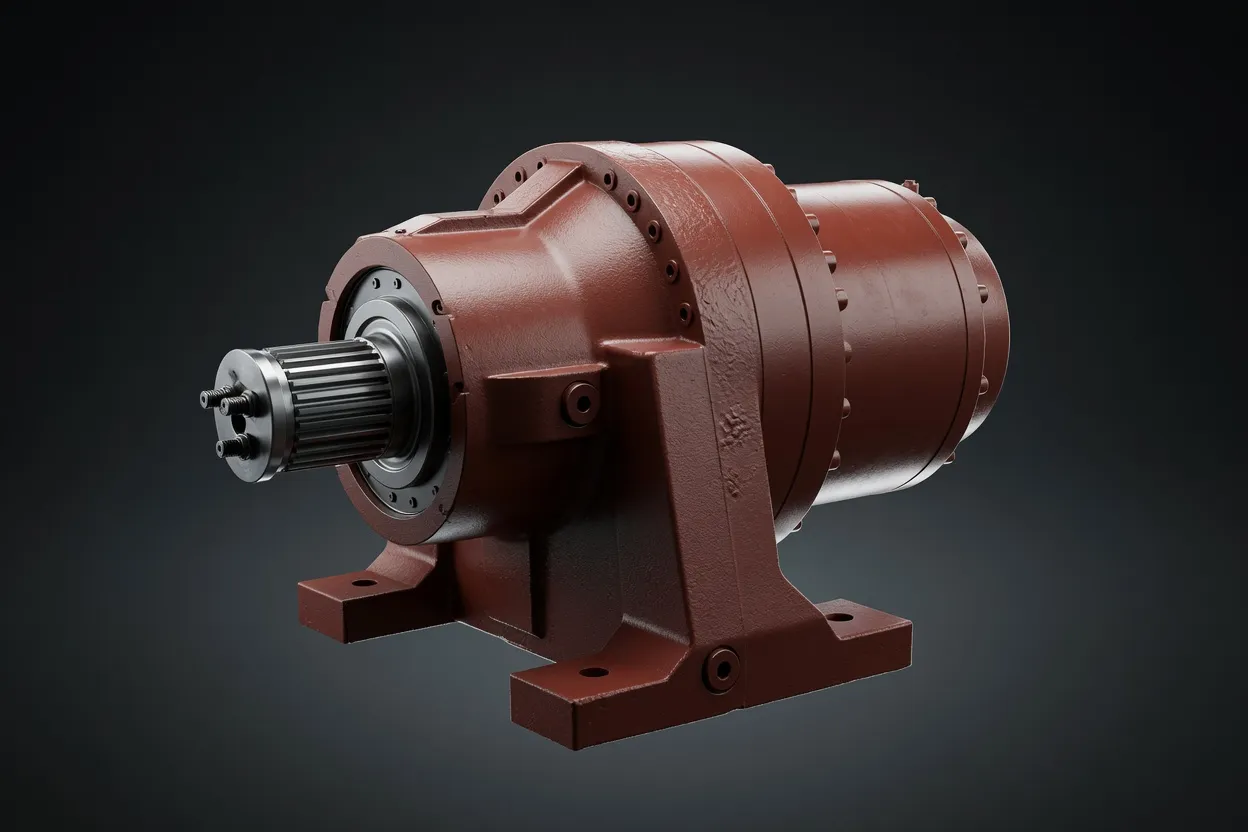
Design Specifications for Baler Gearboxes
⚙️ Progressive Torque Rating
Baler gearboxes must handle the progressive torque buildup during bale formation — from 30% of peak at bale start to 100% at full diameter. The thermal rating must cover 30 seconds of sustained peak torque per baling cycle without exceeding the lubricant’s temperature limit.
PTO Overload Protection
A shear bolt or slip clutch between the PTO input and the main gearbox protects the drive train from catastrophic overload if the bale chamber plugs or the pickup ingests a large foreign object. The gearbox itself must withstand 200% of rated torque for the duration of the overload event before the protective device activates.
️ Crop Debris Sealing
Balers operate in a constant cloud of hay dust, chaff, and crop particles. Multi-lip shaft seals with dust wipers at all output points prevent crop debris from entering the gearbox. Breather plugs with integrated air filters prevent vacuum-induced dust ingestion during cooling cycles.
Seasonal Duty Life
Baler gearboxes accumulate 200–600 operating hours per season depending on farm size and crop acreage. Design life of 5,000+ hours covers 10–20 seasons of normal operation — exceeding the typical economic life of the baler itself.
Installation and Pre-Season Preparation
PTO Speed Verification
Before connecting the baler, verify the tractor’s PTO speed with a handheld tachometer. Operating at the wrong PTO speed (540 vs. 1,000 RPM) immediately damages the gearbox through overspeed or overheats it through excessive torque at reduced speed.
Oil Level and Condition Check
Before each baling season, check the main gearbox oil level and condition. Dark, discolored oil indicates previous overheating; milky oil indicates water contamination. Replace oil if either condition is present.
Shear Bolt Inventory
Carry a supply of the correct shear bolt size on the baler during field operation. Using incorrect shear bolt grades (too strong) defeats the overload protection and risks gearbox damage; using bolts that are too weak causes nuisance failures that halt baling during good weather.
Test Cycle
Run the baler empty through several cycles at PTO speed before the first field pass. Listen for abnormal gearbox noise, verify that all mechanisms engage and disengage correctly, and check for oil leaks at all seal locations.
In-Season Care and Post-Season Storage
During baling season, daily maintenance consists of checking oil levels, inspecting seals for leakage, and cleaning crop debris from around gearbox shaft seals. After the season, change the gearbox oil while it is warm to flush out moisture and suspended debris. Apply corrosion inhibitor to exposed output shafts and store the baler in a dry environment if possible. These simple steps extend gearbox life to 10+ seasons and prevent the costly in-season failures that risk forage quality when weather delays make every baling hour critical.
For operations baling silage (high-moisture crop), post-season maintenance is especially important because silage acids accelerate seal degradation and housing corrosion. Wash external gearbox surfaces immediately after the last silage baling day, inspect seals for acid damage, and apply extra corrosion protection to any bare metal surfaces. Operations that delay post-season cleaning frequently experience premature gearbox failures in the following season from acid-induced seal degradation that allowed moisture ingress during winter storage.
Why Choose Ever-Power for Round Baler Gearboxes
Baler-Specific Designs
Our round baler gearbox range includes main PTO gearboxes, pickup drives, chamber roller drives, and net-wrap synchronization units compatible with major baler brands including John Deere, Vermeer, CLAAS, Kuhn, and McHale.
Progressive-Load Testing
Each model undergoes accelerated testing with the progressive torque profile characteristic of bale formation — from empty-chamber low torque through full-bale peak torque — for 5,000 simulated baling cycles.
️
Dealer Rebuild Support
Agricultural dealers performing in-house gearbox rebuilds receive complete kits with illustrated instructions, reducing rebuild time and ensuring correct assembly.
Pre-Season Delivery
Order before the baling season for priority delivery at pre-season pricing. Contact [email protected] to lock in seasonal supply agreements.
Frequently Asked Questions
Bale More Hay, Worry Less About Breakdowns
Share your baler models and acreage — our agricultural team will recommend the right gearbox package for your operation.