
Heavy Industry · Sugar & Boiler Mill Drive Technology
Sugar mills and boiler coal mills crush and grind millions of tonnes of raw material annually, demanding drive systems that deliver massive sustained torque under punishing shock loads and contamination conditions. Planetary gearboxes in mill main drives provide the torque multiplication and compact packaging that these large-scale grinding applications require. This guide covers planetary gearbox engineering for sugar mill and boiler mill drive applications.
Mill Drive Architecture
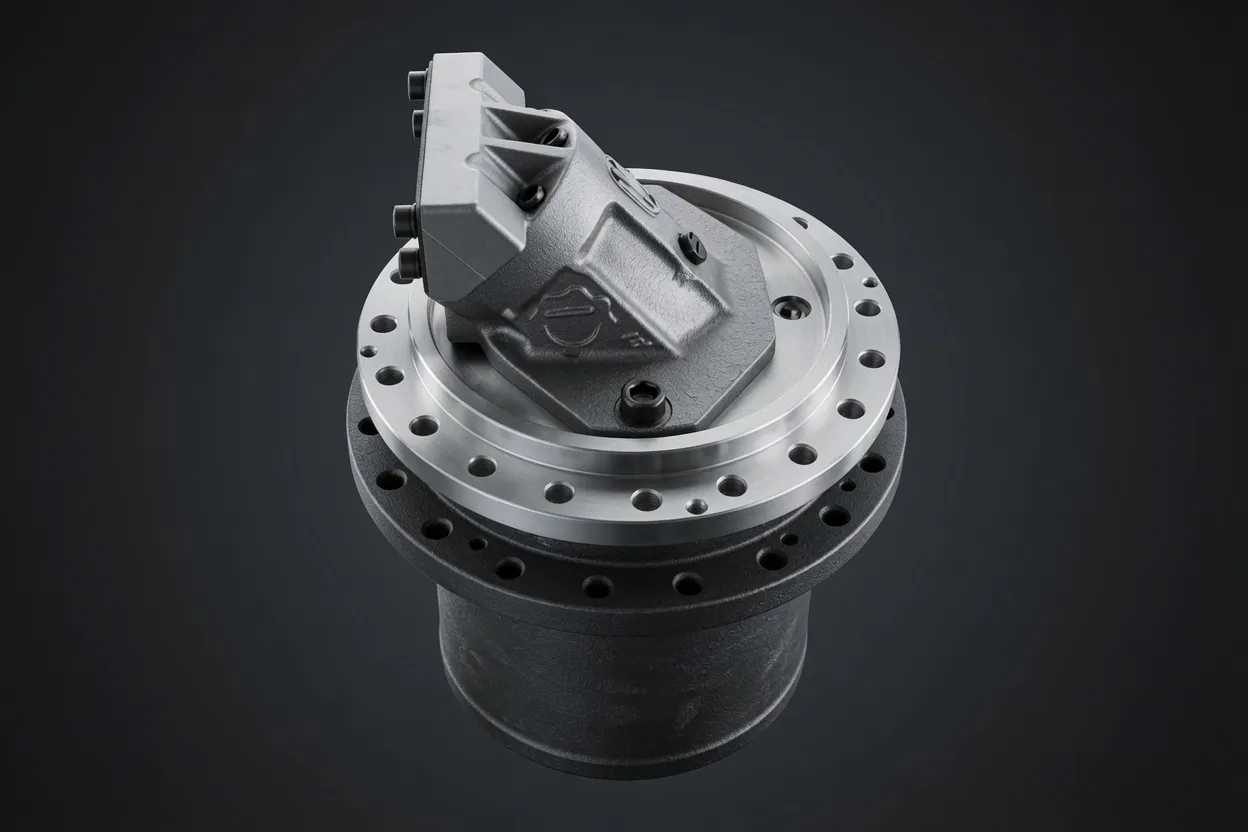
Sugar cane crushing mills and coal pulverizer mills use one or two electric motors (500 to 5,000 kW) driving the mill rollers or grinding table through a multi-stage planetary gear reducer with ratios of 20:1 to 80:1. Output torques reach 500,000 Nm or more on large sugar mill tandems. The gearbox converts the motor’s 750–1,500 RPM to the 5–15 RPM mill roller speed, multiplying torque to overcome the crushing resistance of sugar cane or the grinding force required to pulverize coal to the particle size needed for efficient boiler combustion.
Mill gearboxes are among the most heavily loaded planetary gearbox applications in industry. The combination of very high torque, very low speed, continuous operation through crushing seasons (4–6 months non-stop for sugar mills), and severe shock loads from tramp material (stones, metal in the cane supply) creates a duty profile that pushes gearbox design to its limits. A high torque planetary gearbox with conservative service factors, premium materials, and robust bearing systems is essential for reliable mill operation through each production season.
Load Conditions in Mill Applications
Sugar Mill Crushing Duty
Sugar mill rollers crush cane in a continuous stream, with torque fluctuations caused by variations in cane supply rate, fiber content, and moisture level. Tramp material — stones, metal fragments, and accumulated hardened bagasse — generates shock loads reaching 250–300% of steady-state torque. The crushing season runs 5–7 months continuously, accumulating 3,000–4,500 operating hours per season with no opportunity for mid-season gearbox maintenance beyond oil-level checks and filter changes.
Coal Mill Grinding Duty
Vertical roller mills and ball mills pulverizing coal for power plant boilers operate year-round, accumulating 7,000+ operating hours annually. The grinding process generates continuous vibration from the coal bed and classifier, along with torque spikes when large coal lumps enter the grinding zone. Gearbox vibration from the mill process must be distinguished from gearbox-internal vibration during condition monitoring — a challenge that requires baseline measurements taken during mill commissioning under controlled coal feed conditions.
Design Specifications for Mill Gearboxes
⚙️ Service Factor
Sugar mills: 2.0–2.5 for crushing rolls with normal cane quality; 3.0 for mills processing high-fiber or trashy cane. Coal mills: 1.75–2.0 for vertical roller mills; 2.0–2.5 for ball mills with frequent coal quality variation.
Gear Material
Case-carburized alloy steel (18CrNiMo7-6 or equivalent) with surface hardness 58–62 HRC and core hardness 34–40 HRC. The deep case depth (3–5 mm on large gears) provides the surface durability needed for the extreme Hertzian contact stresses at the low-speed, high-torque mill operating point.
️ Oil Cooling and Filtration
Forced-circulation oil systems with external coolers and 10 μm filtration maintain oil temperature below 70 °C and cleanliness to ISO 4406 17/15/12. Continuous online particle monitoring alerts operators to developing wear before it progresses to gear failure.
Housing Rigidity
Large mill gearbox housings — fabricated from heavy-gauge steel plate or cast from high-strength ductile iron — must resist deflection under the enormous output torque without misaligning the internal gear meshes. FEA-validated designs with deflection below 0.1 mm at the output bearing seats ensure full-face tooth contact throughout the load range.
Installation and Operational Best Practices
Foundation Preparation
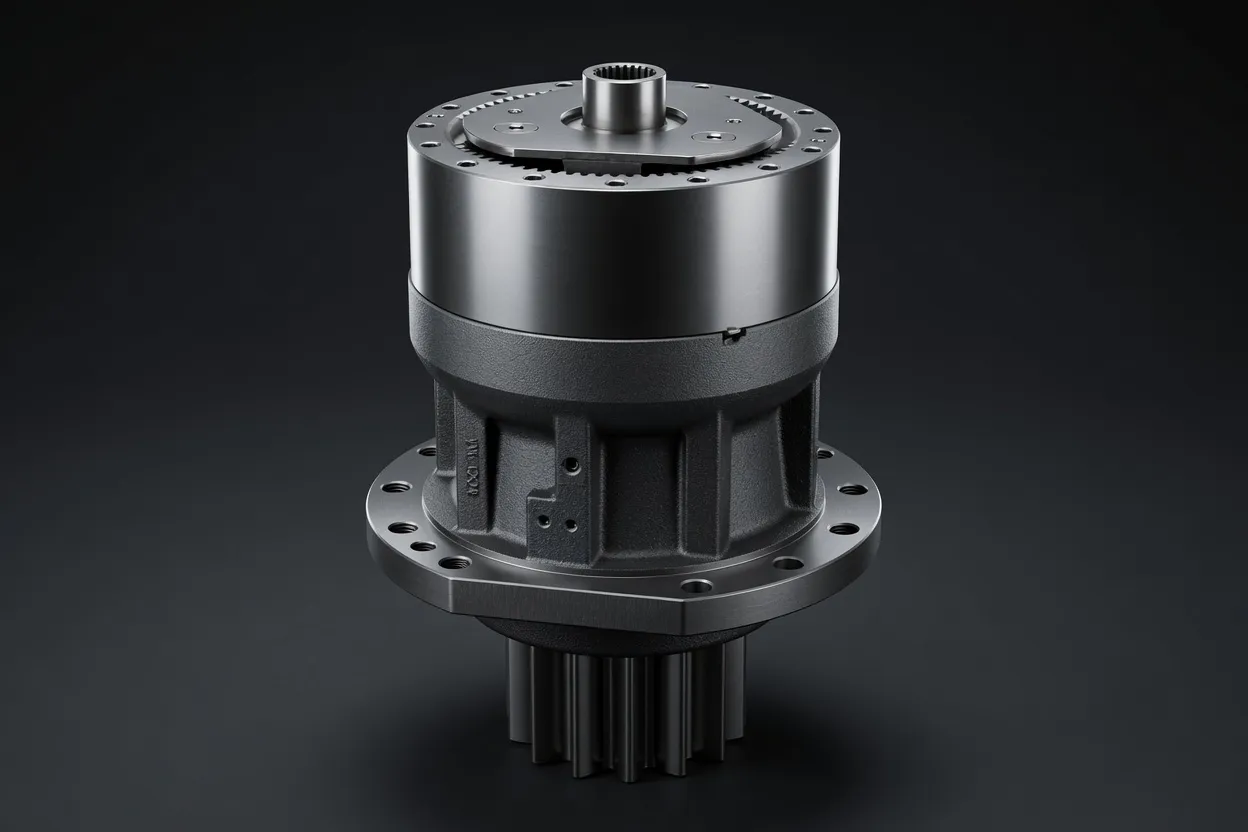
Mill gearboxes weighing 10–50 tonnes require reinforced concrete foundations designed for the combined static weight and dynamic reaction torque. Foundation bolts must be sized for 150% of the maximum gearbox reaction torque.
Alignment to Mill Rollers
Align the gearbox output to the mill roller drive shaft within 0.1 mm using laser alignment equipment. Sugar mill frames flex under crushing load — set alignment at 50% of rated load for optimal average mesh conditions across the load range.
Oil System Commissioning
Fill the oil system, circulate at full flow for one hour, and verify cooler effectiveness, filter differential pressure, and online sensor readings before starting the mill. Document all readings as the commissioning baseline.
First-Season Monitoring
During the first crushing season, monitor gearbox vibration, oil temperature, and oil analysis results monthly. First-season data establishes the normal operating baseline and identifies any infant-mortality issues before they propagate to secondary damage.
Maintenance and Reliability
Mill gearbox maintenance follows the seasonal production calendar: daily oil-level and temperature checks during the crushing or grinding season, and a comprehensive inspection during the off-season or annual maintenance shutdown. Off-season work includes oil system flushing and refilling, gear-tooth inspection through access covers, bearing clearance measurement, and seal replacement as needed.
Oil analysis is the single most important condition-monitoring tool for mill gearboxes. Monthly samples tracked for iron content, particle size distribution, water content, and viscosity provide early warning of gear, bearing, or seal deterioration. A sudden increase in large ferrous particles (above 200 μm) indicates active gear-tooth damage that requires immediate investigation and may necessitate an emergency shutdown to prevent catastrophic gearbox failure that could halt mill production for weeks.
Why Choose Ever-Power
Heavy-Duty Manufacturing
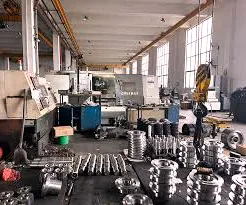
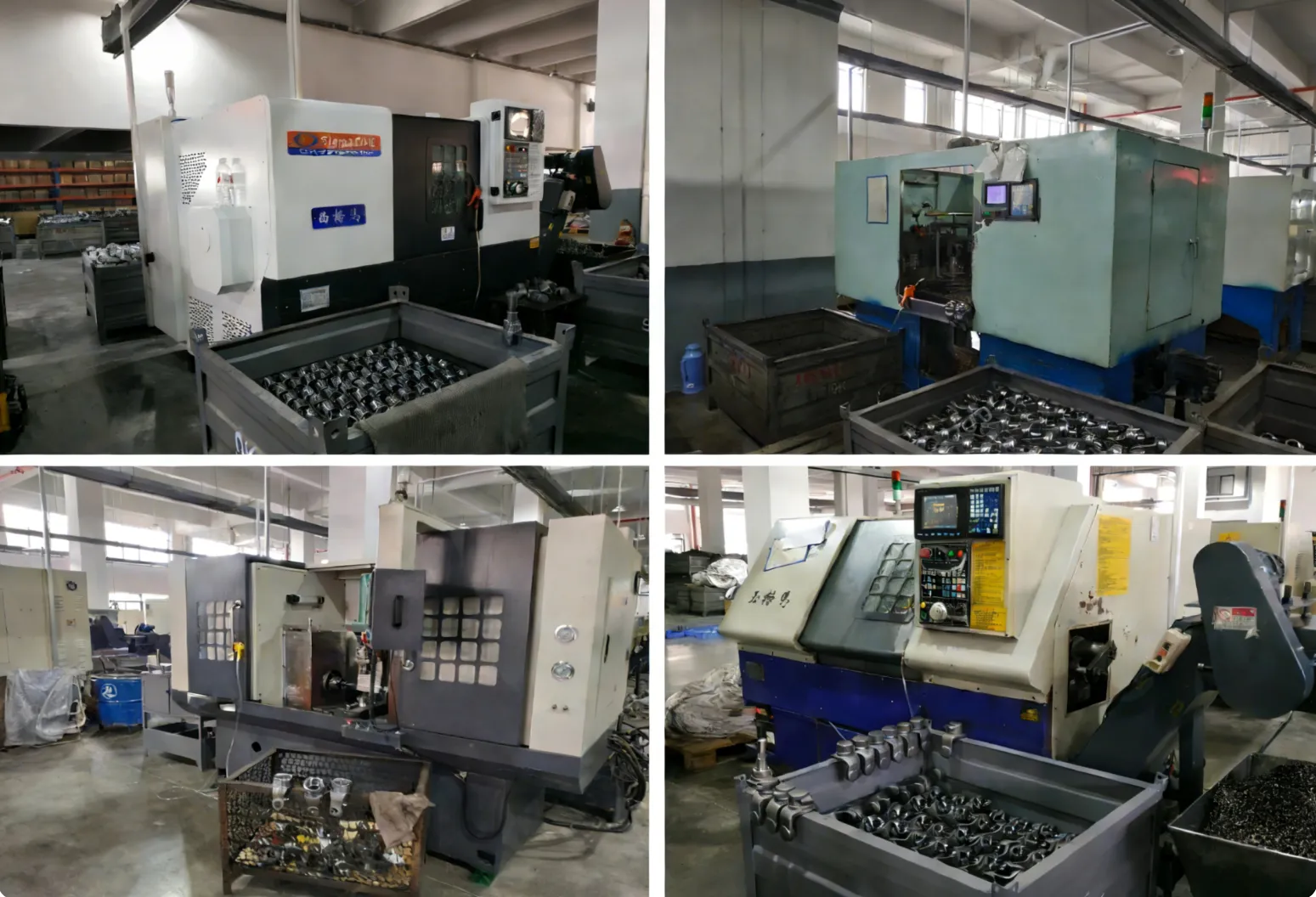
Our facility produces mill-class planetary gears up to 2,500 mm diameter in weights exceeding 5 tonnes, with the machining capacity and metallurgical quality controls required for the most demanding mill drive applications.
Full-Load Factory Testing
Mill gearboxes are tested at full rated torque on our heavy-duty dynamometer. Temperature, vibration, and efficiency data from the factory test provide verified baseline parameters for field condition monitoring.
️
Seasonal Support
Our application engineers provide pre-season gearbox inspection support and mid-season troubleshooting for sugar mill customers, helping maximize availability through each crushing season.
Global Heavy Industry Delivery
We coordinate oversized transport for mill gearboxes to sugar-producing regions in Brazil, India, Thailand, Australia, and Africa, with experience managing the logistics challenges of delivering 20+ tonne gearboxes to remote mill sites.
Frequently Asked Questions
Crush More Cane, Grind More Coal — Reliable Mill Gearboxes
Share your mill specifications and production targets — our heavy industry team will deliver a gearbox proposal engineered for your duty cycle.