
Medical Imaging · Diagnostic Equipment Drive Systems
Medical diagnostic equipment — CT scanners, MRI patient positioners, X-ray gantries, ultrasound probe actuators, and blood-analysis instruments — relies on precision drive systems to position patients, sensors, and samples with the accuracy and smoothness that high-quality diagnostic images and measurements demand. Planetary gearboxes in these applications must deliver ultra-smooth motion, operate at noise levels below the clinical environment threshold, and meet the reliability standards expected of equipment used in patient care.
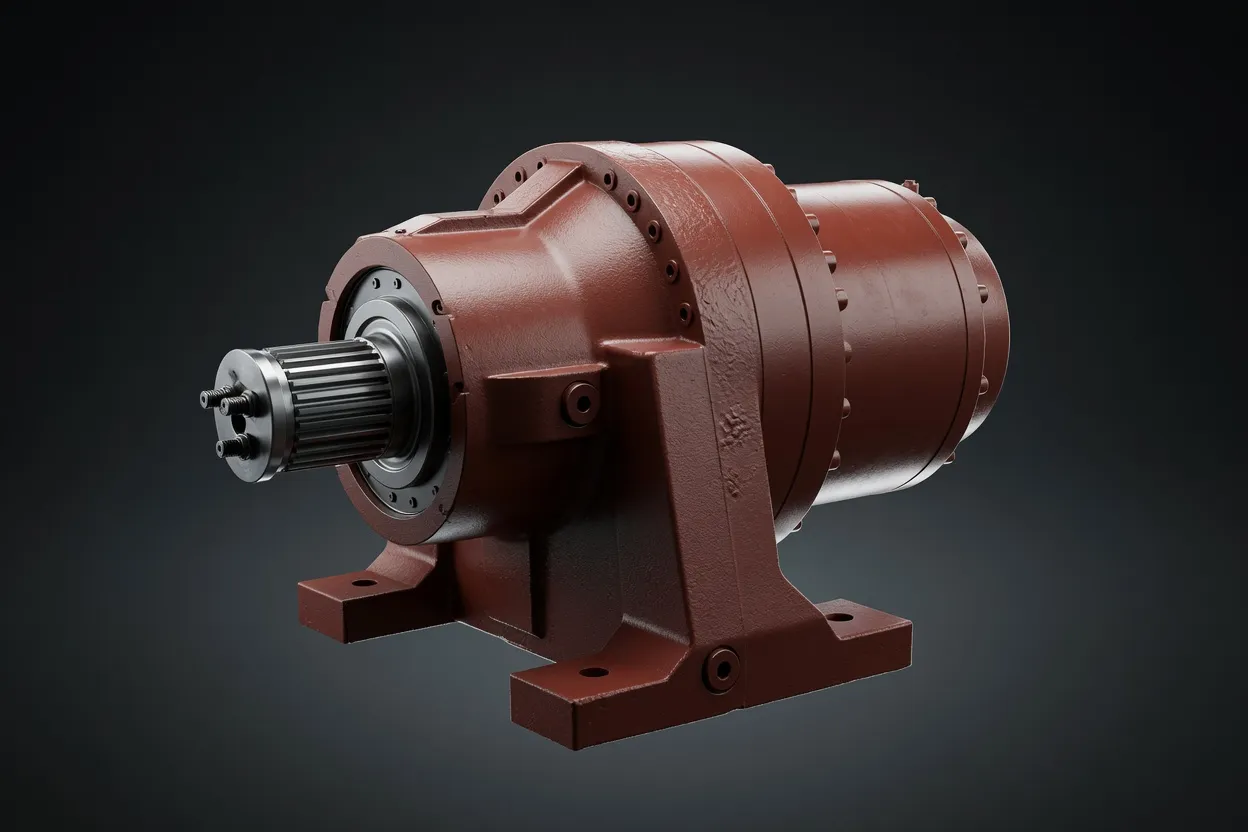
Planetary Gearboxes in Diagnostic Imaging Systems
CT scanner gantries rotate heavy X-ray source and detector assemblies around the patient at speeds up to 4 revolutions per second, requiring drive systems that deliver smooth, vibration-free rotation to prevent motion artifacts in the reconstructed images. A precision planetary gearbox in the gantry drive converts the motor’s output to the precise angular velocity the imaging controller commands, maintaining speed stability within ±0.1% throughout the scan. The gearbox must be nearly silent — below 45 dB(A) — because the patient is positioned centimeters from the gantry mechanism, and excessive noise increases patient anxiety and degrades the clinical experience.
MRI patient tables use servo-driven linear actuators with planetary gearboxes to position the patient within the scanner bore. These drives must be constructed entirely from non-magnetic materials — titanium, aluminum, austenitic stainless steel, and engineering polymers — to avoid artifacts in the magnetic-resonance image. Standard steel gears and bearings are not usable within the 5-gauss line of the MRI scanner. A planetary gear reducer constructed from non-ferromagnetic materials maintains the positioning precision (±0.5 mm) needed for targeted imaging sequences while producing zero magnetic interference within the imaging volume.
Requirements Across Diagnostic Equipment Types
Imaging Gantry Drives
CT and PET/CT gantry drives operate at high speed with heavy rotating mass (500–1,000 kg), demanding gearboxes with high torsional stiffness for stable speed control and helical gearing for minimal vibration transmission to the imaging detectors. The gearbox must sustain 50,000+ hours of intermittent-duty operation — the typical life expectancy of a diagnostic imaging system — without scheduled maintenance. Sealed, lifetime-lubricated low backlash planetary gearbox units with medical-grade synthetic grease achieve this service life in the temperature-controlled, clean environments of diagnostic imaging suites.
Patient Positioning Systems
Patient tables, C-arm positioners, and mammography compression mechanisms require smooth, jerk-free motion to position patients comfortably and accurately. The gearbox must produce zero perceptible cogging at the slow speeds (5–50 mm/s) used during patient positioning — any sudden motion variation can startle the patient, cause involuntary movement that degrades image quality, and erode patient confidence in the procedure. Helical planetary gears with ground teeth and multi-pole servo motors provide the smooth torque delivery needed for comfortable patient handling at clinical positioning speeds.
In-Vitro Diagnostic (IVD) Instruments
Blood analyzers, immunoassay systems, and automated microscopes use miniature planetary gearboxes to position sample tubes, reagent dispensers, and optical components with micrometer-level accuracy. The precision planetary gearbox must operate maintenance-free for 30,000+ hours in laboratory environments, handling millions of positioning cycles per year without backlash increase that would drift calibration. Ratios of 5:1 to 50:1 in frame sizes from 16 to 42 mm cover the compact packaging and moderate torque requirements of these high-throughput laboratory instruments.
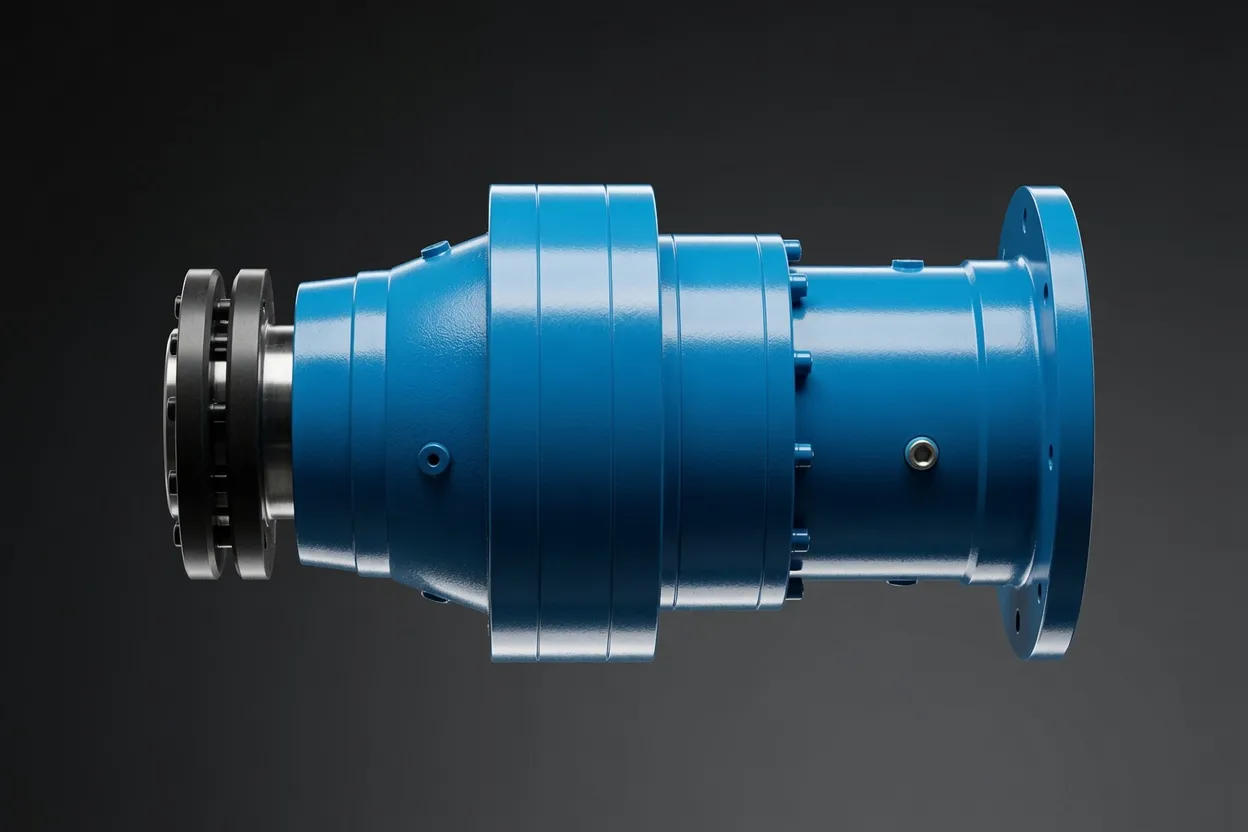
Design Specifications for Medical Diagnostic Gearboxes
Ultra-Low Noise
Below 45 dB(A) at operating speed for imaging-room equipment. Below 55 dB(A) for laboratory instruments. Helical gearing, precision balance, and vibration-damping housing materials achieve these targets without performance compromise.
Smooth Motion Quality
Torque ripple below 1% of rated output for patient-positioning drives. Cogging torque below 0.5% for imaging gantry drives. These specifications prevent motion artifacts and patient discomfort caused by periodic speed variations during positioning and scanning.
⚙️ Non-Magnetic Options
Full non-magnetic construction (titanium gears, aluminum housing, ceramic bearings) for MRI-compatible applications within the 5-gauss line. Partially non-magnetic designs (non-magnetic housing, standard steel gears) for equipment beyond the 5-gauss line that still requires reduced magnetic signature.
️ EMC Compatibility
Medical diagnostic equipment must meet IEC 60601 electromagnetic compatibility requirements. The gearbox itself does not generate EMI, but the motor-gearbox assembly must not create ground-loop paths or conducted emissions that interfere with sensitive diagnostic sensors. Electrically insulated gearbox mountings break ground loops between the motor frame and the equipment chassis.
Integration and Qualification
Motor Selection and Coupling
Select the motor-gearbox combination for minimum cogging at the clinical operating speed. Test multiple motor pole counts against the gearbox to find the combination with the lowest composite torque ripple. Use a zero-backlash bellows coupling to prevent the coupling from adding play to the precision drive train.
Noise Testing in Situ
Measure gearbox noise with the motor installed in the diagnostic equipment, not on a bench. The equipment’s enclosure and mounting structure affect the radiated noise level that the patient and clinician perceive. In-situ testing validates compliance with the clinical noise specification.
Lifetime Testing
Run the gearbox through an accelerated life test simulating the equipment’s 10- to 15-year service life, including thermal cycling representative of daily power-up/down sequences. Measure backlash and friction at intervals to generate degradation curves that support the equipment manufacturer’s planned-maintenance recommendations.
Regulatory Documentation
Prepare the gearbox design history file, risk analysis (per ISO 14971), material biocompatibility data (if applicable), and test reports in the format required for the diagnostic equipment’s regulatory submission — FDA 510(k), CE MDR, or equivalent. Our quality team provides documentation templates aligned to these regulatory pathways.
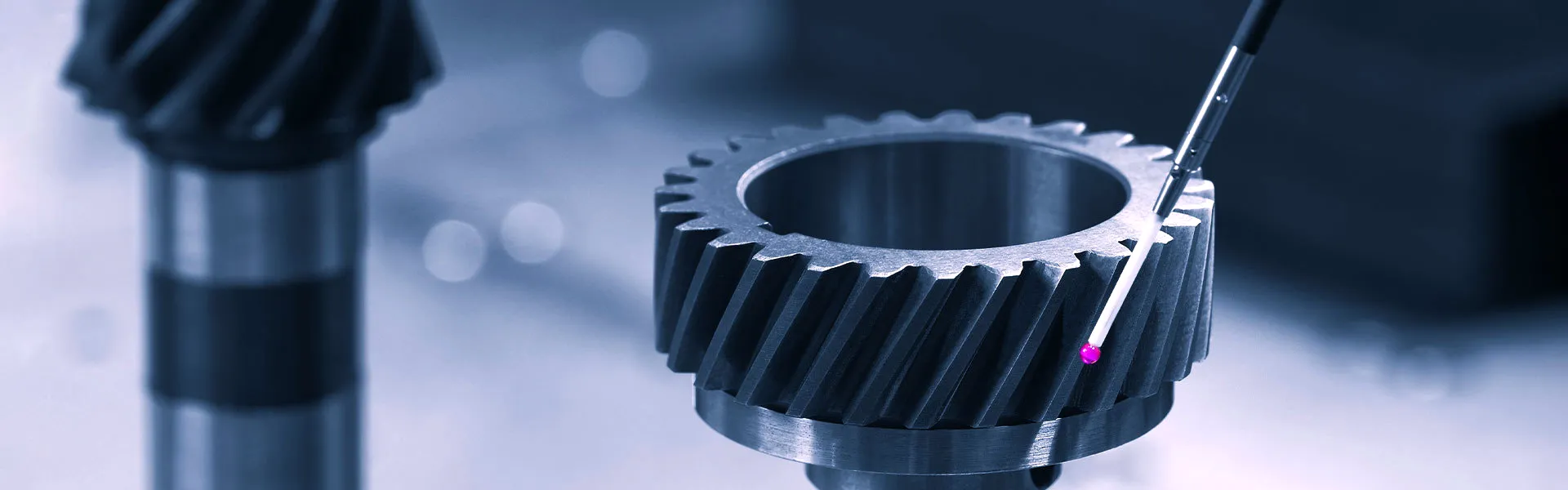
Maintenance and Clinical Service
Diagnostic equipment gearboxes are sealed, lifetime-lubricated units requiring no scheduled maintenance. Clinical engineering teams monitor gearbox health through the equipment’s built-in diagnostics — motor current trending, positioning-accuracy verification, and noise-level monitoring during routine quality-assurance checks. When a gearbox reaches end-of-life (indicated by accuracy degradation, noise increase, or diagnostic alarm), the drive module is replaced as a field-replaceable unit (FRU) by the equipment service engineer, typically within 1 to 2 hours of on-site work.
For imaging equipment with patient-safety implications (CT gantry drives, radiation therapy positioners), gearbox replacement triggers a system recalibration and quality-assurance check before returning the equipment to clinical service. The replacement gearbox must be factory-tested and certified to the same specifications as the original to ensure that imaging quality and positioning accuracy are maintained after the service intervention. Providing matched replacement gearboxes with documented test data streamlines this recalibration process and minimizes equipment downtime.
Why Choose Ever-Power for Diagnostic Equipment Gearboxes
Medical-Grade Precision
Our diagnostic equipment gearbox range achieves backlash below 1 arcminute, noise below 45 dB(A), and torque ripple below 1% — meeting the specifications of leading CT, MRI, and IVD system manufacturers worldwide.
Non-Magnetic Product Line
Full non-magnetic planetary gearboxes with titanium gears, ceramic bearings, and aluminum housings are available for MRI-room applications, validated for compatibility within the 5-gauss line of 1.5T and 3.0T MRI scanners.
️Regulatory Support
Our quality team provides design history files, risk analyses, material declarations, and test reports formatted for FDA, CE MDR, and NMPA regulatory submissions — reducing the documentation burden on the equipment manufacturer.
Controlled Supply Chain
Medical device traceability requirements demand lot-controlled, documented supply chains. Every gearbox ships with a certificate of conformance, material certifications, and inspection data traceable to the production lot and date of manufacture.
Frequently Asked Questions
Precision Drives for Life-Saving Diagnostics
Share your diagnostic equipment specifications — our medical technology team will recommend the optimal gearbox solution.