
Process Equipment · Mixer & Agitator Drive Technology
Industrial mixers and agitators — used in chemical processing, food manufacturing, water treatment, and pharmaceutical production — require drive systems that deliver consistent torque at low output speeds while surviving the high starting loads and variable-viscosity conditions inherent in blending and reaction processes. This guide covers how planetary gearboxes address the torque, speed, and reliability requirements of mixer and agitator drive applications.
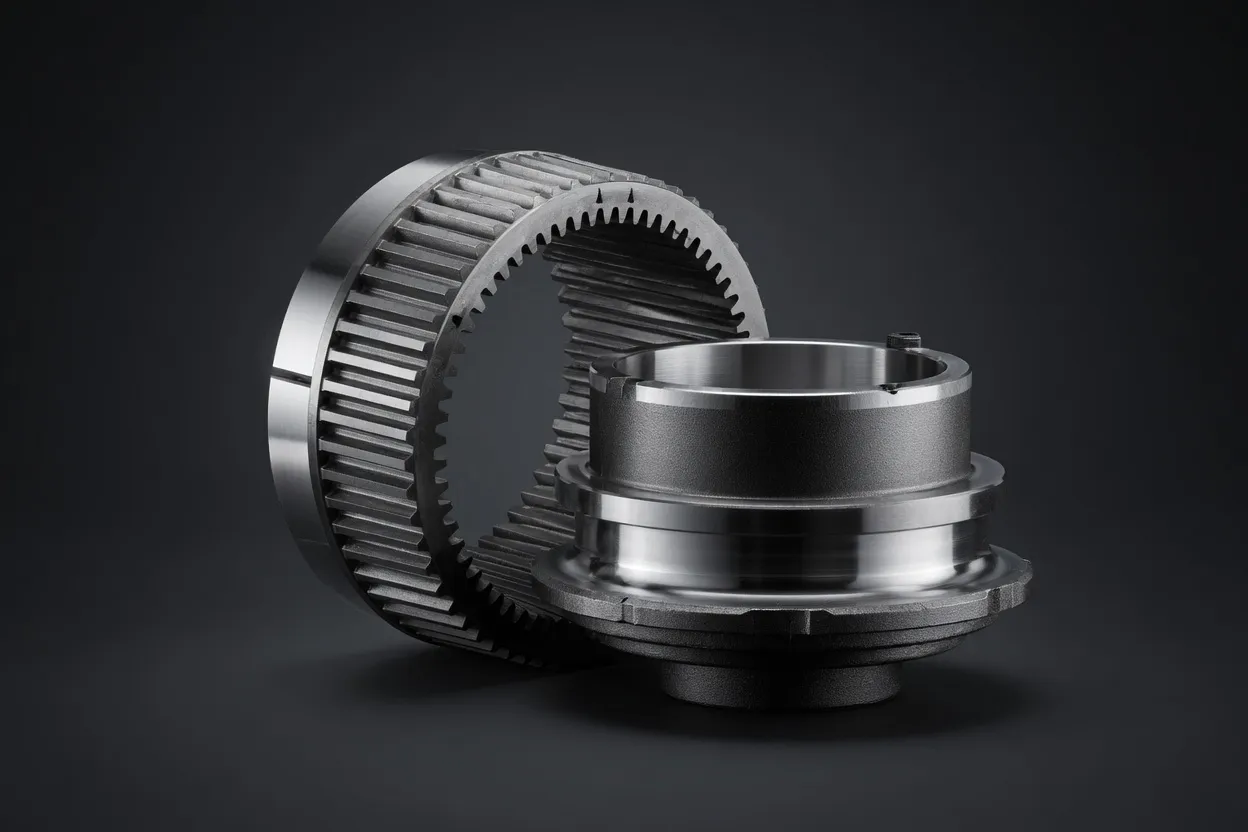
Mixer Drive Architecture and Gearbox Role
A typical industrial mixer drive consists of an electric motor, a planetary gear reducer with a ratio of 10:1 to 80:1, and a coupling to the mixer shaft that extends into the process vessel. The gearbox converts the motor’s 1,450–1,800 RPM to the 20–200 RPM impeller speed required for the specific mixing operation — high speed for low-viscosity blending, low speed for high-viscosity kneading or reaction vessel agitation. Output torques range from 500 Nm on small batch mixers to 50,000 Nm or more on large continuous-flow chemical reactors.
Mixer gearboxes must handle high starting torques — 200 to 300% of running torque — when the impeller breaks through settled solids or thick product layers after a process shutdown. This transient overload is a routine operational event, occurring every time the mixer restarts after a batch change or maintenance stop. The high torque planetary gearbox must absorb these starting loads without gear-tooth yielding or bearing damage, delivering reliable restarts across thousands of batch cycles over the equipment’s 15- to 25-year service life.
Application Requirements by Industry
Chemical Processing
Chemical reactors operate under pressure (up to 25 bar) and at elevated temperatures (up to 300 °C), with corrosive or toxic process fluids. The mixer gearbox must interface with a mechanical seal or magnetic coupling that prevents process fluid leakage along the mixer shaft. The gearbox must also resist the axial thrust loads from impeller hydraulic forces and process pressure acting on the shaft seal area. Corrosion-resistant housing coatings and seal materials rated for the specific process chemistry extend service life in aggressive chemical environments.
Food and Pharmaceutical
Sanitary mixer gearboxes for food and pharmaceutical production require smooth, cleanable surfaces, food-grade lubricants, and designs that prevent lubricant leakage into the process vessel. The output shaft seal is the most critical barrier — a double mechanical seal with food-grade barrier fluid provides the highest assurance against lubricant contamination. Stainless-steel output shafts and IP67 sealing meet the hygiene requirements for direct-contact mixing applications in regulated industries.
Water and Wastewater Treatment
Flocculators and sludge mixers in water treatment plants operate continuously at very low speeds (1–10 RPM) under moderate torque loads. The planetary gear reducer must deliver smooth, cogging-free rotation at these extremely low speeds to maintain uniform chemical distribution in the mixing basin. Outdoor installations require IP65 minimum sealing, corrosion-resistant housing materials, and lubricants rated for the –20 to +50 °C ambient temperature range typical of unenclosed water treatment facilities.
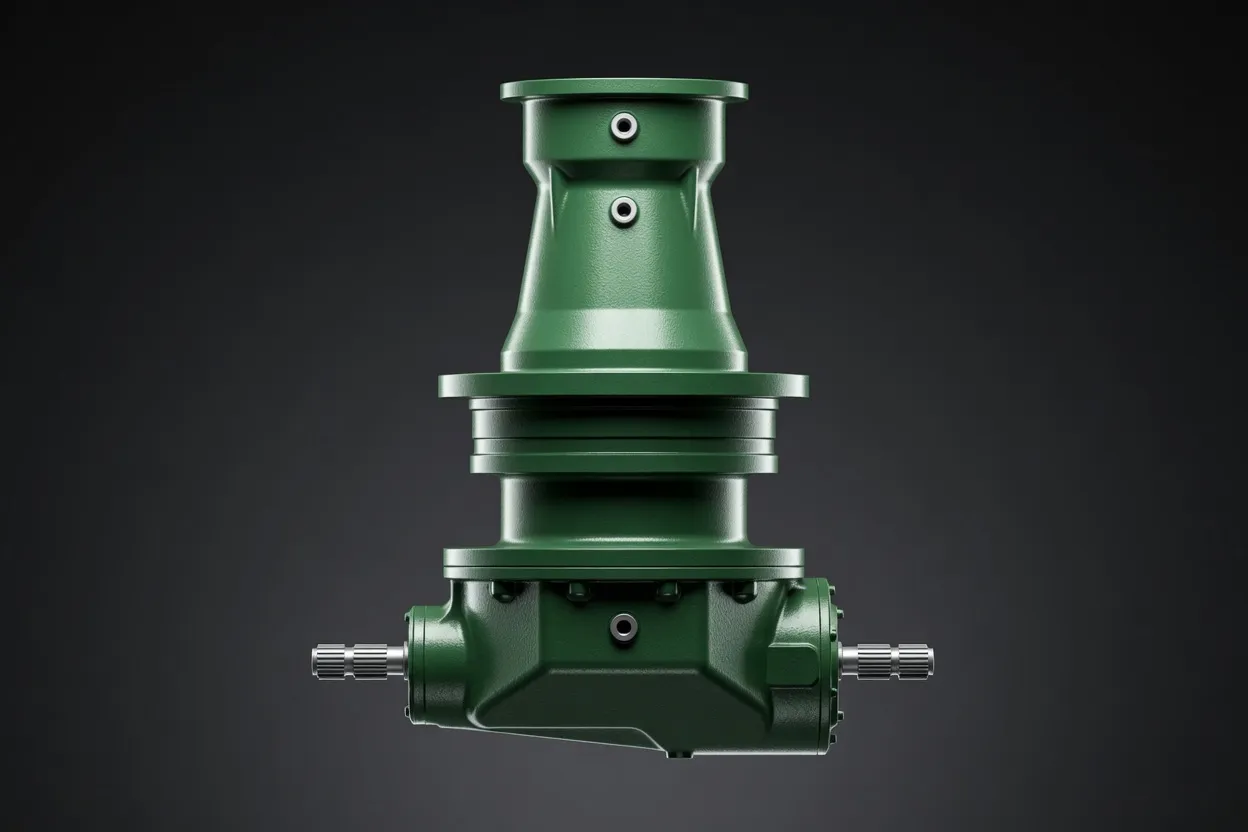
Design Considerations for Mixer Gearboxes
⚙️ Axial Load Capacity
Mixer impellers generate hydraulic thrust forces of 5 to 50 kN directed along the shaft axis. The gearbox output bearing must handle this axial load in addition to the torque-induced radial loads. Specify a gearbox with an output bearing configuration (angular contact or tapered roller) rated for the combined load.
Overhung Load Rating
The mixer shaft extends from the gearbox output into the vessel, creating an overhung load from the impeller’s weight and hydraulic forces. The gearbox’s overhung-load rating must exceed the resultant force at the output shaft extension point with a safety factor of at least 1.5.
️ Seal System Design
Double output-shaft seals with a grease-filled chamber between them provide redundant protection against both lubricant leakage from the gearbox and process fluid ingress from the vessel. Specify seal materials compatible with the process temperature and chemistry.
️ Thermal Rating for Continuous Duty
Mixers in chemical processing run continuously for weeks or months between shutdowns. The gearbox’s thermal rating must cover the sustained full-load condition without relying on intermittent-duty derating allowances that assume cooling periods between operating cycles.
Installation and Commissioning
Vessel Flange Alignment
Align the gearbox output shaft concentrically with the vessel’s mixer nozzle within 0.1 mm. Use a laser alignment tool referenced from the vessel flange face. Misalignment imposes bending loads on the output shaft that accelerate bearing and seal wear.
Coupling and Shaft Connection
Connect the gearbox to the mixer shaft through a rigid flange coupling (for short, stiff shafts) or a flexible disc coupling (for long shafts subject to thermal expansion). Verify coupling balance and torque rating before installation.
Startup Torque Verification
During the first startup, monitor motor current to confirm that the starting torque falls within the gearbox’s rated overload capacity. If starting torque consistently exceeds 250% of running torque, consider installing a soft starter or VFD to ramp torque gradually and protect the gear train.
Vibration Baseline
Capture a vibration baseline at the gearbox housing during the first week of operation. Mixer gearboxes experience process-induced vibration from impeller hydraulic forces — establishing the baseline under normal process conditions enables meaningful comparison during future monitoring.
Maintenance for Process Reliability
Mixer gearbox maintenance follows the plant’s overall equipment maintenance schedule, typically including quarterly oil-level checks, annual oil analysis, and annual vibration measurements. Oil changes at 10,000-hour intervals (or based on analysis results) maintain lubricant performance. The output shaft seal is the most maintenance-intensive component — inspect for leakage at each scheduled plant shutdown and replace seals preventively at 15,000–20,000 operating hours to prevent lubricant loss that would rapidly damage the gear train.
Why Choose Ever-Power for Mixer & Agitator Gearboxes
Process-Industry Product Range
Frame sizes from 80 to 350 mm with output torques from 500 to 80,000 Nm cover everything from small lab mixers to large-scale chemical reactor agitators, with options for flange-mount, foot-mount, and shaft-mount configurations.
Axial Load Rated Designs
All mixer-application gearboxes include axial-load-rated output bearings with documented thrust capacity, eliminating guesswork when sizing the gearbox for impeller hydraulic forces.
️
Sanitary and Corrosion-Resistant Options
Stainless-steel outputs, epoxy-coated housings, food-grade lubricants, and double-seal configurations are available for food, pharmaceutical, and corrosive chemical applications.
Process Equipment OEM Supply
We supply mixer gearboxes to process equipment OEMs with technical support for gearbox-vessel interface design. Contact [email protected] for project-specific proposals.
Frequently Asked Questions
Reliable Mixing Starts with the Right Gearbox
Share your mixer specifications and process conditions — our process equipment team will recommend the optimal gearbox solution.