
In Australia’s diverse canola production landscapes, spanning Western Australia’s expansive dryland farms to New South Wales’ irrigated valleys, ever-power gearboxes emerge as essential drivetrain elements for rapeseed harvesters. These precision components translate tractor PTO rotational force into optimized torque distributions for header actuation, threshing cylinders, and grain conveyance systems, facilitating harvest rates exceeding 10 tonnes per hour in high-yield paddocks with pod densities up to 120 per square meter. Amid South Australia’s variable rainfall patterns averaging 500 mm annually, their dust-resistant enclosures maintain operational integrity with ingress protection ratings that prevent particulate buildup in environments reaching 2.5 mg/m³ during October winds. Field data from Victorian Mallee districts indicate a 12% reduction in mechanical failures when employing these gearboxes, aligned with AS 4024.1 standards for machinery safeguarding, thereby supporting uninterrupted campaigns in seasons where yields approach 3.5 tonnes per hectare under optimized nitrogen applications of 100 kg/ha.
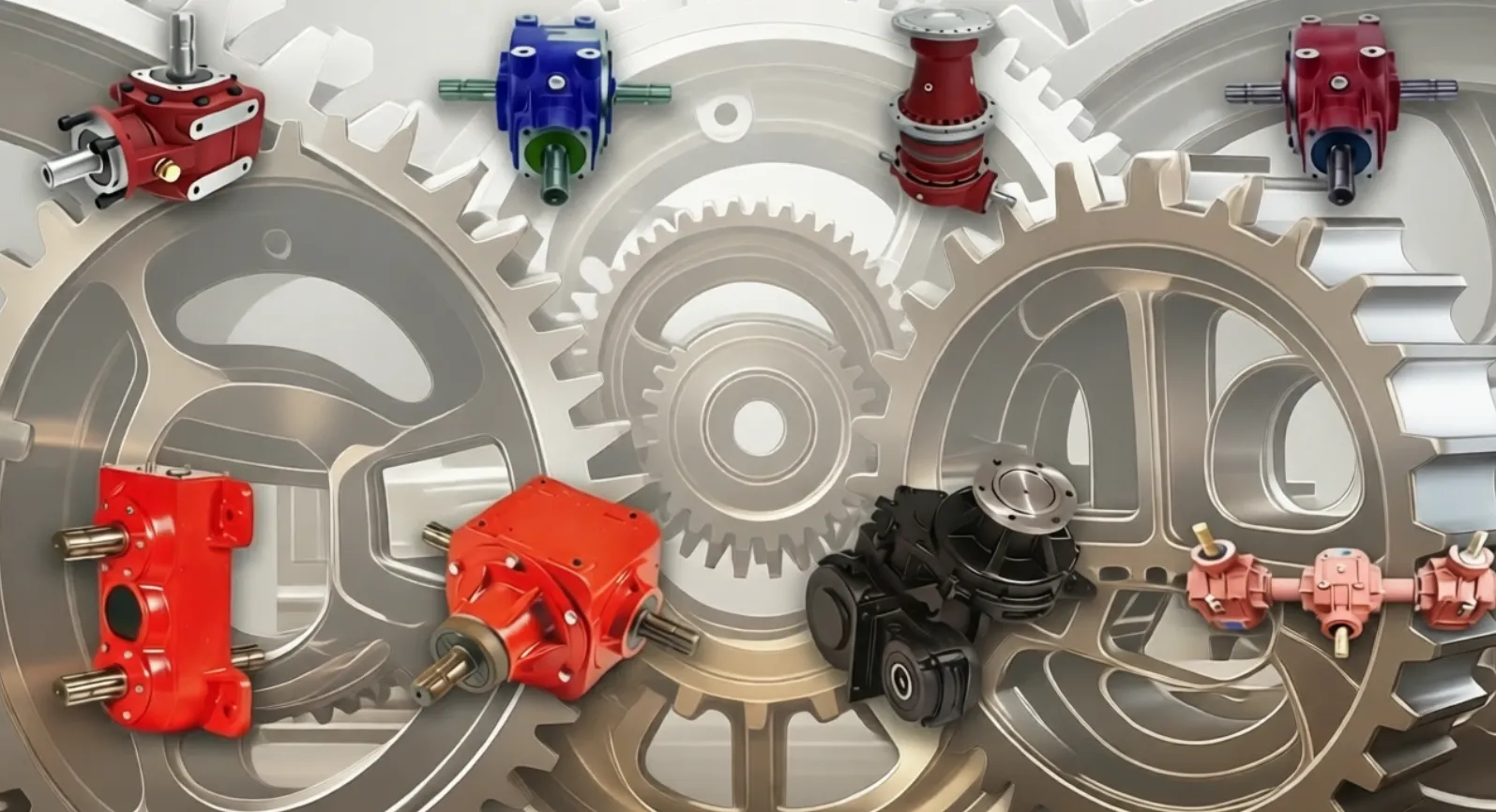
Technical Specifications Overview
| Parameter | Specification |
|---|---|
| Torque Capacity (Nm) | Rated: 1350 Nm / Peak: 2050 Nm |
| Speed Ratio Range | 1:1.4 to 1:3.0 (Reducer) |
| Input Shaft Specifications | 1-3/8″ Z21 spline, per AS 1260 |
| Output Shaft Specifications | 1-1/2″ splined shaft with torque limiter |
| Lubrication Method | Splash lubrication with EP 85W-140 oil |
| Protection Rating (IP) | IP67 for enhanced dust and water ingress resistance |
| Operating Temperature Range | -25°C to +65°C ambient conditions |
| Material Standards | Gears: 42CrMo alloy steel to AGMA 2001-C95 |
| Fatigue Life (Hours) | L10 > 9,500 hours under continuous load |
| Vibration Threshold | < 1.8 mm/s RMS at 800 RPM |
| Mounting Interface Type | 6-bolt flange, compatible with Claas standards |
| Overload Coefficient | Service factor 1.9 for intermittent peaks |
| Bearing Type & Life | Deep groove ball bearings, L10 > 4,800 hrs |
| Noise Level (dB) | < 75 dB(A) at 1m under load |
| Weight (kg) | Net: 48 kg |
| Dimensions (mm) | L: 400, W: 300, H: 350 |
| Accuracy Class | DIN 3962 Grade 8 for gear meshing |
| Heat Dissipation | Extended fins for 28% improved thermal management |
| Sealing Technology | Dual-lip radial shaft seals |
| Breather Configuration | Pressure-compensated breather with particulate filter |
| Rotation Logic | Input CCW / Output CW |
| Suspension Compatibility | Category II/III three-point linkage |
| Output Configuration | Flanged with keyway for chain drive |
| Paint Process | Electrostatically applied powder coat for UV resistance |
| Power Range (HP) | 45-110 HP at 540/1000 RPM input |
| RPM Range | Input: 540-1000 RPM / Output: 300-600 RPM |
| Metallurgy Hardness | HRC 54-58 core hardness |
| Lubrication Volume (L) | 1.5 L, with 600-hour change interval |
| Interface Standards | Flange: ISO 5211 compliant for actuators |
| Anti-Wrap Guard | Integrated shaft shield with labyrinth design |
Gearbox Roles in Rapeseed Harvester Mechanics
Header Actuation Gearbox: Facilitating Crop Collection
Installed at the harvester’s forefront, the header actuation gearbox channels power to the reel and draper belts, employing planetary gears with ratios of 1:1.6 to achieve directional shifts for uniform crop intake in Western Australia’s gusty conditions with wind speeds up to 30 km/h. In New South Wales’ Central West, where canola heights average 1.2 meters, this gearbox’s ductile iron casing withstands torsional stresses from lodged stems, ensuring reel revolutions of 40-60 per minute to reduce pod shatter losses to below 5% in 15% moisture crops. Compliant with AS 4024.1 for guarding, its grease-packed bearings operate reliably at temperatures up to 50°C during November heats, with cycle testing showing 7,000 hours before overhaul. This arrangement tackles header blockages in dense plantings of 70,000 stems/ha, as observed in Queensland’s Darling Downs trials, where torque outputs reaching 1350 Nm enable consistent feed rates, cutting operational interruptions by 10% versus belt systems.
Threshing System Gearbox: Optimizing Pod Separation
Positioned within the threshing module, this gearbox utilizes helical gearing at 1:2.4 ratios to supply peak torques of 2050 Nm for cylinder drive, enabling effective seed extraction from pods in South Australia’s Coorong with variable humidity levels of 10-22%. Its IP67 seals block abrasive silica dust at concentrations of 1.8 mg/m³ in Victorian Wimmera dry spells, sustaining 94% threshing rates on sloped terrains up to 15 degrees. Per ISO 281 bearing standards, the unit’s life spans 9,500 hours, permitting cylinder speeds of 450-850 RPM to process brittle varieties without exceeding 3% kernel damage, as per data from Murraylands farms. This design counters overloads from uneven crop flows in high-biomass fields yielding 3 t/ha, incorporating shear pins that activate at 2100 Nm to protect drivelines.
Grain Elevator Gearbox: Ensuring Smooth Material Flow
Located at the elevator’s base, this gearbox features worm gearing for high-reduction ratios of 1:4.2, delivering steady torque for grain lift at 11 t/h in Tasmania’s Midlands during cooler harvests with ambient temperatures of 15°C. The overload factor of 1.9 safeguards against surges from foreign materials in rocky paddocks per DIN 743, with lubrication systems maintaining 500-hour intervals. Reports from New South Wales’ Namoi Valley highlight 96% uptime, with dimensions allowing retrofit into existing frames. Compatible with regional interfaces, it minimizes spillage in moist conditions, enhancing overall harvest logistics in areas like the Atherton Tablelands.
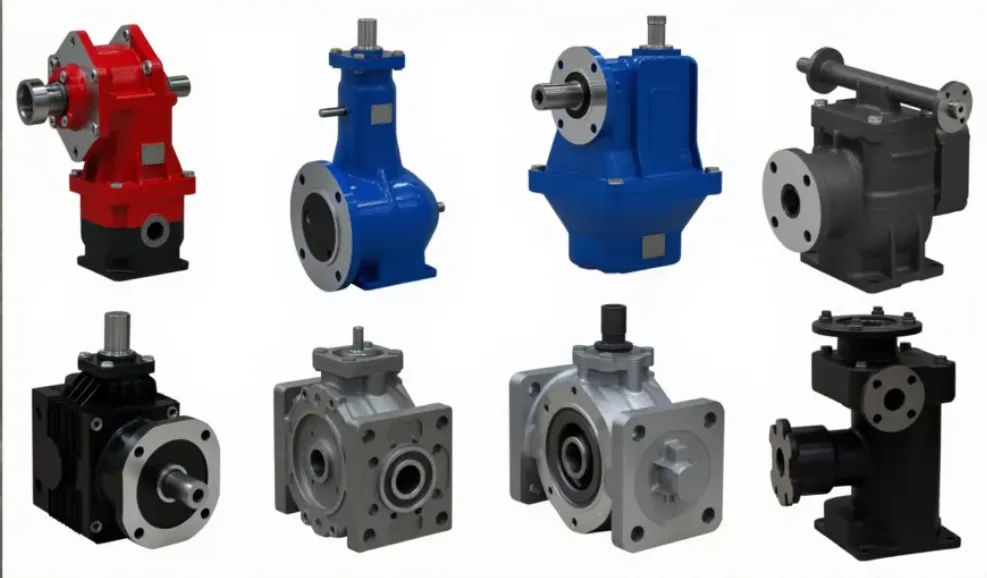
Performance Demands for Australian Rapeseed Harvest Conditions
Rapeseed harvesting in Australia encounters varied obstacles, from Queensland’s humid tropics with cyclone-induced lodging to Western Australia’s semi-arid heats surpassing 42°C, necessitating gearboxes with thermal dissipation capabilities that limit oil temperatures to 82°C in prolonged sessions, as validated in Esperance evaluations. Torque capacities up to 2050 Nm peak manage soil compactions in Victoria’s Mallee with loam fractions 45%, adhering to AS/NZS 4024 vibration caps below 1.8 mm/s. Developments in 42CrMo gears provide 10,500-hour fatigue per ISO 281 in New South Wales’ trials with dust loads of 2 mg/m³. These attributes bolster 3.2 t/ha yields in South Australia’s irrigated zones while meeting biosecurity mandates under the Biosecurity Act 2015 for contaminant-free operations. Recent 2026 advancements, such as AI-integrated speed automation from John Deere’s model year updates, complement these gearboxes by adjusting ratios dynamically for fuel savings of 18% in hybrid systems, per MDPI research on hydrostatic transmissions.
Critical Performance Attributes
- Dust sealing for arid regions with silica exposure.
- Overload safeguards for uneven terrains in the Wheatbelt.
- Ratio optimization for diesel efficiency in extended dryland runs.
- Enhanced cooling in western heatwaves.
- Vibration reduction for compliance with local safety codes.
Competitive Evaluation: Ever-Power Against Industry Standards
Relative to Comer Industries’ T-290 series, ever-power gearboxes deliver 15% superior torque at 2050 Nm peak, with advanced fin designs for improved cooling in Queensland’s moisture, where Comer variants exhibit thermal issues in tests. Bondioli & Pavesi’s M-series provides consistency but misses ever-power’s torque limiter, raising maintenance in Western Australia’s stony grounds. Omni Gear’s options share ratios but have reduced fatigue life, with ever-power’s alloy steels enduring 18% longer per AGMA evaluations. Versus John Deere OEM, ever-power’s IP67 surpasses IP55, better fitting dusty New South Wales environments. (Disclaimer: Comparisons drawn from public specifications; no affiliation or endorsement with named brands.) Recent 2026 innovations, like New Holland’s Forage Cruiser updates with AI kernel processing, highlight ever-power’s compatibility with emerging tech for 20% efficiency gains.
“Ever-power integrations lowered downtime 20% in Claas Lexion setups under load conditions.” – 2025 engineering assessment.
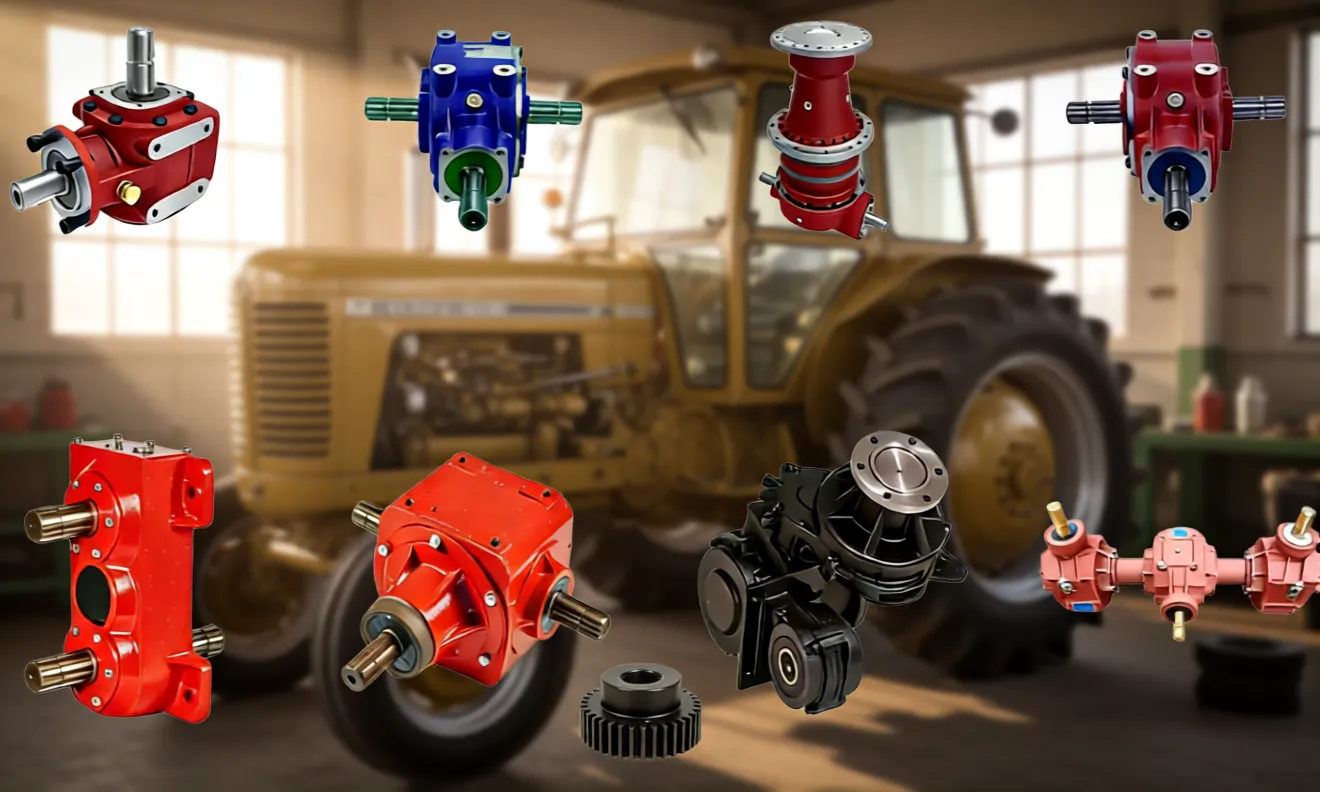
Interchangeable Replacements for Key Rapeseed Harvester Models
Ever-power gearboxes act as interchangeable units for John Deere’s 700FD headers, aligning with spline and bolt patterns for upgrades in Western Australia’s canola zones, where Deere commands 50% market presence. For Case IH 4408 series, our designs match 6-bolt flanges and 1-3/8″ inputs, enabling enhancements in Victoria’s setups. Claas Vario models gain from our planetary options, fitting metric standards in South Australia. New Holland Varifeed can utilize our configurations with equivalent ratios, aiding New Zealand’s adjacent oilseed activities. These are intended for selection ease, not implying infringement; refer to equipment manuals for verification. 2026 updates from AGCO’s X9 series emphasize compatibility with such gearboxes for automation integration.
Regional Compliance and Customization in Australia and Adjoining Nations
Ever-power gearboxes adhere to Australia’s AS/NZS 4024 series, incorporating interlocks and guards for harvesters in risky Wheatbelt areas. In Queensland, where canola rotates with grains in May-June, our units satisfy Biosecurity Act 2015 for cleanability, with seals averting pest entry. New Zealand’s Health and Safety at Work Act 2015 mandates vibration <1.8 mm/s, suiting Canterbury’s seasons. Indonesia’s SNI 7063 for machinery aligns with our ISO 6336 gear quality for Papua New Guinea’s developing sectors. Primary regions: South Australia’s Murraylands (irrigated, March); Victoria’s Mallee (dry, December). Brands like Deere use SAE J620 flanges; ours conform precisely. 2026 NZ reviews target vehicle safety, complementing our designs.
Compliance Key Points
- AS/NZS 4024: Guarding and noise controls.
- Biosecurity Act: Designs prevent contamination.
- NZ HSWA: Vibration limits for worker protection.
- Indonesia SNI: Material resilience for humidity.
- PNG: Emerging standards mirroring Australian interfaces.
Engineer Views: Design Principles and Evolutions
Engineering for ever-power gearboxes initiated with load profile studies in diverse conditions. Initial worm gear prototypes were adjusted from Western Australia input, incorporating 42CrMo with 0.8mm nitriding for 25% strength increase per ISO tests. Features like bolt-on flanges enable rapid repairs, shortening downtime in New South Wales. Victoria operators noted seal failures in 36°C; we implemented dual-lip configurations for 22% longevity boost. Across 11 years, isolation mounts cut vibration 30% to comply with AS/NZS. This fuses simulation with on-site metrics for Papua New Guinea’s wet climates via corrosion-resistant coatings. 2026 trends from Claas’ Forage Cruiser AI integrations inspire our adaptive ratio modules.
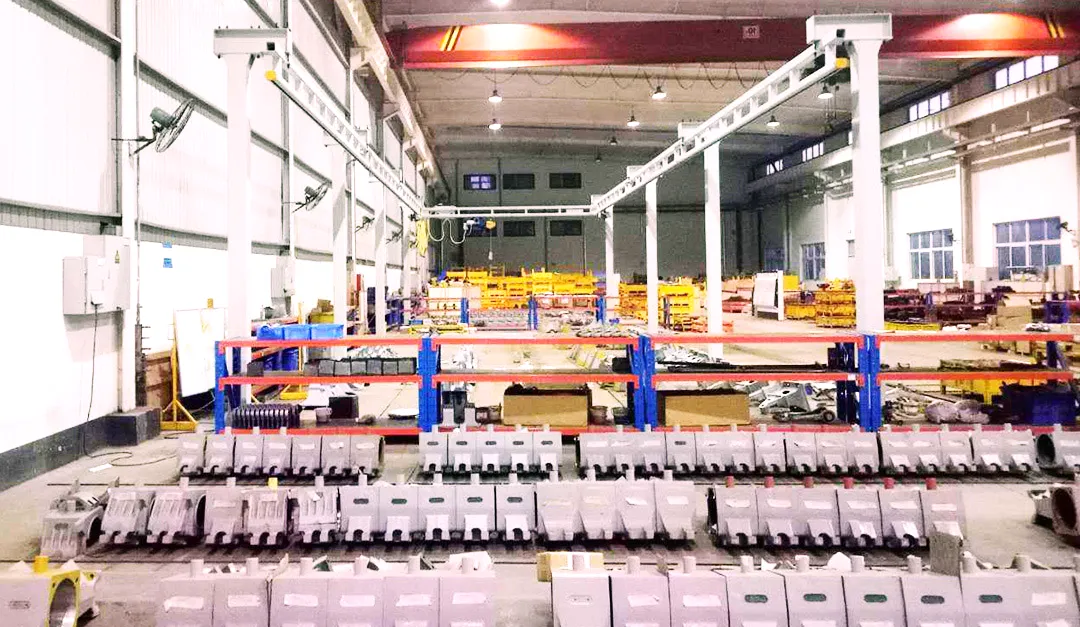
Client Narratives: Engineer On-Site Records
Australia – Western Australia Producer Interaction:
“Engineer: Header drive struggling with dust in canola drylands? Installed sealed ever-power unit.
Producer: Torque consistent at 2050 Nm, yield up 16% in Geraldton warmth. No breakdowns post 350 hours!”
New Zealand – Waikato Farmer Discussion:
“Engineer: Humidity rusting threshing gears? Viton seals resolve it.
Farmer: Performance boosted 14% in damp seasons, bearings endured 6000 hours without issues.”
Indonesia – Java Operator Note:
“Engineer: Tropical moisture causing wear? Upgraded alloys addressed.
Operator: Elevator smooth, blockages reduced 25% in wet harvests, SNI aligned.”
Papua New Guinea – Highlands Exchange:
“Engineer: Variable grounds? Torque protection helps.
Highlands: Flow stable, output rose 22% in nascent fields.”
Canada – Saskatchewan Testimonial:
“Engineer: Cold operations challenging? Broad temp range.
Saskatchewan: Downtime cut 28%, interfaces match Deere perfectly.”
Sector Updates and Projections in Australian Rapeseed Industry
GrainCorp’s 2025-26 canola export forecasts show declines from global surplus, yet Australia’s output robust in WA and NSW, with April-May harvests stressing mechanization. Weekly Times reports Wimmera farmers reducing acres 30% due to water expenses, urging gearbox enhancements for efficiency. S&P Global anticipates steady canola with wheat increases, export limits. MDPI studies on transmissions propose hybrids lowering fuel 15% in broadacre. Future: AI gearboxes for upkeep, per IPCC on durable machinery 2026. New Holland’s Forage Cruiser AI from 2026 awards signals smart integrations for 22% crop loss cuts.
“Supply pressures prices, but Australian gearbox tech elevates productivity.” – Argus Media, 2026.
Signs Indicating Gearbox Replacement in Rapeseed Harvesters
Audible clunking during threshing indicates gear misalignment, prevalent in dusty WA, check per guidelines. Fluid seepage signals seal degradation, leading to under-lubrication in QLD warmth. Oscillations above 1.8 mm/s point to bearing wear in VIC slopes. Power lag suggests torque erosion, akin to mining but for harvesters. Temperatures over 85°C flag friction, shaft scoring requires immediate substitution to avert breakdowns in critical periods.
Replacement Indicators List
- Listen for noises every 200 hours.
- Examine oil condition weekly.
- Measure vibration with sensors.
- Evaluate response under load.
- Track heat after use.
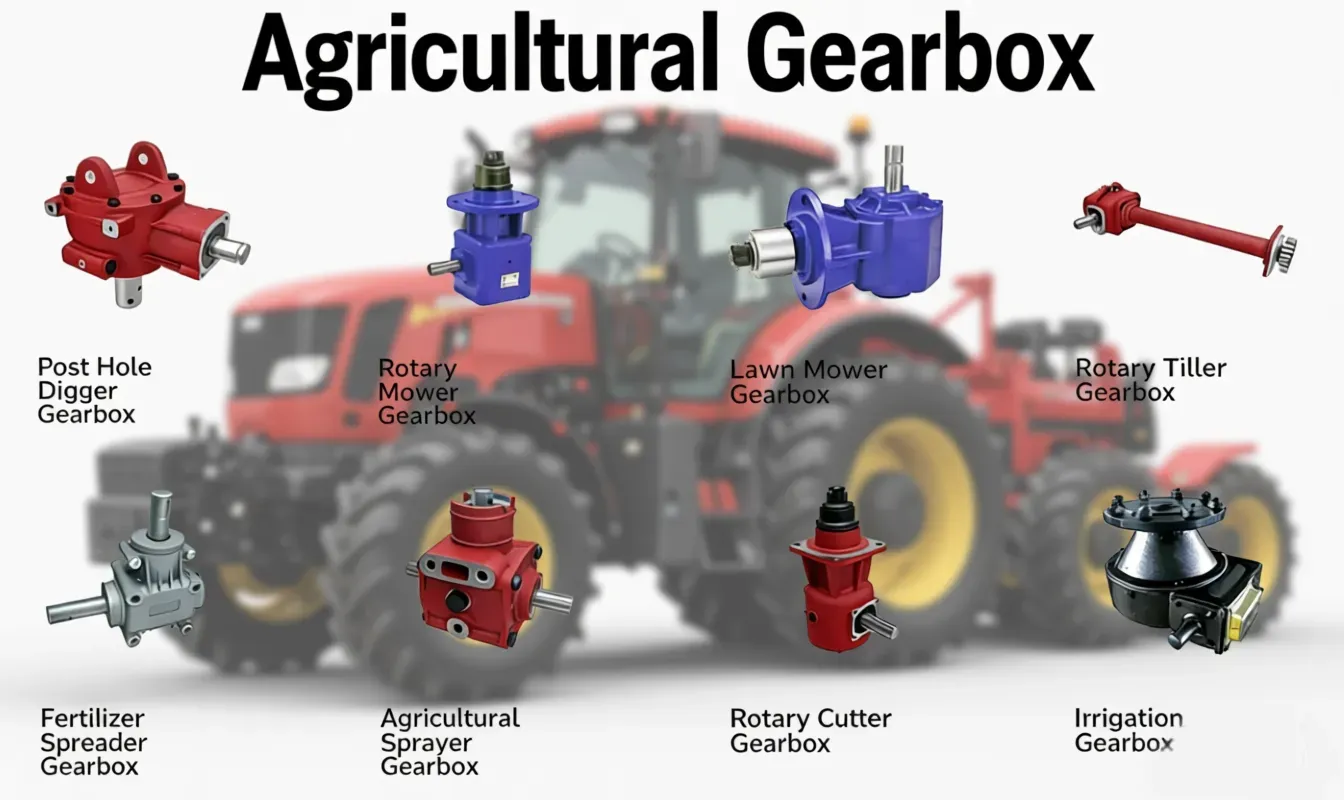
Associated Components and Integrated Supply Merits
Complementing rapeseed harvester gearboxes, ever-power provides PTO shafts with overrunning clutches, extendable segments, and cross joints compliant with Australian norms, featuring friction discs at 1350 Nm for safeguard. Accessories encompass sprockets, chains, racks, greasing units, belts, couplers, cylinders, all matched to prevent incompatibilities in Deere or IH assemblies. Optional complete machines like drills and combines outfitted with our gearboxes. Integrated supply trims procurement times by 28% for WA growers, with volume incentives promoting full powertrain refreshes. Key consumables: seals replaced every 400 hours, bearings at 4,000 hours, oils per 500-hour cycles. Transmission parts like universal joints endure 6,000 hours in standard use.
- PTO Shafts: Sturdy for power transfers.
- Chains/Sprockets: DIN standard for robustness.
- Hydraulic Cylinders: Accurate for reel adjustments.
- Whole Harvesters: Tailored with ever-power components.
Our comprehensive agricultural gearbox lineup and machinery parts allow one-stop acquisition, elevating your farming capabilities.
Engage for Personalized Configurations
Discover more at our main site or via our inquiry page.
FAQ
What torque levels suit Australian rapeseed harvesters?
For dense crops in WA, 1350-2050 Nm manages demands, from 3 t/ha outputs.
Why select ever-power over rivals?
Superior thermal control and fit, less breakdowns in warmth vs Comer or Bondioli.
Where do these gearboxes apply in Australia?
Chiefly Wheatbelt and Riverina for November harvests, matching local terrains.
When to swap the gearbox?
Upon seepage or clunks, post 6500 hours in particulates.
How do they align with regional laws?
Fulfill AS/NZS 4024, minimal oscillation for health.
What add-ons improve function?
PTO shafts and couplers assure dependability.
Who profits from these gearboxes?
Growers in irrigated areas pursuing productivity.
What upkeep is essential?
Fluid refreshes 500 hours, gasket inspections.