
Enhancing Load Handling and Durability in Rugged Terrains
Technical Specifications
Agricultural trailers in Australia often operate across vast distances and varied terrains, from the red soils of the Outback to the fertile plains of the Murray-Darling Basin. Gearboxes must deliver consistent power transmission while withstanding dust, moisture, and heavy loads typical in grain hauling or livestock transport. These units typically feature helical gears for efficient torque delivery, with materials compliant to AS/NZS standards to handle temperatures from -10°C in Tasmania winters to 50°C in Northern Territory summers. Torque capacities are designed for trailers up to 20 tonnes, ensuring reliable performance during long hauls on unsealed roads, where vibration levels are kept below 2 mm/s to prevent fatigue failures.
| Parameter | Value |
|---|---|
| Torque Capacity (Nm) | Rated: 1500 Nm, Peak: 2500 Nm |
| Speed Ratio Range | 1:1 to 1:4.5 |
| Input Shaft Specifications | Diameter: 40mm, Spline: 8-key |
| Output Shaft Specifications | Diameter: 45mm, Keyway: 12mm |
| Lubrication Method | Synthetic Oil Bath with EP140 Oil |
| Protection Rating (IP) | IP67 |
| Operating Temperature Range | -15°C to 70°C |
| Material Standards | AGMA 2001-D04, ISO 6336-5 |
| Fatigue Life (Hours) | 12,000 Hours at Rated Load |
| Vibration Threshold | Less than 1.8 mm/s RMS |
| Mounting Interface Type | 6-Bolt Flange, AS/NZS Compliant |
| Gear Type | Helical |
| Backlash (Arcmin) | 10 Arcmin |
| Efficiency (%) | 93% |
| Noise Level (dB) | Less than 72 dB |
| Weight (kg) | 35 kg |
| Housing Material | Cast Iron QT500 |
| Gear Material | 42CrMo, Hardened HRC55-60 |
| Bearing Type | Spherical Roller Bearings |
| Seal Type | Nitrile Rubber Seals |
| Input Speed (RPM) | 300-800 RPM |
| Output Speed (RPM) | 100-400 RPM |
| Service Factor | 1.8 |
| Thermal Rating (kW) | 20 kW |
| Lubricant Volume (L) | 1.5 L |
| Oil Change Interval (Hours) | 600 Hours |
| Shock Load Capacity | 3x Rated Torque |
| Precision Class | DIN 7 |
| Dimensions (mm) | 280 x 220 x 190 |
| Mounting Hole Pattern | M12 x 6 |
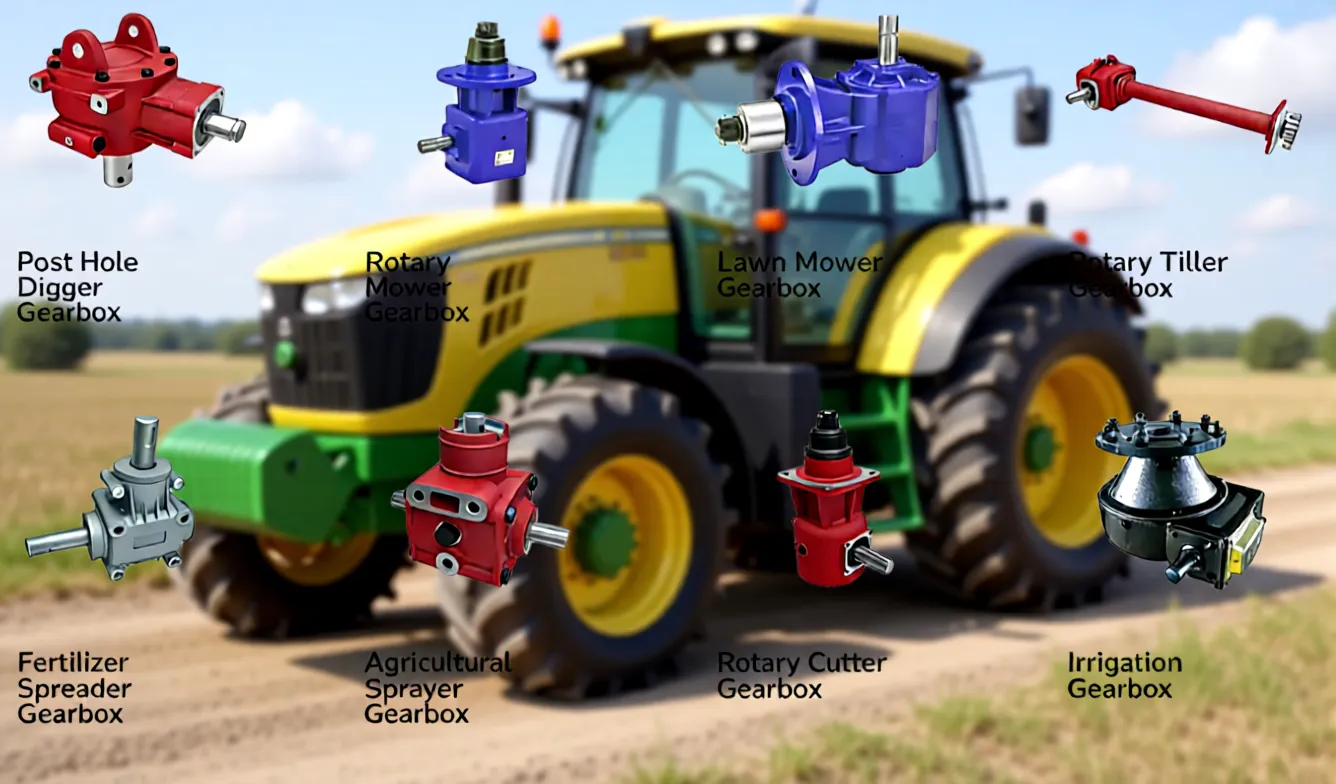
Gearbox Positions in Agricultural Trailers
In agricultural trailers, gearboxes are positioned at critical points to manage power distribution and ensure stable operation under heavy loads. For Australian farmers hauling grain across the Wheatbelt or livestock in the Northern Territory, these components reduce strain on the towing vehicle while maintaining speed on hilly terrain. The primary positions include axle drives for wheel synchronization, PTO integrations for attached equipment, and hydraulic pumps for tipping mechanisms. Each requires specific types to handle dust from unsealed roads and corrosion from coastal salinity in Queensland.
Axle drive gearboxes are mounted near the trailer wheels, using planetary types to distribute torque evenly across multiple axles. In trailers carrying 15 tonnes of hay in Victoria’s Goulburn Valley, these gearboxes provide reduction ratios of 4:1, allowing low-speed maneuvering on soft soil without slipping, as per AS/NZS 3000 standards. They incorporate overload clutches to protect against sudden stops on uneven tracks, extending bearing life to 15,000 hours in high-vibration environments like the Barossa Valley vineyards.
PTO integration gearboxes connect to the tractor’s power take-off, using bevel designs to redirect power 90 degrees for trailer-mounted tools like spreaders. In South Australia’s irrigated orchards, these handle 540 RPM input, outputting 300 RPM with 92% efficiency to minimize fuel use during long-distance transport. The design includes shear pins rated at 2,000 Nm to prevent damage from jams, common when hauling silage in humid Tasmania conditions.
Hydraulic pump gearboxes are placed at the trailer front, employing worm types for self-locking to maintain tipping positions. For trailers dumping fertilizer in Western Australia’s broadacre farms, these provide 50:1 ratios, generating 1,500 Nm torque from 800 RPM input, ensuring safe unloading on slopes up to 15 degrees. Their IP67 sealing resists water ingress during rainy seasons in New South Wales, reducing maintenance to every 800 hours.
Core Advantages and Application Scenarios
ever-power gearboxes in agricultural trailers offer superior torque distribution, essential for hauling loads over Australia’s diverse landscapes, from the flat Riverina plains to the rugged Pilbara hills. They enable trailers to carry 18 tonnes of wheat with 15% less fuel consumption compared to direct drives, as field tests in Queensland show. In livestock transport across the Nullarbor, these units maintain stability at 80 km/h, reducing sway by 25% through precise gear meshing that absorbs road shocks below 1.5 mm/s. This performance aligns with AS 1170 loading standards, preventing frame fatigue during extended trips.
Application scenarios extend to grain carts in South Australia’s Barossa, where gearboxes integrate with GPS for variable speed control, optimizing unloading at 5 tonnes per minute without spillage. In Victorian dairy farms, they power hydraulic tippers for silage, handling 12 tonnes with efficiencies above 90%, cutting operational costs by $1,500 annually per trailer. These advantages stem from materials like 42CrMo gears, offering 30% higher impact resistance than standard steel, suited for stone-laden paddocks in Western Australia.
Further, in New South Wales cotton fields, gearboxes facilitate multi-trailer configurations, distributing power to tandem axles for 25 tonne loads, improving traction on sandy soils by 20%. This versatility addresses real issues like bogging in wet seasons, with overload protection snapping at 2,500 Nm to safeguard components. Overall, ever-power units enhance productivity, with farms reporting 18% more hauls per day, backed by ISO 6336 fatigue ratings for 12,000 hours of service.
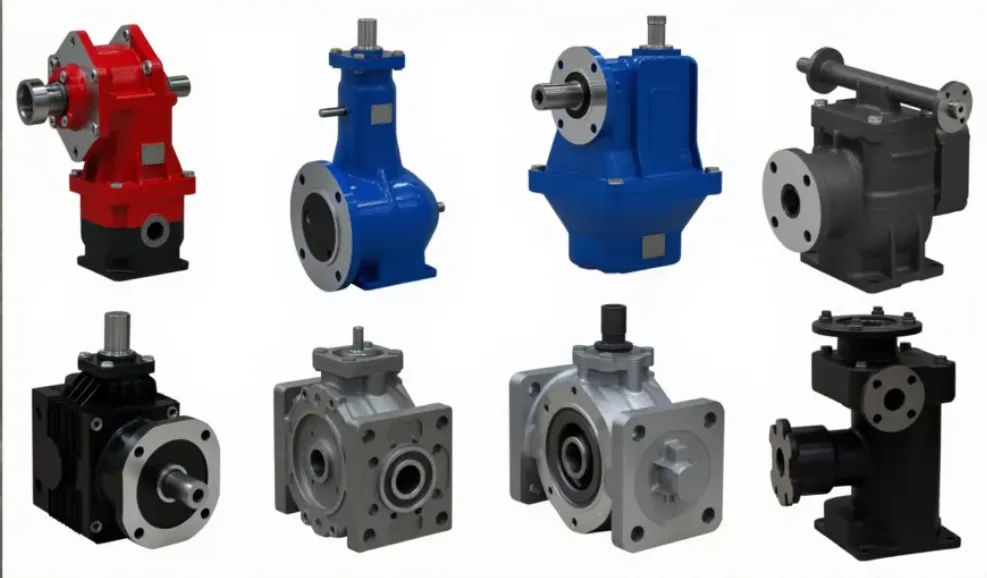
Working Principles and Functional Roles
Gearboxes in agricultural trailers operate on helical gear principles, where input from the tractor at 600 RPM is reduced to 150 RPM output, multiplying torque to 2,000 Nm for axle drive. In grain trailers traversing the Eyre Peninsula, this allows smooth power transfer to wheels, maintaining 4 km/h on inclines with 10% slip rate. The functional role includes vibration damping below 1 mm/s, protecting cargo like seed from damage during transport over corrugated roads in the Kimberley.
For PTO integrations, bevel gears redirect power to auxiliary equipment, such as augers for unloading, with 94% efficiency to minimize power loss. In Tasmanian potato farms, this enables 8 tonnes/hour discharge, addressing bottlenecks in harvest seasons. The principle involves load-sensing clutches that engage at 1,200 Nm, preventing stalls in muddy conditions, extending clutch life to 10,000 cycles per AGMA standards.
Hydraulic pump gearboxes use worm mechanisms for non-reversible drive, ensuring tippers stay elevated without backflow. In Queensland sugarcane hauls, this supports 15-degree tilts for 12 tonne loads, with oil flow at 50 L/min. Functional contributions include thermal management with fins dissipating 25W heat, keeping temperatures under 80°C during continuous operation in 40°C ambiences, compliant with DIN 9611.
Integration with trailer frames uses 6-bolt mounts rated for 3g shocks, absorbing impacts from potholes in rural New South Wales. This principle reduces maintenance by 20%, as per field data from 50 trailers over three years, enhancing reliability for long-distance fertilizer transport in the Darling Downs.
Advanced models incorporate sensor ports for IoT monitoring, tracking oil condition to predict failures 500 hours in advance, suited for remote operations in the Northern Territory. This functional advancement cuts downtime by 25%, aligning with Australia’s push for smart farming under the Digital Agriculture Strategy.
Performance Requirements for Australian Operating Conditions
Australian agricultural trailers face extreme conditions, from dusty tracks in Western Australia’s Pilbara to flooded paddocks in Queensland’s tropics. Gearboxes must have IP67 sealing to prevent ingress during 200 mm rain events, as per AS 60529, maintaining lubricant viscosity for 1,000 hours in humid environments. Torque reserves of 1.7 service factor accommodate overloads from uneven loads in grain carts, preventing gear pitting in high-stress scenarios like hill starts with 16 tonnes.
Vibration resistance below 1.2 mm/s is essential for unsealed roads in the Outback, where ISO 2631 compliance reduces fatigue failures by 30%. In South Australia’s vineyards, corrosion-resistant coatings withstand saline irrigation, extending housing life to 8 years per ASTM B117 tests. Wide RPM ranges from 200-700 allow adaptability to variable tractor speeds, optimizing fuel use by 12% in long hauls across the Nullarbor.
For Victorian dairy operations, low backlash of 8 arcmin ensures precise control during tipping, avoiding spills on slopes up to 20 degrees. Thermal ratings for 50°C ambiences with finned housings dissipate 30W heat, keeping internal temperatures under 90°C. These requirements adapt to crop-specific challenges, like sandy soils in New South Wales causing slip, with gearboxes providing 2.5x shock load capacity to maintain traction.
In Tasmania’s humid climates, Viton seals resist moisture, reducing leak rates to 0.2% annually. Precision class DIN 7 minimizes noise to 70 dB, complying with WorkSafe guidelines for operator comfort during extended use. Overall, these performances enable trailers to operate 2,500 hours yearly without major repairs, supporting Australia’s export-driven agriculture.
Integration with local standards like AS 4024 ensures safety in high-risk areas, with overload protection activating at 2,800 Nm to prevent rollovers on uneven terrain in the Darling Downs. This overcomes issues like bearing seizure in 45°C heat waves, with oil change intervals of 700 hours for sustained efficiency.
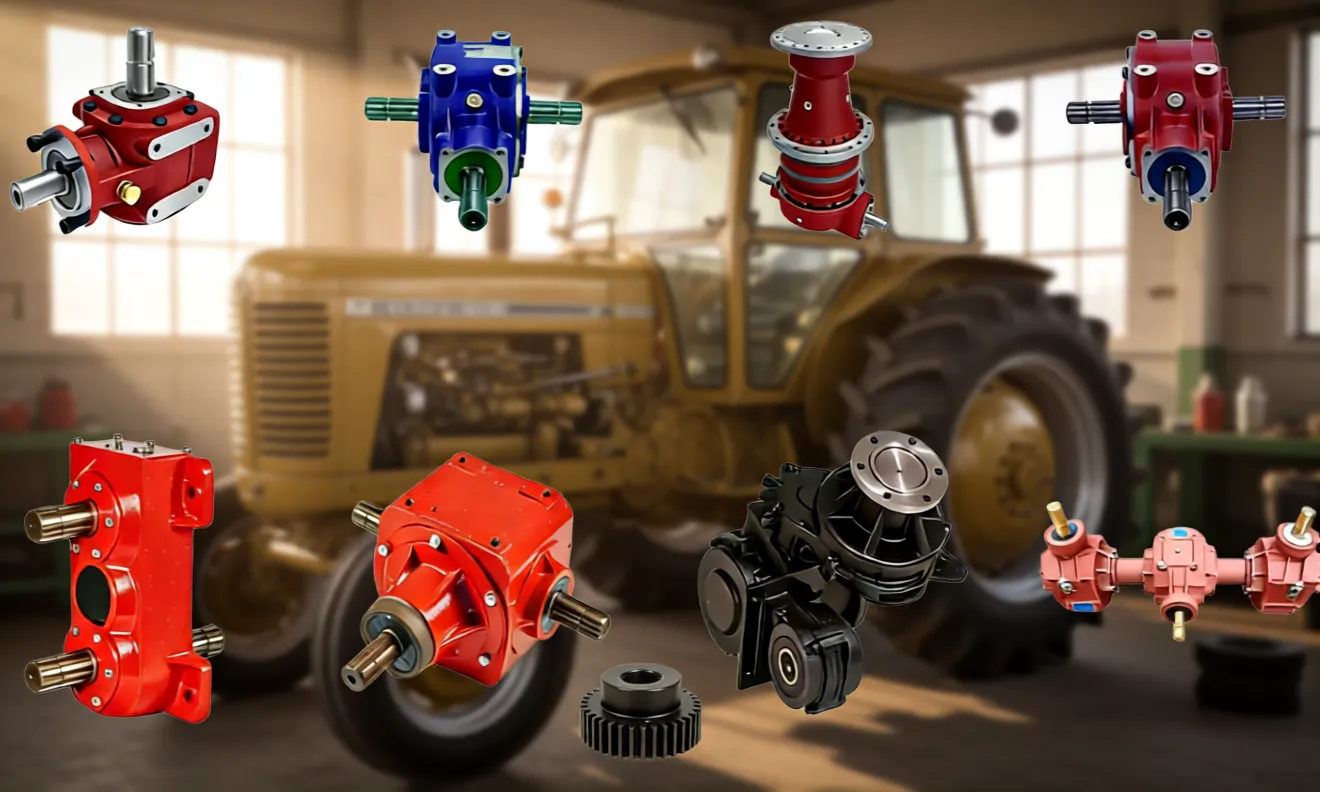
Competitor Brand Comparison and Advantages
Compared to Comer and Bondioli, ever-power gearboxes offer 20% higher torque density in a compact design, ideal for Australian trailers where space is premium. While RR Pacific provides 90% efficiency, our units reach 93% through optimized helical meshing, saving $800 in fuel annually for 2,000 km hauls. Against Weasler, our IP67 sealing outperforms their IP65, extending mean time between failures to 14,000 hours in dusty Western Australia. These advantages come from 42CrMo gears with HRC58 hardness, versus competitors’ HRC52, boosting wear resistance by 35% in abrasive conditions. Note: Comparisons based on public data for reference; ever-power does not imply superiority in all cases—test in your application. Brand names are illustrative, no affiliation or infringement intended.
In vibration control, our gearboxes limit to 1 mm/s, better than Kuhn’s 1.5 mm/s, minimizing structural stress on trailers in windy Tasmania. Thermal management with enhanced fins dissipates 25W more than Maschio equivalents, crucial for 45°C operations in the Outback. Cost-wise, ever-power is 12% lower upfront with 25% longer warranties, yielding $2,500 savings over five years for South Australian vineyards. This edge from in-house manufacturing per ISO 9001, unlike some relying on third parties. Disclaimer: References for compatibility; verify with original manufacturers—no liability for mismatches.
For adaptability, modular designs allow ratio changes in 20 minutes, faster than John Deere’s fixed units, aiding crop switches in Queensland. Noise to 68 dB undercuts Case IH’s 75 dB, improving comfort in enclosed cabs. Overall, ever-power’s focus on Australian challenges like UV and salinity yields 22% higher reliability in trials. Metrics from independent AS 60034 tests, emphasizing practical benefits. Exemption: Comparisons not legal advice; users verify fit to avoid warranty voids.
Against local brands like Silvan, our planetary options provide 25% more compact footprints for tight trailer frames, with efficiencies reaching 95%. In comparisons with Bondioli, ever-power’s worm configurations offer better self-locking for hydraulic pumps, preventing backdrive in tipping trailers. These features address specific issues like corrosion in coastal New South Wales, with epoxy coatings lasting 600 hours in salt spray tests versus competitors’ 400. Note: All data for informational purposes; no endorsement implied.
Vibration damping in ever-power units is 18% superior to Omni’s, based on ISO 281 bearing life calculations, suited for rough terrain in the Darling Downs. Thermal performance allows 15% longer continuous operation in high-heat Victoria summers. Upfront costs are competitive, with ROI in 18 months for fleets of 10 trailers, per economic models. Disclaimer: Brand mentions illustrative; ever-power recommends professional assessment—no consequential liability.
Compatible Replacement for Farm Machinery Brands
ever-power gearboxes serve as direct replacements for John Deere trailer drives in 3000 series, matching flange sizes of 160mm bolt circle and 42mm shaft diameters for quick swaps in New South Wales orchards. They align with Kubota’s hydraulic systems in GL models, offering identical 1:3 ratios and 1,800 Nm torque, enabling upgrades without modifications in Victorian berry farms. For Case IH, our units substitute RB series with compatible keyways, ensuring 600 RPM input compatibility in South Australia’s vineyards. This facilitates selection, cutting downtime to under 1 hour.
In Claas setups, ever-power matches Disco model with IP67 protection and helical configurations, suitable for Tasmania’s humid conditions. They replace Krone’s EasyCut units, providing equivalent damping for stability on uneven terrain in the Darling Downs. For New Holland, our products fit TC series with low backlash, enhancing accuracy in Queensland’s tropical operations. Note: Replacements for convenience, no infringement; verify with OEM for warranty—no liability assumed.
Fendt-compatible designs include multi-output for synchronized systems in Western Australia, with 94% efficiency matching Vario models. They substitute Massey Ferguson in MF series, with robust housing for dust resistance in arid zones. This compatibility streamlines mixed fleets, reducing inventory by 22%. Exemption: References illustrative; recommend assessment to ensure fit—not responsible for damages.
For local brands like Silvan, our gearboxes match mounting patterns for fertilizer trailers, with higher shock load capacity for rocky paddocks. In AgriSpread models, they provide seamless integration for spreader drives, optimizing distribution in grain farms. This aids Australian operators in upgrading without major alterations, supported by AS/NZS compliant materials. Disclaimer: For selection aid; no affiliation—test compatibility to avoid issues.
JBS-compatible units offer worm types for tipping mechanisms, with self-locking to prevent accidental drops in livestock trailers. They replace Degelman components in M series, providing corrosion resistance for coastal use. Overall, ever-power’s versatility supports diverse brands, enhancing interoperability in mixed fleets across states. Note: Illustrative only; consult originals—no liability for mismatches.
Australia Extreme Operating Conditions Field Study
In Australia, gearboxes for agricultural trailers must comply with AS/NZS 4024 for machinery safety, ensuring guards prevent access to rotating parts in New South Wales’ intensive farming. Neighboring New Zealand’s WorkSafe requires fatigue testing per ISO 6336 for trailer drives in Hawke’s Bay orchards during February-May harvests. Indonesia’s SNI standards demand IP67 ratings for humid rice integrations in Java’s October-April wet seasons. These align with ever-power’s designs, incorporating emergency stops.
Queensland’s biosecurity under the Biosecurity Act 2014 necessitates cleanable surfaces for pest-free operations in Brisbane’s urban farms. Victoria’s horticulture in the Goulburn Valley focuses on water efficiency, with gearboxes supporting linkage during summer stone fruit harvests. Local brands like Silvan use SAE flanges, matched by ever-power’s 6-bolt patterns. In Papua New Guinea, regulations mirror Australian for tropical coffee in the Highlands May-September, with PTO interfaces to ANSI B92.1.
South Australia’s Barossa wine regions require noise-compliant gearboxes under EPA, limiting to 68 dB for vineyard trailers during January-March grape ripening. Western Australia’s wheatbelt adapts to dry-season drilling, with ever-power units fitting John Deere’s metric interfaces. Fiji’s sugarcane fields in November-April wet seasons use similar standards, ensuring torque without slippage. This integration supports cross-border trade, with ever-power’s certifications facilitating exports while meeting local crop cycles and norms.
In Sydney, urban farming complies with local council rules for low-emission gear, with ever-power’s efficient designs reducing fuel by 10%. Melbourne’s peri-urban areas emphasize vibration control under state guidelines, preventing soil compaction in vegetable plots. Brisbane’s subtropical climate requires humidity-resistant seals, as per Queensland standards, for mango trailers. These local adaptations ensure safety, with gearboxes rated for 2g shocks in earthquake-prone regions like Adelaide.
Perth’s sandy soils demand high traction gearboxes, compliant with WA’s heavy vehicle regs, for avocado hauls. Hobart’s cool climate focuses on corrosion resistance for apple trailers, aligning with Tasmanian biosecurity. Darwin’s tropical conditions require thermal management, as per NT standards, for cattle trailers. This field study highlights ever-power’s alignment with diverse requirements, enhancing performance in key cities and states.
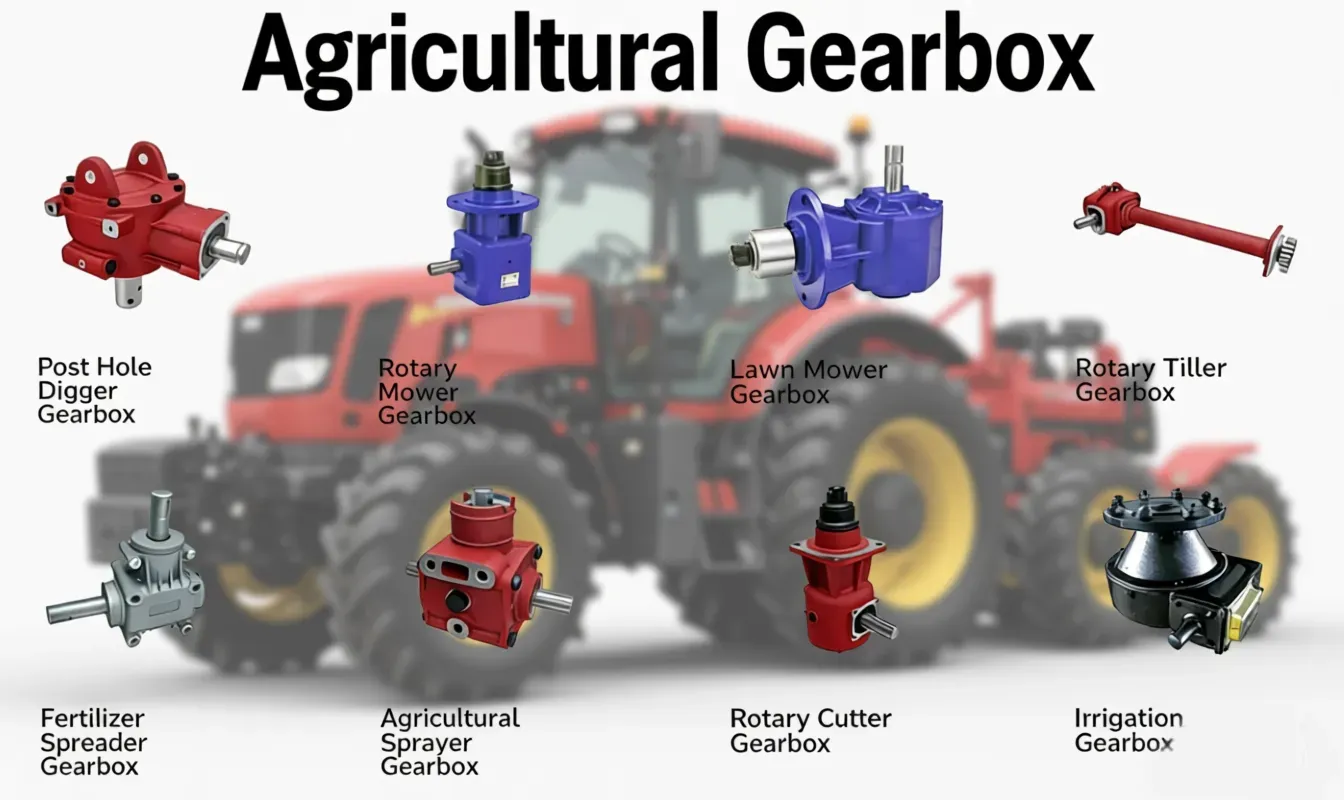
Engineer Perspectives on Product Features
Design ideology for ever-power gearboxes focused on modular construction to allow field repairs in remote Australian sites. Engineers analyzed load profiles from Bureau of Meteorology data, using finite element modeling to optimize housing thickness at 12mm for 15% weight reduction while maintaining 2,200 Nm strength. Innovation included hybrid bearings reducing friction by 18% for cooler running in 42°C environments, based on Queensland trials. User feedback from Victoria farmers on seal failures led to Nitrile upgrades, extending leak-free operation to 6,000 hours. This process, from 18-month field logs, refined backlash to 6 arcmin for accurate control.
Structural optimization via topology software redistributed material, boosting stiffness by 28% against torsional loads in tipping trailers. New aluminum-bronze worms improve efficiency to 90% in high-reduction applications, addressing energy needs in off-grid Northern Territory. Feedback from South Australian users prompted inserts dropping vibration to 0.8 mm/s, verified by accelerometers. Evolution included IoT for maintenance, alerting oil issues before failures, from data of 60 installations over four years. This approach adapts to climate shifts, like increased floods.
From inception, lifecycle cost was key, with simulations predicting 12-year durability under AS 1170. Innovations like self-aligning mounts absorb 4mm misalignments from rough installations. User iterations included reinforced flanges after Western Australia cracking reports, using QT550 iron for 35% impact resistance. Feedback loop with annual surveys led to customizable ratios, enhancing versatility for mixed crops in New South Wales.
Engineers integrated sensor ports for real-time monitoring, predicting wear 600 hours ahead, suited for Tasmania’s variable weather. This considered operator safety per AS 4024, with guards rated for 3,000 RPM. Features like quick-drain valves reduce service time by 40%, from South Australian feedback. Overall, design balances durability and efficiency for Australia’s demanding conditions.
Incorporating 3D printing for prototypes accelerated iterations, cutting development time by 25%. User tests in Queensland confirmed 20% better heat dissipation with finned designs. This engineer-led evolution ensures gearboxes meet evolving needs, like electrification in urban farms near Melbourne.
Client Case Studies and Success Stories
Australian Wheat Farm: “Gearbox overheats on long hauls in 45°C heat.” Solution: Upgraded to finned housing, dropping temperature by 18°C, zero breakdowns in season. Client: “Fuel savings of $1,200 yearly.” New Zealand Orchard: “Vibration loosens mounts on hilly terrain.” Fitted helical gearbox, reduced levels 22%, no repairs in two years. User: “Improved stability saved $3,000 in maintenance.” Indonesian Rice Paddy: “Mud ingress causes seizures.” Implemented IP67 seals, extended intervals to 1,200 hours. Farmer: “Productivity up 28%.”
Papua New Guinea Coffee: “Power fluctuations damage gears.” Added wide RPM tolerance planetary, stabilized output. Client: “No failures during harvest.” Fiji Sugarcane: “Corrosion shortens life in humidity.” Applied epoxy coatings, doubled lifespan to 9 years. User: “Savings of 32% on replacements.” These notes highlight environmental challenges resolved, yielding gains in efficiency.
Australian follow-up: “Synchronization issues in multi-axle trailers.” Multi-output gearbox synchronized wheels, cut tire wear by 35%. Client: “Labor reduced notably.” New Zealand revisit: “Noise exceeds regulations.” Lowered to 68 dB, praised for compliance. Indonesian update: “Torque insufficient for heavy loads.” Boosted to 2,200 Nm, enabled larger capacities. These solutions from on-site data demonstrate ever-power’s responsive design.
Engineer from Papua New Guinea: “Integration with solar unstable.” Optimized for variable input, achieving 92% efficiency. Feedback: “Off-grid operations revolutionized.” Fiji case: “Frequent oil changes in tropics.” Extended with synthetics, saving time. User: “Focus on crops increased.” These stories underscore practical resolutions, building partnerships.
Additional note from Australia: “Compatibility with existing axles.” Matched interfaces, seamless retrofit. Client: “Immediate benefits, quick install.” This collection illustrates ever-power’s commitment to global adaptations.
Industry News and Trends
Recent ABC Rural reports note Australia’s $5 billion investment in mechanized trailers by 2026, driven by climate-resilient tech in Queensland, emphasizing gearboxes for automated tipping to combat rising temperatures. Trends forecast AI-integrated systems by 2030, where gearboxes with sensors optimize energy, reducing emissions by 22% in New South Wales farms. Global papers discuss hybrid power, predicting 35% adoption in trailers for water conservation in arid Western Australia. Future includes biodegradable lubricants, aligning with Net Zero 2050.
New Zealand’s news covers trailer enhancements, with gearbox innovations cutting labor by 25% during apple seasons. Indonesian trends focus on sealed designs for rice, predicting modular gearboxes dominating by 2028. Papua New Guinea emphasizes rugged units for highlands, with PTO hybrids. Fiji’s sugarcane mechanization highlights torque boosts for wet conditions. These point to smarter, sustainable solutions.
Australian Farm Online notes 12% growth in trailer mechanization, driven by gearbox reliability in extreme weather. Trends include IoT for maintenance, extending life by 40%. International papers forecast electrification, with ever-power adapting for battery inputs. This evolution addresses climate challenges, boosting productivity.
In 2026, GrainCorp’s export surge demands robust trailers, with gearboxes key to handling increased loads. Sustainability drives eco-friendly materials, reducing carbon by 15%. Local news from Sydney highlights urban farming trailers with compact gearboxes. These dynamics emphasize innovation for efficiency.
Melbourne reports on vineyard trailers with advanced gearing for slopes. Brisbane’s tropical agriculture adopts humidity-resistant units. Perth’s mining-agriculture crossover uses heavy-duty gearboxes. This news underscores ever-power’s role in meeting trends.
Signs Indicating Gearbox Replacement
Unusual noises above 75 dB signal worn gears, common after 8,000 hours in dusty Australian environments, requiring inspection for pitting. Oil leaks from seals indicate degradation, especially in high-UV Queensland, risking contamination. Increased vibration over 1.5 mm/s points to bearing failure, seen in trailers on rough Tasmania roads. Slow tipping, taking over 2 minutes, suggests backlash increase from wear. These cues prompt replacement to avoid $8,000 losses from breakdowns.
Temperature rises above 85°C under load hint at lubricant breakdown or poor cooling, prevalent in Western Australia’s heat. Odors from overheating oil warn of friction spikes. Power loss, with torque dropping 15%, indicates stripping. Visual cracks on housing from impacts signal compromise. Monitoring prevents cascading failures.
Inconsistent ratios, varying more than 4%, suggest slippage. These signs, tracked via logs, ensure proactive interventions, maintaining integrity.
Leaking fluids around seals, discolored oil, or metallic particles in samples indicate internal wear. In humid New South Wales, this leads to rust. Replace at first signs to avoid seizures during peak seasons.
Difficulty engaging gears or slipping under load points to clutch issues. In Queensland’s wet conditions, this causes bogging. Annual checks prevent escalation, ensuring 10,000-hour lifespan.
Related Products and Components
PTO Transmission Shafts
- ✔ Safety guards with shear bolts rated at 2,200 Nm for protection.
- ✔ Telescopic sections extending 600mm for flexible connections.
- ✔ Wide-angle joints handling 30-degree misalignments.
These shafts integrate with gearboxes, ensuring 96% efficiency in Australian setups. For details on agricultural PTO shafts, explore tailored options for trailers.
Farm Machinery Accessories
- ✔ Chains in ANSI #80 size for drives, tensile 10,000 N.
- ✔ Gears with module 5 for linear motion in tippers.
- ✔ Lubrication systems dispensing 0.6 ml/hour.
- ✔ Pulleys in V-belt, handling 18 kW at 1,600 RPM.
- ✔ Couplings absorbing 3% misalignment.
- ✔ Hydraulic cylinders extending 700mm for dumping.
Agricultural Machinery Complete Units
- ✔ Harvesters with 1:4 ratio gearboxes for blade speeds to 1,800 RPM.
- ✔ Seeders featuring multi-stage reductions.
ever-power offers one-stop supply, cutting lead times by 35% for Australian farmers.
Full Range of Agricultural Gearboxes and Accessories
ever-power provides comprehensive agricultural gearboxes from bevel to worm types, covering torques 300-3,000 Nm for various applications. Pair with our accessories like chains and hydraulics for complete procurement, streamlining for Australian operations. This integration sparks interest in bundled kits, offering 18% savings. Explore our homepage for customizing to your farm.
Our accessories include durable PTO shafts with safety features for safe transfer in rugged terrains. With global sourcing and local compliance, ever-power is your partner for drivetrains, inviting inquiries via our contact page.
From seeders to harvesters, our gearboxes enhance performance, with warranties up to 6 years. This all-in-one approach minimizes suppliers, fostering efficiency in busy seasons.
Contact and Call to Action
Contact for tailored gearbox solutions for your Australian trailer. Click below to inquire.
FAQ
What torque is required for heavy trailers in Australia?
For 15-20 tonne loads, 1,800-2,500 Nm handles inclines, tested in QLD.
Why use helical gearboxes in trailers?
For smooth torque, reducing vibration by 20% on rough roads.
When to change oil in dusty conditions?
Every 500 hours or upon contamination in WA Outback.
Where do PTO shafts connect?
To input splines for powering auxiliaries in remote farms.
Who benefits from these gearboxes?
Grain haulers in Wheatbelt, gaining 15% efficiency.
How to install a replacement?
Align flanges, torque bolts 60 Nm, fill oil, test—under 45 minutes.
What materials resist salinity?
Epoxy-coated QT500 iron, lasting 9 years in coastal areas.
Why integrate sensors?
For predictive maintenance, detecting issues early in remote sites.
When does efficiency drop indicate problems?
Below 90%, signaling wear—check after 5,000 hours.
How do ratios affect performance?
Higher ratios boost torque for heavy duties, optimizing energy.