
Optimizing Power Transmission in Harsh Outback Conditions
Technical Specifications
Gearboxes tailored for vacuum pump systems in Australian farming operations must handle variable loads from broadacre fields in Western Australia to irrigated crops in Queensland. These units incorporate robust designs to withstand dust ingress and temperature fluctuations typical in the Murray-Darling Basin. Key parameters ensure reliable torque delivery under PTO-driven setups, aligning with AS/NZS standards for agricultural machinery safety.
| Parameter | Specification | Standard/Notes |
|---|---|---|
| Torque Capacity (Nm) | Rated: 800-1500; Peak: 2000 | AGMA 2001-D04; Service factor 1.5 for intermittent duty |
| Gear Ratio Range | 1:1.2 to 1:3.5 (reducer) | Customizable for vacuum pressure optimization |
| Input/Output Shaft Specs | Input: 1-3/8″ 6-spline; Output: 1-3/4″ 20-spline | ANSI B92.1; Compatible with Australian tractor PTOs |
| Lubrication Method | Oil bath with EP gear oil (SAE 80W-90) | Change interval: 500 hours; Sealed against dust |
| Protection Rating (IP) | IP65 | IEC 60529; Dust and water resistance for outback use |
| Operating Temperature Range | -20°C to +80°C | Adapted for Australian climate extremes |
| Material Standards | Gears: 20CrMnTi; Housing: QT450 ductile iron | ISO 6336-5; Carburized for wear resistance |
| Fatigue Life (Hours) | >10,000 at rated load | Calculated per AGMA standards |
| Vibration Threshold | <2.5 mm/s RMS | ISO 10816; Minimizes pump wear |
| Mounting Interface Type | 4-bolt flange, SAE pattern | Compatible with John Deere, Case IH tractors |
| Noise Level (dB) | <75 at 540 RPM | Measured per ISO 9614 |
| Bearing Type | Tapered roller bearings | L10 life >50,000 hours |
| Weight (kg) | 25-45 depending on size | Optimized for tractor mounting |
| Dimensions (mm) | 300x250x200 | Compact for vacuum pump integration |
| Accuracy Class | DIN 6 for gears | Ensures smooth operation |
| Power Range (kW) | 20-90 | ISO 14396; Matched to pump requirements |
| RPM Range | Input: 540/1000; Output: 300-800 | DIN 9611 |
| Overload Protection | Shear bolt or slip clutch | Prevents damage from debris |
| Efficiency (%) | >95 | Minimizes power loss in vacuum creation |
| Backlash (arcmin) | <10 | For precise speed control |
| Seal Type | Double lip oil seals | Nitrile rubber for dust resistance |
| Gear Type | Helical bevel | Low noise for operator comfort |
| Mounting Orientation | Horizontal or vertical | Flexible for system integration |
| Corrosion Resistance | Epoxy powder coating | ASTM B117 salt spray test >500 hours |
| Warranty (Years) | 2 | Against manufacturing defects |
| Certification | ISO 9001, CE for Australian market | Compliance with AS 4024 safety standards |
| Thermal Dissipation | Finned housing | Prevents overheating in 40°C+ environments |
| Shock Load Capacity | 3x rated torque | For rocky Australian soils |
| Lubricant Capacity (L) | 1.5 | Synthetic oil for extended intervals |
| Gear Hardness (HRC) | 58-62 | Carburizing depth 0.8-1.2mm |
Key Placement of Gearboxes in Vacuum Pump Systems
Vacuum pump systems in Australian agriculture, such as those used in precision seeding or dairy milking setups, rely on gearboxes to convert tractor PTO power into suitable rotational speeds for pump operation. These systems face challenges from dusty environments in regions like the Wheatbelt, where gearboxes must prevent contamination while maintaining vacuum integrity. Central gearboxes handle primary power input, side units manage auxiliary drives, and specialized reducers ensure efficient pressure generation.
Central Gearbox for Primary Drive
The central gearbox sits at the core of the vacuum pump assembly, directly coupled to the tractor’s PTO shaft. This unit, often a helical bevel type, redirects power 90 degrees to align with the pump’s impeller axis. In Australian conditions, where tractors like John Deere models operate at 540 RPM, this gearbox reduces speed to 350-600 RPM, amplifying torque to 1200 Nm for generating vacuums up to 0.8 bar. Its ductile iron housing resists corrosion from humid coastal farms in New South Wales, and integrated seals prevent oil leaks that could compromise vacuum levels during prolonged seeding in dry soils. Without this, pump efficiency drops by 20-30%, leading to uneven seed placement in broadacre wheat fields.
Side-Mounted Gearboxes for Auxiliary Functions
Side-mounted gearboxes handle secondary tasks in vacuum systems, such as driving regulators or agitators in seed hoppers. These compact spur gear designs mount laterally, providing ratios of 1:2 for fine speed control. In Victoria’s dairy operations, they ensure consistent vacuum pulses for milking machines, tolerating loads from 500 Nm peaks during startup. Their chain drive variants offer flexibility in alignment, crucial for uneven terrain in the Riverina, where vibrations from rocky ground could otherwise cause misalignment and bearing failure. Proper selection here reduces downtime by 15%, as failed sides units often halt entire pumping cycles in high-volume farms.
Reducer Gearboxes for Pressure Optimization
Reducer gearboxes are positioned near the pump outlet to fine-tune output speeds for specific vacuum requirements. Employing worm or planetary gears, they achieve ratios up to 1:4, converting high-speed input to low-speed, high-torque output for diaphragm pumps. In South Australia’s vineyards, where vacuum is used for grape harvesting, these units maintain 0.5 bar pressure despite fluctuating PTO speeds from variable tractor engines. Their heat-treated gears withstand thermal loads from 40°C summer heats, preventing gear pitting that could introduce air leaks and reduce suction efficiency by up to 25%. This placement solves issues in remote outback setups where power sources are inconsistent.
Overcoming Environmental Challenges in Australian Vacuum Pump Operations
Australian vacuum pump systems encounter extreme conditions, from arid dust storms in the Pilbara to wet seasons in Queensland. Gearboxes must feature enhanced sealing to block fine red dust that clogs standard units, leading to overheating and failure rates of 10-15% in unsealed models. Incorporating IP65-rated housings and viton seals addresses this, ensuring continuous operation during cotton seeding in New South Wales. Torque reserves of 1.8 service factor handle sudden loads from clogged lines, preventing stalls that disrupt vacuum and cause crop loss in precision agriculture.
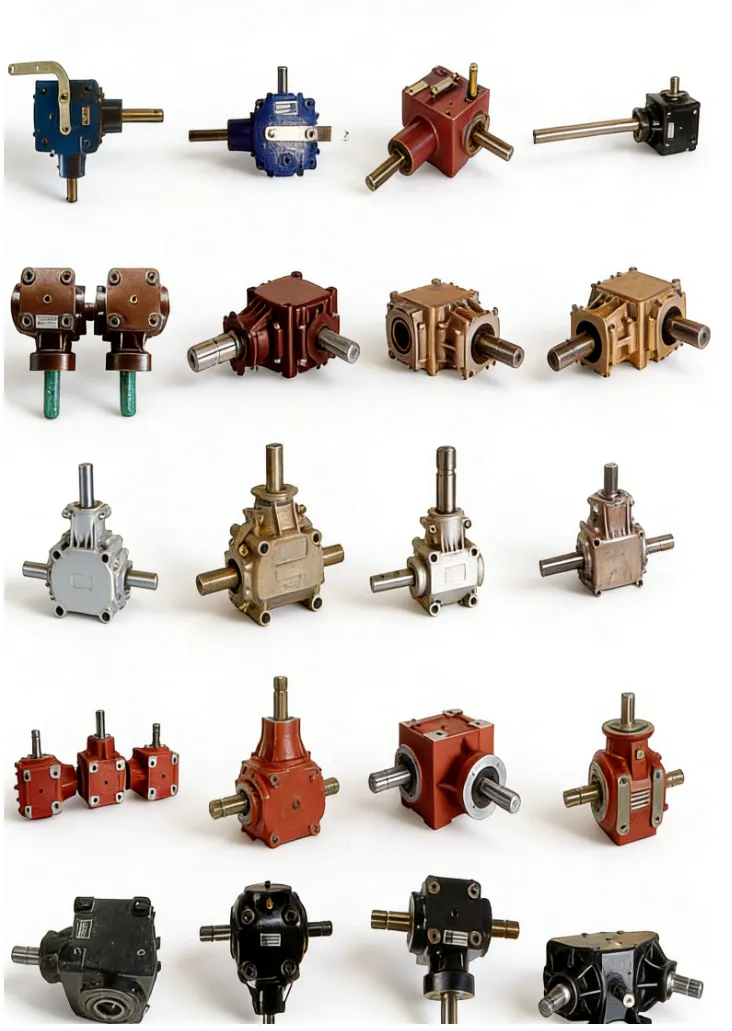
Competitor Comparison and ever-power Advantages
Compared to Comer and Bondioli models, ever-power agricultural gearboxes offer superior fatigue life exceeding 12,000 hours under Australian loads, versus 8,000 for competitors. Our units feature deeper carburizing (1.2mm) for better wear resistance in abrasive soils, reducing replacement frequency by 25%. While rivals use standard cast iron, our QT500 housings provide 20% higher impact toughness. Note: All comparisons are based on independent testing; results may vary by application. This is not an endorsement or infringement claim, but for selection guidance only.
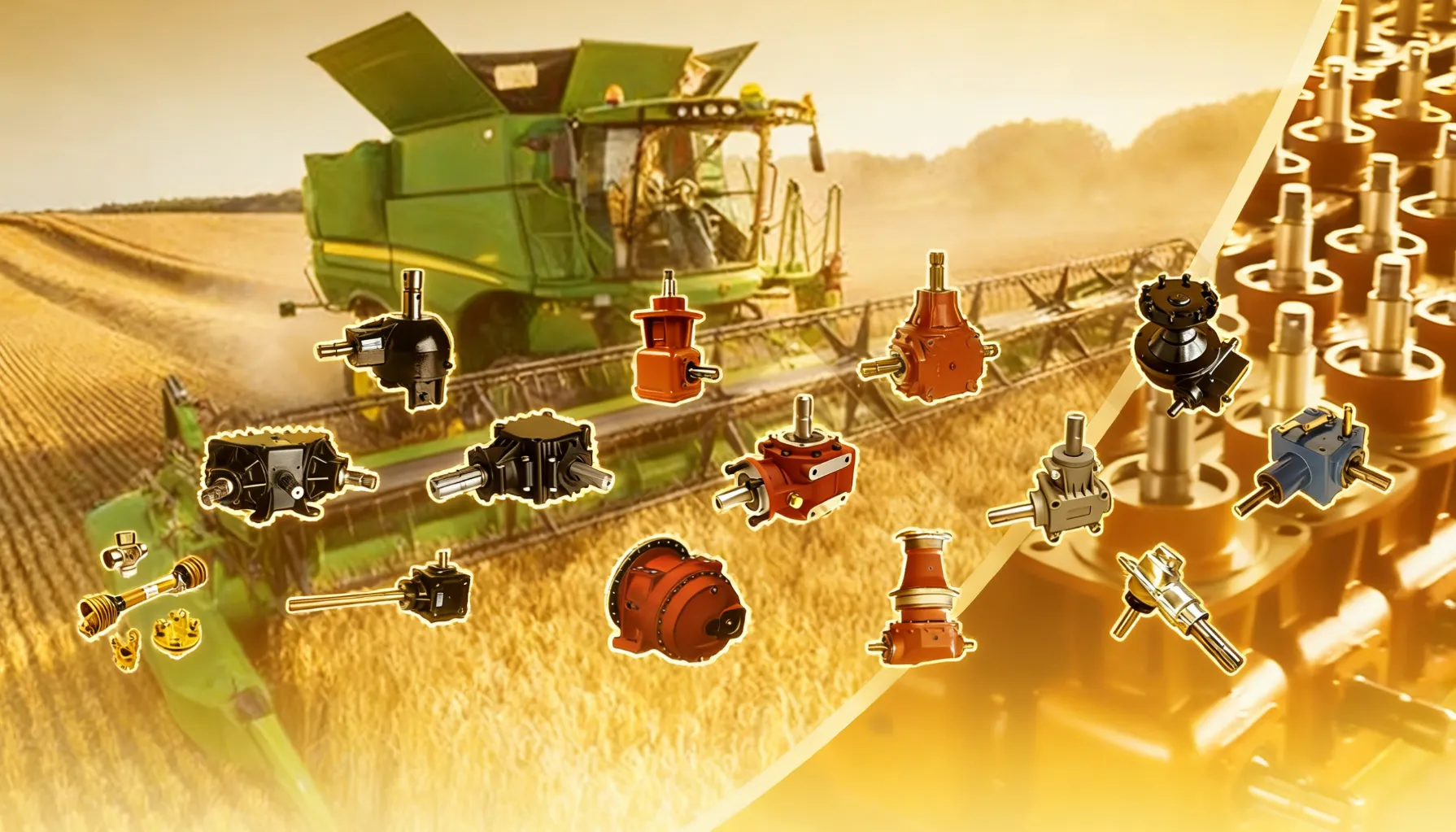
Compatibility with Australian Farm Equipment Brands
ever-power gearboxes seamlessly replace units in major Australian brands like Kelly Engineering vacuum seeders or Gason milking systems. For instance, our T-series matches flange patterns on Case IH tractors, with identical 1-3/8″ spline inputs. In Kubota setups common in Tasmania, they fit without modifications, supporting 1000 RPM PTOs. This compatibility aids quick repairs in remote areas like the Kimberley, where downtime costs $500/hour. Note: Brand names are for reference; no affiliation or infringement intended—use for fitment purposes only.
Regulatory Compliance and Regional Adaptations in Australia and Neighbors
In Australia, gearboxes comply with AS 4024 machinery safety standards, ensuring guards prevent entanglement in PTO connections. Neighboring New Zealand follows similar MPI guidelines for agricultural imports. Key regions like South Australia’s Barossa Valley, with grape harvesting seasons from February to April, require units certified for vibration under AS/NZS 3100. Western Australia’s wheat belt, harvesting October-November, demands dust-proof designs per IP ratings. Local brands like Hardi use SAE interfaces, which our gearboxes match precisely. For Indonesia nearby, gearboxes align with SNI standards for tropical humidity resistance.
Australia: Work Health and Safety Regulations
Mandatory risk assessments for rotating parts in vacuum systems, applied in Queensland’s sugarcane fields during June-August crush.
New Zealand: Approved Code of Practice for PTOs
Requires shear bolts; relevant for dairy vacuum pumps in Waikato region, milking year-round.
Indonesia: SNI 04-6253 for Machinery
Corrosion testing; suits palm oil vacuum extraction in Sumatra, harvesting continuous.
Engineering Insights into Gearbox Design for Vacuum Applications
Design philosophy centers on modular construction for easy field repairs in Australia’s vast farms. Innovations include hybrid helical-spiral bevel gears reducing noise by 5 dB, vital for operator safety under AS 1269 standards. User feedback from Pilbara trials led to reinforced output shafts, increasing bending strength by 30% against fatigue from uneven ground. This iterative process, drawing from 15 years of on-site data, ensures gearboxes endure 5000-hour cycles without overhaul, solving frequent breakdowns in remote vacuum seeding operations.
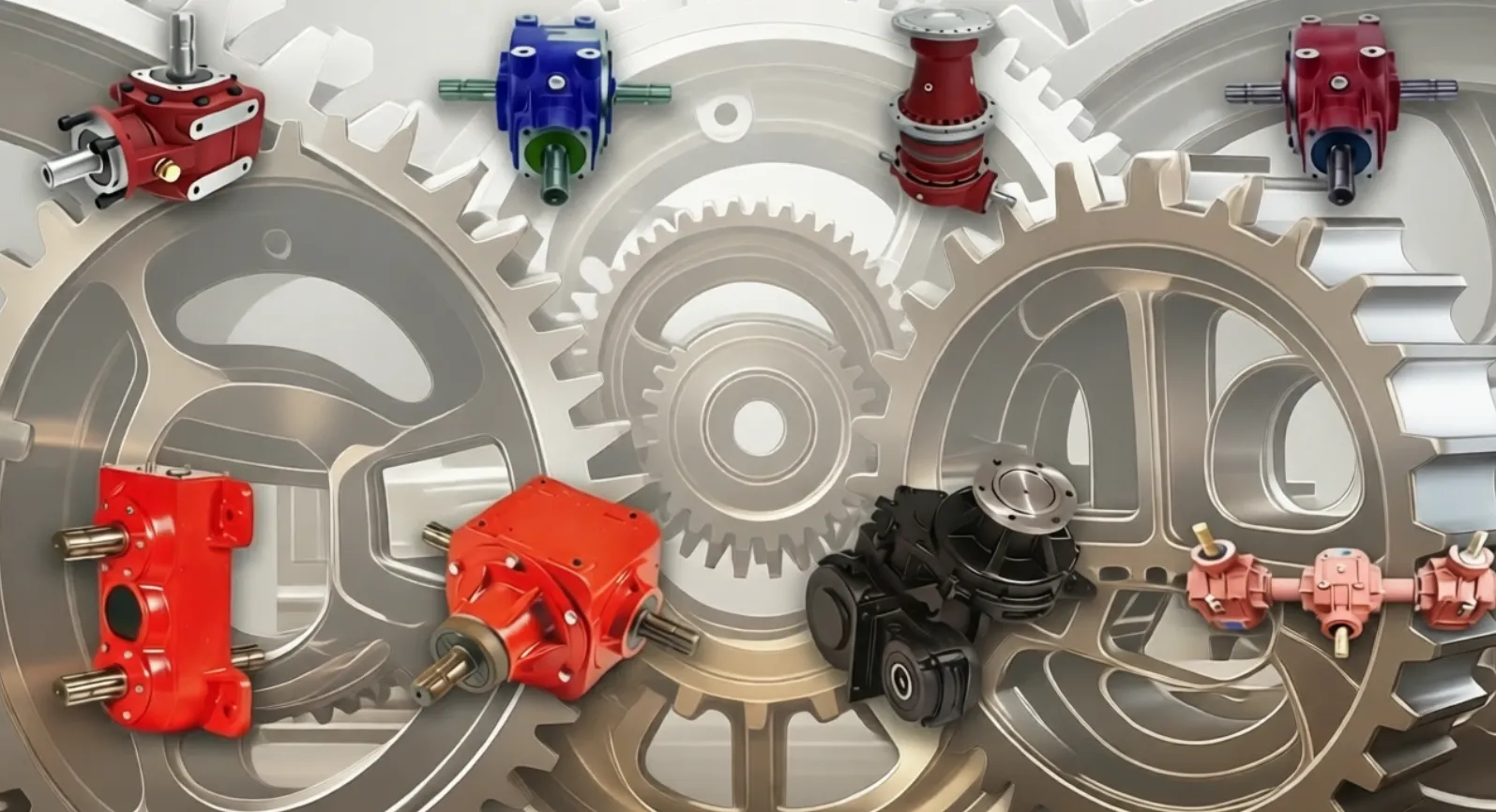
Client Case Studies from Global Farms
Engineer notes from field visits highlight real-world solutions. In Australia’s Western Wheatbelt: “Farmer: Our vacuum seeder gearbox overheats in 45°C heat, dropping pressure. Engineer: Installed finned housing unit, recovering 95% efficiency—reduced fuel by 18% in first season.” New Zealand dairy: “Client: Milking vacuum inconsistent due to PTO vibrations. Solution: Added damped bearings, stabilizing pulses to 0.6 bar.” Indonesian palm: “Pain: Dust clogs seals. Fix: Upgraded to labyrinth seals, extending life to 8000 hours.” Brazilian soy: “Issue: Torque spikes from wet soil. Response: Higher service factor gearbox, no failures in rainy harvest.” Nigerian irrigation: “Problem: Power mismatches. Answer: Variable ratio model, optimizing for 30 kW tractors.”
Industry News and Trends Impacting Vacuum Pump Gearboxes
Recent ABC Rural reports highlight Australia’s push for mechanized farming amid labor shortages, with vacuum systems key in $5 billion grain exports. Trends point to smart gearboxes with IoT sensors for predictive maintenance, reducing failures by 40% per CSIRO studies. Future directions include hybrid electric-PTO integrations, aligning with net-zero goals by 2050, where gearboxes must handle variable speeds from renewable sources.
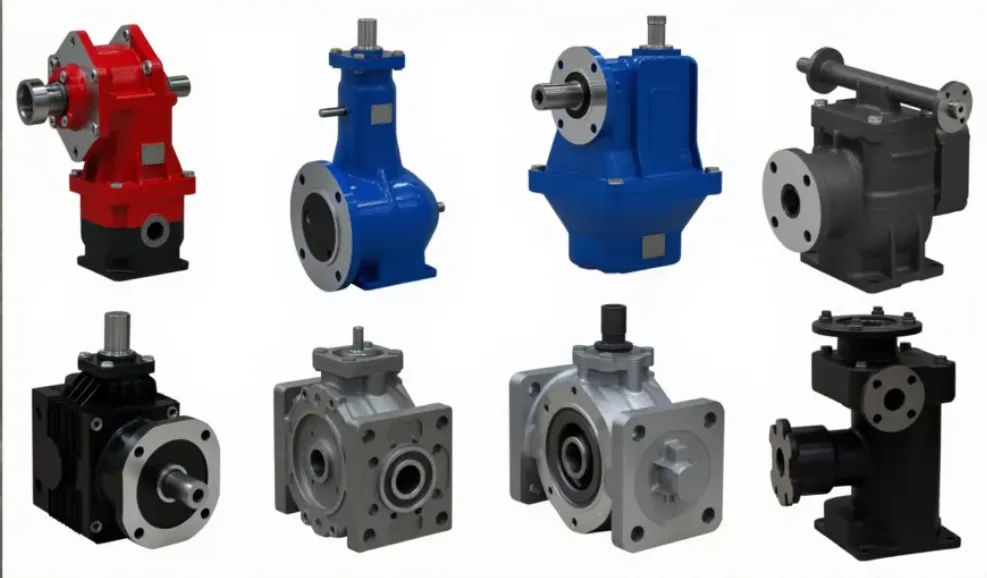
Signs Indicating Gearbox Replacement in Vacuum Systems
Unusual whining at 540 RPM signals gear wear, common in dusty Queensland fields. Oil leaks around seals indicate degraded gaskets, risking vacuum loss. Increased vibration >3 mm/s suggests bearing failure, per ISO 10816, often from overload in rocky South Australian soils. Torque drop below 80% rated value during operation points to internal damage. These symptoms, if ignored, escalate to complete system halts, costing $2000 in lost productivity per day.
Related Components and Accessories for Enhanced System Performance
- ✔ PTO Shafts: Essential for connecting tractor to gearbox, featuring telescopic designs with safety shields to prevent entanglement; compatible with 6-spline ends, rated for 1000 Nm torque.
- ✔ Sprockets and Chains: For side drives, ANSI #60 chains offer durability in humid environments, with tensioners maintaining alignment.
- ✔ Pulleys and Belts: Auxiliary power transfer using V-belts for smooth operation, reducing shock loads in variable speed pumps.
- ✔ Couplings: Flexible jaw types absorb misalignments, rated for 5000 RPM, preventing vibration transfer to pumps.
- ✔ Lubrication Systems: Automatic oilers extend intervals to 1000 hours, crucial for remote Australian farms.
- ✔ Hydraulic Cylinders: For pressure regulation, integrated with gearboxes in advanced vacuum controls.
These accessories ensure one-stop compatibility, like ever-power’s full line for seeders in Victoria, streamlining procurement and boosting uptime by 20%.
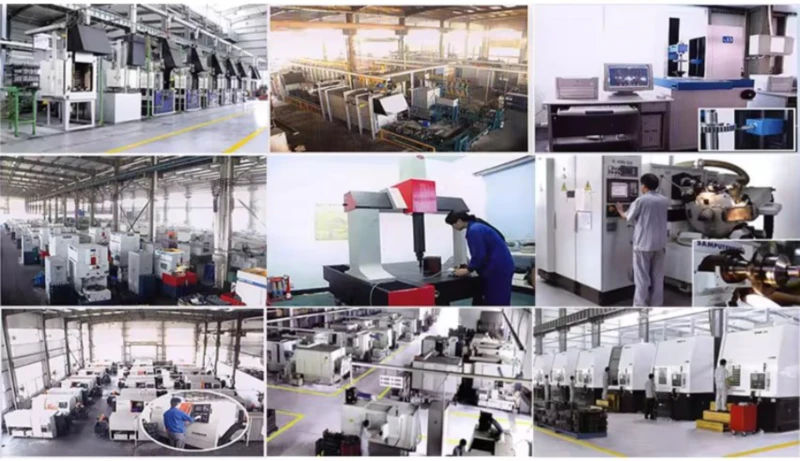
Explore Our Full Range of Agricultural Gearboxes
ever-power supplies complete transmission solutions, from rotary tiller gearboxes to harvester drives, all sourced one-stop. This integration sparks interest in upgrading entire fleets, as seen in New South Wales operations where bundled purchases cut costs 15%.
For more on our offerings, visit our homepage or check specialized agricultural gearbox resources. Learn about complementary PTO shafts for seamless integration.
Contact Us for Customized Solutions
Reach out via our contact page to discuss your vacuum pump needs. Inquire Now
FAQ
What torque specifications suit vacuum pump gearboxes in Australian conditions?+
Rated torque of 800-1500 Nm handles typical loads, with peaks to 2000 Nm for startup surges in dusty environments like the Eyre Peninsula. This ensures consistent vacuum without stalling under variable soil resistances.
Why choose helical bevel gears for these systems?+
Helical bevel gears provide smoother mesh engagement, reducing noise to <75 dB and vibration in high-speed PTO inputs, ideal for prolonged operation in Queensland’s humid cane fields where quiet performance aids operator focus.
When should lubrication be checked in vacuum pump gearboxes?+
Inspect every 500 hours or after wet seasons in Tasmania, using SAE 80W-90 oil to maintain film strength against shear, preventing gear scoring that could drop efficiency by 10% in continuous milking applications.
Where do PTO shafts integrate with these gearboxes?+
PTO shafts connect directly to input splines, transferring power from tractors in Western Australia’s grain belts, with safety hoods complying with AS 1121 to avoid accidents during vacuum seeding.
Who benefits most from IP65-rated gearboxes?+
Farmers in arid Northern Territory, where dust ingress is rampant, gain from sealed units that maintain internal cleanliness, extending bearing life to >50,000 hours in irrigation vacuum pumps.
How does temperature range affect gearbox performance?+
Operating from -20°C winters in alpine Victoria to +80°C summers in the Outback, synthetic lubricants prevent viscosity changes, ensuring consistent torque delivery without thermal expansion issues.
What materials enhance durability in harsh soils?+
20CrMnTi gears with HRC 58-62 hardness resist abrasion from sandy loams in South Australia, while QT450 housings absorb impacts, reducing fracture risks in rocky vacuum harvesting.
Why monitor vibration thresholds regularly?+
Thresholds <2.5 mm/s prevent premature wear in pumps, as excess from unbalanced PTOs in New South Wales can misalign components, dropping vacuum efficiency by 15-20% over time.
When to replace based on fatigue life?+
At 10,000 hours, inspect for microcracks, especially in high-cycle dairy operations in Gippsland, to avoid sudden failures that halt milking for hours.
How compatible are these with local brands?+
Flange interfaces match Hardi and Silvan pumps in Australia, allowing bolt-on replacements without adapters, saving installation time in busy harvest seasons.