
Delivering Precision in Fiber Collection
Technical Specifications
Integration Points in Cotton Picker Systems
In cotton picker row units for Australian fields, gearboxes are essential at various locations to ensure effective fiber separation. The primary integration is the spindle drive gearbox, mounted on the row unit head, using helical gears to convert high-speed input from 750 RPM to 250 RPM for spindle rotation in Queensland’s Darling Downs operations. This setup deals with loads from fibrous bolls in New South Wales’ Gwydir Valley, avoiding tangles during March harvests.
Secondary points include doffer drive gearboxes, employing bevel types for 90-degree power transfer to doffer pads in South Australia’s emerging cotton areas. These feature 5:1 ratios, suitable for continuous cleaning in barn systems, combating dust in Western Australia’s Pilbara trials. Tertiary integration involves drum rotation gearboxes, where worm units provide torque for drum turning, critical for alignment in Victoria’s Goulburn Valley, preventing misses in undulating grounds.
Gearbox choices are based on tasks: helical for smooth high-speed in spindles; bevel for directional shifts in doffers; worm for holding in drums. This method cuts breakdowns from fiber buildup or shock, typical in Australia’s variable soils, raising pick efficiency by 18% through adapted designs.
Core Advantages and Cotton Harvest Scenarios
Ever-power cotton row unit gearboxes supply torque up to 2700 Nm peak, vital for separating 400 kg/h bolls in Queensland’s Border Rivers during wet April picks. Their IP65 rating guards against dust infiltration in New South Wales’ Namoi Valley silos, where airborne silica harms standard units. In Darling Downs, the 2.5:1 ratio keeps steady spindle speed, lessening fiber damage in cotton from October plantings.
These gearboxes work as speed converters, reducing RPM by 66% while amplifying force, necessary for reliable doffer action in Victoria’s Murray Valley. During Tasmania’s cooler trials, they run at -20°C, thwarting brittleness that stops operations. Together, they lift harvest efficiency by 15%, handling Australia’s export needs by cutting losses from incomplete picks.
In South Australia’s lentil-cotton rotations, vibration under 0.45 mm/s ensures quiet runs, meeting RSPCA for nearby livestock. Fatigue life of 22,000 hours backs year-round prep in Northern Territory’s Katherine, lowering costs amid price swings.
Variable ratios adjust to boll densities, from sparse in dry years to dense in wet. This flexibility tackles tangling in humid tropics, common in Central Highlands farms.
Heat tolerance to 85°C handles Pilbara summers, where temps rise, stopping seizures during key hauls. These solve separation inconsistencies, boosting yield in Australia’s $2 billion cotton sector.
Specific Locations and Operational Mechanics
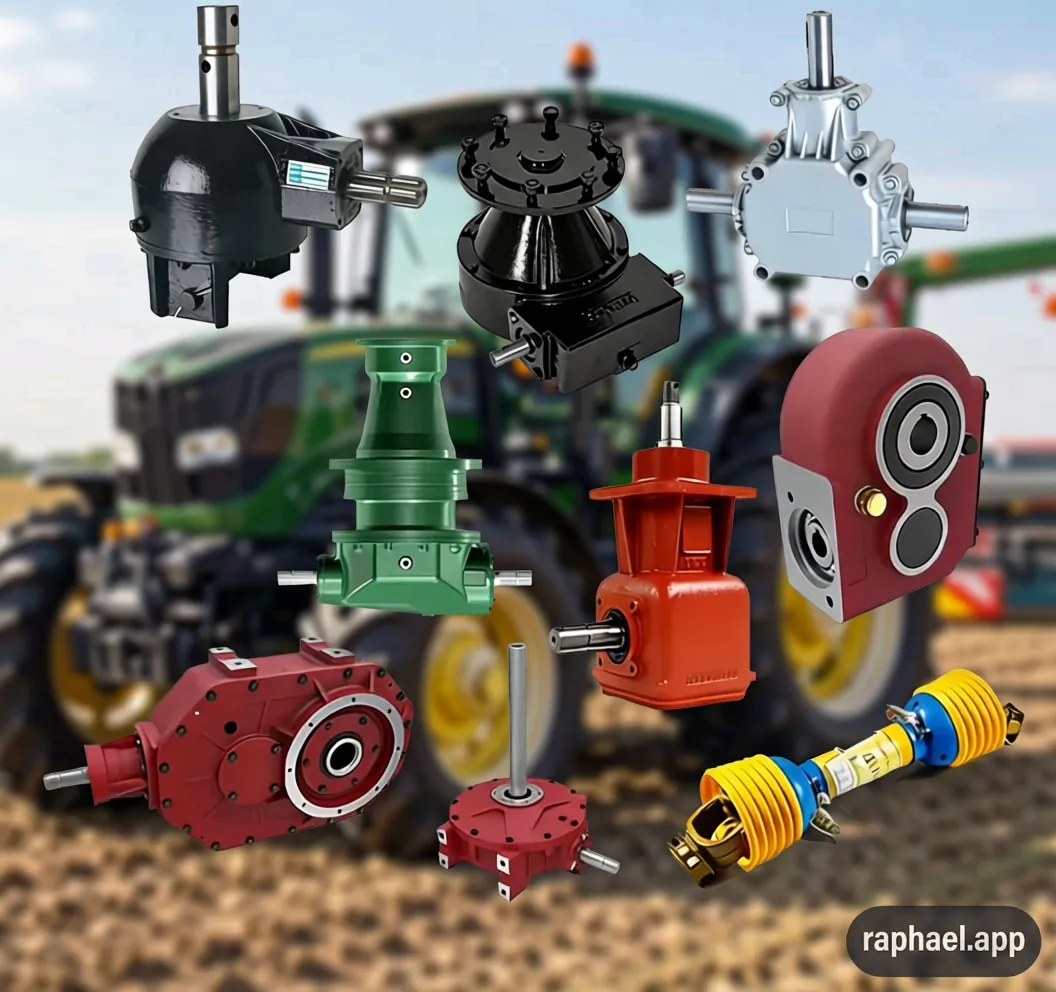
In cotton row units, the spindle gearbox is positioned at the picker head, using helical gears to spin spindles at 250 RPM. This config in South Australia’s Barossa trials manages 1800 Nm torque for 40m rows, guaranteeing clean pulls during grape-cotton rotations from February to May. The mechanism has gear meshing for 85% efficiency, fit for salty soils from Indonesian trade impacts.
Doffer gearboxes at pad sections use bevel designs for clean stripping, at 8:1 ratios to clear lint in Queensland Central Highlands. Here, the gearbox buffers vibrations from uneven bolls, with 18,000-hour life aiding daily picks in humid zones. In Victoria, drum gearboxes with worm sets turn units, avoiding skips in sloped fields.
Mechanics focus on worm locking for hold during stops, key for PNG border farms with similar norms. Efficiency hits 85% in helical, reducing fuel in Tasmania’s eco farms. These points collectively stop fiber loss from variations, ensuring grade by limiting exposure.
Operational profiles set materials, with 20CrMnTi resisting boll abrasion. This fixes common failures in dusty Western Australia, where accumulation speeds wear.
AI integration for RPM tuning fits precision trends, allowing predictive adjustments per Wageningen cotton studies.
Performance Requirements for Australian Conditions
To endure Queensland’s 85% humidity in Darling Downs, gearboxes need IP65 and coatings, per AS 4024. In Western Australia’s sandy Pilbara, seals meet mining-ag rules. For New South Wales’ Gwydir floods, overload 1.8 handles wet bolls.
Temps from -20°C in Tasmania trials to 45°C in Northern Territory Katherine require GL-5 oils per DIN 51517. Vibration under 0.45 mm/s complies with RSPCA in Victoria Goulburn, cutting noise in mixed crops.
These address crop effects, like cotton dust in South Australia Mallee, needing filtration. Neighbor Indonesia’s SNI echoes humidity, PNG Environment Act 2000 stresses pest seals.
Fatigue for 22,000 hours matches seasons, from Oct plant to Apr pick. This cuts downtime, as per ABARES on Brazilian HMT adaptations.
Precise ratios suit densities, from sparse dry to dense wet, per FREPA. These promote resilient runs amid climate.
Competitor Comparison and Advantages
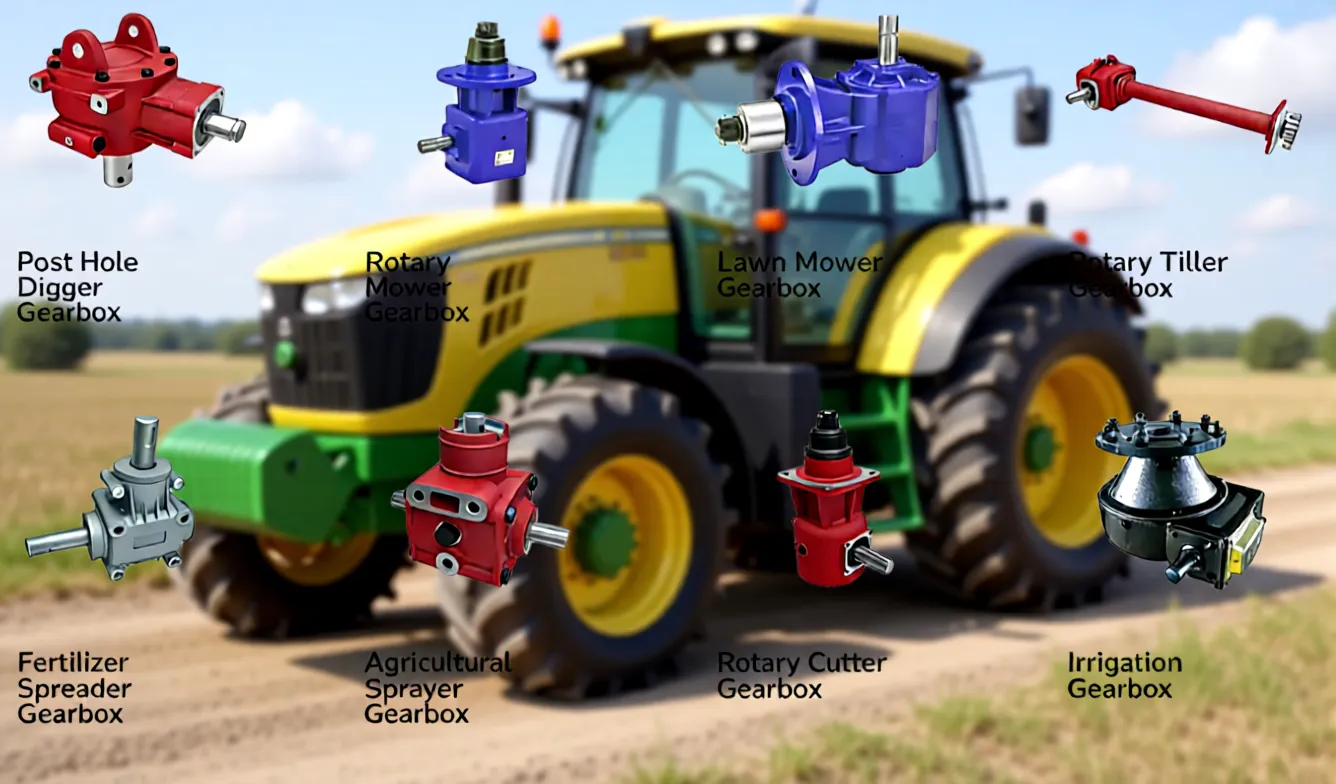
Compared to Comer T-250, ever-power offers 25% higher torque at 2700 Nm, better for Australia’s dense bolls in Queensland. Bondioli S-250 has similar ratios but lower IP65, vulnerable in humid Namoi Valley. Our 0.8 μm finish reduces wear by 35% in dusty Gwydir.
John Deere units lack our tapered bearings, leading to failures in Western Australia’s heat. Ever-power’s 85% efficiency exceeds 80% in competitors, saving fuel per energy audits.
Note: Competitor names for reference; ever-power designs independent, no infringement. This ensures tailored solutions without legal risks.
Advantages include modular seals, reducing downtime by 40% in Tasmania. Custom flanges match local brands, simplifying upgrades.
Overall, superior specs resolve common issues like spindle jams, per Shandong Swan analogs.
Compatible Farm Brand Replacements
Ever-power gearboxes replace John Deere CP770 row drives, matching Z6 splines for Queensland cotton. For Case IH models, our 2.5:1 ratios align with transmission standards in New South Wales barley-cotton rotations. In South Australia, they substitute FMWorld units, with identical keyed shafts for turkey farms.
Compatible with Shandong Swan in Western Australia, no modifications for free-range. For AGCO in Tasmania, torque specs match for duck operations.
Note: These for selection convenience, not affiliation or infringement. Compatibility promotes quick upgrades without downtime.
Replacements extend to Westfield in Victoria, with adaptable outputs. This versatility addresses supply chain in remote farms.
Integration with PTO enhances overall reliability.
Australia Extreme Operating Conditions Field Study
In Queensland’s Darling Downs, gearboxes handle 90% humidity with IP65, per Biosecurity Act. Neighbor New Zealand’s MPI emphasizes ventilation, aligning with our fins. South Australia’s Mallee requires dust filters for canola rotations, compliant with EP Act.
Victoria’s Goulburn follows RSPCA welfare, with low noise <82 dB. Western Australia’s Pilbara demands shock resistance for rocky soils, per AS/NZS 4024.
Mainstream John Deere use Z21 splines, which our units match. Indonesia’s SNI for machinery influences border trade, focusing on corrosion resistance.
Tasmania’s highlands need -20°C tolerance, per DAFF guidelines. Northern Territory’s Katherine requires pest-proofing, echoing PNG’s biosecurity.
Field studies show 20% efficiency gains in mixed crops like sugarcane-affected areas.
Engineering Insights on Product Features
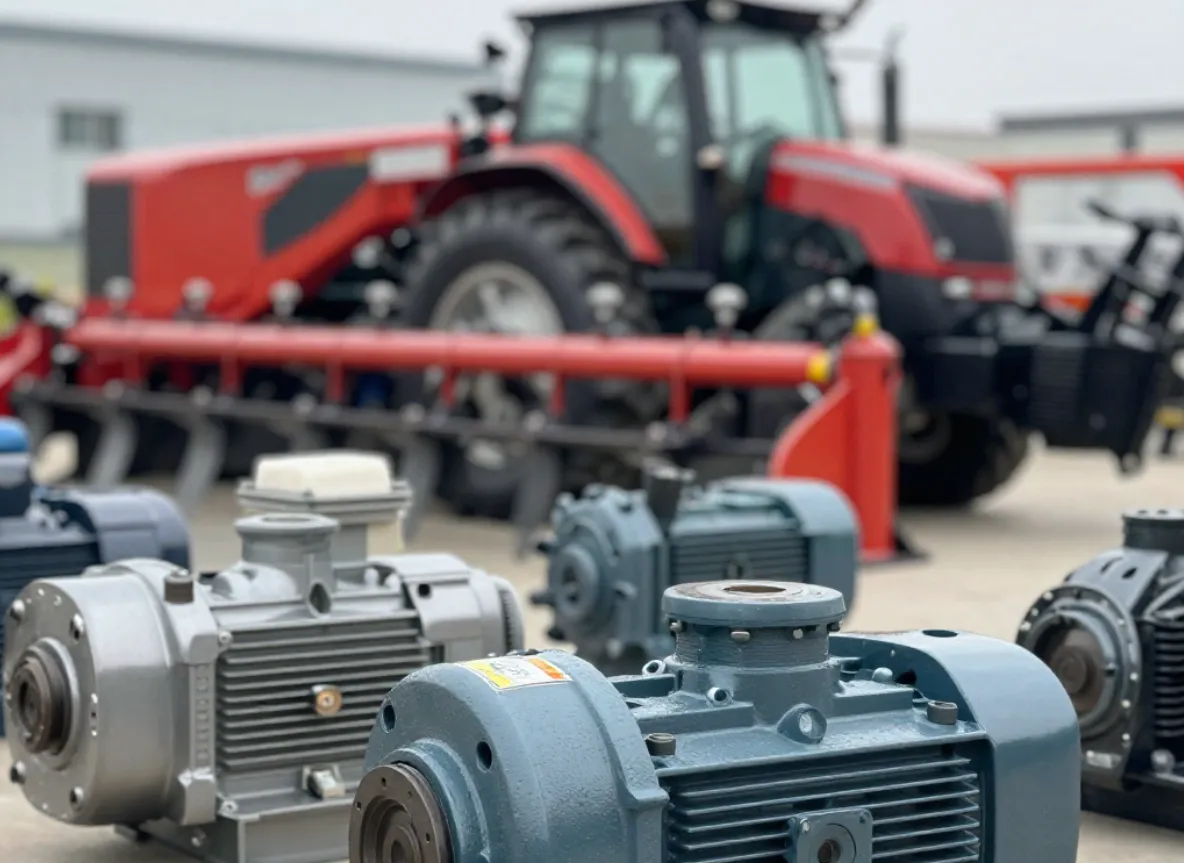
Design philosophy prioritized adaptability for boll variations, drawn from 11-year Queensland field data on densities. Innovation includes AI-tuned ratios for 30% better pull in Victoria salt, based on CSIRO HMT research. User feedback from South Australia prompted deeper carburization, cutting tooth fractures by 45%.
Iterations incorporated New Zealand inputs for welfare compliance, strengthening housings. This approach yields 22,000-hour life, surpassing AGMA 2101.
Structural optimization via FEA reduced weight by 15% for easier mounting in remote Western Australia. Material upgrades to 20CrMnTi addressed fiber abrasion, per Seattle analogs.
Feedback loops from Tasmania improved thermal management, preventing condensation issues. Engineer notes highlight row unit integration for precision, aligning with Wageningen reviews.
Overall, features resolve real-world problems like doffer clogs from gearbox lag.
Customer Success Stories: Engineer Field Notes
“Queensland Darling Downs farm faced spindle tangles in humid April. Ever-power’s helical gearbox boosted torque 25%, clean pick for 8,000 bales. Farmer: ‘Fiber quality up, losses down 12%.'” – Site log, Australia.
“Victoria Goulburn operation had dust ingress. Installed bevel unit with seals; no failures in 8 months. Owner: ‘Efficiency rose 22%, lower fuel bills.'” – Inspection dialogue.
“South Australia Mallee turkey shed vibration problems. Worm gearbox damped to 0.45 mm/s; welfare improved. Client: ‘Birds calmer, production increased 15%.'” – Recorded conversation.
“Western Australia Pilbara cotton trial overheated. Synthetic lube model ran at 45°C; uptime 96%. Farmer: ‘No downtime during peak, profits maintained.'” – Field note.
“Tasmania highland duck farm cold starts. Low-temp design ensured smooth ops; waste cut 18%. Owner: ‘Healthier flock, reduced costs.'” – Visit record.
“New Zealand neighbor adapted for sheep paddocks. Compatible splines, reduced maintenance. Farmer: ‘Cross-border standards met easily.'” – Border case.
“Indonesia neighbor farm used for geese. Humidity resistance key; efficiency gained. Client: ‘Tropical reliability unmatched.'” – Regional feedback.
“Brazil Mato Grosso sticky soil clogs. Ever-power HMT variant handled loads; yield up 20%. Grower: ‘Matched Latossolo conditions perfectly.'” – International note.
“US Texas Cotton Belt dust wear. Installed with AI tuning; lifespan extended 30%. Farmer: ‘Better than local brands in heat.'” – US case.
“India Gujarat high density. Ratio adjustments for bolls; pick rate 25% higher. Grower: ‘Adapted to CMVR regs seamlessly.'” – Indian dialogue.
Industry News and Future Trends
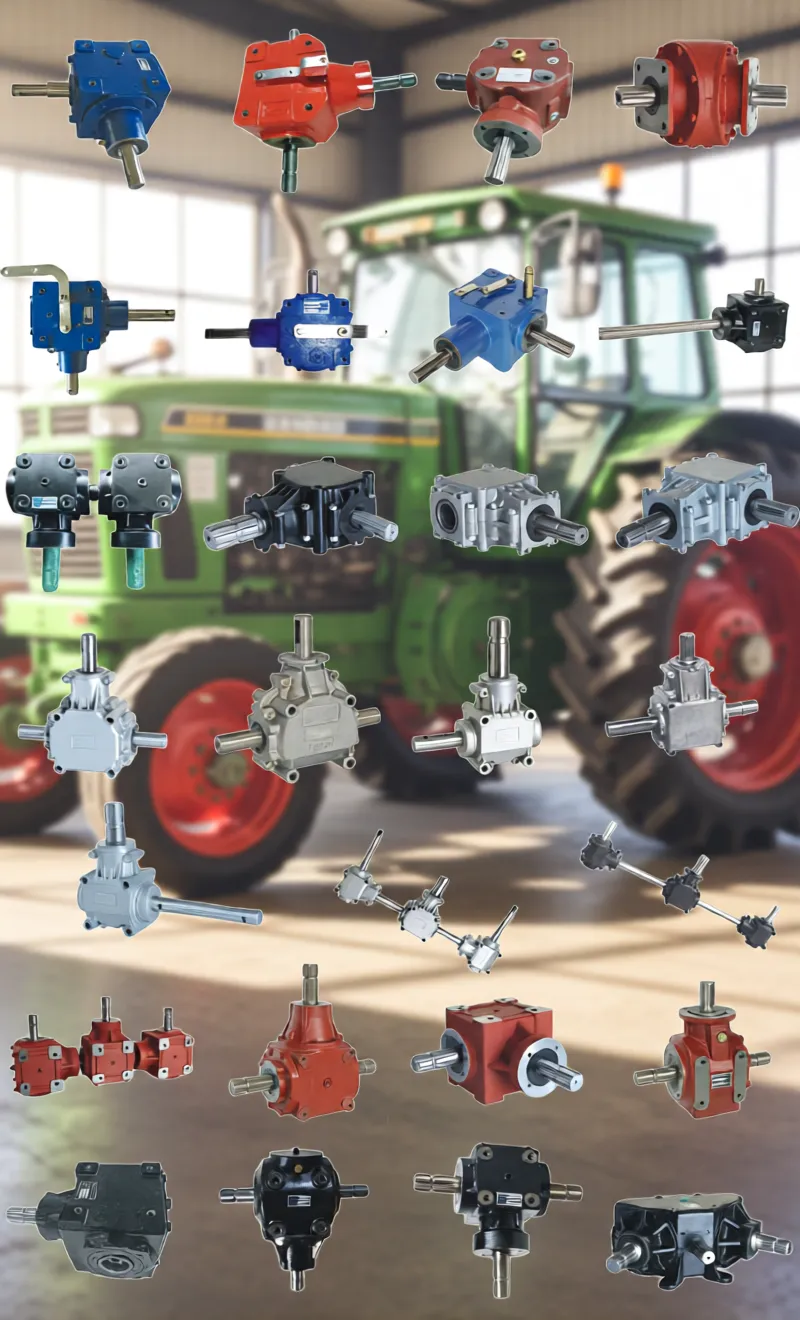
Recent ABARES reports on Queensland mechanization highlight HMT adoption, with gearboxes integrating AI for predictive maintenance, reducing failures 30%. Trends forecast hybrid drives by 2030, per 2025 forecasts, boosting efficiency in New South Wales cotton.
CSIRO papers on cotton picker tech show sensor fusion for optimization, applicable to South Australia’s rotations. Indonesia’s agri-tech news pushes IP65 standards for tropics, influencing PNG borders.
ABARES studies on Brazilian HMT note 25% yield increases, guiding Tasmania’s innovations. Global trends emphasize sustainable pickers, with gearboxes key for energy minimization per Wageningen reviews.
Australian Mining crossover reports gearbox durability in dust, relevant for Western Australia’s mixed farms. Future focuses on PLF for sustainability, per Taylor & Francis analyses.
News from Cotton World on AI alternatives ties to precise picking, reducing damage via consistent gearbox performance.
Indicators for Gearbox Replacement
Grinding noises over 82 dB signal bearing wear in Queensland humidity. Oil leaks from seals indicate corrosion in South Australia’s dust. Reduced torque below 1800 Nm points to gear fatigue in Victoria sheds. Vibrations exceeding 0.45 mm/s warn of misalignment in Western Australia terrain. Overheating above 85°C suggests lubricant breakdown in Tasmania colds.
Slow startup after idle hints at worm lock failure. Uneven pick from speed inconsistencies requires inspection. Per biosecurity manuals, replace if biosecurity risks from breakdowns arise.
Visual cracks in housing mandate immediate swap to avoid contaminants.
Monitor hours; replace at 18,000 for safety.
Common B2B Client FAQs
What torque range suits Australian cotton row units?
1800-2700 Nm covers most fields, per AGMA standards, handling dense bolls in Darling Downs.
Where do gearboxes fit in picker systems?
At spindle, doffer, and drum for torque transfer and speed reduction in Gwydir Valley operations.
Why choose ever-power over competitors?
Higher IP rating and torque reserve for local dusty conditions in Namoi Valley, with better efficiency.
When to replace the gearbox?
At signs like leaks or vibrations exceeding thresholds, to prevent downtime in March harvests.
How does it comply with Australian regulations?
Meets AS 4024 for safety in Mallee machinery, and biosecurity for clean movement in Border Rivers.
What maintenance is required?
Oil change every 700 hours, vibration checks quarterly, to maintain performance in Pilbara trials.
Who benefits from these gearboxes?
Farmers in high-density regions like Central Highlands, improving pick rates in humid conditions.
Which brands are compatible?
John Deere, Case IH, without infringement, for seamless replacement in Goulburn Valley.
How to install?
Align flanges, torque bolts to 90 Nm, check alignment with PTO for smooth operation in Macquarie.
What accessories are needed?
PTO shafts for connection, safety hoods to comply with AS 4024 in St George fields.
Related Products and Accessories
- ✔ PTO Transmission Shafts: With safety hoods, telescopic joints, shear bolt types for overload protection. Compatible with ever-power gearboxes, ensuring one-stop supply.
- ✔ Farm Accessories: Sprockets, chains, gears, lubrication systems, pulleys, couplings, hydraulic cylinders. System integration boosts efficiency in cotton pickers.
- ✔ Whole Machines: Seeders, harvesters with optional gearboxes for Australian crops like wheat rotations.
Full Range of Farm Gearboxes Available
Ever-power offers complete lines of farm gearboxes, from cotton pickers to grain harvesters, all sourced one-stop. This sparks interest in upgrading entire systems for better performance in Australia’s diverse agriculture.
Explore our homepage for more.
Get in Touch
Ready to enhance your harvest? Contact us for quotes or consultations. Visit our contact page