
Automotive Drivetrain · Planetary Transmission Technology
The automatic transmission stands as perhaps the most widely recognized application of planetary gear technology. Every time a vehicle shifts gears without driver intervention, one or more planetary gear sets inside the transmission rearrange their power paths to deliver a different speed-torque ratio to the wheels. This article examines how planetary gearbox principles govern modern automatic transmission design, performance characteristics, and durability across passenger cars, trucks, and commercial vehicles.
Planetary Gear Sets as the Foundation of Automatic Transmissions
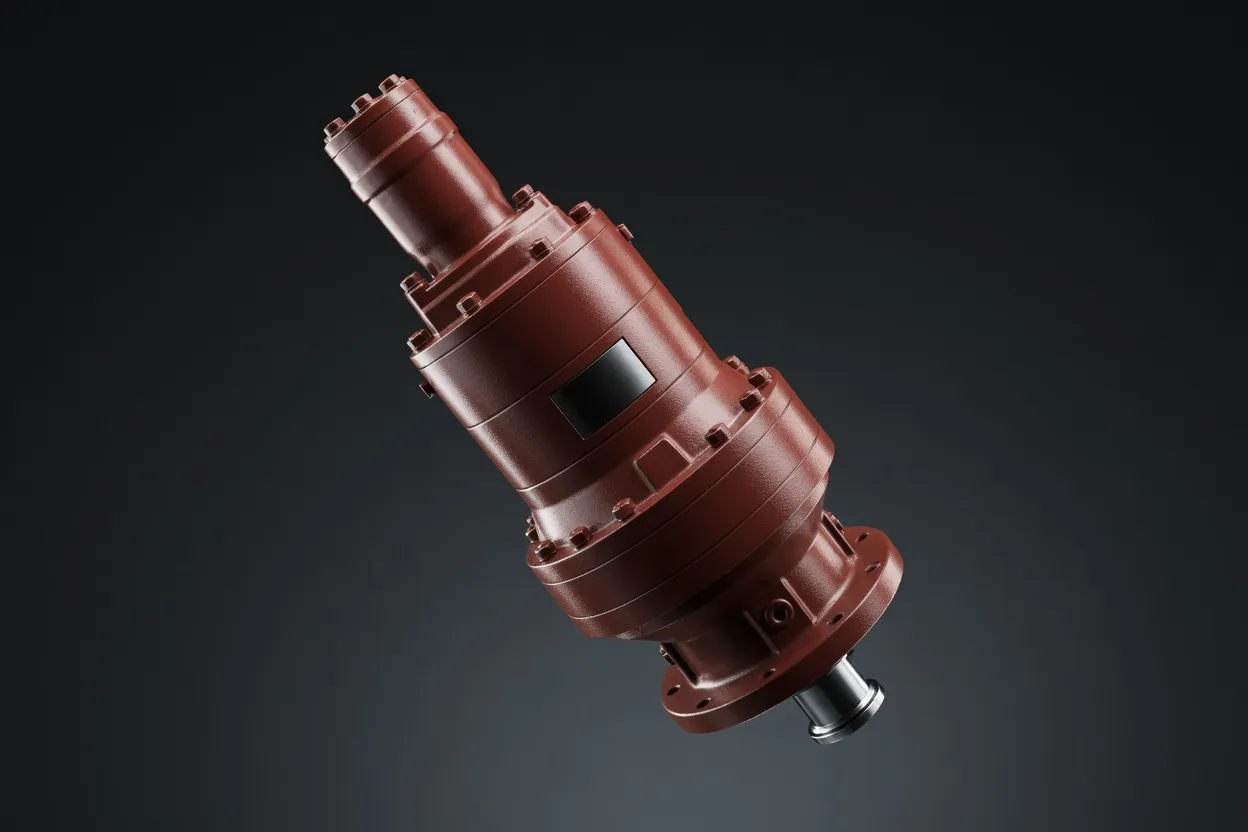
An automatic transmission uses multiple planetary gear sets — typically two to four in a modern unit — connected through clutch packs and brake bands that selectively lock or release individual gear elements. By engaging different combinations of clutches and brakes, the transmission controller routes power through different gear paths within the same compact assembly, achieving six, eight, or even ten distinct forward speed ratios plus reverse. The planetary gearbox architecture makes this possible because a single gear set can produce multiple ratios depending on which element — sun gear, ring gear, or planet carrier — serves as the input, output, or reaction member.
This versatility within a coaxial package is what separates planetary automatic transmissions from their manual counterparts, which use parallel-shaft gear pairs requiring the driver to physically select each ratio. The planetary arrangement keeps all gears in constant mesh, eliminating the synchronizer wear and shift shock associated with sliding-gear designs. Power flow changes happen by engaging hydraulically actuated clutches in overlapping sequences, enabling the seamless ratio transitions that define modern automatic transmission refinement.
How Planetary Gear Ratios Are Generated
Simple Planetary Set Ratio Combinations
A single simple planetary gear set — comprising one sun gear, one ring gear, and a planet carrier holding three to five planet gears — can produce three forward ratios, one reverse ratio, and a direct drive (1:1) depending on which element is held, which is driven, and which delivers output. Holding the ring gear and driving the sun produces the highest reduction ratio; holding the sun and driving the ring produces a lower (overdrive) ratio. Locking any two elements together forces the entire set to rotate as a unit at 1:1. These fundamental combinations form the building blocks of more complex transmission architectures.
Compound Planetary Arrangements
Modern transmissions achieve eight to ten speeds by combining two or more planetary gear sets in compound arrangements — Ravigneaux, Simpson, or Lepelletier configurations. The Ravigneaux set nests two sun gears of different diameters with a shared planet carrier holding two sets of planet gears (short and long), all within a single ring gear. This dual-sun arrangement produces four distinct ratios from a package only marginally larger than a simple set, giving transmission designers the ratio spread and step sizes needed to keep the engine operating in its most efficient RPM band across a wide vehicle speed range.
Ratio Spread and Step Size Engineering
The total ratio spread — the numerical difference between the lowest and highest gear — determines how well the transmission can balance launch torque against highway fuel economy. A spread of 7:1 or wider allows a large first gear for strong acceleration and a tall top gear for low-RPM cruising. Step sizes between adjacent gears, ideally below 1.3:1 for refined shift quality, depend on the tooth counts of the sun and ring gears in each planetary set. Gear designers iterate through tooth-count combinations using optimization software to achieve target ratios that satisfy both performance and efficiency objectives within the available package space.
Materials and Manufacturing for Transmission Planetary Gears
⚙️ Gear Steel Selection
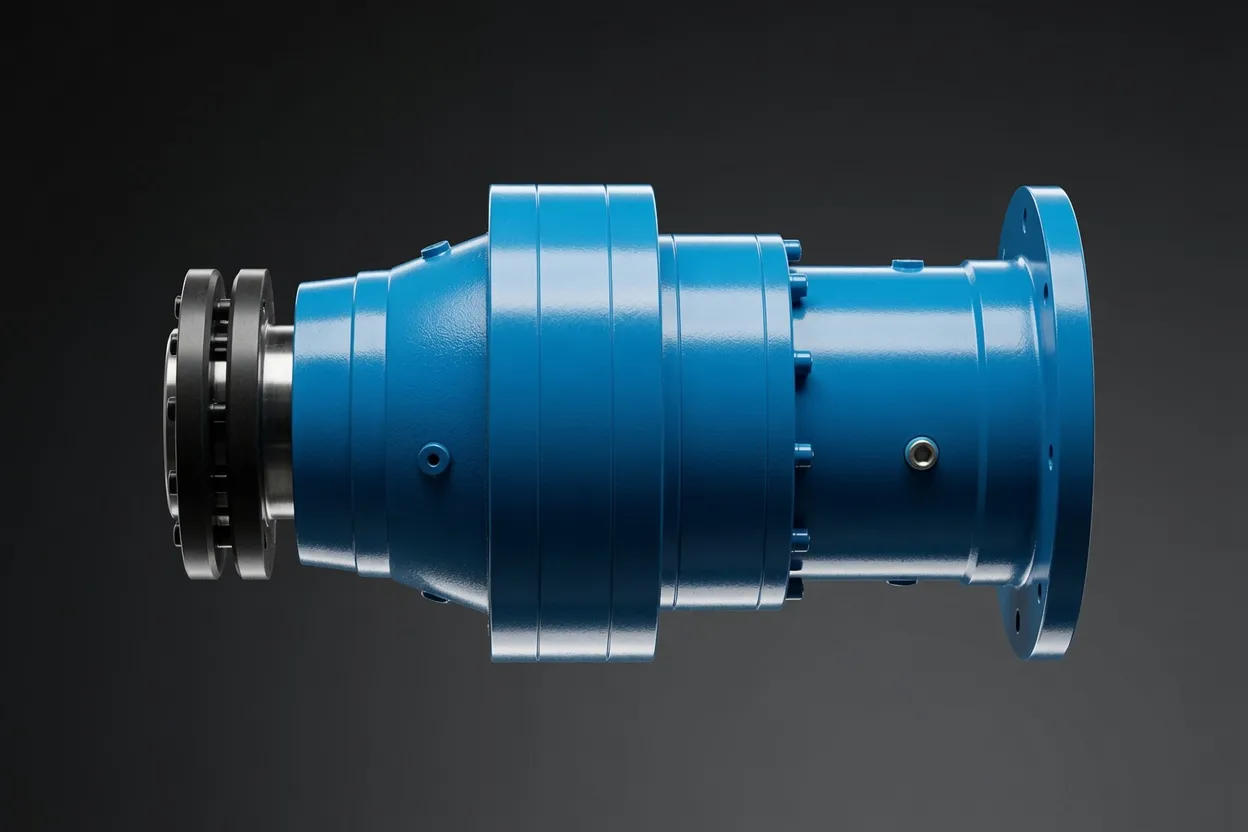
Automotive transmission planetary gears are typically forged from 20MnCr5 or SAE 8620 alloy steel, then case-carburized to achieve a surface hardness of 58–62 HRC with a tough, ductile core. This combination resists both surface pitting from repeated tooth contact stress and tooth-root bending fatigue over the transmission’s 250,000+ km design life.
Tooth Profile Optimization
Modified involute profiles with tip relief and root fillet optimization reduce mesh noise (the whine audible in older automatics) and distribute contact stress more evenly across the tooth face. Computer-simulated loaded tooth contact analysis guides these modifications, balancing noise reduction against load capacity for each specific gear set within the transmission.
Precision Manufacturing
Transmission planetary gears undergo hobbing, shaving or grinding, and honing to achieve AGMA Quality Class 10–12 tooth accuracy. Tight quality control on tooth spacing, profile, and lead errors ensures consistent shift quality across all units produced on a given production line — a requirement when annual volumes exceed 500,000 transmissions.
️ Surface Treatment
Shot peening after heat treatment introduces compressive residual stress at the tooth root, increasing bending fatigue life by 20–30%. Isotropic superfinishing of tooth flanks reduces surface roughness below Ra 0.1 μm, lowering contact friction and improving both efficiency and micropitting resistance under the boundary-lubrication conditions that occur during cold starts.
Clutch and Brake System Interaction with Planetary Gears
Each gear change in an automatic transmission planetary gears system involves the coordinated release of one friction element and engagement of another. During this transition — lasting 200 to 400 milliseconds in a well-calibrated unit — both elements slip momentarily, sharing the engine torque between the outgoing and incoming gear paths. The planetary gear sets must transfer these fluctuating loads without shock or excessive inertia effects that the driver would perceive as a harsh shift. Gear tooth stiffness variations as meshing progresses through the contact cycle contribute to torque fluctuation, so profile modifications that flatten the mesh-stiffness curve directly improve shift smoothness.
The hydraulic control system that commands clutch and brake actuation relies on precise knowledge of each planetary set’s inertia and ratio to calculate the correct fill pressure, apply pressure ramp, and timing for each shift event. Transmission calibration engineers spend thousands of hours tuning these parameters across temperature ranges, altitude conditions, and driving styles. The planetary gear sets themselves, being passive mechanical components, do not change — but their precision and consistency determine the upper limit of shift quality that the calibration can achieve.
Efficiency and Fuel Economy Contributions
Mechanical Efficiency Per Gear
A simple planetary gear set operating in its highest-efficiency configuration (direct drive, 1:1) transmits power at approximately 99% efficiency. In reduction or overdrive modes, efficiency drops to 96–98% depending on the ratio, tooth quality, and lubrication conditions. A multi-stage planetary gearbox arrangement in a 10-speed transmission passes power through two or three gear meshes simultaneously in most ratios, yielding overall transmission efficiencies of 92–96%. Each percentage point of efficiency improvement translates directly into fuel savings over the vehicle’s lifetime, making gear precision and lubricant quality economically significant design factors.
Spin Loss and Drag Torque Reduction
In any given gear, several clutch packs and brake bands remain disengaged but continue to rotate, churning transmission fluid and generating parasitic drag. Modern transmissions use low-drag clutch designs, reduced-viscosity ATF fluids, and optimized planetary set layouts that minimize the number and speed of spinning open elements. Some designs use selectable one-way clutches that eliminate drag entirely when not transmitting torque, further reducing losses. These refinements, combined with wider ratio spreads that keep the engine at lower RPM, contribute to the steady fuel-economy improvements seen in each new transmission generation.
Durability and Lifecycle Engineering
Automotive transmissions must deliver reliable performance for 250,000 km or more under conditions ranging from sub-zero cold starts to sustained high-temperature towing. Planetary gear durability depends on three interrelated factors: tooth-surface fatigue resistance (pitting life), tooth-root bending fatigue strength, and bearing load capacity. Transmission engineers use standardized calculation methods — ISO 6336 for gears, ISO 281 for bearings — to verify that each component meets the target life with appropriate safety factors. Physical durability testing on dynamometers and in vehicles validates these calculations against real-world failure modes.
Common durability challenges include micropitting on planet gear teeth caused by boundary lubrication during cold-start operation, sun gear spline fretting from cyclic torque reversals, and planet bearing needle-roller fatigue under the high centrifugal loads generated at elevated turbine speeds. Addressing these through material upgrades, surface treatments, and lubricant formulation improvements has extended modern automatic transmission service lives well beyond earlier generations, supporting the current industry trend toward longer powertrain warranty periods.
Why Choose Ever-Power for Automotive Planetary Gear Solutions
Automotive-Grade Manufacturing
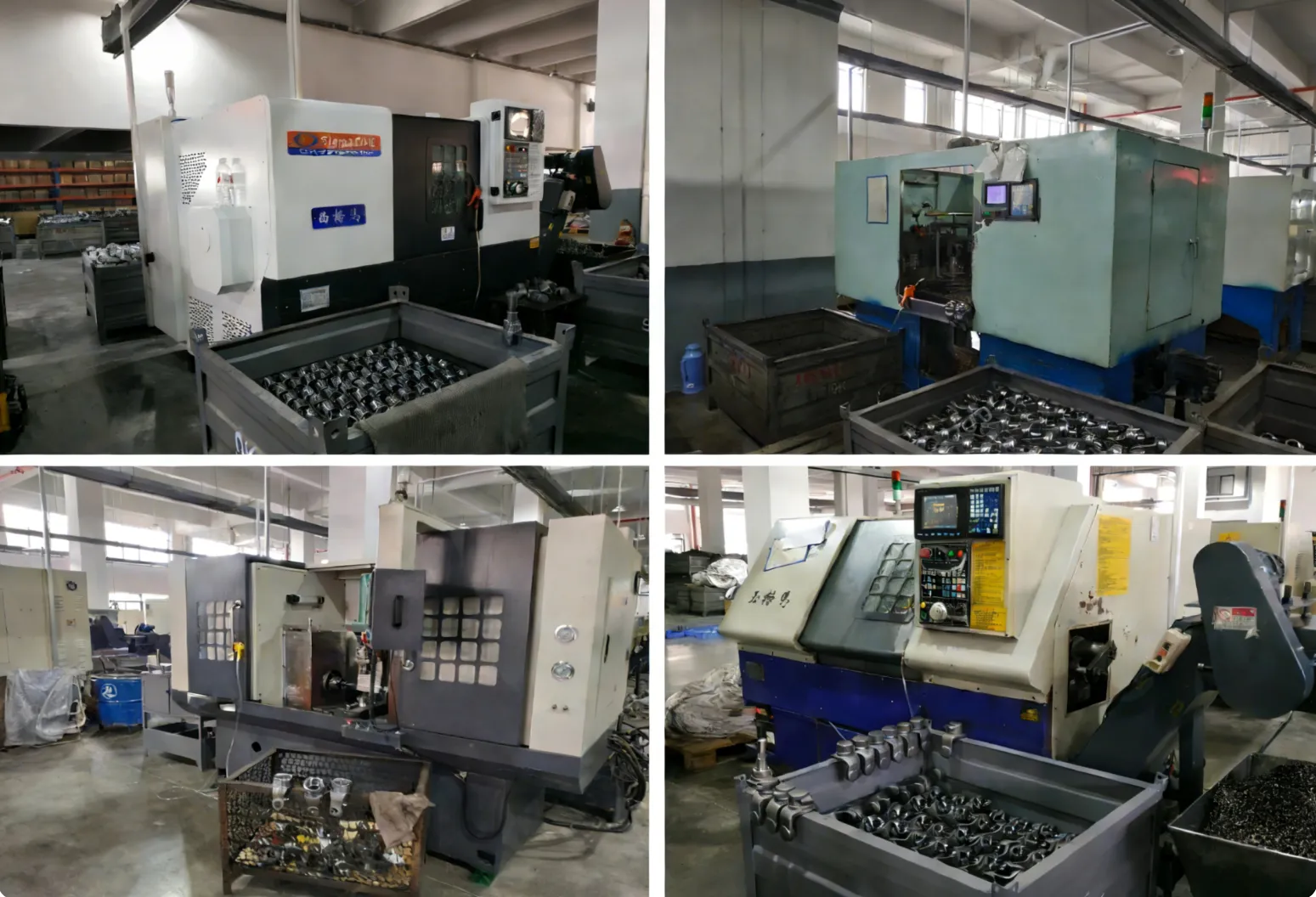
Our CNC gear production lines operate under IATF 16949 quality management principles, producing planetary gear components with the consistency and traceability that automotive Tier 1 suppliers require for transmission programs with annual volumes exceeding 100,000 units.
Advanced Metrology
Gear inspection using Klingelnberg and Gleason CNC gear checkers verifies profile, lead, pitch, and runout to AGMA Class 11 or higher on every production lot. Statistical process control data is available for customer quality audits.
️
Co-Development Capability
Our gear engineering team collaborates with transmission designers from concept through production launch, providing tooth-profile optimization, FEA validation, and prototype gear sets for dynamometer testing within 20 business days of design release.
Scalable Supply
From 500-piece prototype batches to 50,000+ monthly production volumes, our manufacturing capacity scales to match your program’s lifecycle — development, launch, steady-state production, and aftermarket support phases.
Frequently Asked Questions
Partner with Ever-Power for Transmission Gear Solutions
Share your transmission design parameters and production volume — our gear engineering team will deliver a technical proposal with prototype pricing and timeline.