
Mining Transport · Haul Truck Wheel Hub Drive Technology
Ultra-class mining haul trucks — rated at 200 to 400 tonnes payload — use planetary hub reduction gearboxes at each rear wheel to multiply the electric drive motor’s torque into the staggering tractive force needed to climb loaded out of deep open-pit mines. Each hub gearbox transmits torques exceeding 200,000 Nm while supporting wheel loads above 100 tonnes. This guide examines the engineering principles and maintenance practices behind planetary gearboxes in mining truck wheel hub drive applications.
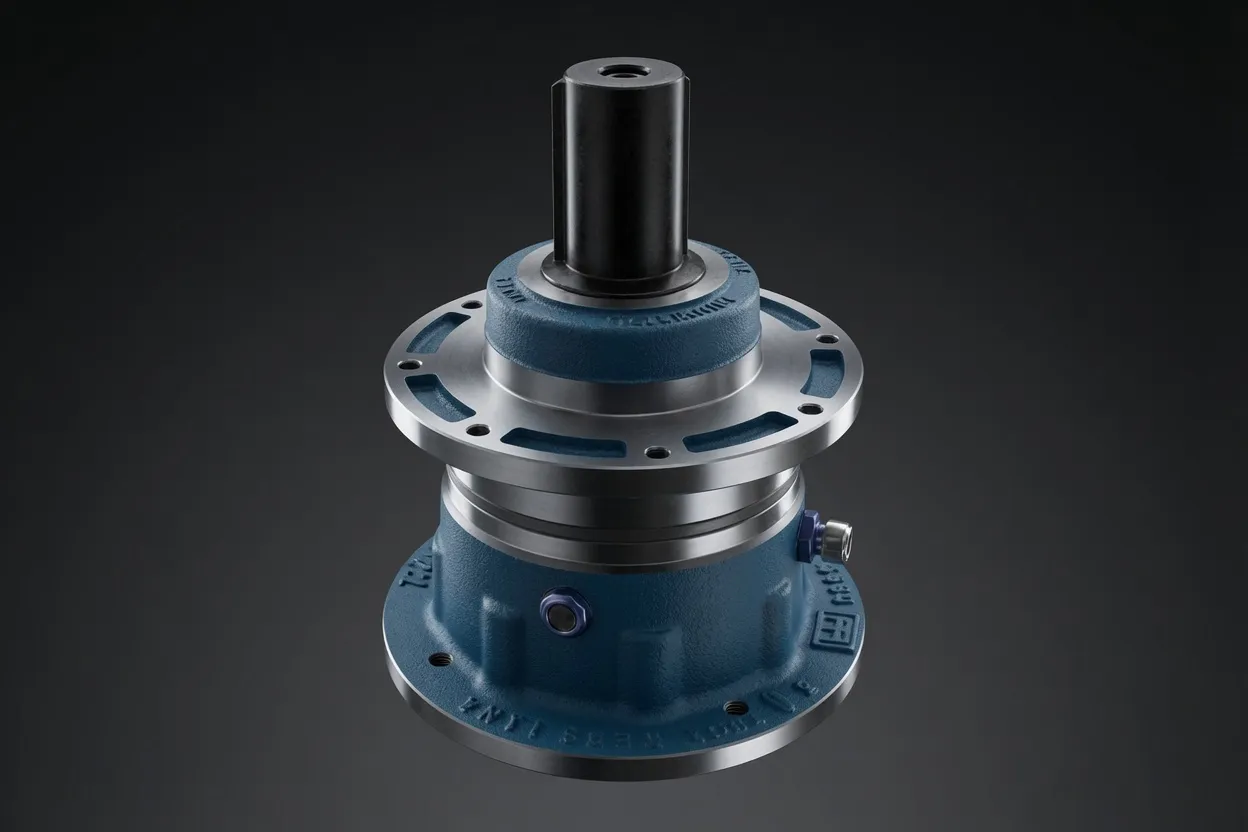
Mining Truck Electric Drive Architecture
Modern ultra-class haul trucks use diesel-electric drive systems: a diesel engine powers an alternator, which supplies electricity to switched-reluctance or AC induction traction motors at each rear wheel. Each traction motor is coupled to a two-stage planetary gear reducer housed within the wheel hub, stepping motor speed from 1,500–3,000 RPM down to 50–100 RPM at the wheel while multiplying torque by ratios of 25:1 to 50:1. The combined output of both rear-wheel hub gearboxes propels a loaded truck weighing 500+ tonnes up haul roads with grades reaching 10% at speeds of 10–15 km/h.
The hub gearbox also handles regenerative braking, converting the truck’s kinetic energy back to electrical energy during loaded downhill hauls. During retarding, the wheels drive the gearbox in reverse, and the motor operates as a generator feeding energy into a resistor grid or, in newer trucks, back to the alternator. This bidirectional duty doubles the gearbox’s fatigue loading compared to a unidirectional drive and demands symmetric gear-tooth design with equal surface hardness on both flanks.
Extreme Load Conditions in Mining Truck Hubs
Gravitational and Inertial Loads
Each rear wheel bears one-quarter of the loaded truck’s gross weight — 125+ tonnes on a 400-tonne-payload truck. This static load is supplemented by dynamic loads from road irregularities, grade changes, and braking, which can double the instantaneous wheel load. The hub gearbox’s output bearing system must carry these massive loads with rated lives (L10a) exceeding 30,000 hours to align with the truck’s major overhaul interval. Bearing selection for mining truck hubs pushes the upper limits of commercially available roller bearing sizes, with bore diameters of 300 mm or more and dynamic load ratings exceeding 3,000 kN.
Thermal Stress from Continuous Operation
Mining trucks operate in continuous load-haul-dump cycles, often in ambient temperatures exceeding 40 °C. The hub gearbox generates heat from gear meshing and bearing friction continuously, with peak heat generation during loaded uphill climbs. Oil cooling is essential — most mining truck hubs use forced-circulation oil systems that pump lubricant through the gearbox and an external cooler mounted on the truck frame. Maintaining oil temperature below 100 °C during sustained uphill loaded hauls is the thermal design target that determines the cooling system’s capacity.
Dust, Water, and Chemical Exposure
Open-pit mines are among the harshest operating environments for mechanical equipment. The hub gearbox is exposed to abrasive dust from haul roads, water from dust suppression sprays, and potentially corrosive chemicals from ore processing. IP67 sealing is the minimum requirement, with duo-cone floating seals at the wheel interface providing the robust contamination protection that lip seals cannot deliver at these operating loads and speeds. Regular seal integrity verification is the single most important maintenance action for preventing premature hub gearbox failure in mining truck applications.
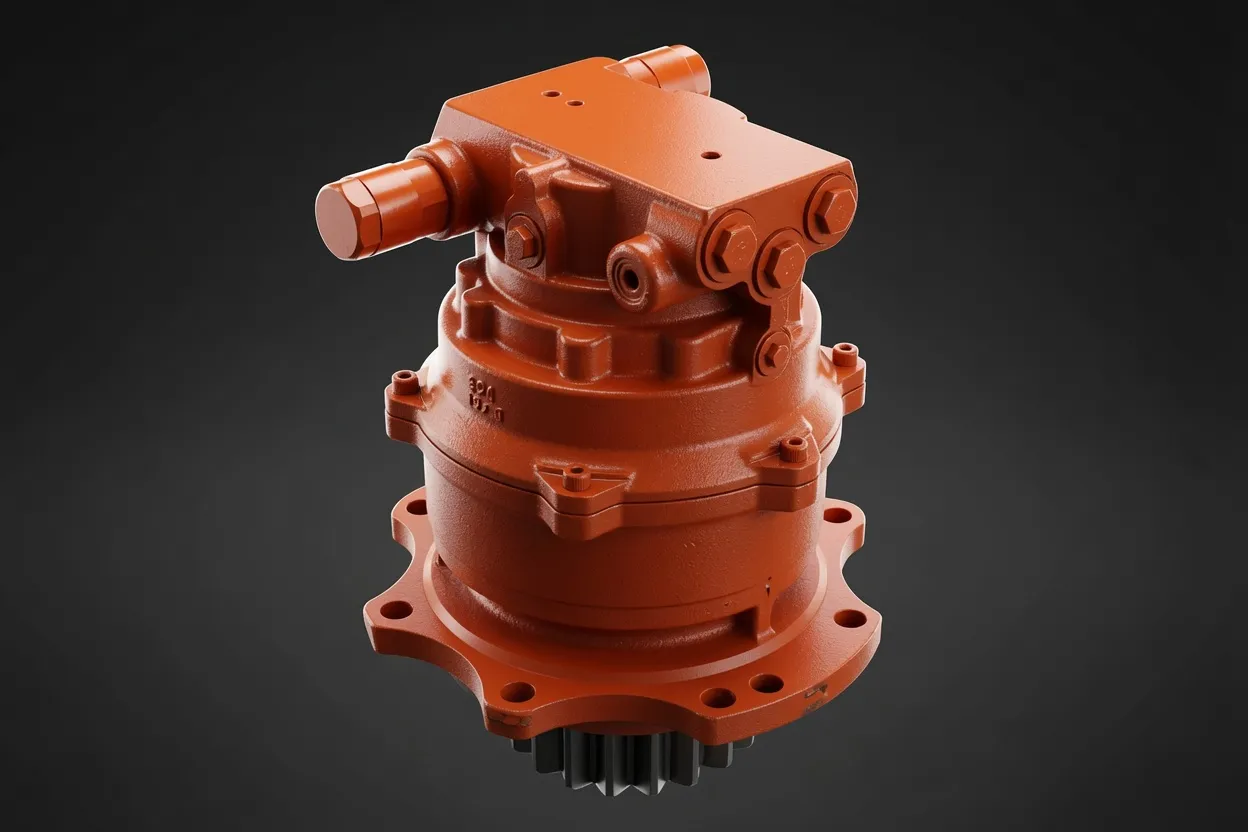
Hub Gearbox Design for Ultra-Class Trucks
⚙️ Two-Stage Planetary Reduction
Mining truck hubs use two planetary stages with combined ratios of 25:1 to 50:1. Each stage uses four to six planet gears to distribute the enormous torque across the maximum number of contact points, keeping individual tooth stresses within the fatigue endurance limit despite the massive total loads involved.
Integral Hub Casting
The gearbox housing is a massive ductile-iron or high-strength steel casting that integrates the gear chamber, bearing seats, seal interfaces, and wheel mounting flange into a single monolithic structure. This eliminates bolted joints within the load path, removing potential fretting and fatigue initiation sites.
️ Forced Oil Circulation
A gear-driven or electric oil pump circulates 20–50 liters per minute through the gearbox, supplying oil jets to each gear mesh and bearing. The oil passes through an external cooler before returning to the gearbox, maintaining temperatures below the 100 °C target during sustained maximum-load operation.
Condition Monitoring Integration
Modern mining truck hubs incorporate embedded sensors for oil temperature, pressure, and vibration, feeding data to the truck’s onboard monitoring system. This enables real-time alerting and historical trending that supports condition-based maintenance scheduling.
Maintenance for Mining Truck Hub Gearboxes
Daily Pre-Shift Inspection
Check oil level and temperature gauges (or onboard monitoring data) before each shift. Visually inspect the hub for oil leaks. Any oil leak on a mining truck hub indicates a seal breach that will rapidly progress to contamination-related gear damage if not corrected immediately.
500-Hour Oil Sampling
Draw an oil sample through the designated sampling port every 500 operating hours. Send for laboratory analysis of wear metals (iron, chromium, nickel from gears; copper from bearings), particle count, water content, and viscosity. Trend these parameters over time to detect gradual degradation before it reaches critical levels.
2,000-Hour Oil Change
Replace the full oil charge every 2,000 operating hours. Flush the oil cooler circuit to remove accumulated sludge and verify oil flow rates match the design specification. Inspect the magnetic drain plug for debris quantity and particle size as a supplementary wear indicator.
Major Overhaul at 15,000–20,000 Hours
At the truck’s major overhaul interval, remove the hub gearbox for complete disassembly, inspection, and rebuild. Replace all seals, bearings, and any gears showing pitting coverage exceeding 10% of the active tooth area. Dynamometer test the rebuilt unit before reinstallation to verify torque capacity and seal integrity.
Fleet Management and Lifecycle Cost Optimization
Mining fleet operators managing 50 to 200+ haul trucks optimize hub gearbox lifecycle cost through standardized maintenance protocols, condition-based replacement scheduling, and exchange-pool management. An exchange pool of 10–15% of the fleet’s hub gearbox population provides sufficient coverage for both planned overhauls and unplanned replacements, minimizing truck idle time while amortizing the rebuild cost across the pool. Data analytics applied to the fleet’s oil analysis and condition monitoring data identify trucks that consistently consume hubs faster than the fleet average, enabling investigation of root causes such as route-specific conditions, operator behavior, or individual truck alignment issues.
Gearbox rebuild costs represent a significant fraction of the truck’s per-tonne operating cost. Selecting a planetary gearbox manufacturer that provides consistent quality, reliable replacement delivery, and competitive rebuild-kit pricing directly influences the mining operation’s cost competitiveness. Ever-Power’s mining truck hub gearbox program addresses these needs with factory-remanufactured exchange units, rebuild kits with pre-matched gear sets and bearings, and dedicated fleet account management for large mining customers.
Why Choose Ever-Power for Mining Truck Hub Gearboxes
Ultra-Class Manufacturing Capability
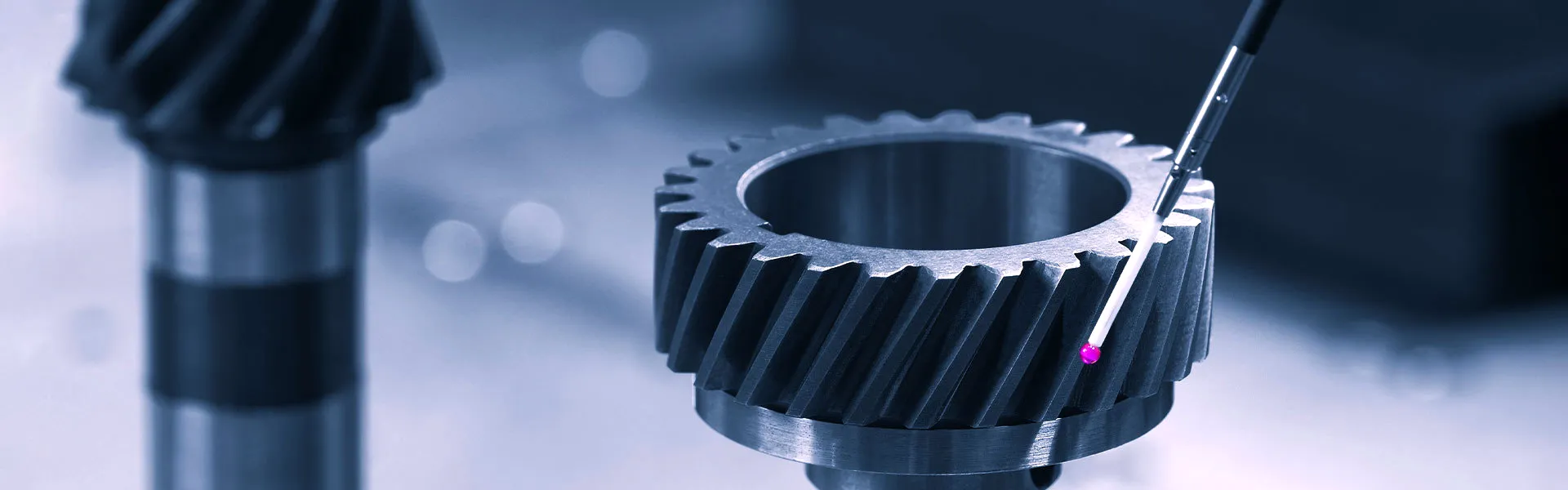
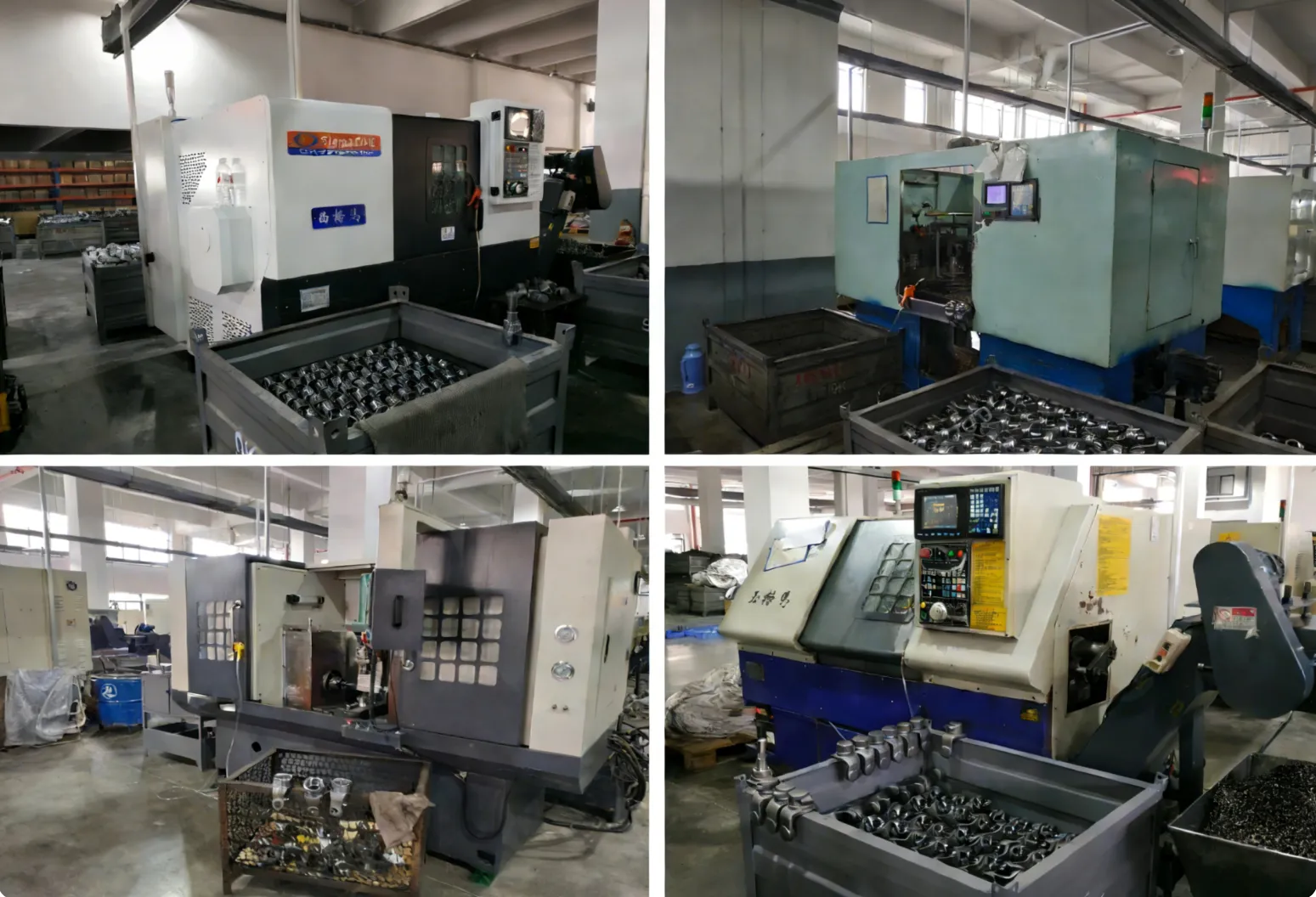
Our production facility machines and heat-treats gears up to 600 mm diameter for mining truck hubs, with the precision and material certification required for components operating at 200,000+ Nm output torque.
Full-Torque Dynamometer Validation
Every mining truck hub gearbox undergoes full-torque testing on our 500 kNm capacity dynamometer — verifying output torque, efficiency, thermal performance, and seal integrity under conditions replicating loaded uphill hauls.
️
Exchange Pool Management
We manage exchange-pool inventories for mining fleet customers, maintaining rebuilt-and-tested spare hubs ready for immediate dispatch when a truck requires a hub swap. Contact [email protected] to set up a fleet exchange program.
Mine-Site Logistics
We coordinate heavy-freight delivery to mine sites globally, including customs clearance, heavy-lift crane scheduling at the mine workshop, and on-site technical support during installation for first-time customers.
Frequently Asked Questions
Keep Your Haul Truck Fleet at Full Production
Share your fleet model, truck count, and annual operating hours — our mining team will design a hub gearbox supply and exchange program.