
Machine Tool · Lathe & Milling Drive Technology
Lathes and milling machines convert rotary cutting motion into precision-machined surfaces. Planetary gearboxes in spindle and feed drives extend the machine’s torque range, improve low-speed cutting performance, and maintain the positioning accuracy that determines finished-part quality. This guide covers planetary gearbox applications in lathe and milling machine drive systems.
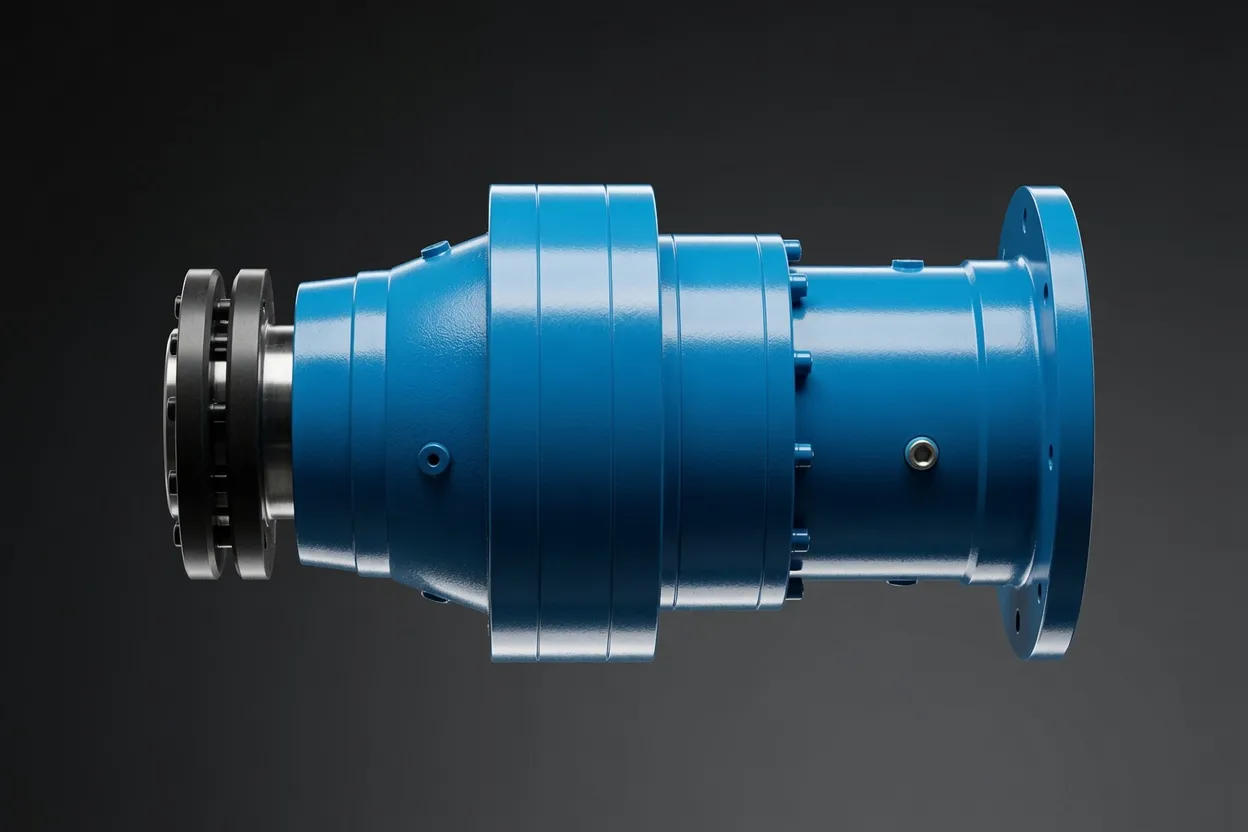
Spindle Drive Gearboxes for Lathes and Mills
Heavy-duty lathes and vertical turning lathes (VTLs) use planetary gearboxes to multiply spindle motor torque at low RPM for turning large-diameter workpieces from difficult materials. Ratios of 4:1 to 8:1 extend the motor’s constant-torque region to lower spindle speeds without increasing motor size. A two-speed planetary gearbox provides both a low-range (geared) and high-range (direct drive) mode, giving the machine a torque-speed envelope that covers heavy roughing through high-speed finishing in a single setup — reducing the number of operations and improving part accuracy.
Milling machine spindles benefit similarly when cutting at low RPM with large-diameter face mills or when processing titanium alloys that require high torque at restricted cutting speeds. The gearbox must contribute minimal radial runout (below 3 μm TIR at the spindle nose) and axial play (below 2 μm) to maintain the spindle’s inherent precision. Precision-ground gears, preloaded output bearings, and dynamically balanced rotating assemblies achieve these specifications in production gearboxes.
Feed Axis Gearboxes
Feed drives on lathes (X and Z axes) and milling machines (X, Y, Z axes) use precision planetary gearbox units to match servo motor output to ball-screw torque and speed requirements. The gearbox provides torque multiplication for rapid heavy-cut material removal and positioning resolution enhancement through the gear ratio. Backlash below 3 arcminutes ensures that the CNC interpolation produces smooth surface finishes without witness lines at direction-reversal points during contouring operations.
For machines performing thread cutting (lathes) or helical milling (machining centers), the feed axis gearbox must maintain constant angular velocity with minimal transmission error. Periodic speed variations from gear-tooth irregularities create pitch errors in threads and lead errors in helical features. A low backlash planetary gearbox with transmission error below 30 arcseconds and helical gearing eliminates these defects, enabling the machine to produce features meeting ISO tolerance Class 6 or better.
Performance Specifications
Backlash
Feed axes: below 3 arcminutes for general machining, below 1 arcminute for precision work. Spindle gearboxes: below 1 arcminute to prevent chatter at low-speed, high-torque cutting conditions.
Torsional Stiffness
Feed axes: above 100 Nm/arcmin for standard machines, above 200 Nm/arcmin for large-format machines. Spindle gearboxes: above 300 Nm/arcmin to maintain cutting stability during heavy interrupted cuts.
⚙️ Radial Runout
Spindle gearboxes: below 3 μm TIR at the output flange. This specification ensures the gearbox does not degrade the spindle’s overall runout, which directly affects machined surface roundness and concentricity.
Vibration
Below 0.5 mm/s RMS at the gearbox housing during rated operation. Lower vibration improves surface finish and extends cutting tool life by reducing the dynamic chip-load variation at the tool tip.
Installation and Integration Best Practices
Spindle Gearbox Installation
Install the gearbox-spindle assembly as a pre-aligned unit. Verify radial runout at the spindle nose after installation — it should not exceed the spindle manufacturer’s specification. Any degradation indicates misalignment at the gearbox-spindle interface.
Feed Axis Alignment
Align the gearbox to the ball-screw using a precision dial indicator. Total misalignment should not exceed 0.02 mm to prevent premature ball-screw bearing and gearbox bearing wear.
Range-Change Testing
For two-speed spindle gearboxes, verify smooth shifting between ranges under no-load conditions. The shift mechanism should engage without grinding, and the spindle should reach commanded speed within the CNC’s timeout period in both ranges.
Cutting Test Validation
Perform a standard test-cut (roundness test on a lathe, finish test on a mill) after gearbox installation. Compare results to the machine’s original acceptance data to verify that the gearbox installation has not degraded machining accuracy.
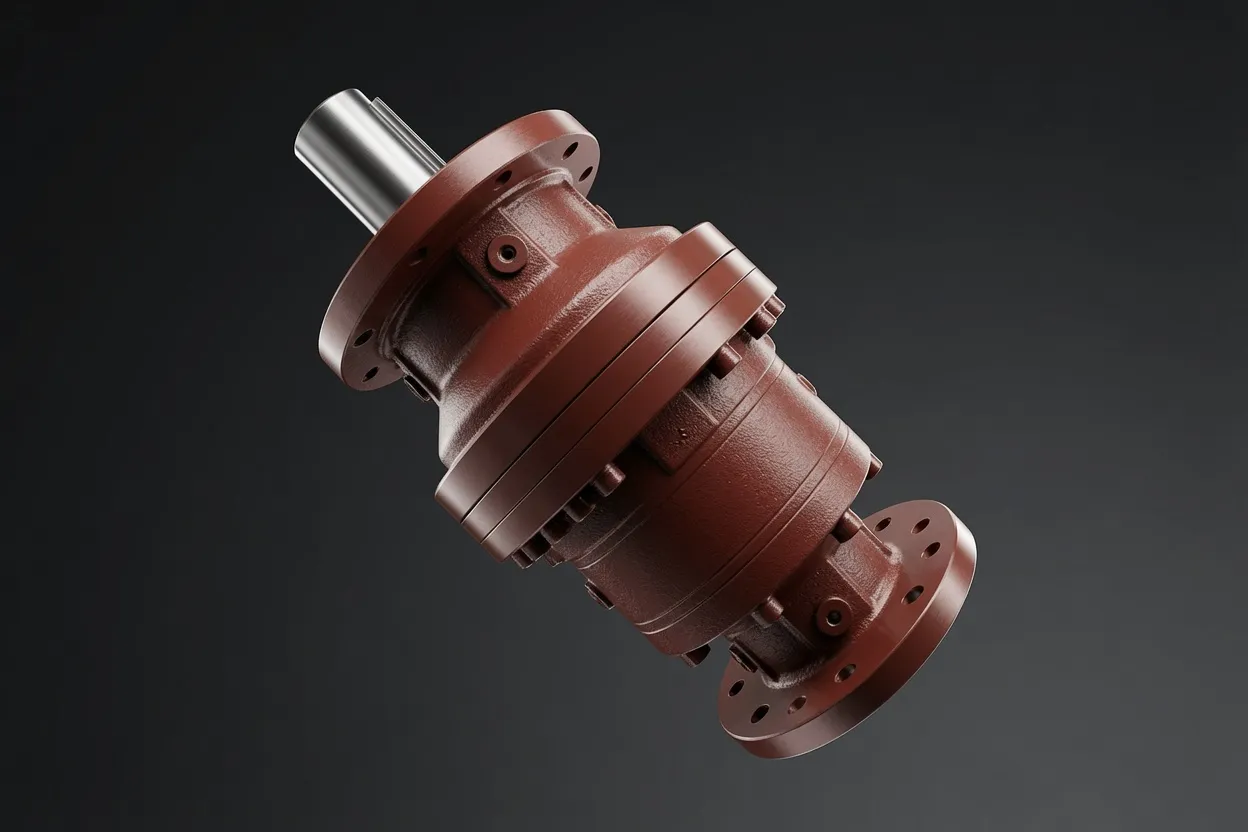
Maintenance and Reliability
Machine tool gearboxes are sealed lifetime-lubricated units. The primary maintenance metric is machining accuracy degradation — when the machine can no longer hold its specified tolerance due to gearbox wear, schedule replacement. Annual backlash measurement provides trending data for prediction. Vibration monitoring detects bearing deterioration before it causes noticeable accuracy loss.
For two-speed spindle gearboxes, verify the range-change mechanism’s operation at each annual maintenance interval. Lubricate the shift mechanism per the manufacturer’s specification (typically grease points accessible from outside the headstock). Check that the shift position sensors provide clean signals to the CNC — intermittent sensor contact can cause unexpected mid-cut range changes that damage the workpiece and tooling.
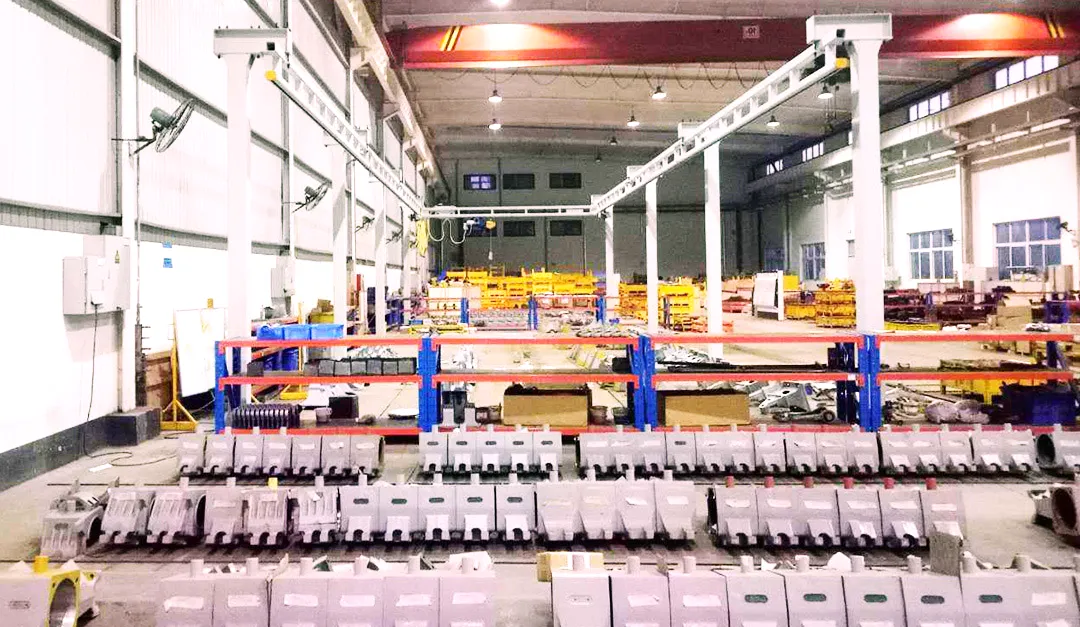
Why Choose Ever-Power
Machine Tool Precision
Sub-3-μm runout and sub-1-arcminute backlash meet the demands of CNC lathes and machining centers from general-purpose to precision class.
Complete Test Documentation
Runout, backlash, transmission error, and vibration data ship with every unit for inclusion in the machine tool’s acceptance documentation.
️
Two-Speed Spindle Solutions
Our two-speed planetary spindle gearbox range covers spindle powers from 15 to 100 kW with automatic or manual range shifting.
Machine Tool Industry Delivery
We supply to machine tool builders in China, Taiwan, Japan, Korea, Germany, and Italy with delivery schedules aligned to machine production timelines.
Frequently Asked Questions
Machine Better with Precision Gearboxes
Share your machine tool specifications — our team will recommend the optimal gearbox for your spindle or feed axis.