
Power Generation · Gas Turbine Gearbox Technology
Gas turbine engines in power generation, marine propulsion, and oil-and-gas mechanical-drive applications spin at 3,000 to 15,000 RPM — far above the speed of the driven equipment. Planetary gearboxes step the turbine output down to the generator, compressor, or propeller speed while transmitting power levels from 5 to 100+ MW. This guide covers planetary gearbox engineering for gas turbine reduction gear applications.
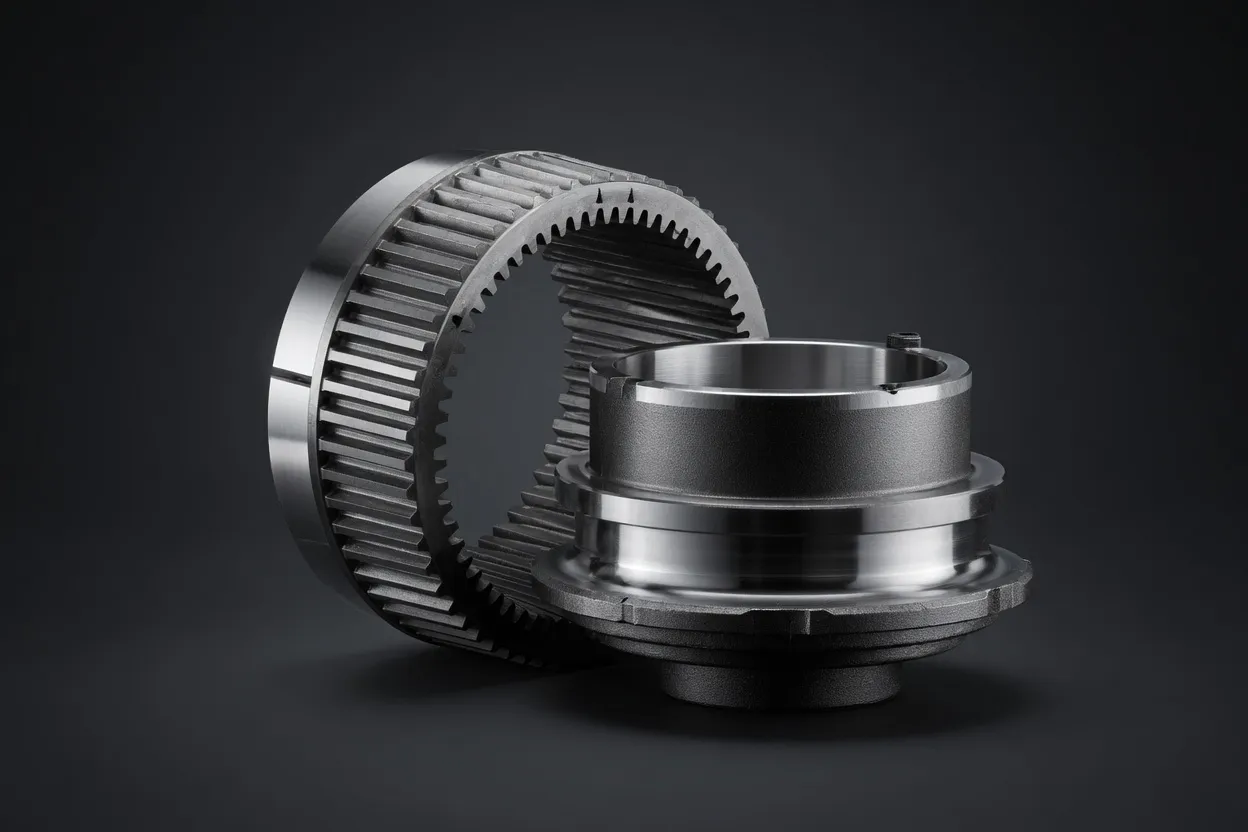
Gas Turbine Reduction Gear Architecture
Gas turbine power trains use one or two planetary reduction stages — often combined with a parallel-shaft stage — to convert the turbine’s high-speed output to the driven equipment’s operating speed. A 25 MW industrial gas turbine spinning at 8,000 RPM driving a 3,600 RPM generator requires a ratio of approximately 2.2:1, while the same turbine driving a 1,800 RPM compressor needs 4.4:1. At these power levels, the planetary gearbox transmits enormous torques — 30,000 to 100,000 Nm — through gear meshes that must operate at efficiencies above 99% per stage to limit heat generation and maximize the power plant’s overall fuel-to-electricity conversion efficiency.
The coaxial input-output arrangement of the planetary configuration aligns the turbine shaft and generator shaft on a single centerline, simplifying the drivetrain layout and reducing the foundation footprint compared to offset parallel-shaft gearboxes. This space saving is critical on offshore platforms, marine vessels, and packaged power-generation units where every square meter of deck area has economic value. The planetary gear reducer also distributes the massive torque across multiple planet gears, keeping tooth loads within the capability of achievable gear materials at these extreme power levels.
Performance and Efficiency Requirements
Ultra-High Efficiency
At 25 MW, each 0.1% of gearbox loss represents 25 kW of heat that must be removed by the oil cooling system — and 25 kW of fuel energy wasted. Gas turbine gearboxes target efficiencies above 99% per stage, achieved through precision-ground helical gears with optimized tooth profiles that minimize sliding losses, high-quality bearings with low friction, and lubricant systems that deliver oil precisely where needed without excessive churning. The cumulative efficiency of a two-stage turbine gearbox at 98.5% overall translates to 375 kW of thermal dissipation at 25 MW — a substantial cooling load that determines the oil system’s capacity requirements.
Torsional Dynamics
Gas turbine drivetrain torsional vibration — excited by turbine blade-passing frequencies, generator electrical harmonics, and compressor surge events — can cause gear-tooth fatigue if the system’s torsional natural frequencies align with these excitation sources. Torsional analysis of the complete drivetrain (turbine-gearbox-generator or turbine-gearbox-compressor) must verify adequate separation margins between natural frequencies and excitation frequencies across all operating speeds. The high torque planetary gearbox designer provides the gearbox’s torsional stiffness and inertia data needed for this system-level analysis.
Thermal Management
Forced-circulation oil systems delivering 500 to 2,000 liters per minute provide lubrication, cooling, and debris flushing for turbine gearboxes. Oil-jet targeting onto the gear mesh entry point minimizes churning while providing the film thickness needed for the extreme tooth-surface speeds (up to 100 m/s on large turbine gears). External oil coolers — air-cooled or water-cooled — maintain oil supply temperature at 45–55 °C, ensuring adequate viscosity for gear-tooth film formation while limiting thermal expansion of the housing and shafts.
Design Specifications
⚙️ Aerospace-Derivative Steel
Gas turbine gears use vacuum-arc-remelted (VAR) steels such as AISI 9310 or Pyrowear 53, providing the combination of surface hardness, core toughness, and cleanliness (low inclusion content) needed for the extreme contact stresses and high-cycle fatigue loads of turbine service.
Tilting-Pad Journal Bearings
Planet bearings in high-speed turbine gearboxes use tilting-pad journal bearing designs rather than rolling-element bearings, accommodating the high surface speeds and providing the damping that stabilizes the rotor dynamics of the combined turbine-gearbox-generator system.
️ API 613 Compliance
Petroleum industry gas turbine gearboxes are designed, manufactured, and tested per API 613 (Special Purpose Gear Units for Petroleum, Chemical and Gas Industry Services), which defines requirements for materials, design margins, testing, and documentation.
Mechanical Seal Integration
The gearbox housing interfaces with mechanical shaft seals that prevent oil leakage at the high-speed input and output shaft penetrations. Seal design must accommodate the shaft deflections and thermal growth that occur during startup, steady-state, and trip conditions without leakage that would contaminate the turbine enclosure or generator windings.
Installation and Commissioning
Foundation Alignment
Align the turbine-gearbox-generator on a common baseplate to within 0.025 mm at all coupling points. Thermal-growth calculations predict the hot-running alignment from the cold-set values, accounting for the differential thermal expansion between the turbine (hot), gearbox (warm), and generator (cool) during steady-state operation.
Oil System Flushing
Before first start, flush the complete oil system — reservoir, piping, coolers, filters, and gearbox — to achieve an oil cleanliness of ISO 4406 15/13/10 or better. Particles remaining in the system from fabrication, welding, and assembly will damage the precision gear surfaces during the first hours of operation if not removed.
No-Load Mechanical Run
Run the gearbox at rated speed under no-load conditions (turbine on starter motor) for 4 hours. Monitor vibration, bearing temperatures, and oil temperatures at all measurement points. All values must stabilize within the API 613 acceptance criteria before proceeding to loaded operation.
Load Testing
Apply load progressively to 100% of rated power. Record vibration, bearing temperature, and oil temperature at 25%, 50%, 75%, and 100% load points. Compare to the factory test data to verify that field performance matches the controlled factory conditions. Any significant deviation triggers investigation before releasing for commercial operation.
Maintenance and Reliability
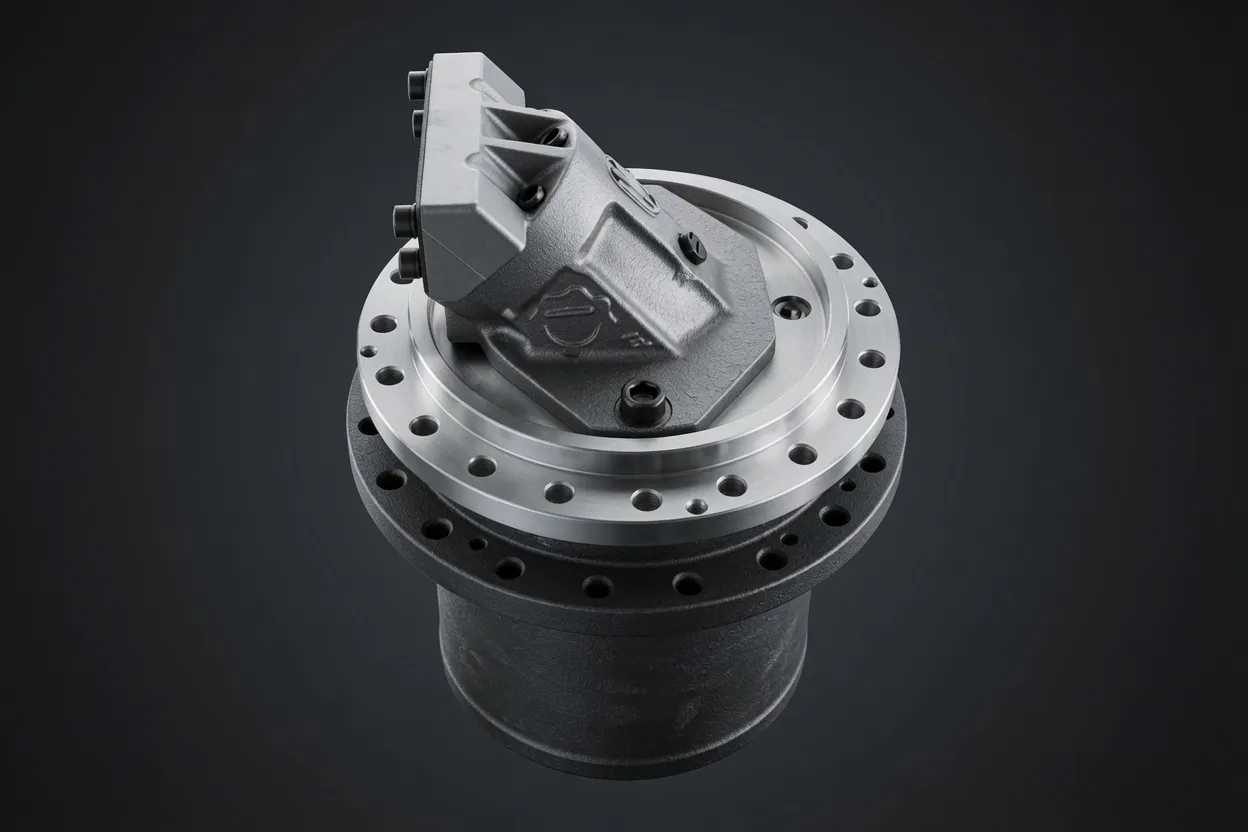
Gas turbine gearbox maintenance follows the power plant’s condition-based monitoring program. Continuous online vibration, temperature, and oil-quality monitoring detects developing issues in real time. Monthly oil sampling provides laboratory analysis of wear metals, particle counts, water content, and viscosity — complementing the online sensors with higher-resolution chemistry data. Planned overhauls at 30,000 to 50,000 operating hours involve complete gearbox disassembly, inspection, measurement, and replacement of any components exceeding wear limits.
The economic impact of a turbine gearbox failure is measured in millions of dollars — combining repair costs, lost power-generation revenue, and potential collateral damage to the turbine and generator. This justifies the investment in comprehensive condition monitoring and conservative overhaul planning. Maintaining a spare gearbox rotor assembly (the complete internal gear-and-bearing assembly, ready for installation in the existing housing) at the power plant enables a gearbox overhaul in 5 to 7 days rather than the 4 to 8 weeks required to manufacture replacement components from scratch.
Why Choose Ever-Power
Heavy-Duty Precision Manufacturing
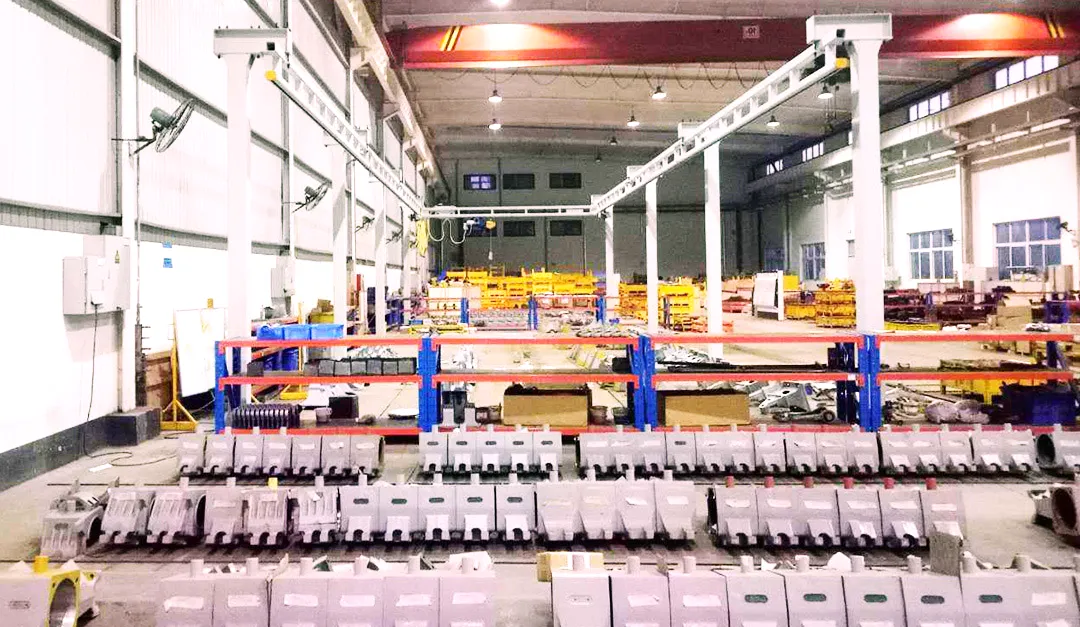
Our facility grinds and hones gas turbine-class gears to AGMA Quality Class 13 or higher, using VAR aerospace steels with full metallurgical certification traceable to the ingot source.
API 613 Compliance
We design, manufacture, and test gas turbine gearboxes per API 613 requirements, providing the documentation package — material test reports, NDE records, mechanical run test data — that petroleum and power-generation customers require.
️
Rotor Exchange Program
Pre-built rotor assemblies for popular turbine-gearbox models enable field overhauls in under one week. The removed rotor returns to our factory for rebuild, re-entering the spare pool for future exchange.
Power and Oil-Gas Industry Supply
We supply turbine gearboxes to power plants, offshore platforms, LNG facilities, and pipeline compressor stations worldwide. Contact [email protected] for project-specific proposals.
Frequently Asked Questions
Power with Precision — Turbine Gearboxes You Can Trust
Share your gas turbine specifications and application details — our power-generation team will deliver a comprehensive gearbox proposal.